5 strategies architects use to define space in an open plan home

Written by

10 May 2026

 • 

5 min read

The Knoll by Megan Edwards Architects uses a cabinetry screen and floor level changes to delineate different zones within an open plan.
Architect Megan Edwards shares five thoughtful strategies for creating flow, intimacy and clearly defined zones within open-plan homes.

One of the simplest and most architecturally effective ways to design a home is to create a continuous roof plane with various living zones arranged beneath it. It means spaces are largely open-plan and feel connected and spacious. 

However, as many homeowners have discovered, living without any spatial delineation can quickly feel undefined and difficult to inhabit.   

To understand how architects create subtle distinctions within open interiors, we spoke to architect Megan Edwards about the strategies she uses to create flow, intimacy and functionality in open-plan homes 

“For open-plan living to work well, there has to be an easy flow between spaces,” says Edwards. “In a well-designed home, people instinctively know where to go and it never feels awkward or forced.”

Here, Edwards shares five key strategies for defining different zones within an open-plan interior.


1. Use floor and ceiling level changes to create atmosphere 


In open-plan homes, a completely flat plane can sometimes leave interiors feeling one-dimensional. Introducing split levels, sunken lounges or dropped ceilings can subtly shift the mood and function of a space without interrupting visual connection.

“A lowered ceiling can create a more intimate feeling within a larger volume,” says Edwards. “Even a relatively subtle change helps define how a space is used.”

Likewise, stepping down into a living area or raising a dining space introduces a natural sense of transition and hierarchy. These level changes also allow for material shifts, such as changes in flooring finishes, without awkward junctions.

“It’s a simple way to distinguish between spaces while still maintaining openness and connection,” she says.

A dropped ceiling makes a sunken lounge feel more intimate at The Knoll.
Lighting and furniture placement delineate zones at the Knoll.

2 Introduce partial walls and screening 


Rather than fully separating spaces, Edwards often uses partial walls, cabinetry or timber screens to create layered definition throughout a home.

“Screening creates a visual break while still maintaining transparency,” she explains. “A partially open shelf unit can also act as a beautiful screen - and provide opportunities for display and storage.”

The level of openness depends on the degree of privacy required. In some homes, a lightweight screen may simply suggest separation between a dining and living area, while in others, more substantial architectural elements are needed to manage acoustics.

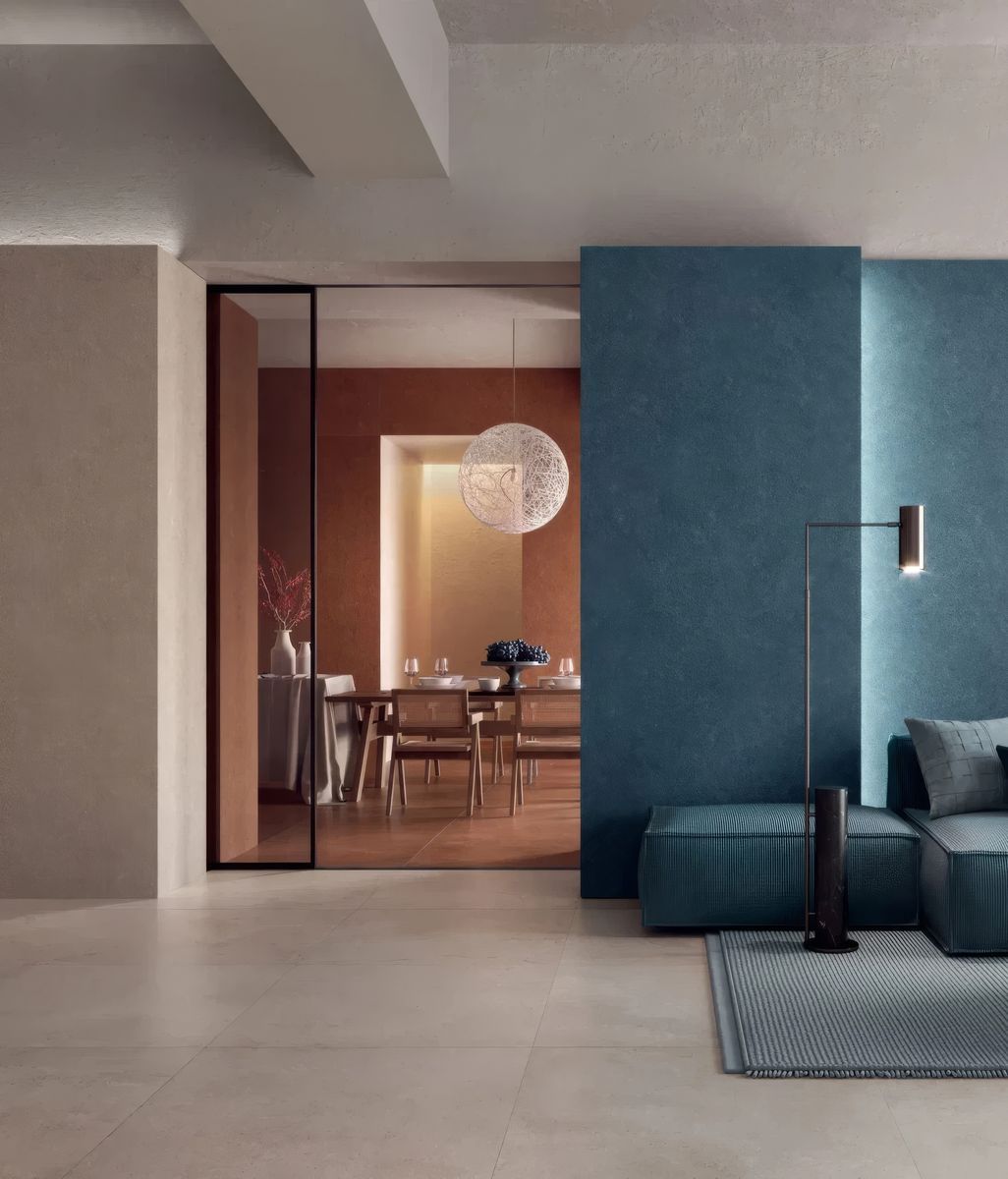
Half-height walls, often created by a subtle change in floor level, can be particularly effective, preserving natural light and sightlines while still creating a sense of enclosure. In larger homes, cavity sliders can also provide flexibility when spaces occasionally need to function independently.

“If a room needs to be acoustically separate at times, full-height cavity sliders are a great solution because they allow the plan to remain open when desired,” says Edwards.

3. Create smaller ‘sub-zones’ within larger spaces


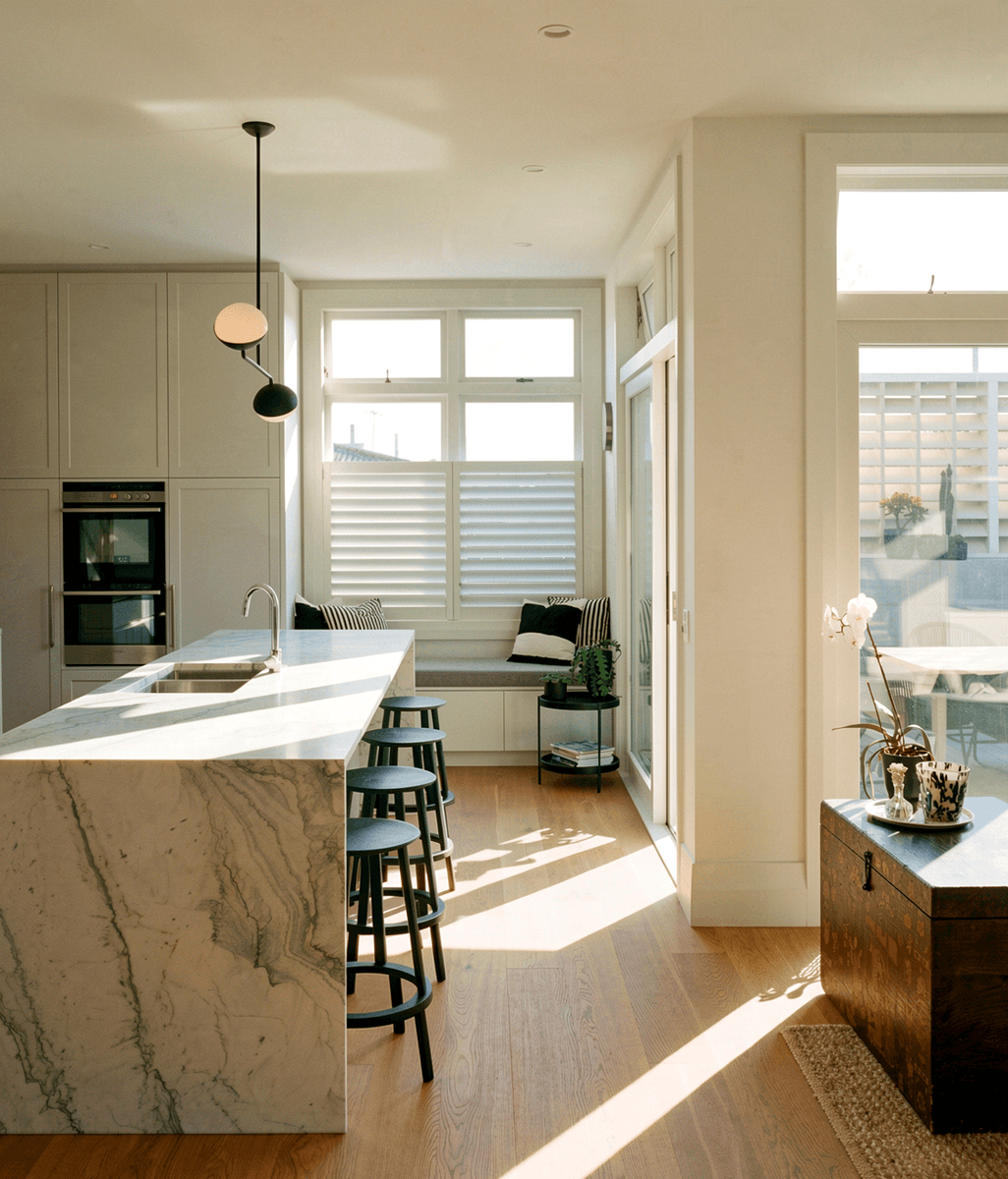
One of the most effective ways to make open-plan living feel comfortable is by creating smaller moments of occupation within the larger whole. Window seats, study nooks and built-in benches all help establish distinct zones of activity throughout the home.

“People naturally gravitate towards these smaller, more personal spaces,” says Edwards. “Even something as simple as a window seat can become its own little zone within the house.”

These secondary spaces are particularly valuable in family homes, where different activities often need to happen simultaneously without feeling disconnected. A study nook near the kitchen, for example, allows children to work nearby while still remaining part of the wider living environment.

“It’s about creating visible zones of activity throughout the home,” she explains. “The spaces feel connected, but each one still has its own sense of purpose.”

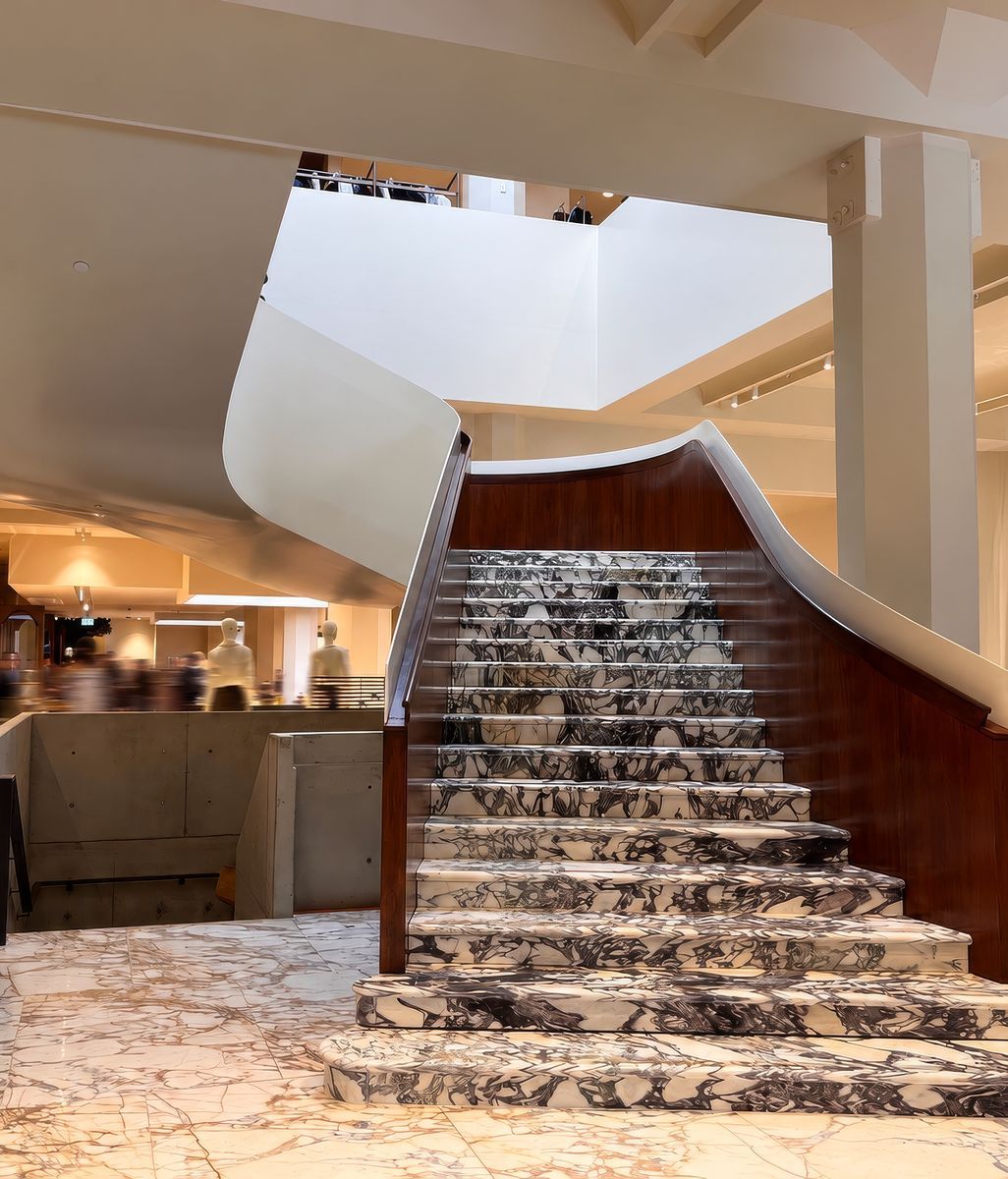
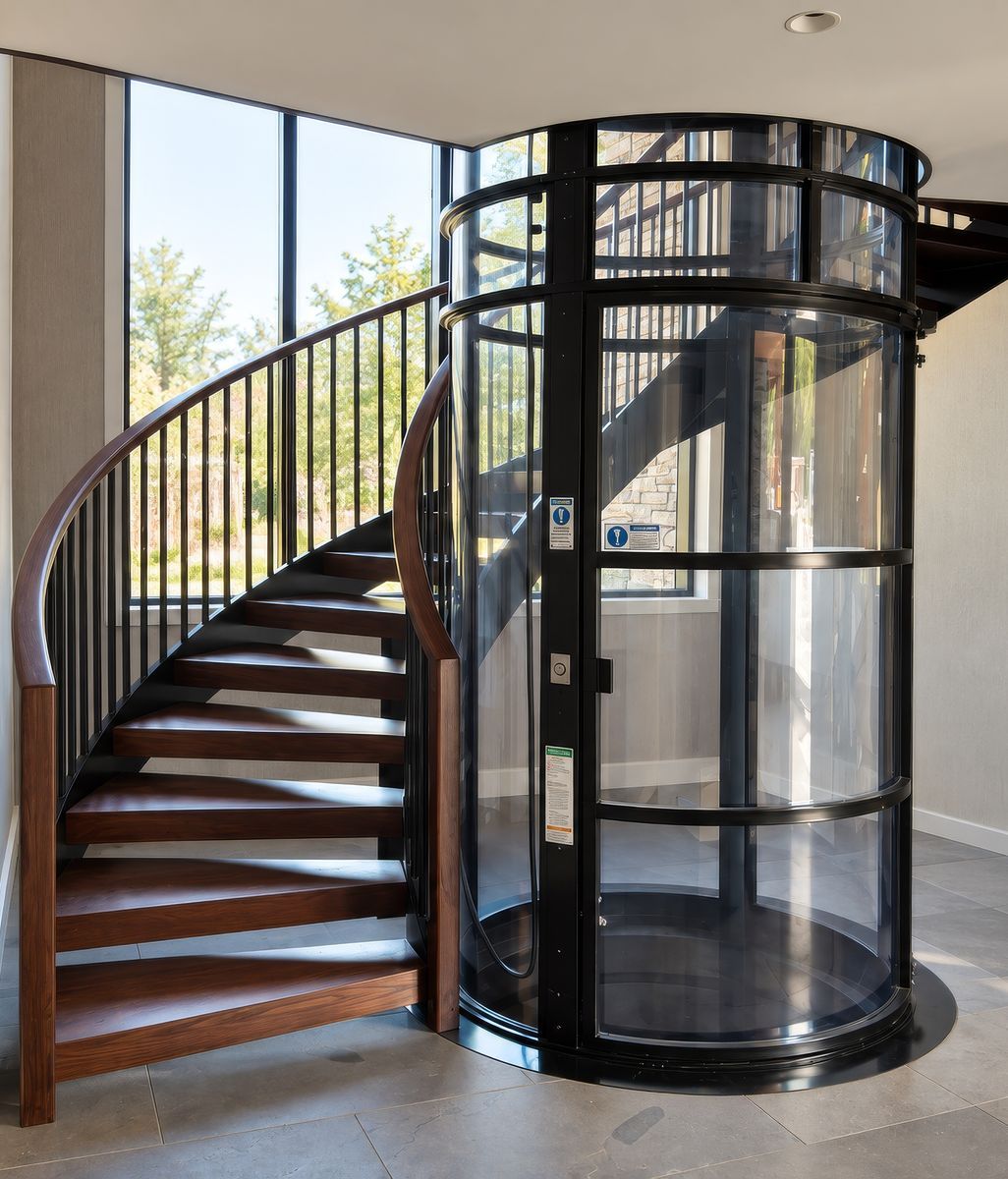
The staircase and mezzanine floor create several spaces under one roof
imgi41-WO-11DSF7839lrg-gigapixel-low-resolution-v2-4x-ap-compressed-v2.jpg

4. Use lighting, rugs and furniture placement to anchor spaces


Not every spatial division needs to be architectural. Often, softer layers such as lighting, rugs and furniture placement can be enough to define how a space is occupied.

“Lighting, rugs and furniture help strengthen these little nodules of activity within a home,” says Edwards.

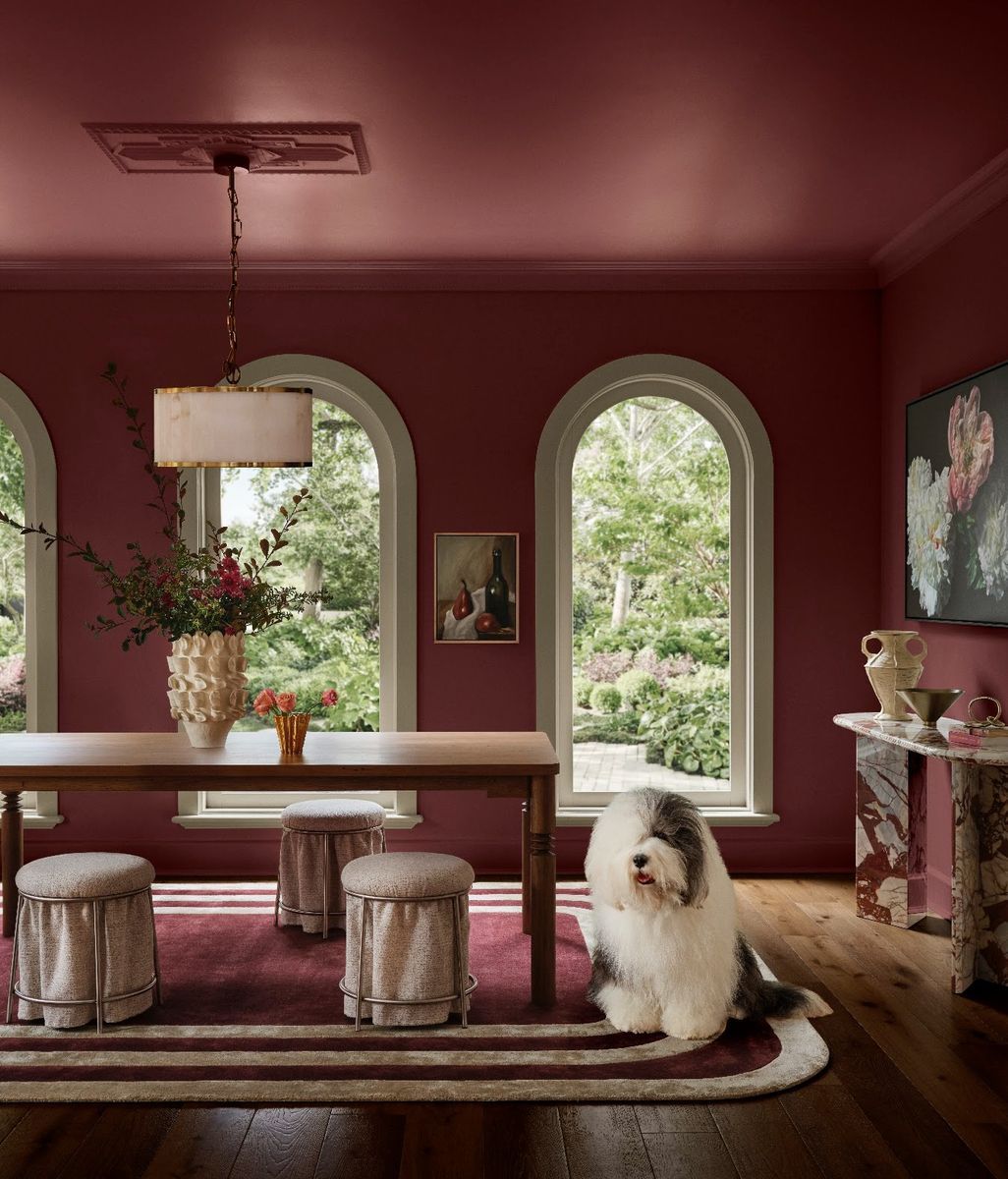
A large rug can visually anchor a living area within an expansive room, while pendant lighting above a dining table creates a focal point and reinforces the function of that zone. Carefully positioned furniture also encourages natural circulation and conversation.

“If the furniture arrangement clearly suggests how people should gather and interact, the space immediately feels calmer and easier to inhabit,” she says.

5. Consider a triangular rather than linear layout


According to Edwards, one of the most overlooked aspects of open-plan design is the overall arrangement of spaces themselves.

“In a lot of older open-plan homes, everything was arranged in a long line,” she says. “The kitchen sat at one end, the dining in the middle and the living room far away at the other end.”

Instead, Edwards often favours triangular or L-shaped arrangements, where spaces remain visually connected while sitting closer together physically.

“With a triangular arrangement, the kitchen can sit more centrally, in an easy relationship to both the dining and living spaces,” she explains.

The result is a layout that feels more social, cohesive and comfortable to move through, while still allowing each area to maintain its own identity.

Ultimately, Edwards believes successful open-plan living comes down to balancing the pleasure of openness with a sense of comfort and human scale.

“It’s about feeling connected to the rest of the house while still feeling comfortable in the space you’re in,” she says. “The aim is to get to enjoy the dynamism of a larger space and a sense of being together, while still creating places that feel intimate and defined.”