Architecture as a continuum: inside the thinking of TZG

Written by

28 April 2026

 • 

4 min read

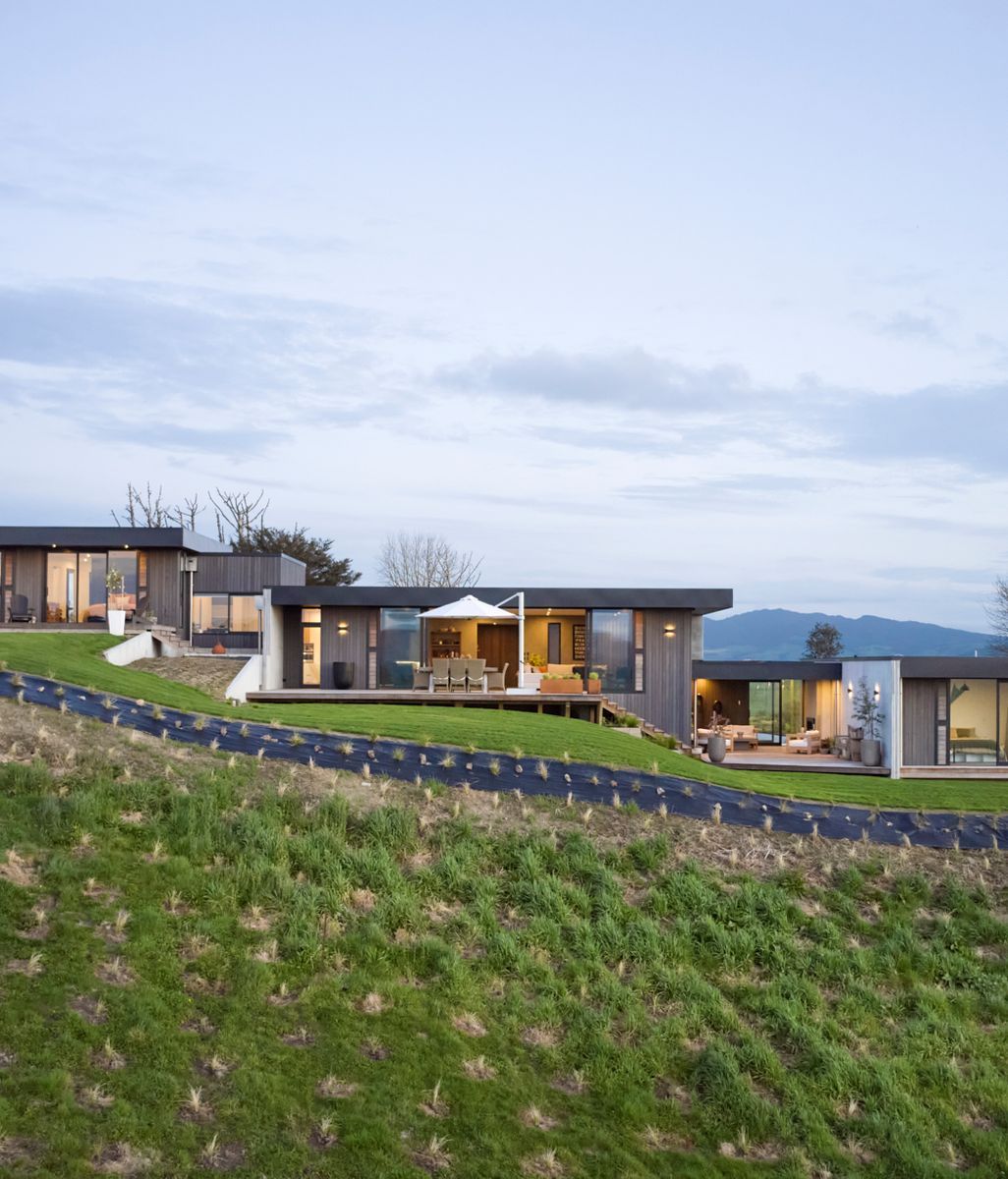
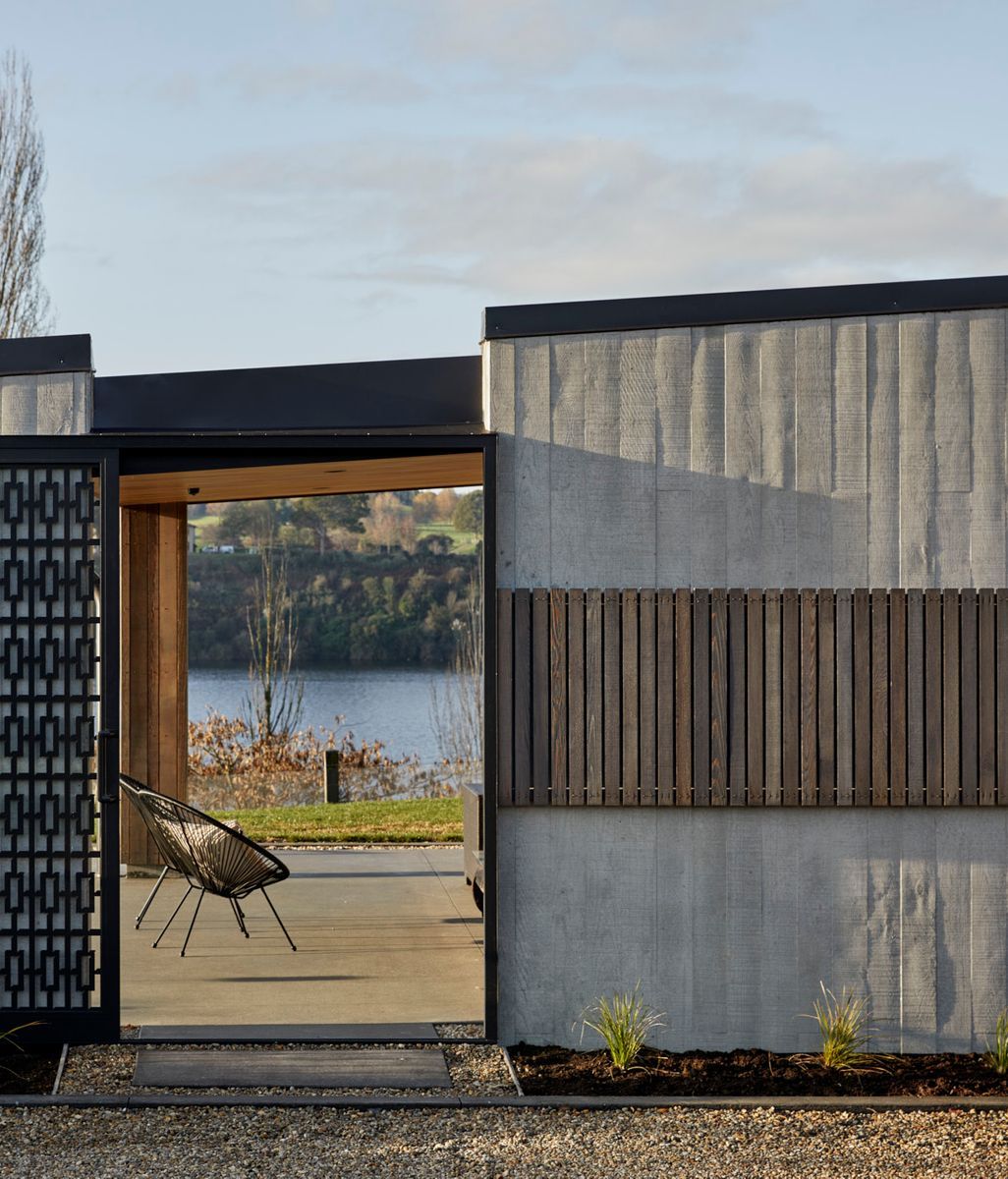
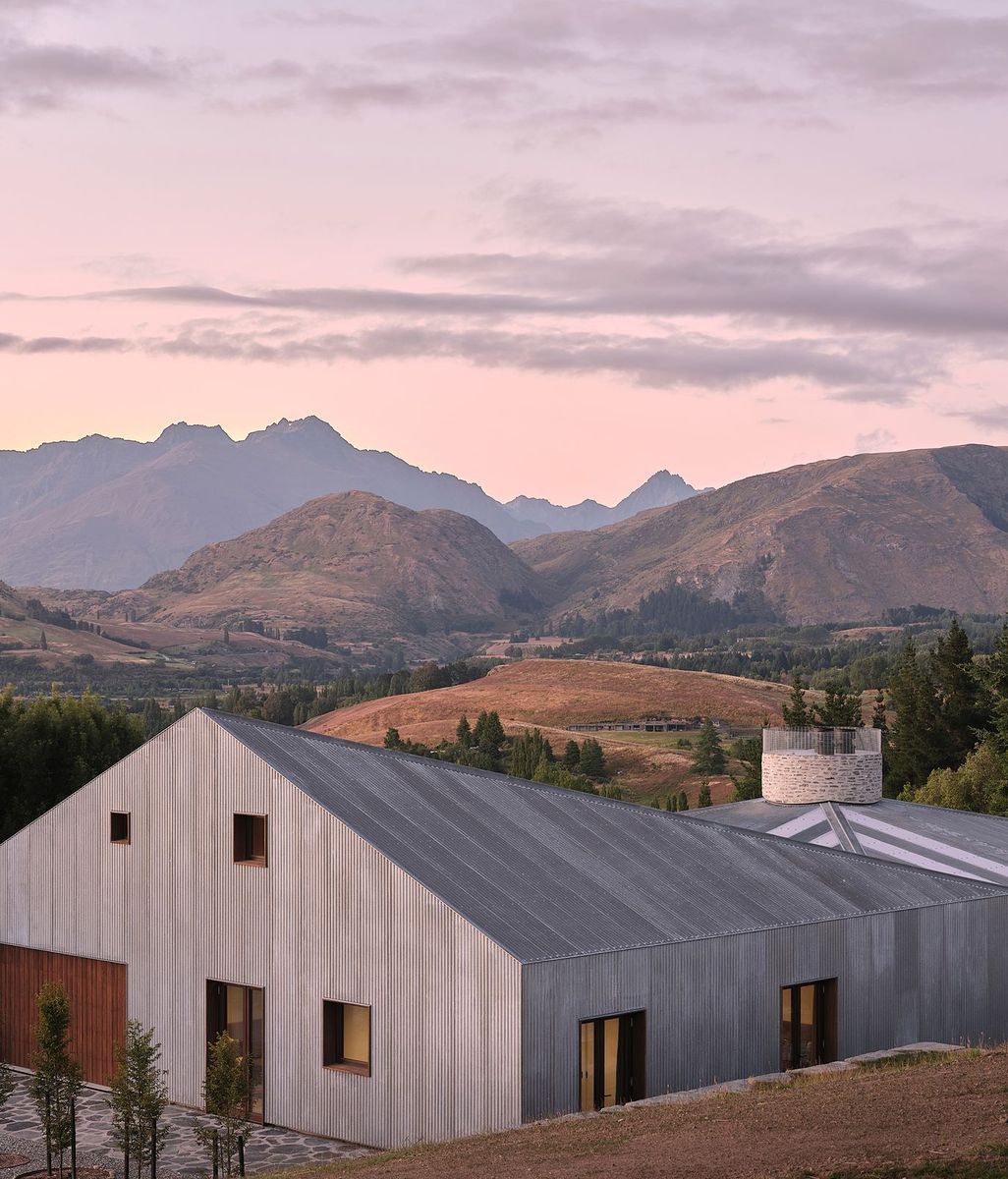
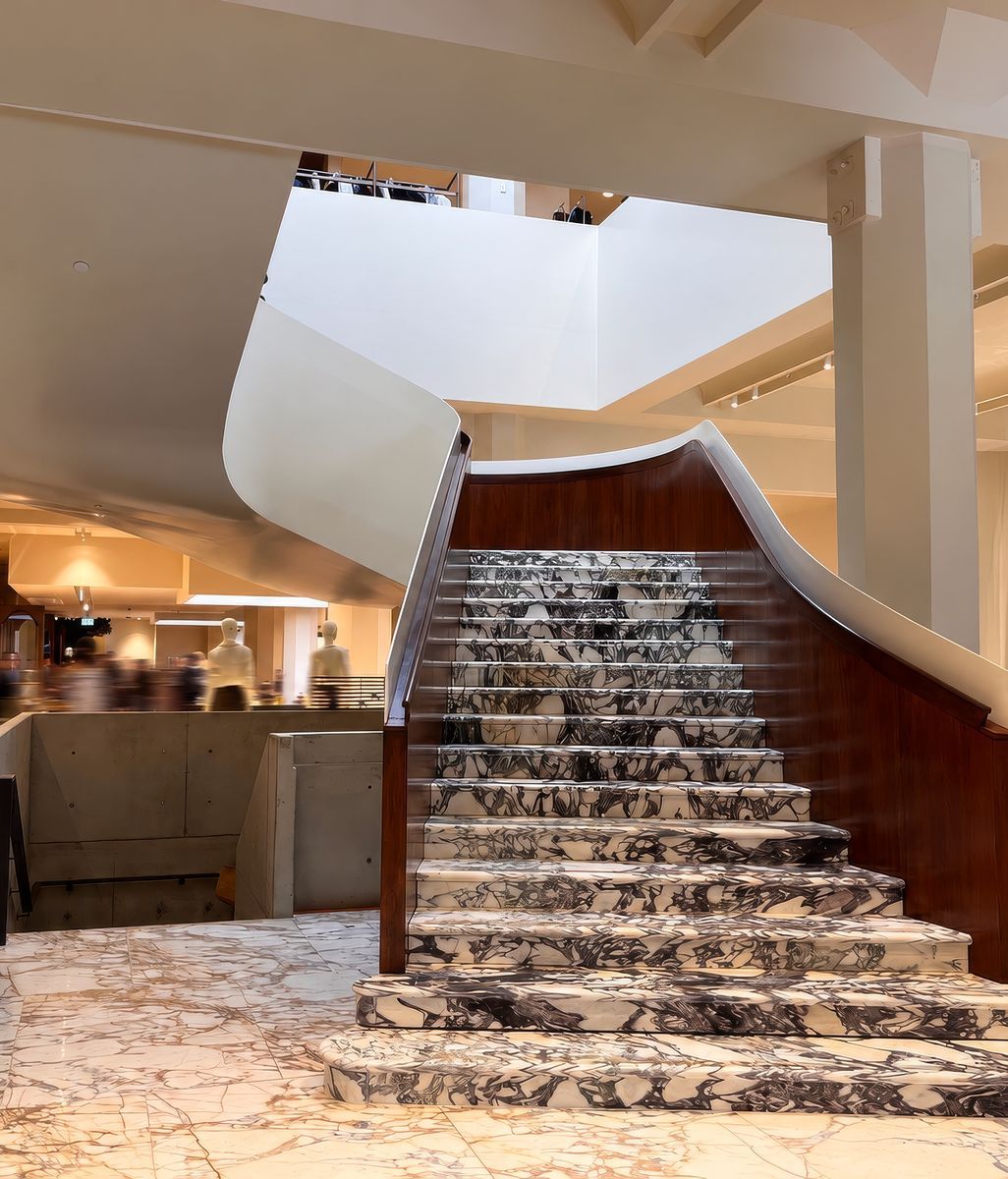
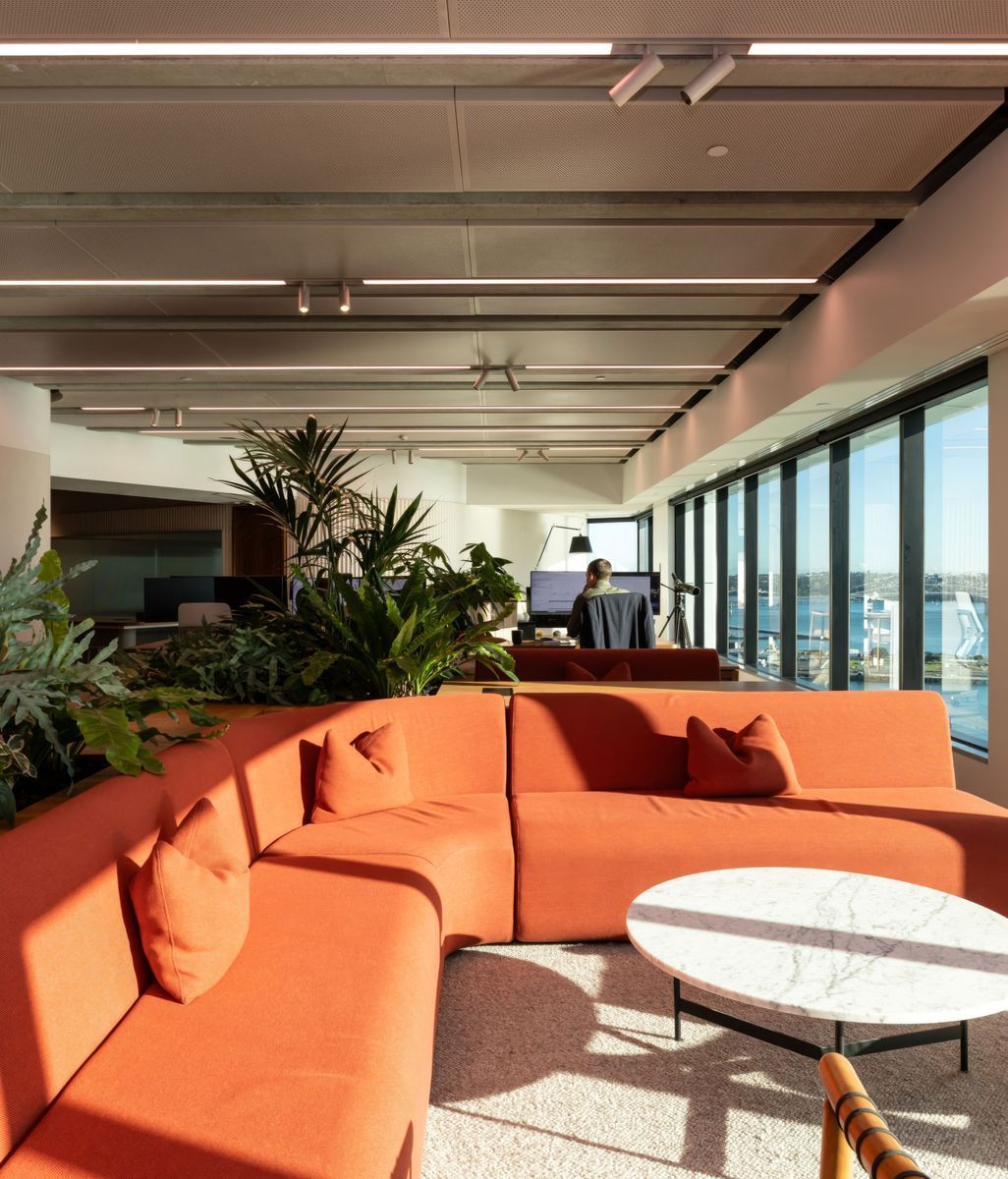
Project: Campbell House Private Office. Photographer: Cieran Murphy
There’s no singular aesthetic that defines the work of Tonkin Zulaikha Greer. Instead, what emerges is something more considered. A way of thinking about architecture that resists object-making in favour of connection.

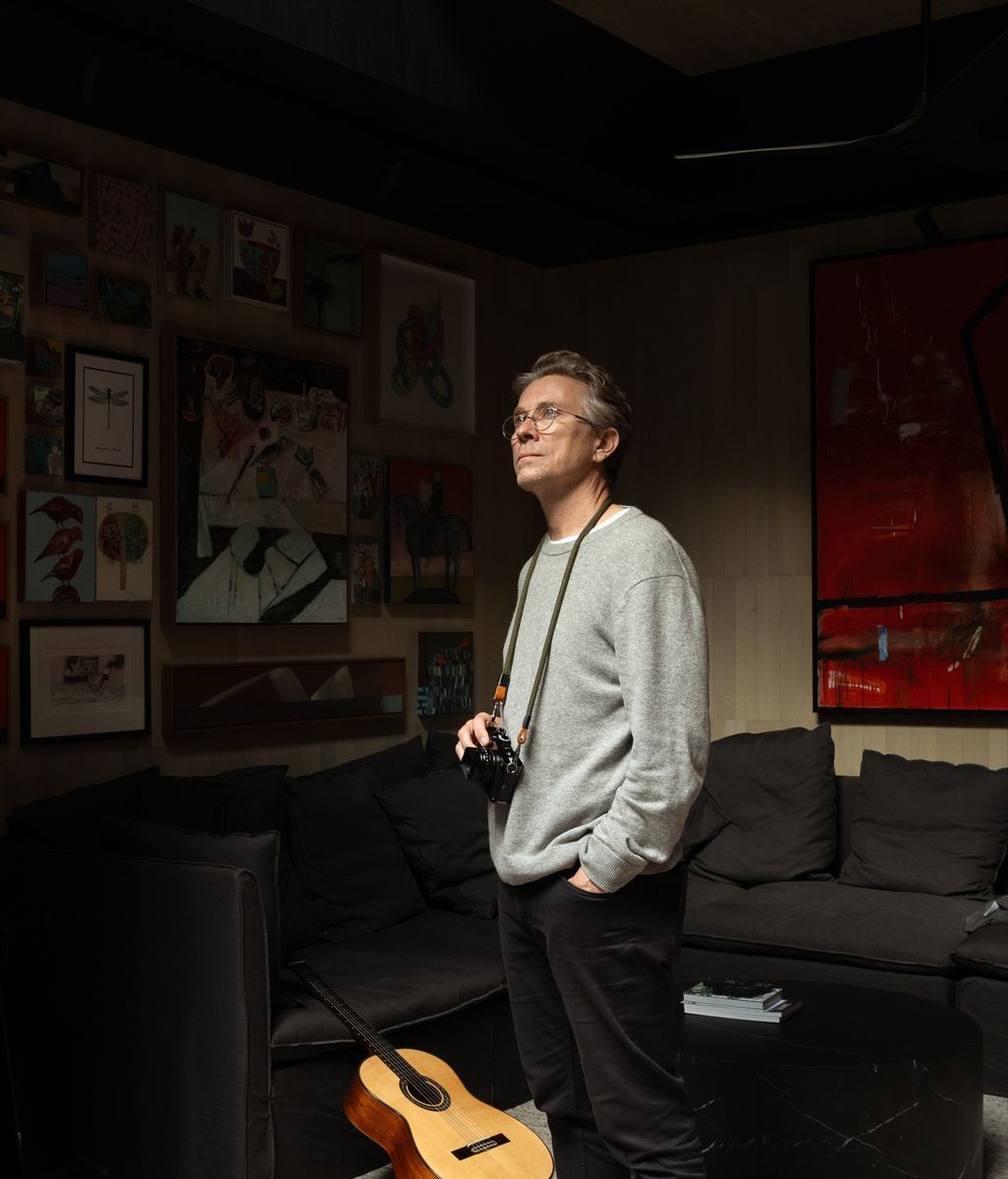
“We don’t see buildings as standalone objects,” says director Tim Greer. “They’re part of a broader continuum… of the city, of landscape, of history, of time.”

It’s a position that has shaped the Sydney-based practice for decades. Founded in the late 1980s and now firmly into its second generation of leadership, TZG has built a body of work that spans typologies, scales and contexts. Yet beneath that diversity sits a consistent approach. One that prioritises relevance over repetition, and context over signature style.

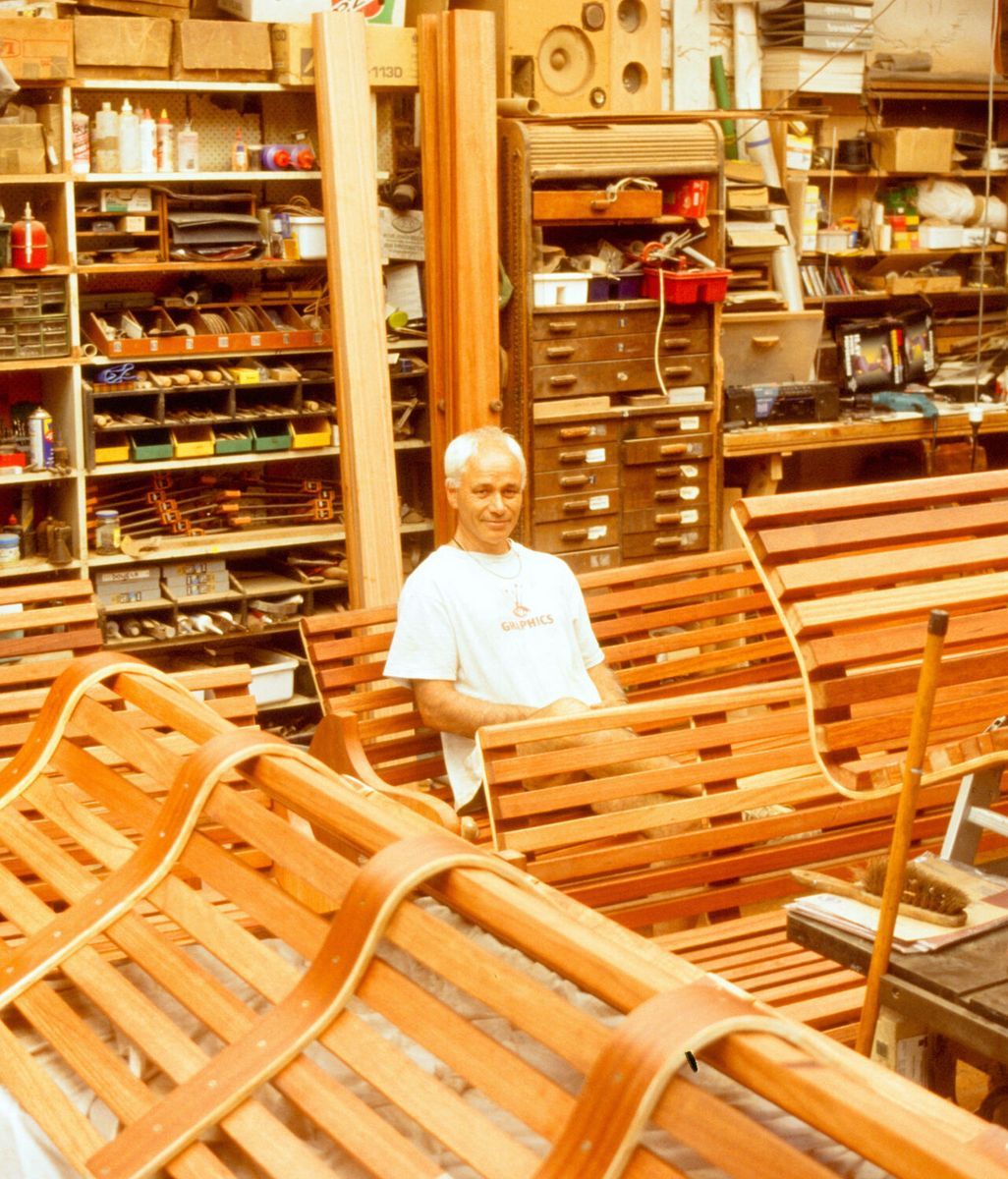
Tim-1065x1600.jpg

For Greer, architecture begins with understanding.

Each project starts with a process of immersion. Into site, into history, into the systems that shape a place. That includes everything from geology and urban form through to the movements and custodianship of First Nations people. It’s a way of working that looks both backwards and forwards simultaneously, drawing from what exists while testing what might come next.

“It’s about understanding what has been there, what’s shaped it, and what continues to influence it,” he says.

From there, the design process unfolds as an iterative and often non-linear exercise. Ideas are tested, challenged and reworked. Not in isolation, but through a studio culture that values contribution over authorship.

“We give the project the ego,” Greer explains.

It’s a simple idea, but one that underpins how the practice operates. Rather than imposing a singular vision, TZG allows each project to develop its own identity, shaped by context, constraint and collaboration.

That collaboration is both internal and external. Within the studio, a diverse mix of perspectives is actively encouraged, creating what project architect Jarrod Hughes describes as a “melting pot” of ideas.

“Everyone brings something different to the table,” he says. “It’s a very open environment, and that’s what makes the work stronger.”

Beyond the studio, that same openness extends to clients, consultants and collaborators. The process is less about alignment from the outset, and more about working through competing ideas early, resolving them before they become constraints later.

It’s a mindset that has become increasingly important as cities evolve.

As land values rise and urban sites become more complex, the notion of a single-use building is rapidly disappearing. Projects are now required to accommodate multiple functions, stakeholders and revenue streams, often within highly constrained conditions.

“As cities become more complex, buildings have to respond in kind,” Greer says. “They’re no longer single-use… They need to support a range of activities and experiences.”

For TZG, this complexity isn’t something to simplify, but something to work with. The studio often approaches projects laterally. Testing multiple scenarios at once, layering programmes, and exploring how different uses might coexist within a single framework.

“We’re not thinking in a straight line,” Greer explains. “We’re testing possibilities and seeing what falls out of that process.”

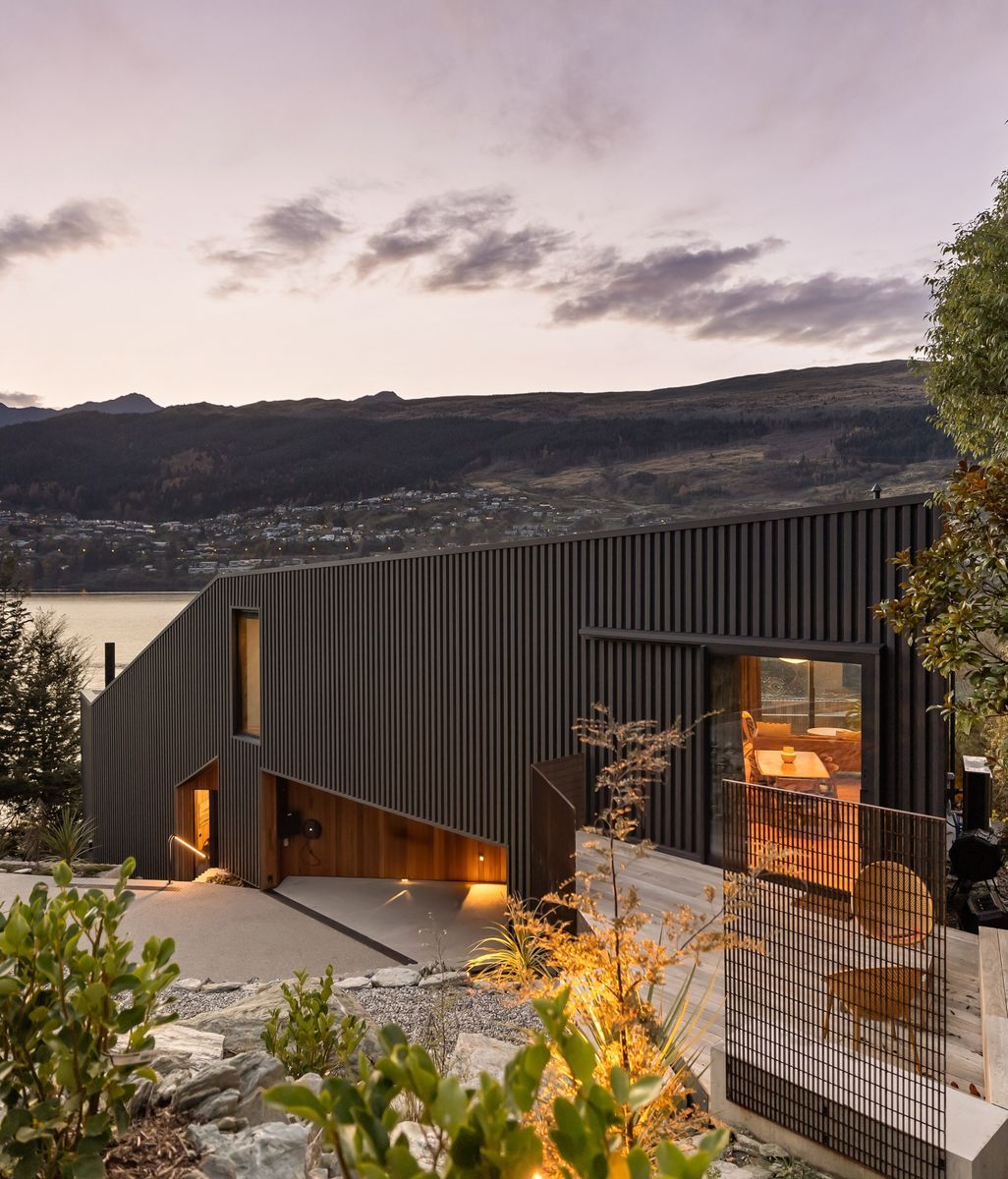
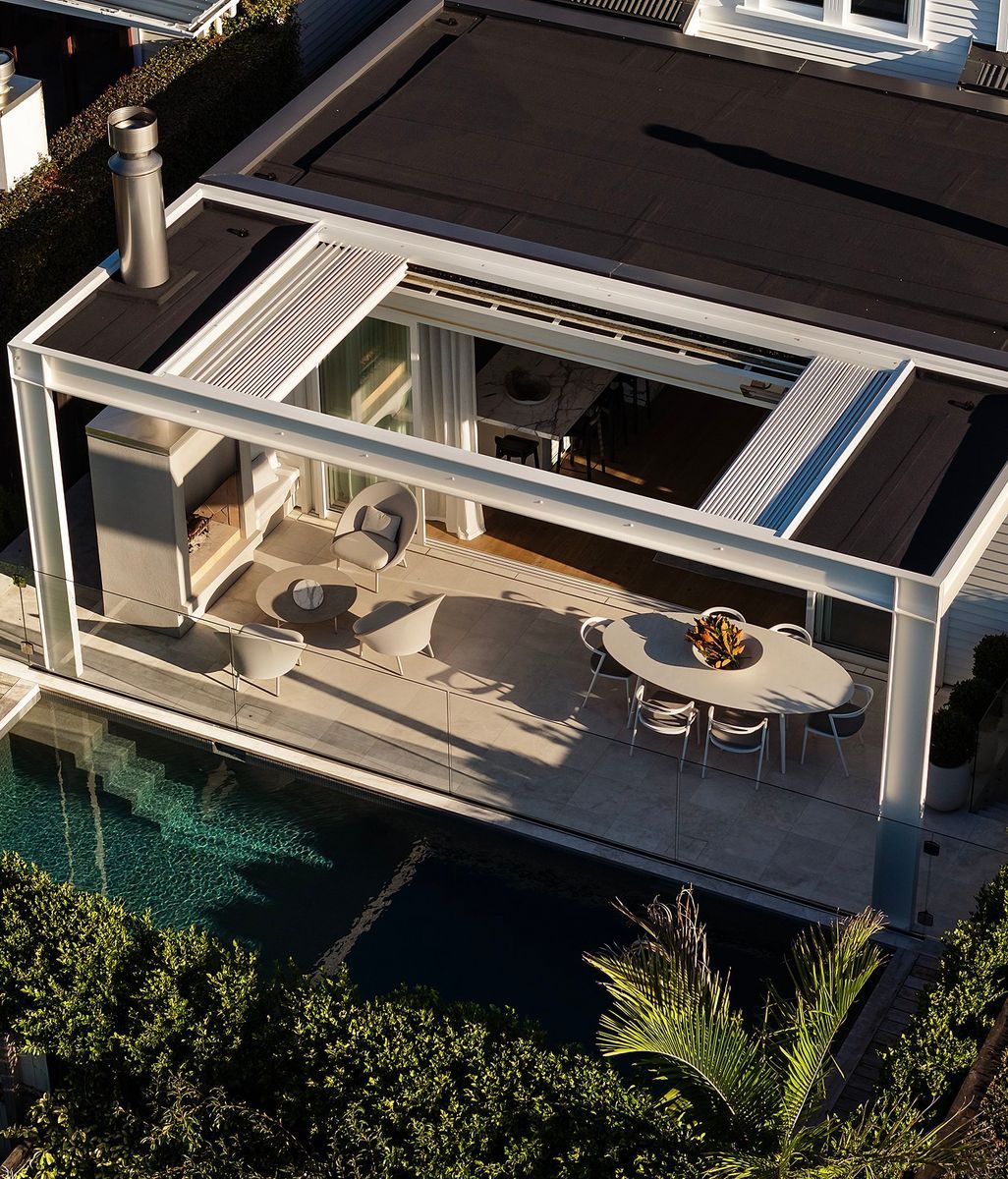
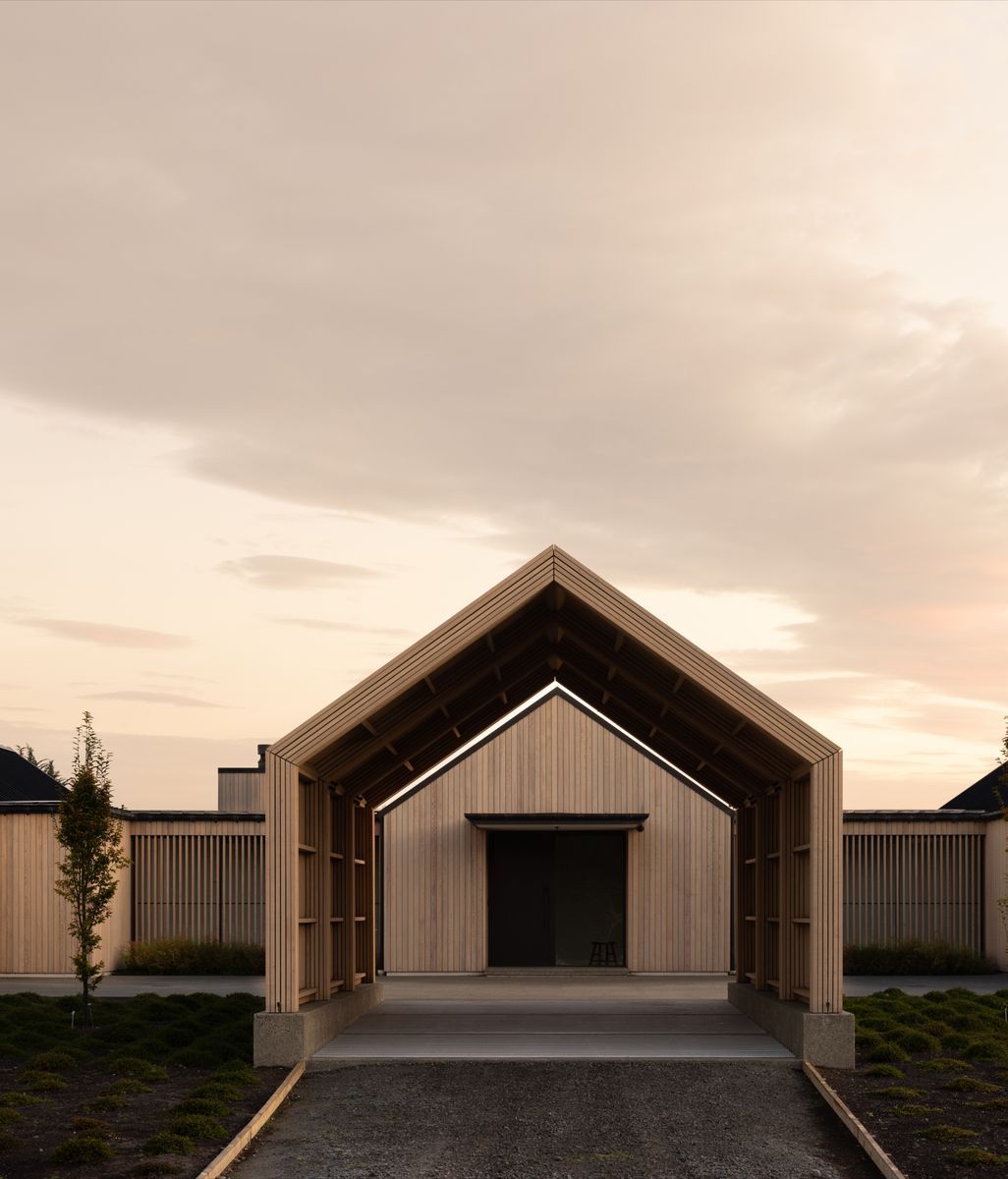
The result is architecture that feels deeply embedded in its context, not just physically, but conceptually. Each project responds to its environment in a way that is specific and deliberate, rather than generic or repeatable.

That specificity is also why the practice resists the idea of a house style.

“If you look through our work, everything looks different,” Greer says. “That’s because each project is deeply embedded in its context.”

Instead of aesthetic consistency, the through-line lies in approach. A commitment to understanding, to testing, and to making decisions that are grounded in something real.

At its core, TZG’s work is about finding meaning within the built environment. It’s about recognising that buildings are not isolated objects, but part of a larger system. One that includes people, history, culture and time.

“We’re interested in relevance,” Greer says. “That’s what ultimately makes a building last.”

To explore more of Tonkin Zulaikha Greer’s work, view their portfolio on ArchiPro, where projects, collaborators and specifications come together to reveal the thinking behind each outcome. You can also discover more practices and projects shaping the built environment across ArchiPro’s wider collection of architecture professionals.