Architecture that belongs

Written by

17 May 2026

 • 

4 min read

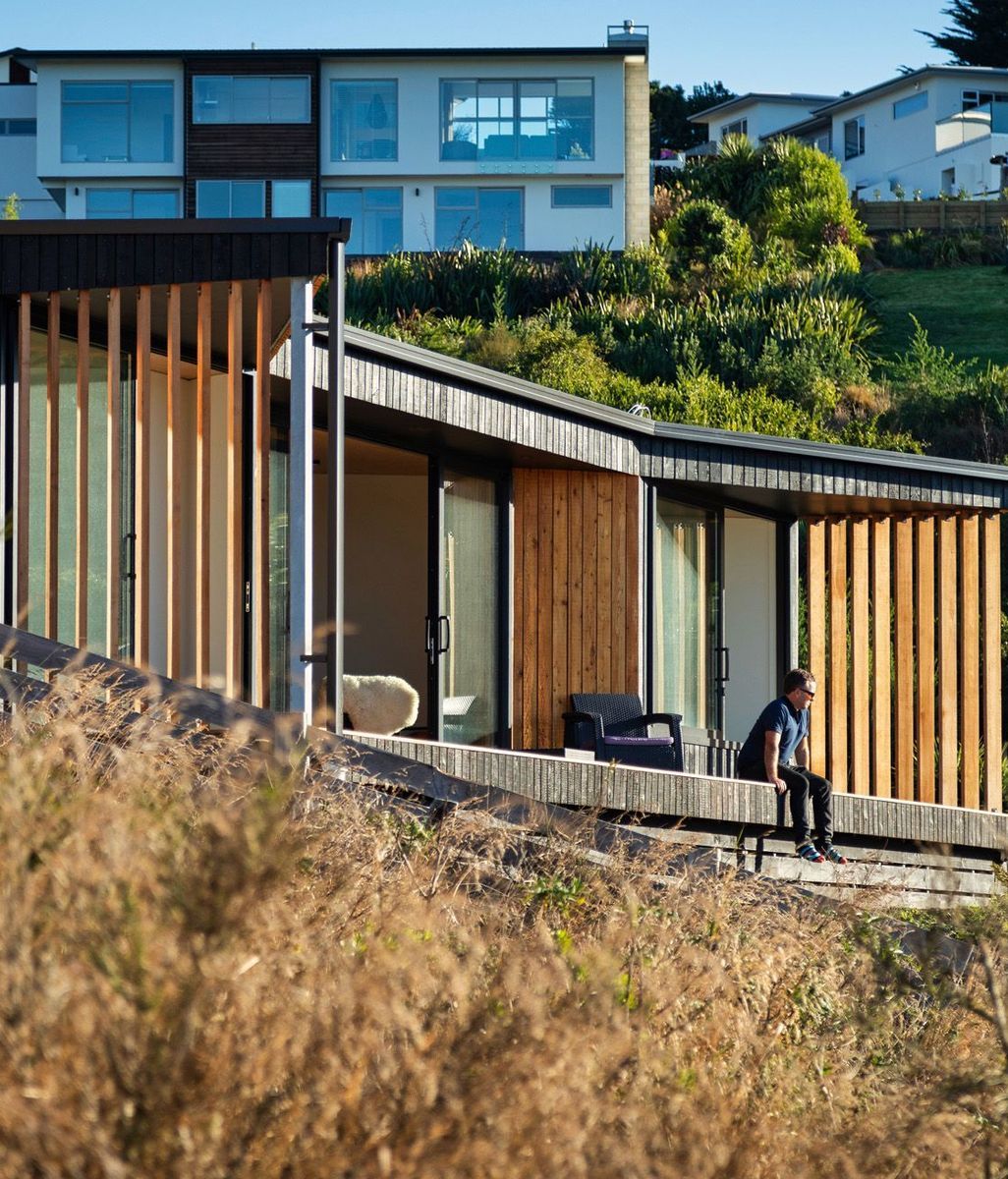
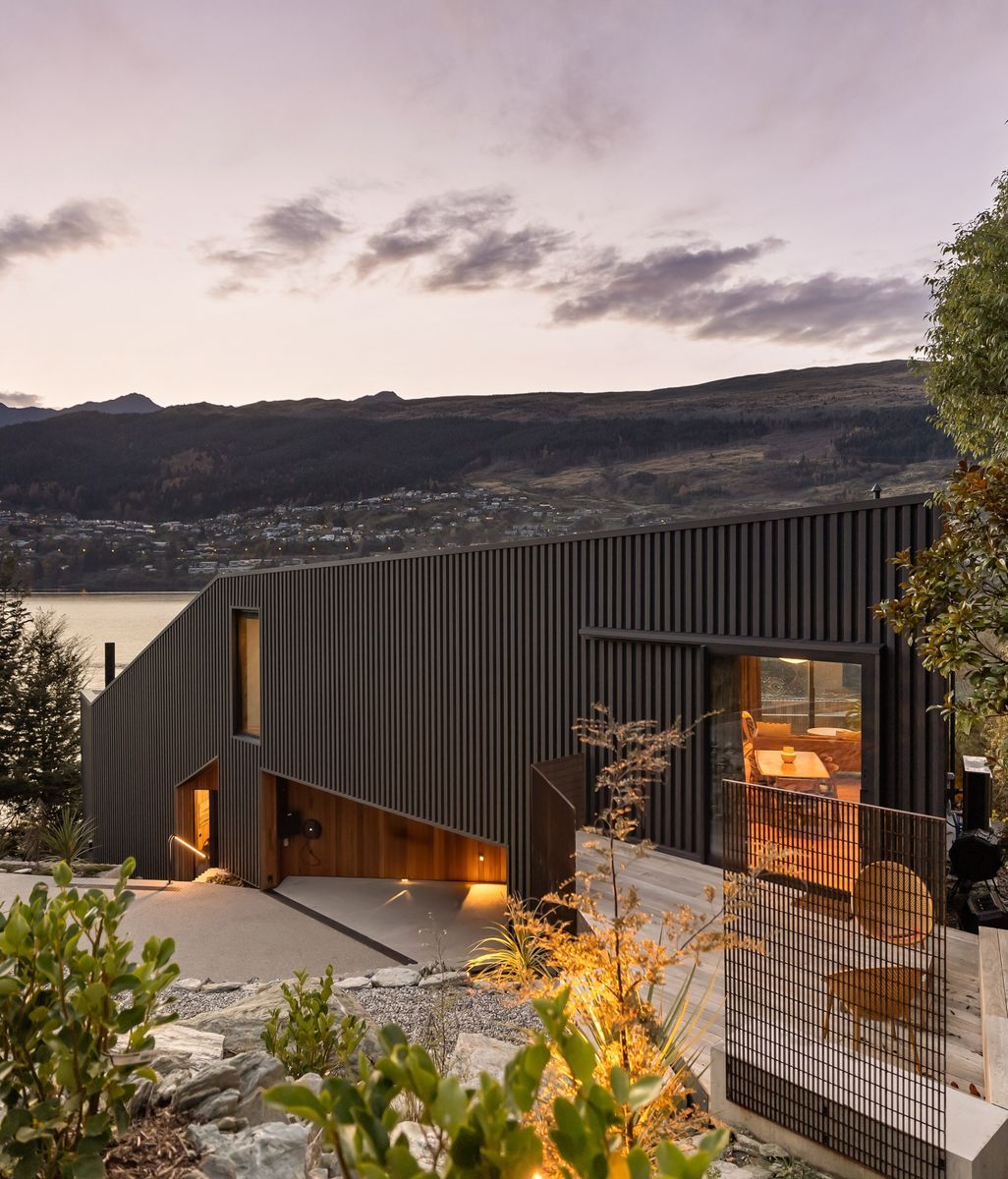
Lenticular House | Patterson Associates
For Patterson Associates, architecture begins to matter when people feel they belong within it. Every project the practice designs is different, yet the central ambition remains remarkably consistent: to create buildings that feel naturally connected to their environment and to the people who use them. If a building feels like it belongs, the people within it often feel they belong too.
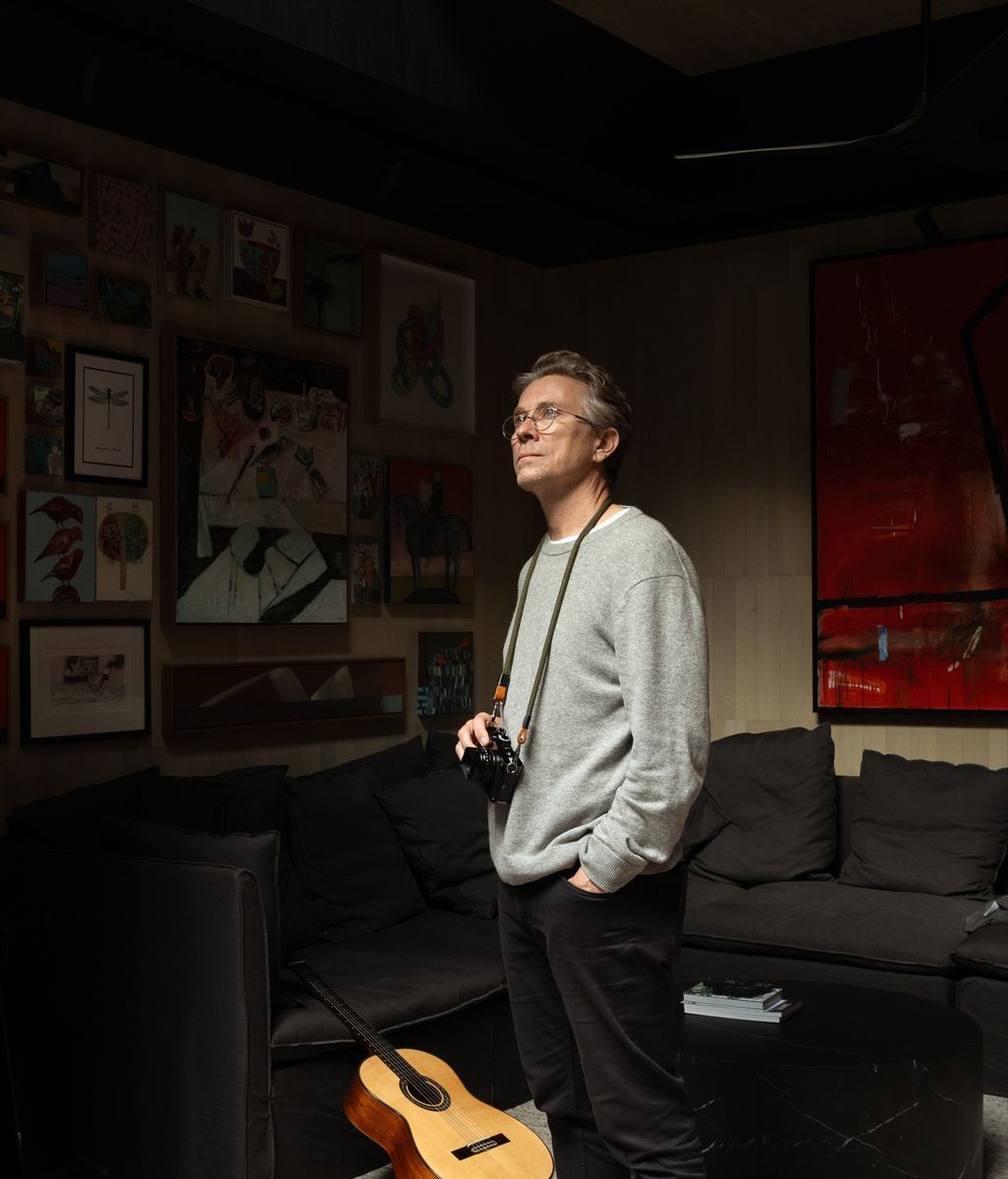
Director Andrew Patterson

It is a deceptively simple idea, but one that informs the practice’s work at every scale.

“We’ve noticed that when a home feels deeply connected to its place, community and the lives of the people within it, those people tend to feel more grounded there too,” says Andrew Patterson, founding architect and Head of Design at Patterson Associates.

This philosophy is inseparable from the practice’s New Zealand context. Patterson describes Aotearoa as a place of extraordinary natural beauty and cultural depth, where the quality of the landscape sets a very high bar for the built environment. The ambition, he says, is to create architecture that can sit alongside that beauty with clarity, simplicity and resonance.

Across Patterson Associates, architecture is understood as something capable of shaping daily life in profound ways. A well-designed home can influence how families spend time together, how connected people feel to one another, and even how confidently they move through the world.

The practice’s work spans homes, lodges, educational buildings, commercial developments, sports facilities, apartments, interiors and civic projects. Yet the same architectural attention is applied whether the commission is a large international building or a single piece of furniture. The scale may change, but the intensity of thought does not.

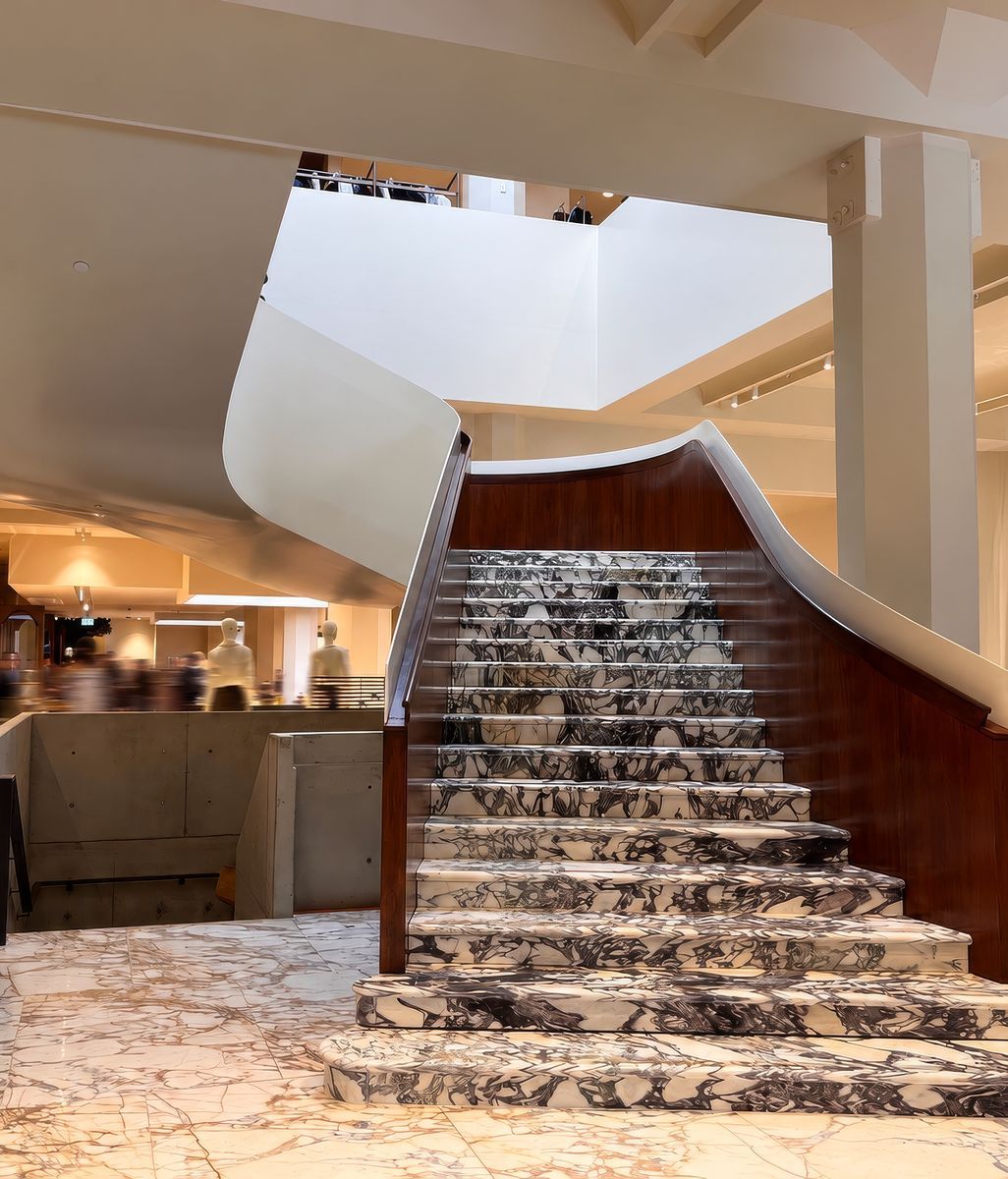
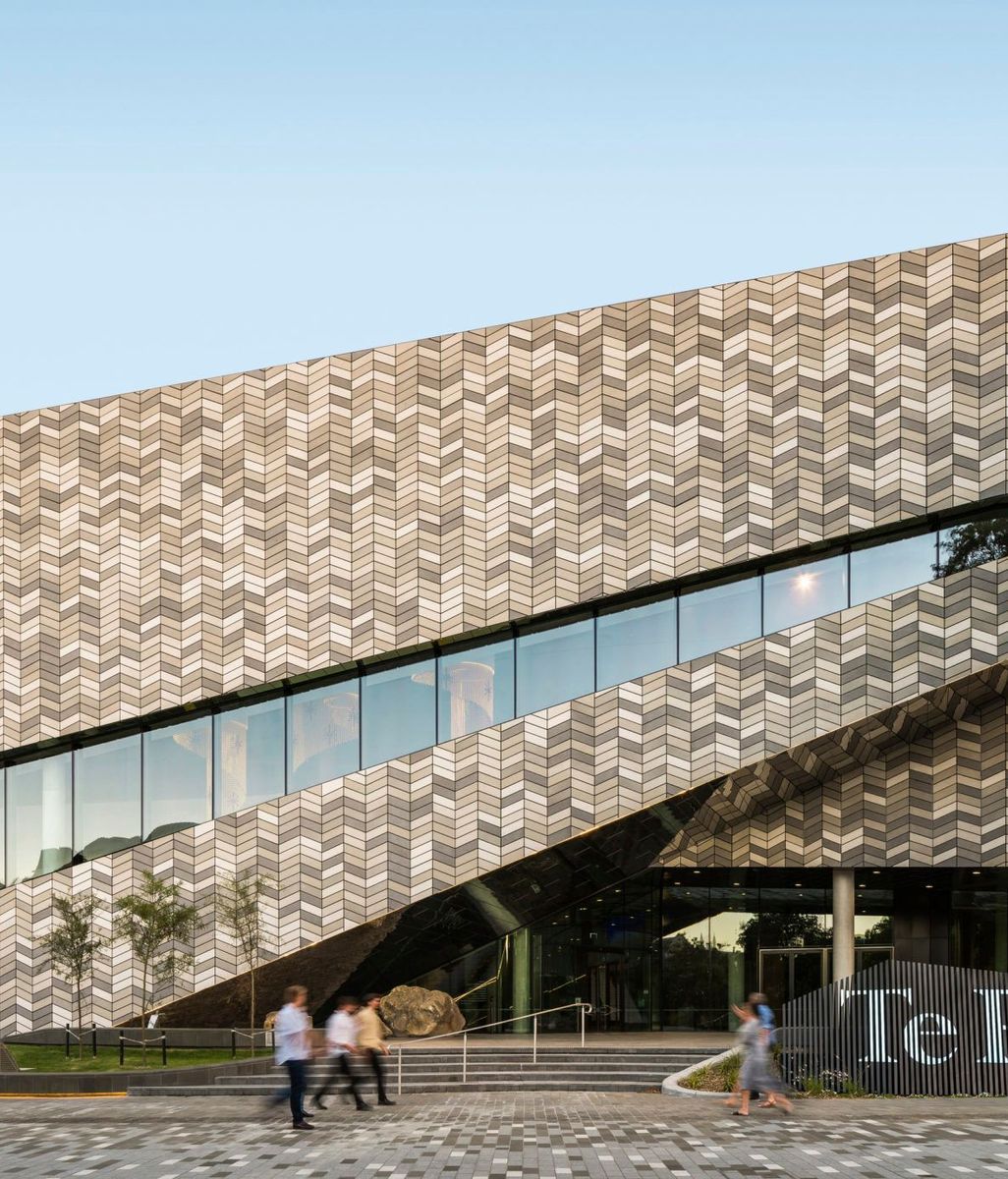
That attention to detail is evident in the Len Lye Centre, one of the practice’s best-known projects. Everything from the line of a bench to the framing of an artwork is treated as part of the same architectural sequence.

“Each small decision either strengthens the building or weakens it,” says Director and Sector Lead Surya Fullerton.

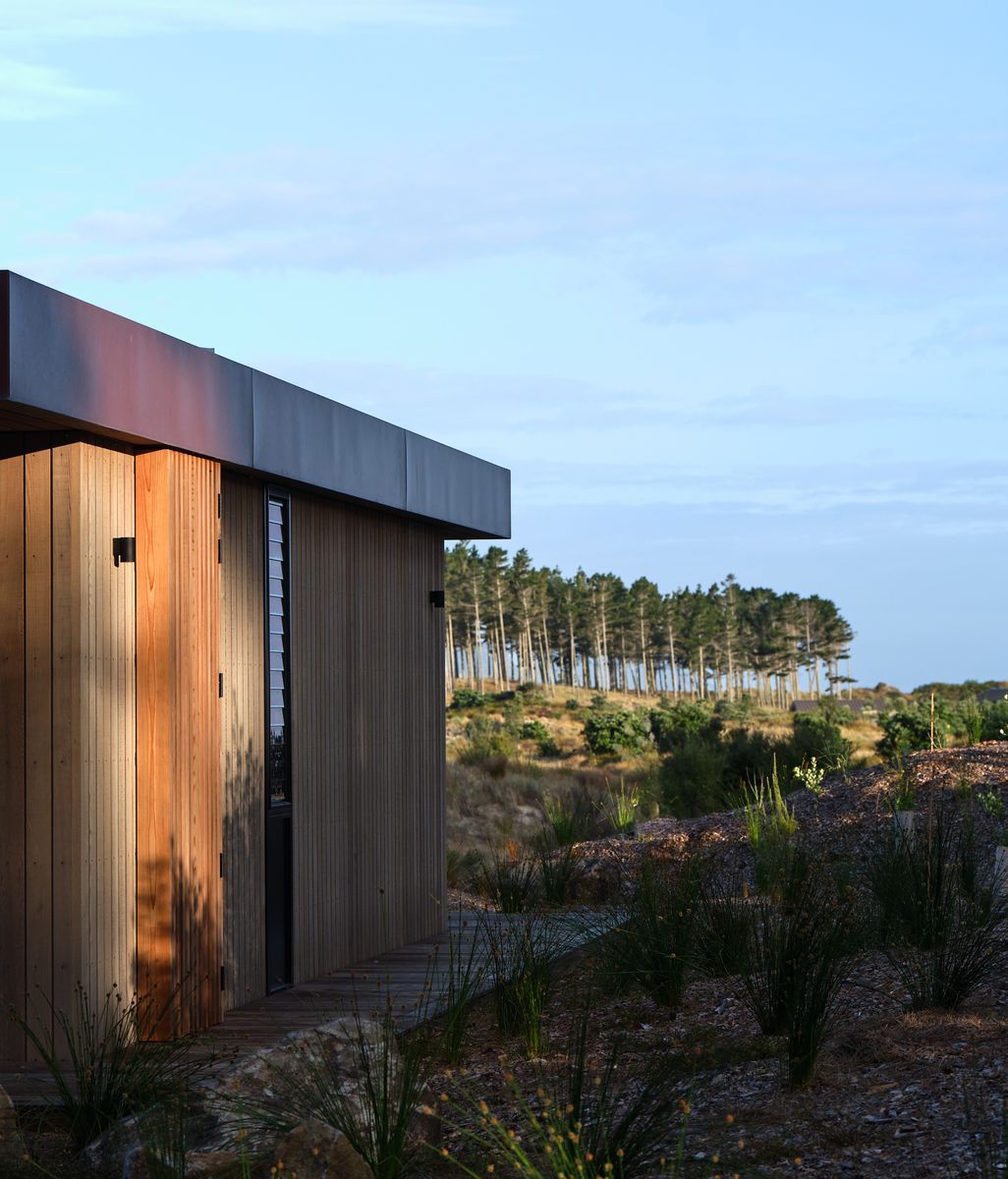
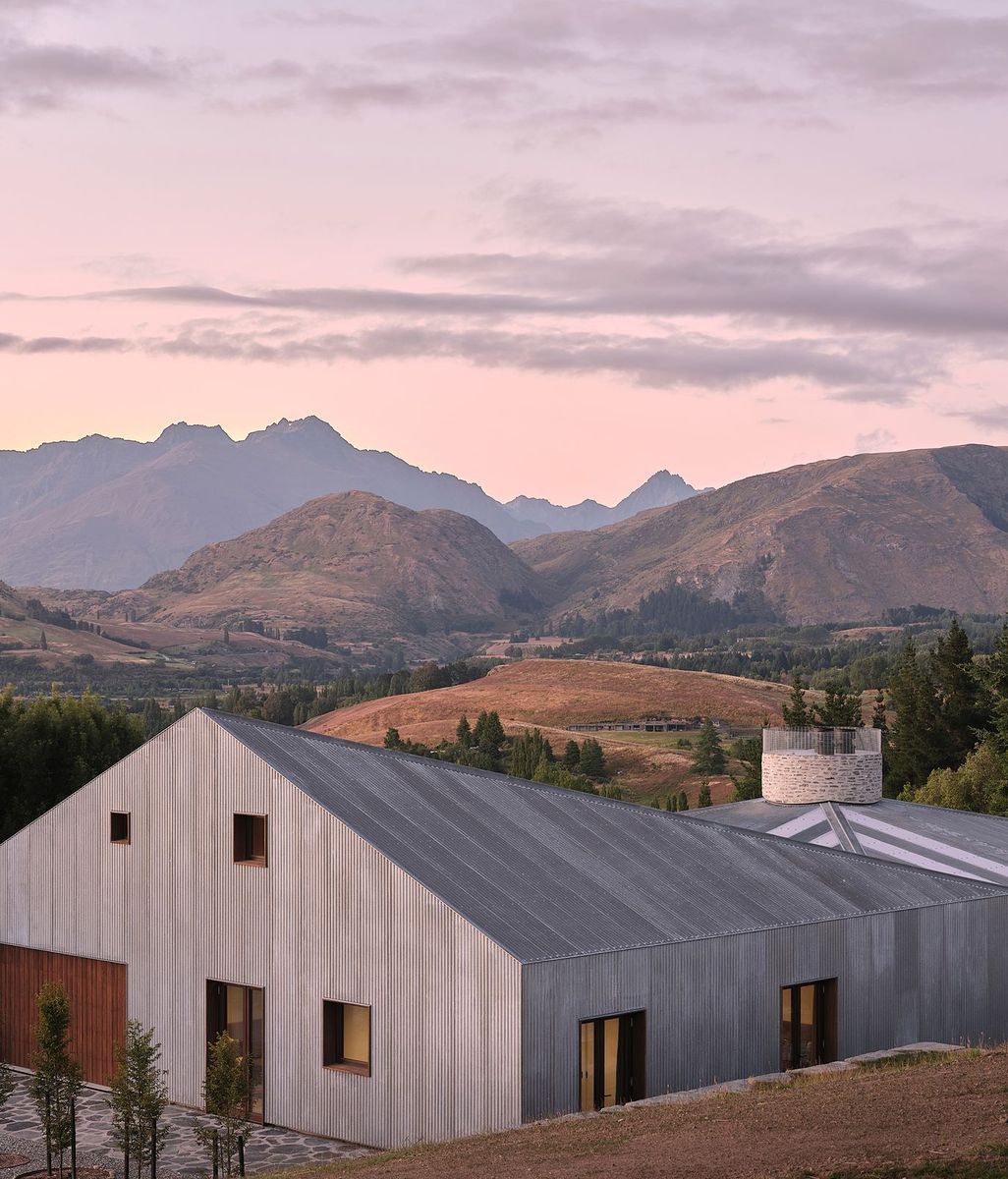
Local Rock House | Patterson Associates

While the practice is diverse in its output, a common thread runs through the work. A close relationship between architecture, landscape and human experience. This does not mean buildings disappearing quietly into the background. Rather, it means finding the right response to climate, place, budget and use, allowing architecture to feel inevitable, as though it has always belonged there.

“The goal is to create environments where people flourish, not simply function,” Patterson says.

Achieving this requires a different kind of briefing process. Patterson Associates spends significant time understanding clients before formal design begins. The practice does not see a brief as simply a list of rooms and square metre requirements. Instead, a series of conversations, often beginning on site, explores how clients want to live and what success genuinely looks like for them.

From this process, the practice develops what it calls a Reverse Brief. A written narrative that describes the future building almost cinematically, as an experience rather than simply a technical response. Clients are invited to test and refine the vision before major design work begins.

The process reduces risk for both client and architect. Clients can understand and challenge the direction early, while the design team gains clarity and confidence before entering the more expensive drawing and documentation stages.

The Gatehouse | Patterson Associates

The Reverse Brief is often accompanied by a practical quality assurance framework that establishes measurable tests for success across the life of the project. For a family home, these might include how the building adapts as children grow older, how materials age over time, or how spaces can evolve without losing their usefulness or character.

Technology then supports the process as the design develops. Patterson Associates uses immersive visualisation, live digital models and animated concept presentations to help clients clearly understand the project before it is built.

“The aim is to make the design visible, understandable and shared by everyone involved,” says Digital Design Lead Sajeev Ruthra.

In this sense, architecture becomes highly collaborative. Clients, consultants, builders, councils and suppliers are able to understand the project from an early stage, allowing decisions about materials, details and construction to be measured consistently against the project’s original aims.

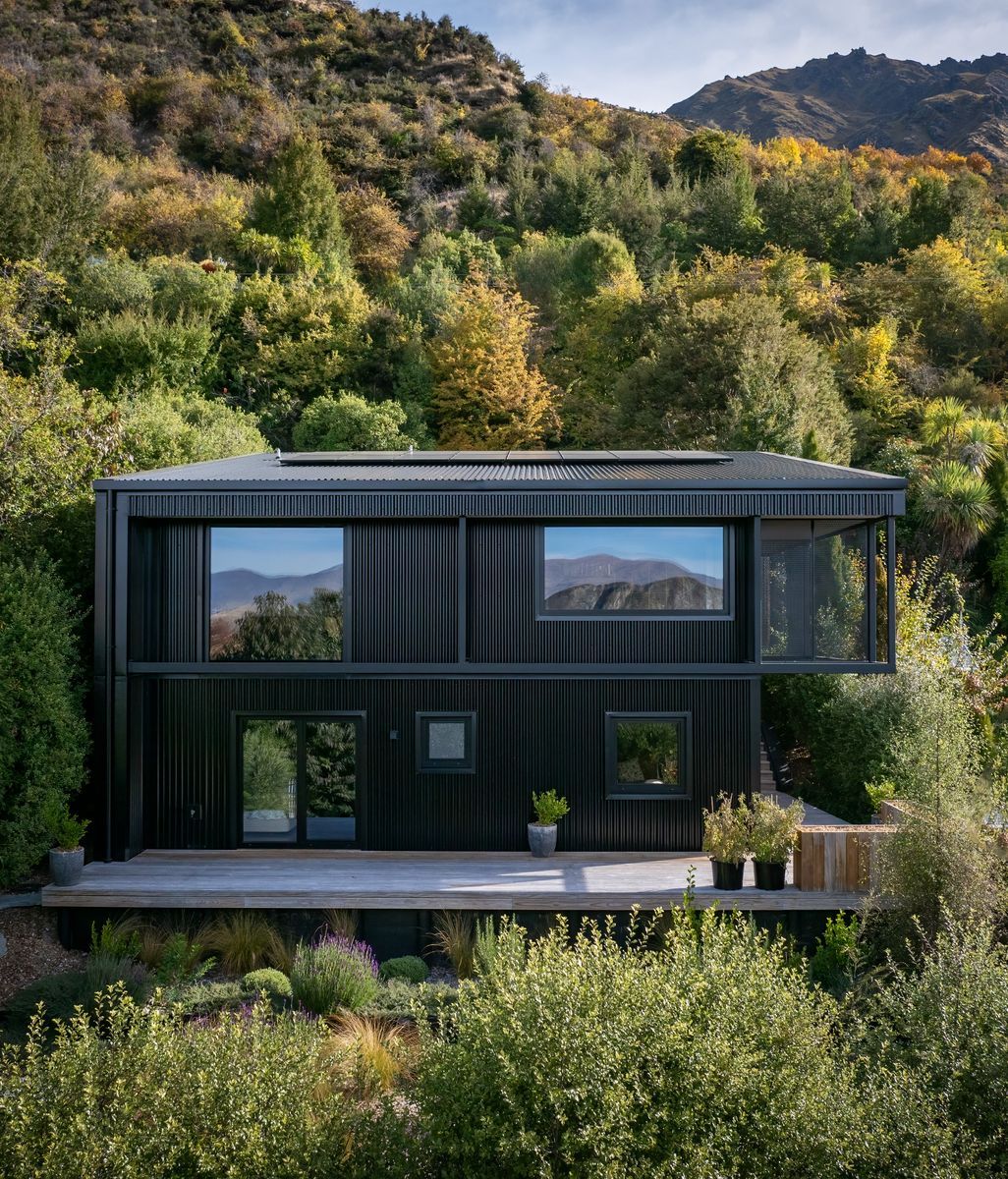
Boatshed Bay | Patterson Associates

In Patterson Associates’ work, architecture is ultimately less about style than alignment, between people, place, climate, budget and time. The finished building is simply the visible result of a much deeper process of thinking, collaboration and refinement.

As ArchiPro continues to profile the people shaping New Zealand’s built environment, Patterson Associates offers a valuable reminder that good architecture is about the depth of thinking, briefing, collaboration and craft that allows those buildings to belong, not only about beautiful finished buildings.

On ArchiPro, homeowners can explore Patterson Associates’ profile, browse completed architectural projects and connect with the products, professionals and ideas that help turn a vision into a place worth belonging to.

See Andrew Patterson at Home Design Evening on Friday 22 May. Andrew Patterson will join Tom Webster (Grand Designs Host) at ArchiPro’s Home Design Evening for a panel discussing the early decisions made before construction begins that shape how a home works, what it costs and how it feels to live in. Register free here