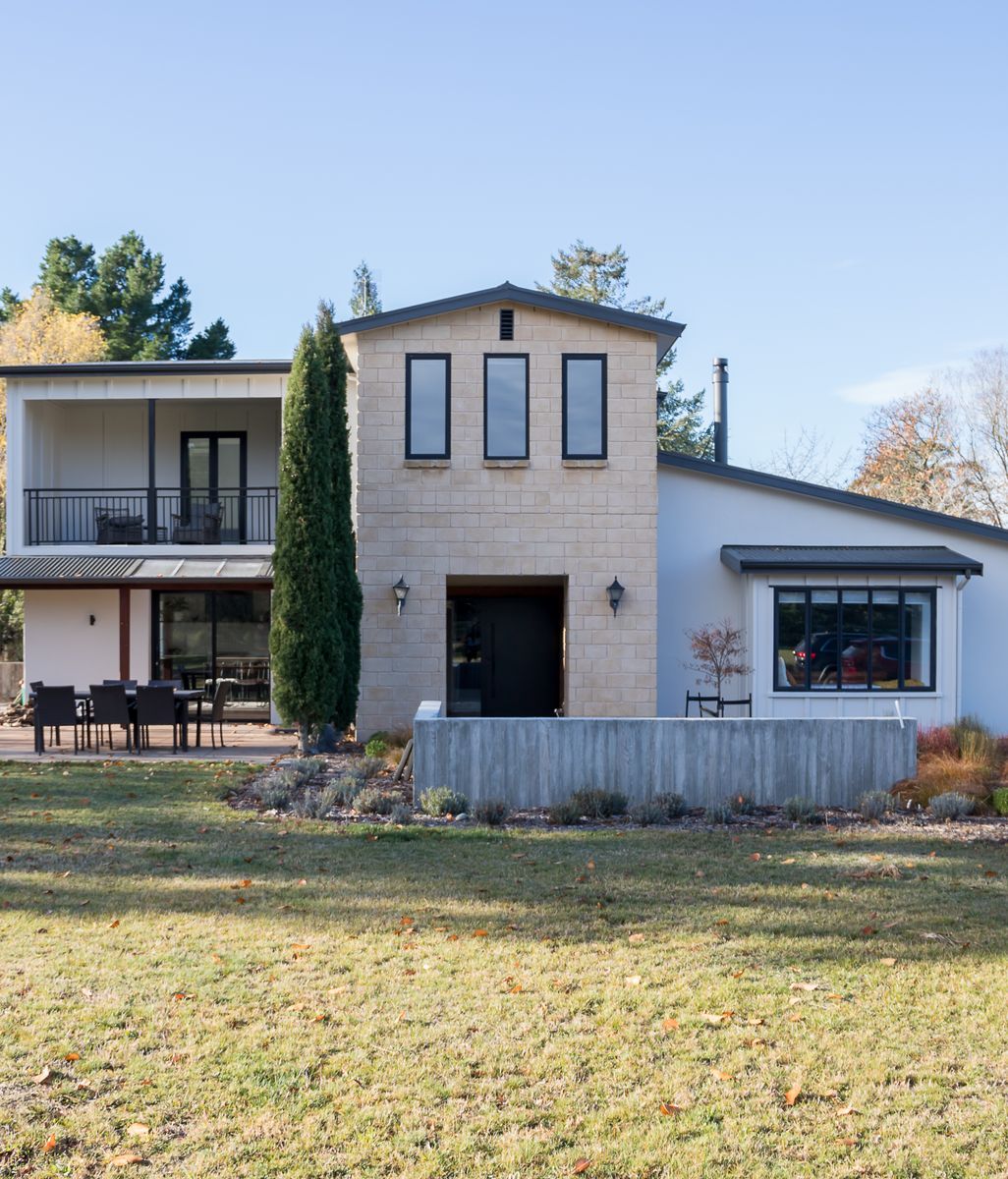
Before you build, understand what building actually involves
Written by
02 June 2026
•
4 min read


“People fall foul of the things they haven’t thought about,” he says. “It’s the surprises that cause issues.”
Building a home is not unfamiliar, it happens every day, but it is layered, detailed and often difficult to fully grasp from the outside. Without a clear understanding of how the process unfolds, it’s easy for decisions, expectations and budgets to drift out of alignment.
“You need a way into the process,” Webster says. “Somewhere that breaks it down and helps you understand what’s actually involved.”
That might come from a guide, a trusted platform, or professional advice, but the principle remains the same: invest time early in understanding the structure of a build before committing to major decisions.
This early knowledge, he says, is one of the most effective ways to manage budget.
“Once you understand everything that’s involved, it shapes your approach,” he explains. “It helps you be realistic early on and not be surprised later.”
Budget remains one of the most defining constraints in any project, but Webster is quick to point out that it doesn’t need to limit good design, provided priorities are clear.
“We encourage clients to identify the two or three things that matter most to them,” he says. “If something has to go, it shouldn’t be the thing that makes the house work.”
That clarity becomes especially important as projects evolve. With many moving parts, consultants, materials, approvals and construction, maintaining alignment between client, architect and builder is essential.
Early collaboration, particularly with builders, can play a key role here.
“Early contractor involvement and early pricing help keep everything on track,” Webster says. “It’s about making sure expectations and reality stay aligned.”

Beyond cost and coordination, Webster is particularly interested in how design can resolve the small, often overlooked issues that shape daily life. Rather than focusing solely on scale or visual impact, he looks for opportunities to improve how a home actually functions.
“We look for the things that give you the most value,” he says. “Sometimes that’s a small move that completely changes how a space works.”
In many cases, these improvements come from identifying long-standing frustrations. The kind people stop noticing over time.
Performance is another area where Webster sees significant opportunity for improvement. With many New Zealand homes historically underperforming in terms of insulation, ventilation and comfort, he believes there is a growing shift toward better, more responsive design.

Through tools like energy modelling, architects can now assess how a home will perform across seasons, from heat retention in winter to overheating in summer, and adjust accordingly.
“You can design a house and prove that it will work,” he says. “You can understand how it will feel to live in before it’s built.”

Importantly, this doesn’t come at the expense of aesthetics.
“There’s a misconception that high-performing homes are limited in how they look,” Webster says. “But performance and design are not in conflict. They should work together.”
When it comes to where to invest, his answer is simple: prioritise comfort. Not as an add-on, but as a foundation, something embedded into the design from the outset.
At the centre of Webster’s thinking is a question he believes every homeowner should ask before beginning a project…
“How are you going to improve my life?”
It’s a question that reframes the entire process. Shifting the focus from cost and output to value and experience. Because beyond drawings, materials and budgets, the success of a home is ultimately measured in how it feels to live in, every day, over time.
For those at the beginning of that journey, ArchiPro offers a clear way into the process, connecting you with architects like Webster Harding Architects, alongside the builders, consultants and products that shape a home from concept through to completion. Explore project case studies, dive into practical guidance across Build, or connect directly with professionals to start asking the right questions early and move forward with clarity and confidence.