Building on family foundations

Written by

01 July 2026

 • 

5 min read

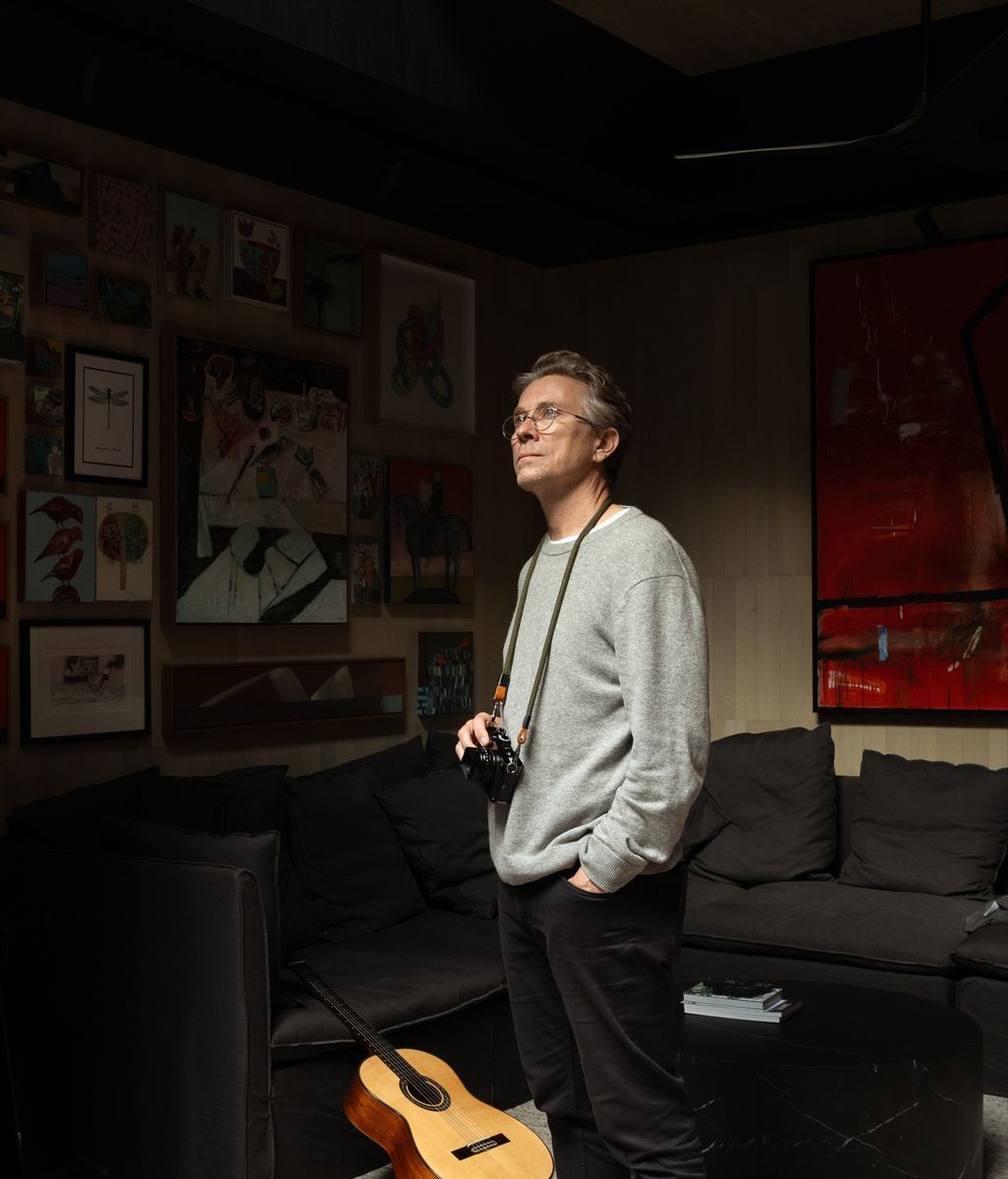
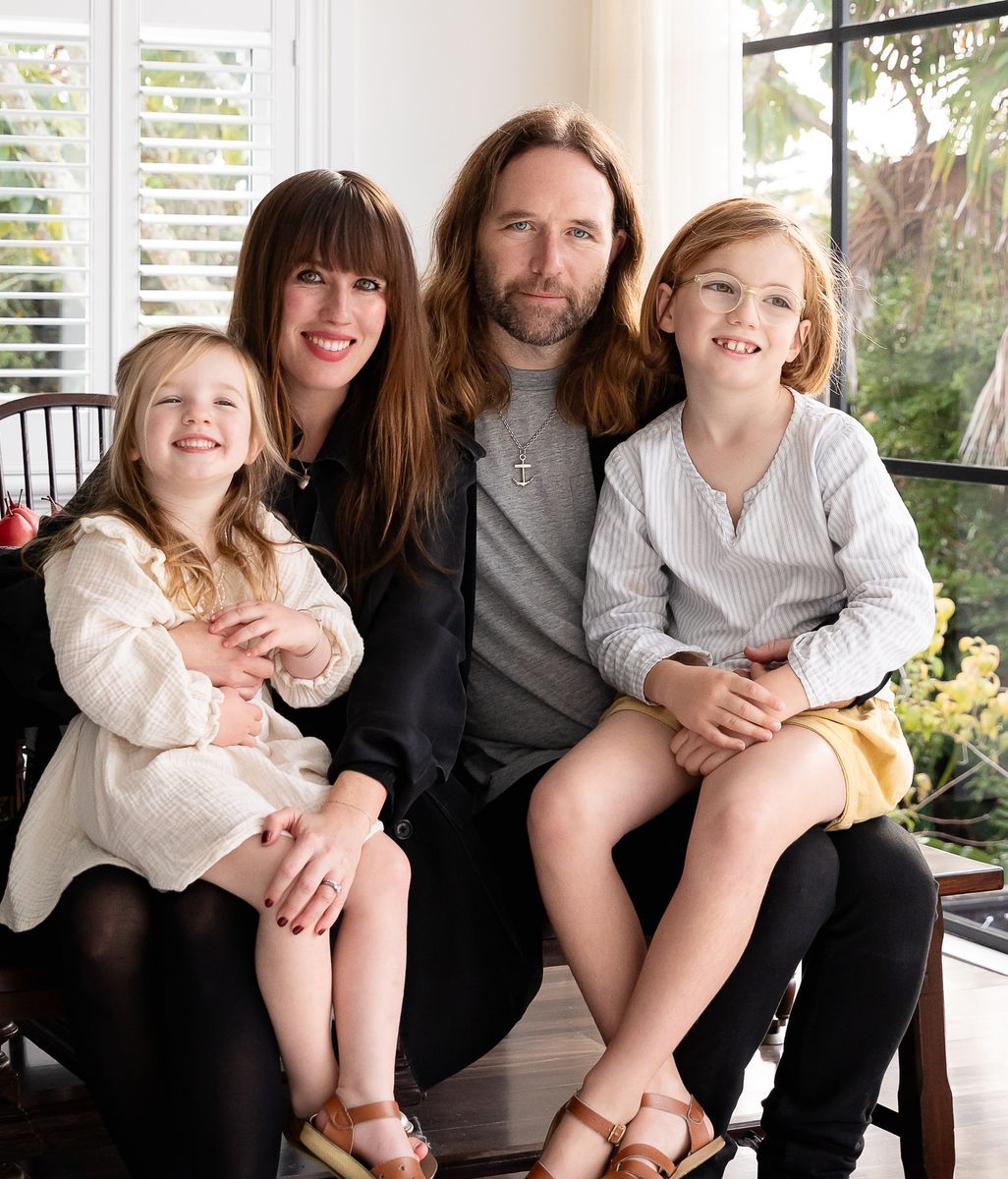
Siblings Alex Porebski and Victoria D’Alisa of Porebski Architects.
More than 50 years after their father established the practice, siblings Alex Porebski and Victoria D’Alisa continue to shape homes defined by careful proportions, considered materiality and a deep connection between indoors and out.

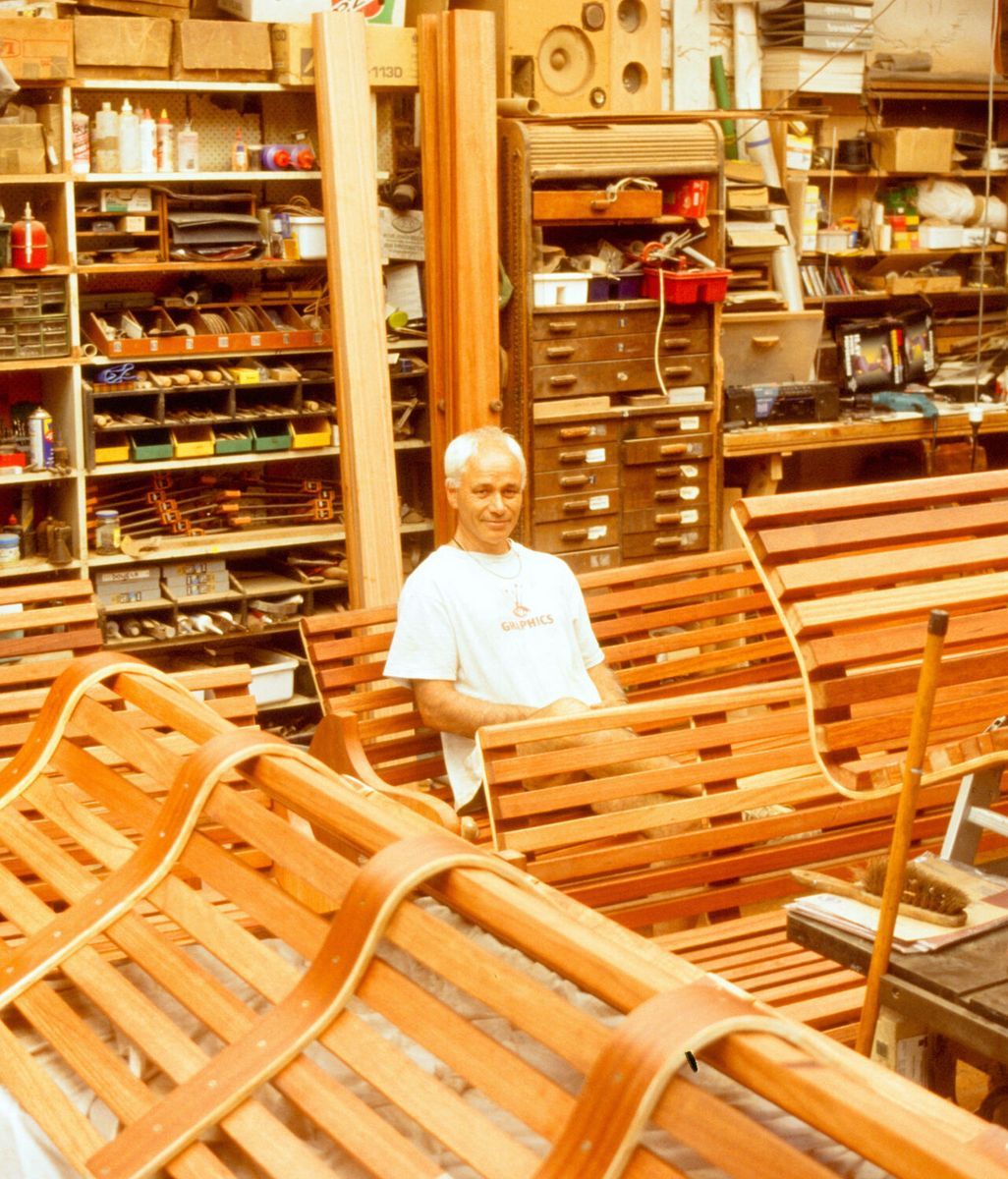
Architecture was always present in Alex Porebski and Victoria D’Alisa’s lives. Their father, Andre Porebski, founded the Sydney practice in 1973 and built a reputation designing homes across the city's eastern suburbs.

The siblings grew up surrounded by drawings, discussions about buildings and regular visits to construction sites. Not that Alex enjoyed them.

"I hated it," he laughs.

A career in architecture was far from inevitable. As a teenager, his interests leaned more towards art than building design. Recognising that creative instinct, his father suggested he spend some time in the studio to see whether architecture might be a good fit. It was.

"I really enjoyed it, and that was it," Alex recalls.

He joined the practice full-time in 1997. Several years later, Victoria followed a complementary path, studying interior architecture before joining the studio in the early 2000s.

Today, the brother and sister team continue the family practice, combining architecture and interiors under one roof.

"It's a nice combination and we work well together," says Victoria.

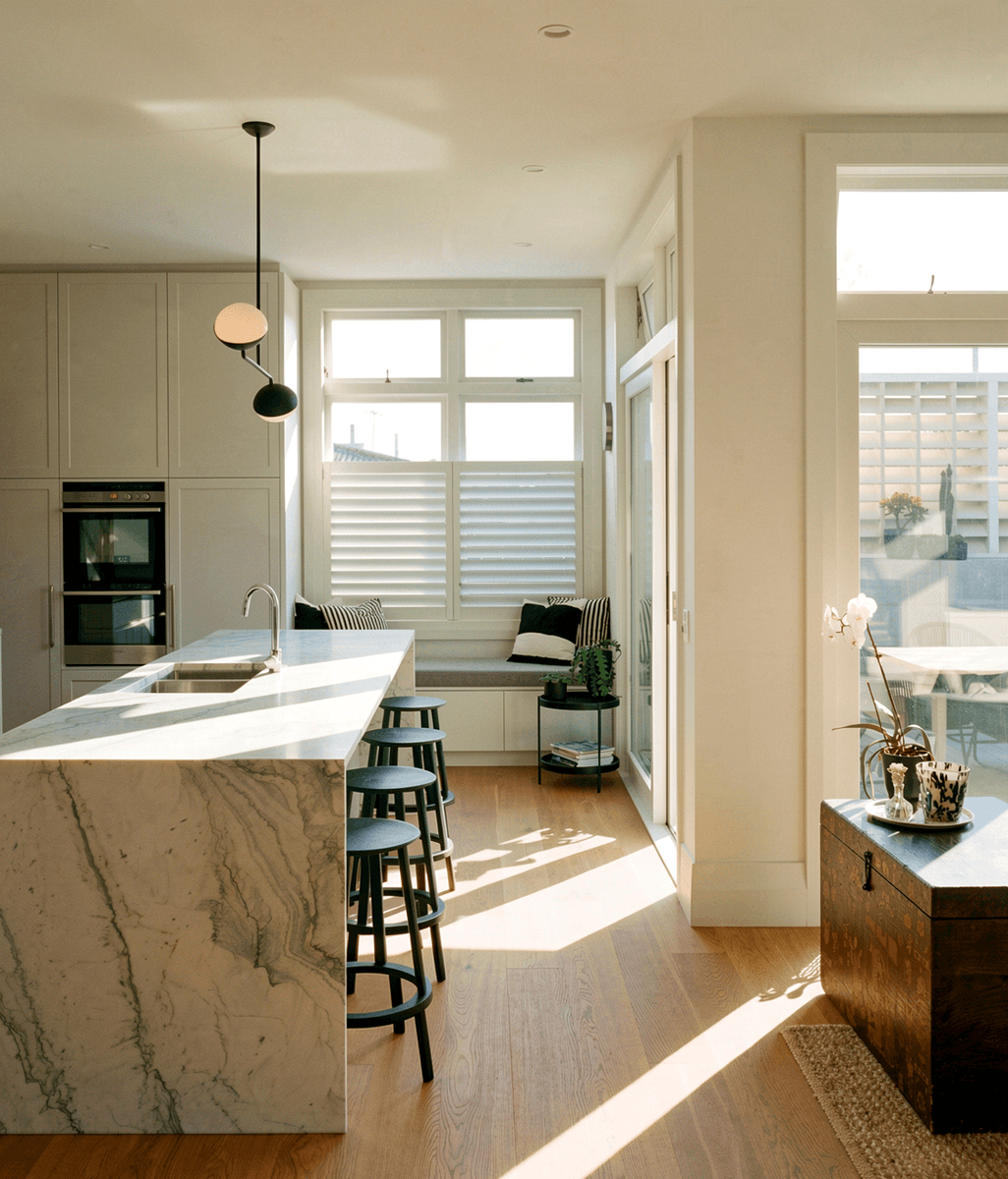
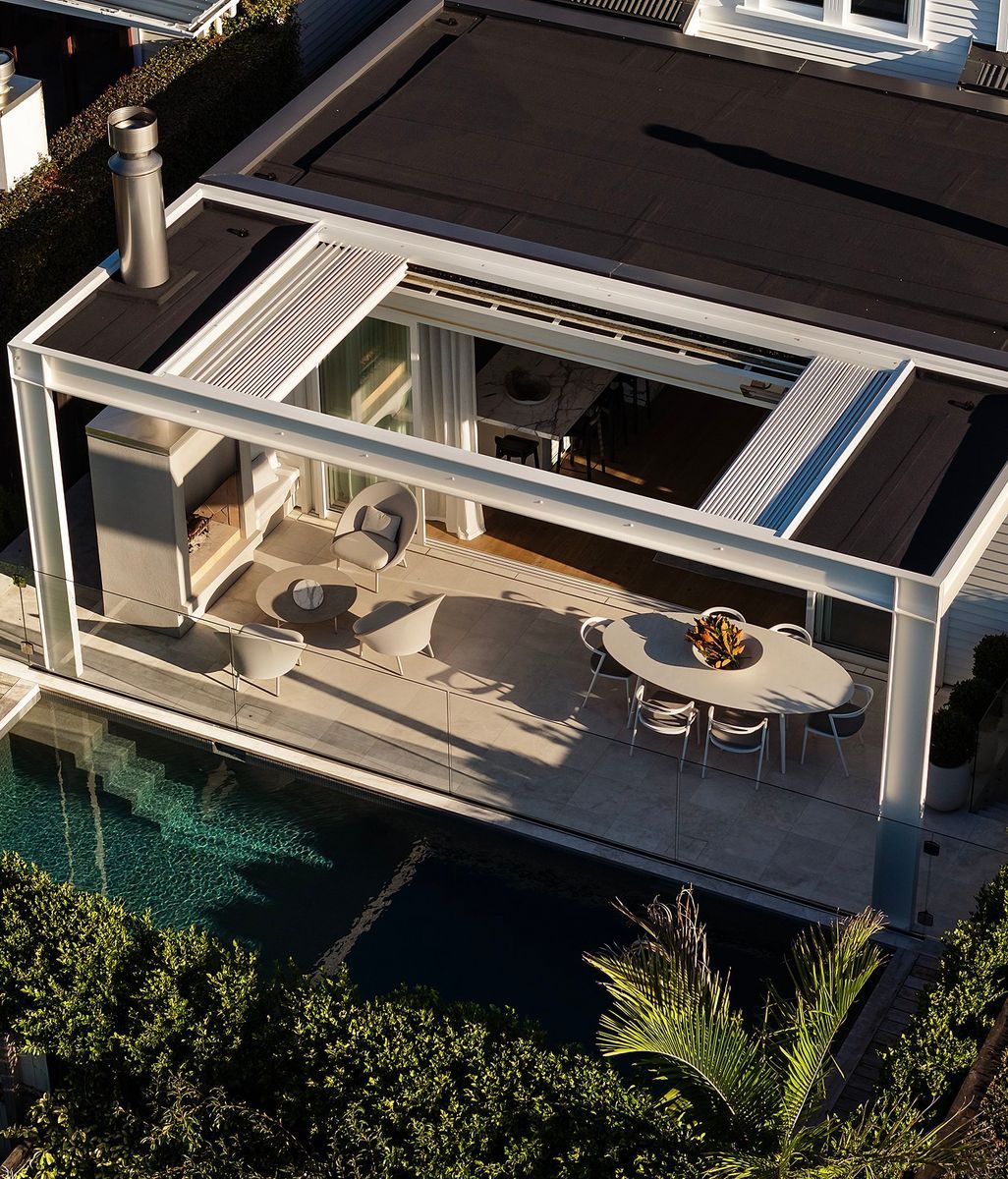
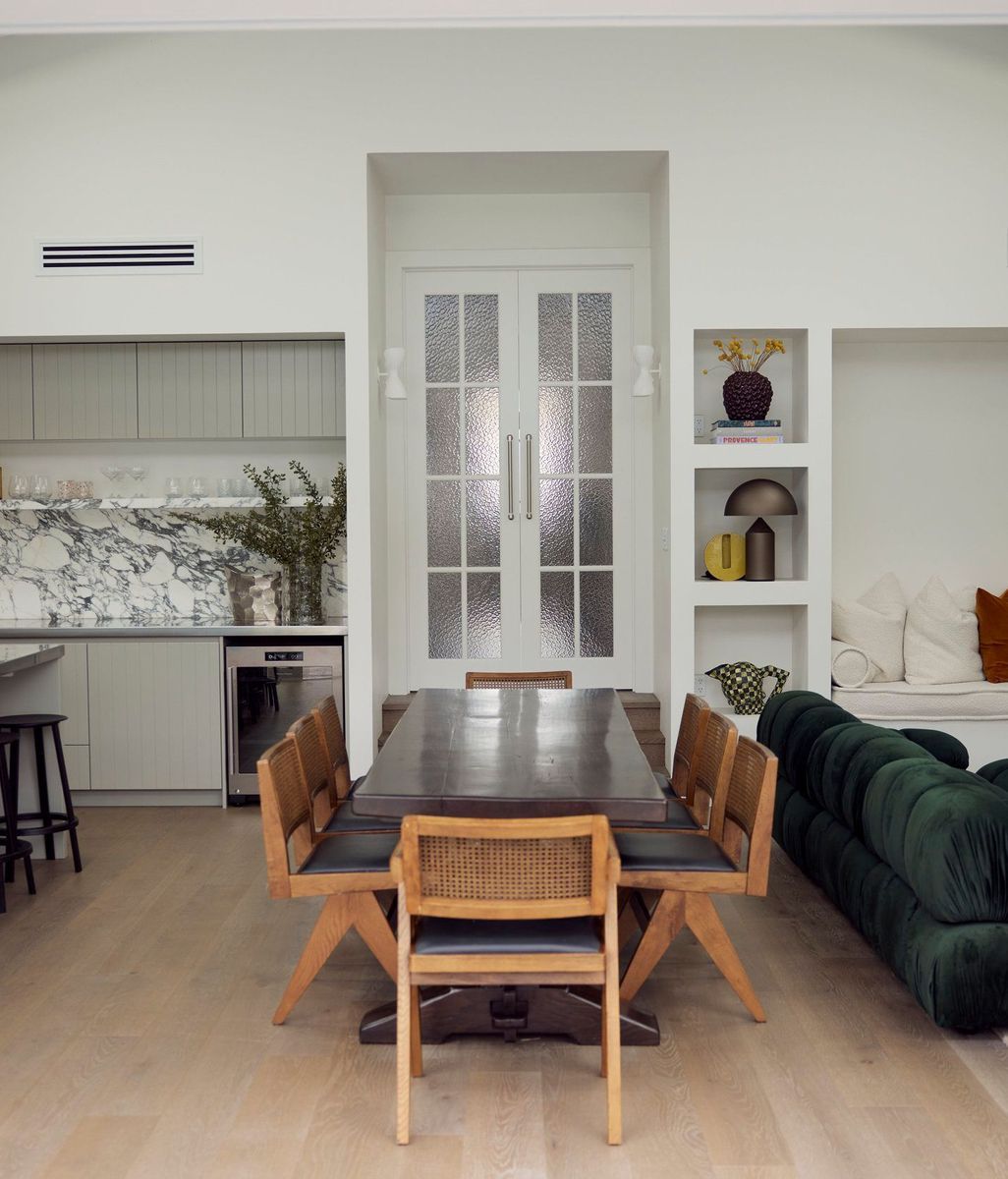
This thoughtfully redesigned 1890s Paddington terrace by Porebski Architects maximizes space and natural light while preserving historical elements and enhancing indoor/outdoor connections

The dynamic works because each brings a different perspective to the design process. Alex typically leads the planning and architectural framework of a project, while Victoria focuses on interiors, detailing and the qualities that shape the experience of living within a space.
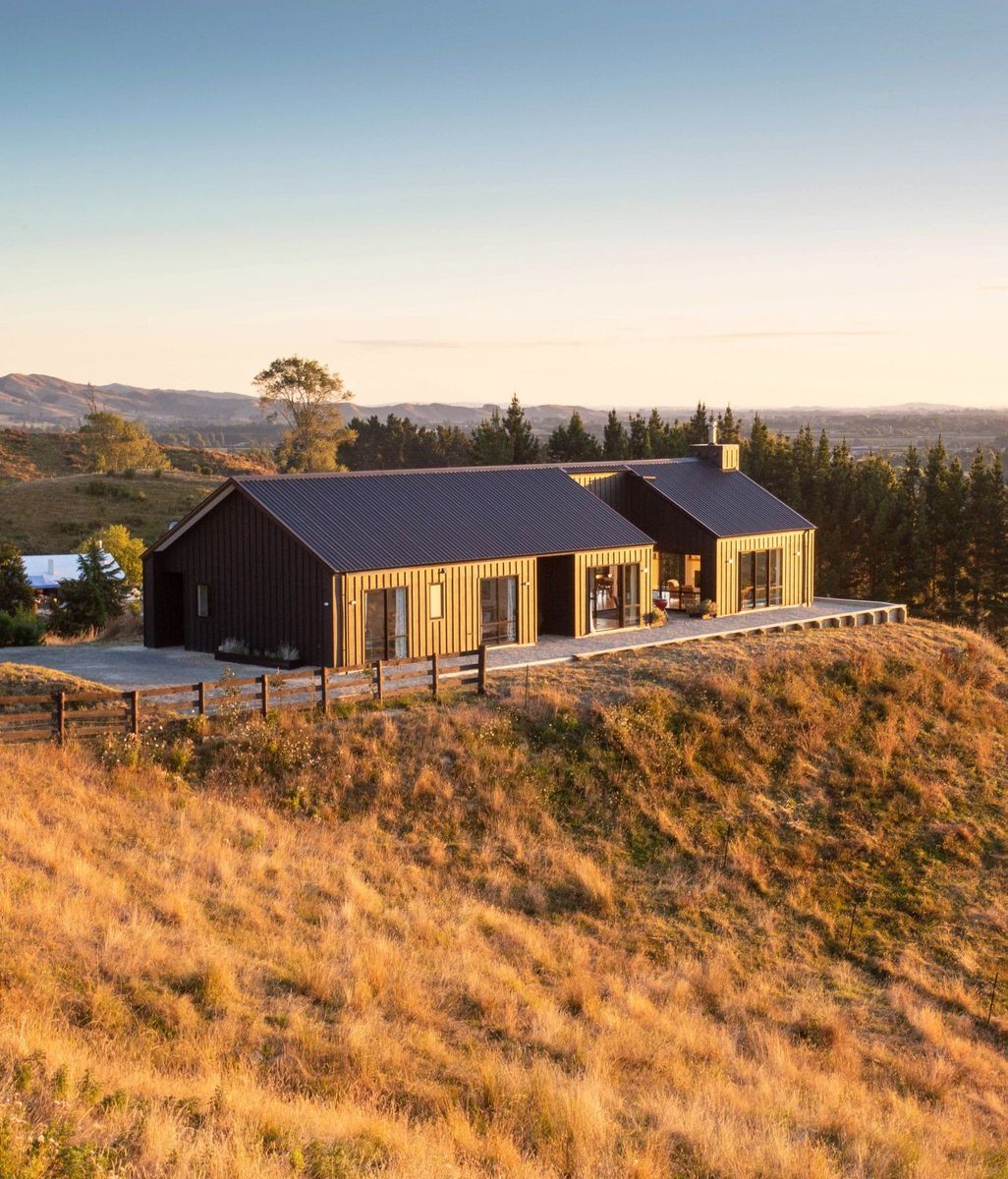
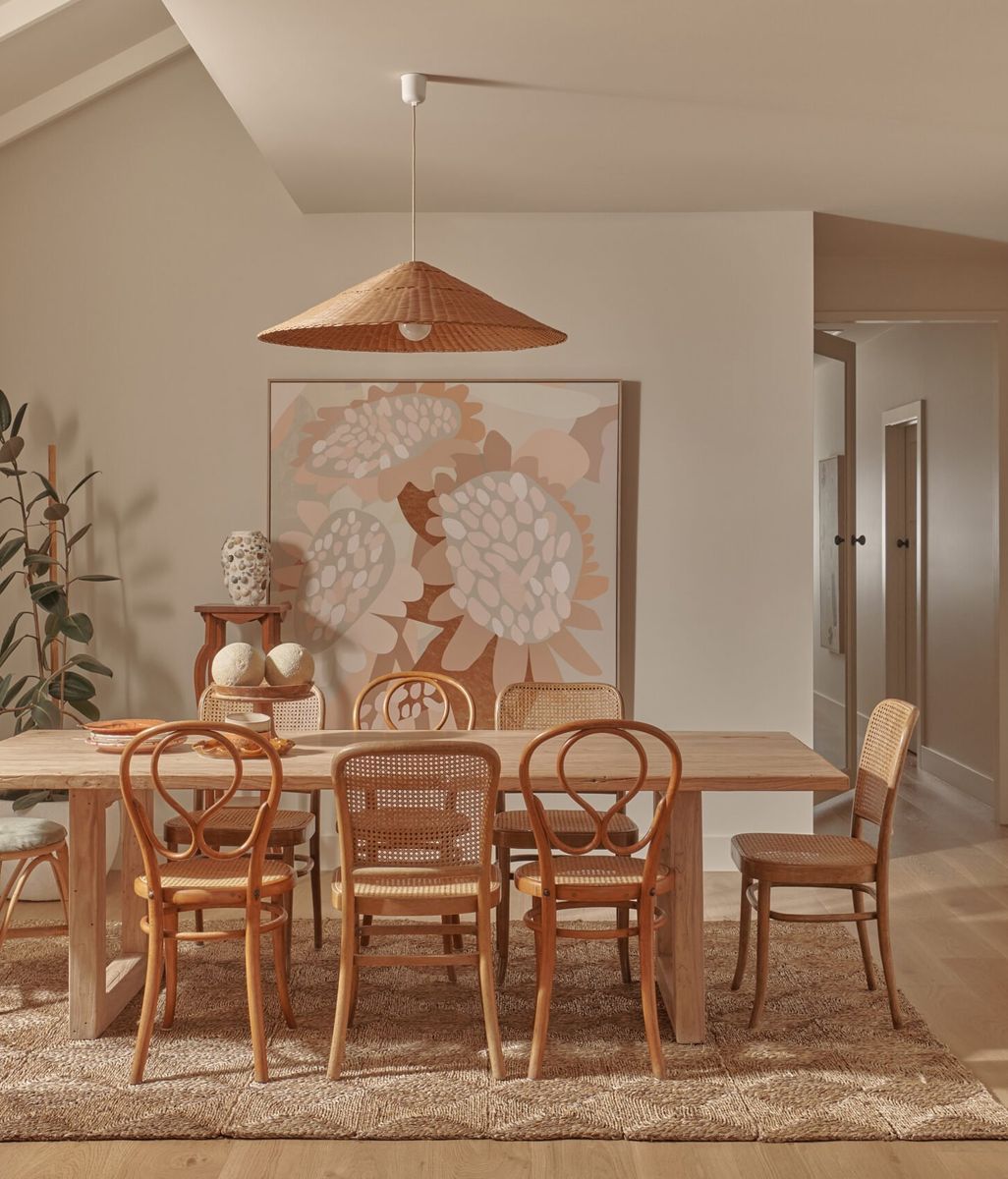
The collaboration begins early, with both involved from the outset of a project. Decisions around planning, materiality and interiors are developed together, creating a consistency that carries through from concept to completion.

That shared approach can be traced back to the influence of their father and several formative projects from the early years of the practice.

One in particular remains vivid in Alex's memory.

Located in Vaucluse, the house demonstrated a sophisticated understanding of arrival, sequence and the relationship between inside and outside. Visitors entered beneath a staircase before turning into a soaring living space where brick paving, bagged brick walls and generous glazing blurred the distinction between interior and exterior.

"It was the first time I really felt that indoor-outdoor architecture feeling that people always refer to," he says.

The experience left a lasting impression. More than three decades later, those same ideas continue to underpin the studio's work. While the architectural language has evolved, the principles remain remarkably consistent.

"We spend quite a bit of time on site to understand orientation, views and aspects," says Alex. "Our buildings might look different from the outside, but the planning and spatial style is there throughout all of them."

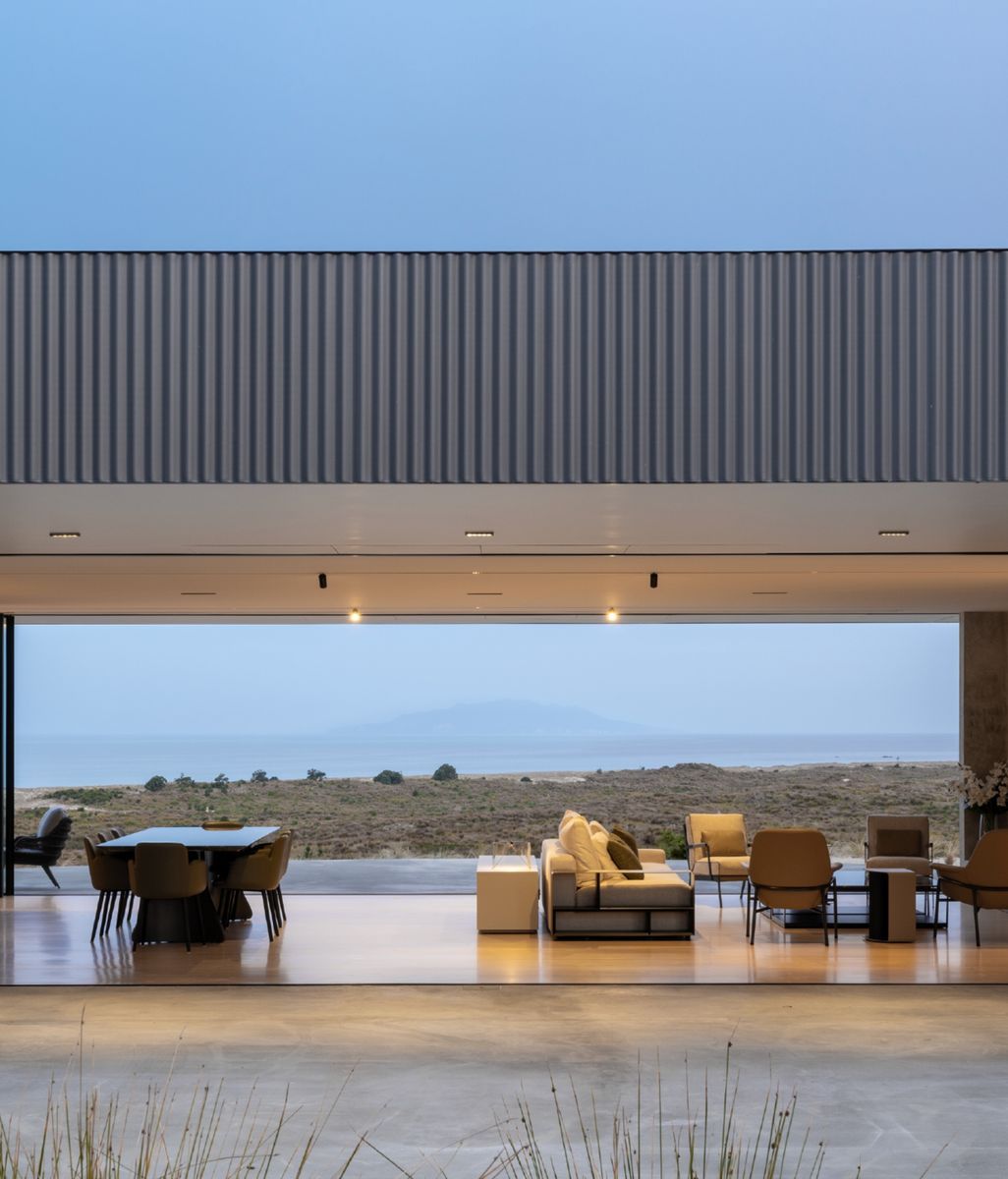
That emphasis on planning often manifests through pavilion-style homes arranged around courtyards and landscaped spaces.


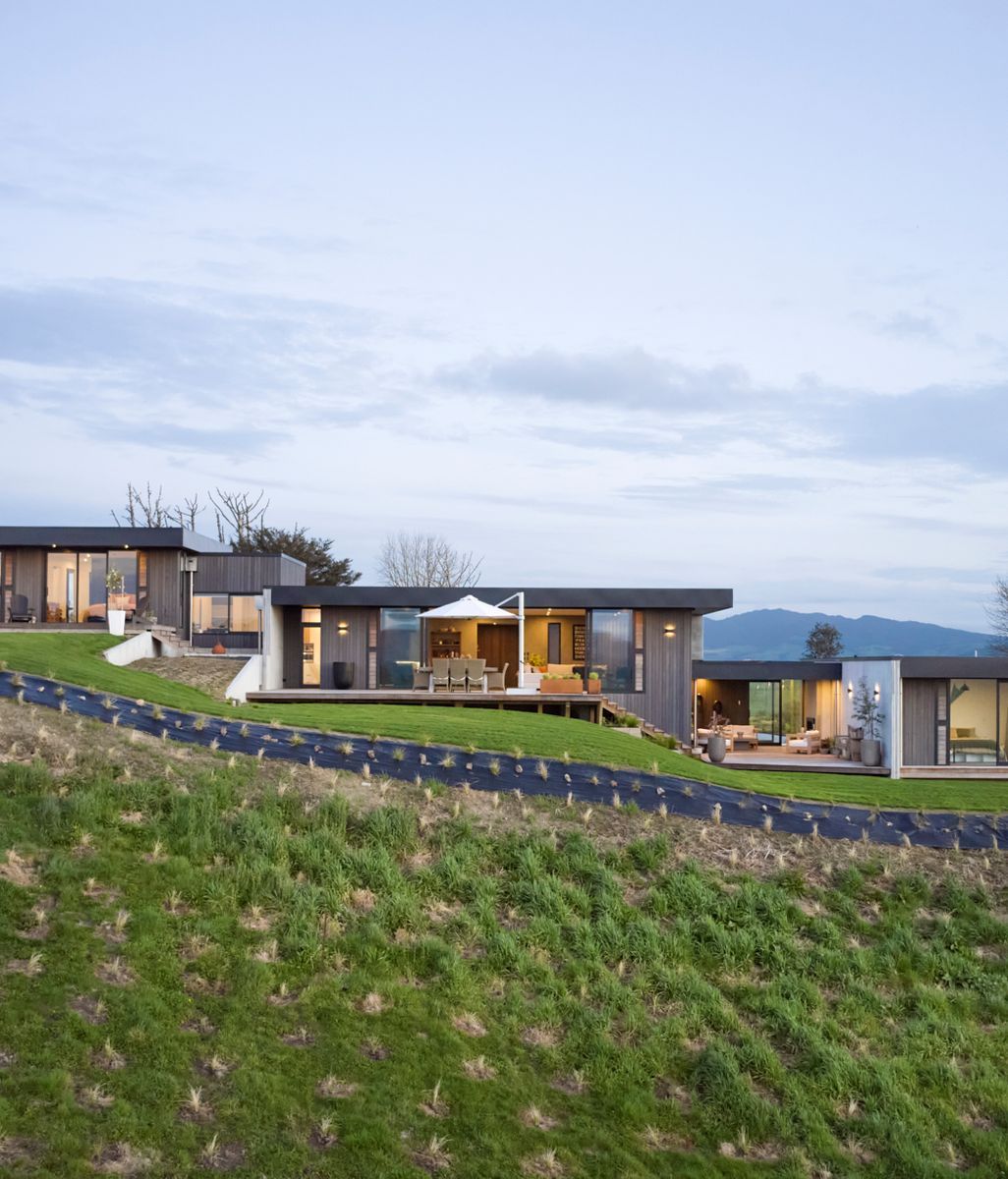
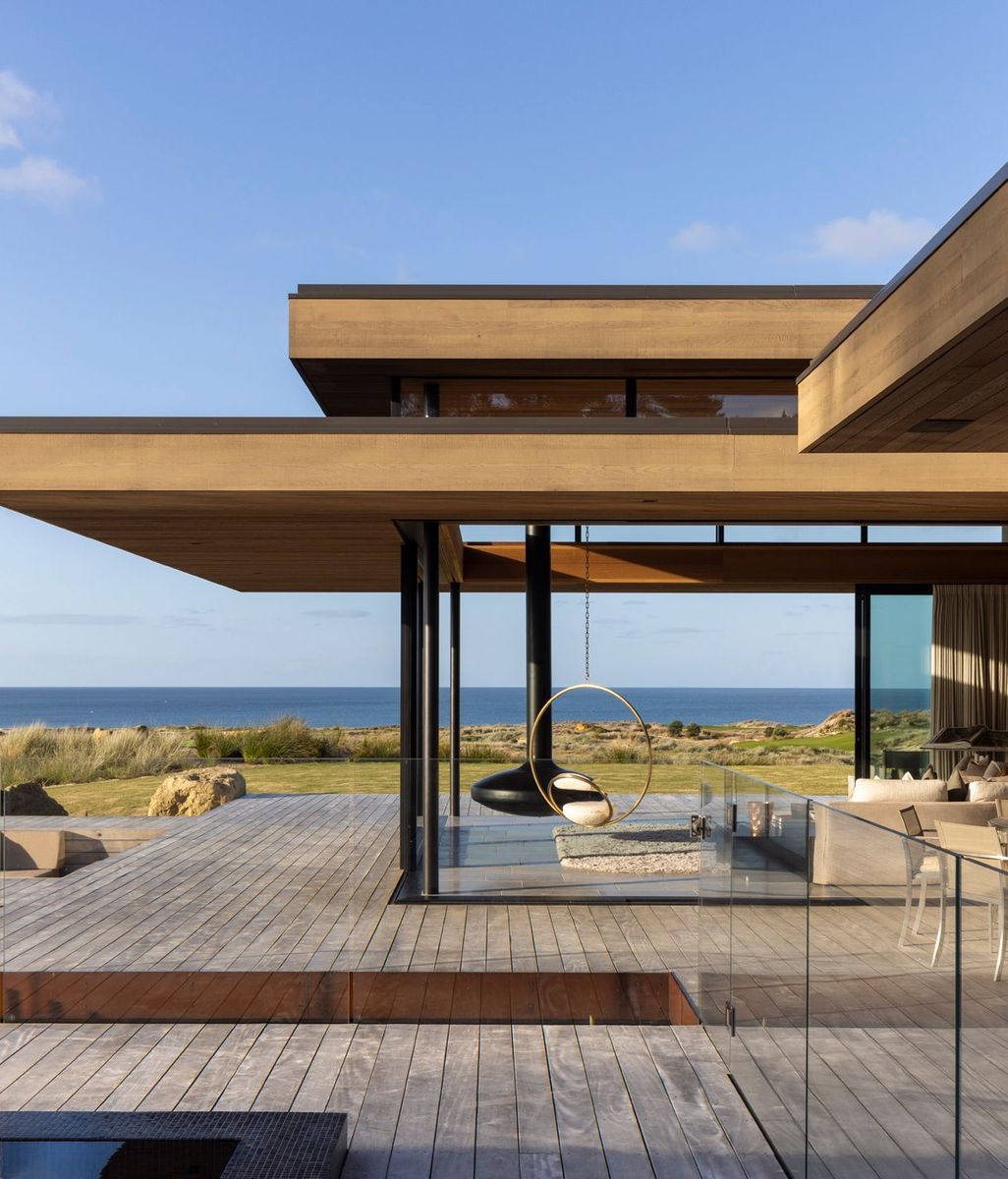
Recent projects demonstrate this evolution particularly clearly. A large country house south of Sydney, for example, was broken into a series of pavilions connected through carefully considered outdoor rooms. Rather than presenting the full 120-metre length of the building at once, the composition unfolds gradually through a sequence of landscaped courtyards.

Some draw influence from Japanese gardens, others from European precedents, creating moments of pause between the larger built forms.

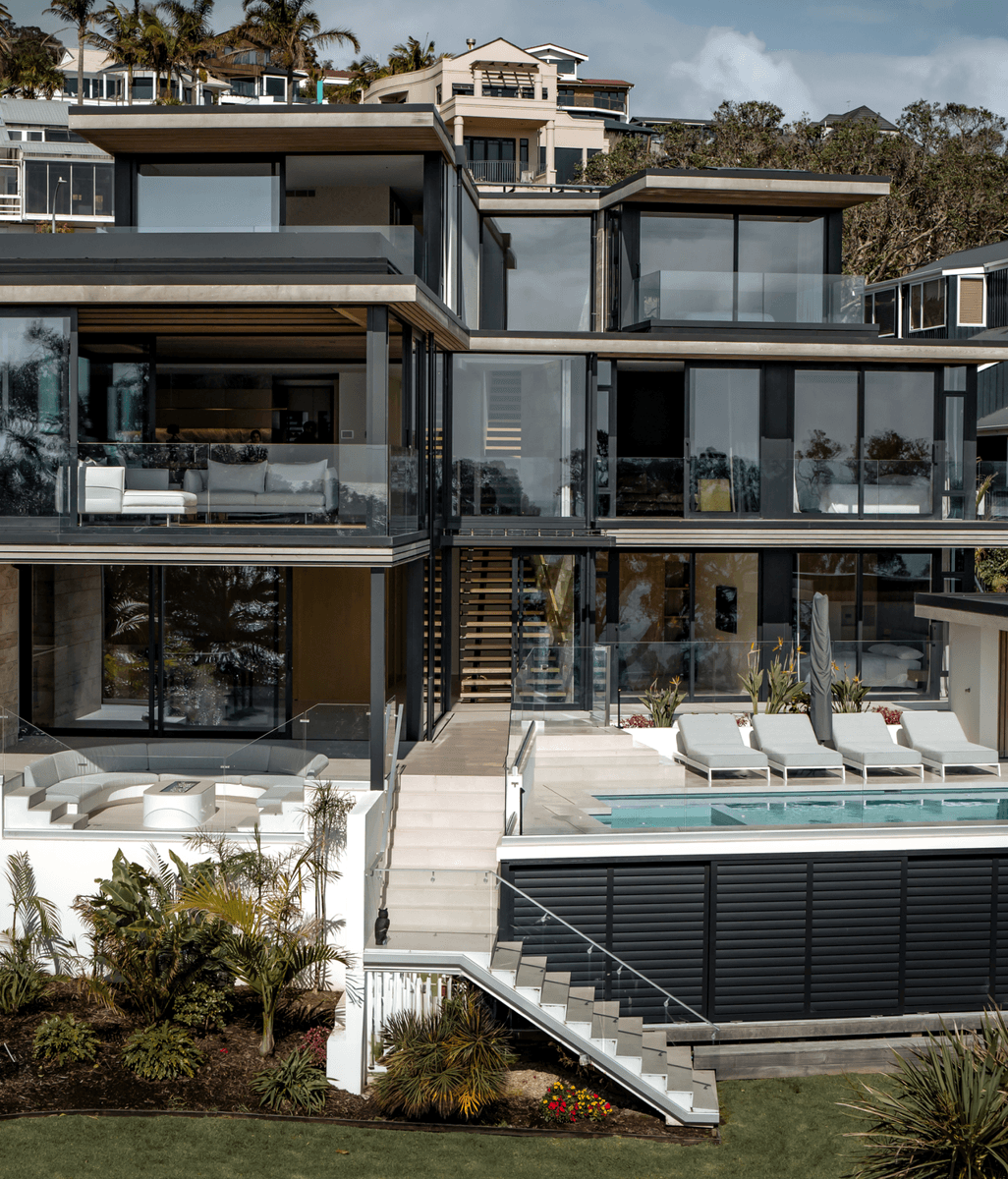
Similarly, a current project in Sydney's bayside suburbs uses a central courtyard as the organising element around which the home is arranged. The approach allows every major space to maintain a connection to landscape, natural light and ventilation.

For Alex, these moments of transition are often among the most important parts of a project.

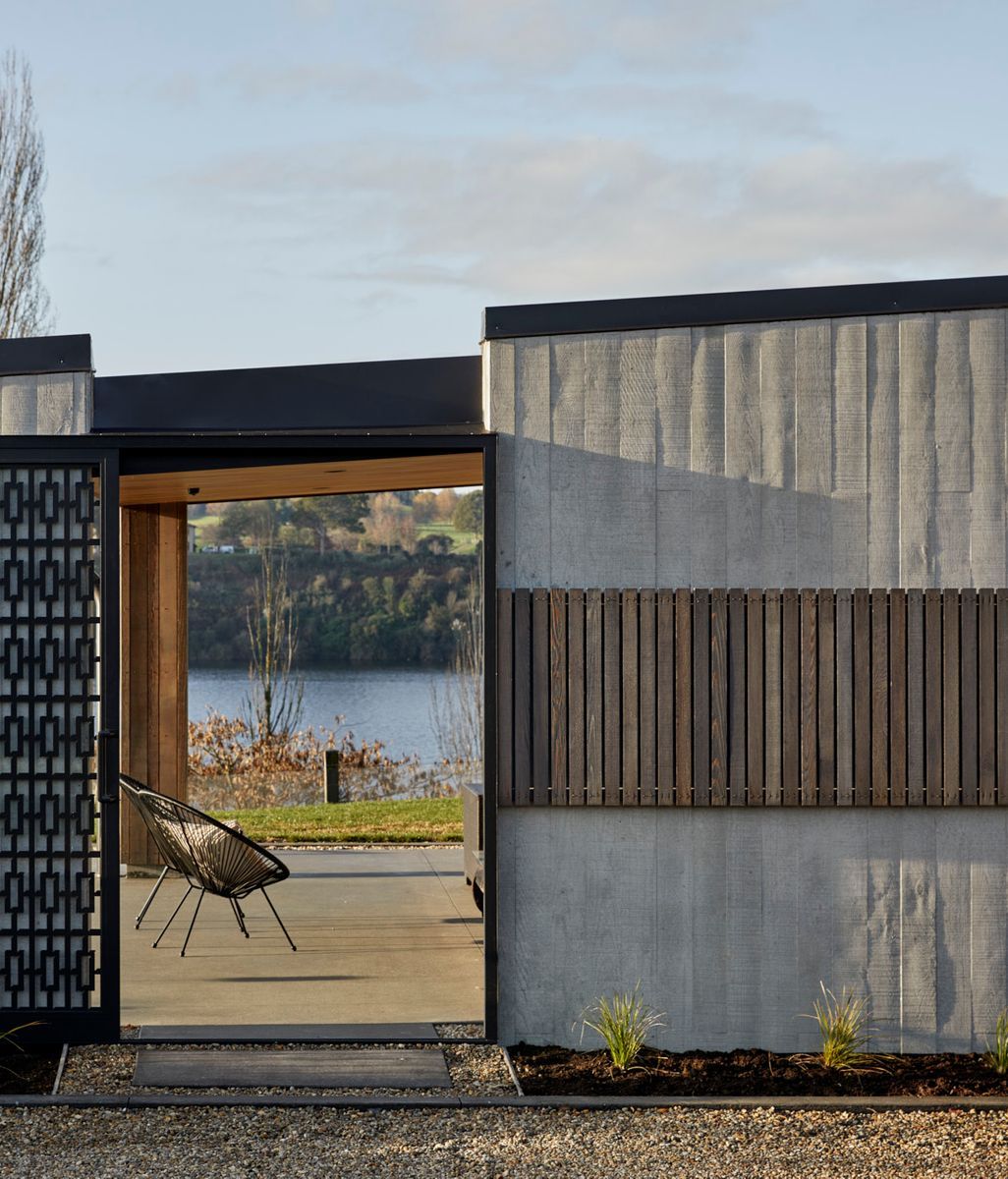
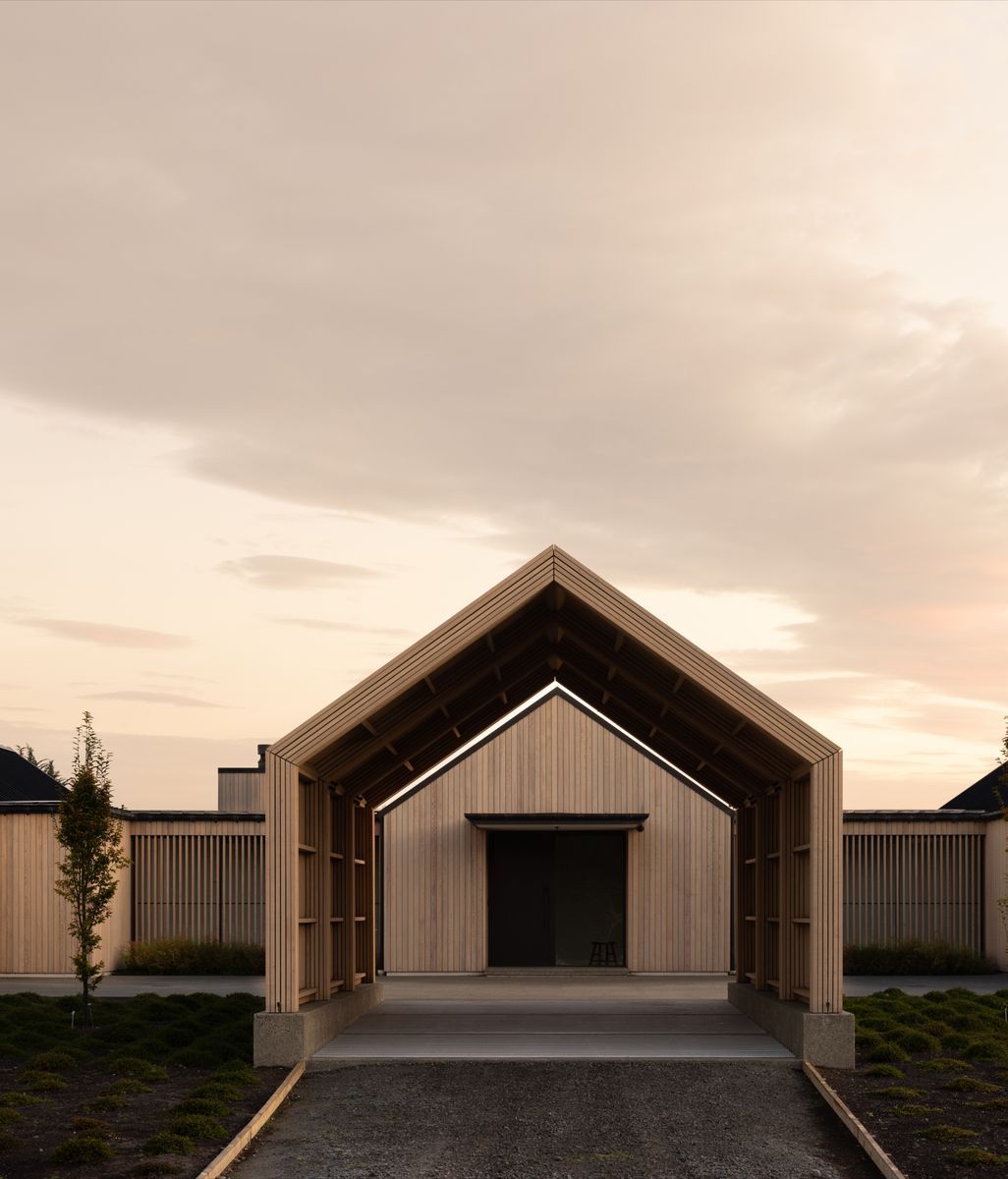
A recently completed Vaucluse residence illustrates the point. Comprising two substantial pavilions, the house is connected by an external passage lined with rendered walls, stone paving and a series of overhead skylights.

"You enter into this grand staircase and then walk down an external passageway," he says. "It feels almost like a gallery."

Victoria agrees. "Alex is very good at making beautiful entry spaces," she says.

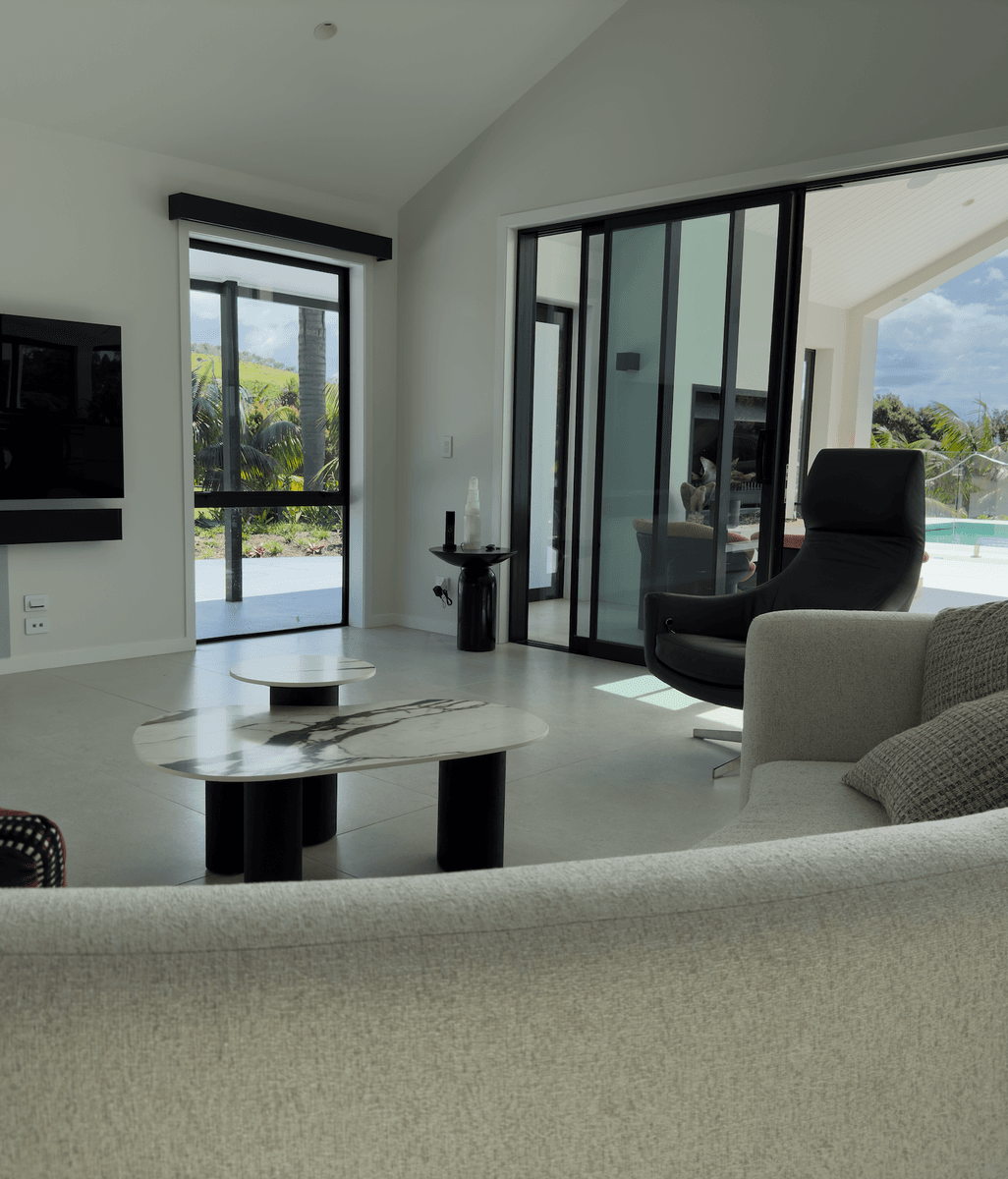
Those carefully choreographed arrival sequences are balanced by an equally considered approach to interiors. Victoria's focus is often less about decoration and more about proportion, atmosphere and the subtle details that make a space feel resolved.

"Looking at proportions, they just feel right when you're in the space," she says. "You know it couldn't have been done another way."

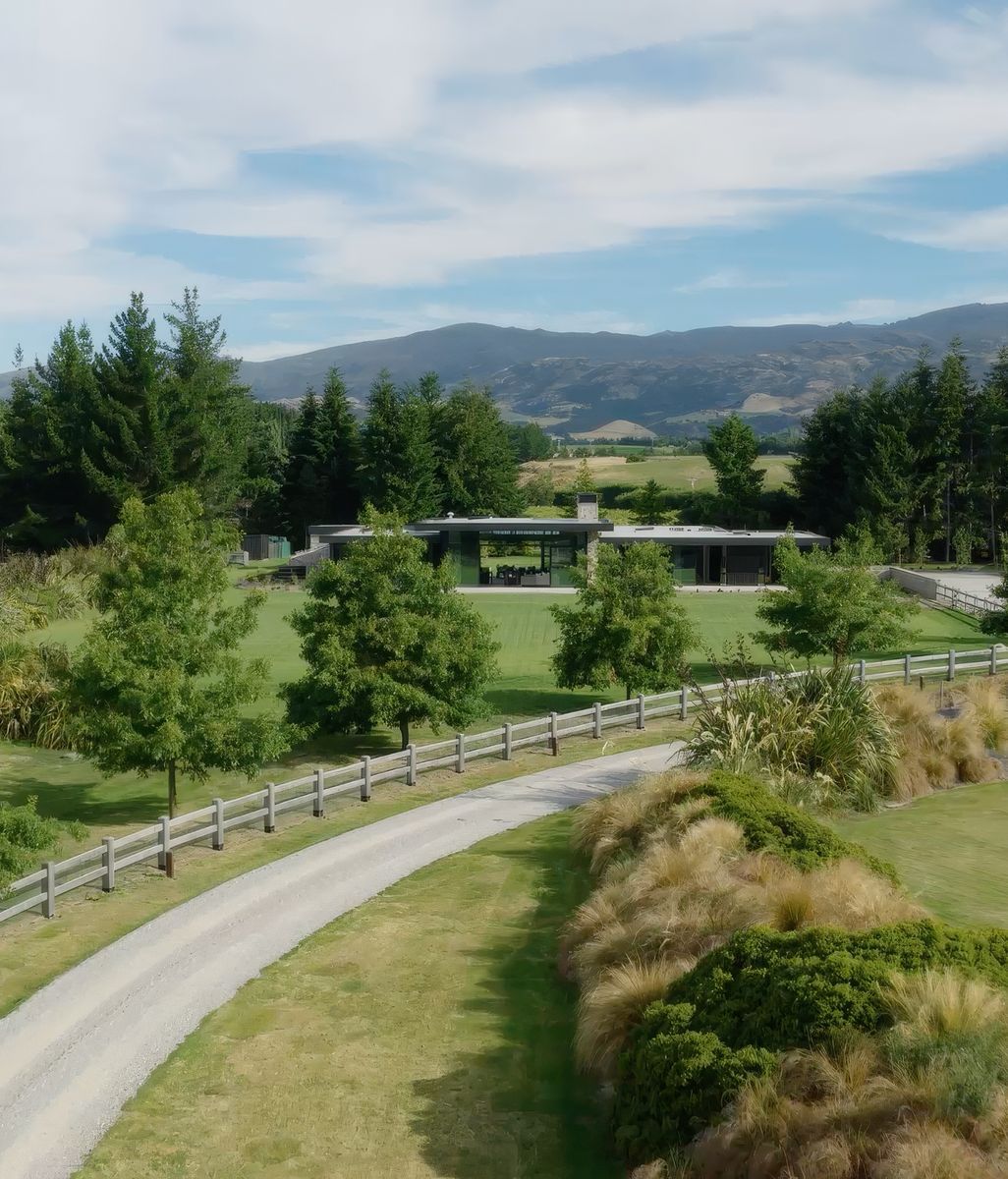
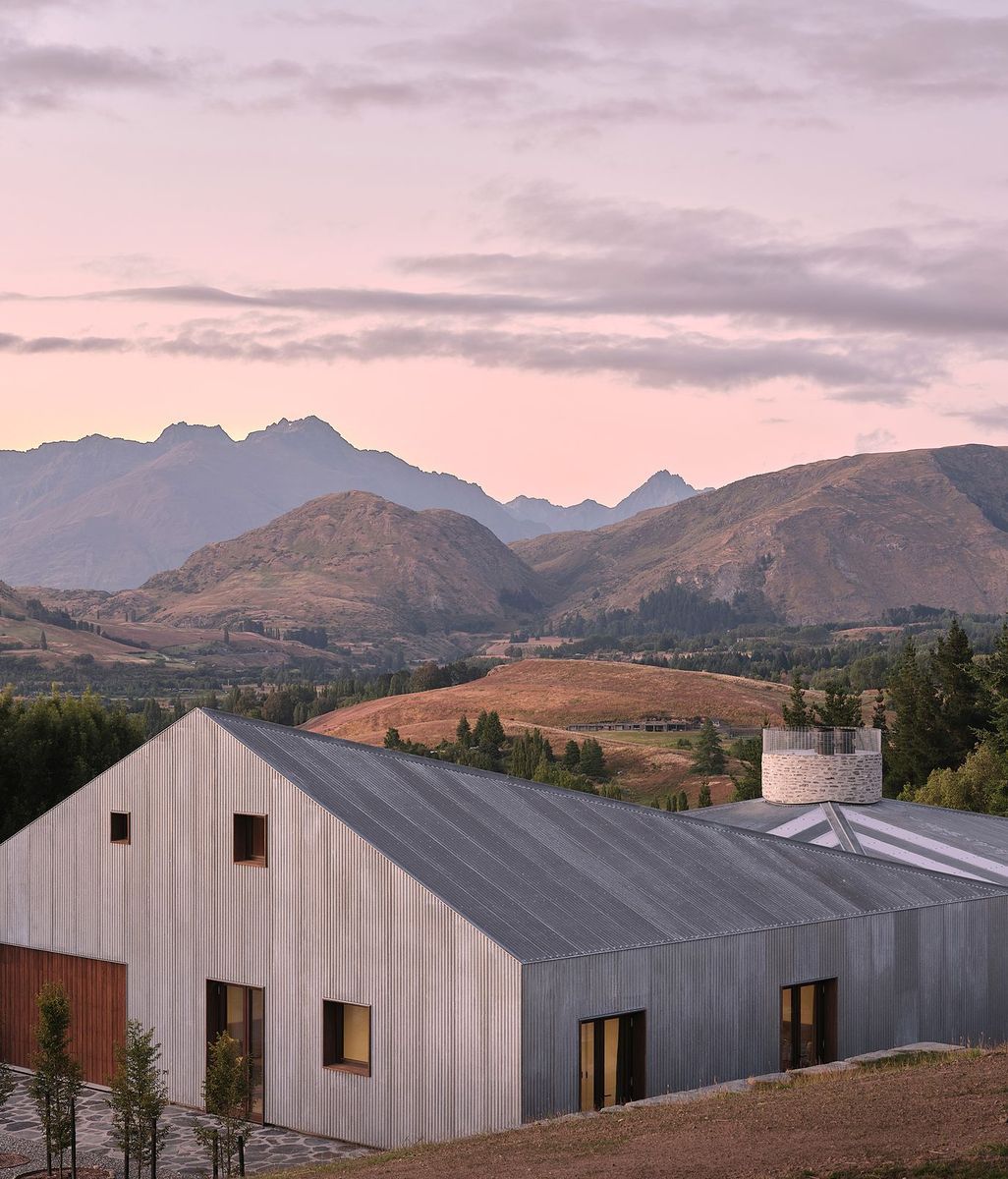
Main Ridge House by Porebski Architects.

Materiality also plays a significant role in achieving that sense of permanence. While architectural fashions continue to shift, both siblings remain drawn to materials that age gracefully and reveal their character over time.

"I think what is still, and always timeless, is really natural and raw building materials," says Victoria.

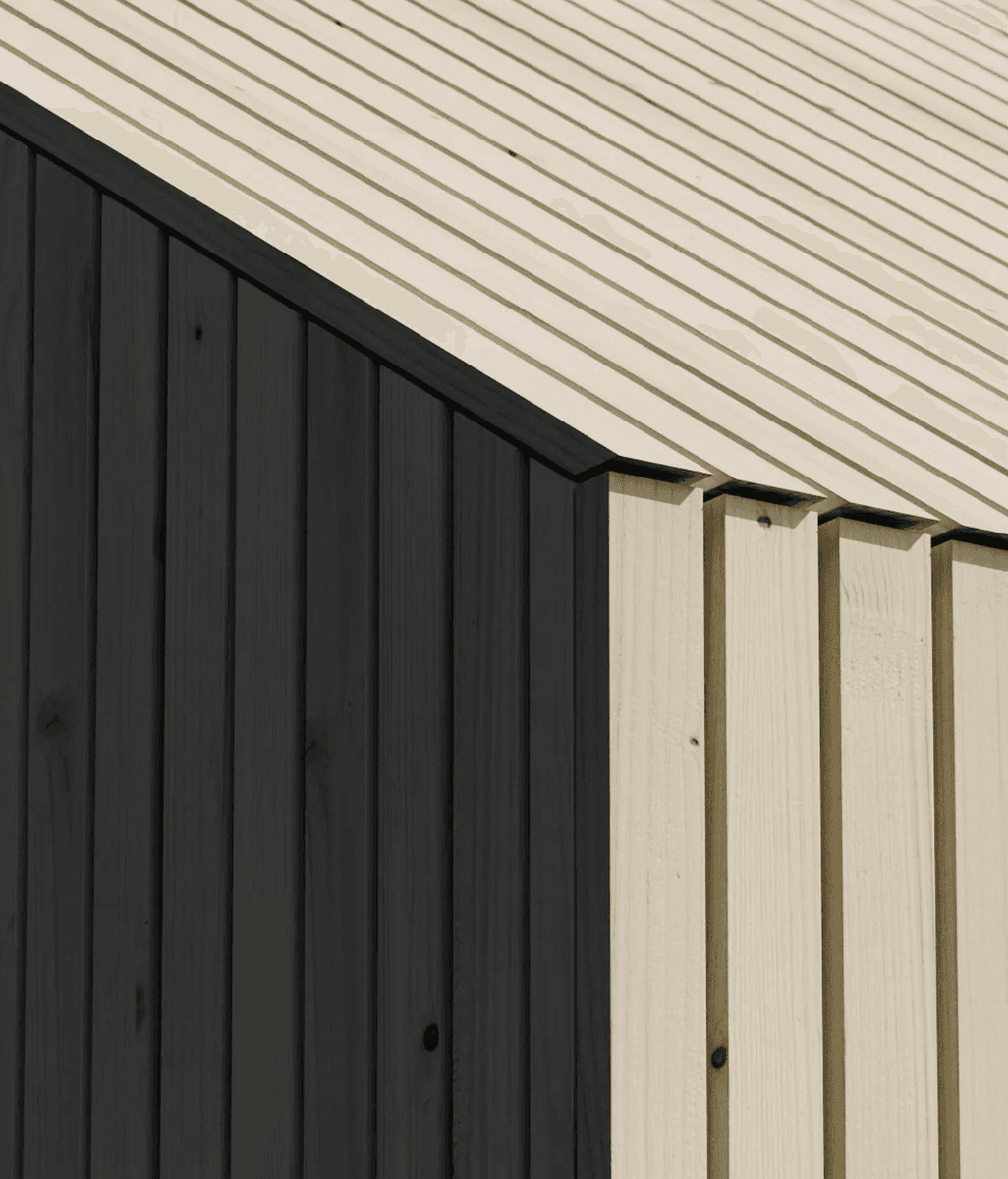
The practice has long worked with face brick, off-form concrete, concrete block, zinc and copper. Many of these materials have recently returned to prominence, although the Porebskis note they have been incorporating them into projects for years.

"We've been using concrete blocks for beach houses and other projects long before they became more popular," says Alex.

Their appeal lies not only in their appearance but also in their durability and honesty. These are materials that weather, patinate and improve with age rather than requiring constant renewal.

That appreciation for longevity recently found expression in a project that was particularly personal.

Last year, the siblings completed a renovation for their mother, who was downsizing from a larger apartment into a smaller harbour-view residence in Woollahra.

"It was a very nice, intimate project for us to work on," says Victoria.

The brief centred around creating a home that could comfortably accommodate her extensive art collection while supporting a new chapter of life.

For the siblings, it represented a full-circle moment.

More than 50 years after their father established the practice, and decades after being reluctantly dragged to building sites as children, they found themselves designing a home for the person who had been alongside them the whole way.