Changing the fabric of Hamilton City
Written by
15 June 2026
•
3 min read

If you've spent time in Hamilton over the past decade, chances are you've experienced the work of Edwards White Architects.
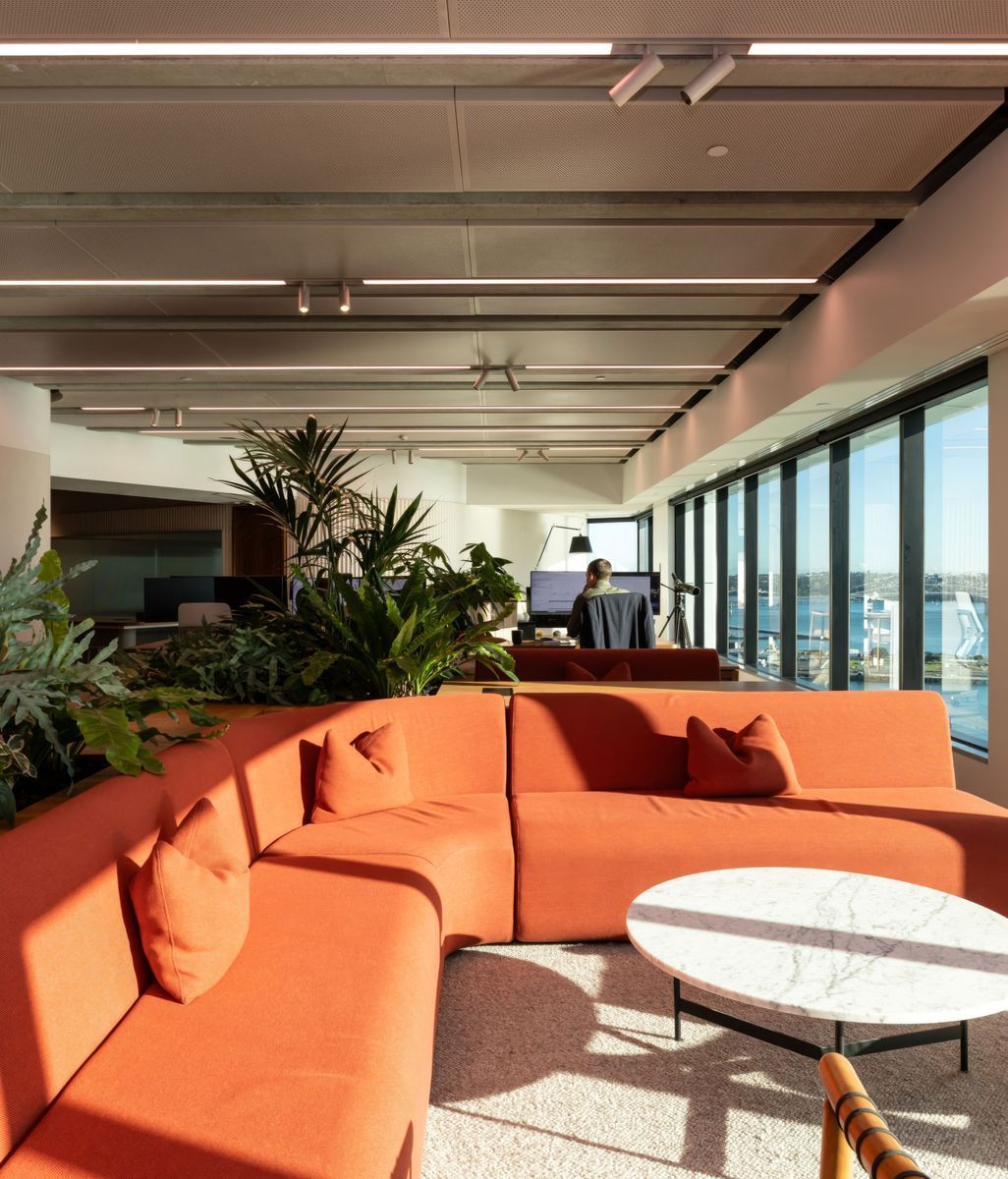
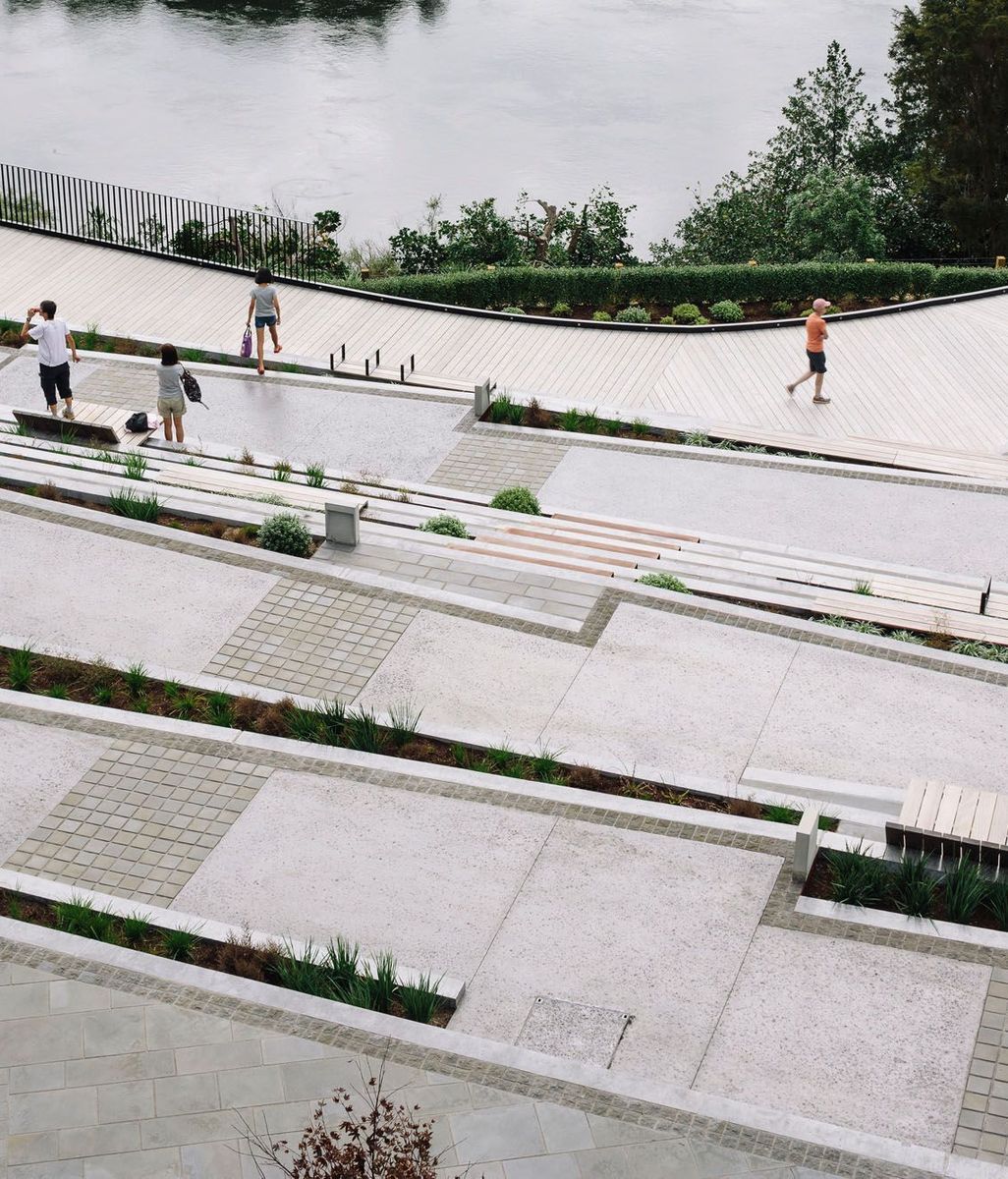
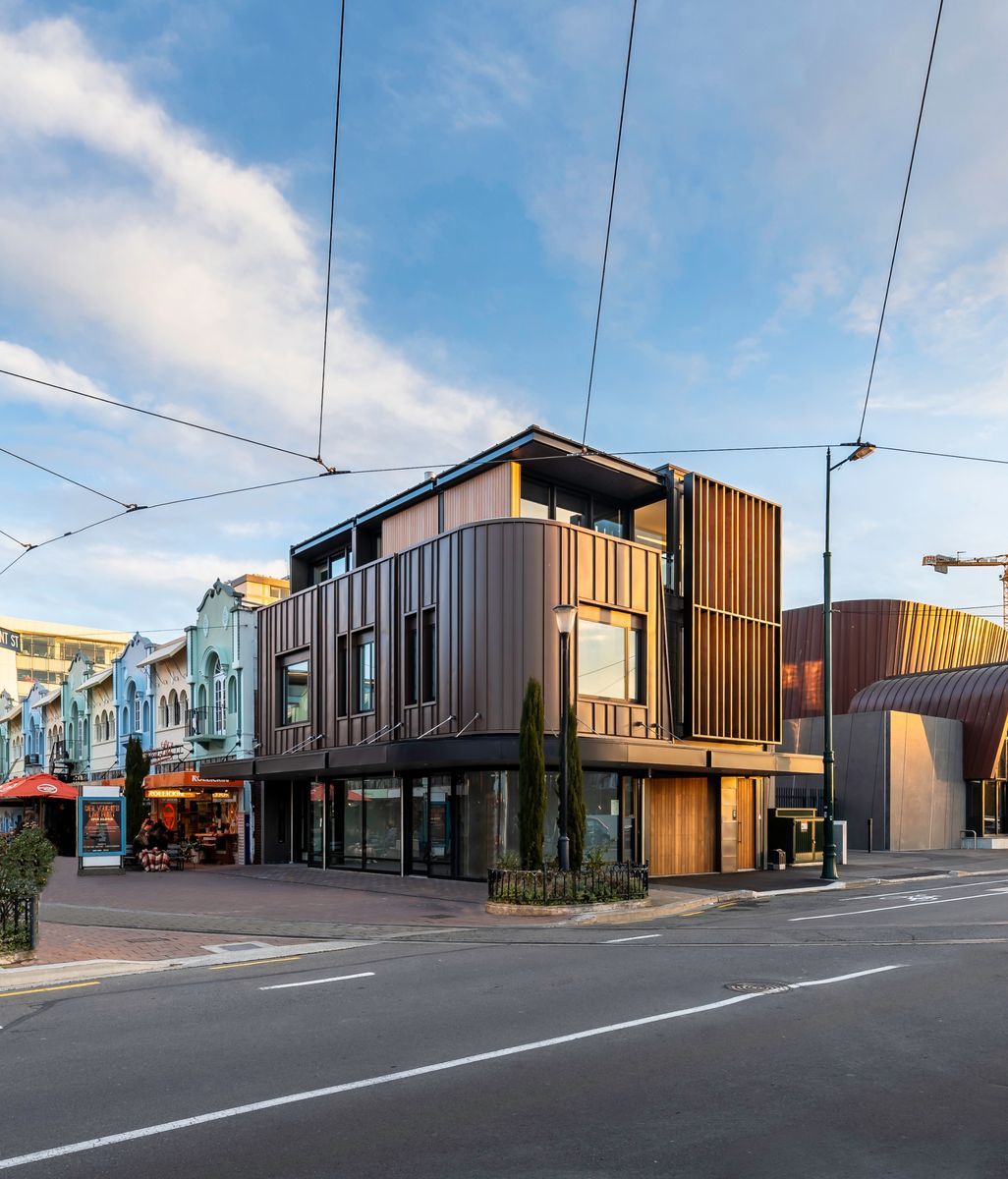
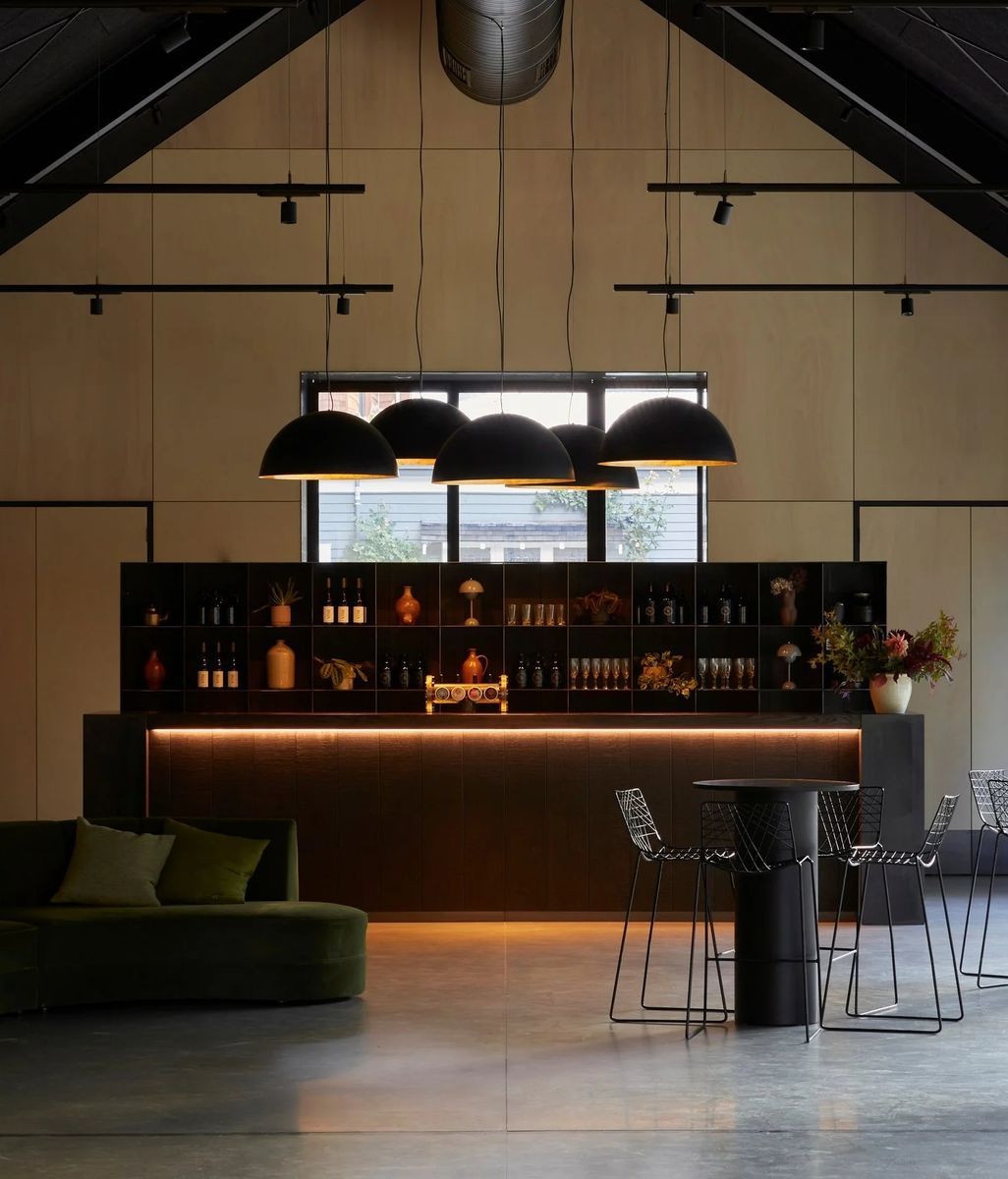
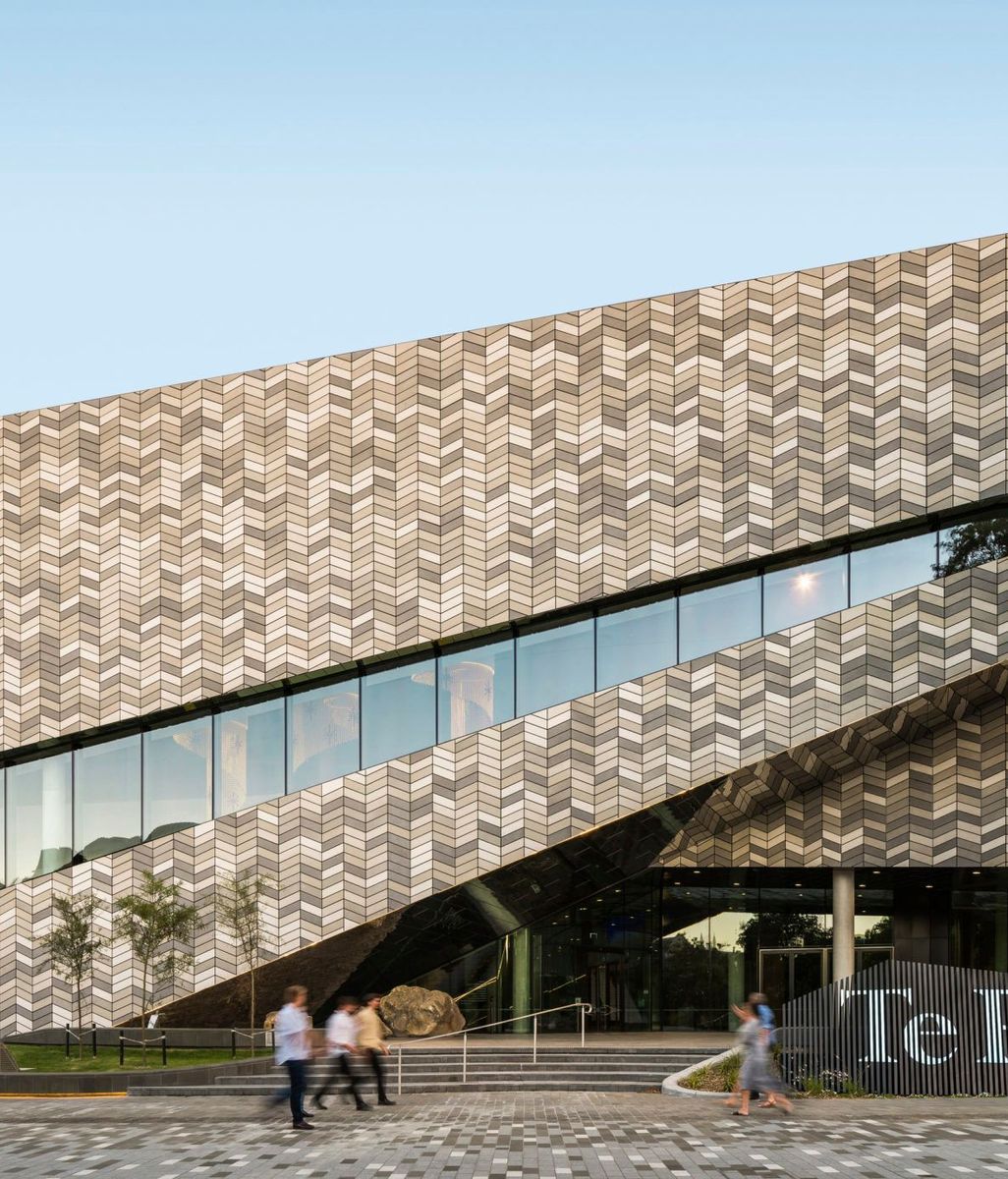
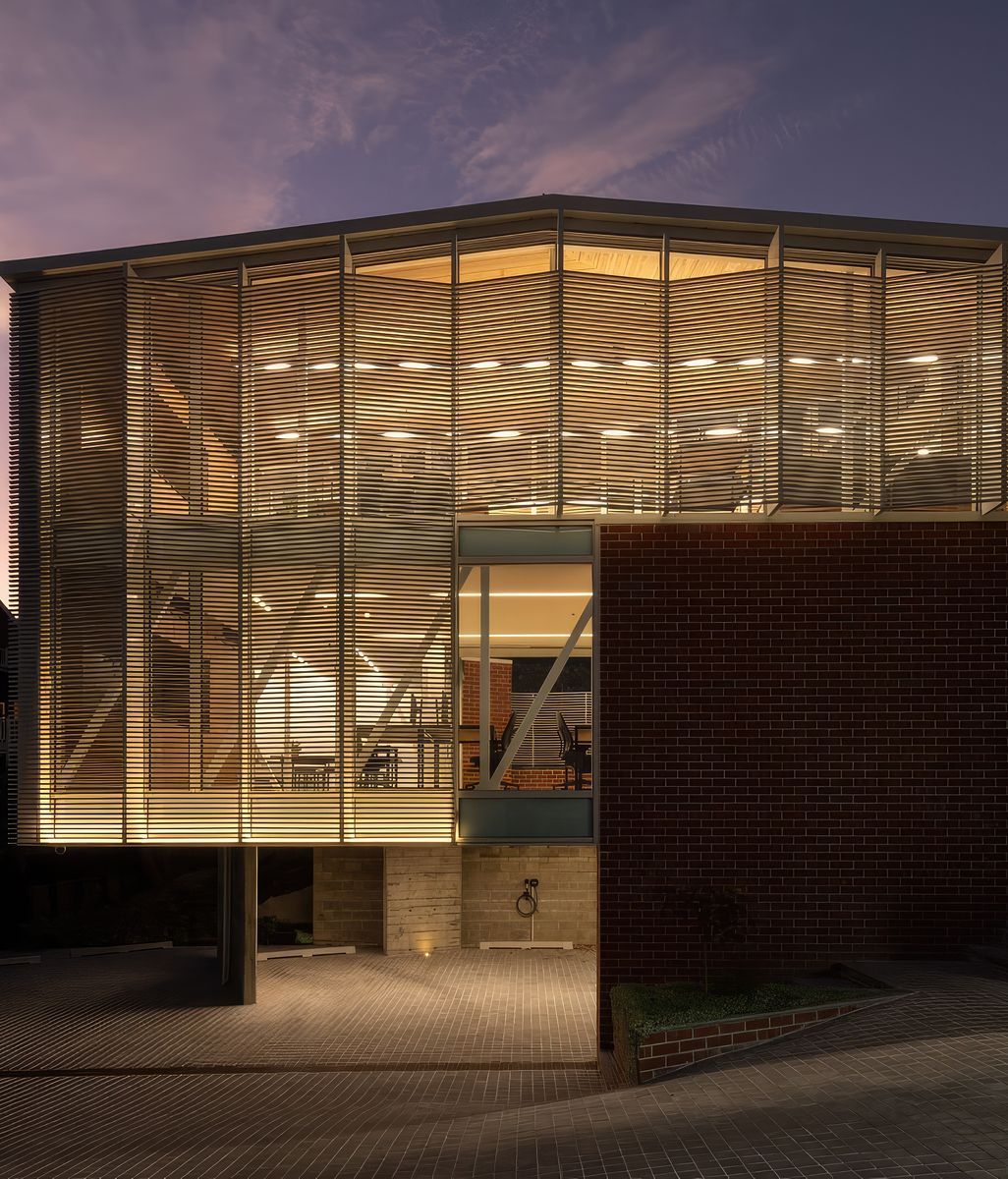
You might have wandered through MADE, stopped for lunch at Riverbank Lane, meandered down Victoria on the River, worked in one of the practice's commercial fit-outs or admired the steady stream of adaptive reuse projects transforming the city centre.
These projects tell a story about architecture's ability to influence the character of a city. For Edwards White Architects, this story has become a defining part of the practice's work.
Founded by Brian White and Grant Edwards more than two decades ago, the practice has grown to 25 staff across Hamilton and Tauranga. Throughout that time, their focus has remained firmly regional, building a substantial body of work that extends beyond individual buildings to influence the broader urban fabric.
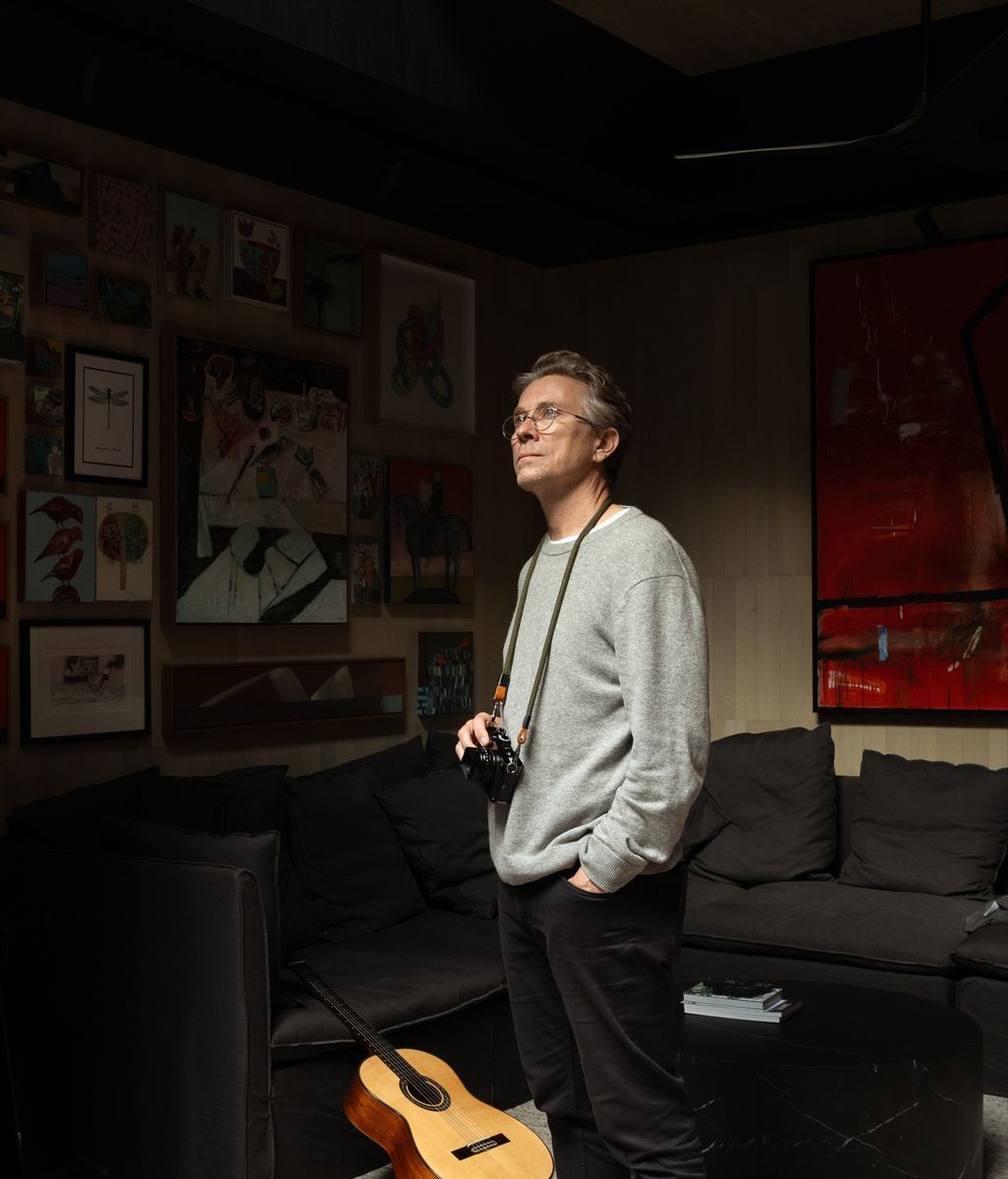
"We've developed a real interest in rejuvenating our city," says director Brian White. "Over the last 15 years, it's slowly been gaining traction, and we've now got this quite large body of work around the city that feels like it has made a difference."
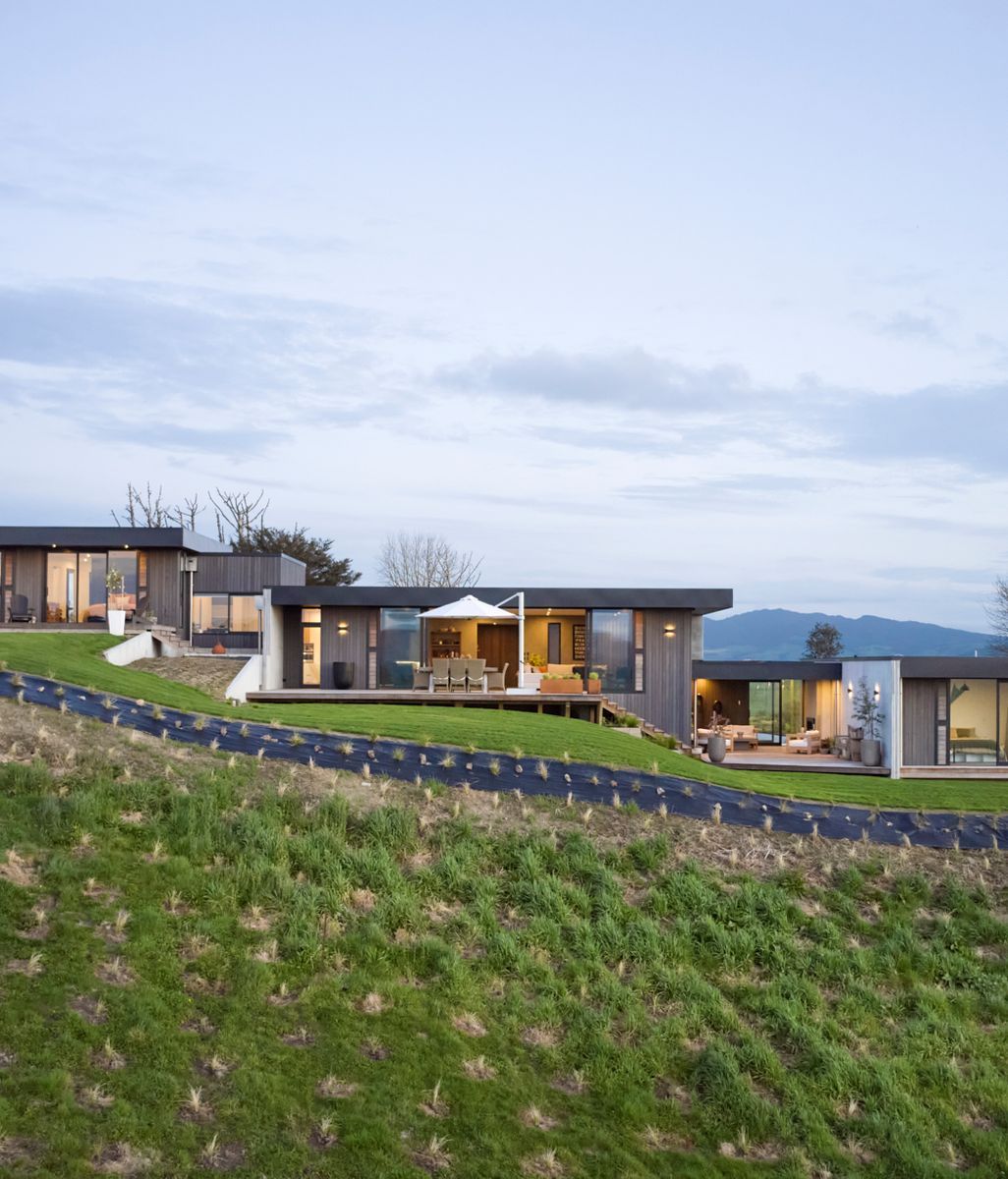
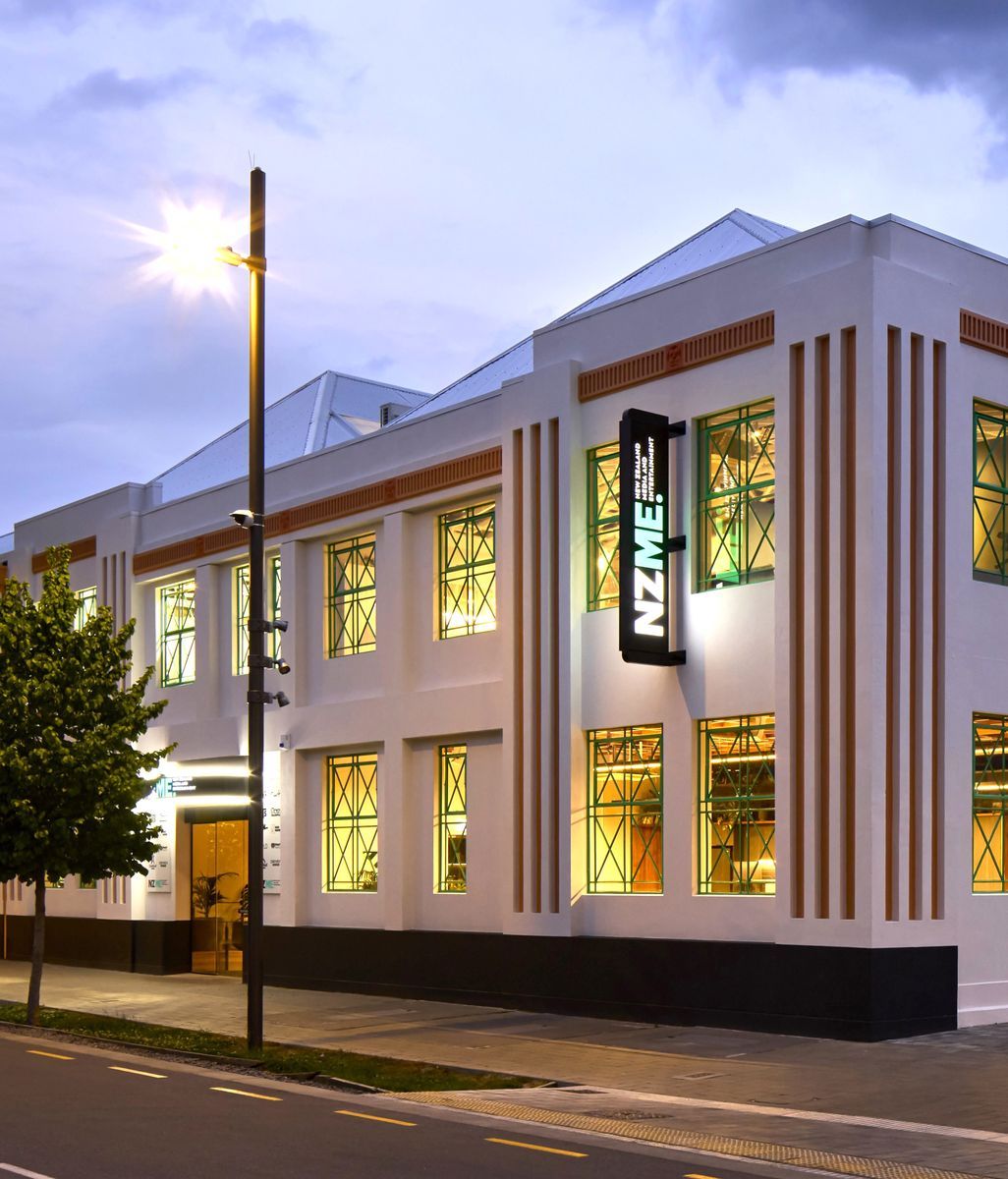
That body of work is considerable. Across Hamilton alone, the practice has completed approximately 60,000 square metres of adaptive reuse commercial projects, alongside public spaces, workplaces, residential developments and civic infrastructure.
Yet the architects are quick to point out that meaningful urban change rarely comes from headline-grabbing projects alone.
"One thing we've learnt is that in a city, there's often a whole lot of smaller, low-hanging fruit," says director Daniel Smith. "Getting those right makes a bigger difference than the big shiny new thing. It's these smaller moves throughout the city that create the fabric of the city."


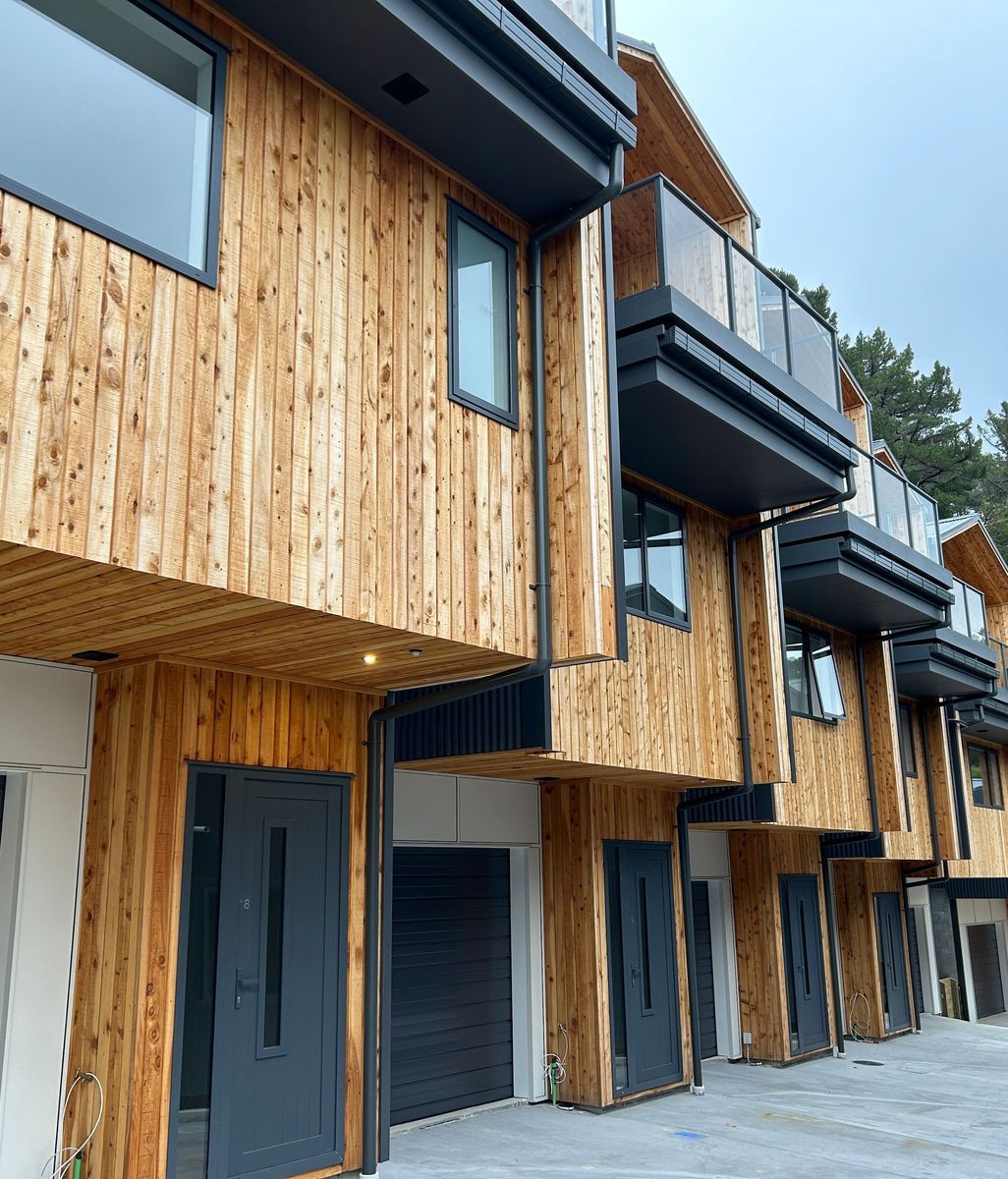
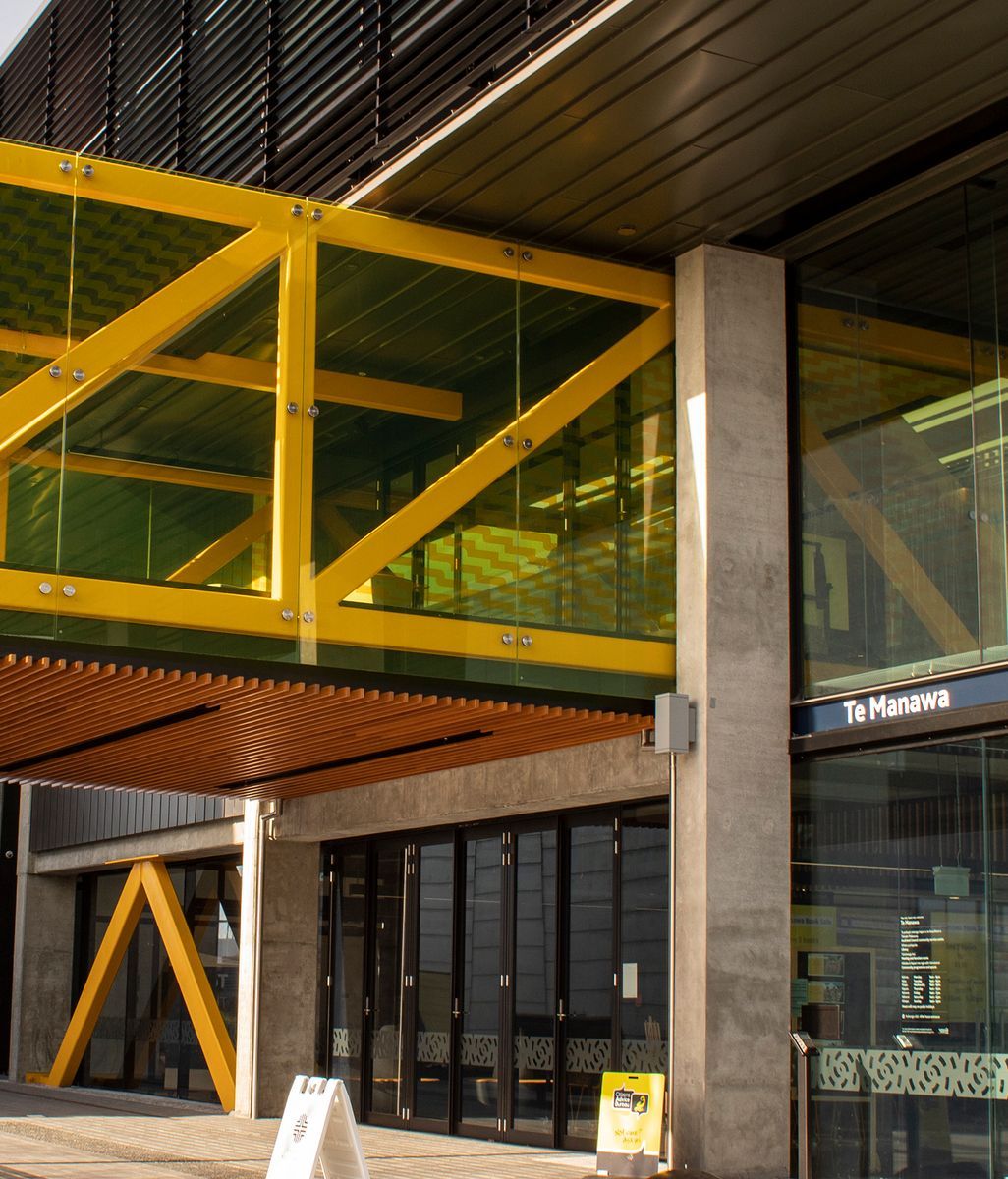
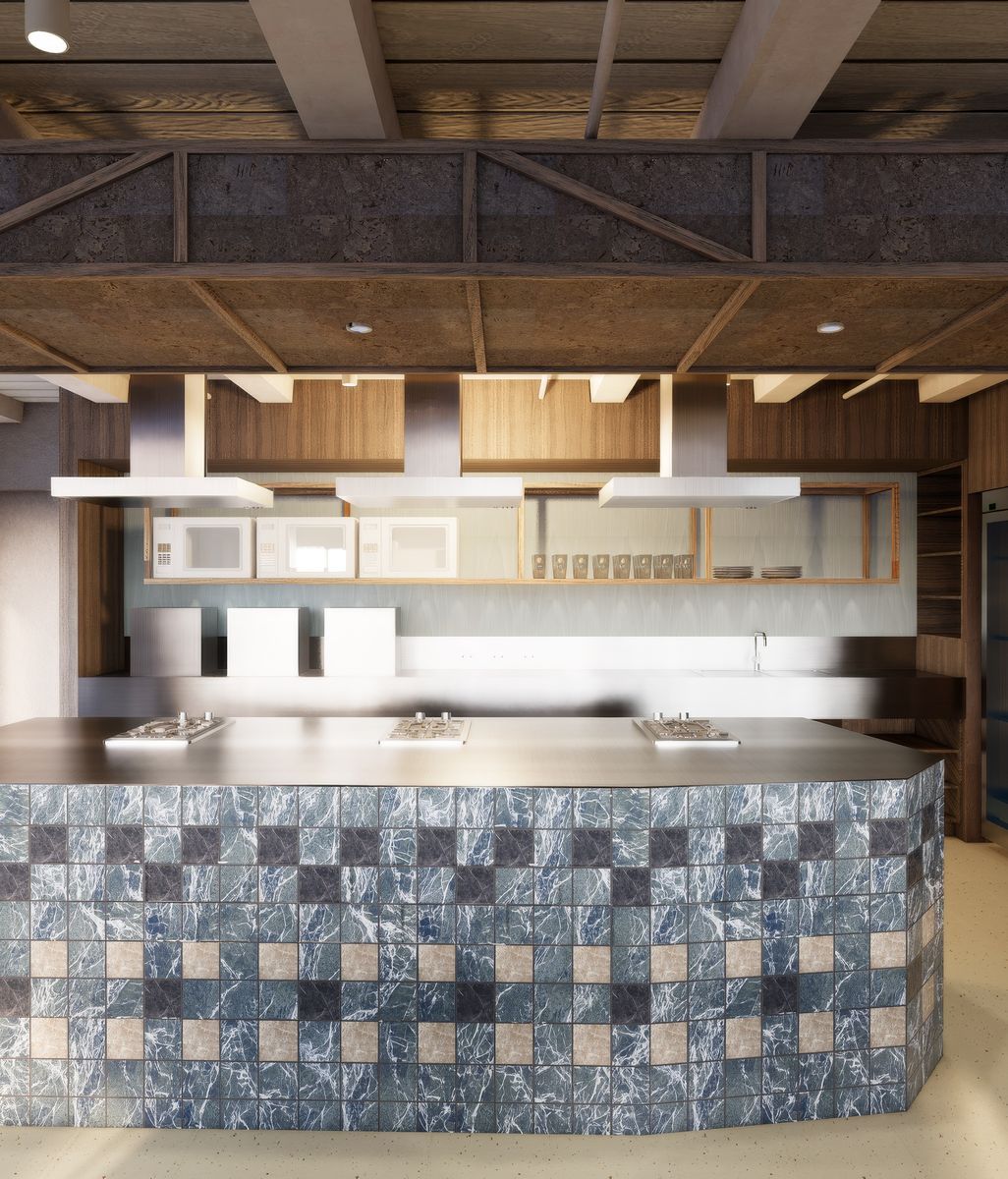
That philosophy can be seen across a growing collection of projects throughout Hamilton. From MADE and Riverbank Lane to Victoria on the River, Hills Apartments, Basecorp, Genesis, SouthBloc, NorthBloc and numerous workplace fit-outs, each project addresses a specific challenge while contributing to a broader conversation about the city's future.
Adaptive reuse has become a particular area of expertise.
Hamilton's commercial building stock, much of it constructed during the post-war Ministry of Works era, offers opportunities that many other cities lack. Beneath layers of suspended ceilings, dated carpet tiles and unsympathetic alterations lie robust structures capable of supporting entirely new programmes.
"We're quite fortunate in Hamilton because there's actually quite a good stock of these post-war buildings that have very good bones," says White. "Once you peel those layers back, there are some really good buildings underneath."
The process of adaptive reuse is rarely straightforward. Existing structures bring constraints around seismic performance, building services and changing programmes. Yet for Edwards White Architects, those limitations often become opportunities.
"We've learned to embrace that," says Smith. "Those constraints can make for these really cool design outcomes that you wouldn't necessarily design if you were starting with a greenfields site."

The Hills Apartments exemplified that challenge, requiring the conversion of the old Hills Laboratories building into 19 residential accommodation. Other projects have involved complex structural considerations, including the Tristram Precinct development, which was constructed above an active railway corridor.
The practice approaches each project with a willingness to adapt as new information emerges.
Commercial projects, particularly adaptive reuse projects, often reveal their true potential only once demolition begins. Hidden structural elements and unexpected opportunities can significantly influence the final outcome.
"We don't go in with a whole lot of preconceived ideas," says White. "It's not until we demo these things that we begin to understand what's actually under there, and we really start to design it."