Designing from the ground up: How carpet can become a design opportunity
Written by
16 February 2026
•
3 min read

The walls are painted, joinery is in and a statement wall tile is being installed. Then, almost as an afterthought, it comes time to choose the flooring.
Too often, carpet is seen as a practical necessity rather than a design opportunity. A few samples might be laid out, usually in muted tones designed to disappear into the rest of the room. The textures feel familiar. Safe. Easy to approve.
But it’s a wasted opportunity: the floor is one of the largest visual surfaces in the home. It anchors the space and when considered properly, it can set the tone, influencing everything else.
This is where bespoke carpet is often misunderstood.
“Customising carpets can be assumed to be slow, risky or prohibitively expensive,” says Chanel Bragg, Wautier Carpets’ Brand & Design Manager. “But bespoke is not luxury, it’s just good design.”
This shift in thinking matters, and it’s how Wautier Carpets approach their work. The Australian brand has collaborated on many commercial projects, including The Sebel Flinders Lane, offering fully bespoke carpets engineered specifically for high-traffic zones. Bespoke carpet can also be specified for residential spaces where comfort, performance and tailored design are equally important.


Read more: Bespoke carpet redefines guest experience for a contemporary revival
Where off-the-shelf options are often believed to be the most cost-effective, the real cost is compromise. A pre-made option can mean settling for the closest colour, not the right colour. And selecting something with more pattern or texture can be a step in the right direction, but fall short.
Wautier’s approach challenges the idea that custom flooring is only for projects with unlimited budgets and time. In many cases, the brand’s custom orders sit at a similar price point to standard options, without compromise. The goal is to craft flooring that feels considered and right for the space it lives in.
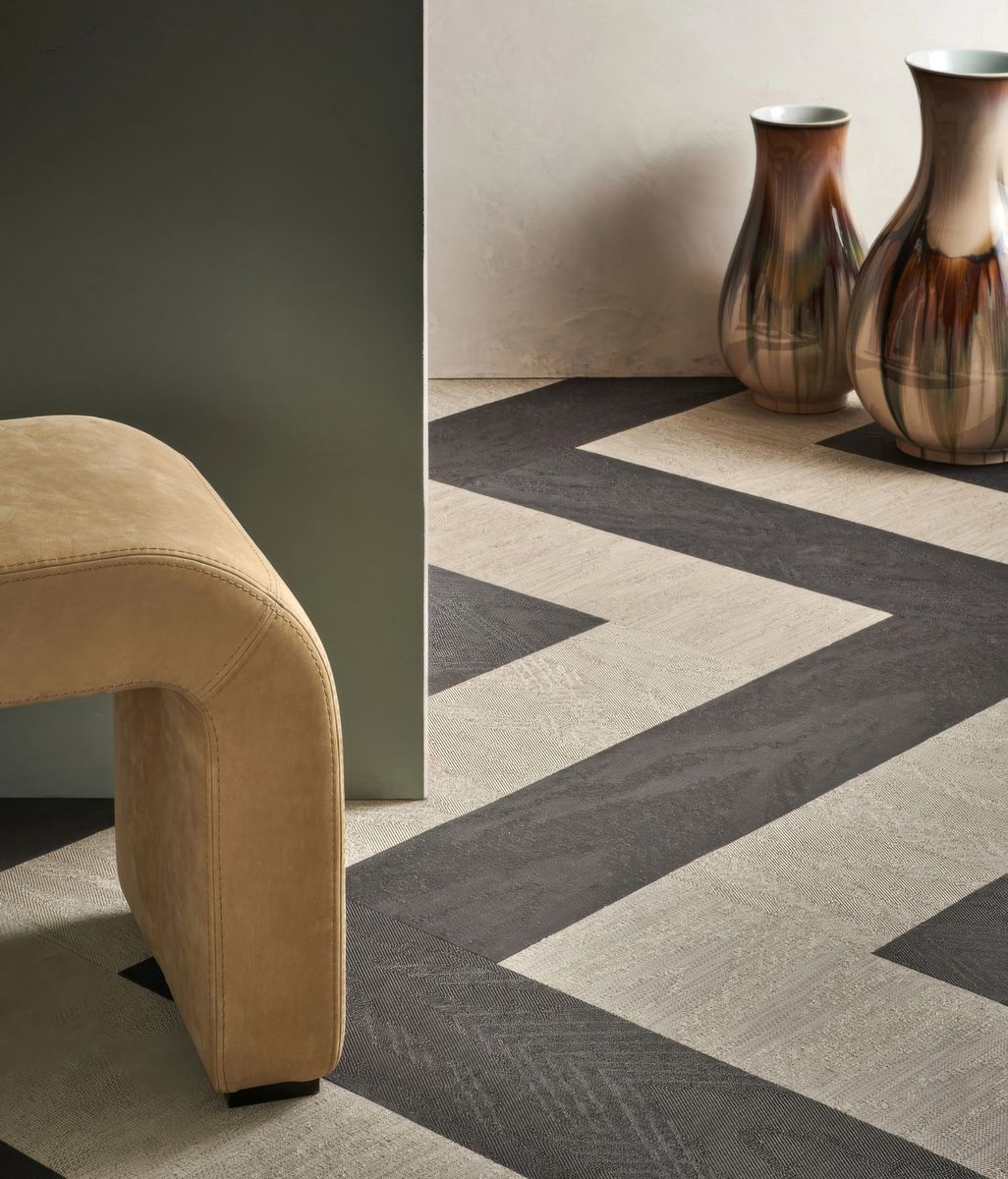
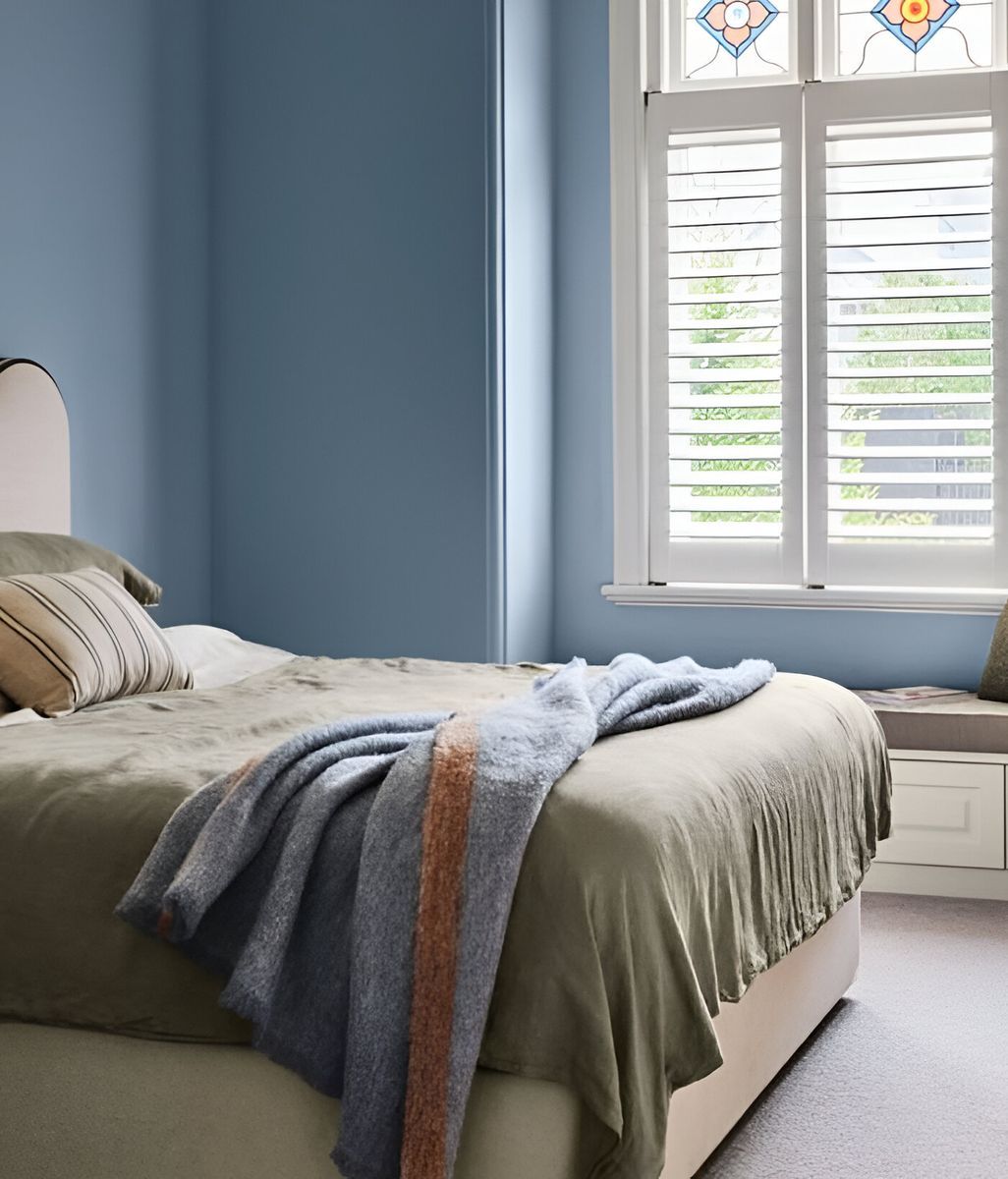
More than colour, customisation can include everything from fibre selection and pile height to density, texture, pattern and carving. The options mean the flooring can play into the storytelling of a space. Colours and patterns can be drawn from heirloom items, a favourite artwork or existing design scheme, turning the carpet into a canvas that informs the atmosphere of the room.
“It really is as far as the imagination can go,” says Chanel.


Chanel and her team often work closely with interior designers, but for homeowners working by themselves, the process doesn’t need to feel overwhelming. While you might not have a specific design brief, there is usually an aesthetic reference, a palette, feeling or style you’re drawn to. From there, the design conversation begins.
Once a direction has been set, concept designs are drawn up before sampling is used to confirm the colour and finish.
Collections such as Tapis can also act as an easy starting point. A hand-tufted range of base textures, the colour, fibre and detailing can all be chosen to suit.
Working on a made-to-order model, Wautier is bespoke first, holding little stock. It means carpets are produced specifically for each project, reducing storage, excess and waste. The environmentally-friendly fibres, such as natural fibres and yarns made from recycled PET sourced from ocean-recovered plastics, means there are options for eco-conscious homeowners and designers.
When the time is taken to find the exact shade, the right texture and the right material, carpets can become a larger part of the design language. A foundation that belongs instead of blending in, connects rather than compromising.