Designing out the mental load through architecture

Written by

15 June 2026

 • 

6 min read

This compact Melbourne home by Whisker Architecture showcases clever design that reduces the mental load.
For Whisker Architecture, great residential design is not about trends or statement-making. It is about removing the everyday frictions that drain our energy and creating homes that help people recharge.
Whisker Architecture's Audrey Whisker.

When Audrey Whisker founded Whisker Architecture, she quickly noticed a pattern emerging in conversations with clients.

While every project came with its own brief, budget and wishlist, many homeowners were ultimately asking for the same thing. They wanted homes that felt calmer, where they could switch off from demanding careers, family responsibilities and increasingly busy lives.

"They're coming to us and saying things like, 'I just want somewhere I can relax'," says Whisker. "Or, 'I want my home to feel like being on vacation.' Or, 'I just want to come into my house and exhale.'"
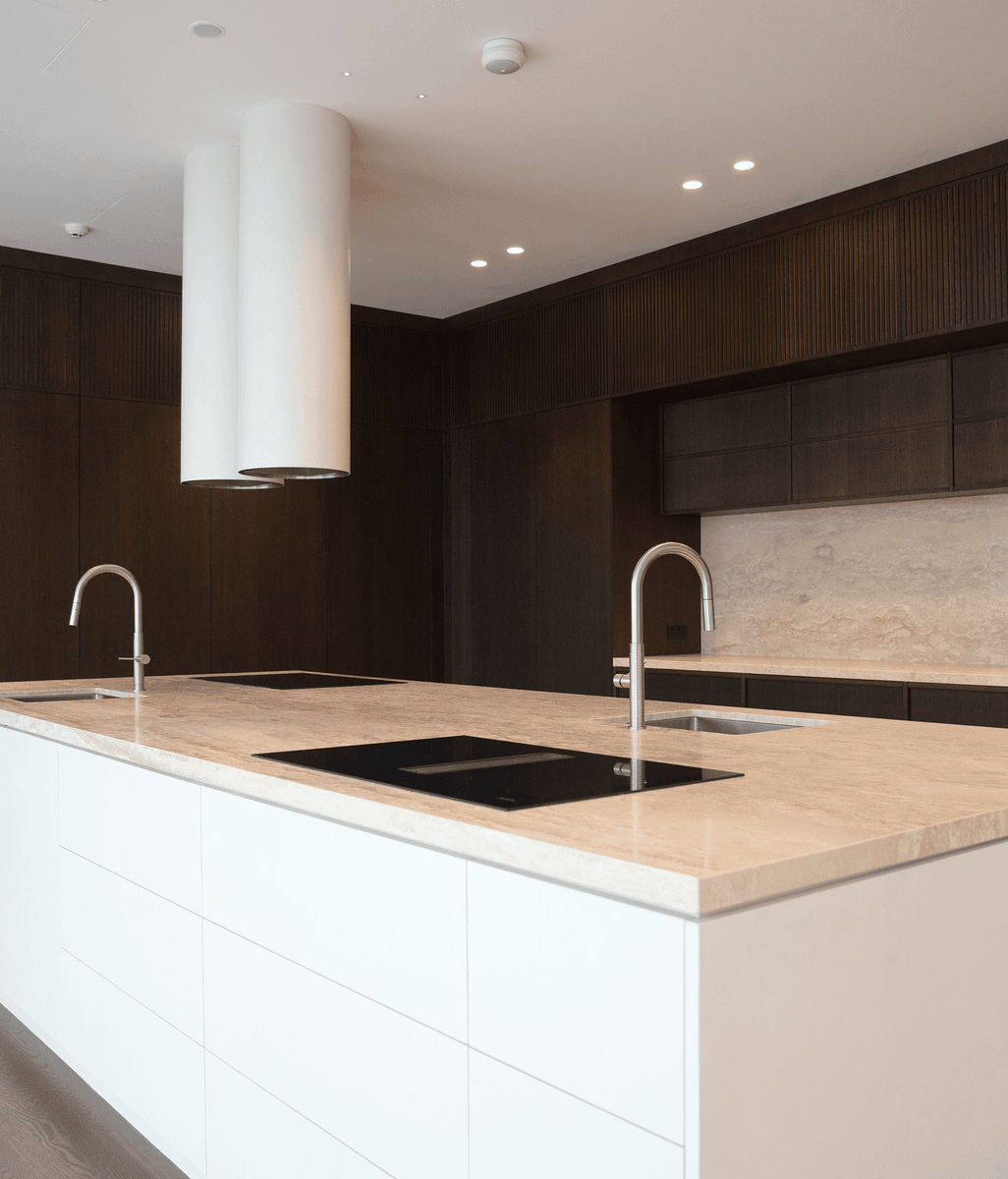
For Whisker, these requests point to a broader role for residential architecture. Beyond aesthetics, homes have the capacity to reduce the everyday frustrations that consume our energy and attention.

"When you start taking away that mental load, that friction and frustration from your everyday life, then you have more to give back," she says. "That is more important to me than aesthetics or trends."
It is a philosophy that now underpins every project undertaken by the Melbourne practice. Rather than focusing solely on how a home looks, the team spends considerable time examining how it feels to live in.

That process begins long before floor plans are drawn. Early conversations focus on understanding how a family lives, where frustrations occur and what supports their wellbeing. Identifying those sources of stress early helps inform design decisions that continue delivering value long after construction is complete. 

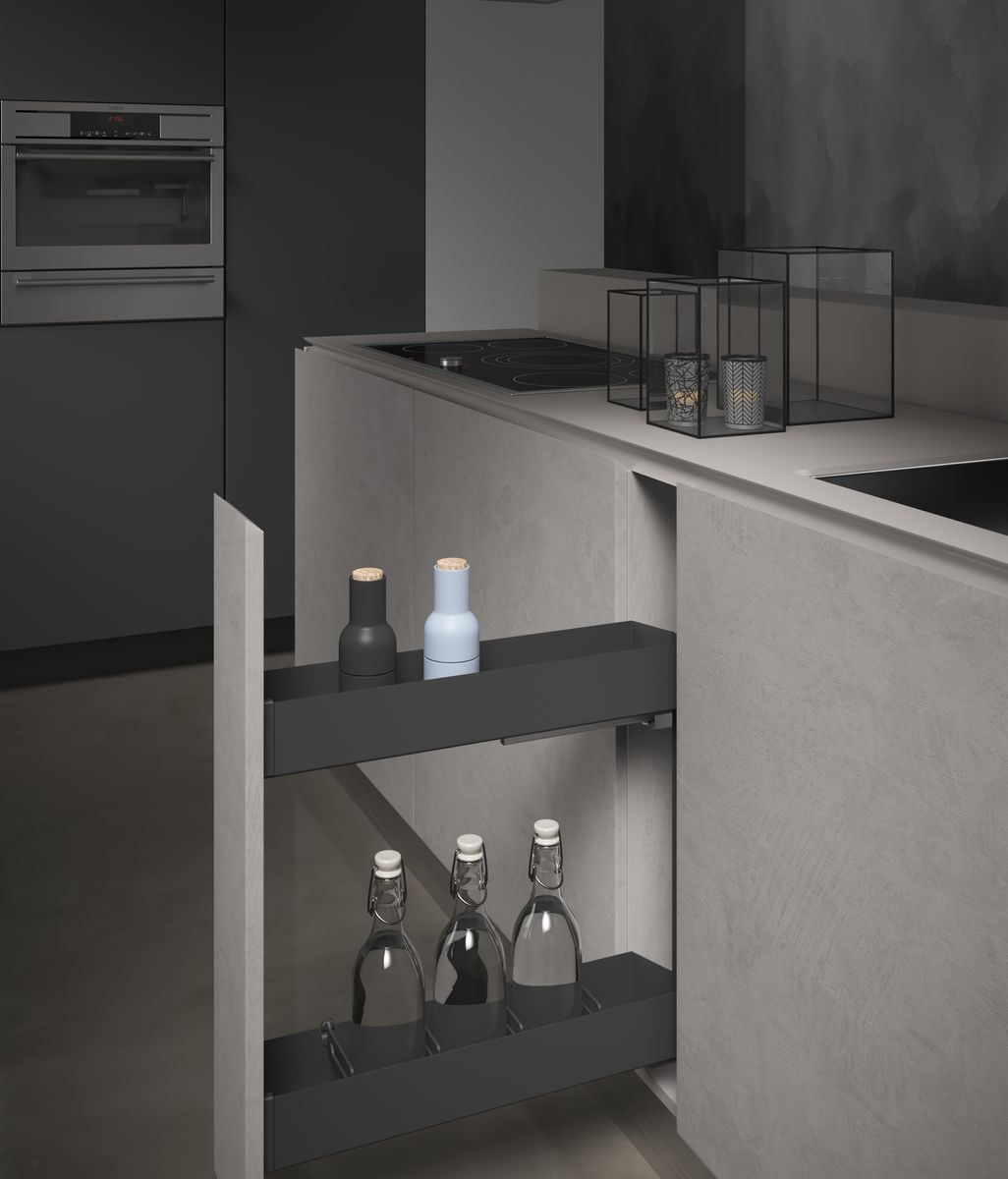
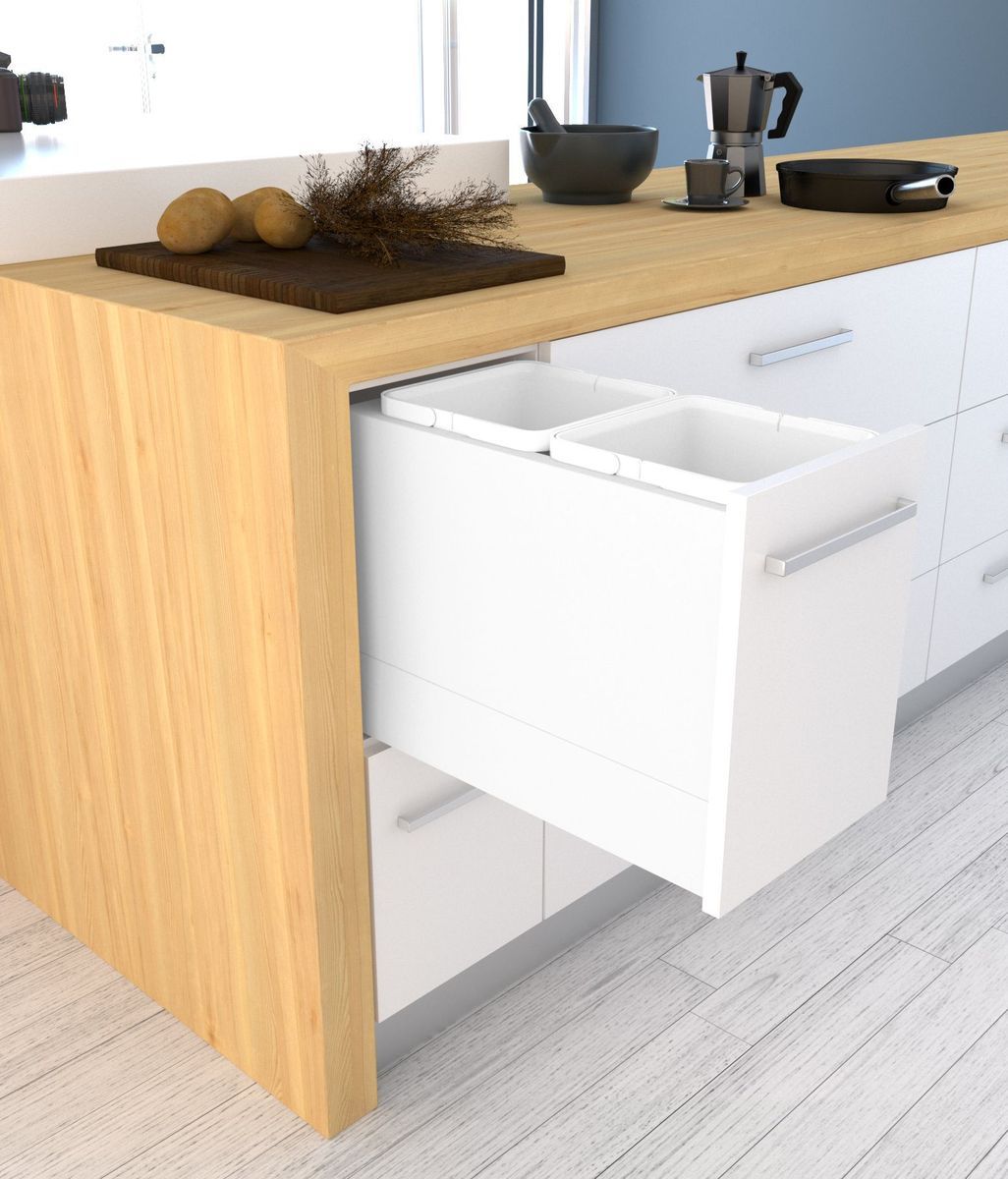
Storage is one example of an everyday friction. For some clients, visual clutter creates stress, prompting the design of concealed joinery and closed cabinetry that keeps everyday items out of sight. For others, the opposite is true. If belongings disappear behind doors, they risk being forgotten entirely.

The goal is not to impose a particular aesthetic, but to understand how each client functions and what makes them feel comfortable in their own environment.

"Every project has that at its core," says Whisker. "It looks different depending on the client because what they need to relax is different."

What helps one family thrive can look very different to another. Some prioritise entertaining, others sustainability, connection to nature, privacy or supporting multiple generations under one roof. The role of architecture is not to impose a particular way of living, but to create a home that reflects what matters most to the people who live there. 

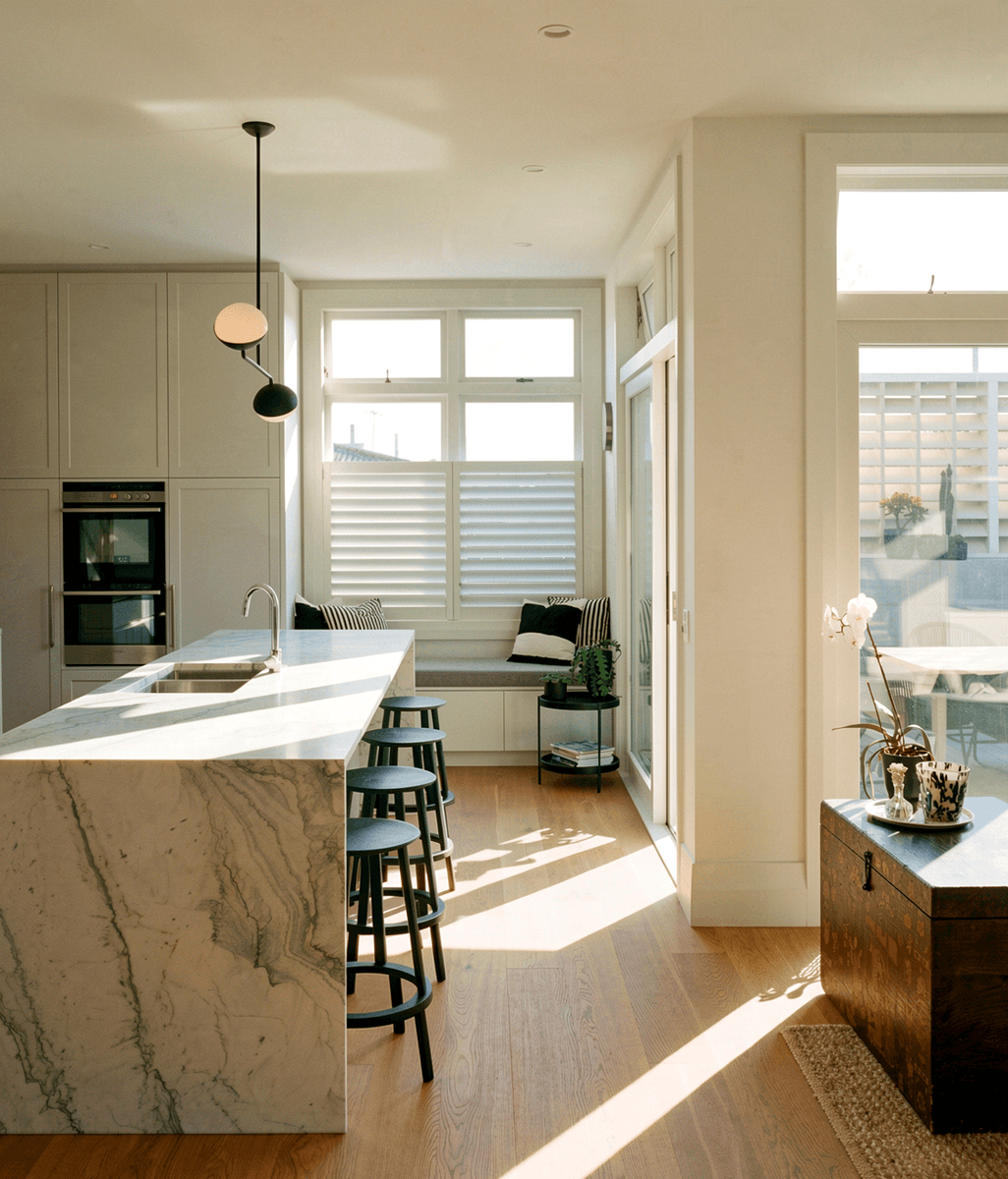
That same thinking extends to the planning of spaces. At the practice's Beaconsfield House project, everyday routines informed the layout from the outset. Rather than carrying groceries through multiple rooms, residents enter directly from the garage into the kitchen. Adjacent storage accommodates bags, shoes and daily essentials before they migrate throughout the home.

"It's about having storage where you need it, when you need it," says Whisker. "And being able to contain the mess that comes through the front door at the front door."

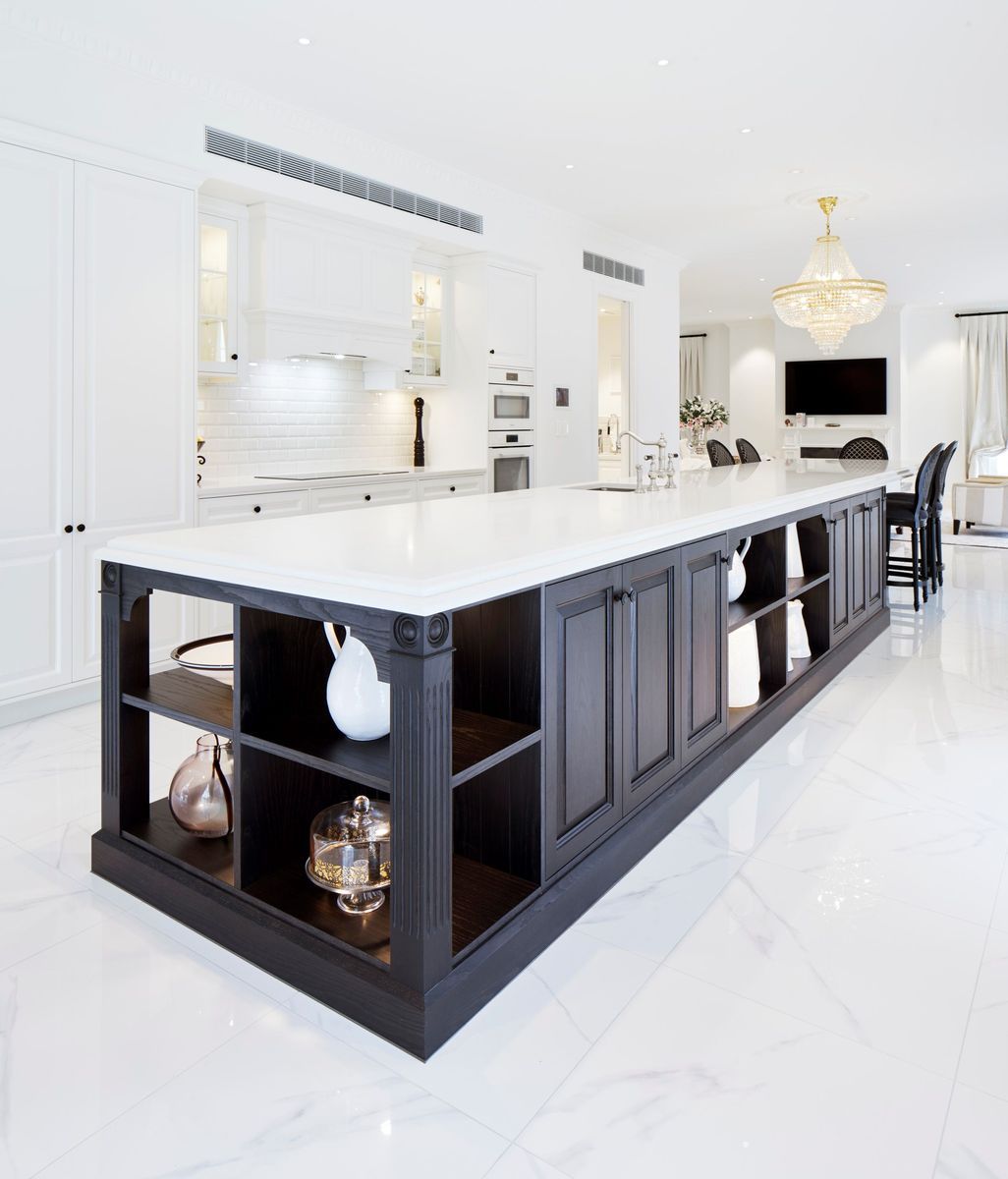
Personalising storage is a key way to help showcase favourite items, organise the home and hide the clutter.

Similar strategies appear throughout the studio's residential work. Arrival zones become carefully considered drop-off points. Living spaces are planned around how families actually gather and rooms are designed to support multiple activities without feeling over-programmed. The aim is to create flexible environments that can evolve alongside changing lifestyles, whether that means accommodating growing children, working from home or welcoming extended family in the future. 

While these decisions improve daily convenience today, they can also support long-term independence. Level thresholds, accessible bathrooms and thoughtful circulation planning can help homes adapt as occupants' needs change over time. Many of these decisions are ultimately about future-proofing, creating homes that remain useful, comfortable and relevant as life changes around them. 

Acoustics are another area where Whisker believes residential architecture can have a profound impact on wellbeing. Many clients arrive with concerns about road noise, shift work schedules or busy family households. 

Addressing those issues often requires a combination of planning, material selection and technical detailing. Bedrooms can be isolated from noisier zones, acoustic treatments can soften hard surfaces and spaces can be arranged to provide separation without sacrificing connection.

"Every project we've ever designed is around making people more comfortable," says Whisker. "Thermally, visually and acoustically." Increasingly, that includes improving a home's building envelope through better insulation, high-performance glazing and improved airtightness to create more stable indoor temperatures throughout the year. 

Comfort also informs decisions around materiality. Increasingly, the practice is focused on what Whisker describes as the healthy home. While sustainability and energy performance remain important, she believes their greatest value lies in the comfort, health and resilience they provide. Clients are becoming increasingly interested in how building materials, air quality, ventilation and thermal performance affect their day-to-day wellbeing, reflecting a broader understanding that a home's performance extends far beyond aesthetics. 

Reduced use of materials containing chemicals such as formaldehyde, low-VOC paints, improved ventilation and filtered air systems are becoming more common considerations in residential projects. For some families, these measures can be particularly valuable in managing allergies, asthma and sensitivities to airborne pollutants.  

"I believe the physically healthy home and the psychologically healthy home are connected," says Whisker.

Air quality has become a particular area of interest. In recent years, bushfire smoke events have highlighted how vulnerable many Australian homes are to outdoor pollutants. Mechanical ventilation and filtration systems can help maintain healthier indoor environments while reducing reliance on opening and closing windows in response to changing conditions. These systems aren't visible once installed, yet their impact can be significant. During periods of poor outdoor air quality, including bushfire smoke events, a well-sealed and well-ventilated home can provide a healthier refuge for occupants. 

For Whisker, luxury is less about excess and more about ease. She says true luxury is a home that works effortlessly for the people who live in it. 

"We spend a lot of time thinking about how homes shape the people who live in them," says Whisker. "If we can create homes that help people feel calmer, healthier and more supported in their everyday lives, then they're likely to have more to give back to their families, communities and the people around them."