CiiLOCK Engineering's innovative door motion systems make high-end technology more accessible.
Written by
06 March 2026
•
4 min read
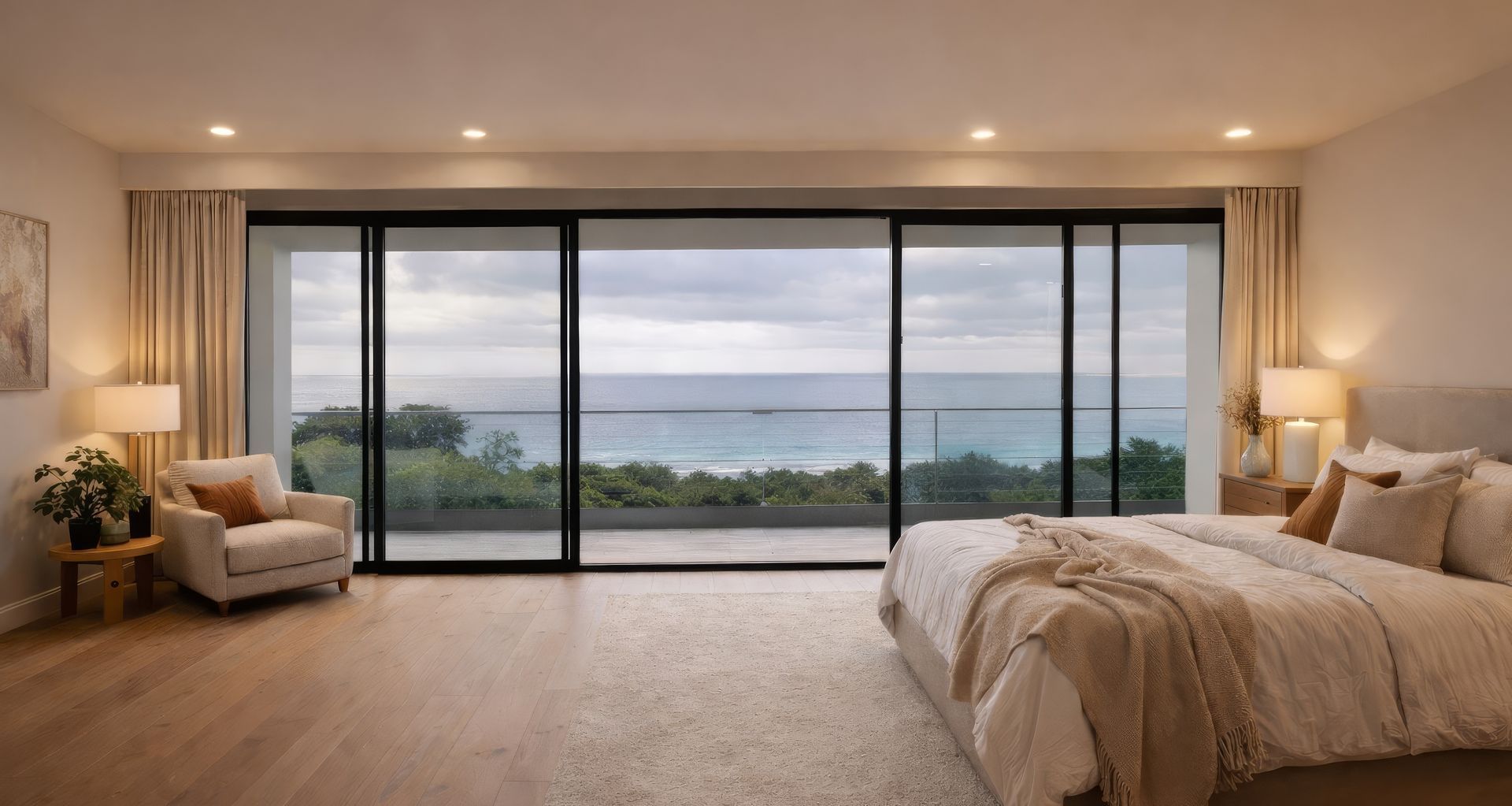
With a long history of technological advancements in window and door hardware, CiiLOCK Engineering is pushing the boundaries of how architectural doors and windows move and perform.
“We’ve been working with high-end hardware for a long time, and as doors become larger, heavier and more demanding, the movement system becomes increasingly important to how the finished product feels and performs. CiiLOCK develops that technology and works with fabricators and system partners to integrate it into complete architectural systems,” says Simon of CiiLOCK Engineering.
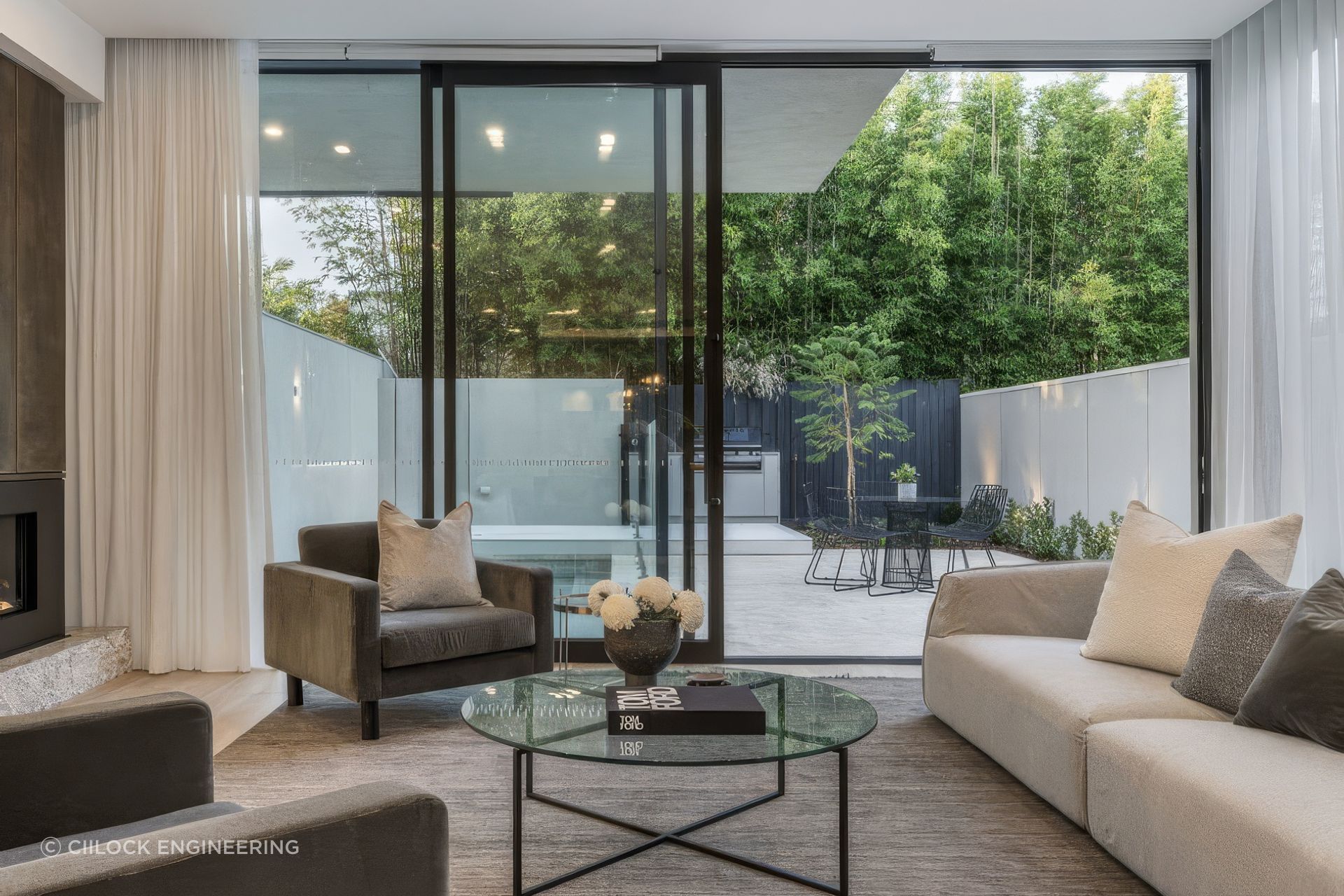
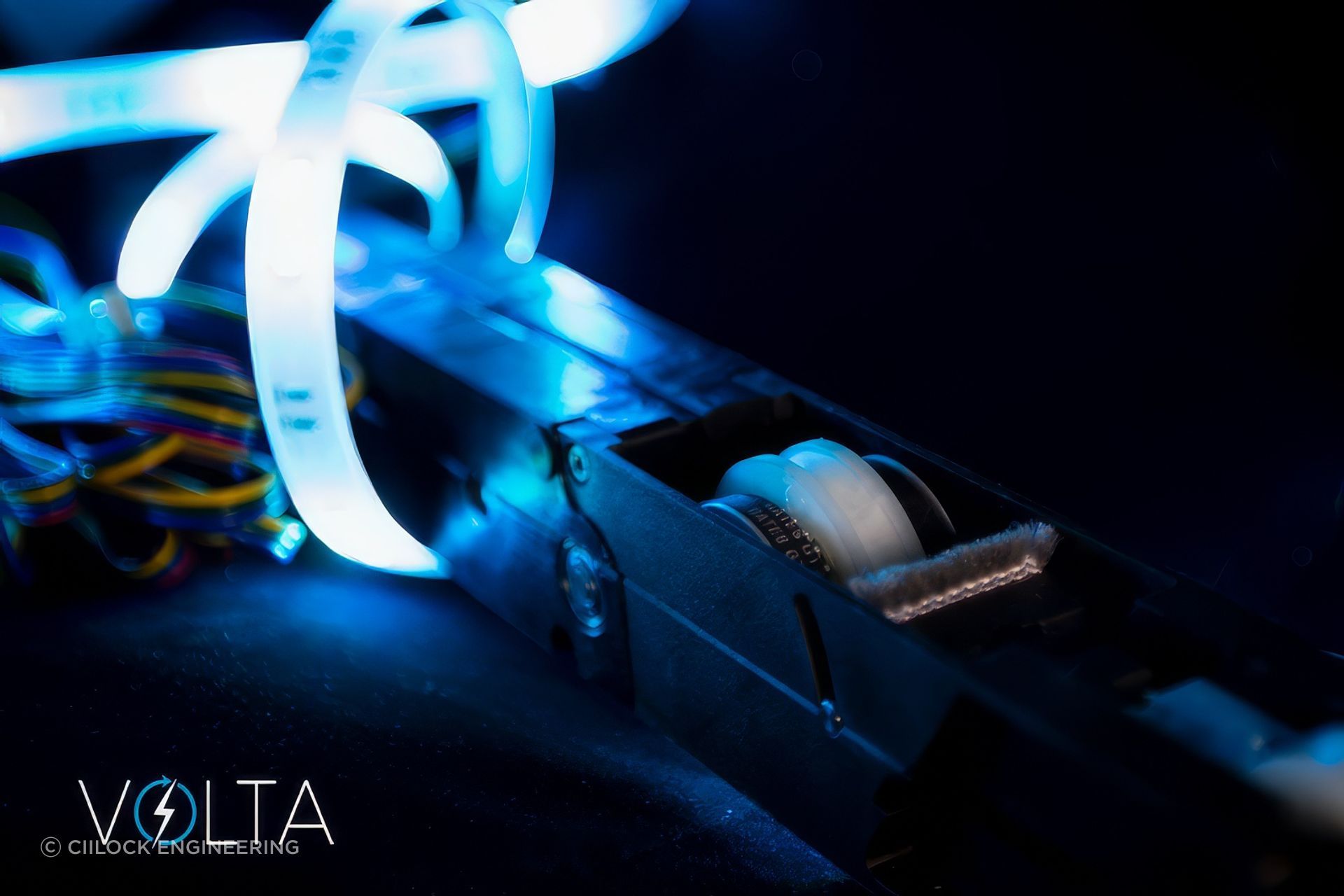
Thanks to the wealth of design and engineering expertise within the business, CiiLOCK has been able to confidently approach window and door challenges that would otherwise limit architectural intent, giving its technology a unique point of difference. The VOLTA Powered Capral AGS 900 Sliding Door System which integrates CiiLOCK’s concealed VOLTA Powered Roller technology, is a prime example.
“Sliding doors are getting bigger, with thicker glazing and enhanced seals to improve thermal and acoustic performance. While these developments deliver significant benefits, they also increase panel weight and seal friction, making operation progressively more demanding,” Simon explains.
Recognising this shift, the VOLTA Powered Slider was developed to assist the user without altering the intuitive experience of a sliding door.
“We wanted to make sure it remained suitable for the home, solving a common problem without making the experience complicated or unfamiliar. The powered hardware is concealed within the door, preserving clean architectural lines. No remote or complex control is required for normal operation. You simply move the door as you normally would, and the system provides assistance when required. It works just like a standard sliding door, natural, quiet and seamless.”
By reducing the force required to open heavy sliding doors, large openings can be easier to operate across a broader range of users and physical abilities. Specifiers can confidently incorporate expansive, high-performance glazed openings without compromising usability, opening new design possibilities.
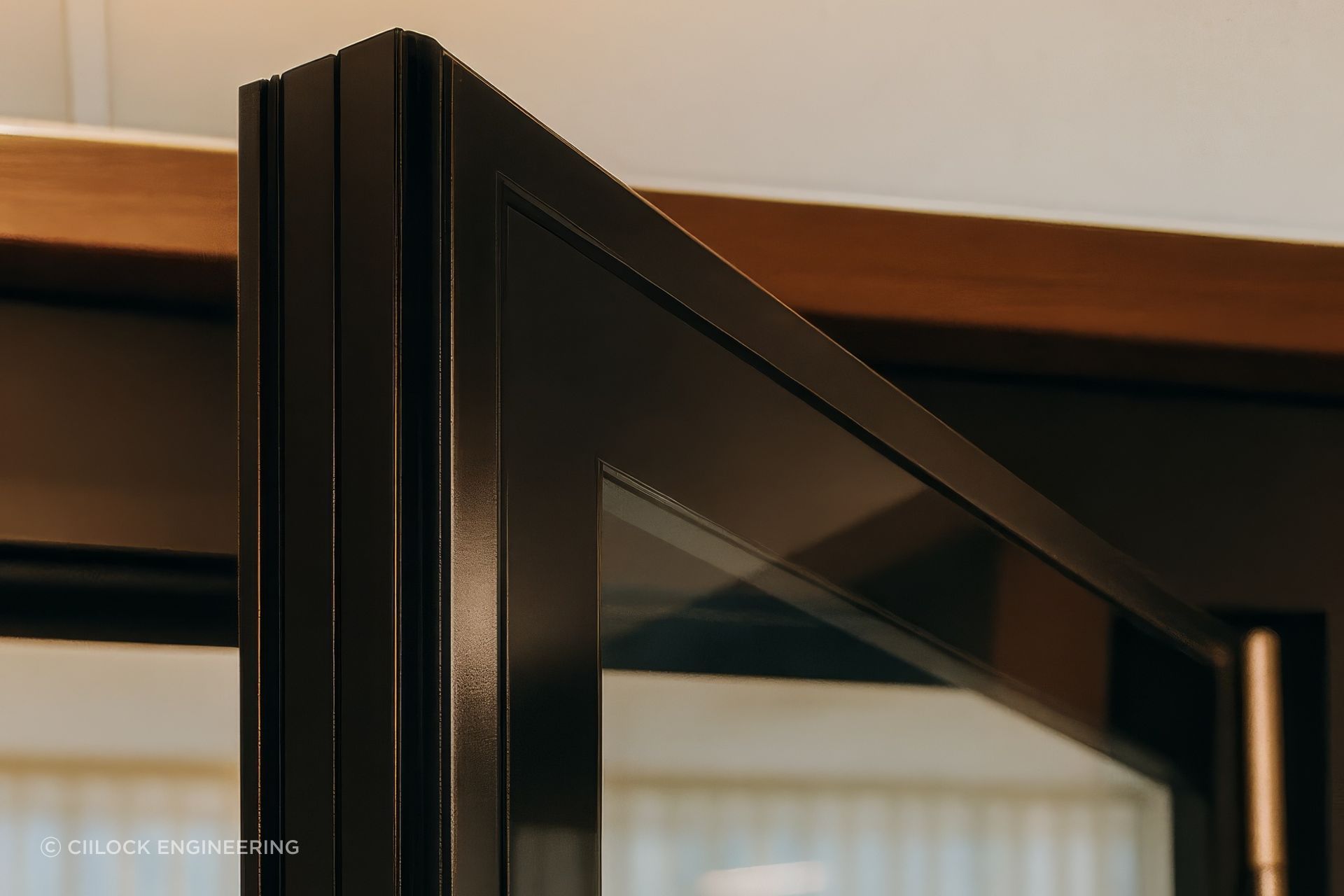
While doors are increasing in thickness and weight, trends show that people also want thinner frames and more glass to connect indoor living spaces with the great outdoors. Tackling another challenging design with ease, TITAN Bonded Sashes achieves that ultra-minimalist look without compromising on structural performance.
“Designing TITAN Bonded Sashes wasn’t about trial and error. We already understood the limitations of slim frames, which allowed us to develop a considered solution,” Simon explains.
Typically, glass doors that sit inside aluminium frames need packers around the glass to keep it from touching the aluminium. If there is any expansion, both the glass and frame are at risk of damage. Adding that space between the glass and the frame increases the thickness of the frame, making the super slim look difficult to achieve.
“We decided to attach the glass to the external face of the sash, solving a number of key problems. By bonding the glass externally, we can reduce visible aluminium by up to 30% around the perimeter, depending on the surrounding system. More importantly, the glass becomes a structural component of the system, working together with the aluminium sash as a unified element.”
Doors and windows are tested by applying controlled pressure to determine how the aluminium begins to deflect under load. By structurally bonding the glass to the aluminium sash, loads can be shared across the complete sash rather than relying on the aluminium alone.
“Making the door this way allows the glass and aluminium to work together, which means we can use an ultra-slim aluminium frame. If you’re looking for a ‘wall of glass’, TITAN Bonded Sashes makes that possible.”
The high level of care and detail given to each system in the CiiLOCK portfolio is clear to see, so it’s no surprise that this passion and expertise extend well beyond the workshop. CiiLOCK works with architects, designers, system companies and fabricators to understand the movement problem first, then engineer the hardware required to solve it - making demanding systems easier to move, more reliable in performance and less limiting to architectural intent.
Learn more about CiiLOCK Engineering.