Four generations of craft: The family legacy behind Australia’s finest interior materials

Written by

24 March 2026

 • 

4 min read

The George Fethers & Co. showroom. Image credit: Jack Lovel.
For more than a century, one family-run Melbourne business has built a legacy supplying the timber, glass and finishes behind many of Australia’s interiors.

Chances are you’ve visited or lived in a home that features a material or finish from George Fethers & Co. Whether it’s the glass in Victorian-era buildings or the finely finished timber found in contemporary interiors, the business has influenced the materiality of Australian interiors. 

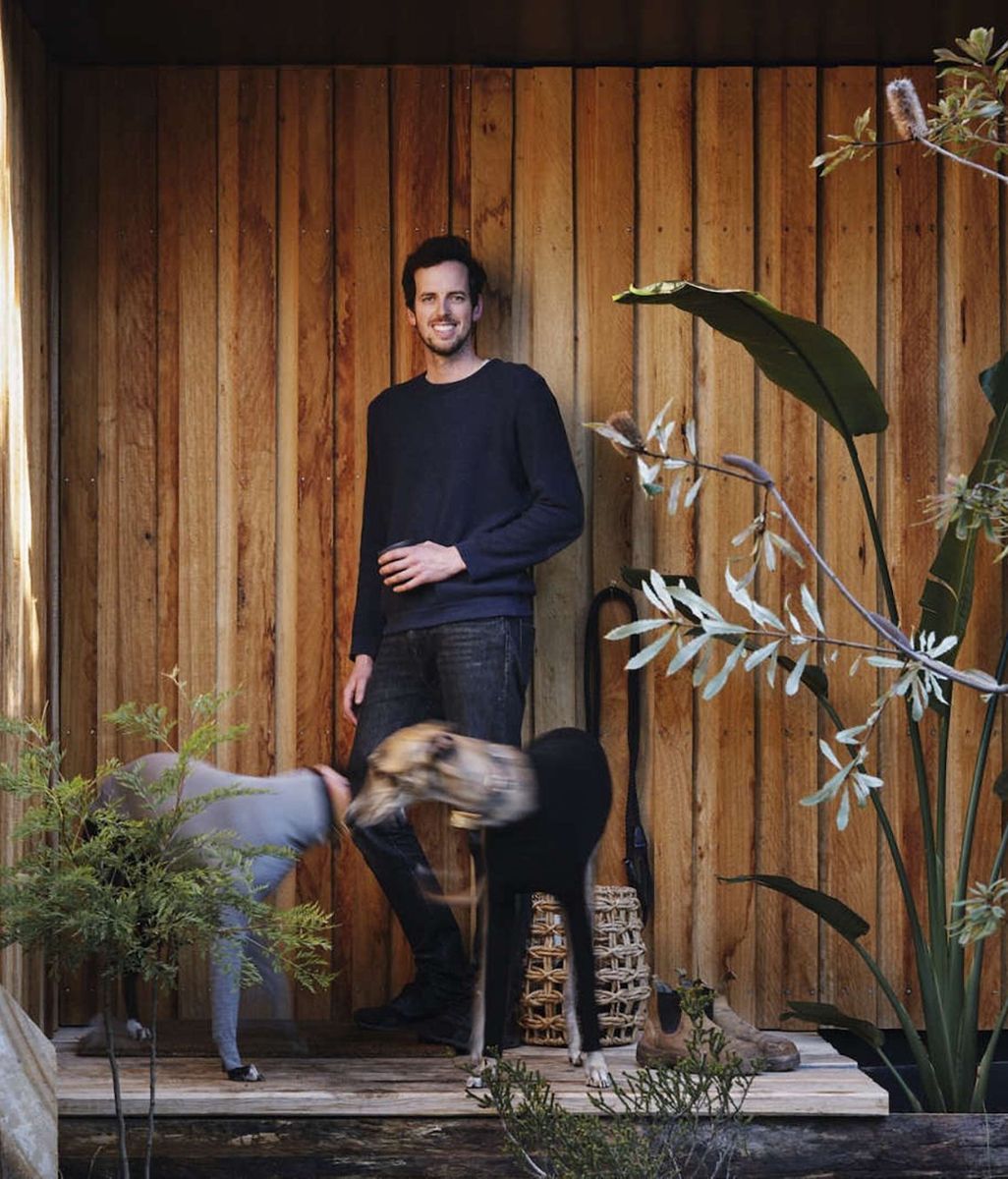
Today, the company is led by managing director Tim Perkins, the great-grandson of the man who acquired the business generations ago. As Perkins explains, the company’s origins lie in late-19th century wool exports to Europe, a trade relationship that soon presented another opportunity. With Victoria in the midst of a building boom and materials such as plate glass in high demand, the business began balancing its exports by importing building materials back to Australia.
“A lot of the glass in the Victorian era homes and commercial buildings was probably supplied by our business,” he says.

Alongside glass, the company also began importing cement and timber products for furniture manufacturing. In many ways, this early focus on high-quality timber laid the groundwork for what the company would eventually become.

“We were importing really high-end timber products for use in furniture manufacturing locally,” Perkins says. “And that essentially is what we're still doing.”

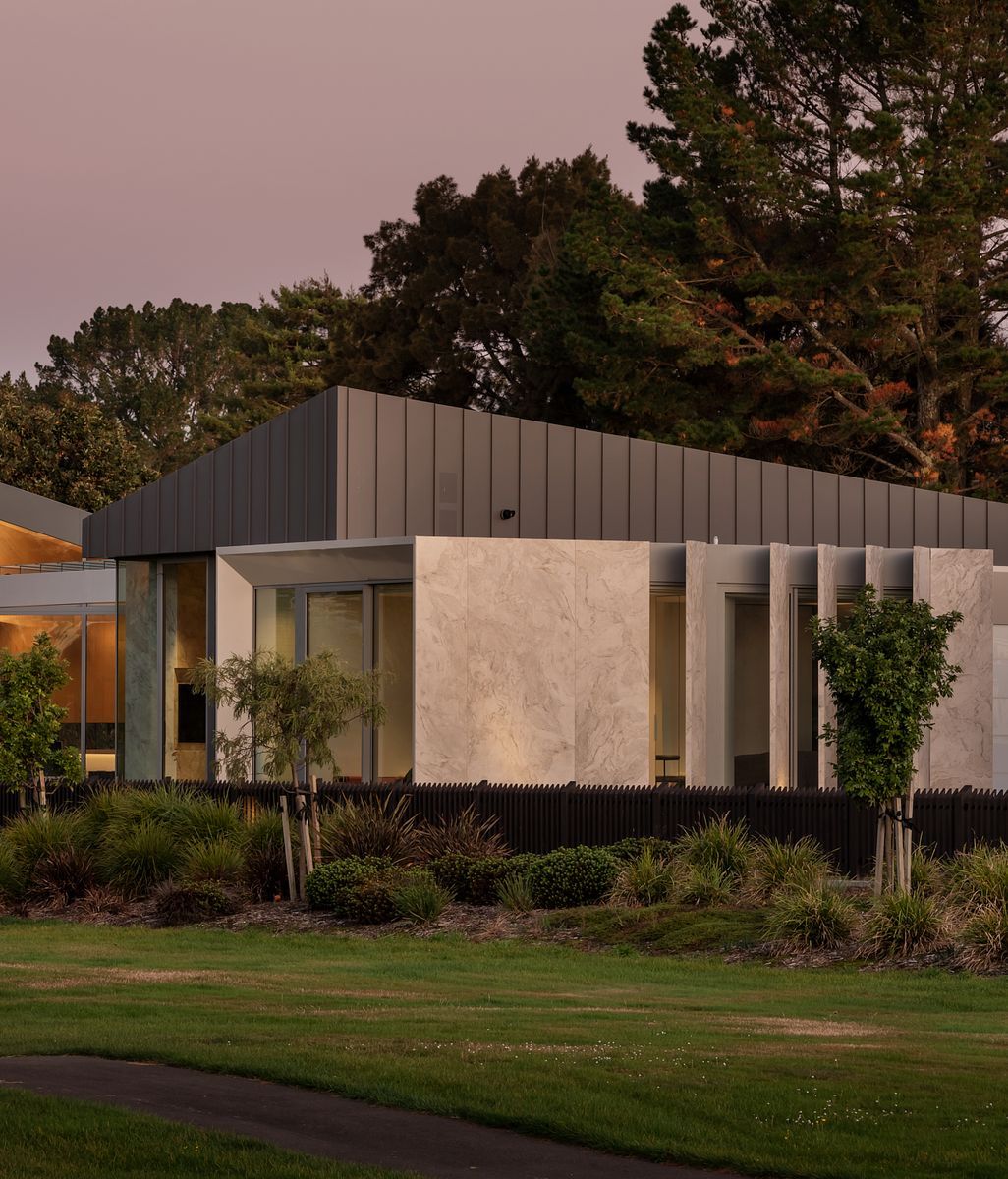
Darling Point Road project.

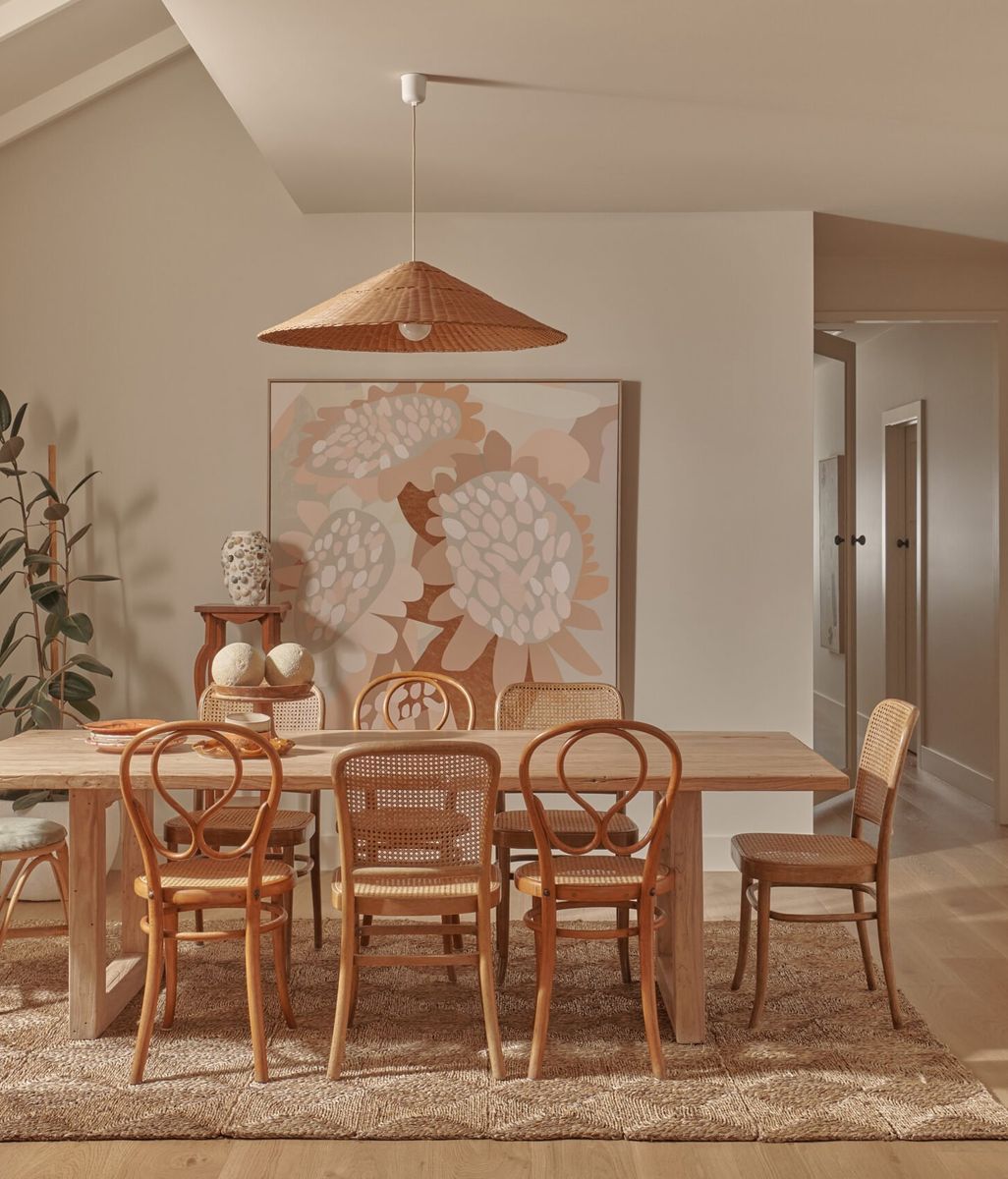
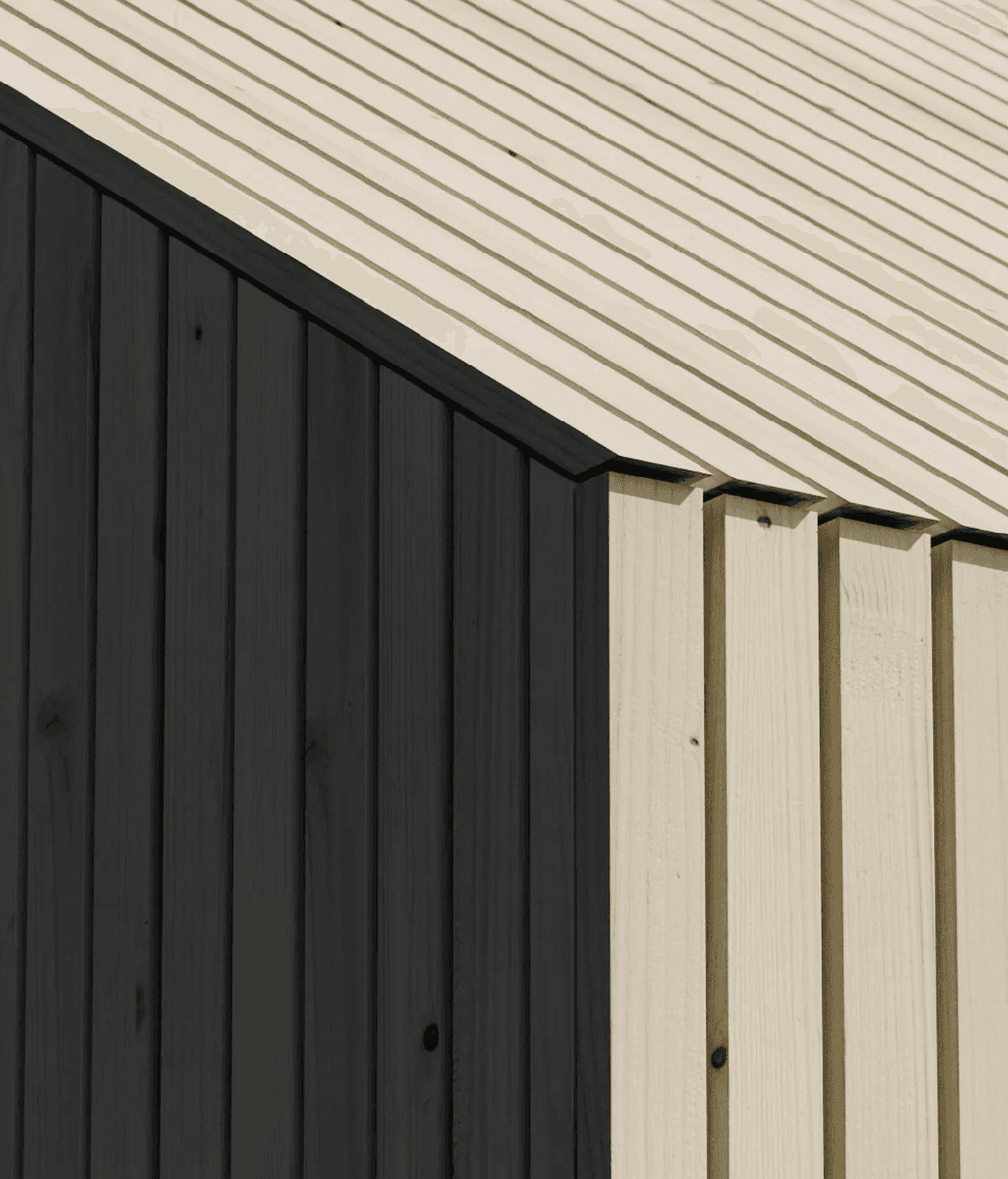
Today, rather than supplying raw materials for furniture, the company provides prefinished timber panels, flooring and timber laminates used in bespoke cabinetry, architectural joinery and interior fit-outs. It’s a shift that reflects broader changes in the design and construction industries.

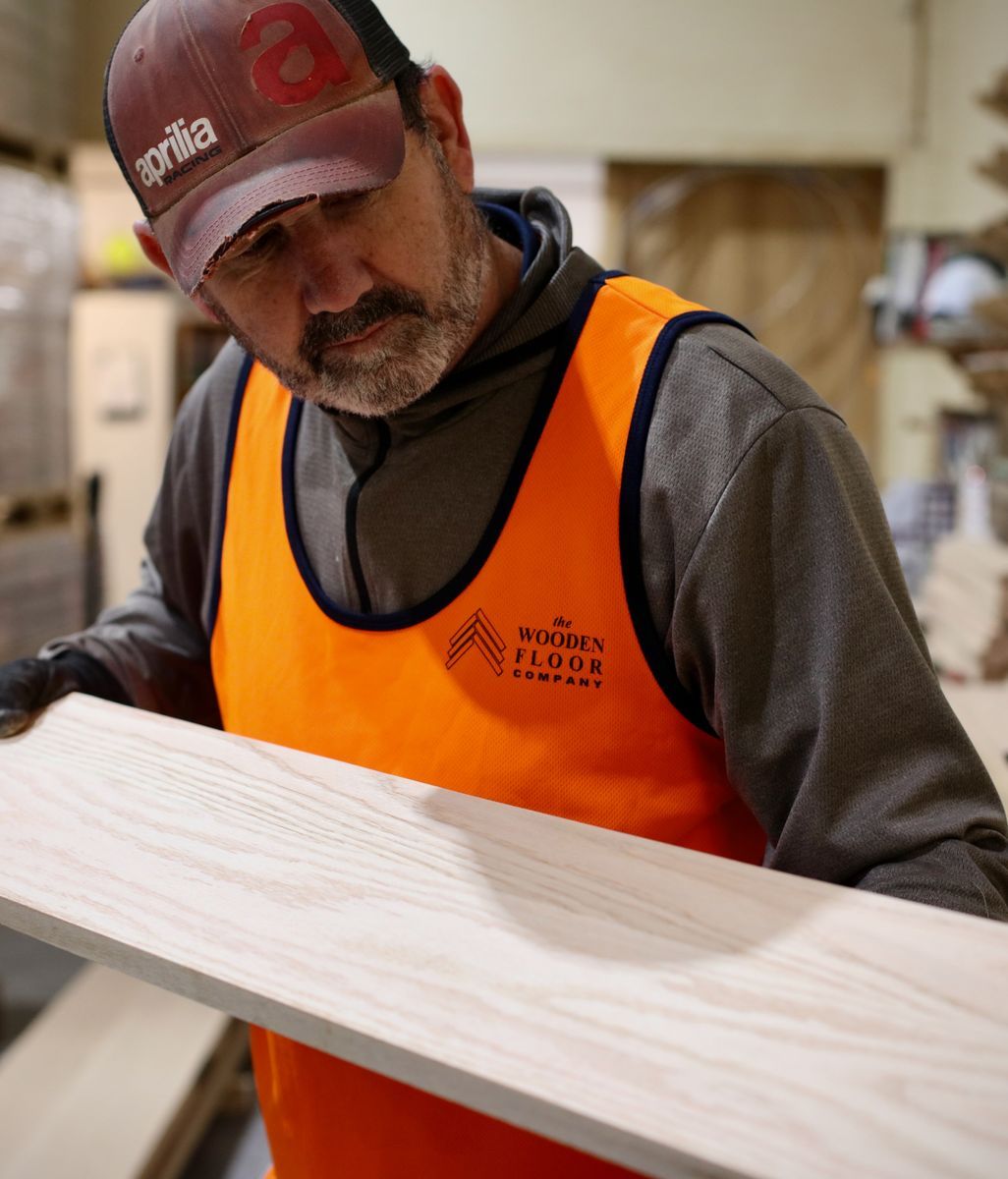
As Perkins explains, prefinished products allow designers and cabinetmakers to maintain high-quality finishes without the complexities of in-house finishing.

“Every cabinet maker traditionally had their own finishing booth, and with it, occupational health and safety issues,” he says. “They wanted to get rid of that, and we had the opportunity to start supplying them with prefinished timber products.”

The result is not just efficiency, but consistency, which is something Perkins identifies as central to the company’s reputation.

“We're primarily managing the quality of the timber first and foremost, and then consistency in the processing,” he says. “We balance the aesthetic of the grain in the timber, and then we also balance the effect of the stains on the timber so it's very, very consistent.”

That attention to detail extends to the company’s global partnerships. Many of its products are sourced from long-standing international collaborators, particularly in Europe.

“Our products are primarily prefinished timber out of Holland, and it's produced by a family business that is based there,” Perkins says. “It works really well for our business because they have a very similar mentality and approach to product development, quality control, and accountability.”

Over time, the product offering has expanded to include laminates and specialised architectural glass, including low-iron glass used in high-end interiors. Yet the philosophy underpinning the business remains the same: to provide designers and architects with materials that elevate their work.

“We are very quality design-focussed and want to enable designers and creators to use our products for their purposes in creating beautiful spaces,” he says.

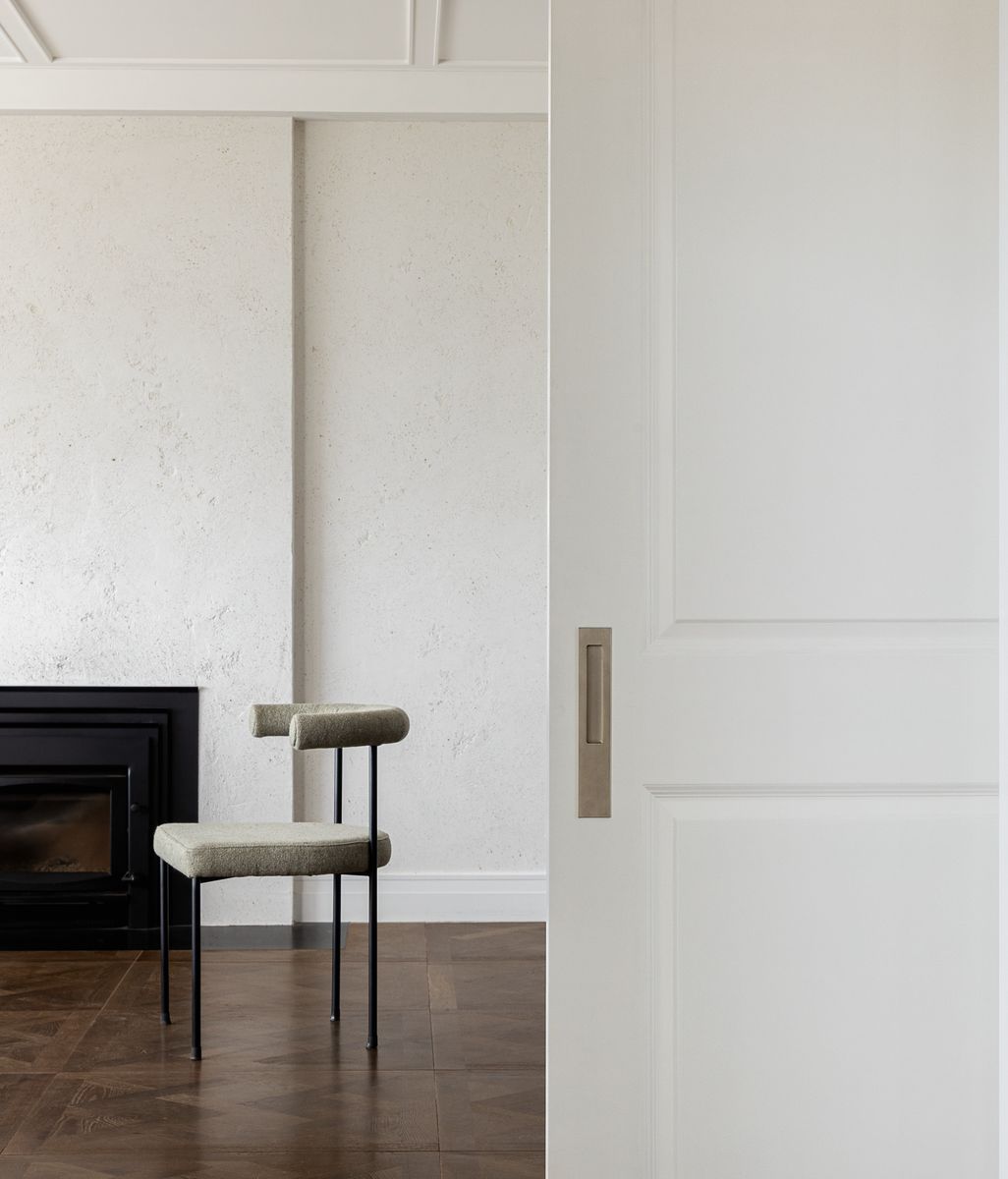
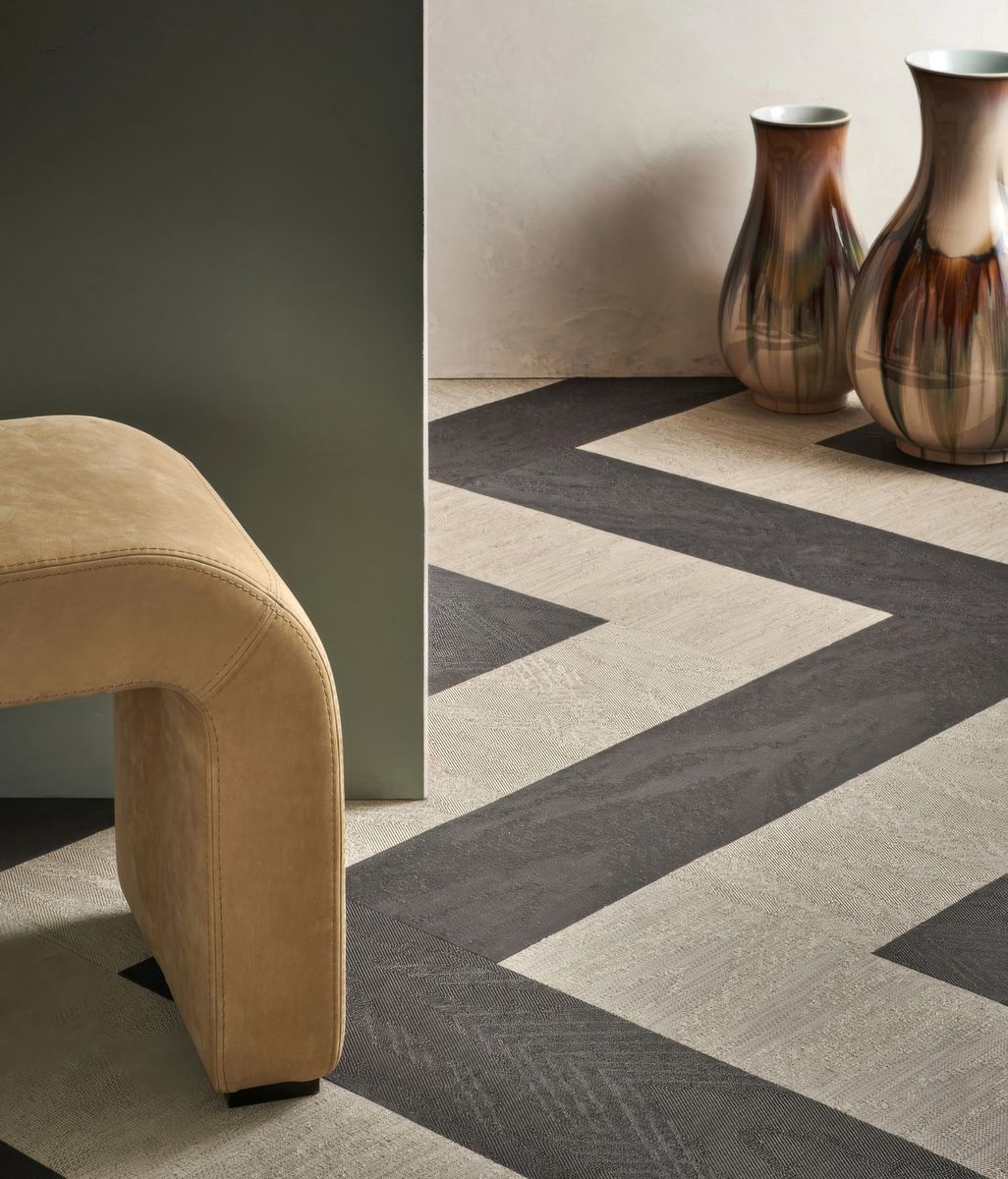
Featuring Ottó XII Stone in herringbone, the flooring at Stellar House introduces warmth, texture, and a natural rhythm that flows seamlessly through the home’s thoughtfully curated interiors.

Perkins himself grew up immersed in the world of timber and design. With his father, grandfather and great-grandfather all involved in the company before him, the business was a familiar presence throughout his childhood.

Though he once considered becoming an architect, Perkins ultimately chose to join the family business. This decision that allows him to remain connected to the design world in a different way.

“I always had an affinity and a strong feeling toward design,” he says. “I love being involved in the creative industries, in the interior design and architecture space.”

That connection to the creative process is one of the aspects he enjoys most about the role.

“I really enjoy seeing the finished imagery of the projects that we are part of,” Perkins says. “Although we're a fairly small component supplier into a broader industry, we're quite influential on the design outcomes of those projects.”

Behind the scenes, the company remains a close-knit operation supported by a long-standing team, something Perkins is quick to acknowledge.

“We've got 20 to 30 people involved in the business at any one time,” he says. “I'm very appreciative of the contribution of everyone in the organisation, from the warehouse guys and the administration through to the commercial managers.”

As for the future, Perkins is careful not to reveal too much. Like any business with longevity, the focus is on staying curious and open to new possibilities.

“If you continue to do what you're doing today, in five years' time you'll become obsolete,” he says. “So we're always looking for new partnerships with high-quality manufacturers from all over the world.”

For a company that has spent generations evolving alongside the design industry, that mindset suggests the family legacy will continue for generations to come.

Explore projects using George Fethers & Co products