From country roots to conscious design: The architecture of Taylor Knights
Written by
16 March 2026
•
4 min read


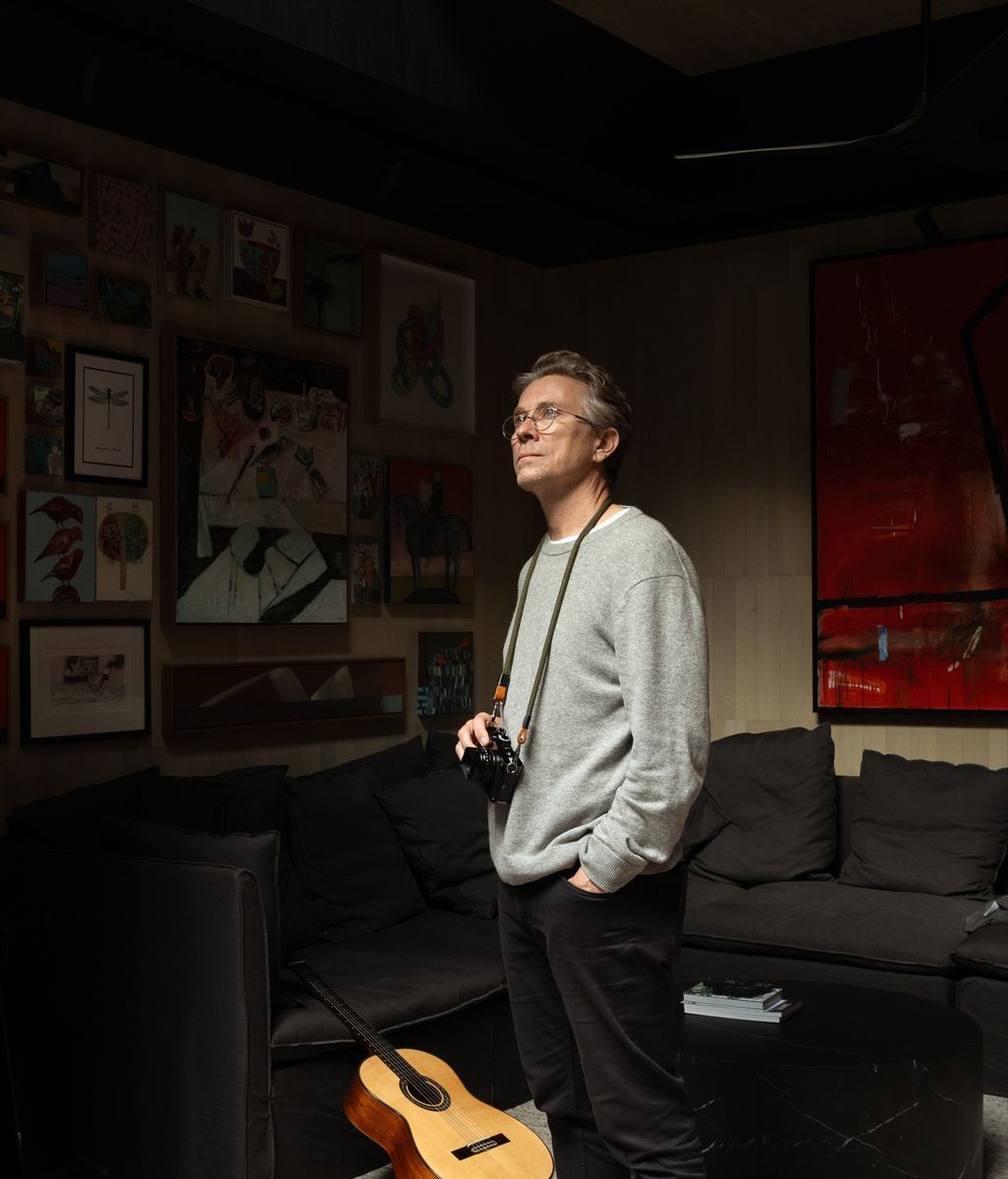
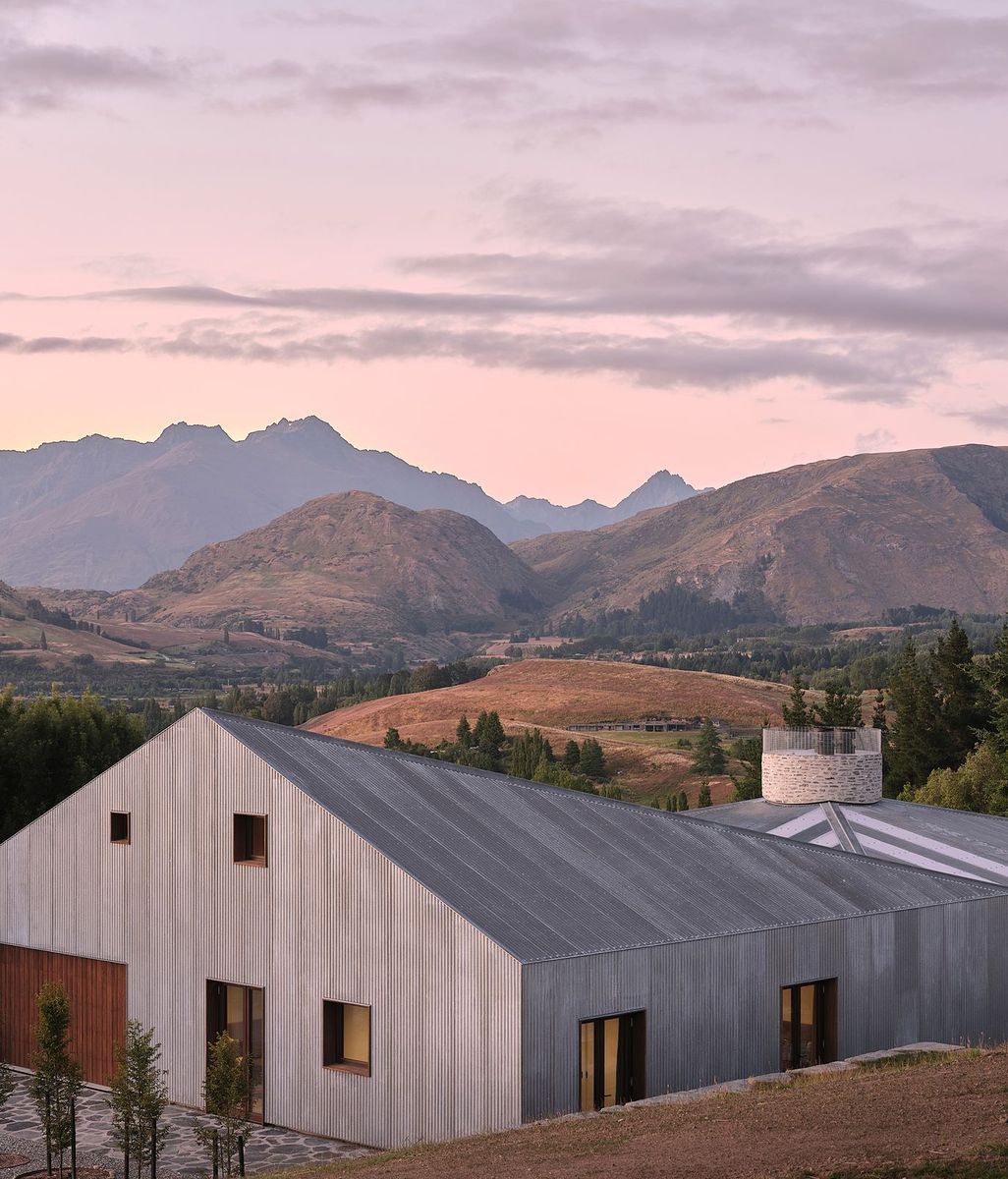
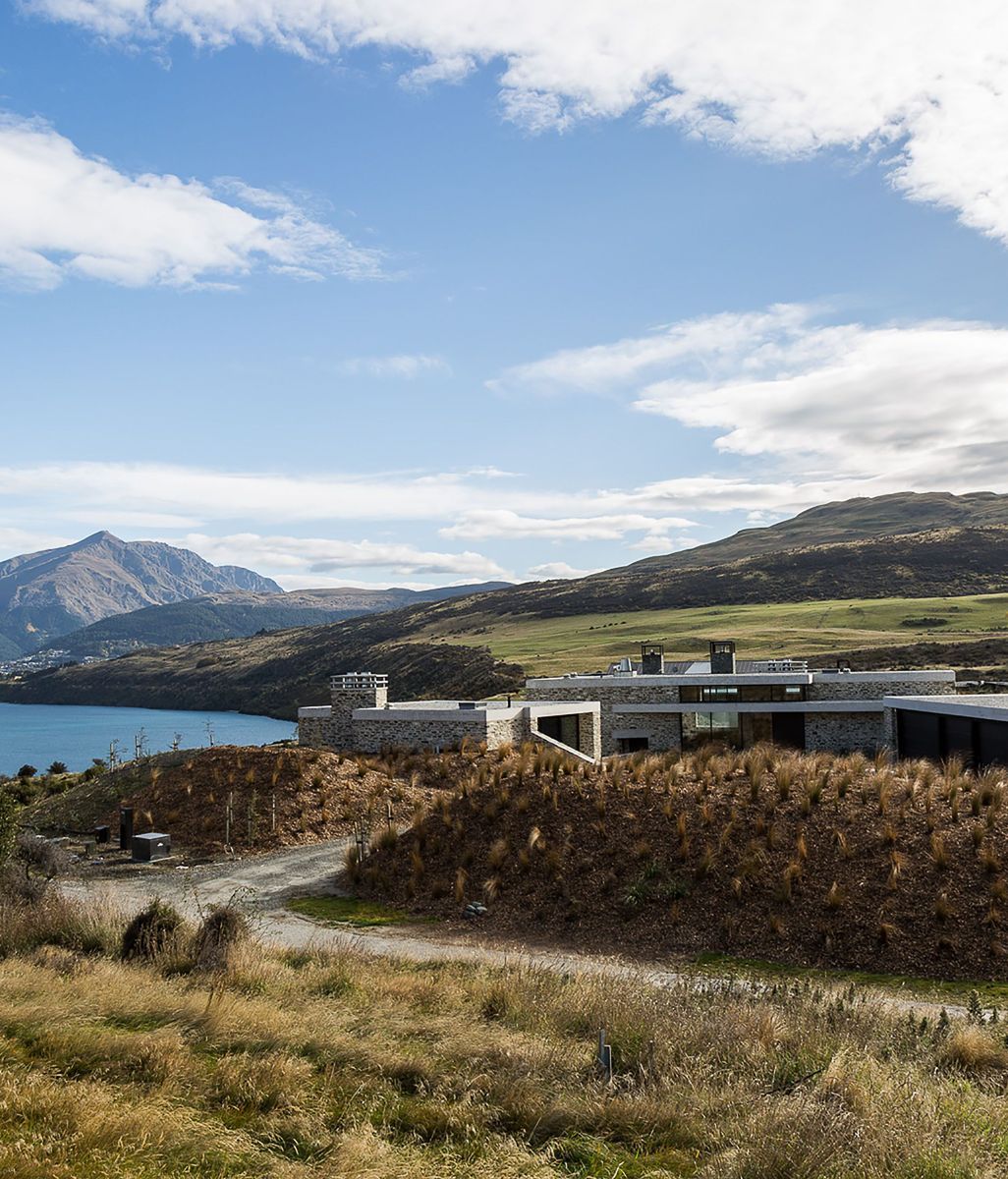
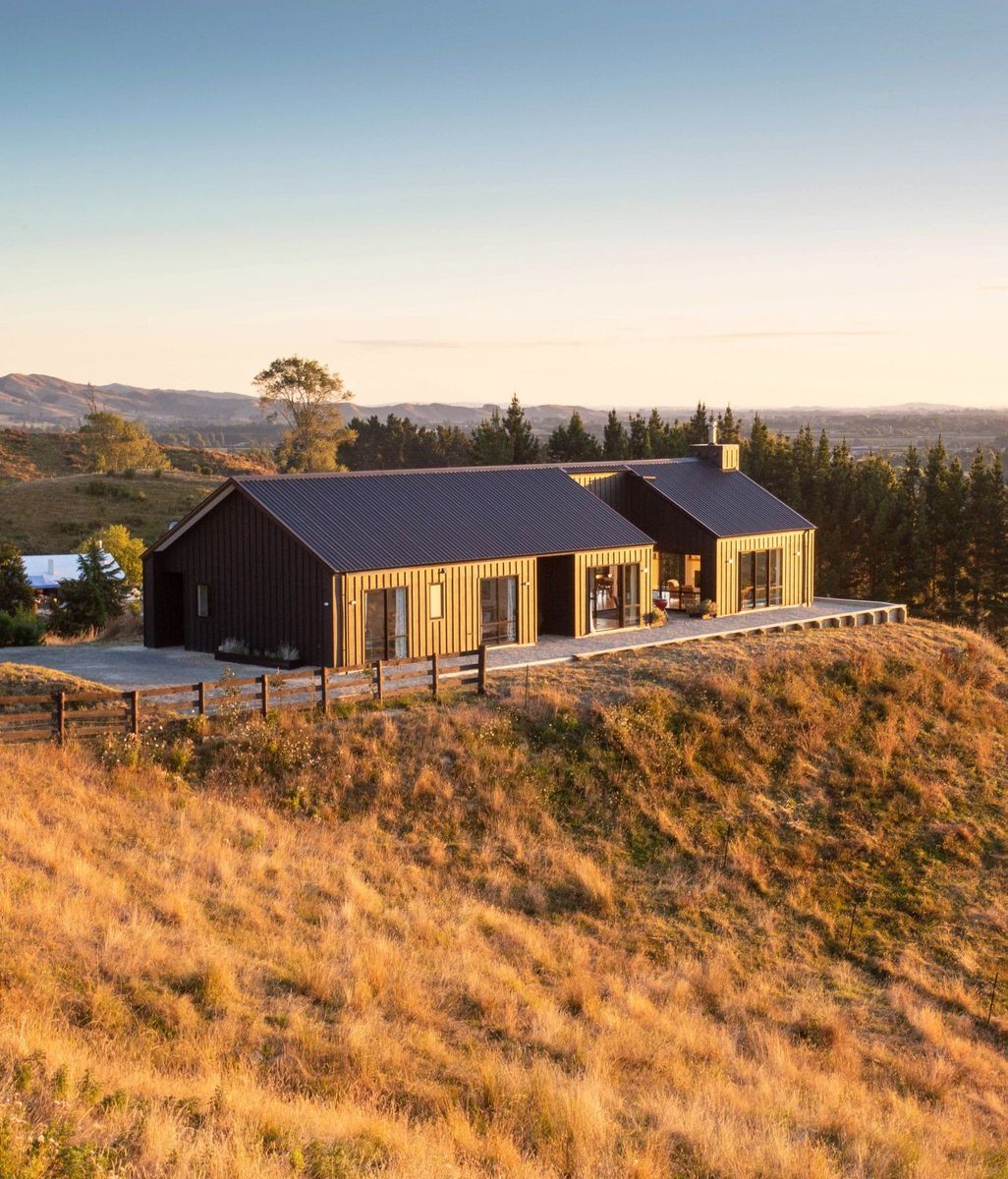
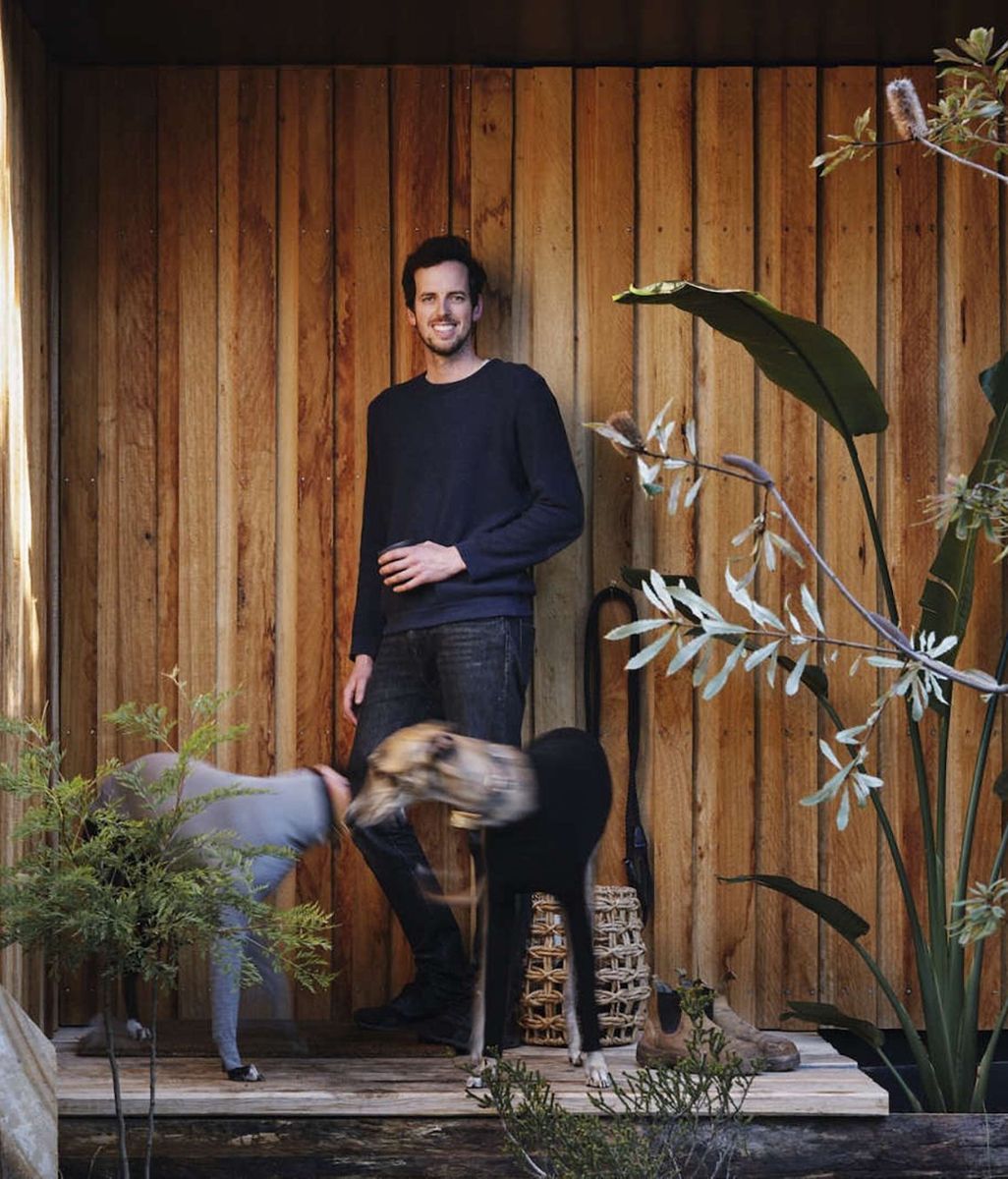
For those raised in the country, there is often an innate understanding that architecture is not an isolated object but something that lives within a larger system of land, climate, material and practical functionality. For Taylor Knights directors Peter Knights and James Taylor, that rural grounding has shaped a practice defined by connection: to landscape, to craft, and to the lived experience of space.
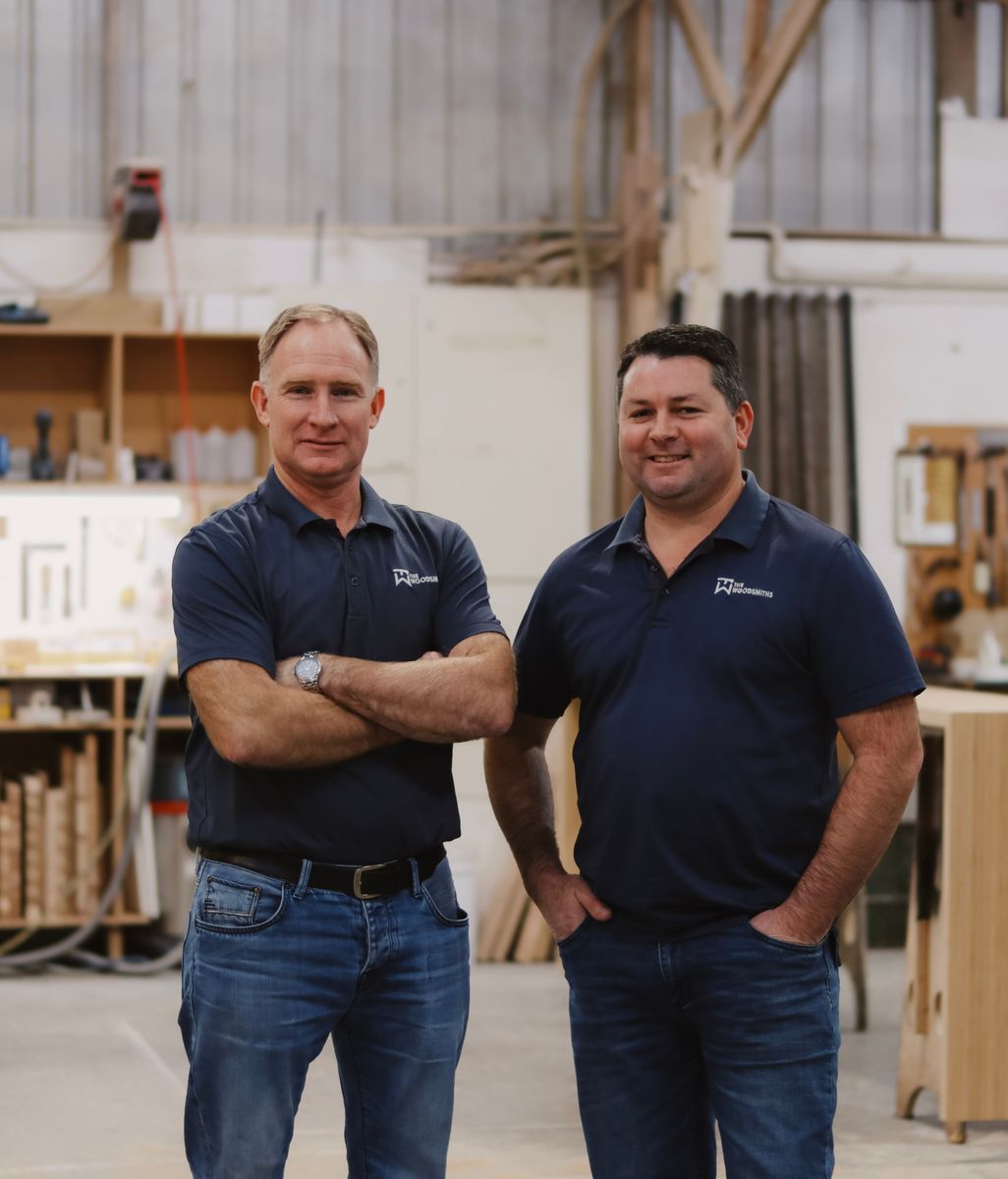
Founded in 2013, Taylor Knights emerged from a shared background in a high-end Melbourne practice where both architects were entrusted with real responsibility early on.
“Even as fresh graduates, we were designing and running projects,” Knights reflects. “I think that gave us a really good internship through to starting our own practice.”
When they eventually stepped out on their own, residential architecture felt like a natural continuation rather than a conscious decision.
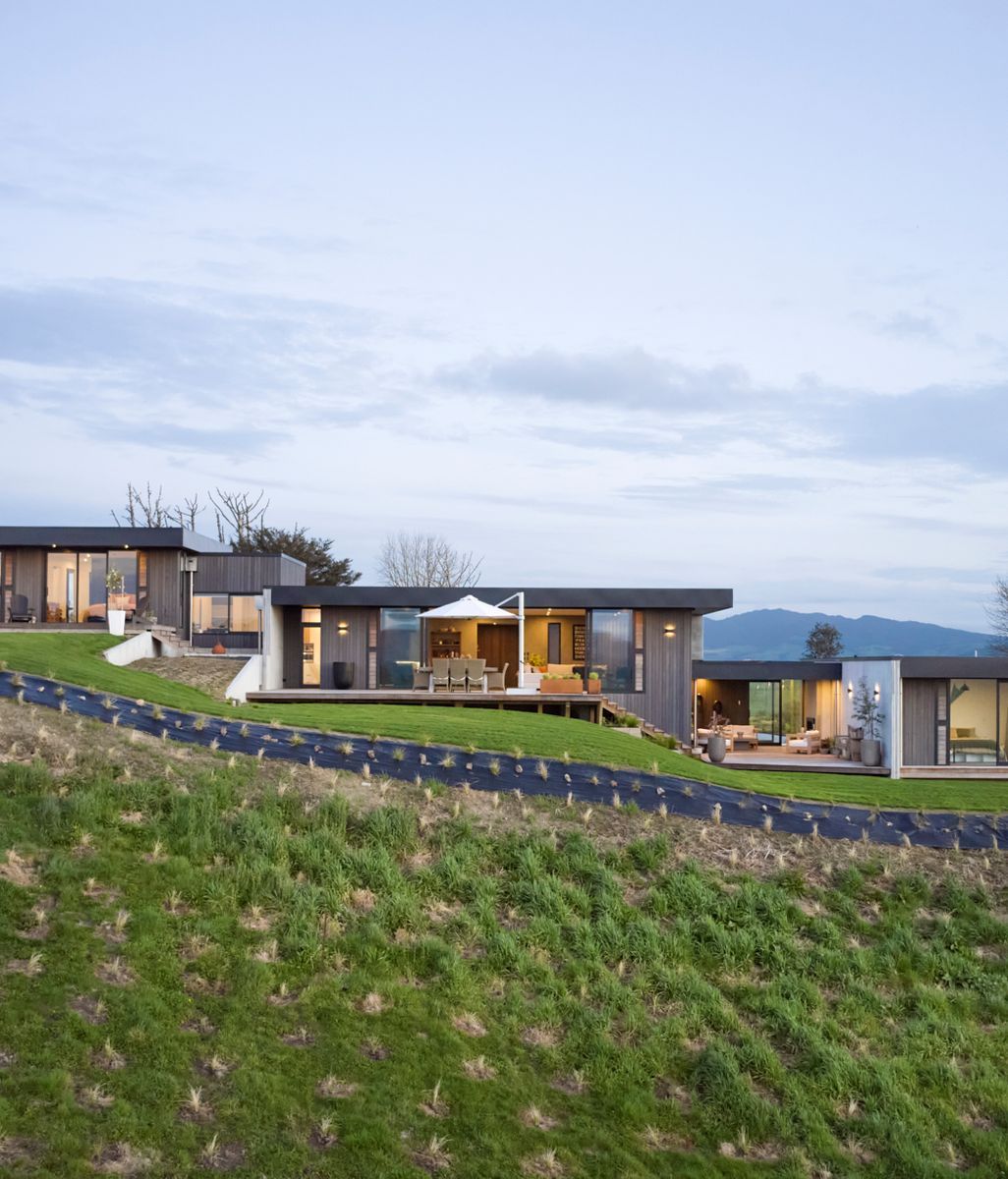
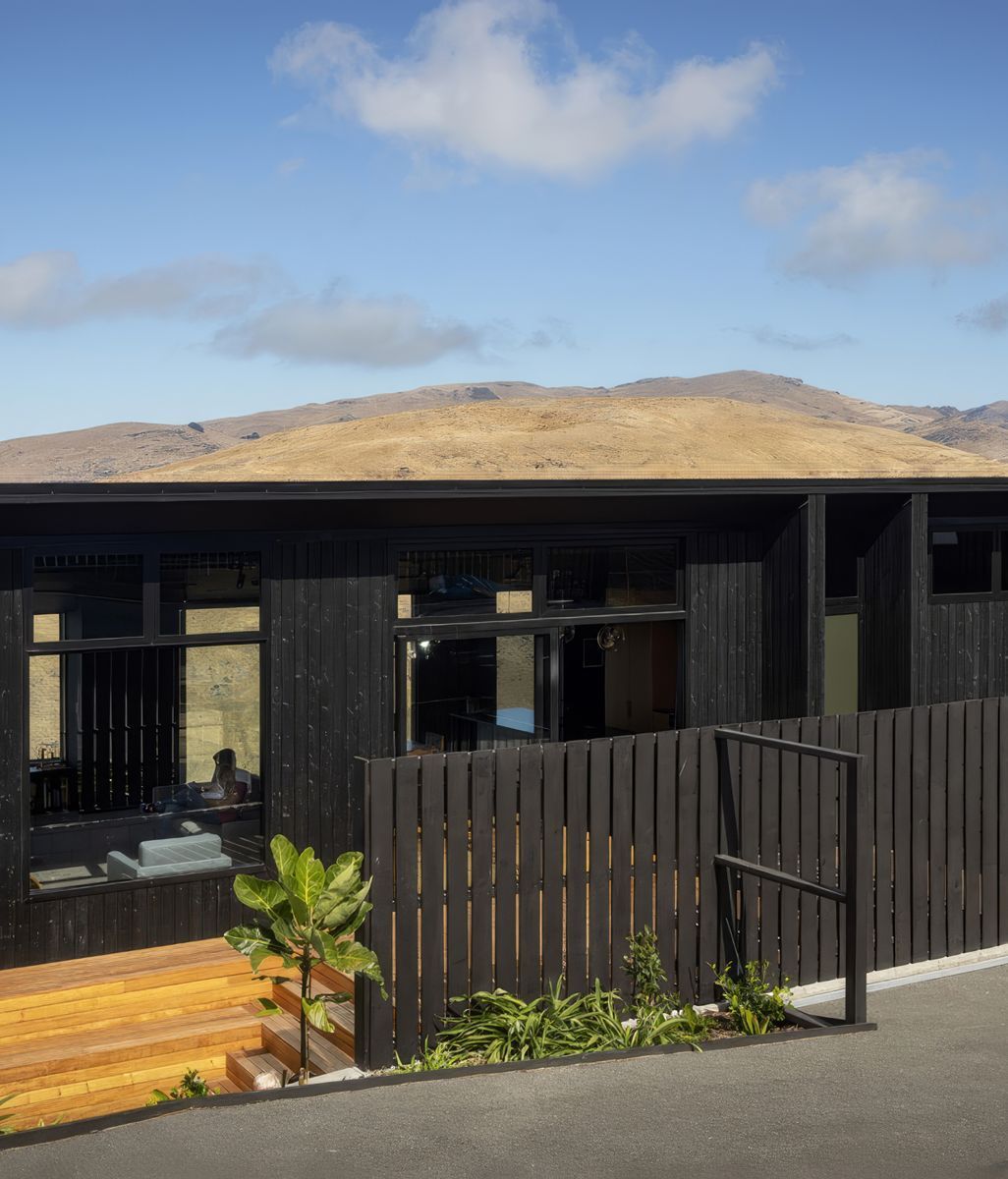
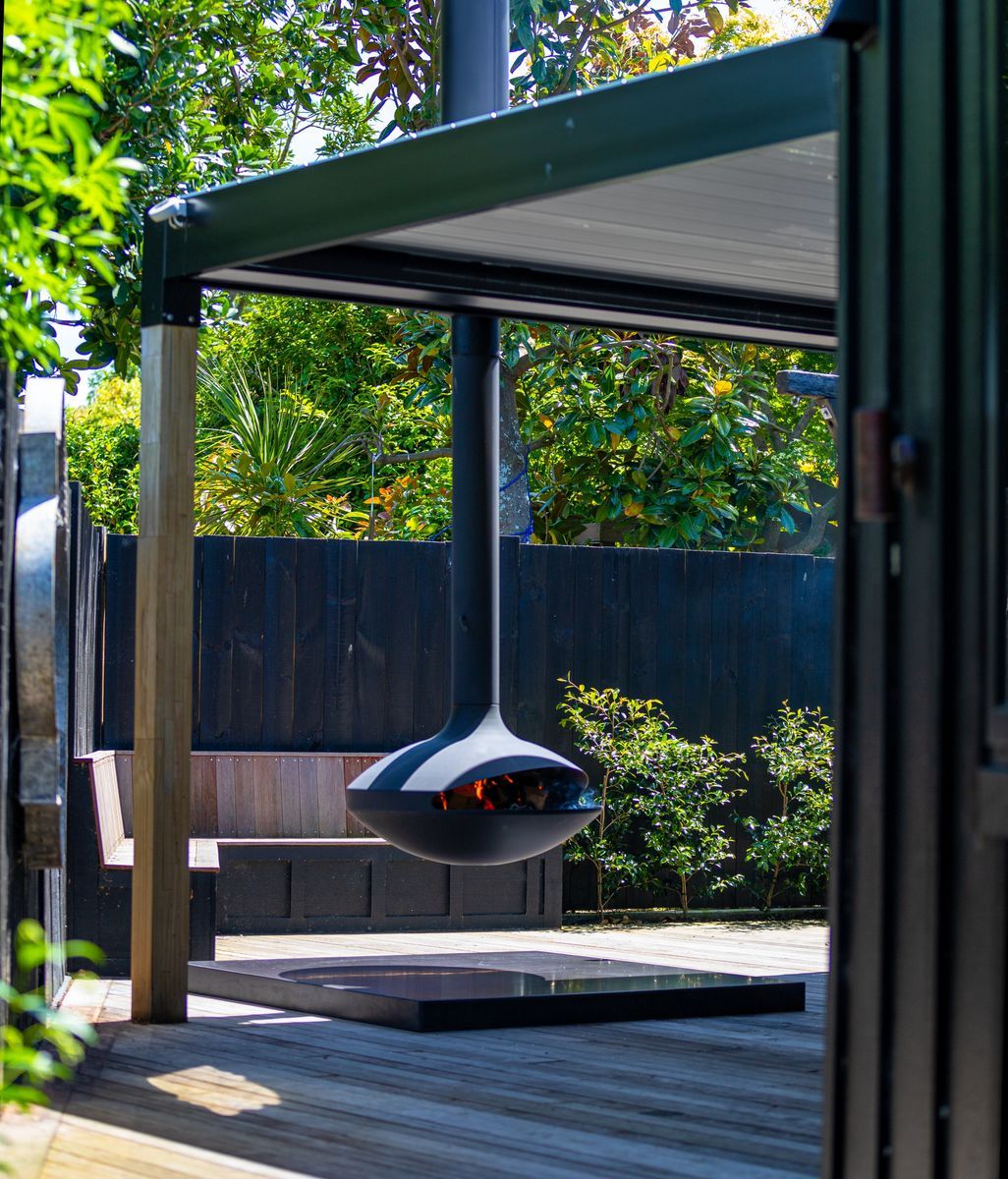
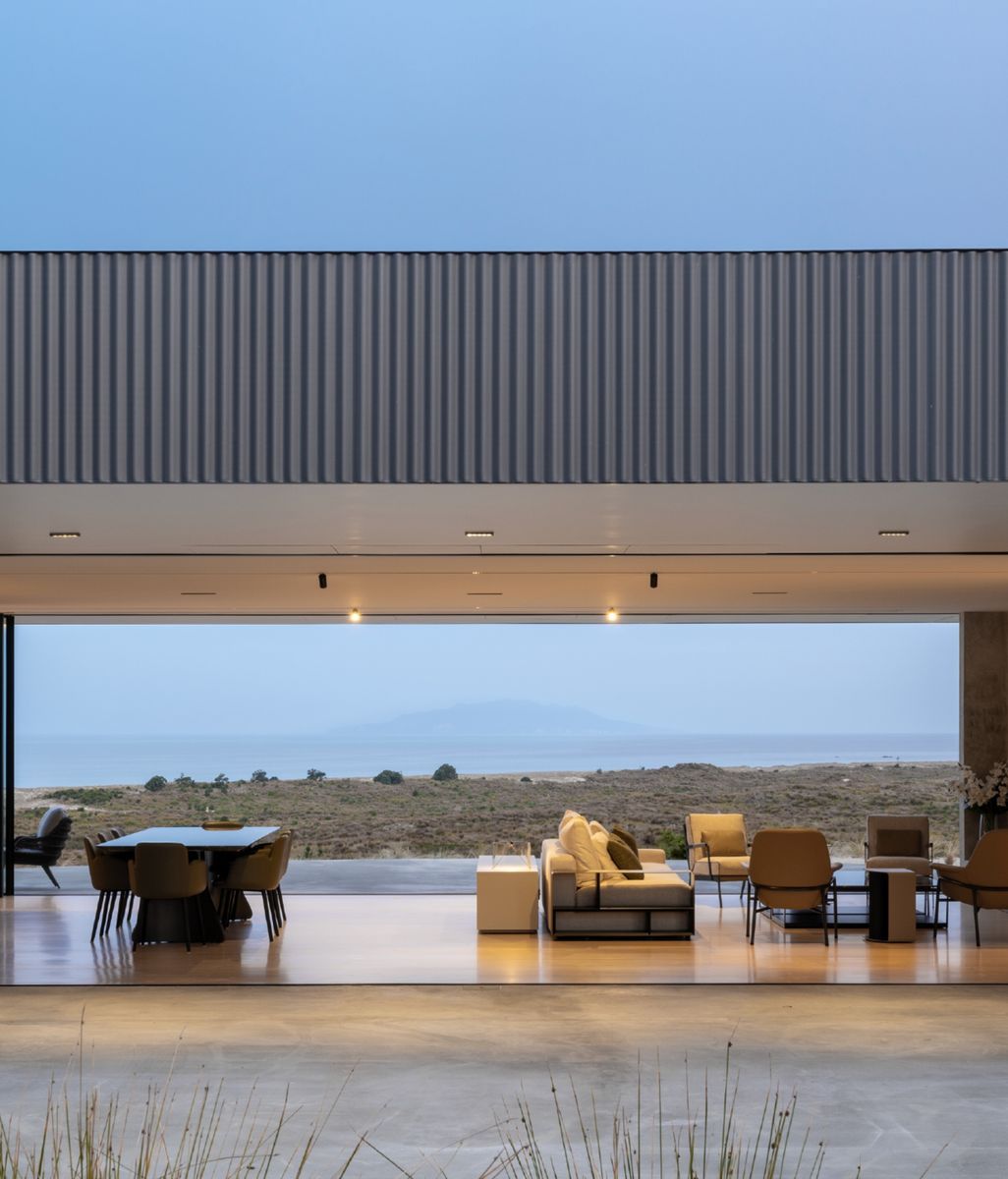
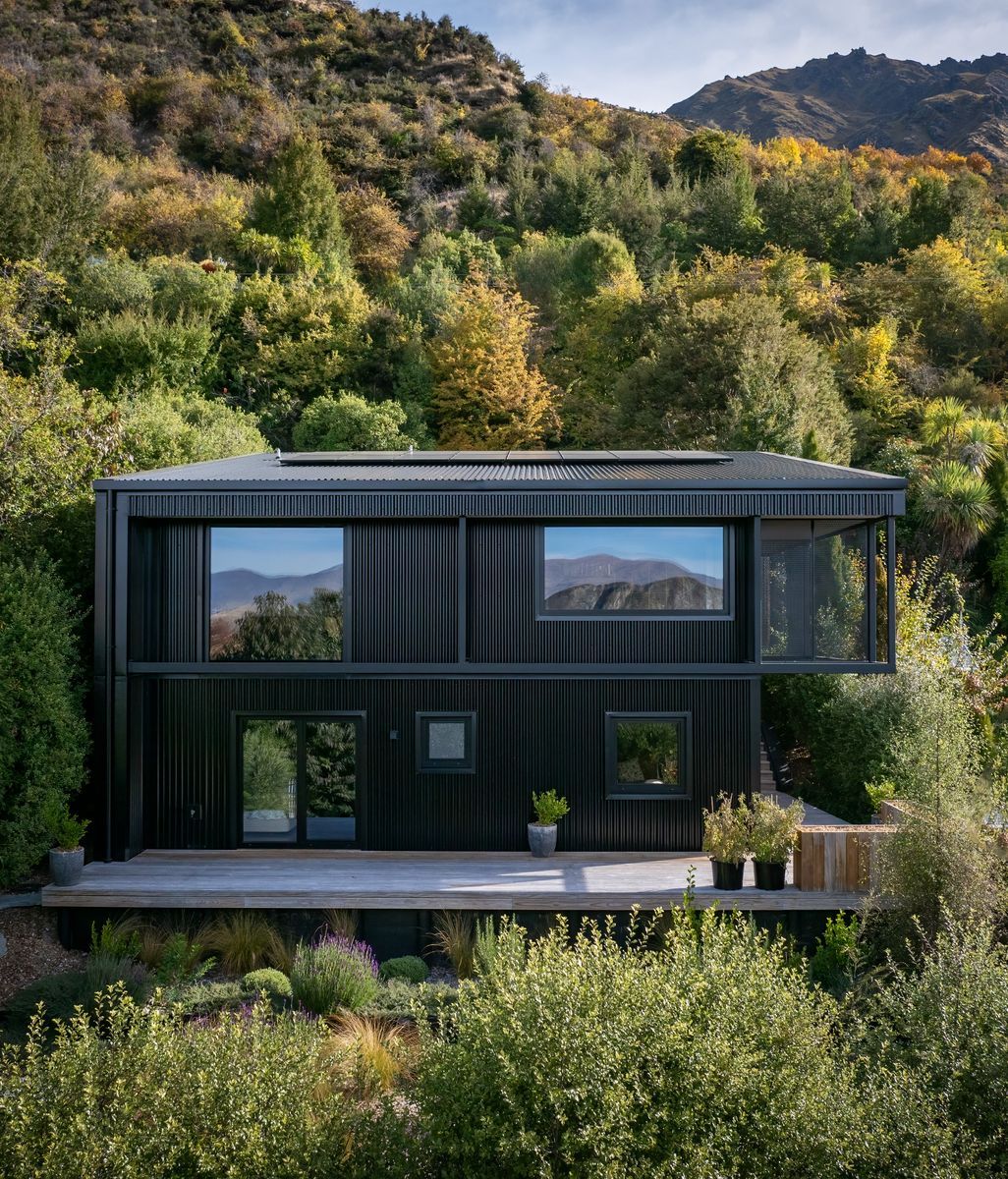
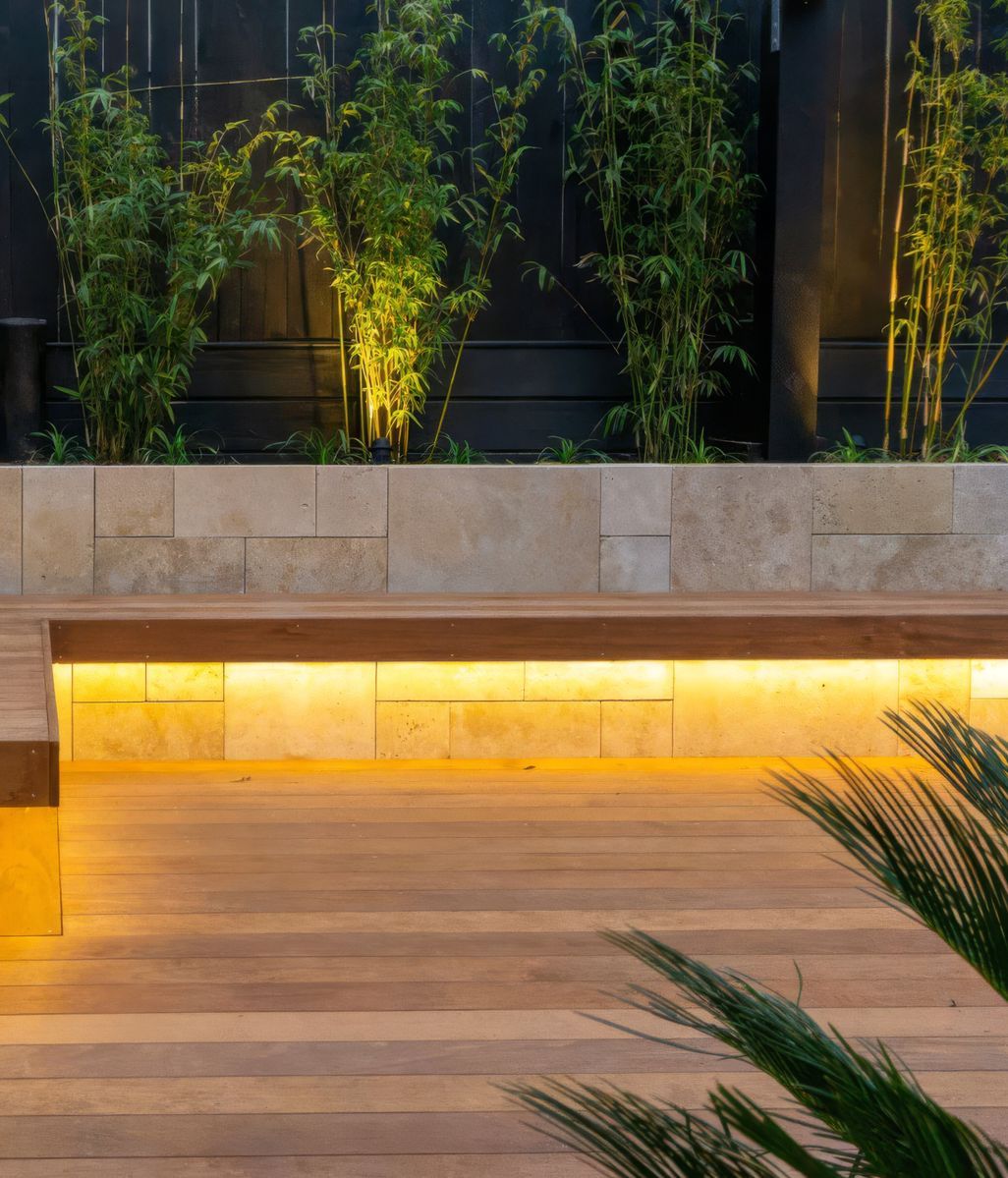
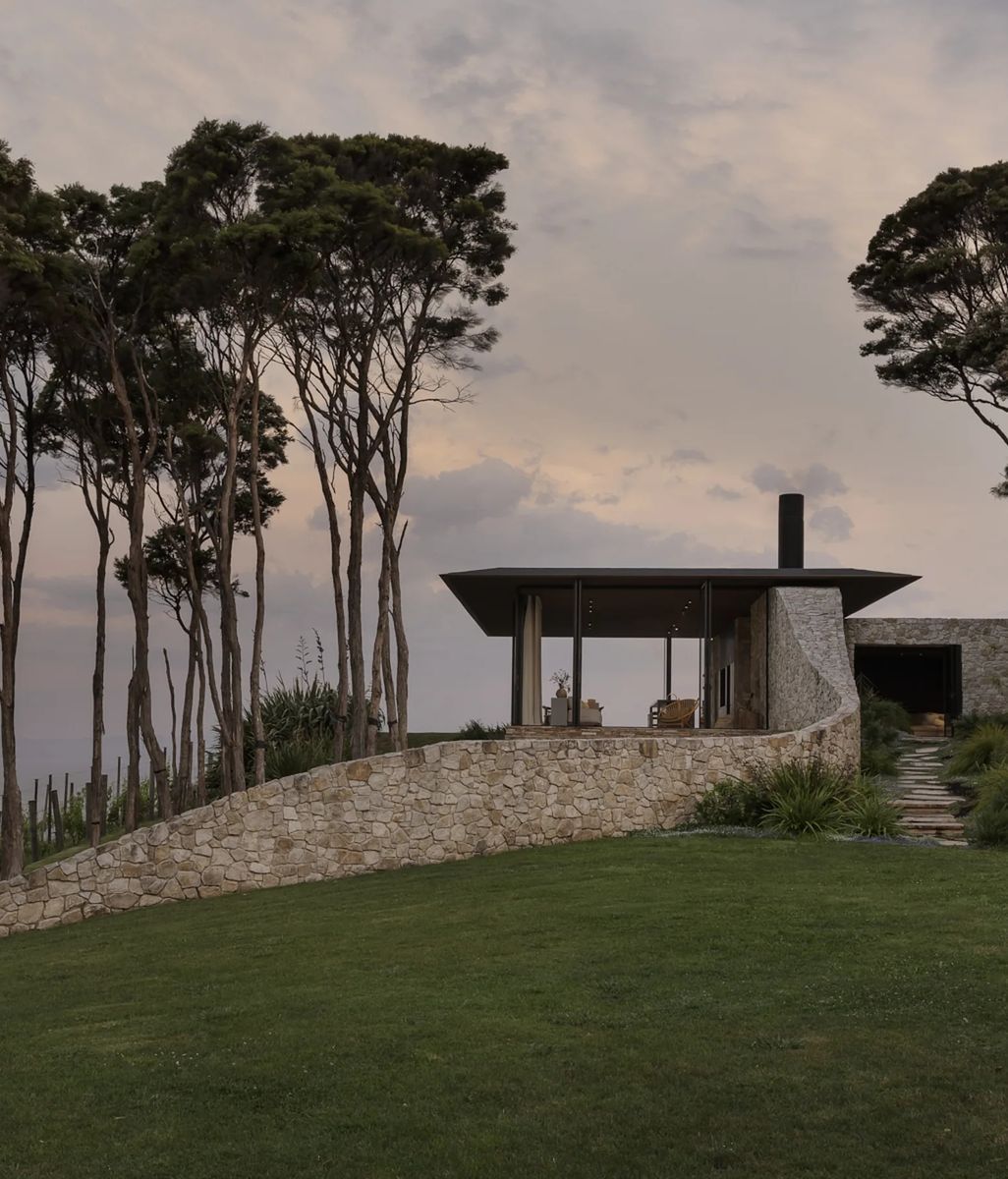
Both directors share rural upbringings, something Knights believes has instilled a lasting affinity with nature and the natural environment. That sensibility plays out in work that privileges tactility and material honesty, as well as an intuitive relationship between inside and out.

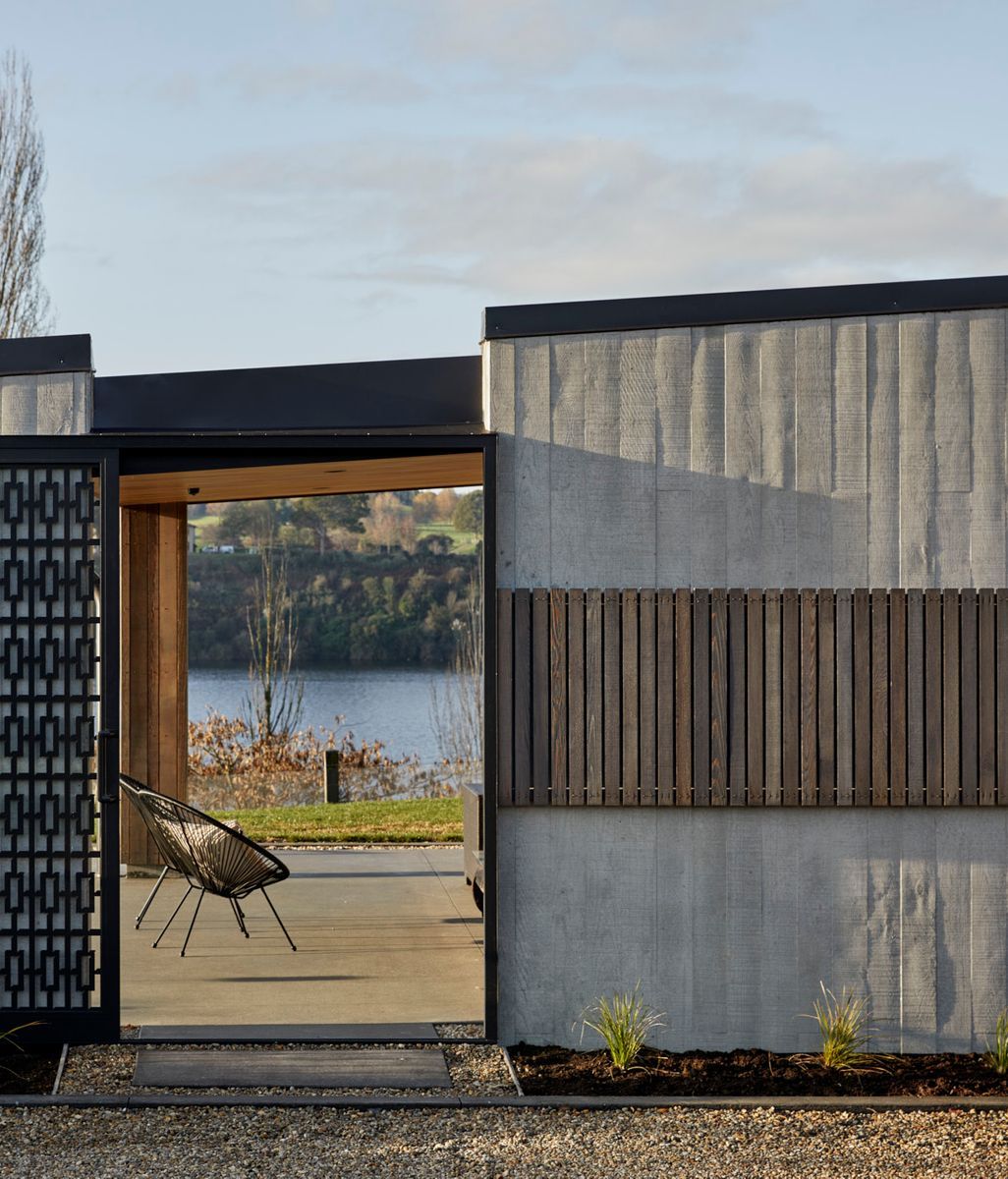
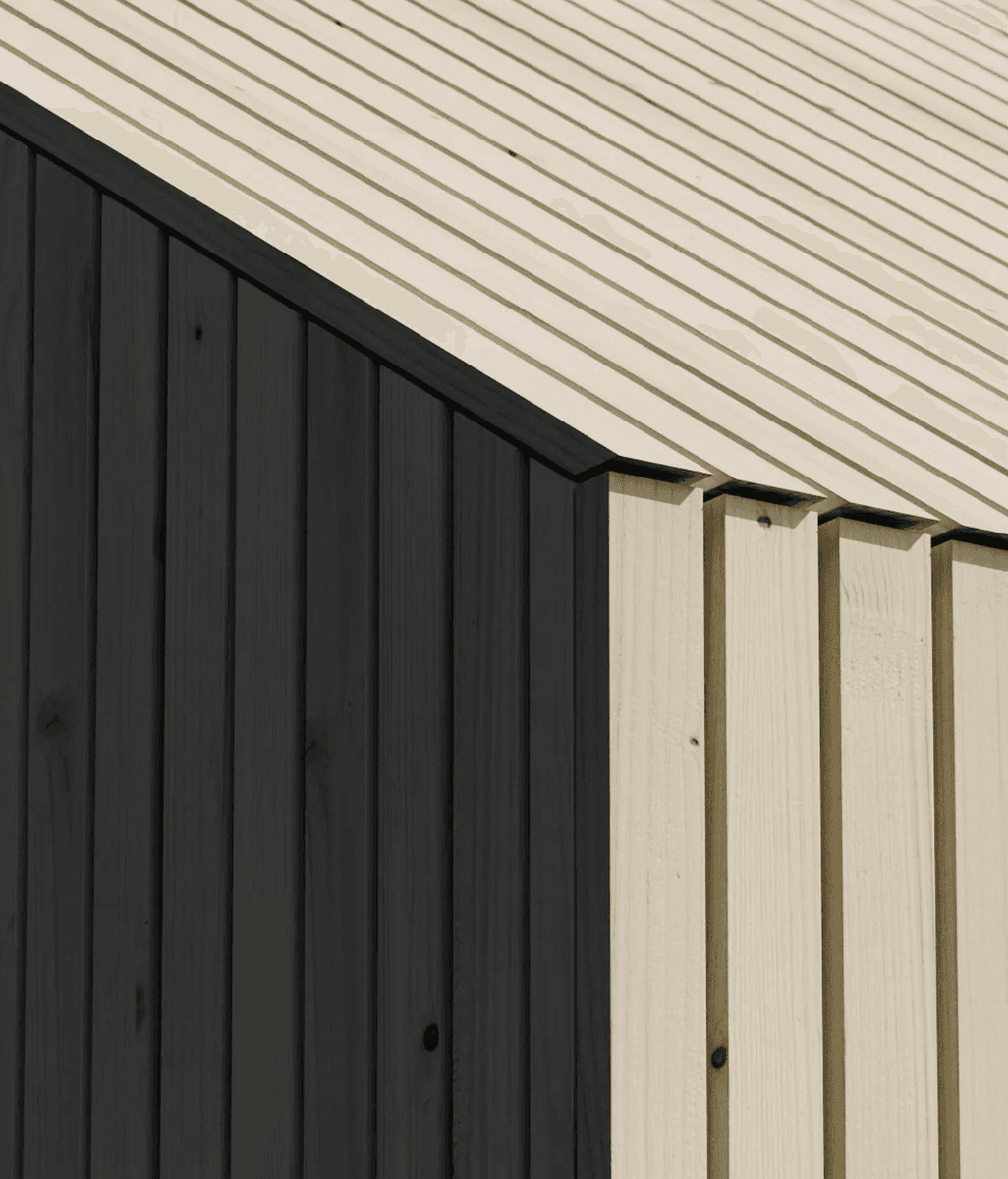
“We really want our architecture to embody those ideas of connecting with landscape, using craft of materiality, and being clever with how we think about spatial arrangements,” he says.
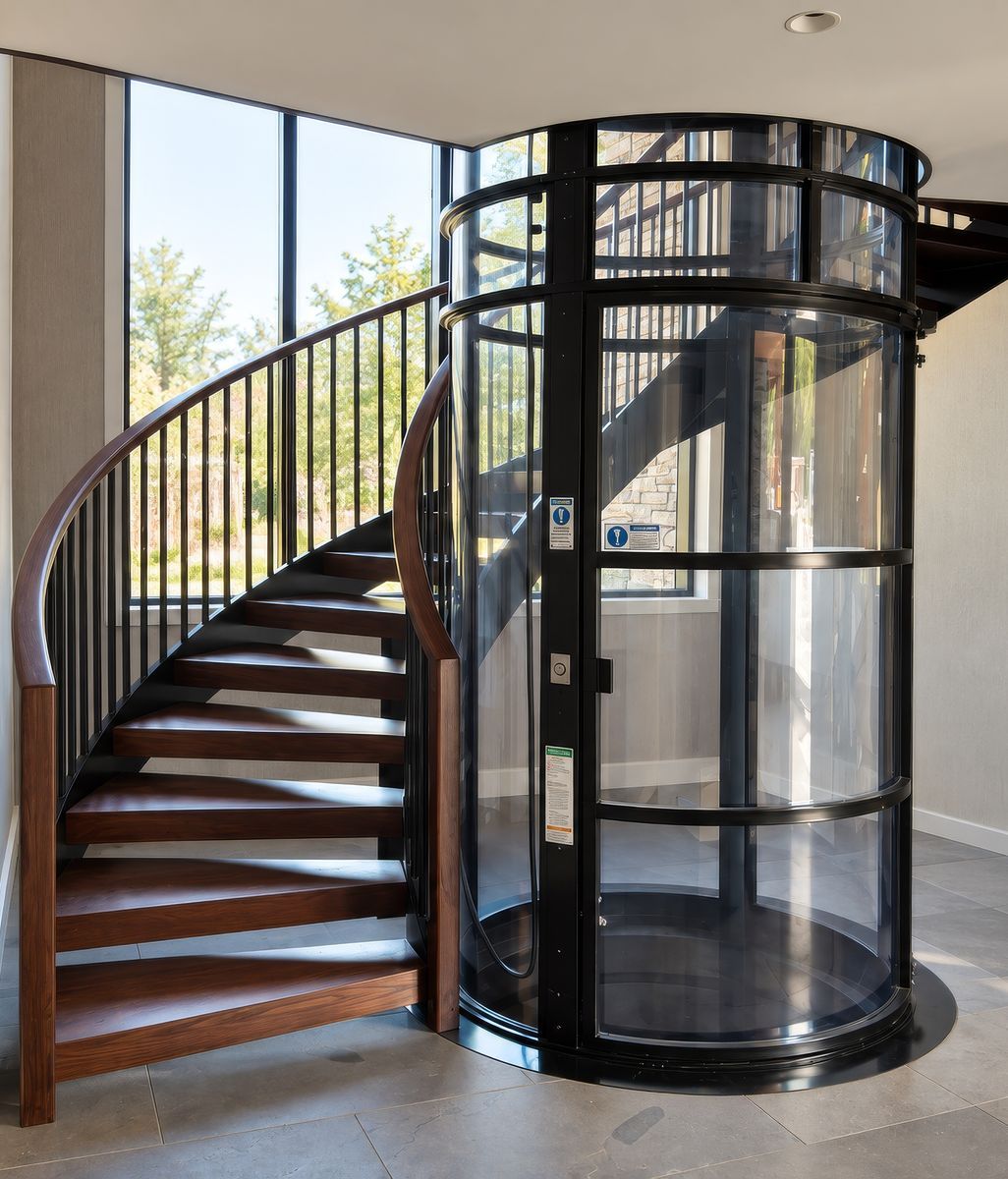
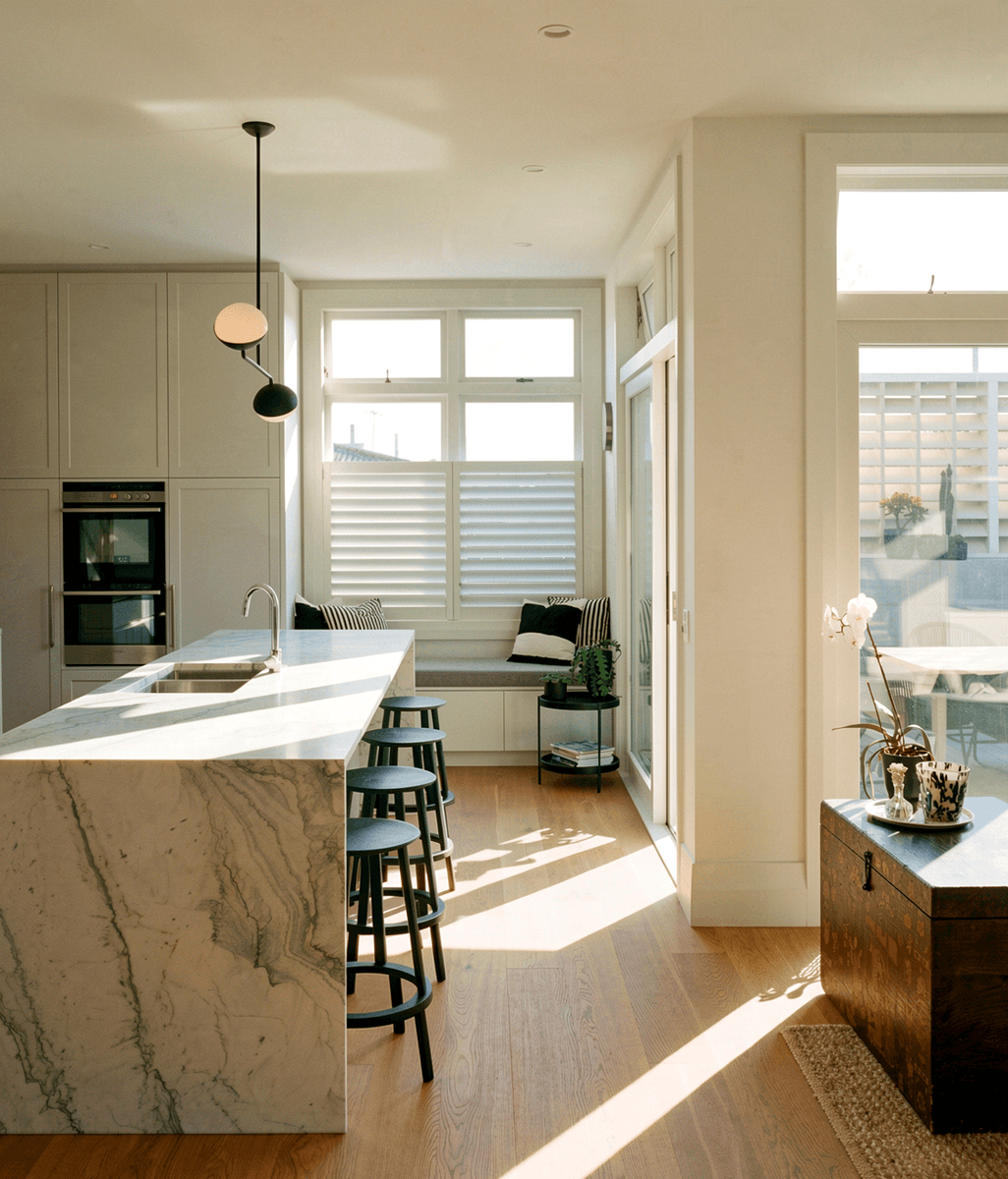
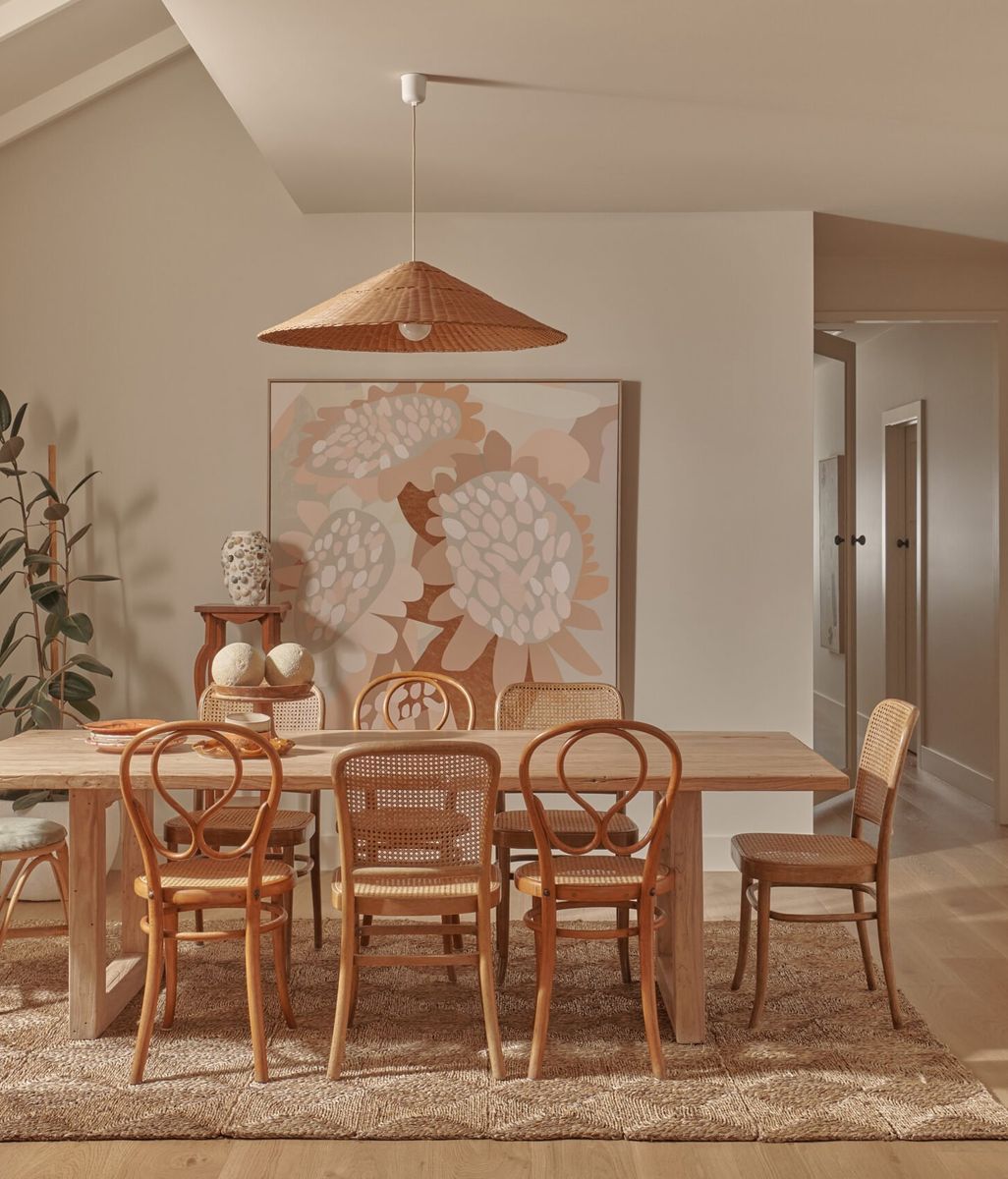
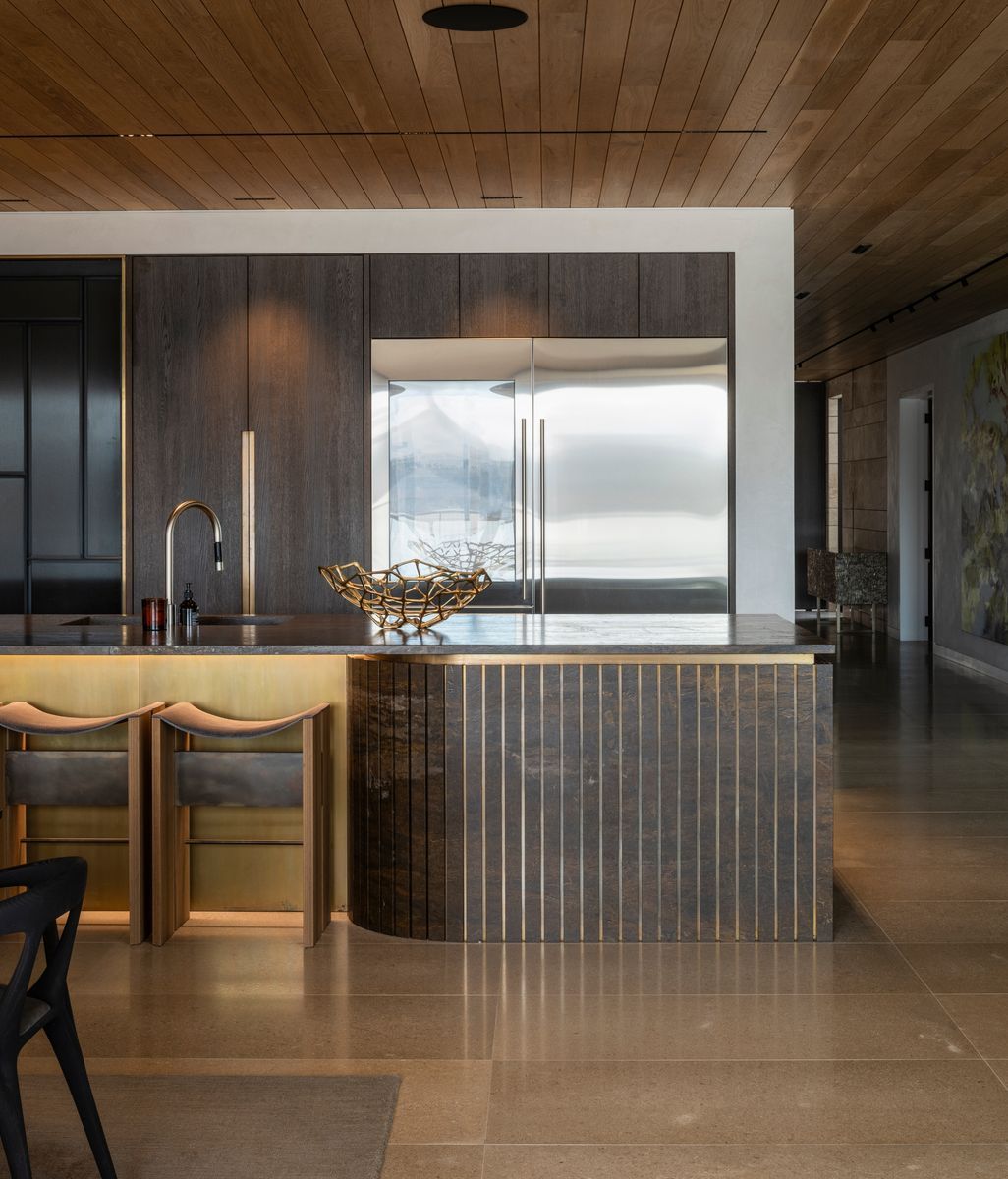
That cleverness is not about flashy design moves, but about spatial generosity and layered thinking. Taylor Knights’ projects consistently demonstrate a refined ability to choreograph movement, light and function, creating spaces that feel calm yet purposeful. Interior design is never treated as an afterthought, but as an intrinsic part of the architectural whole.
That holistic approach is embedded in the directors’ complementary skill sets. Knights’s pathway began in interior design before transitioning into architecture, while Taylor trained in architecture, stepped away to complete carpentry training, and then returned to finish his degree.
“We aren’t just approaching one aspect or being really good at one aspect of the design,” Knights notes. “We come at projects from quite a wide base of knowledge.”
The result is work that feels resolved at every scale, from structure and joinery to material junctions and furniture placement.
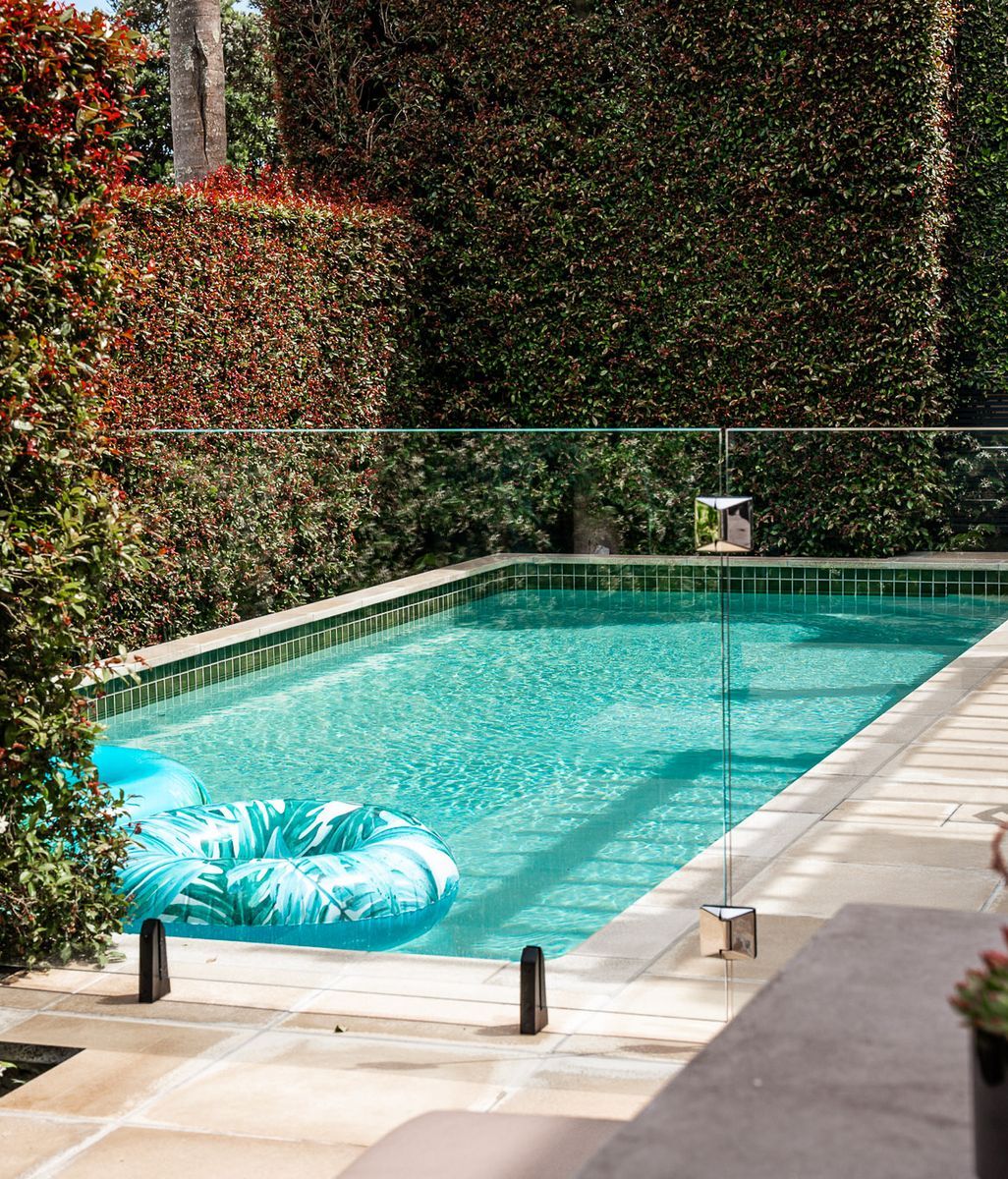
While residential projects such as Malvern Garden House have helped define the studio’s reputation, recent years have seen Taylor Knights expand into commercial work that aligns closely with their values. One of the most significant milestones was Pond(er), an installation at the National Gallery of Victoria during the COVID period. The project, a pink pool set within a pink pond, offered a moment of collective release at a time when public gathering had been restricted.
“We really wanted to make a commentary on the Australian landscape, the deserts and the waters, and invite people not to look at it as an architectural object, but to engage with it,” Knights explains.
The response was extraordinary, with families travelling from regional areas to experience it first-hand. For the practice, it marked a shift toward work that could reach a broader audience and make a tangible social impact.

That same care and intentionality carries through to how Taylor Knights works with clients. Their design process begins with an in-depth briefing, aimed at moving beyond generic aspirations.
“We try to really tease out what inspires them, what they’re looking for, and get quite specific around that,” Knights says.
Visual references, collaborative moodboards and detailed wish lists help establish a strong foundation before any formal design begins. Importantly, the practice invests heavily in the concept design phase.
“We don’t do a cheap concept design package, it’s just not how we work,” Knights states. “We believe we’re better off putting more time and energy up front to ensure we’re building on a design that’s truly special and ultimately saving the client in the long run.
This thoroughness is reinforced through early cost planning and a hybrid workflow that combines sketching with advanced 3D modelling.
Looking forward, Knights is particularly energised by the industry’s growing focus on high-performance buildings.
“Creating buildings that are much smarter than what they’ve been previously is nothing but a good thing,” Knights says, noting the increasing uptake of better insulation, building wraps and construction technologies.
As the practice continues to grow, so too does its ambition. Future projects lean towards larger, more consciously responsible projects, including commercial facilities and retirement living.
“We aim to create buildings that enhance the lives of the people who live in them,” Knights reflects. “Beautifully considered, timeless and thoughtful architecture that enriches lives.”