How AI is expanding the possibilities of practice
Written by
12 May 2026
•
3 min read

That shift was at the centre of Custom Lighting’s recent trade-only event in Melbourne, held inside the brand’s Malvern showroom. Bringing together 50–60 architects, designers and specifiers, the evening focused on AI not as an abstract future state, but as a practical tool already influencing workflows, client communication and creative exploration.
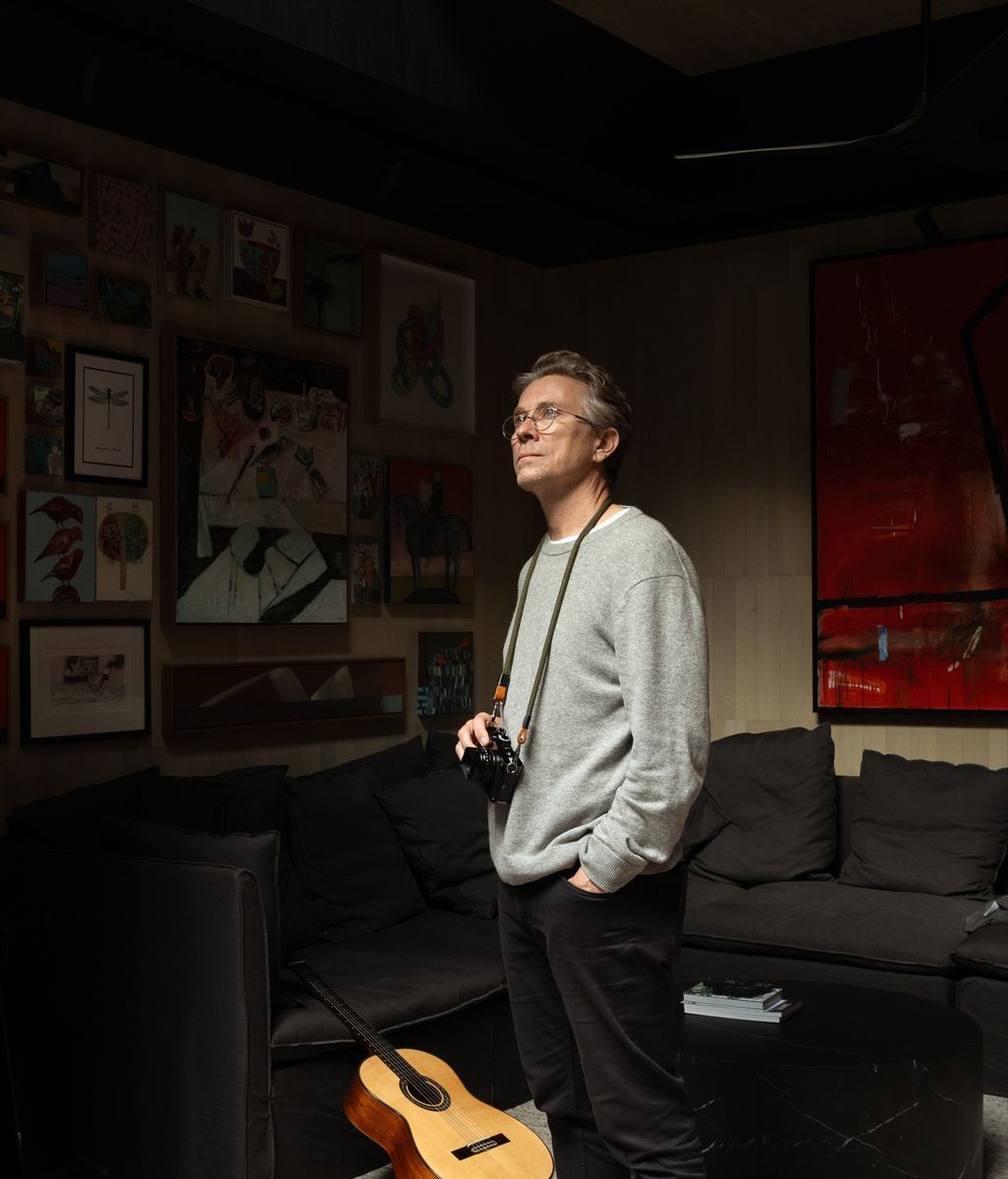
Representing ArchiPro, GM of Data & Audiences Phillip Zohrab joined Anthony from Chan Architecture and interior designer Virginia Hellstrom from Quadrato Design on the panel, with each speaker offering a different view on how AI is beginning to integrate into practice.

One of the strongest themes to emerge from the evening was AI’s ability to expand capability, not by replacing creative thinking, but by removing some of the operational and financial barriers that previously limited exploration. Anthony shared how tools for rapid prototyping are dramatically changing the early stages of client engagement. What once required days of work and significant upfront cost can now be explored in a matter of hours, allowing practices to test ideas earlier, respond faster and pursue opportunities that may previously have felt commercially out of reach.
The example resonated strongly with the audience. Heads nodded around the room as the conversation shifted from AI as a theoretical disruption to AI as a practical enabler. One that allows smaller teams and independent operators to increase efficiency, extend their capabilities and take on a broader range of work.
Beyond creative outputs, the discussion also touched on the operational side of adoption. Rather than focusing on expensive architecture-specific software, the panel encouraged attendees to simply begin experimenting with widely available tools. The consensus was clear... the real investment is not necessarily financial, but cultural. Taking the time to learn, test and integrate these tools into the rhythm of a business.
Phillip Zohrab also touched on a shift happening beyond design workflows themselves. The way clients are discovering practices in the first place.
As AI-powered search and chat tools become more embedded in everyday behaviour, visibility across trusted third-party platforms is becoming increasingly important. Rather than relying solely on their own websites, practices were encouraged to think more broadly about where their work is being published and referenced online, from editorial platforms and project directories through to supplier collaborations and industry publications.
The idea resonated with many in the room. In an AI-driven search environment, external mentions and project visibility are beginning to play a growing role in how practices are surfaced and recommended.
For ArchiPro, it’s a shift already beginning to happen in real time. Zohrab noted that some professionals are now hearing directly from prospective clients who discovered their practices through AI chat tools referencing their ArchiPro profiles and published projects.
Audience questions reflected the industry’s growing curiosity, particularly around ownership and authorship. One attendee raised the question of who ultimately owns AI-generated imagery. A topic the panel acknowledged remains largely unresolved, highlighting just how early the industry still is in navigating these shifts.
More than anything, the evening reinforced a growing sentiment across architecture and interiors. AI is unlikely to replace human creativity, but it is already reshaping the way practices operate, communicate and compete. And for many in the room, the opportunity lies not in resisting that shift, but in learning how to work alongside it.
Discover more from Custom Lighting on ArchiPro, or explore ArchiPro’s wider lighting category from wall lights to pendants, lamps and exterior lighting designed to shape atmosphere, function and experience.