How infrared heating creates healthier, more comfortable homes
Written by
07 July 2026
•
3 min read

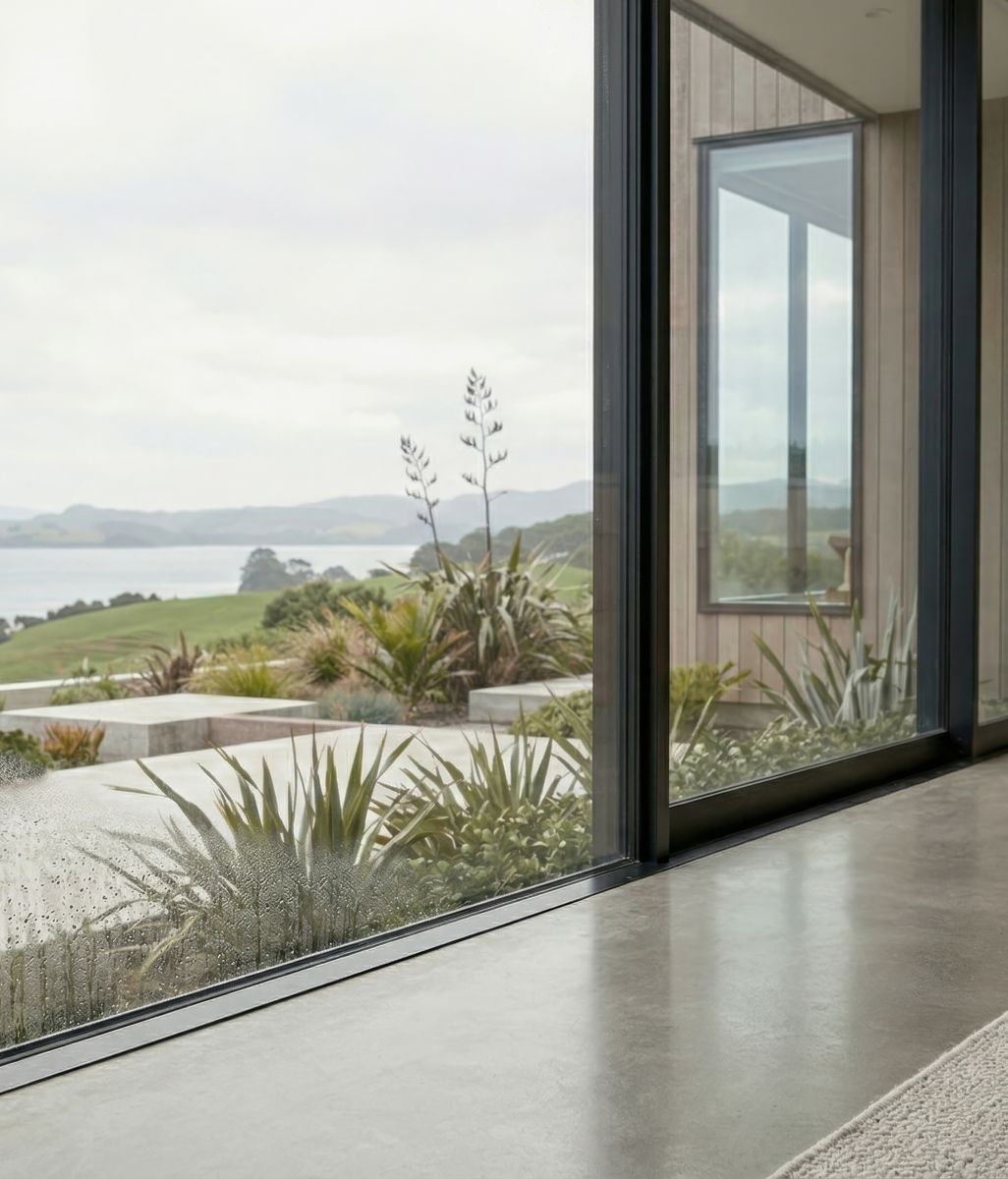
When Mark Coory moved into his home 12 years ago, the floor-to-ceiling windows were dripping with condensation in the winter.
“Our first winter there, this house had heat pumps in it, and my wife was spending probably 15–20 minutes every morning running around with bath towels, wiping the condensation off this glass,” shares Mark. “She actually said to me at the time, ‘You’ve got to find a way to solve this.’”
It was at a trade show in Germany that he found the solution: infrared heating.
Once the heating was installed in Mark’s home, there was no more condensation. “The second thing we noticed was how much more comfortable it was to sit in the rooms.”
Since adopting this technology in his own home, more and more homeowners, designers and architects have been discovering its benefits.


The difference between heating air and heating the objects in the room
To understand the benefits of infrared heating, it’s important to first understand how we experience warmth.
Most conventional heating systems in New Zealand rely on convection, where the air is heated to circulate throughout a space. But there’s a reason we don’t always feel maximum warmth with these systems.
“The problem with air as a moving fluid of heat energy is that it has next to no thermal mass in and of itself, so as soon as that warm air touches something cold, whether it’s a window, a draught or an external wall, it loses its heat almost immediately,” explains Mark.
Rather than masking the room’s temperature by continually pushing in warmer air, infrared heating changes the temperature of what’s in the environment. Floors, walls and glazing become warmer surfaces, reducing heat loss from the body and creating a comfortable space.
“It’s like the sun shining on you,” says Mark. “You could be sitting at night watching television, but it feels like the sun’s shining on you. It’s a lovely sensation.”

An energy-efficient solution
Once the room has reached the set temperature, that comfort remains.
“As objects heat up, they become easier to heat up further. As you warm your room up, it takes less energy to keep it warm and warm it further,” says Mark. “Once you've achieved that temperature, the heaters really only cycle in and out very gently.”
Unlike conventional air-based systems that must continually replace heat lost through air movement, infrared systems benefit from the stored warmth within the building itself.
This also has a significant impact on energy use.
“In our home, we heated far more areas than were being effectively heated with the heat pumps and saw our heating power bills drop by about 40 per cent. It was a really pleasant surprise to know that not only was it far more comfortable and had solved all the condensation issues, but it was actually costing less to do it.”
Whole-home comfort
Easier to install than ducted systems and more effective than heat pumps, infrared heating can be installed in every room of a home. The kitchen and bathrooms can warm up ahead of morning routines, living areas can be prioritised during the evening, and bedrooms can maintain temperatures overnight to optimum sleep quality.
Instead of heating a home to one temperature, Herschel-Infrared allows true personalisation without interrupting aesthetics. Mounted discreetly on ceilings or walls, Herschel heaters eliminate the need for bulky indoor units and external plant equipment. The result is cleaner architectural lines, greater design flexibility and fewer visual compromises.