Lasting landscape performance is grounded in quality design

Written by
03 March 2026
•
4 min read

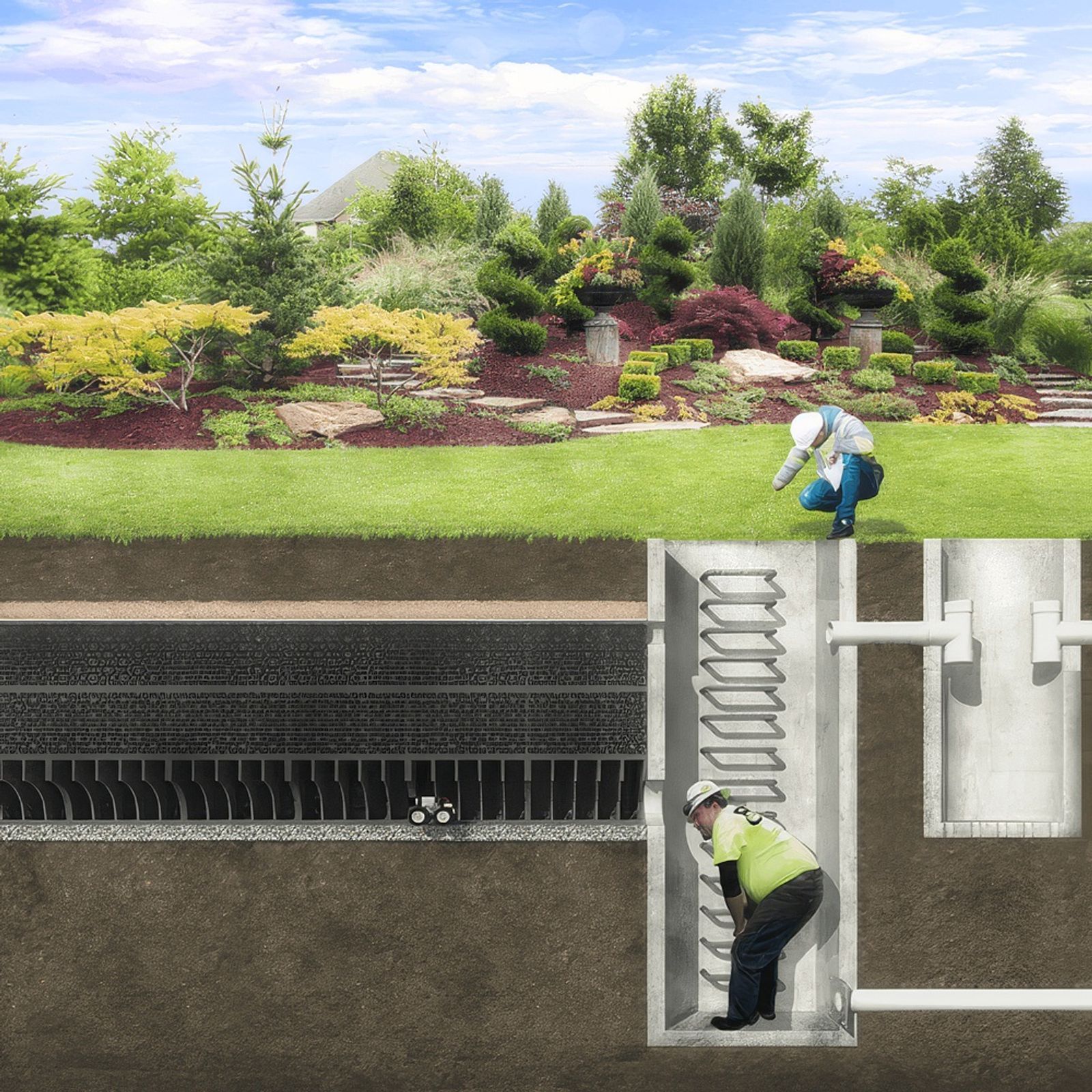
A new city park opens, its winding paths and shady canopies welcomed by the community. Children race across smooth paving, young plants thrive through hot summers, and, after torrential rain, the lawns remain invitingly dry. All thanks to the unseen infrastructure at work below: subsurface systems quietly safeguarding the park’s landscaping. Increasingly, these hidden frameworks are becoming the enablers of true design freedom and lasting impact.
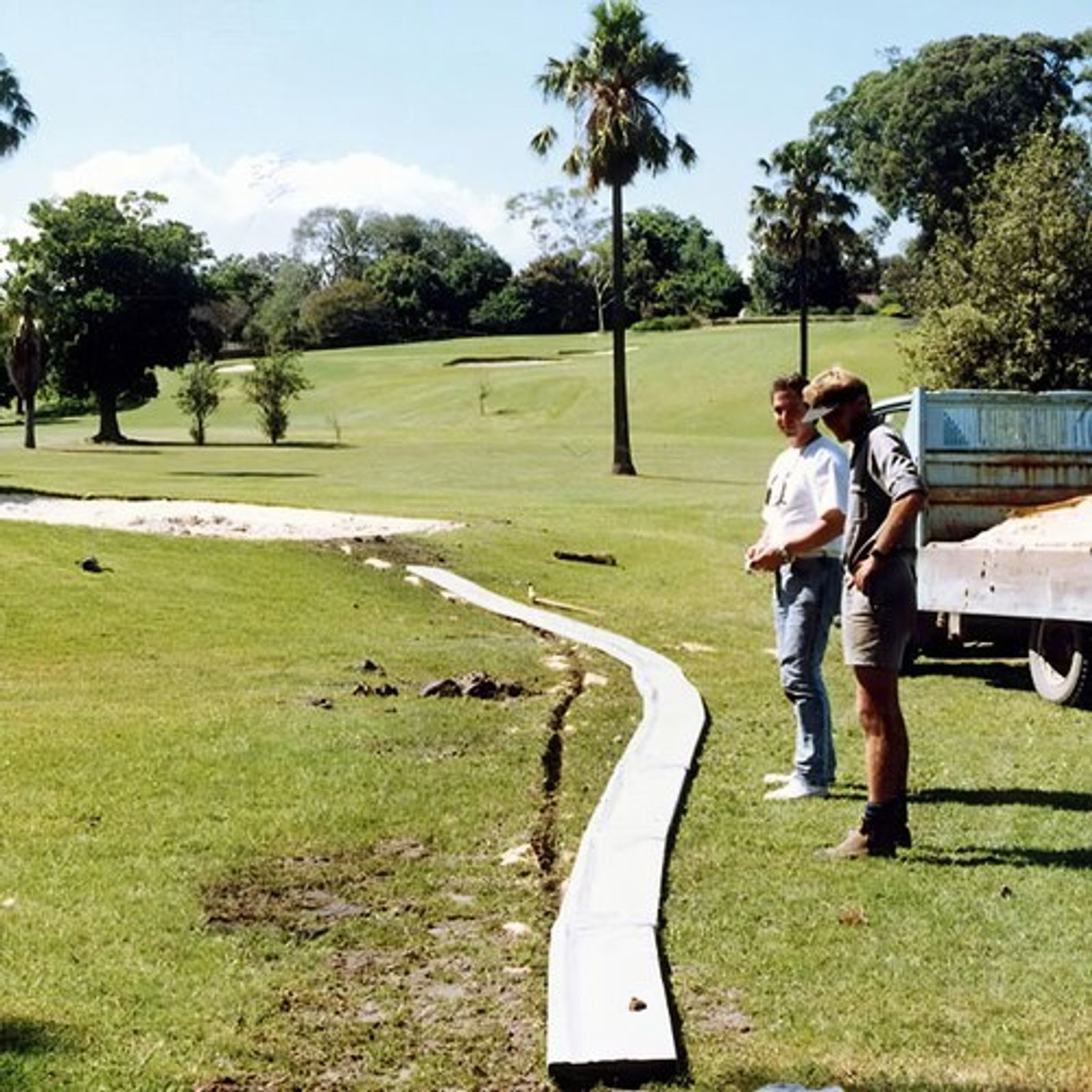
Atlantis, a global manufacturer of below-ground infrastructure, describes the subsurface as the layer where water, load, and soil conditions are carefully managed. Underground stormwater tanks, trench drainage, structural void fill, and systems supporting planters and green roofs rarely feature in project photography, yet they dictate how a landscape drains, settles, and ultimately survives.
As Isabel Morales, Architect and Marketing Manager at Atlantis, notes, “Without resolving these conditions below ground, even the most considered surface design will struggle over time.”

Transforming site constraints into possibilities
On sites once dismissed as impossible, such as, tight urban lots, rooftop terraces, and landscapes over car parks, designers can now find opportunity. By investing beneath the surface with modular drainage and structural void systems, these spaces can turn into flourishing gardens and lively public spaces.
The industry’s most common landscape issues tend to originate in this hidden layer. Poor drainage, soil compaction, insufficient root space and unmanaged runoff often manifest as declining vegetation, unstable paving or persistent flooding.
According to Isabel, “Drainage and soil health are usually the first points of failure.”
“When water is not properly controlled underground, the consequences escalate to waterlogging, soil degradation, increased maintenance, and eventually the loss of design intent.”
With early, well-coordinated subsurface planning, the story changes: rainwater disappears into thirsty ground rather than pooling on paths; tree roots stretch wide, anchoring healthy canopies above while paving stones remain level and secure, year after year.


Elevating nature above the streetscape
Often perceived as complex or even high-risk, rooftop gardens provide a clear example of Atlantis’s systems-led thinking.
“Effective subsurface design reduces water buildup, manages weight efficiently, and lowers the risk of long-term failure,” says Isabel.
Atlantis’s modular void systems optimise soil capacity without excess weight, meaning designers can move beyond shallow, decorative planting towards genuinely usable elevated landscapes.
In more compact areas, protection and moisture retention are needed to reduce plant stress and heat.
Atlantis subsurface systems allow stormwater to be “captured, stored, infiltrated, or reused directly beneath landscapes,” explains Isabel. Supporting water-sensitive design without sacrificing usable surface area.
Beyond this, landscape designers and their clients are free to dream, creating immersive green spaces while beneath it all, the infrastructure meets environmental demands.


Unseen advantages beneath lush landscapes
Material considerations reinforce this approach with Atlantis systems manufactured from recycled plastic and are fully recyclable at end of life, embedding circularity within the very layer responsible for flood mitigation, soil protection and load management.
Perhaps a most critical shift is one of timing. Subsurface systems are most effective when considered at concept stage rather than retrofitted later, warns Isabel.
"Early collaboration between architects, landscape architects and engineers allows stormwater management and structural coordination to be integrated, improving project cost efficiency and long-term performance," she says.
Landscapes are expected to function as infrastructure; managing water, climate changes and performing reliably over decades.
Atlantis’ key to high-performing landscapes is ultimately designed from the ground up. Stormwater is managed, roots spread freely, and plazas stay resilient under heavy foot traffic. When the invisible layer is resolved with foresight and technical clarity, the planting, paving, public space and rooftop environments all gain greater freedom and long-term value.
Learn more about Atlantis’s systems on ArchiPro today.