Lee J Morgan is painting emotion into our homes, one layer at a time
Written by
16 February 2026
•
5 min read

Lee J Morgan has always been creative. Growing up, she’d be the one sitting and drawing, making costumes out of newspapers or making a cardboard dollhouse. She still remembers preschool painting sessions with her mum and painting shapes on the fence with a brush and water.
This pull to create never left. Art followed her through school, but she never thought of it as something long-term. Adulthood redirected her into business, and she even owned an art gallery at one stage, but her works were never the ones in the spotlight…
For years, Lee painted in the margins of her life. Around responsibilities. Around commitment. Around all the things she should be doing. But finally, she gave herself permission to make her work the priority.
“My artwork was always what I’d do around everybody else’s time. And then I made the decision that this is my time.”

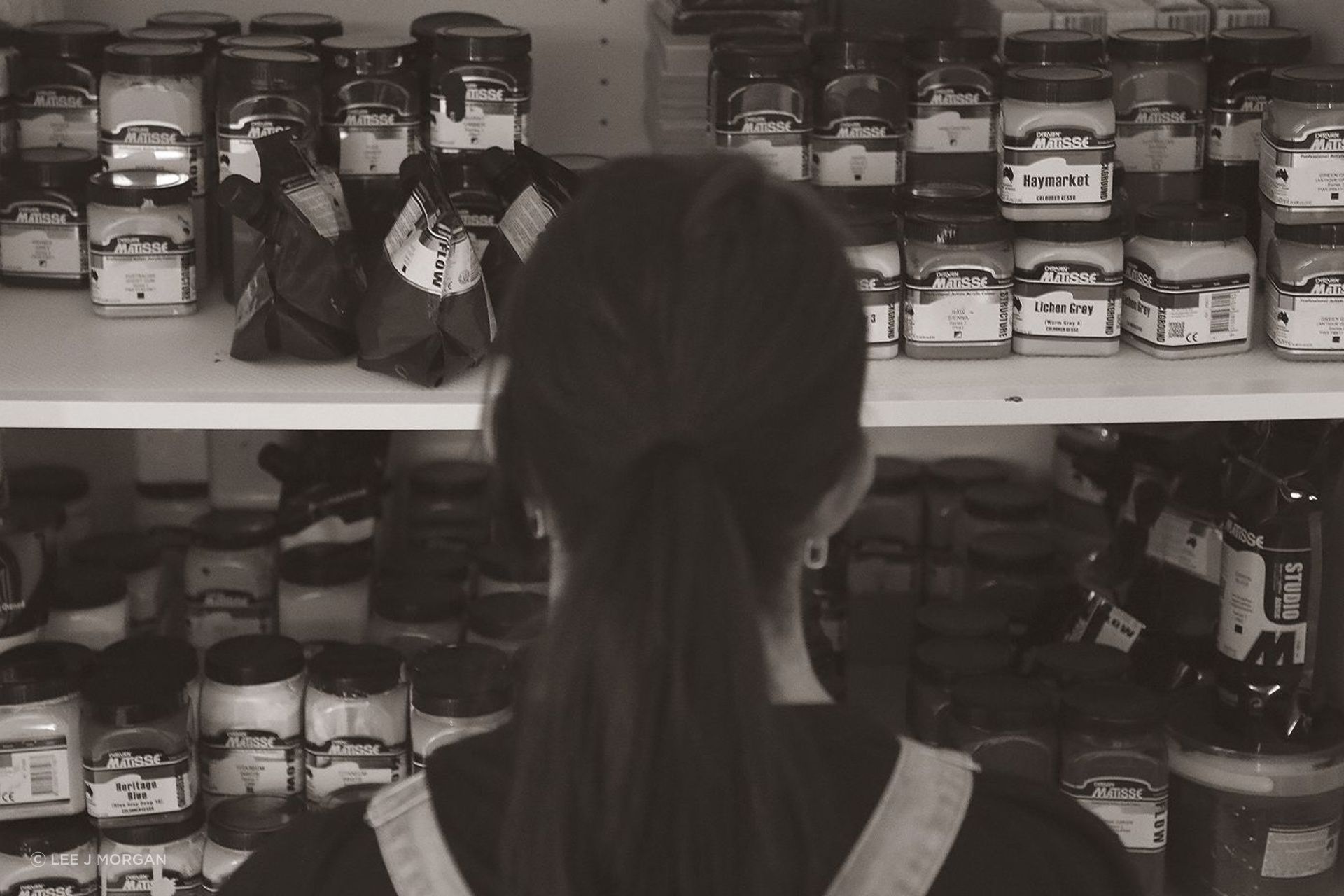
Step into Lee’s Sydney studio and you’ll find a calming movement everywhere. The soft hum of music, candles burning and her hands usually covered in paint. Canvases are shifted, lifted and leant against walls and contemplatively reconsidered from across the room.
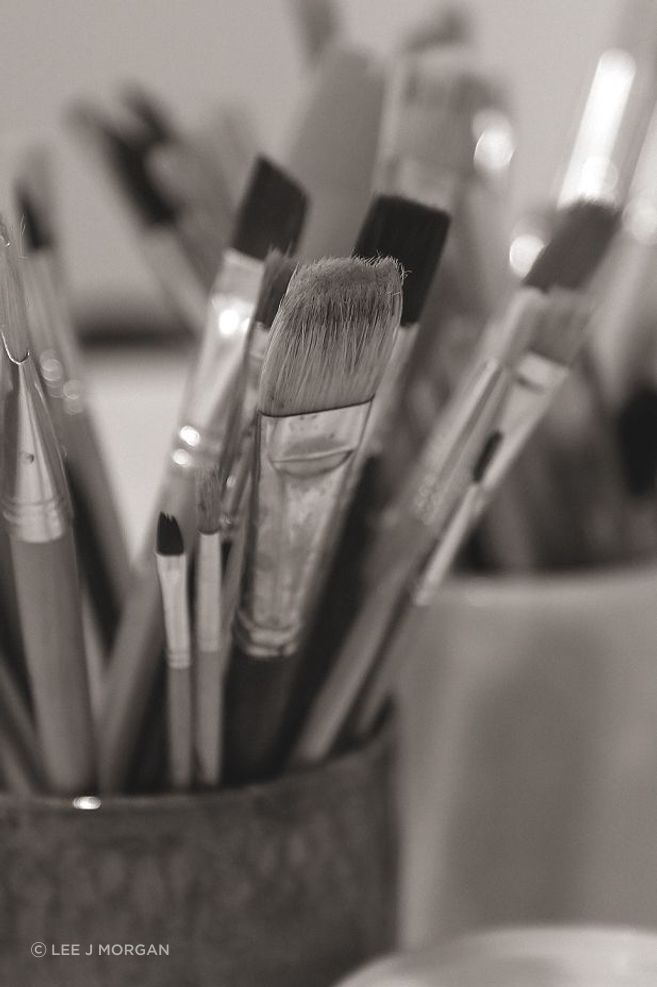
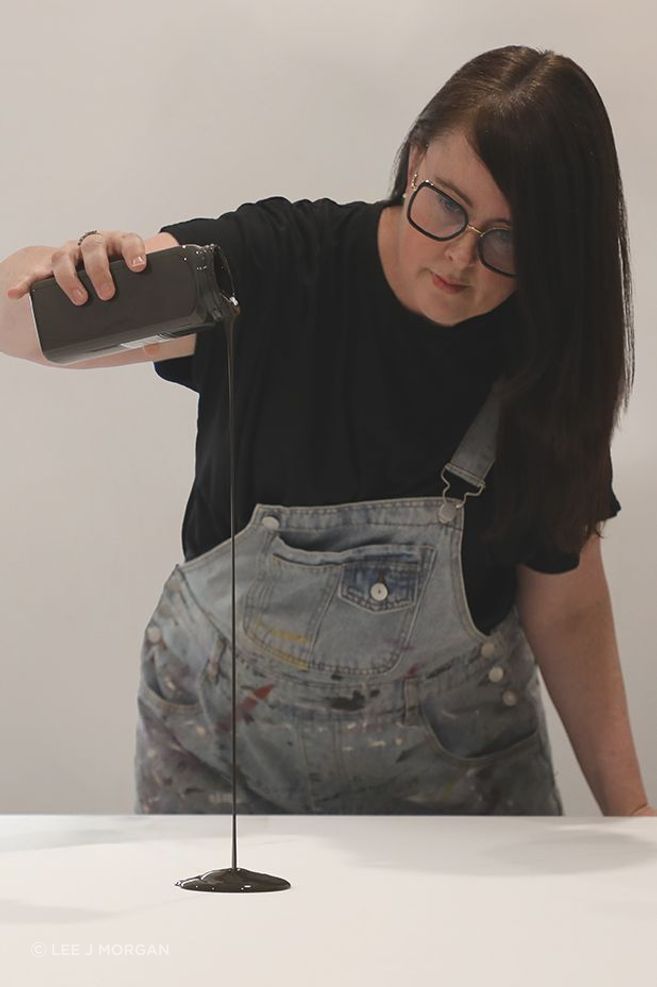
She works upright on easels or flat across a large table, circling the canvas to maintain balance. Paint is poured, brushed, sanded back and layered again. Between each of these layers, Lee takes a deep breath…
Nothing is static: not the artist, not the surface.
There are no shortcuts. Some pieces come together over days. Others demand weeks and months of sanding, layering and rebuilding. Entire surfaces are sometimes scraped back to begin again.
“The way you work the canvas at all those different points determines what the outcome is,” she explains.
“You either love the effect, or you go back to the background. There have been times when I’ve been so frustrated I’ve scraped back a canvas and just started again. I was once told that the best work comes from a problem on the canvas, and it is true. Often, overcoming that challenge is what stretches you beyond what you thought was possible.”
This freedom to play with colour, shapes and texture to evoke a mood is what has always drawn Lee to abstract painting. But each collection begins with something more: an emotion.
I was once told that the best work comes from a problem on the canvas, and it is true. Often, overcoming that challenge is what stretches you beyond what you thought was possible.
When Lee released her first collection, it marked the shift she made, the commitment to her own art practice. ‘Ember’ explored the idea of ignition and transformation, the space between fear and bravery, stillness and movement. In many ways, it was a reflection of how Lee felt to be finally sharing her work.
Since then, her collections have moved in cycles. Some are grounded in deep saturated backgrounds. Others lean into gesture and movement. More recent works explore restraint, sanding, grinding back and building delicate texture.
No matter the inspiration, every piece takes you on a journey with gestural strokes dancing from one side of the canvas to the other; a rhythm that draws the eye in to explore. Textures shift in the light, inviting touch, with layers hidden beneath, creating an intriguing depth.
Rather than following a certain aesthetic, every collection is anchored in emotion: the way Lee wants us to feel when we encounter her work.
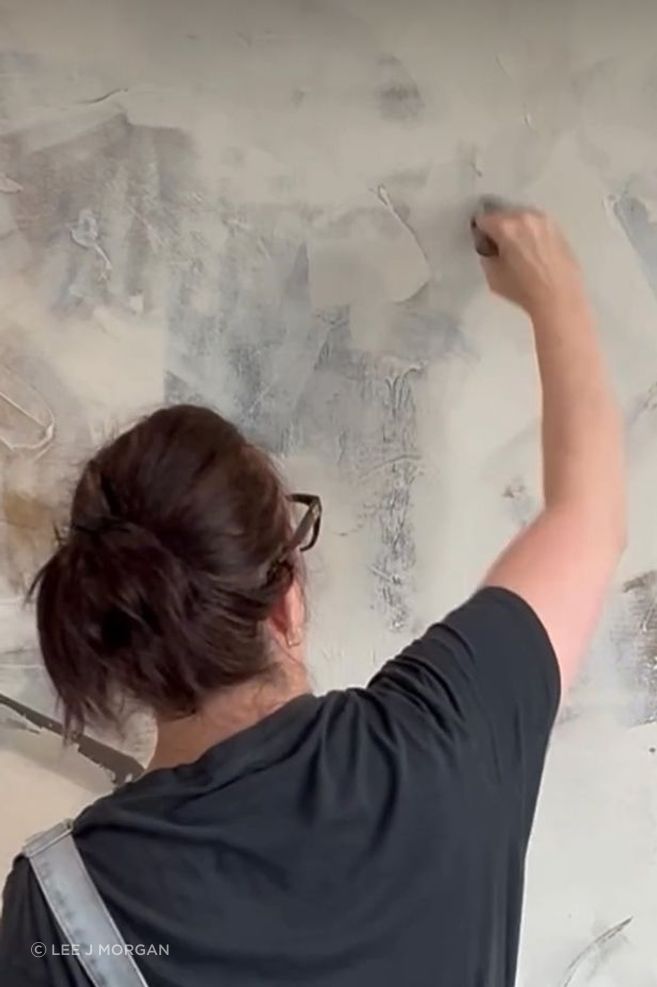

Her latest body of work, ‘Parch’, draws inspiration from historical love letters written on parchment and weathered by time. Lee researched the backstories of each correspondence, translating the tenderness and longing into layered surfaces softened at the edges. The artworks carry subtle marks, softened edges and rich texture; a delicate complexity that carries the feeling of each letter.
Each painting is named after a love story and accompanied by a handwritten excerpt from a calligrapher, bringing the narrative to the canvas.
“There’s a really special underlying message to each one,” says Lee. “Those stories have been conveyed on the canvas.”
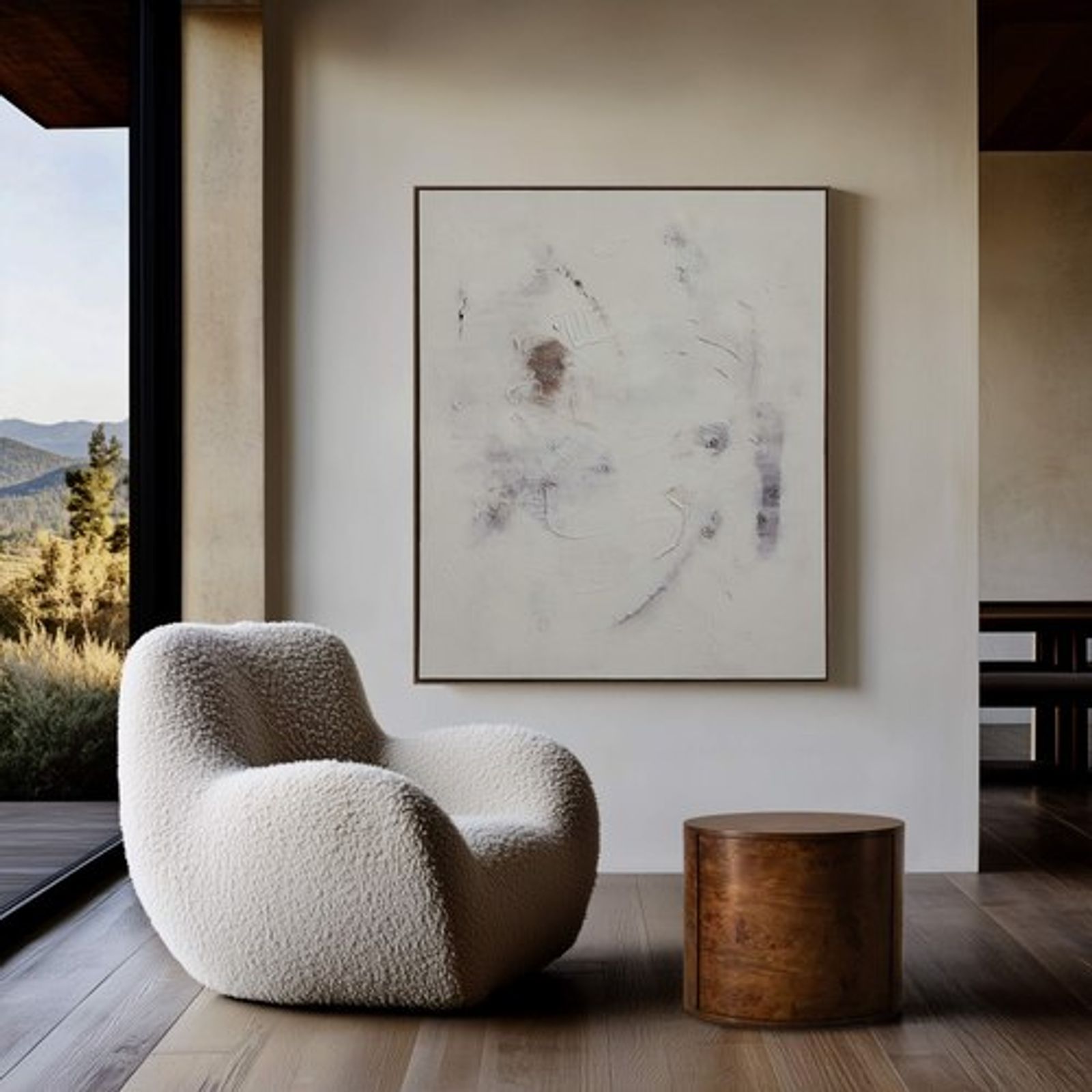
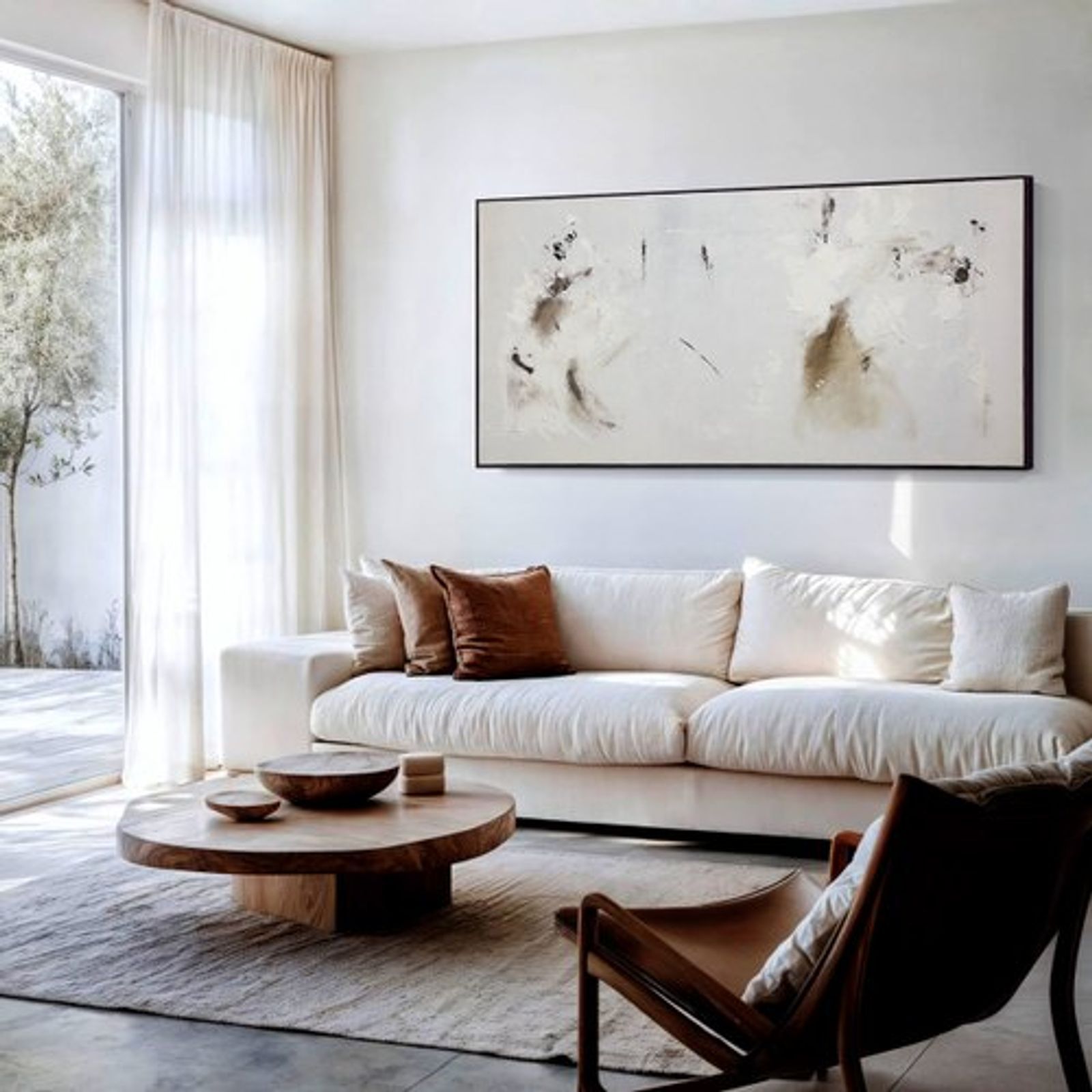
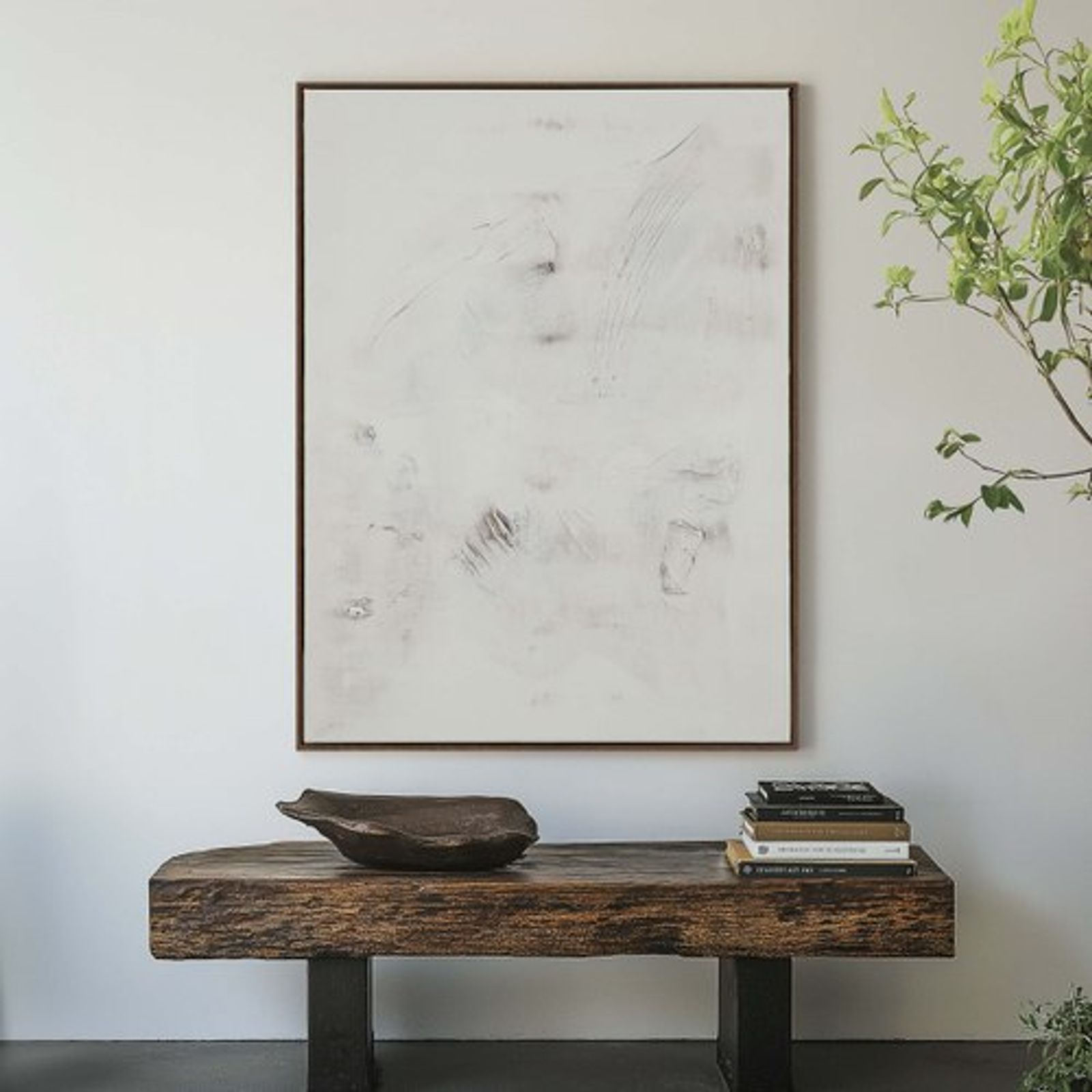
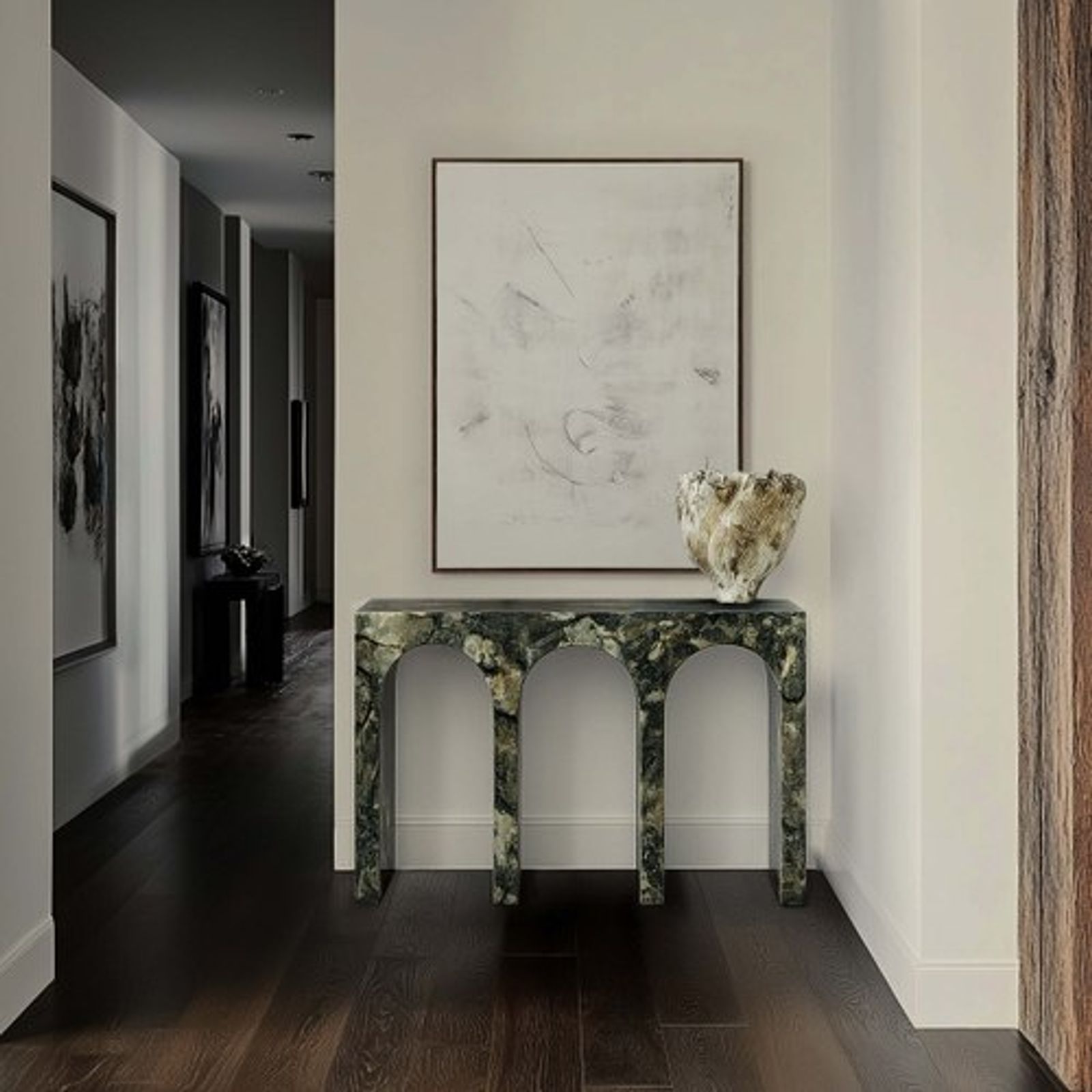
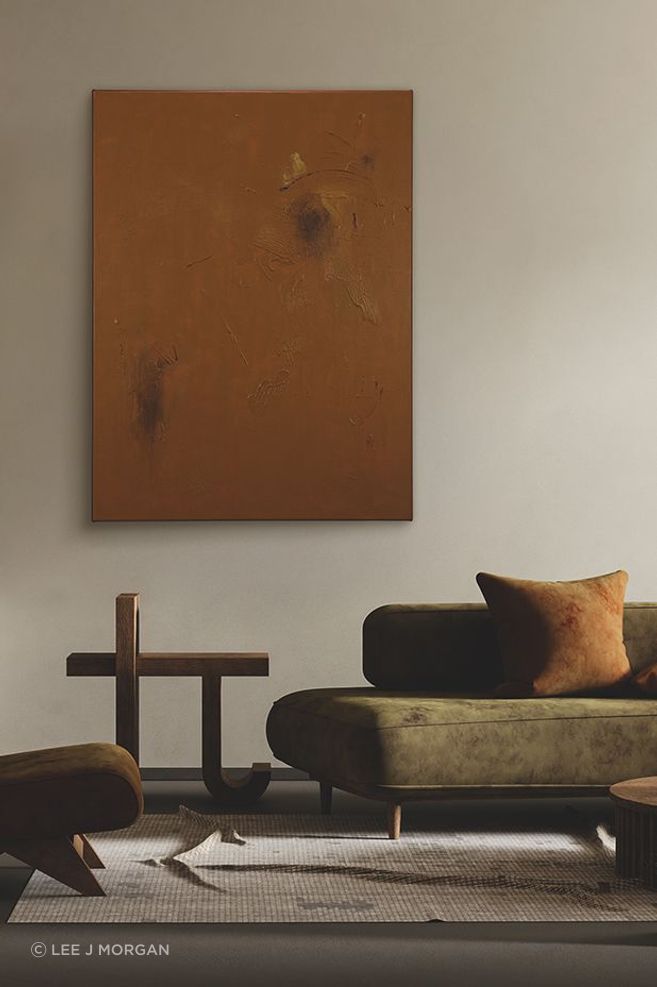
Lee’s paintings often find their way into transitional spaces: hallways, dining rooms, areas that welcome moments of pause where mood matters as much as visual impact.
In a recent residential project, two contemplative works were installed in the hallway of a Japanese-inspired home. Viewed through open doors from the master suite, the paintings quietly reveal themselves. Rather than trying to compete or change the interior, the artworks complete it.
Every piece by Lee holds its own history of decisions: when to press forward, when to wait, when to begin again. You can see the movement, the energy and where her hands have directly touched the canvas. In choosing to prioritise her art, Lee layered courage over hesitation, intention over habit, presence over postponement.
“I never paint from a place of anger, or even sadness. I never paint from a place of any negative emotion, because I don’t want that in someone’s universe,” says Lee. “I don’t want them to have that, so I tend to keep that off the canvas. If there’s beauty in the sadness, like a love story, that’s different. But I try to make sure that the artwork is contributing something meaningful to the viewer. I hope that they have that moment where they pause, time stops and they experience all that emotion that is intended to be genuinely directed their way.”
If you’re inspired by artists like Lee J Morgan, ArchiPro makes it easy to discover original artworks and the creatives behind them. Explore completed homes to see how art defines transitional spaces, connect with artists and galleries, or start a project board to curate pieces that resonate with your vision. Creating a home should be an intentional process and ArchiPro is here to help you layer it thoughtfully.