Long-term energy savings: how good design pays your power bill
Written by
23 June 2026
•
5 min read

When people think about reducing energy costs, their minds often jump straight to solar panels or smart home technology. While these products certainly have their place, the biggest opportunity to save energy is actually at the design stage.
A well-designed home doesn't just look beautiful, it works harder. Through thoughtful material choices and a deep understanding of building performance, good architects can create homes that naturally stay warmer in winter, cooler in summer and cheaper to run year after year.
Here are five design decisions that can have a lasting impact on your energy bills.
1. Start with orientation and layout
One of the most powerful energy-saving tools costs nothing at all: the sun.
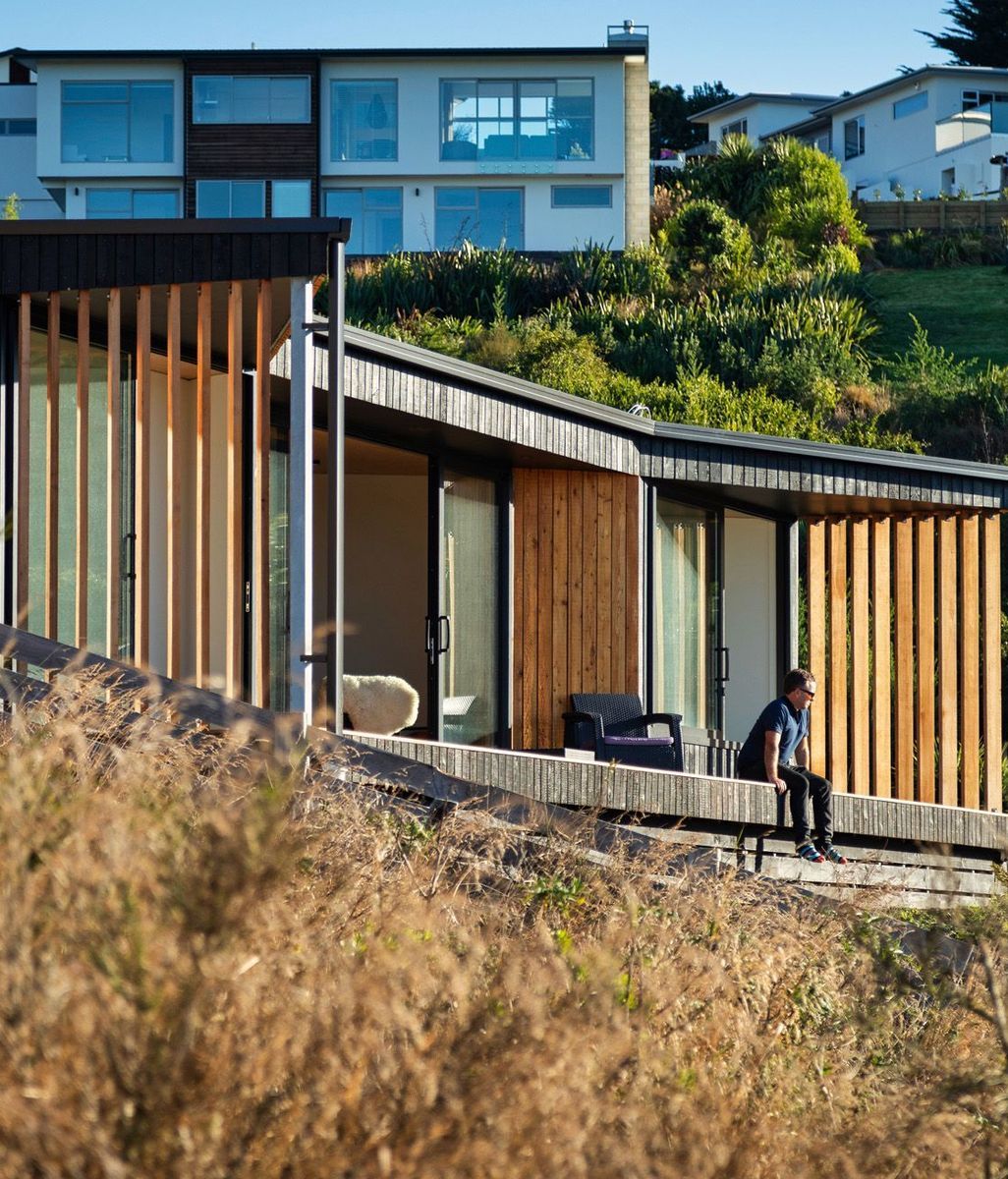
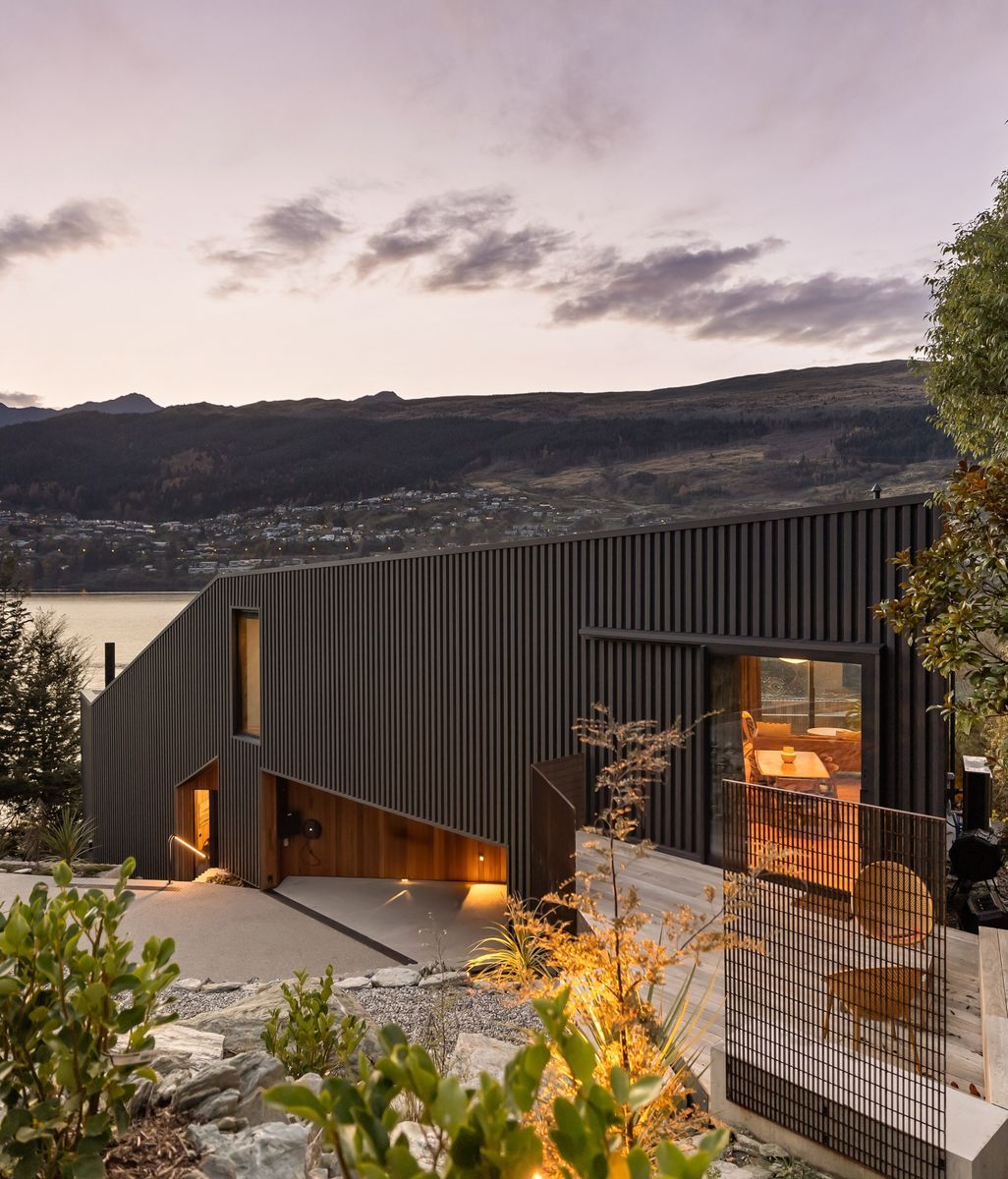
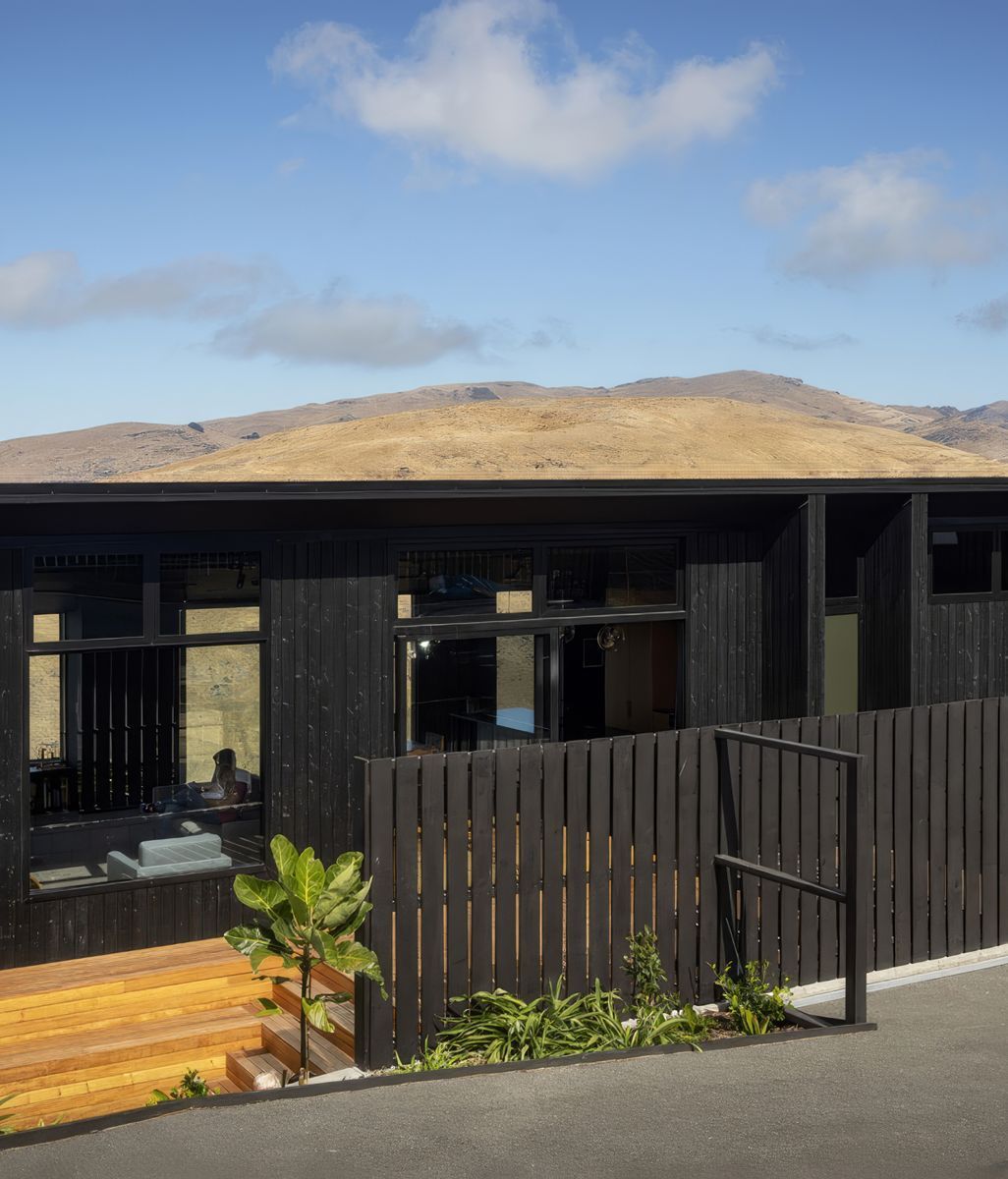
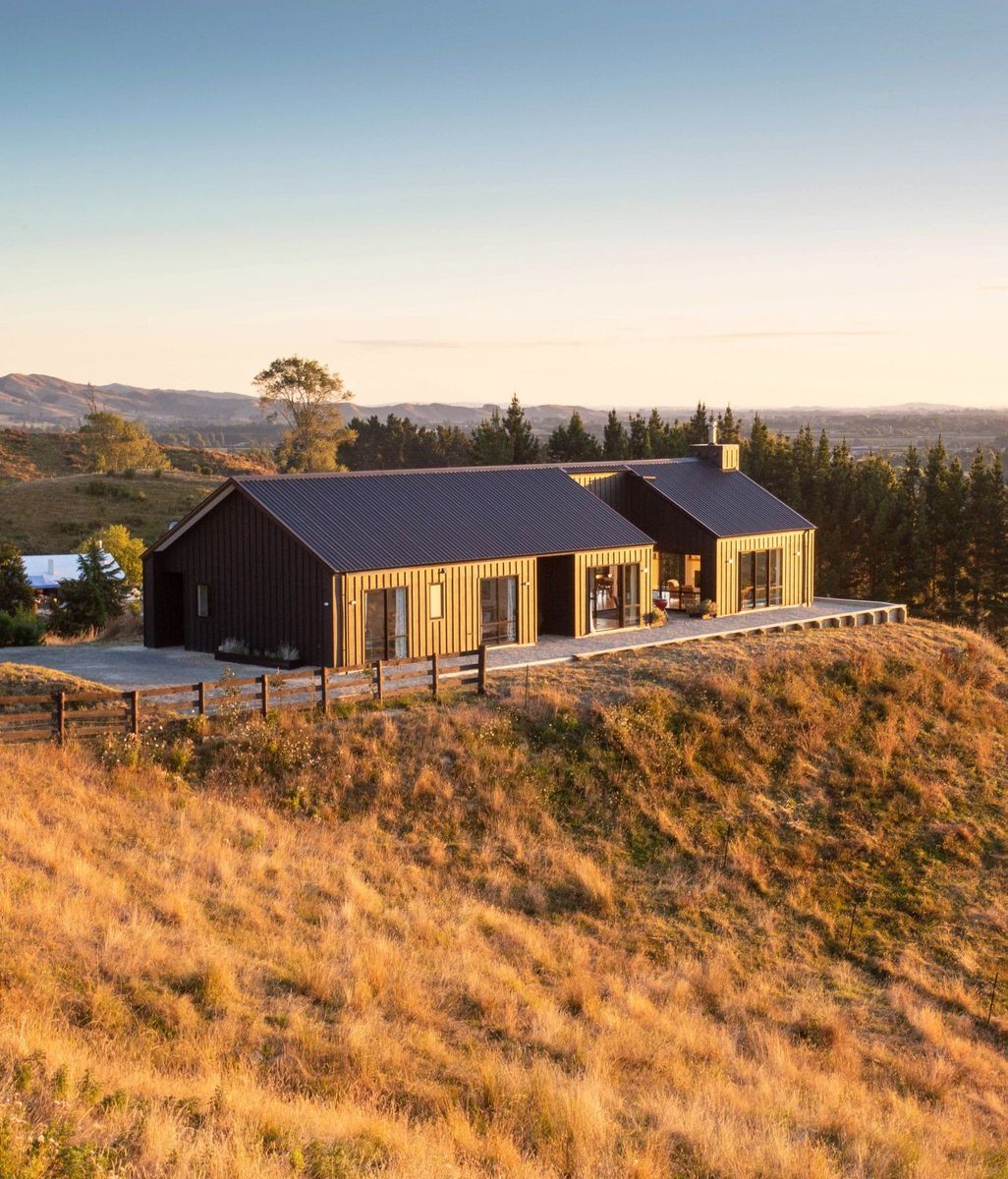
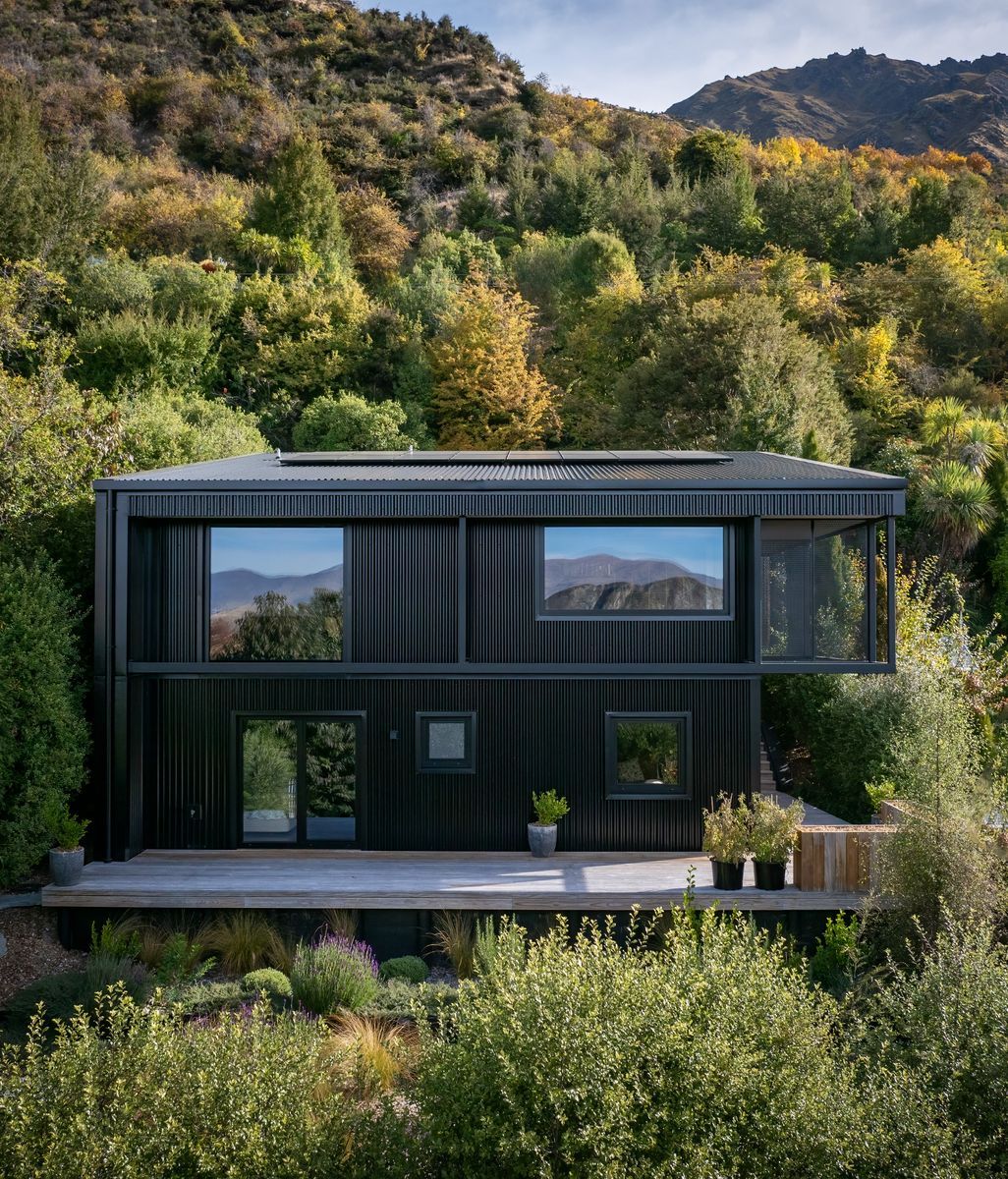
A home's orientation determines how much natural light and warmth it receives throughout the day. In New Zealand, positioning key living spaces to the north allows them to capture valuable winter sunlight, reducing the need for artificial heating. Bathrooms and service areas can then be positioned to the south, where sunlight is less critical.
Layout matters too. Creating a logical flow between rooms so that light, heat and airflow can travel through the spaces can help maximise natural warmth and minimise heat loss.
These decisions may seem simple, but they form the foundation of passive design, an approach that works with the environment rather than relying on mechanical systems to maintain comfort.

2. Design an airtight, well-insulated building envelope
No matter how efficient your heating system is, it will struggle if warm air is constantly escaping through gaps and weak points in the building envelope.
Airtightness has become an increasingly important part of high-performance home design. By carefully detailing junctions, penetrations and connections throughout the building, design professionals can significantly reduce unwanted air leakage.
When combined with high-quality insulation, this creates a home that maintains a more stable indoor temperature throughout the year. The result is a home that requires less energy to heat and cool, while also feeling noticeably more comfortable to live in.
Many homeowners are surprised to learn that comfort isn't simply about having a bigger heat pump. Often, it's about ensuring the heat you're generating stays inside the home in the first place.
3. Understand thermal performance beyond insulation
Insulation is important, but it's only one piece of the puzzle.
The most energy-efficient homes are designed with a broader understanding of thermal performance. This includes addressing thermal bridging, which are areas where heat can bypass insulation through structural elements such as steel, timber framing or poorly detailed junctions.
Even a highly insulated wall can lose performance if thermal bridges aren't considered during the design process.
High-performance glazing is another critical component. Well-specified windows, such as thermally broken, double or triple-glazing, can help retain warmth, reduce drafts and improve overall comfort, particularly during colder months.
When architects take a holistic approach to thermal performance, every component of the building works together to create a more efficient and resilient home.

4. Use materials that work for you
The materials used in a home can play an active role in regulating temperature.
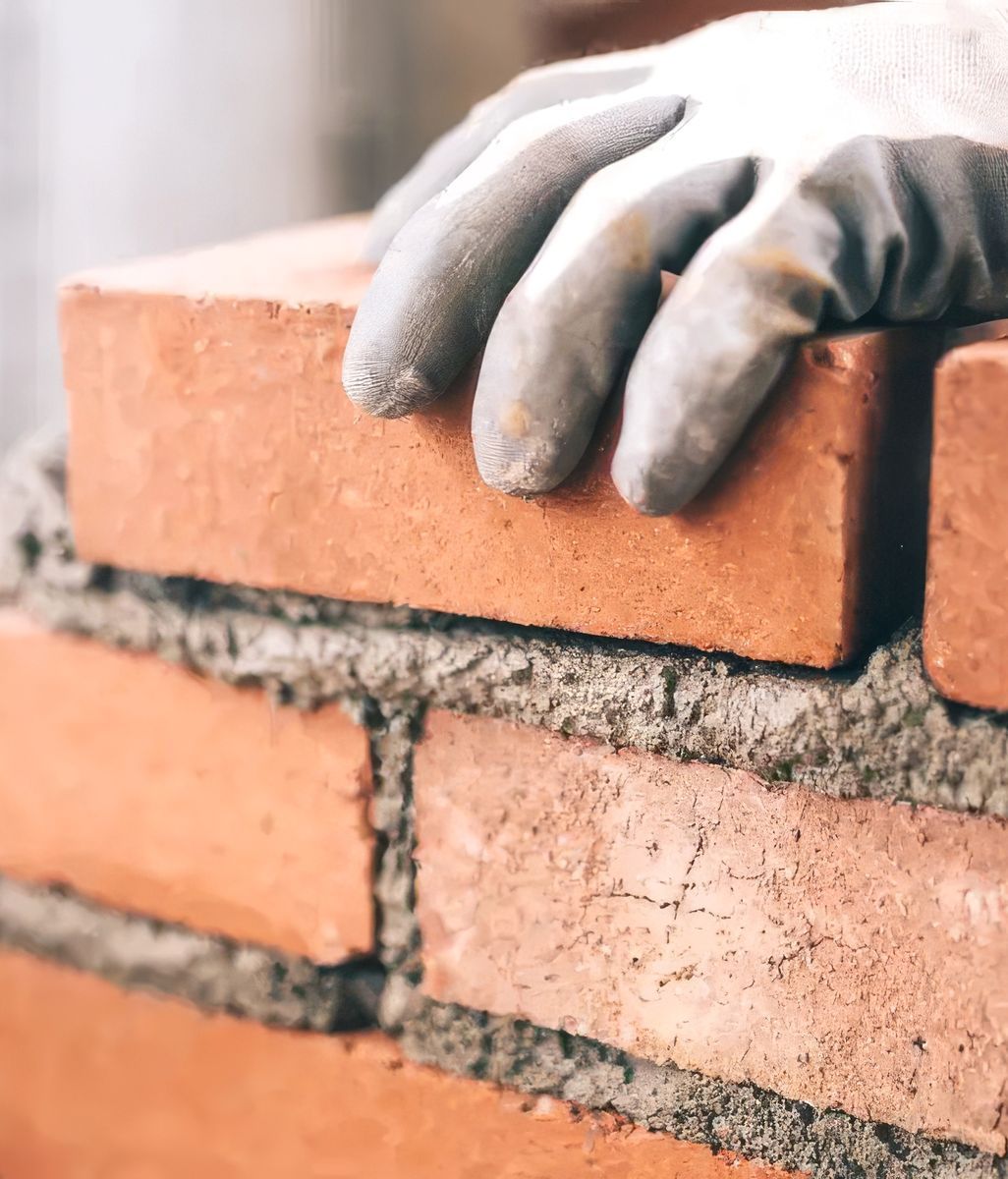
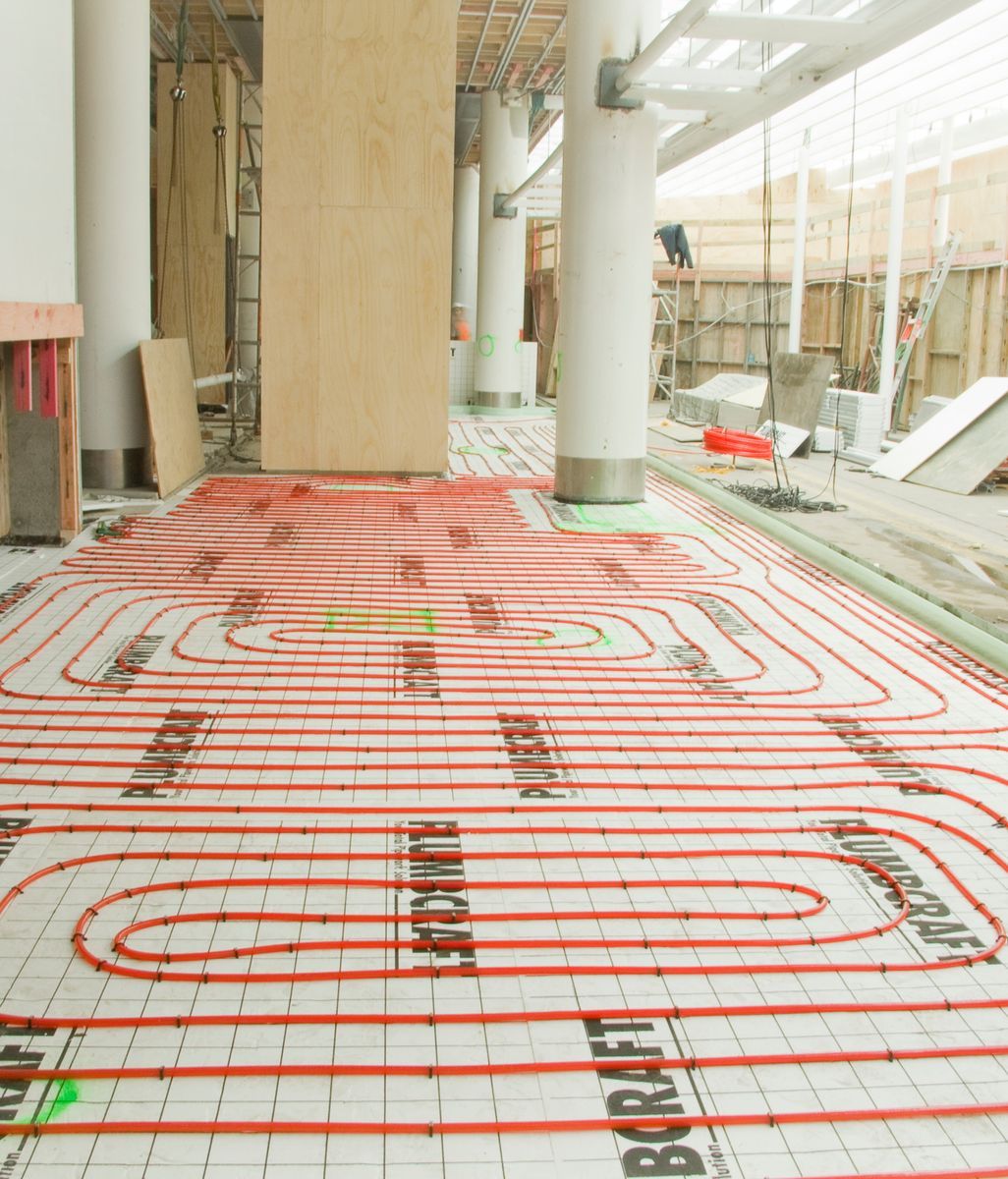
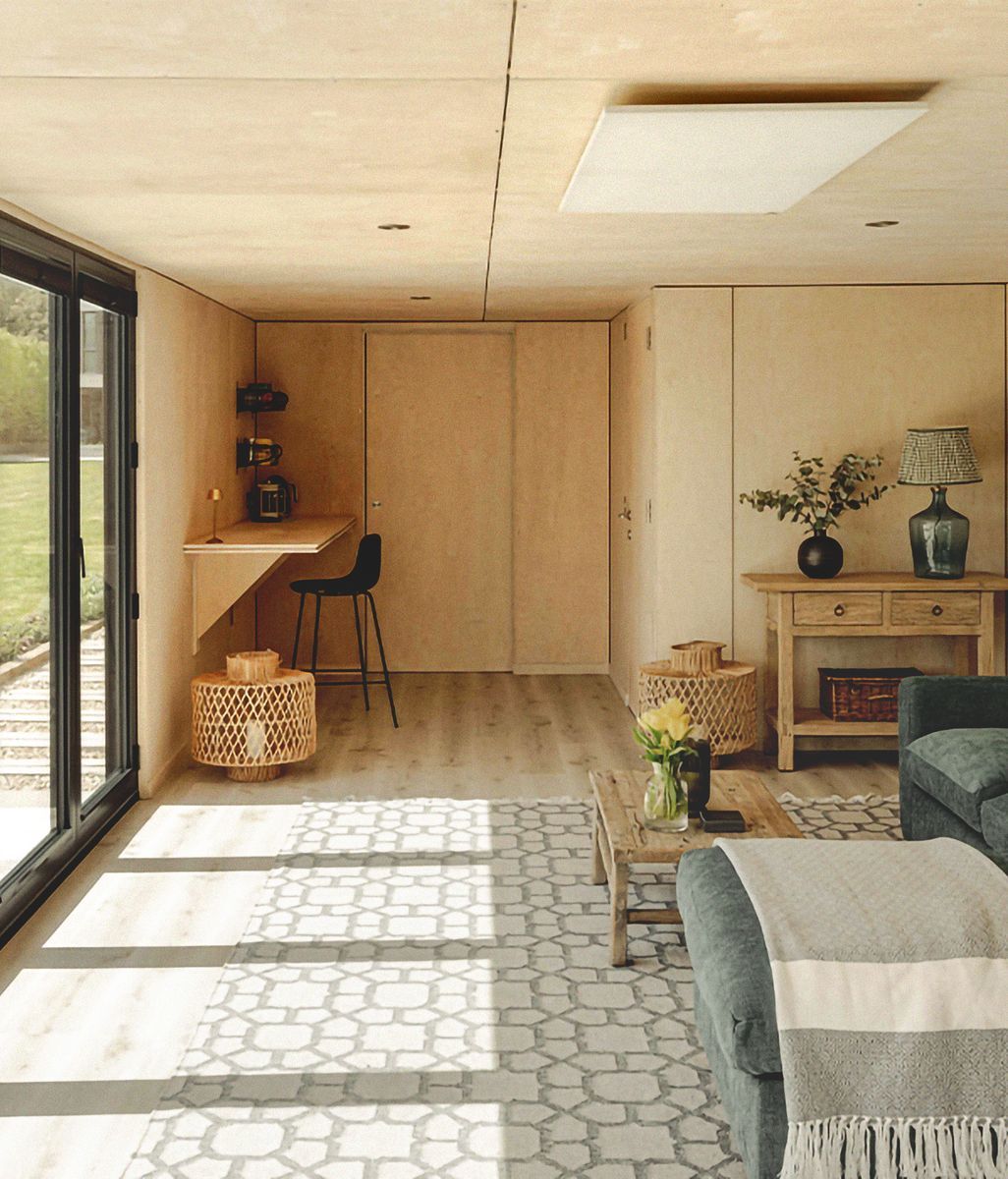
Concrete slabs, masonry and other high-mass materials have the ability to absorb heat during the day and release it slowly as temperatures drop. This process, known as thermal mass, can help smooth out temperature fluctuations and reduce the demand on heating systems.
A polished concrete floor, for example, can act like a thermal battery when exposed to winter sunlight. Throughout the day it stores heat energy, then gradually releases that warmth back into the home during the evening.
However, thermal mass only performs well when paired with good passive design principles. Without appropriate solar access, shading and insulation, its benefits can be significantly reduced.
This is why material selection should never happen in isolation. The best-performing projects consider how every material contributes to the overall performance of the building.
5. Add renewable energy once the fundamentals are right
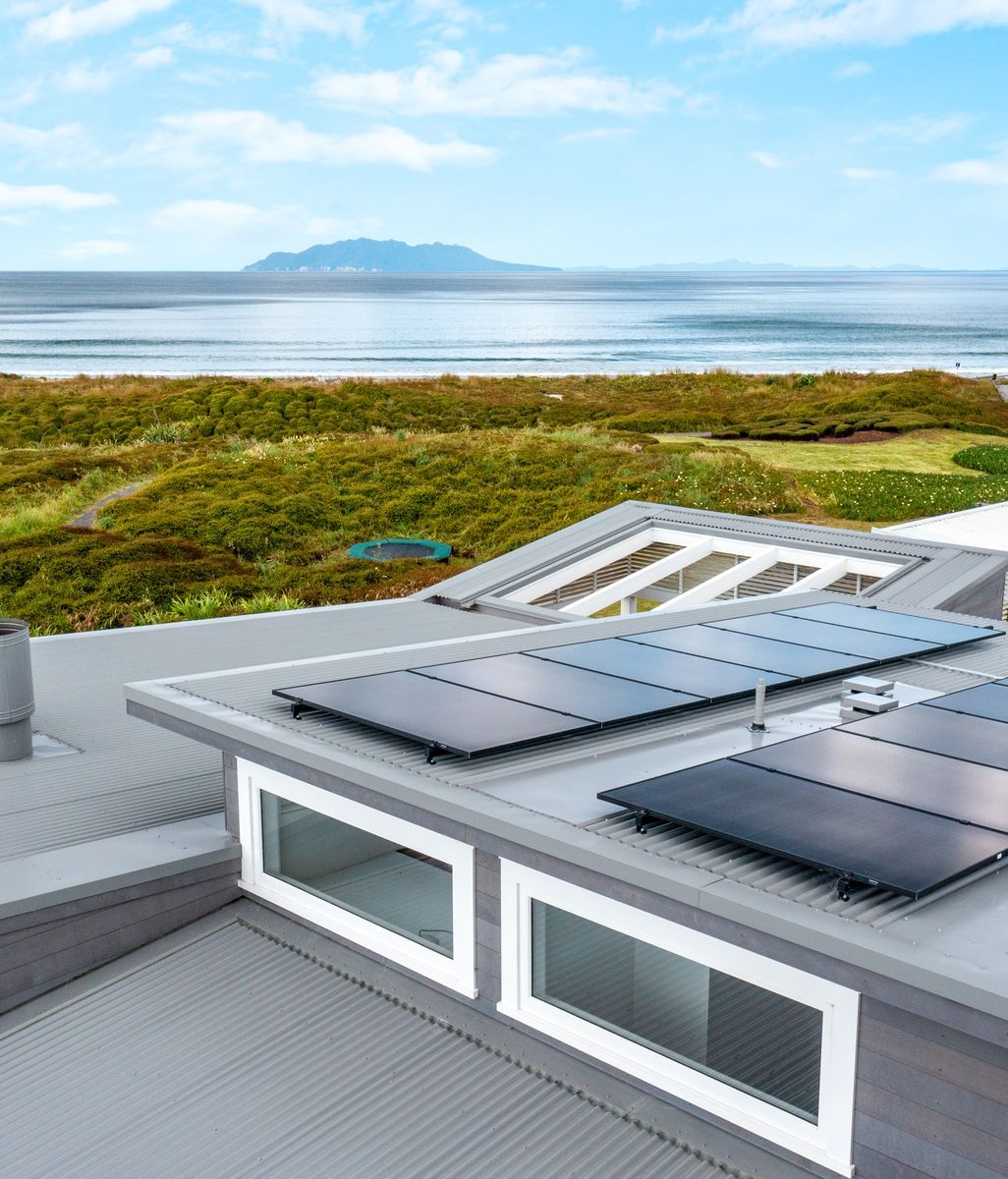
Solar panels can be an excellent investment, but they are often most effective when viewed as the final layer of an energy-efficient design strategy rather than the starting point.
A home that has been carefully designed for passive performance will naturally consume less energy. This means any renewable energy system installed later can have a greater impact on reducing operating costs.
Roof design, pitch and orientation should also be considered early in the design process to ensure future solar opportunities are maximised.
In many cases, the most successful projects combine passive design principles with renewable energy technologies, creating homes that are not only comfortable and efficient today but prepared for the future as well.

Good design delivers returns for decades
Energy-efficient design isn't about chasing the latest technology or adding expensive upgrades after construction. It's about making smart decisions from the very beginning.
When orientation, layout, airtightness, material selection and thermal performance are considered together, the result is a home that works with its environment rather than against it.
The benefits are felt every day through lower power bills, improved comfort and a home that continues to perform long after the build is complete.
Of course, achieving this level of performance requires more than simply selecting the right products. It relies on bringing together the right professionals, materials and expertise from the outset. The most successful projects are those where architects, designers, builders and suppliers collaborate around a shared vision for how a home will perform over time.
That's where platforms like ArchiPro are helping to reshape the building journey. Building and renovating should be exciting, not exhausting. By bringing together New Zealand's leading projects, products and professionals in one place, homeowners and industry professionals alike can move from inspiration to action with greater confidence.