Material Creative’s evolution from handcrafted cafés to emotionally driven interiors
Written by
25 June 2026
•
5 min read
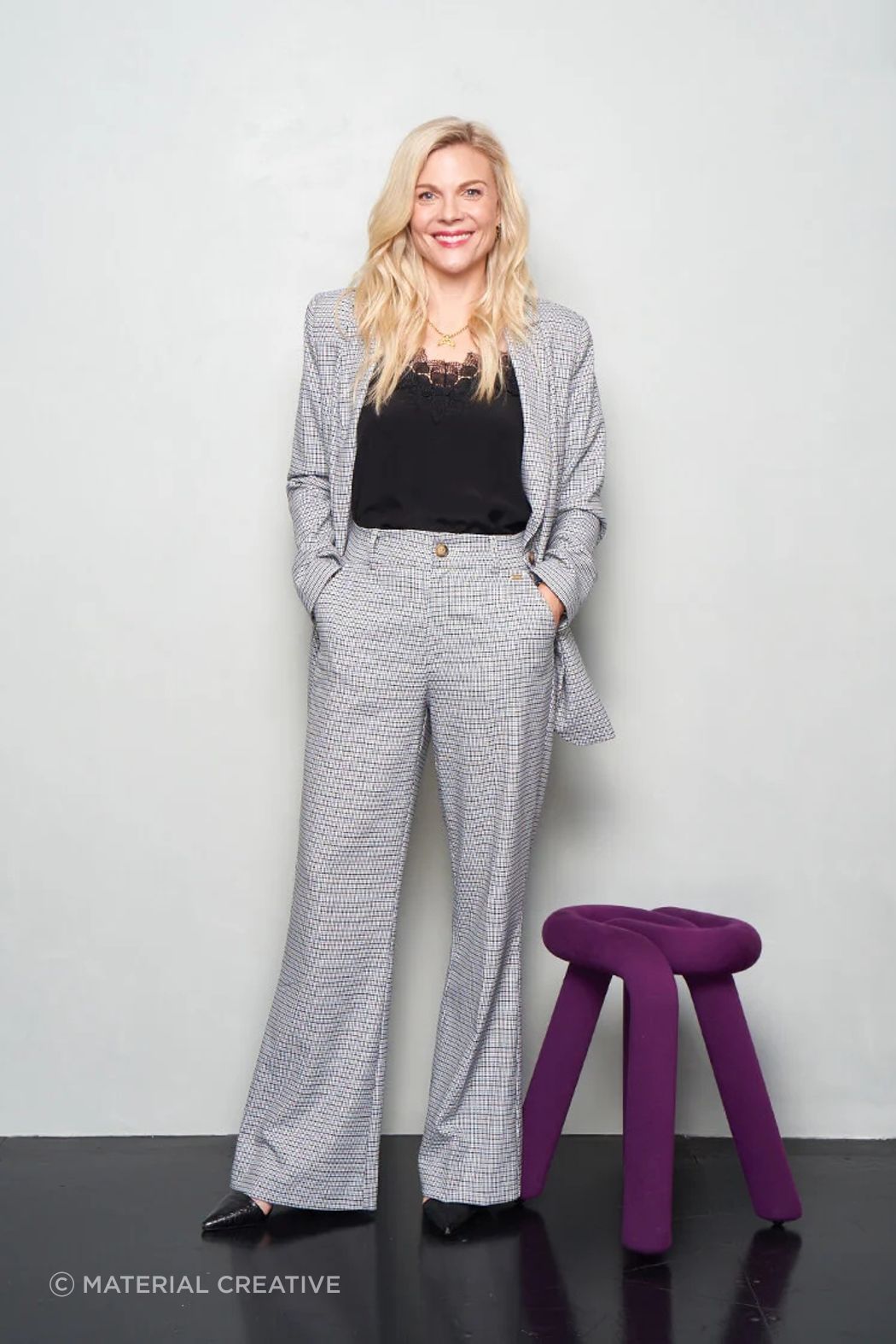
When Material Creative founders Liv Patience and Toni Brandso first discussed starting a design studio together, they were not in Auckland boardrooms or industry events. They were snowboarding in France.
“We met at university and then went snowboarding in France and talked about starting the studio together on the ski slopes,” Liv recalls. “When we came back, it was the GFC and the recession was in full force.”
It was hardly ideal timing to launch a creative business. Hospitality budgets were tight, construction had slowed dramatically and established studios dominated the market. But for young designers willing to improvise, experiment and make things by hand, there was also opportunity.
“At that point, people didn’t really have budgets, but they were willing to give the little guy a go,” Liv says.
That spirit would shape the identity of Material Creative for years to come.
Founded initially as Material Design in 2009, the studio emerged during a period where handcrafted interiors, salvaged furniture and DIY detailing were beginning to influence hospitality design globally. Liv and Toni had recently travelled through Portland, where handmade lighting, vintage furniture and highly personal café interiors were becoming part of a new creative language.
“Everything was handcrafted. People were stripping furniture in garages, making things themselves, using secondhand pieces. It was this really folky, creative time,” says Liv. “But no one was really doing that in New Zealand yet.”
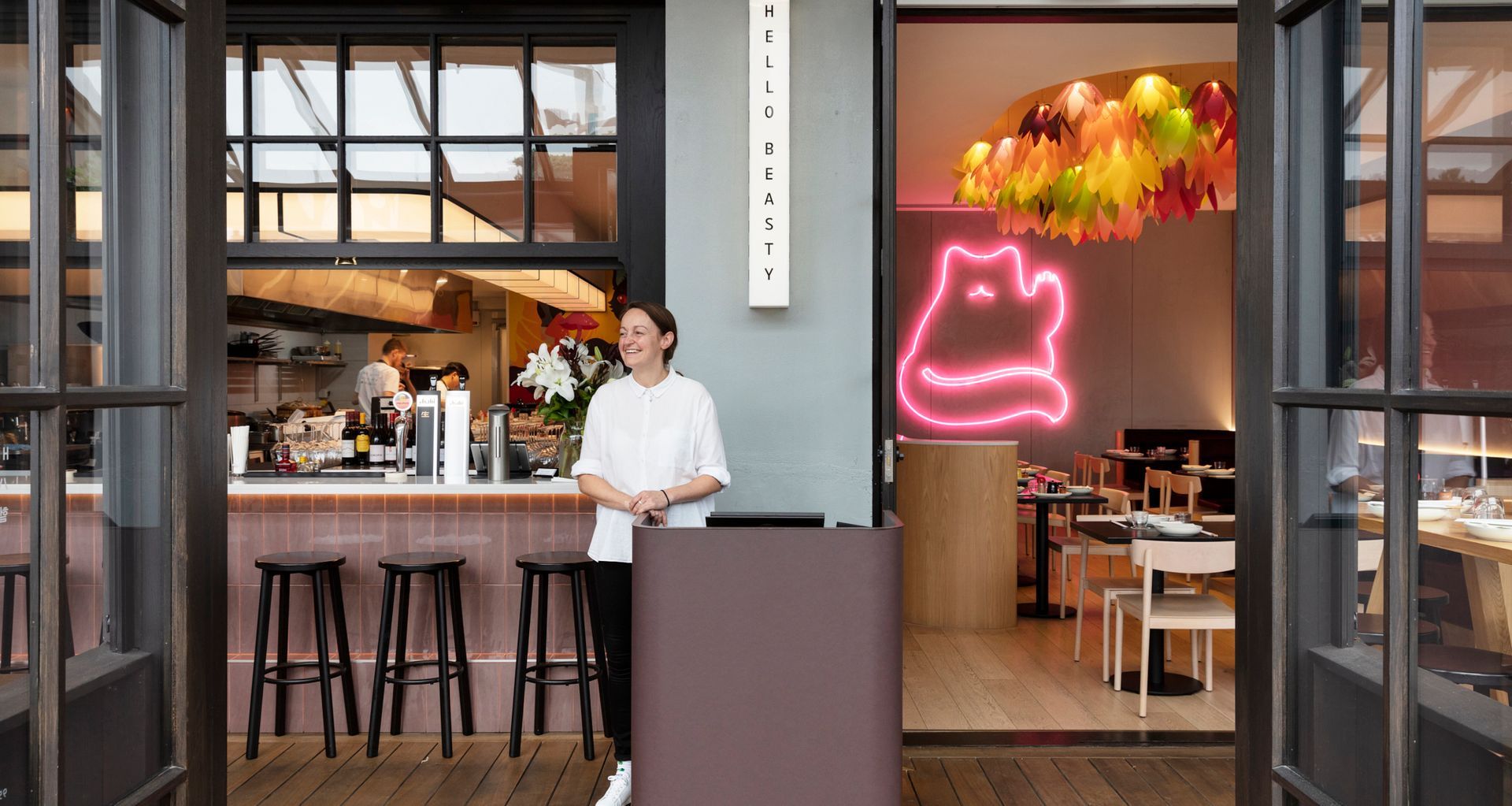
Their early projects reflected exactly that approach. The studio’s first major hospitality project, Little Nuffield Café in Newmarket, became something of a breakthrough. Small in scale but rich in personality, the project quickly attracted industry attention, earning shortlist recognition at both the Interior Awards and Best Awards.
“That was such a thrill,” Liv says. “I’ll never forget how shocked and stoked we were to be shortlisted.”
The recognition helped position Material Creative within Auckland’s growing hospitality scene. Cafés led to restaurants, restaurants led to bars, and eventually larger commercial projects followed, including hotels, retail environments and hospitality spaces across the country.
“We kind of became known as the café girls,” Liv says. “We loved doing cafés, but we didn’t want to only do cafés.”
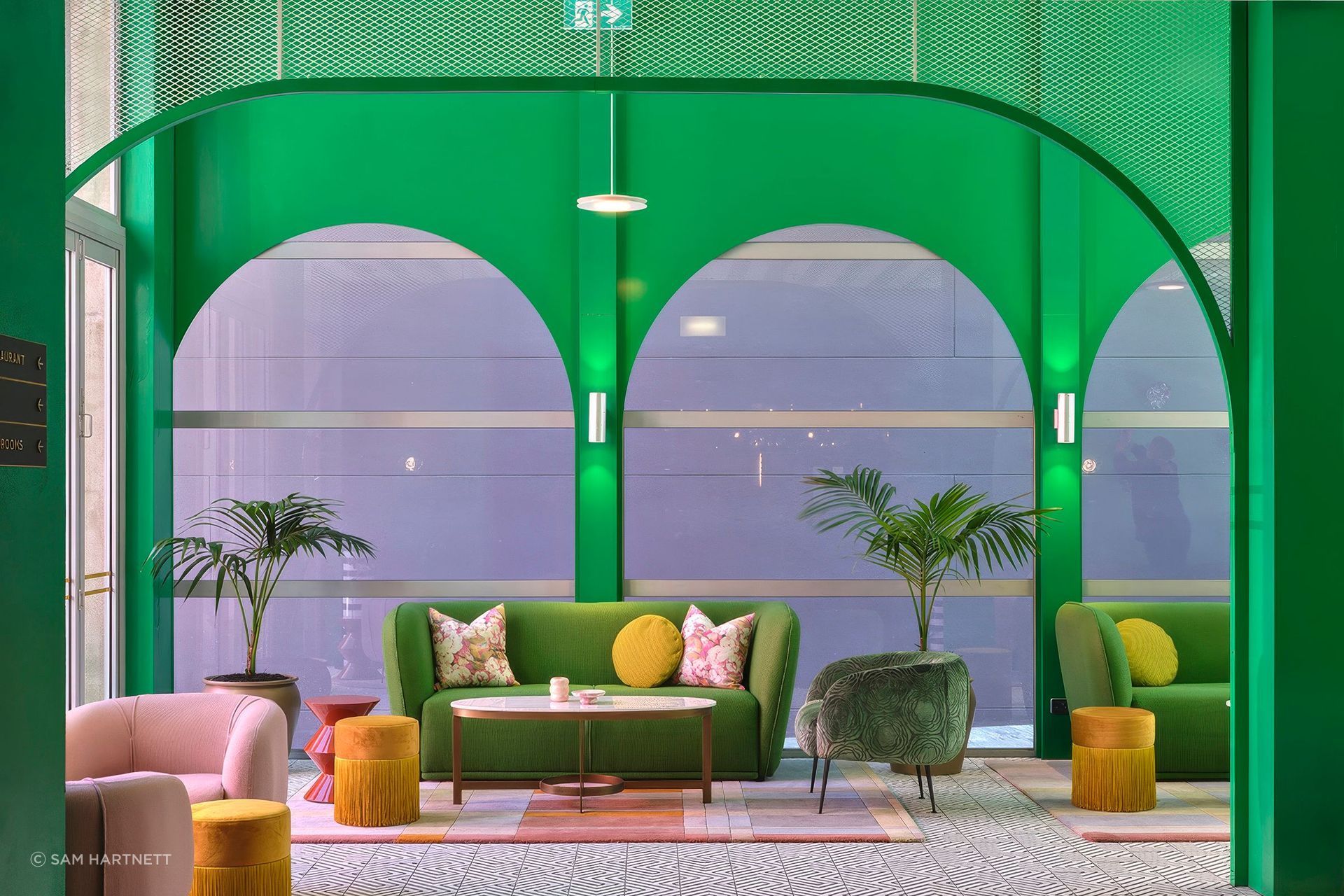
A turning point came when an overseas hotel client discovered the studio through award listings online and approached them for a hospitality project. That opportunity opened the door to larger-scale work, including projects for Naumi Hotels in Auckland, Wellington and Queenstown.
“The client at Naumi really pushed us,” Liv says. “It was a real fine line between chic and garish with the amount of colour and bling, but we learned so much through that process.”
More importantly, the hospitality sector taught the studio how interiors shape emotional experience.
“We learned so much about people and bringing people together,” she says. “Hospitality spaces can really affect the psyche and how people relate to one another over food or while travelling.”
That understanding now sits at the centre of Material Creative’s approach, even as the studio has evolved into high-end residential design.
Like many design practices heavily tied to hospitality, the pandemic forced Material Creative into an abrupt recalibration. Liv estimates the studio lost almost 90 per cent of its work overnight when Covid-19 disrupted restaurants, cafés and hotels across the country.
“It was a huge turning point for us,” she says. “Hospitality was affected so drastically and we realised we had all our eggs in one commercial basket.”
The transition into residential work was intentional, but not seamless. The studio had completed homes previously, mostly for commercial clients, but shifting into residential interiors required an entirely different mindset.
“We found it really challenging, but also really fascinating,” Liv says. “Residential is completely different to commercial design.”
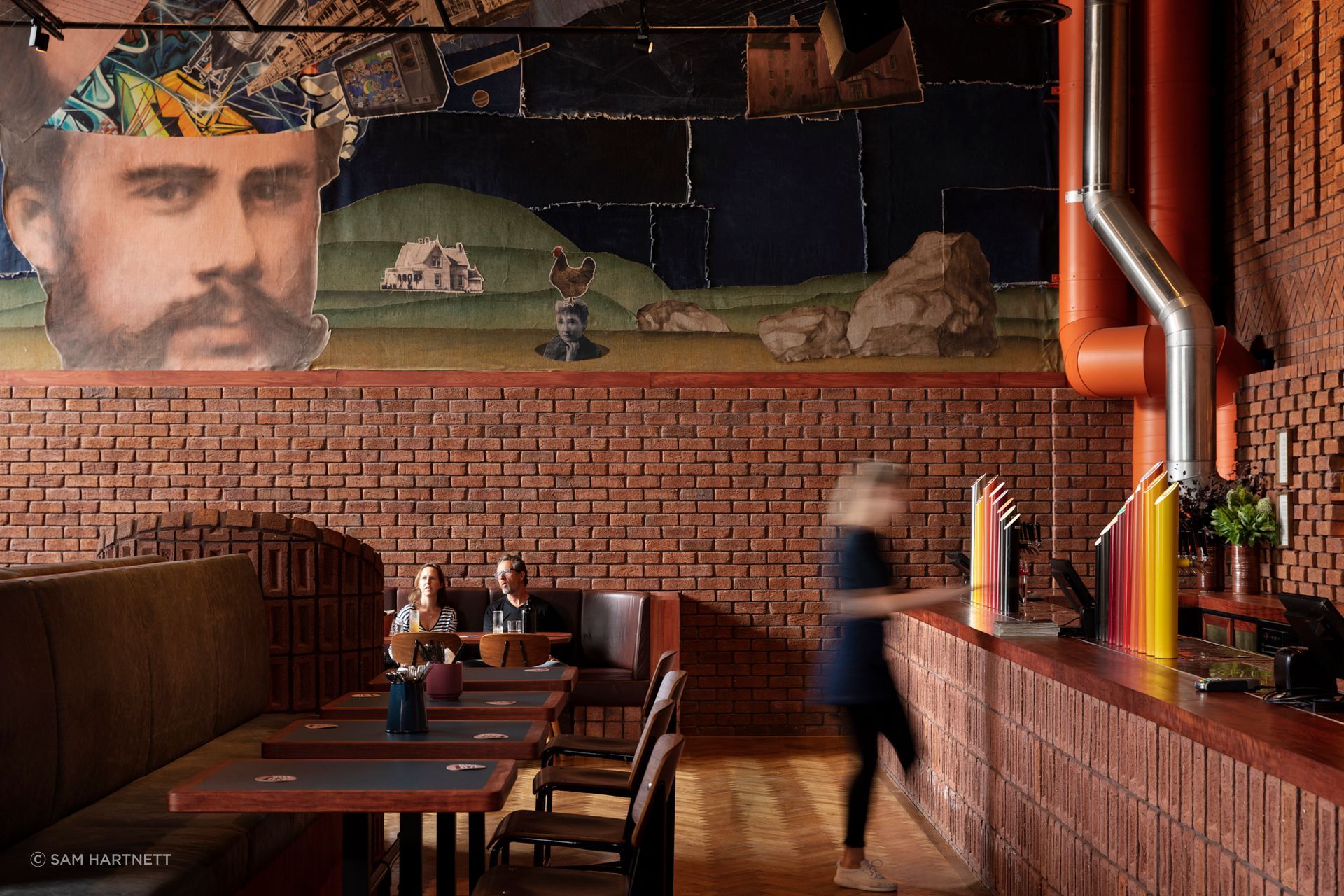
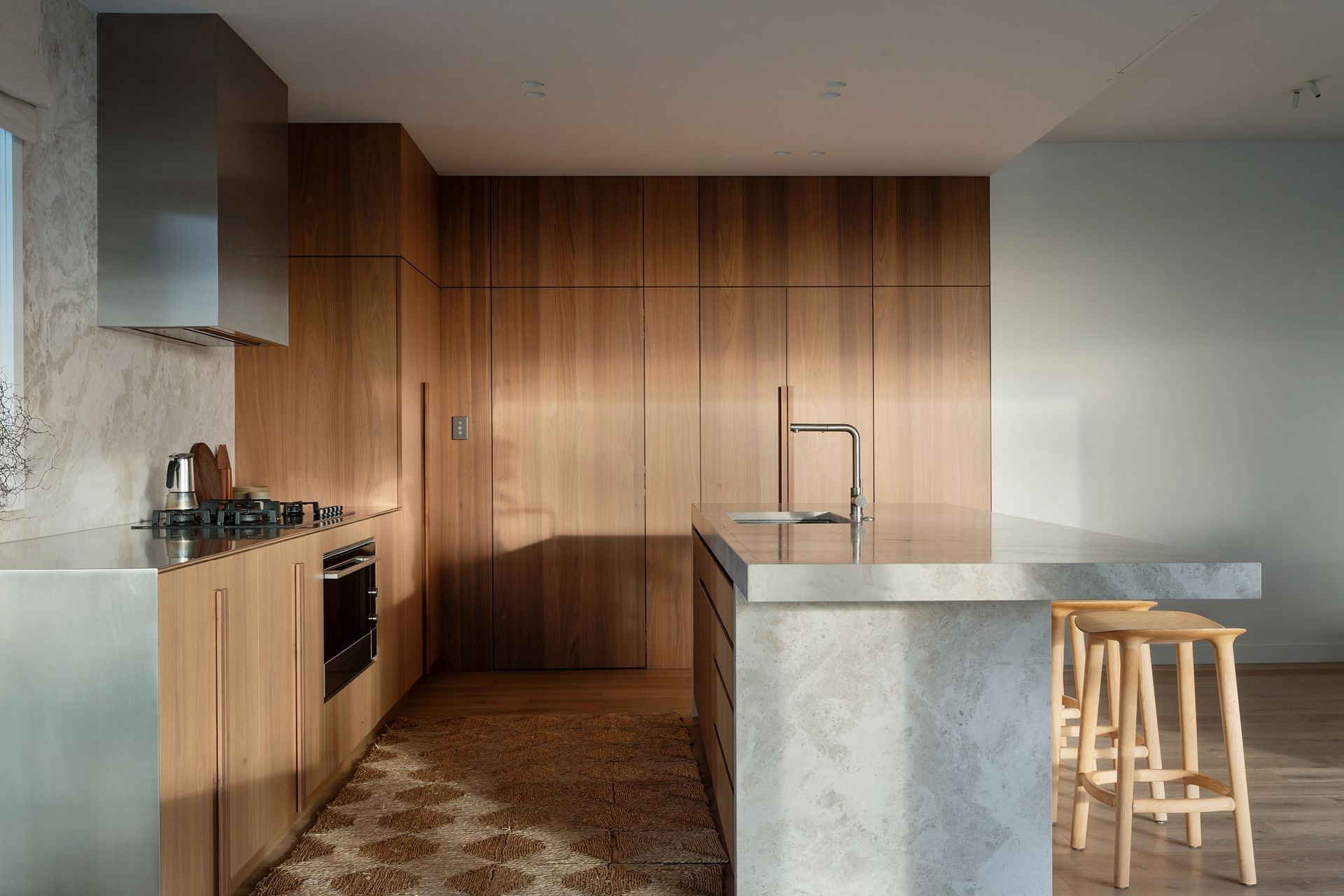
Suddenly, there were softer materials to consider, more personal rituals to understand and a much greater intimacy between people and space. The technical details of curtains, upholstery and soft furnishings became unexpectedly complex.
“You think as a commercial interior designer you can easily do curtains and cushions,” Liv says. “But they’re actually incredibly technical and specific. It felt like a whole new world.”
At the same time, the shift revealed an unexpected strength within the practice. Material Creative’s hospitality background translated naturally into residential environments focused on atmosphere, comfort and sensory experience.
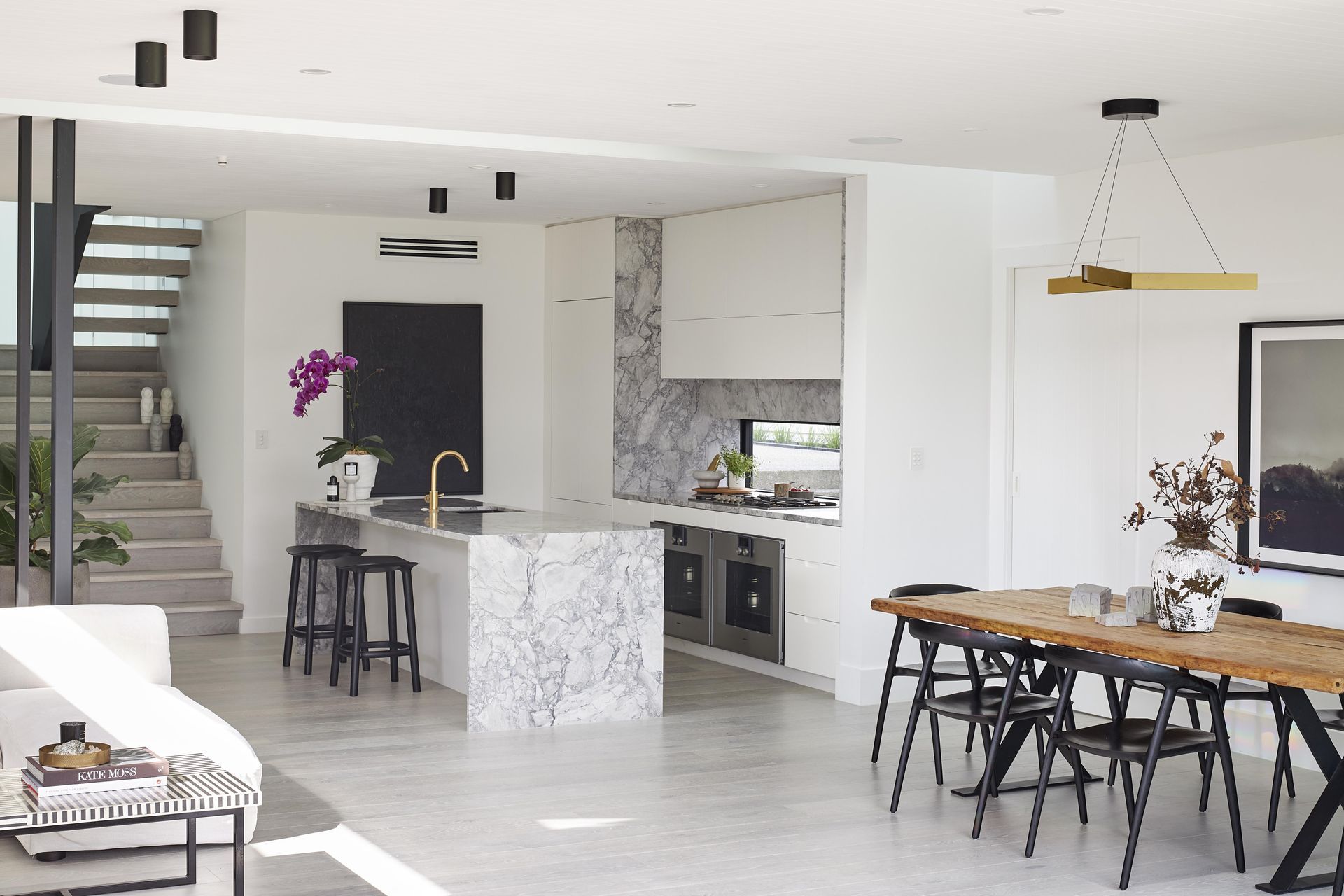
“A lot of our residential clients have come to us because of our hospitality background,” Liv explains. “We’re creating experiences within the home that feel like a hotel or hospitality space.”
That philosophy extends beyond aesthetics. For Liv, successful interiors are ultimately about how spaces support the realities of daily life.
“We focus a lot on how a space feels and on all the senses,” she says. “This isn’t just about looking good. Someone is actually living here and using this space every day.”
Whether designing a restaurant or a family home, the practice approaches interiors through the lens of human behaviour. Lighting, acoustics, circulation and comfort all contribute to the emotional rhythm of a space.
“When someone walks into a room, it should just feel good,” Liv says. “You shouldn’t have to think about it. You should just be able to enjoy being there.”
Eighteen years after that conversation on the ski slopes, Material Creative remains deliberately adaptable. The studio has expanded and contracted over time, navigating recessions, industry shifts and changing sectors while remaining intentionally small and collaborative.
“We’ve stopped trying to predict the future,” Liv says with a laugh. “We’re just really grateful to still be here.”
That sense of perspective feels deeply embedded within the practice now. In an industry that has experienced enormous instability in recent years, there is something refreshing about a studio willing to evolve without losing sight of its original creative instincts.
Perhaps that adaptability is also what has sustained Liv and Toni’s long-running partnership.
“We just get each other,” Liv says. “We respect each other, we have each other’s backs, and we’re happy to be doing this together.”