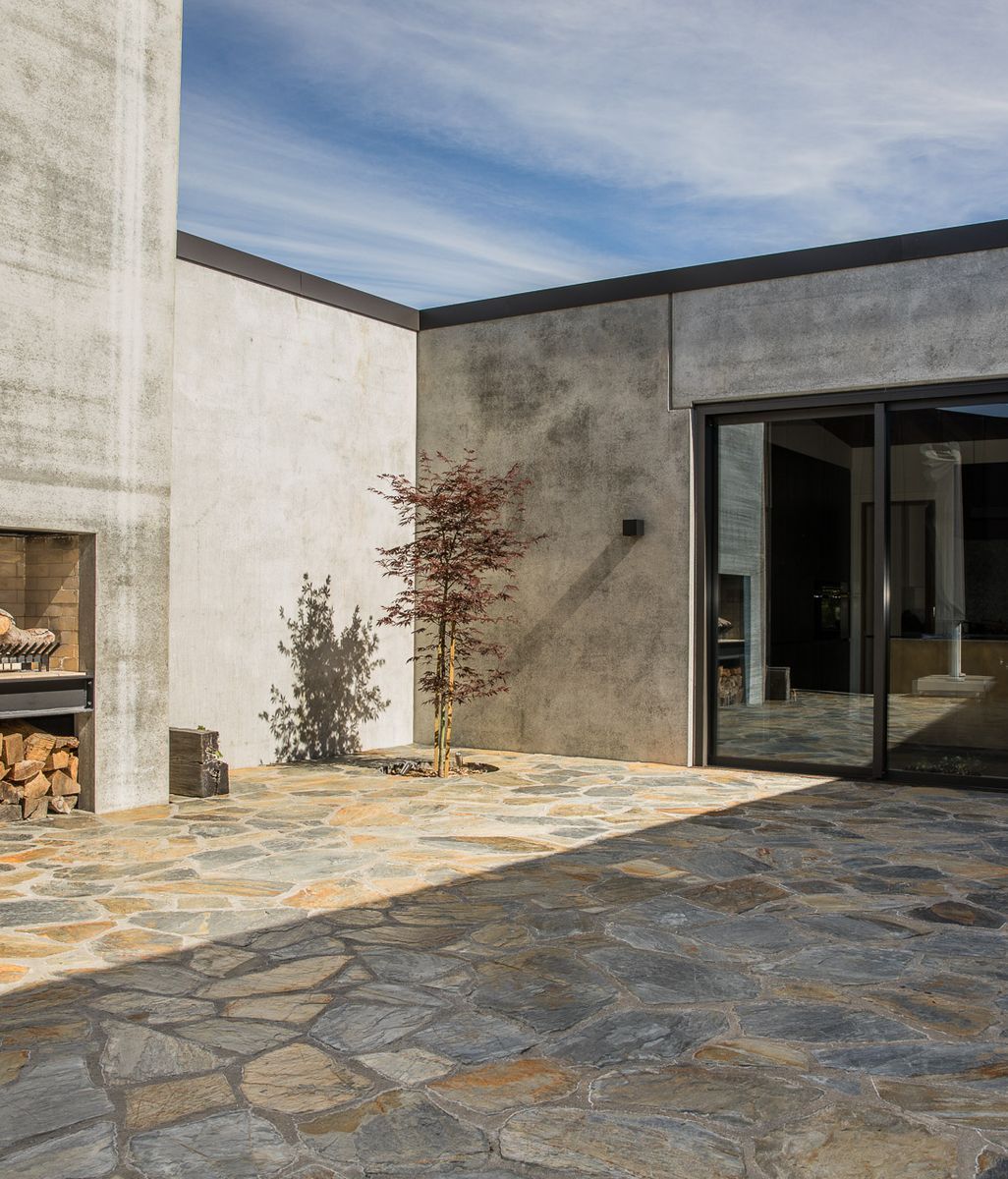
More than a surface: Why early material selection matters

Written by

08 July 2026

 • 

3 min read

banner
For the founders of Natural Stone Imports, helping architects, designers and homeowners make informed material choices early in the design process has been at the heart of the business since day one.

Materials should be selected with more than practicality in mind. It’s about the way they interact with light. The way they feel. The way they change the experience of a space. Choosing the right materials shouldn’t be an afterthought.

When it comes to stone, there are seemingly endless possibilities. While engineered options have a place in certain projects, the authenticity of natural stone is something rarely replicated. 

“Natural stone is often seen as a more luxurious option because of its inherent variations in colour, veining and texture,” says Natural Stone Imports’ Marnie Dobson. “These characteristics create depth and individuality that man-made products simply cannot.”
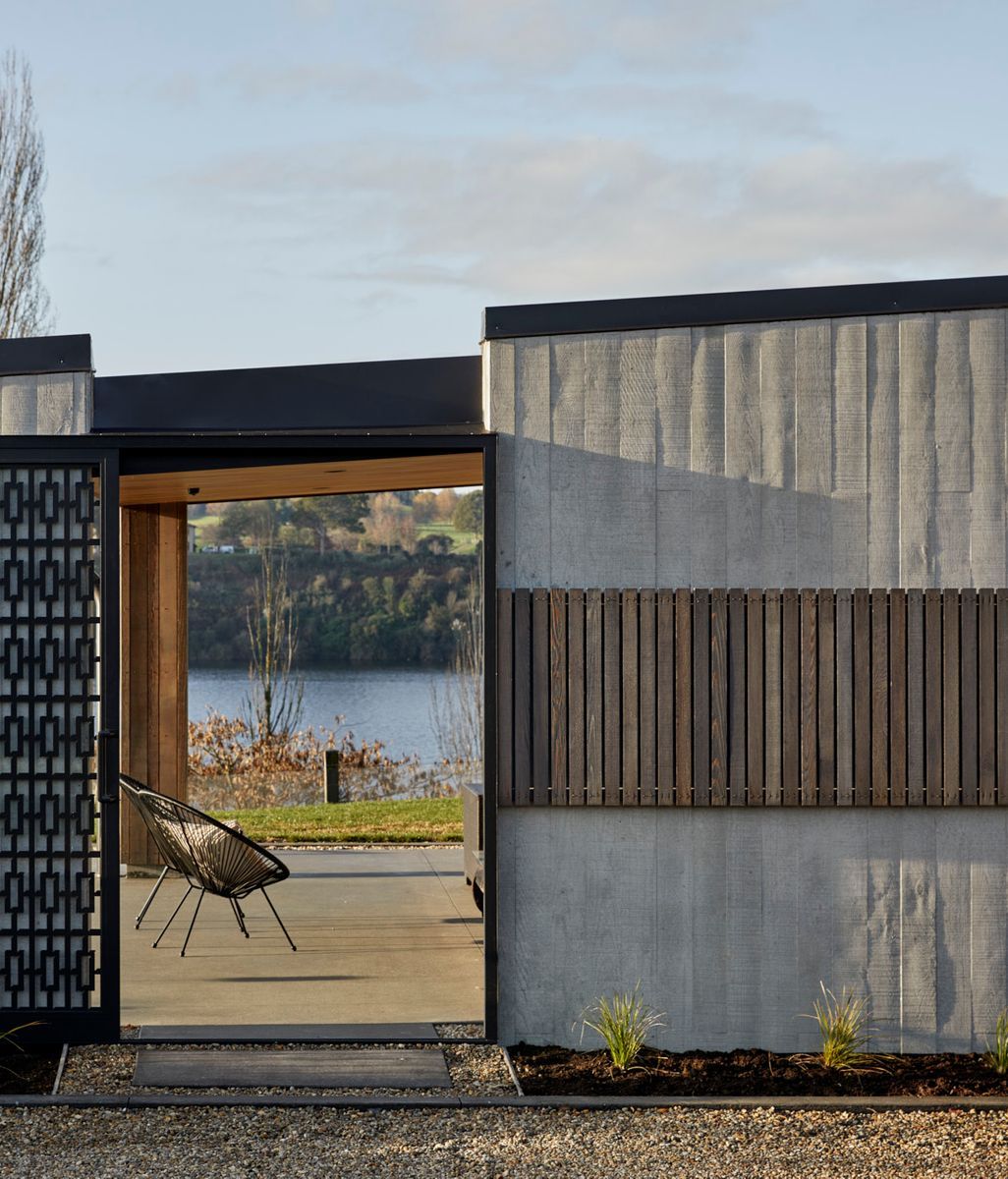
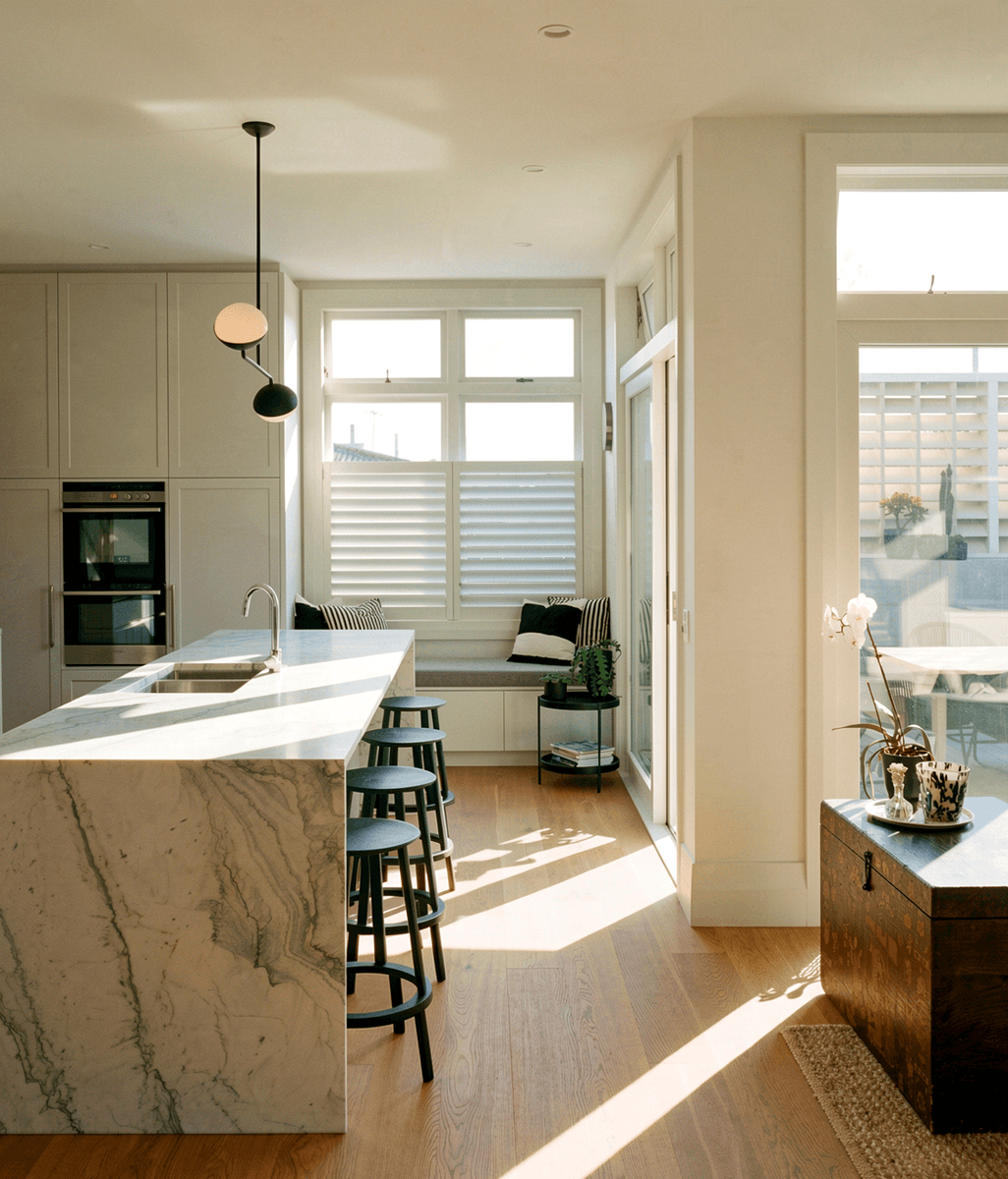
A look through Taupō-based Natural Stone Imports’ repertoire and it’s clear that every piece of stone tells a story. For those seeking quality and timelessness rather than chasing trends, it’s a powerful drawcard. 

When Marnie and husband Mike returned home to New Zealand after operating a landscaping business in Melbourne, they noticed a gap for these beautiful products at a reasonable price point. With vast knowledge of natural stone products and installation processes, they set about sourcing and gathering various types of stone, including quartzite, granite, travertine and limestone. Porcelain has also more recently joined their range.

white-quartzite-dropface-coping-w-paving8.jpg

Natural stone or porcelain: The difference between the two

Both of these options can achieve exceptional design outcomes. Where natural stone’s strength lies in its character and organic variation, porcelain delivers consistency and precision – each with its place in modern home and landscaping projects.

“The decision generally starts with the look the client is trying to achieve,” says Marnie. “If a client wants every piece of paving to be completely uniform, porcelain is often the preferred choice.”

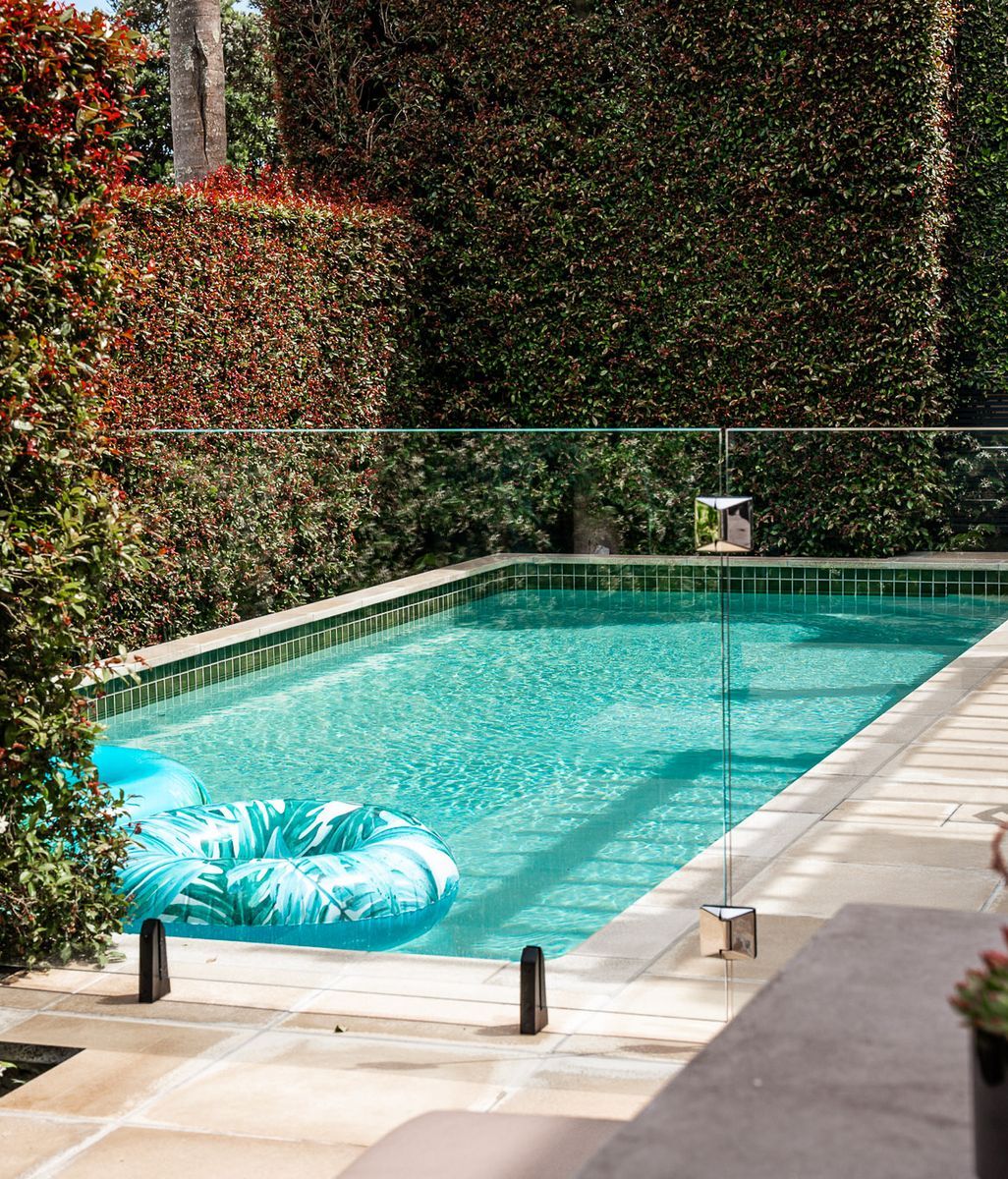
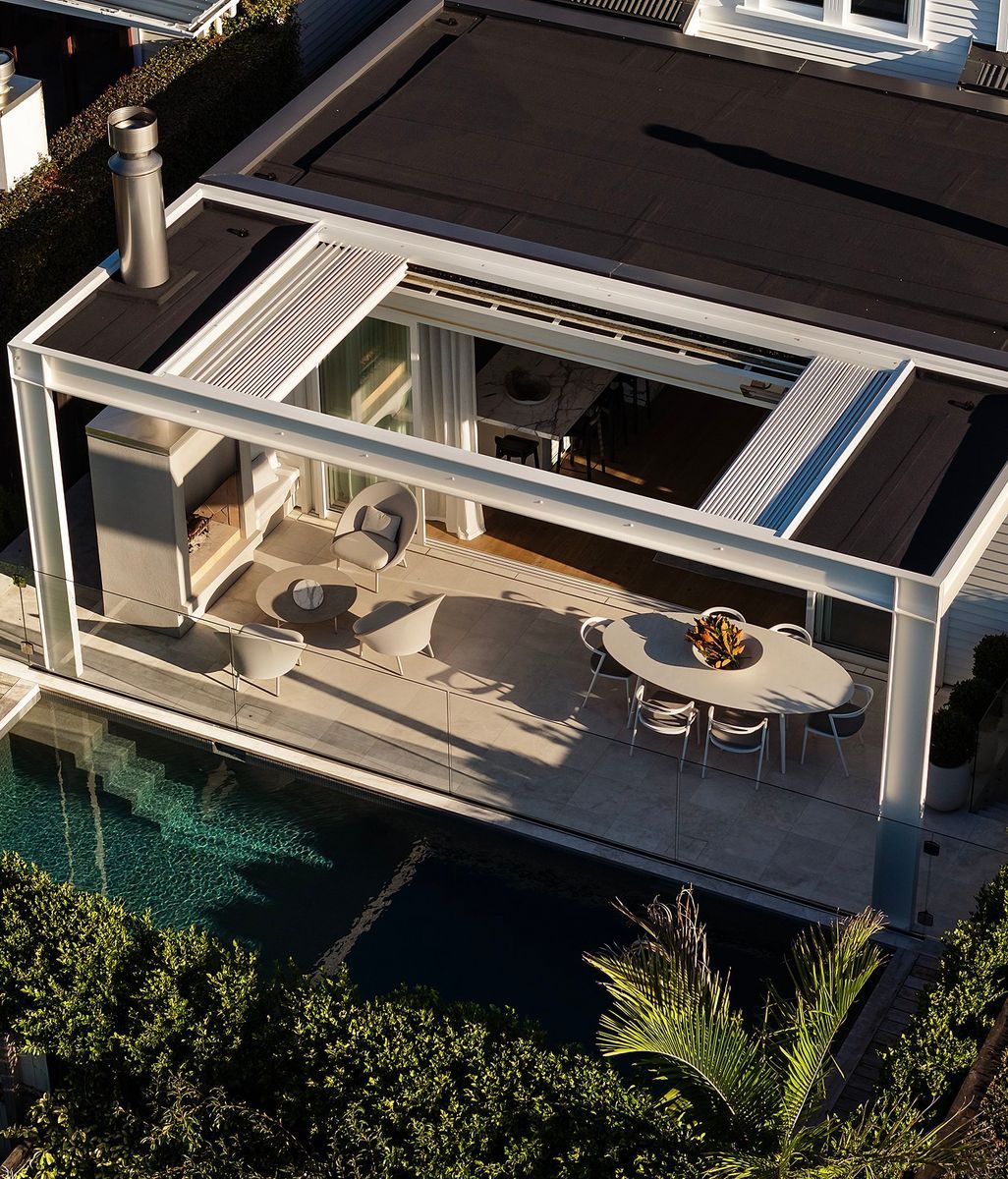
From pool surrounds and outdoor paving to interior flooring, walls and feature elements, both are equally suitable. However, porcelain can offer advantages in certain scenarios. 

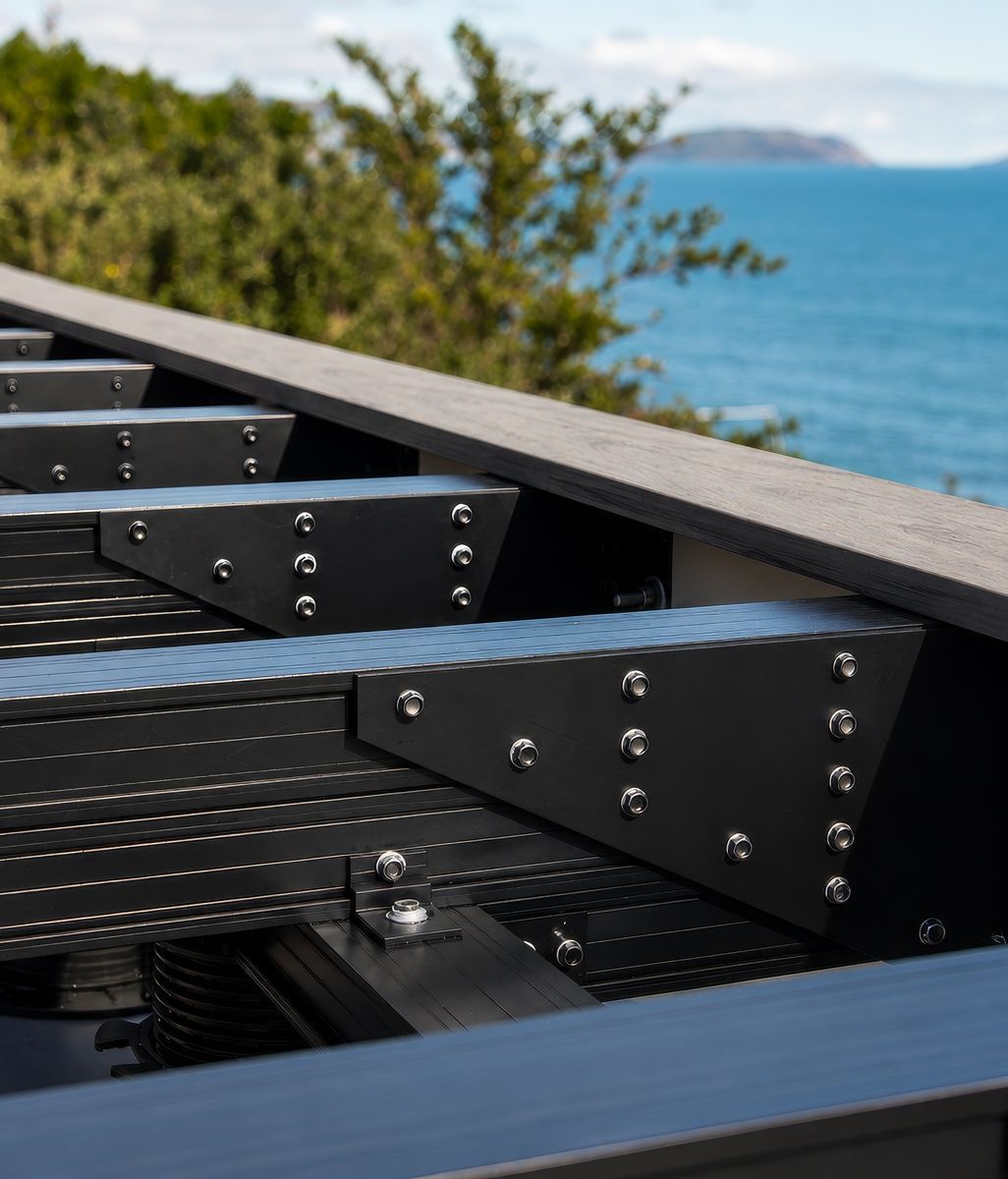
“Porcelain performs particularly well when deck jack systems are required. If there isn’t a solid base underneath, some clients prefer porcelain because it eliminates concerns around natural variations or potential hairline movement over time.”

IMG4533.jpg

A shift seen since Natural Stone Imports began in 2016 is the understanding and involvement of clients. 

“When we first started, many customers weren’t fully aware of the possibilities available with natural stone. New Zealand was very concrete-focused at the time,” says Marnie.

Today, social media, online inspiration platforms and global design exposure have transformed how clients approach material selection. “Clients often come to us with specific reference images and a clear vision of the look they're trying to achieve. They have already done a significant amount of research before making contact.”

Classic-Travertine-Tumbled-French-Path-1.jpg
Seagrass-LimtestoneFlamed-Brushed2jpeg.jpg

What specifiers should prioritise

Beyond aesthetics, there are key considerations homeowners and specifiers need to understand. 

  • Maintenance requirements: While most natural stone products are fairly low maintenance, it should be a consideration in terms of ease of cleaning and resistance to general household chemicals.
  • The environment: When selecting outdoor paving or pool coping, consider whether it will be exposed to direct sunlight. If it is, select a lighter colour that remains cooler underfoot.
  • Availability and timing: Material lead times and supply can impact project timelines if they are outside of our regularly stocked products.

Early engagement allows each of these to be considered. “We don’t just supply stone. We can help ensure the selected material aligns with the project’s design intent, performance requirements, budget and installation considerations,” says Marnie. “Having these conversations early in the process often saves time, reduces costs and leads to a better overall outcome for the client.”