Reuben O’Neill on crafting rituals and connection through outdoor bathing
Written by
09 July 2026
•
4 min read
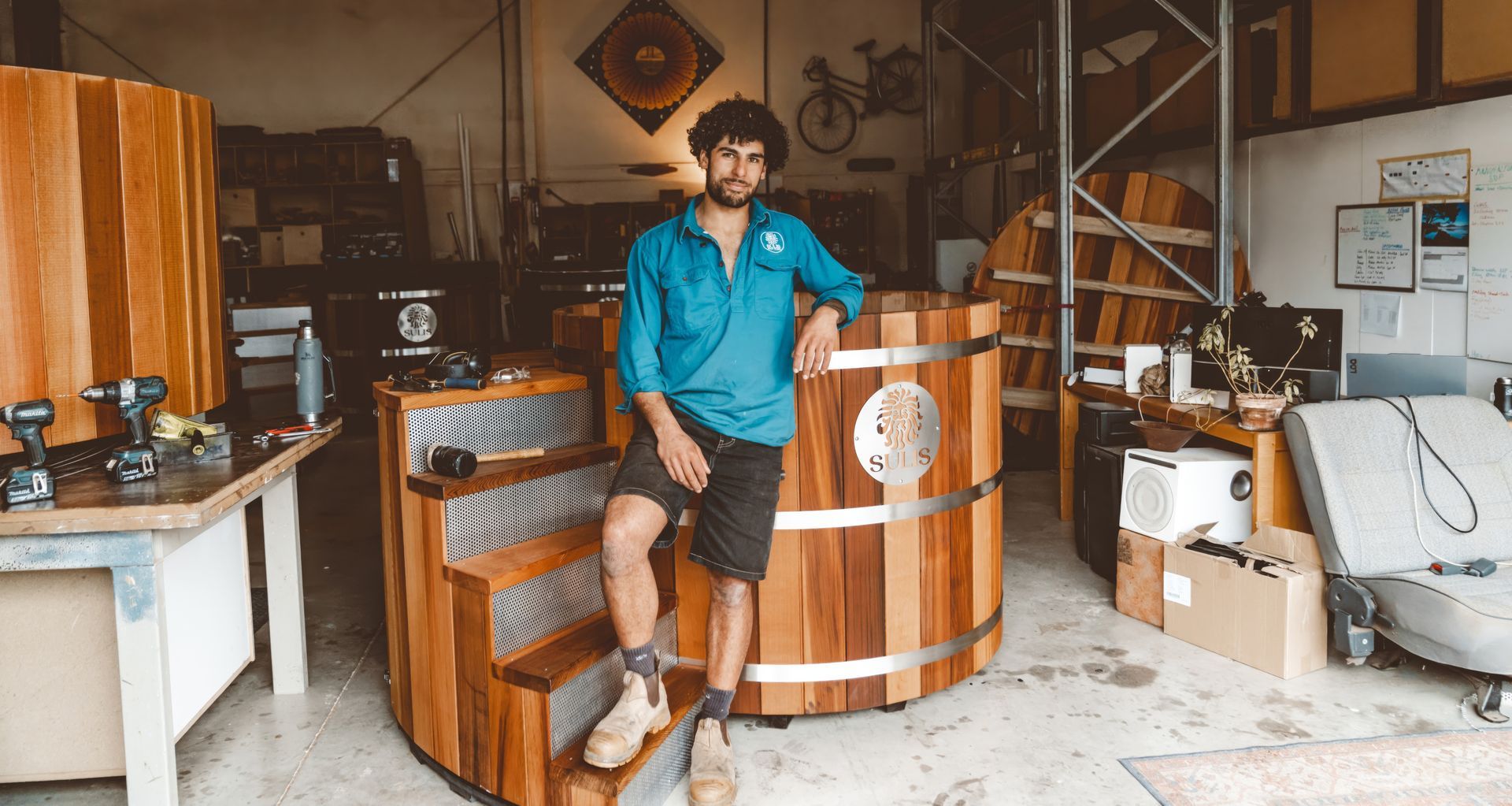
In a workshop in Whangamatā, raw timber is carefully transformed and intricately pieced together by hand to create outdoor cedar hot tubs. But it’s always been about more than that for Reuben O’Neill.
In many ways, the ritual starts with the selection of materials, the precision of each join and the consideration of every design. What experience should be created for those using it? How will it sit within the landscape?
Creating an experience for people is what drew Reuben to his craft. Fresh out of high school, he originally found himself working as a building apprentice in Christchurch, but it never quite felt right.
“I was building houses for 40 hours a week, and just not really feeling inspired by it. I had too many of my own ideas.”
That urge to create something more turned into furniture making, crafting large timber dining tables in his spare time. “They felt to me like the centrepiece of the home. It’s where the family sits in the morning and in the evening, where they chat about the day, connect and share food.”
Then one day, he came across a photograph of a wooden hot tub.
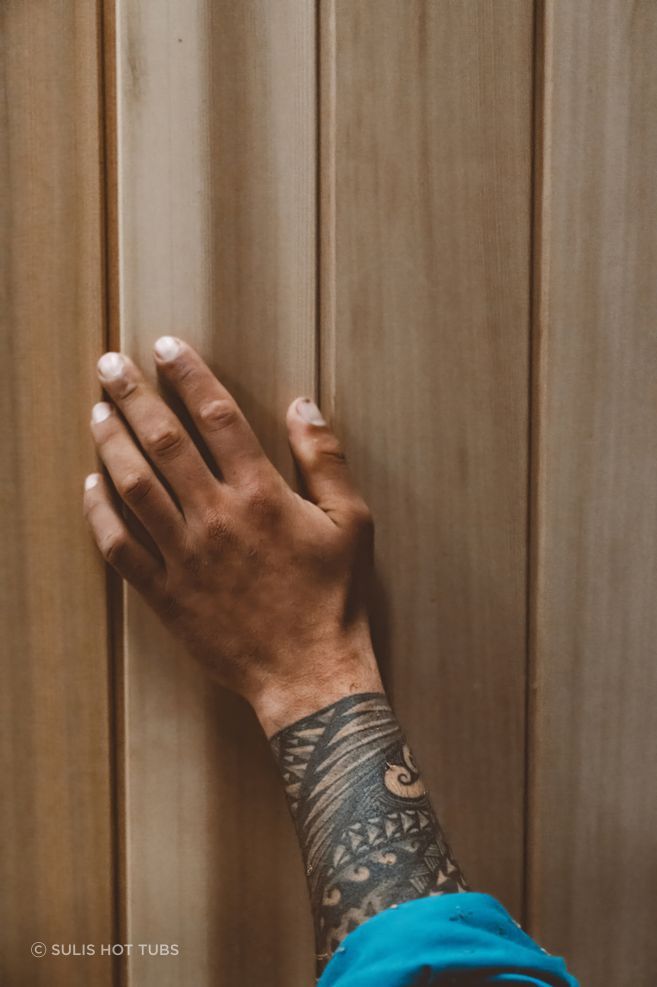
Without training and specific knowledge of how to make one, eight months of experimentation followed. Through the process of trial and error, Reuben eventually completed his first hot tub and sold it online, with the proceeds funding the materials for the next build.
“I was initially just intrigued by the look and the construction of them. But then, after I built the first one or two, I realised what they actually were. It felt very similar to the dining room table: a space for people.”
Since building that first hot tub in 2020, Reuben has expanded his team and workshop, but this same idea is at the heart of the business.
“Really, it boils down to connection. Connection to ourselves and connection to nature. We see the hot tub as the vessel for that,” says Reuben. “It’s a space or a symbol in your home that represents being in the water, being outside under the stars, not having your phone, connecting with family and friends, and having space just to think and be.”
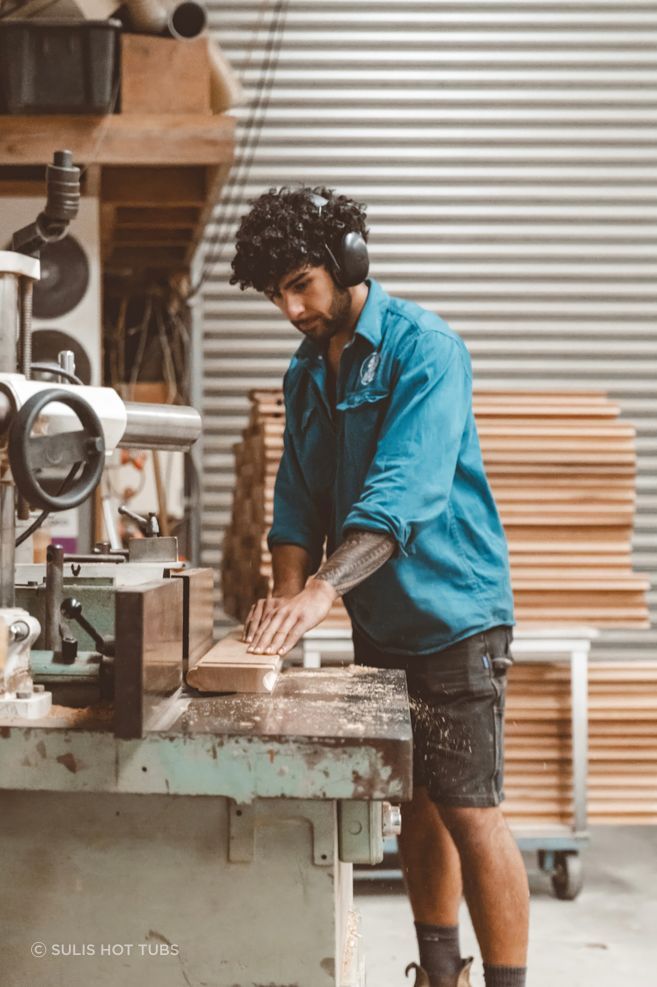
Each tub begins as raw Western Red Cedar, chosen for its warmth, durability and suitability for the outdoors. “When we get the raw material, it goes through our thicknesser and our planer, which dresses all the timber nice and square and uniform for us to use,” explains Reuben. “We cut all our own profiles on the timber, so all the joints, all the tongue and groove are all cut by hand in-house. At that point, once our timber is machined and graded, it’s cut to length and our team assembles the tub much like a jigsaw puzzle. It all locks together with very fine tolerances.”
Every detail is carefully considered. The seat in each design, for example, is never just a seat to sit on. It needs to be easily cleaned, it needs to support weight, and it often utilises off-cuts to minimise waste from the build process.
“Do we want someone to sit on it and feel a rounded edge, or is it a bevelled edge? What is the experience that we’re trying to create for the user?”
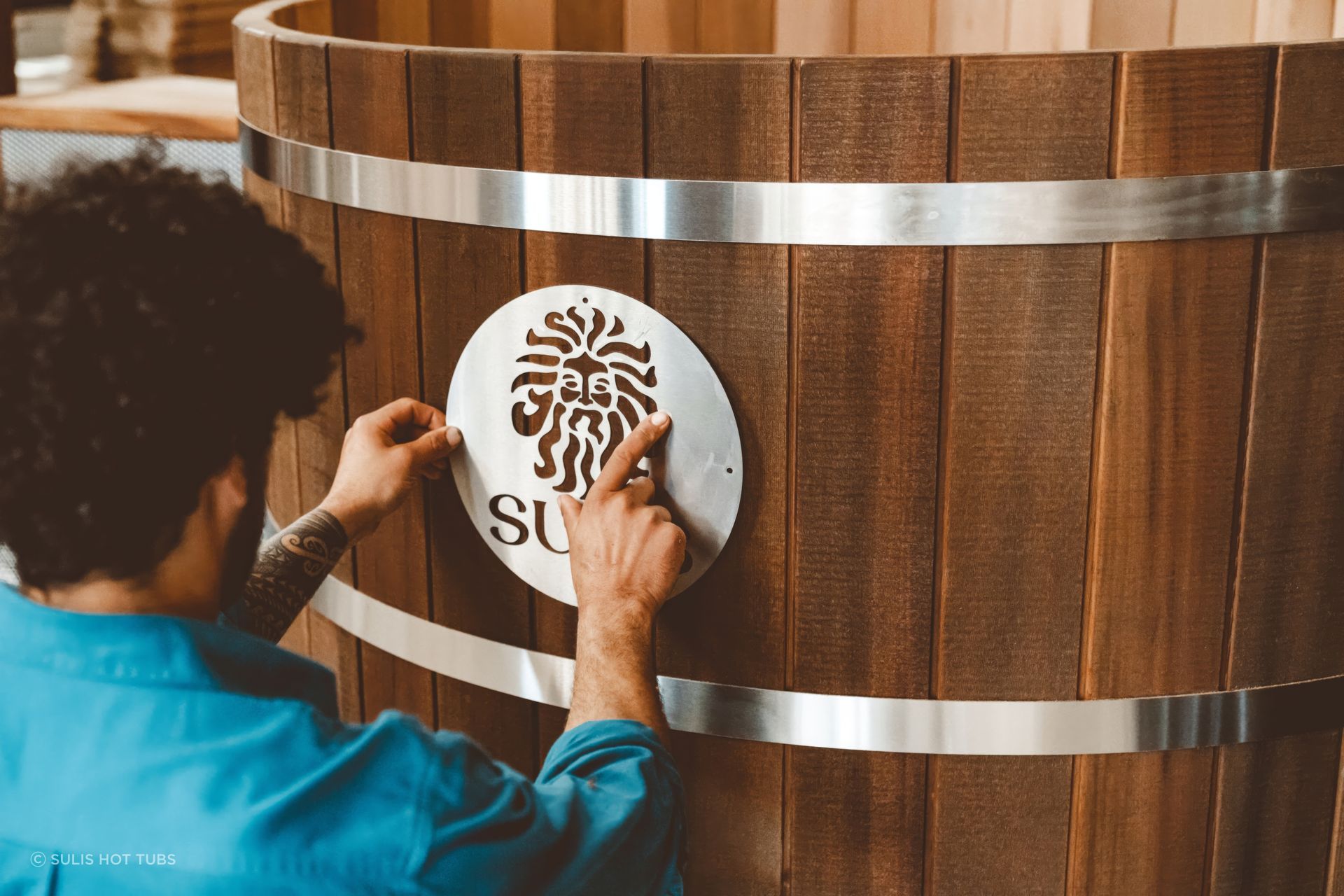
The final stage is Reuben’s favourite: when the stainless steel bands are wrapped and tightened around the exterior, drawing the tub together and creating the seal that allows it to hold water.
“It signifies that the tub itself is done, and it’s really just the final fit off before it’s ready to be sent to the customer. It’s a milestone for us,” he says. “It really comes down to lots of small details that are intentionally done in a way that feeds the whole experience of relaxing and unwinding, being in a beautiful space that’s been thoughtfully designed.”
Having evolved from a side project for Reuben into what it is now, the brand is still evolving. What began as Sulis Hot Tubs will soon become Sulis, a broader wellness brand that will include saunas, ice baths and other products centred around outdoor restoration and mindful living.
“We want to represent a way of being, or a lifestyle of choosing to slow down, choosing to be present and connect with people around us, with the natural world and with ourselves.”