Solid Timber Flooring vs Engineered Timber Flooring: Which Is Right for Your Project?


At VidaSpace, we specialise in premium engineered European oak timber flooring, designed to meet the demands of modern architecture while supporting environmentally responsible design. In this article, we explore the key differences between solid and engineered timber flooring and why engineered solutions are increasingly the preferred choice for discerning homeowners and design professionals.

What Is Solid Timber Flooring?
Solid timber flooring is made from a single piece of hardwood, typically milled from species such as oak, walnut, or ash. Each plank is cut from a solid log and then kiln-dried and finished. This traditional flooring type has been used for centuries and is prized for its authenticity and longevity.
Advantages of solid timber flooring:
- Can be sanded and refinished multiple times
- Long lifespan when properly maintained
However, solid timber flooring also comes with stability downfalls and limitations that can impact its suitability for contemporary projects.

What Is Engineered Timber Flooring?
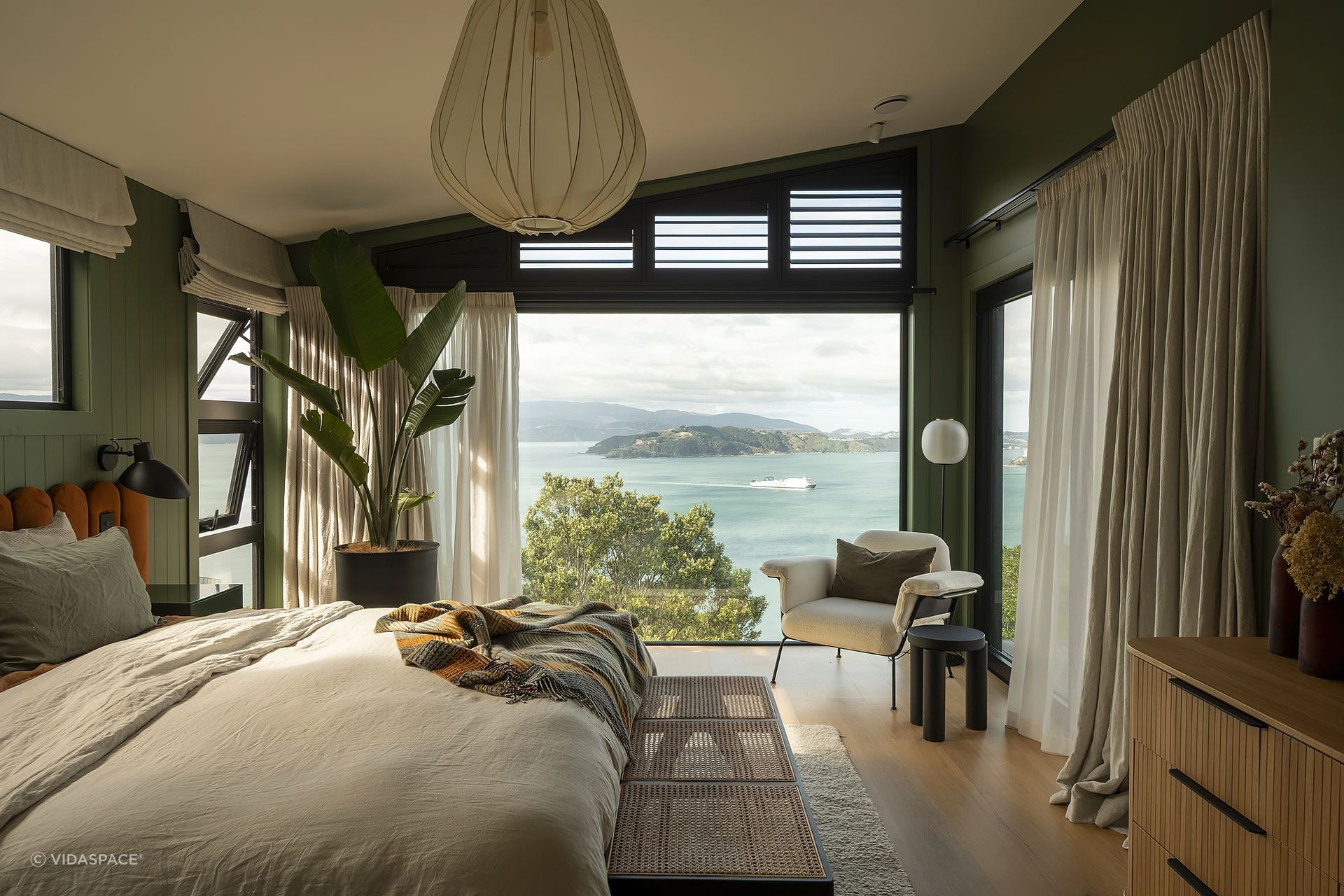
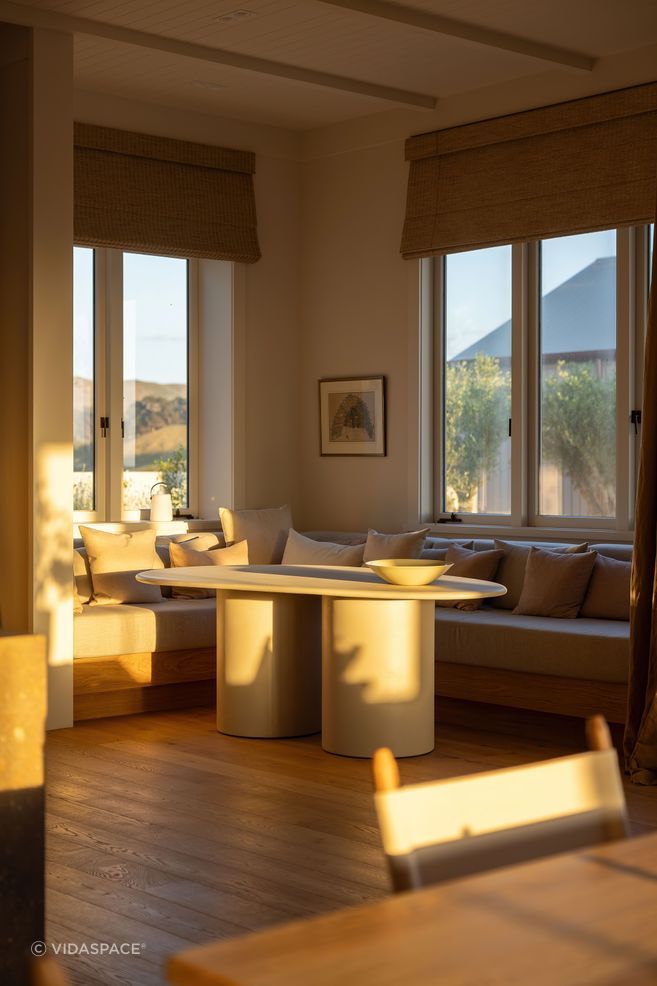
Engineered timber flooring consists of a top layer of real hardwood often European oak bonded to multiple layers of high-performance plywood or other substrates. This multi-layered construction enhances stability and reduces the risk of warping, cupping, or shrinkage.
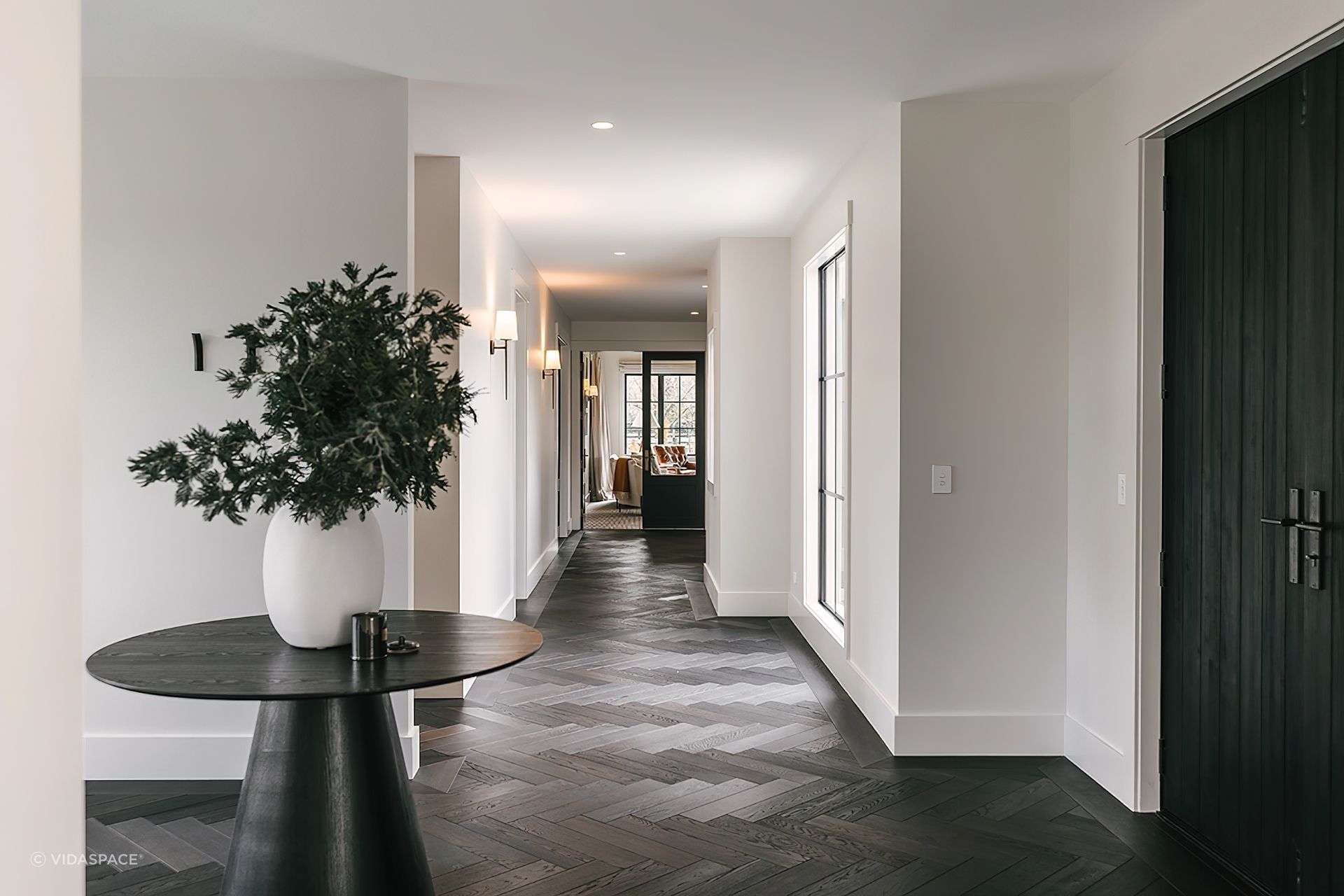
At VidaSpace, our engineered timber flooring is NZBC-compliant, sustainably sourced, and available in a wide range of finishes, formats, and installation profiles including plank, herringbone, chevron, and custom patterns.
Advantages of engineered timber flooring:
- Greater dimensional stability in varying climates
- Suitable for underfloor heating systems
- More sustainable use of hardwood resources
- Easier and faster installation
- Available in wider and longer plank formats
- Depending on the wear layer thickness, can be sanded and refinished multiple times and offers a long lifespan when properly maintained
Sustainability: A Smarter Use of Timber
One of the most compelling reasons to choose engineered timber flooring is its environmental advantage. Solid timber planks require large volumes of hardwood, often resulting in significant waste during milling. In contrast, engineered flooring uses a thin layer of hardwood typically 3–6mm on top of a core made from fast-growing, responsibly sourced materials. This layer of hardwood can be sanded and refinished between 2-5 times during its lifetime depending on the thickness of the wear layer.
This construction method allows manufacturers to produce more flooring from each log, reducing deforestation and maximising the use of one of Earth’s most precious natural resources. VidaSpace partners with suppliers who meet stringent environmental certifications, ensuring our products support low-impact design and promote sustainable forestry practices.

Stability and Performance in NZ Conditions
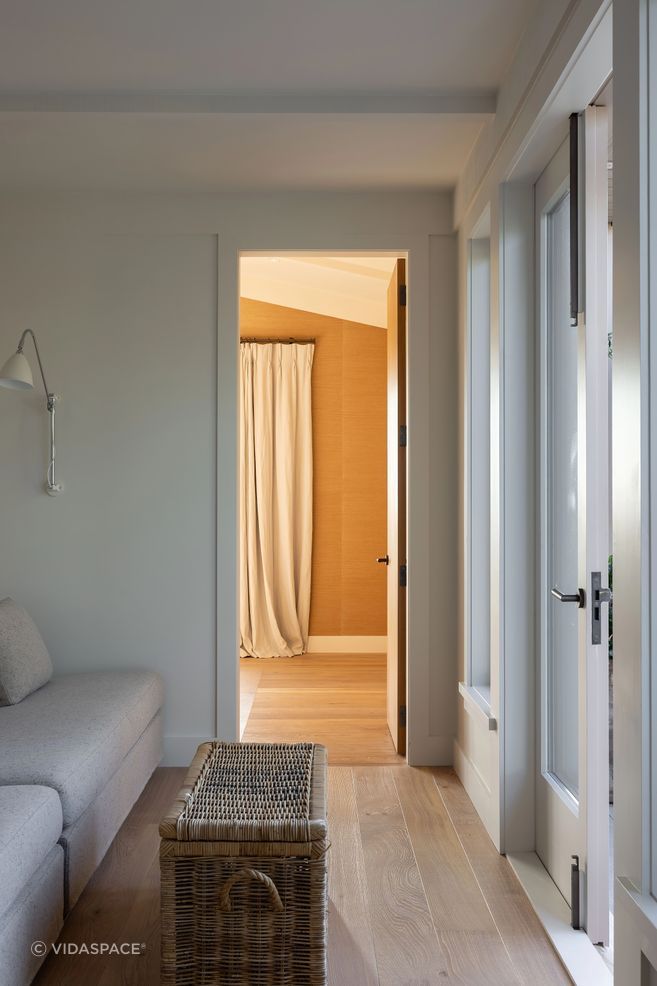
New Zealand’s climate varies widely from humid coastal regions to dry inland zones. Solid timber flooring is highly sensitive to moisture and temperature changes, which can cause expansion, contraction, and warping over time. This makes it less suitable for areas with fluctuating humidity or where underfloor heating is used. Solid timber is rarely warrantied against structural failure as it is impossible to guarantee stability.
Engineered timber flooring is specifically designed to resist movement, thanks to its layered structure. The plywood or timber core provides strength and flexibility, allowing the flooring to maintain its shape and integrity even in challenging environments.
Design Flexibility and Finish Options
Engineered timber flooring opens up a world of design possibilities. Because it is more stable, it can be manufactured in wider and longer planks, creating a more expansive
aesthetic. It also enables intricate patterns beyond herringbone and chevron, which are difficult to achieve with solid timber due to movement and installation constraints.
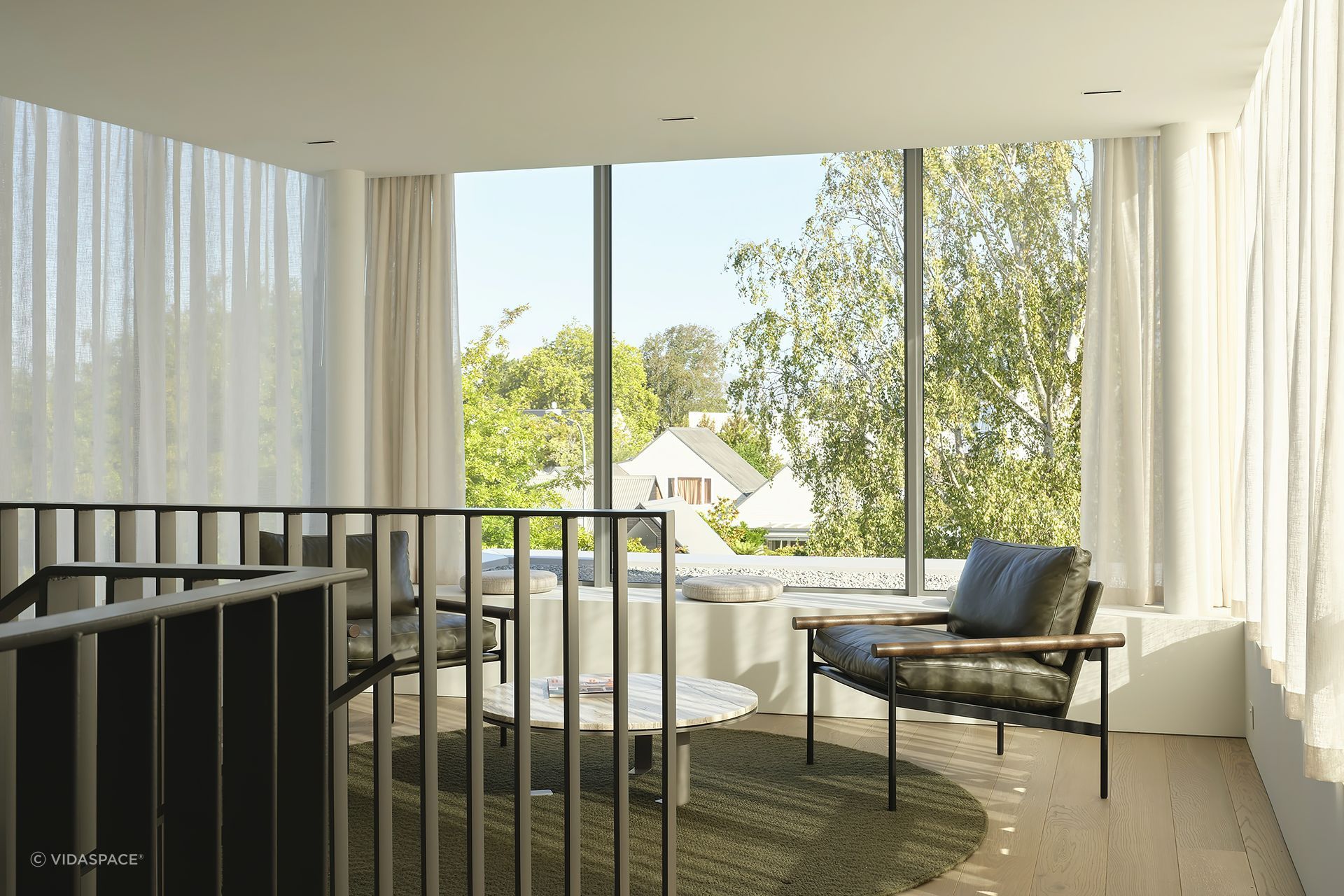
VidaSpace offers a curated collection of prefinished engineered timber flooring, with options ranging from natural oaks to smoked, brushed, distressed, and stained finishes. These products are prefinished and ready to install, saving time on site and ensuring consistent quality.
Cost and Installation Efficiency
While solid timber flooring may sometimes appear more cost-effective at first glance, it requires additional labour and finishing on site. Sanding, staining, and sealing can add time and expense to a project. Engineered timber flooring, especially prefinished options, streamlines the installation process and reduces disruption.
Additionally, engineered flooring can be installed using floating, glue-down, or click systems, depending on the subfloor and project requirements. This flexibility makes it ideal for renovations, multi-residential developments, and commercial fit-outs.
When Might Solid Timber Still Be Appropriate?
There are scenarios where solid timber flooring may still be the right choice particularly in heritage restorations or projects where native timbers are required. However, for most modern applications, engineered timber offers superior performance, sustainability, and design versatility.
Engineered Timber Flooring for the Future
As the demand for sustainable, high-performance interiors grows, engineered timber flooring has become the go-to solution for architects, designers, and homeowners across New Zealand. It delivers the beauty of natural wood with enhanced stability, reduced environmental impact, and greater design freedom.
At VidaSpace, we are proud to supply premium engineered European oak timber flooring that meets the highest standards of quality and sustainability. Whether you're designing a residential retreat, a commercial space, or a multi-unit development, our timber flooring solutions are crafted to elevate your vision.
Explore our timber flooring collections or visit one of our showrooms in Auckland, Wellington, Levin, or Christchurch to experience the VidaSpace difference.