Stone Tiles Brisbane Homes Actually Suit

Written by

Haus Collective

02 July 2026

 • 

7 min read

banner
A stone floor can look extraordinary in a showroom and still feel wrong the moment it lands in a real home. Brisbane projects ask more of a surface than a single sample can show – heat, rain, pool water, bright light and the constant movement between indoors and out. That is why choosing stone tiles Brisbane homeowners will live with well is less about trend and more about fit.

Natural stone carries weight in a space, visually and materially. It softens hard architecture, adds permanence and gives new builds a sense of age and character that manufactured finishes rarely match. But the right result depends on selecting stone with the setting in mind, not simply the colour.


Why stone tiles Brisbane projects respond to so well


Brisbane homes are built around lifestyle as much as floorplan. Courtyards, pool zones, covered terraces and open-plan interiors all need to relate to each other, and stone does that with unusual ease. Used well, it creates continuity from entry to living area to garden without feeling forced.

That continuity matters in subtropical design. Strong sun can flatten some surfaces and make others look harsh, while humidity and rainfall place practical demands on texture and performance. Natural stone tends to age with more grace than many factory-made alternatives, particularly when the stone has been chosen for the application rather than pushed into every zone for the sake of consistency.

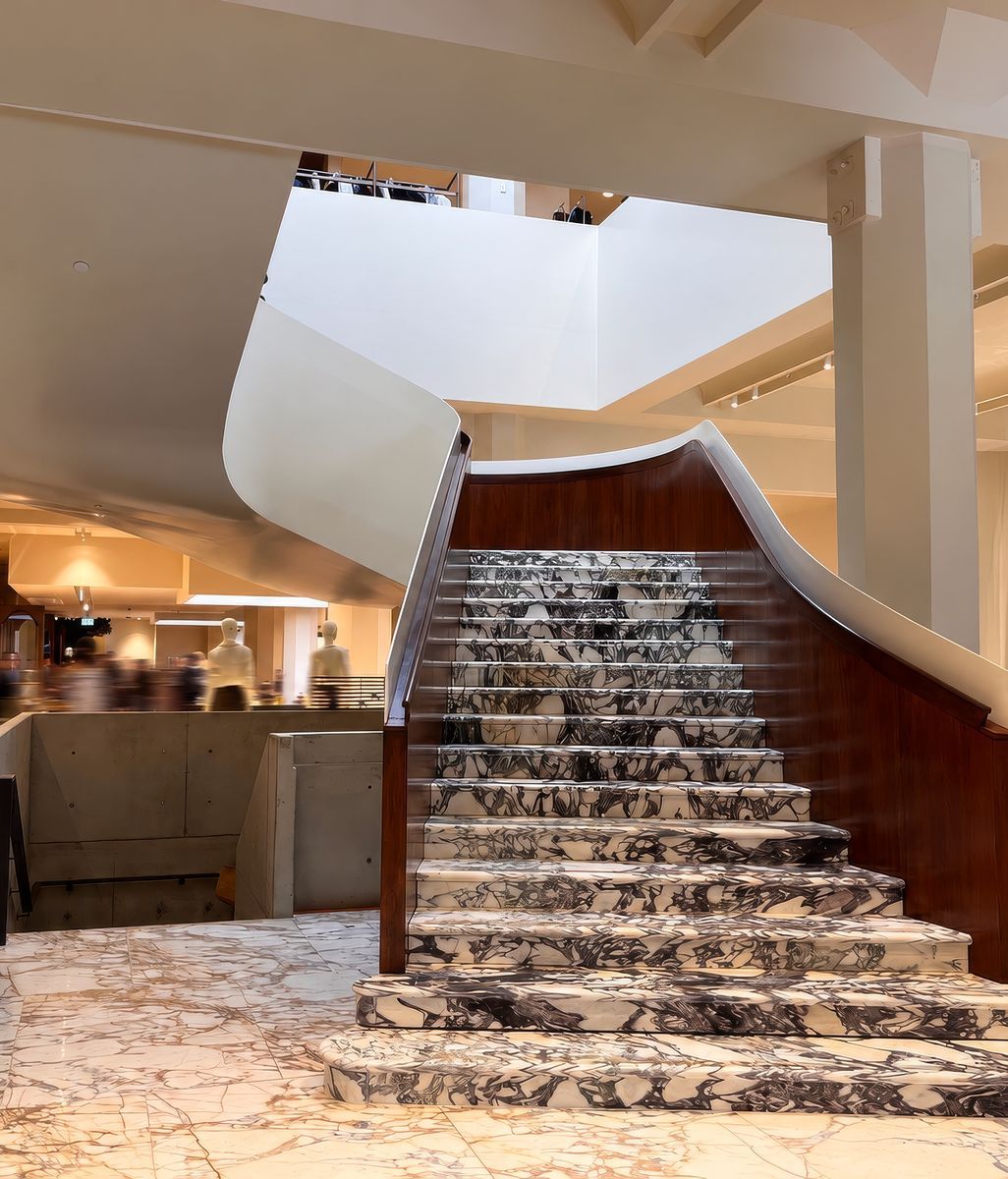
There is also the tactile quality. A honed limestone underfoot feels very different to a dense porcelain imitation. A split-face wall cladding catches light in a way printed surfaces cannot. For clients designing at a high level, that sensory difference is often what turns a competent scheme into a memorable one.


Start with how the space is used


The first question is not which stone is most beautiful. It is where the stone is going and how that area behaves across the day and across the year.

An internal kitchen floor needs different qualities from a pool surround. A bathroom wall has different demands again. In busy family homes, you may want a stone with movement and tonal variation that disguises daily wear. In a formal interior, you might prefer a quieter palette with larger format tiles and tighter visual control.

Outdoor areas usually need more texture underfoot, especially where water is involved. That does not automatically mean a rough finish everywhere. It means balancing slip resistance, comfort and visual refinement. A heavily textured stone may perform well around a pool but feel too aggressive in a covered entertaining zone where people walk barefoot.

The best projects treat each zone with intent while keeping the overall palette coherent.

Indoors, think light, scale and maintenance

For interiors, stone often works hardest in flooring, bathrooms and feature walls. Lighter stones can open up spaces and reflect Brisbane’s natural brightness beautifully, but they also show dirt differently depending on finish and veining. Mid-tone stones are often more forgiving in lived-in homes.

Tile size changes the reading of a room. Larger formats feel calmer and more architectural, particularly in open-plan spaces. Smaller modules can suit more detailed or traditional schemes, or areas where the layout benefits from rhythm rather than expansiveness.

Maintenance should be considered early, without letting it dominate the decision. Natural stone is not difficult by default, but different stones have different porosity and care requirements. If you love a softer limestone, it makes sense to understand sealing and ongoing care before specifying it through a kitchen, not after handover.

Outdoors, think weather and movement

Exterior stone must look right in full sun, after rain and next to planting, timber and water. Some stones brighten in daylight and take on warmth toward late afternoon. Others can appear flat or overly stark once installed at scale.

Thermal performance also matters. Around pools and exposed terraces, some surfaces stay more comfortable underfoot than others. Texture, edge detailing and coping profiles all contribute to how finished and usable the area feels.

This is where material selection becomes as much about lifestyle as architecture. A pool zone should not only photograph well. It should feel calm, safe and considered when wet feet are crossing from water to paving to interior.


Choosing a stone that suits the architecture


Not every natural stone belongs in every home. Brisbane’s design language ranges from minimalist new builds to layered Queenslander renovations and substantial landscape-led residences. The most successful stone selections support the architecture rather than competing with it.

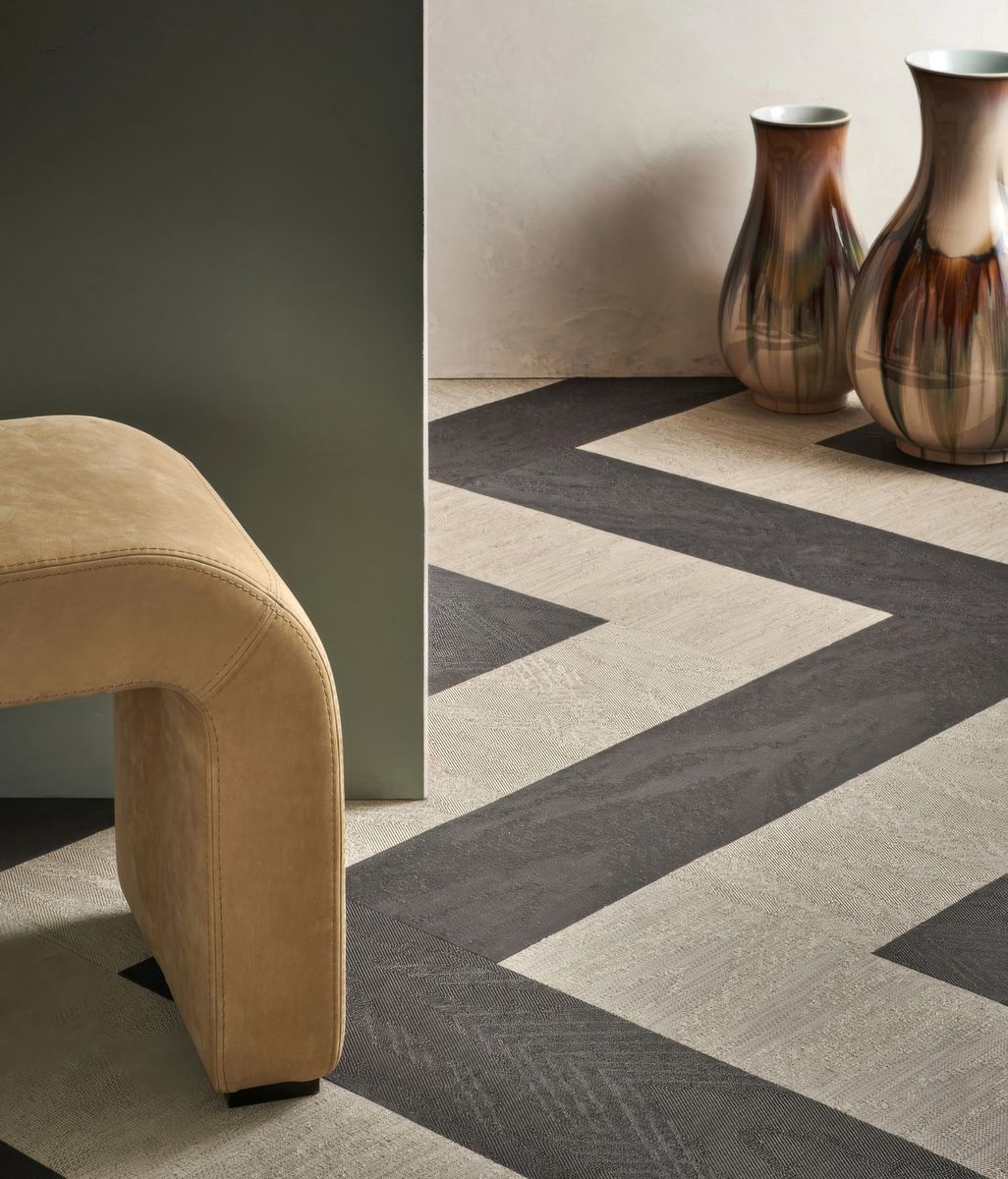
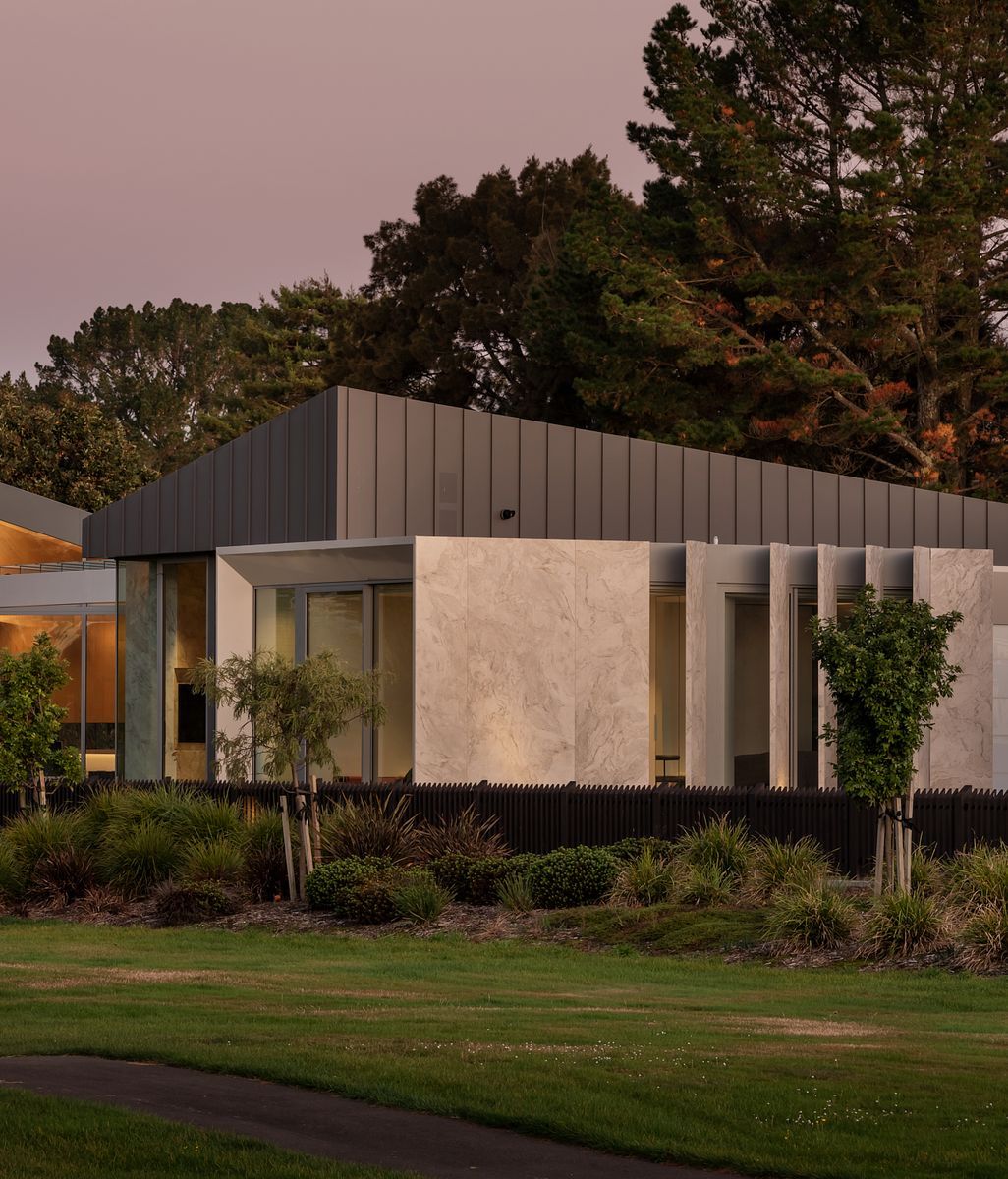
Contemporary homes often suit restrained stones with clean edges, soft movement and a muted palette – think pale limestone, travertine or certain quartzites depending on the effect required. These materials can hold a minimalist scheme together while still adding depth.

More textured or rustic stones can be excellent in homes with stronger landscape character or a more relaxed Mediterranean or coastal direction. Crazy paving, cobblestones and tumbled finishes bring personality, but they need to be used with discipline. Too many expressive surfaces in one project can create noise.

If the home includes fireplaces, water features, stone basins or outdoor showers, the stone palette should be considered across those elements as a whole. This is where a design-led supplier can add real value – not by pushing one material everywhere, but by helping shape a more coherent earth, fire and water story across the property.


The finishes matter as much as the stone itself


When clients say they love a particular stone, they are often reacting to the finish as much as the base material. Honed, tumbled, brushed, sawn and split finishes can dramatically change the tone of a project.

A honed finish tends to feel refined and architectural. A tumbled edge can make the same family of stone feel softer and more relaxed. A brushed surface often gives enough texture for outdoor use while keeping a premium, understated look.

This is why selecting from small photos alone can be limiting. Natural stone is variation by nature. The finish determines how much light it reflects, how much texture you feel underfoot and how formal or casual the final result becomes.


What to expect from natural variation


Part of the appeal of natural stone is that no two pieces are identical. Variation in tone, veining, fossil detail and surface character is normal and desirable. It gives a finished installation depth that repeated manufactured patterns struggle to achieve.

That said, variation needs to be managed well. In very minimal spaces, too much movement can feel busy. In highly textured landscape settings, a little variation can be exactly what gives the paving life. There is no universal rule here. It depends on the architecture, the light and the surrounding materials.

For designers and builders, this is often where early material review matters most. Looking at stone in person, at meaningful scale, helps avoid selections that are either flatter or more active than expected.


A practical view on cost and longevity


Stone is a premium material, and it should be approached with a long view. The lowest upfront price is rarely the most useful measure if the goal is a residence with lasting architectural value.

The better question is what the material gives back over time. Natural stone can age beautifully, support resale appeal and hold its presence through changing furniture, landscaping and styling. It does, however, require appropriate specification and installation. A beautiful stone chosen for the wrong environment is not a luxury outcome.

Budget also needs to account for the complete picture – tile or paver format, coping, corners, steps, walling, sealing and installation detail. Sometimes a slightly more premium stone used in a focused, deliberate way will produce a better project than spreading a cheaper option across every surface.


Seeing stone in context changes the decision


Stone is rarely a single-product purchase. It sits beside joinery, paint, metal finishes, pools, fireplaces, tapware and planting. Seeing those relationships in person often sharpens the brief quickly.

For that reason, selecting stone through a design-focused showroom can be more productive than browsing by product type alone. It becomes easier to compare tones, finishes and complementary materials, and to make decisions based on the overall atmosphere you want to create rather than isolated samples.

For clients sourcing stone tiles Brisbane projects can rely on, that context matters. Brisbane light is strong, outdoor living is central and many homes now ask one material palette to move across interior and exterior spaces with confidence. At HAUS Collective, that design conversation is part of the point.

Natural stone rewards clarity. Know how the space will be lived in, choose for the architecture, and let the material do what it does best – bring depth, permanence and quiet luxury to everyday life.