The Fibonacci code: How Michael Karakolis transformed the legacy of terrazzo in Australia

Written by

08 March 2026

 • 

6 min read

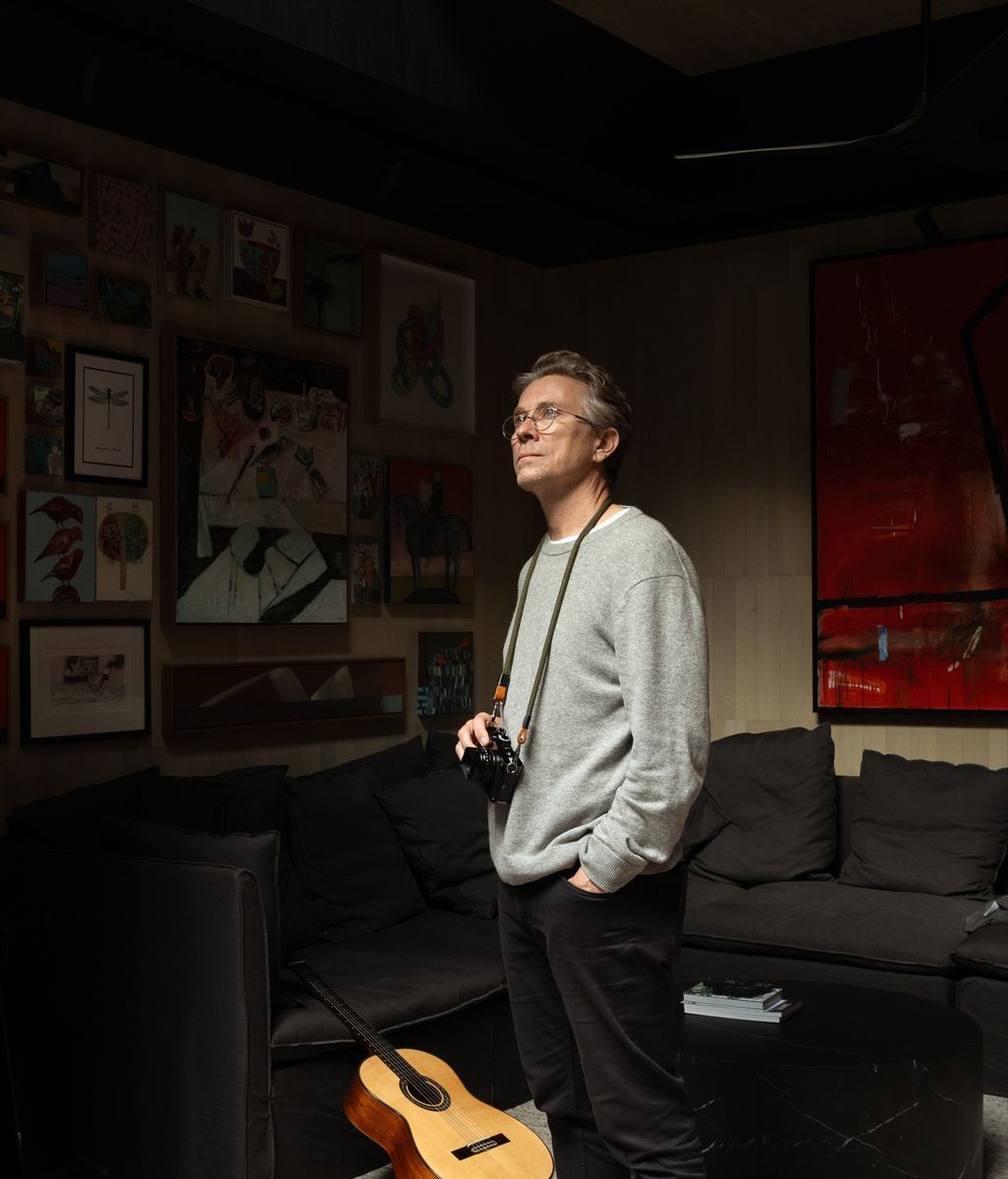
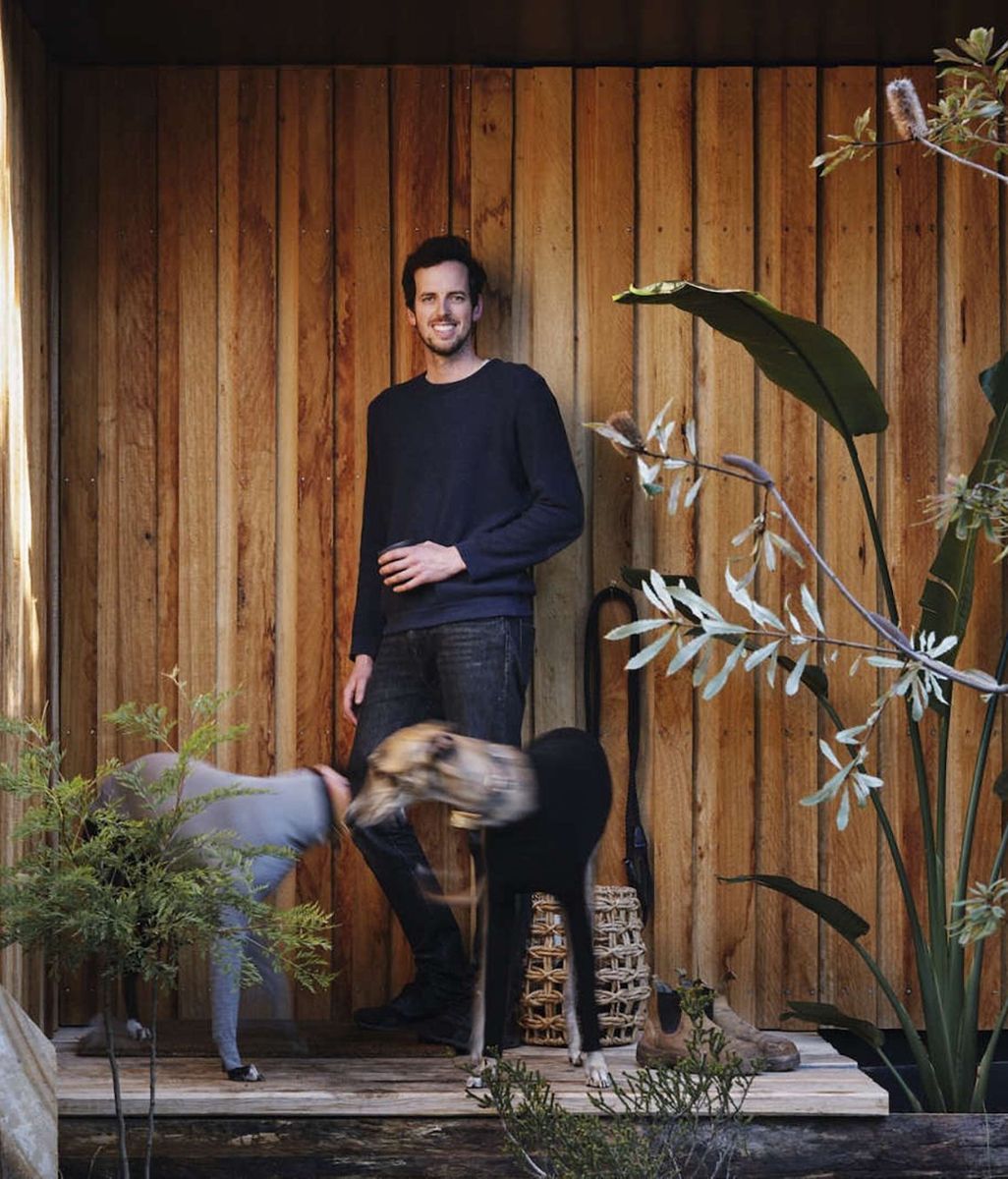
Fibonacci's Michael Karakolis.
When Michael Karakolis discovered a new way to make terrazzo tiles, he set out to change how designers across Australia use the material.

There is a particular kind of energy that surrounds Michael Karakolis. It is restless, yet exacting, and driven by an attention to detail that is one part passion, the other part obsessive. These traits were present long before he founded Fibonacci, and as a young architectural draftsman he earned a reputation in the office for asking too many questions.
“I remember one of my earlier jobs, architectural reps would come in and I would spend time with them learning about materials and asking questions. Colleagues would often say, ‘What are you doing? Why are you spending time with them? And sometimes there'd be a bit of a joke about it,” shares Michael.

He was particularly teased for lingering too long over samples. But to Michael, it felt counterintuitive not to. 

“My response was: ‘These are the things that the client ends up living with long after we're out of the equation. This is what they get, these things they're touching every day and walking on.’”

Through his interest in materials, in 2004, at just 28, Michael had stumbled across a technology that would change the course of his life. Terrazzo, long loved by designers but often reserved for large scale commercial settings such as airports and shopping centres, had never truly been accessible for smaller projects. Traditionally supplied half-finished and polished in situ, it was a complex, labour-heavy material. The new technology allowed terrazzo tiles to be produced complete and finished, ready to install.

It was, in his words, a side hustle. He saw an opportunity not simply to sell a product, but to make a design material available to designers in quantities and formats they could actually use. He also saw, with the exuberance of youth, a vision no one else seemed to grasp. So he did the unthinkable. 

“I emptied out my bank account completely. Everything that I had was thrown into this. And I started.”

Michael started Fibonacci more than 20 years ago and has become renowned for his disciplined approach to creating terrazzo.
Each product is thoughtfully designed and manufactured to represent Fibonacci's values.

Cracking the Code


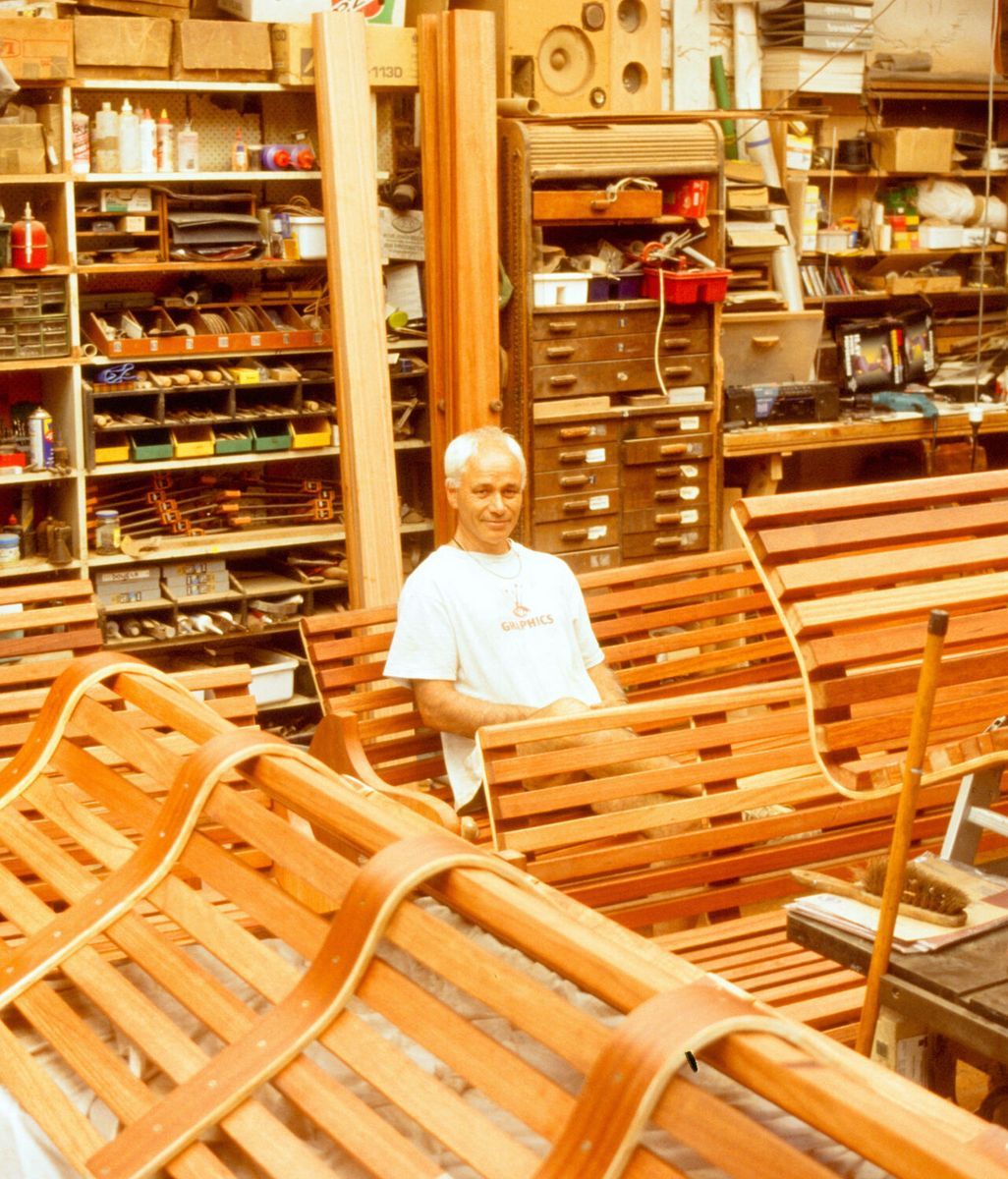
For the first seven years, Michael straddled two worlds. He was still working in architecture, raising a young family, and building Fibonacci from his kitchen sink, literally washing and drying samples in it.

The name he chose was a deliberate signal to those in the industry. Fibonacci refers to the 15th Century Italian mathematician who identified the sequence underpinning the Golden Ratio, a proportional system taught in architecture schools and found throughout nature. 

“We were setting up a business to target designers and I wanted them to know that we're speaking to them,” he shares.

For Michael, the sequence was more than branding. It echoed his exacting approach to composition and proportion in terrazzo itself, and it signalled to designers that this was a company fluent in their language.

From the beginning, he was adamant that terrazzo was not a product but a technique. He describes his love for it with the reverence of someone who has spent two decades in its company. 

“I love that it's a balance of natural materials and human intervention,” he explains. “You're designing it around a range of natural materials and it's not overly processed.”

There is honesty in terrazzo, he says. Ancient stone and Roman cement combined with oxides that carry a worn-in aesthetic, it celebrates the materials within it rather than disguising them.

But terrazzo is demanding. Unlike porcelain or other tile products, it requires the orchestration of multiple raw materials and byproducts. Each batch must be monitored, understood and refined. It is not something that can be sold carelessly.

“When you're producing a batch, you need to be on top of it. You need to produce it well, you need to be across the different by-products being used and you’re constantly experimenting and making improvements. That suited my character, because I'm not easily satisfied—and when I am, it's for a very short period of time!”

That obsessive trait, as he calls it, has become Fibonacci’s hallmark. Over time, Michael built a reputation as a leader in his field not through marketing bravado but through uncompromising attention to detail.

In 2008, just four years in, Fibonacci exhibited at the Verona Stone Fair, the largest stone fair in the world. He was young, ambitious, punching above his weight and the reception was astonishing—but it was also sobering. Demand is one thing. Delivering on it is another. Michael realised the scale of the mountain before him.

“I knew it would probably take 20 years. So I made the decision: I'm going to do this, but it's probably going to take the better part of my life to build it the way I want to build it because I wanted to build it meaningfully.”

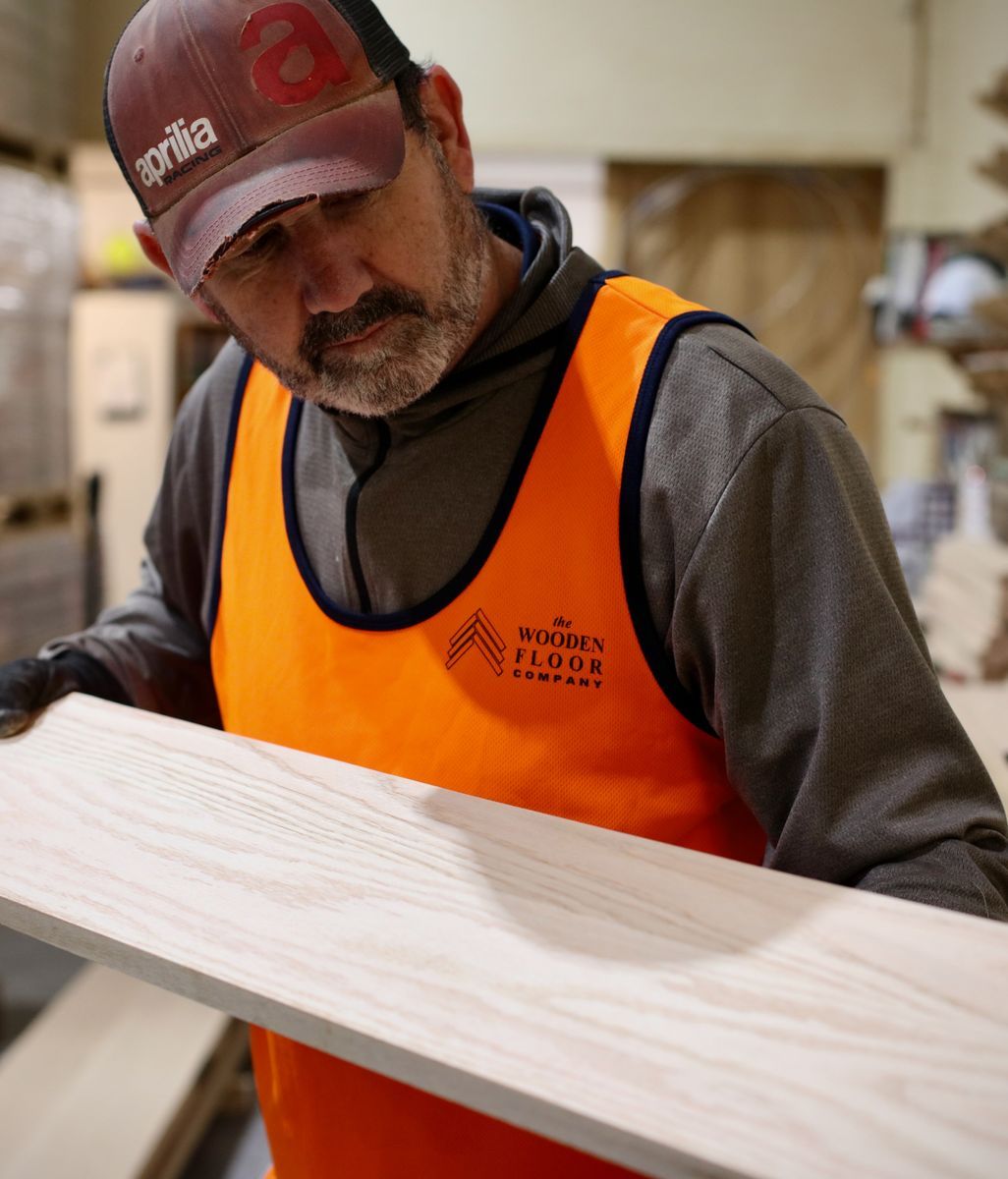
Every part of the production process is carefully monitored to meet Fibonacci's strict standards.
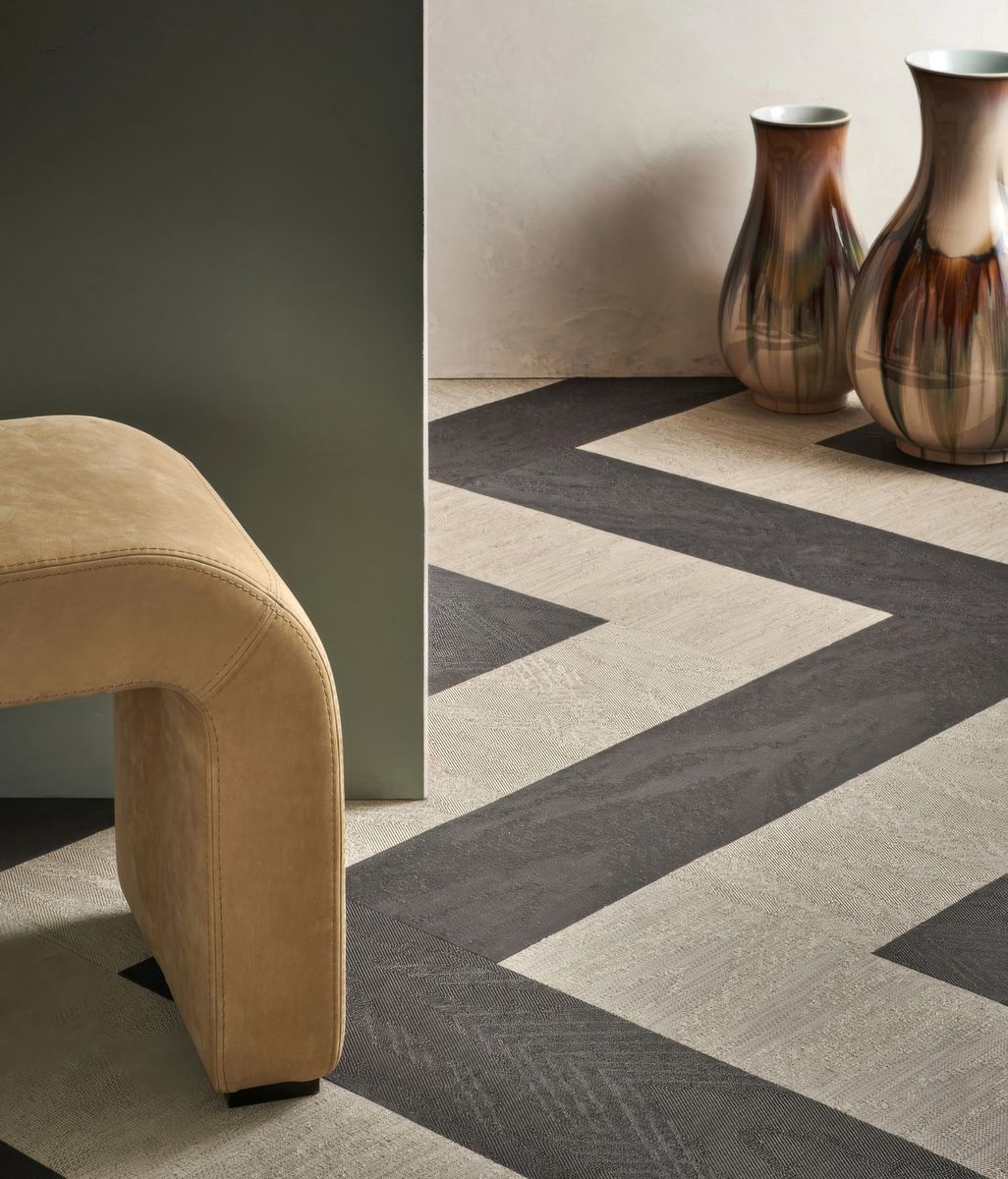
The ochres used in the cement mix reference the Australian and New Zealand landscapes.

Changing the game on lead times


In 2011, he finally stepped into Fibonacci full-time. The business was growing, but a persistent issue gnawed at him: lead times. Designers would specify terrazzo, only to have it swapped out when contractors deemed the wait too long. For Michael, this was a dilution of design vision and integrity.

He responded the only way he knew how. By tightening control, investing heavily in the supply chain, and by committing to a no-lead-time model that would remove the risk of substitution. It required discipline, strictness and significant capital.

“I had to pick a path, and that path was to be extremely strict and extremely disciplined,” he shares. 

Some in the industry perceived it as arrogance, and Michael felt the sting of that word deeply. Yet when Covid-19 upended global supply chains, Fibonacci could still deliver. Years of scrupulous groundwork paid off. Fibonacci could support its manufacturing partners in their time of need, and was there for designers when others could not be.

It was proof that his methodologies, however uncompromising, were right. It also marked Fibonacci’s arrival as a market leader, even if Michael himself resists the title. 

Today, after 20-odd years, the original vision has been realised. The material is available, the supply chain is secure and the reputation is strong. And yet, for Michael, the real reward remains in the making.

“I know that everything that we produce has passed our hands and ended up in a project because of what we have created. That gives me a sense of pride, and it really fuels the passion to keep going.”