The house that started it all: the architecture of Megan Edwards

Written by

31 March 2026

 • 

5 min read

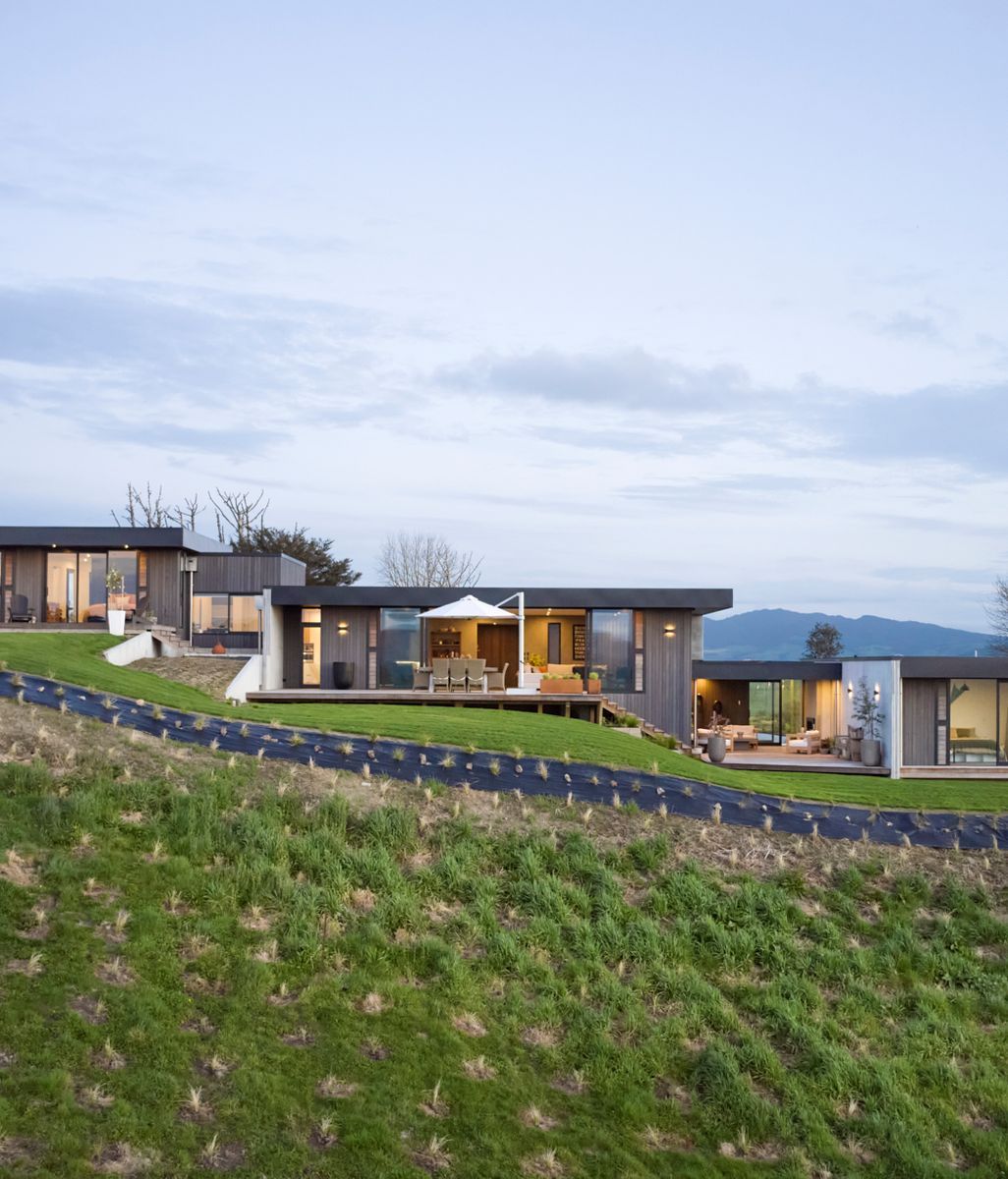
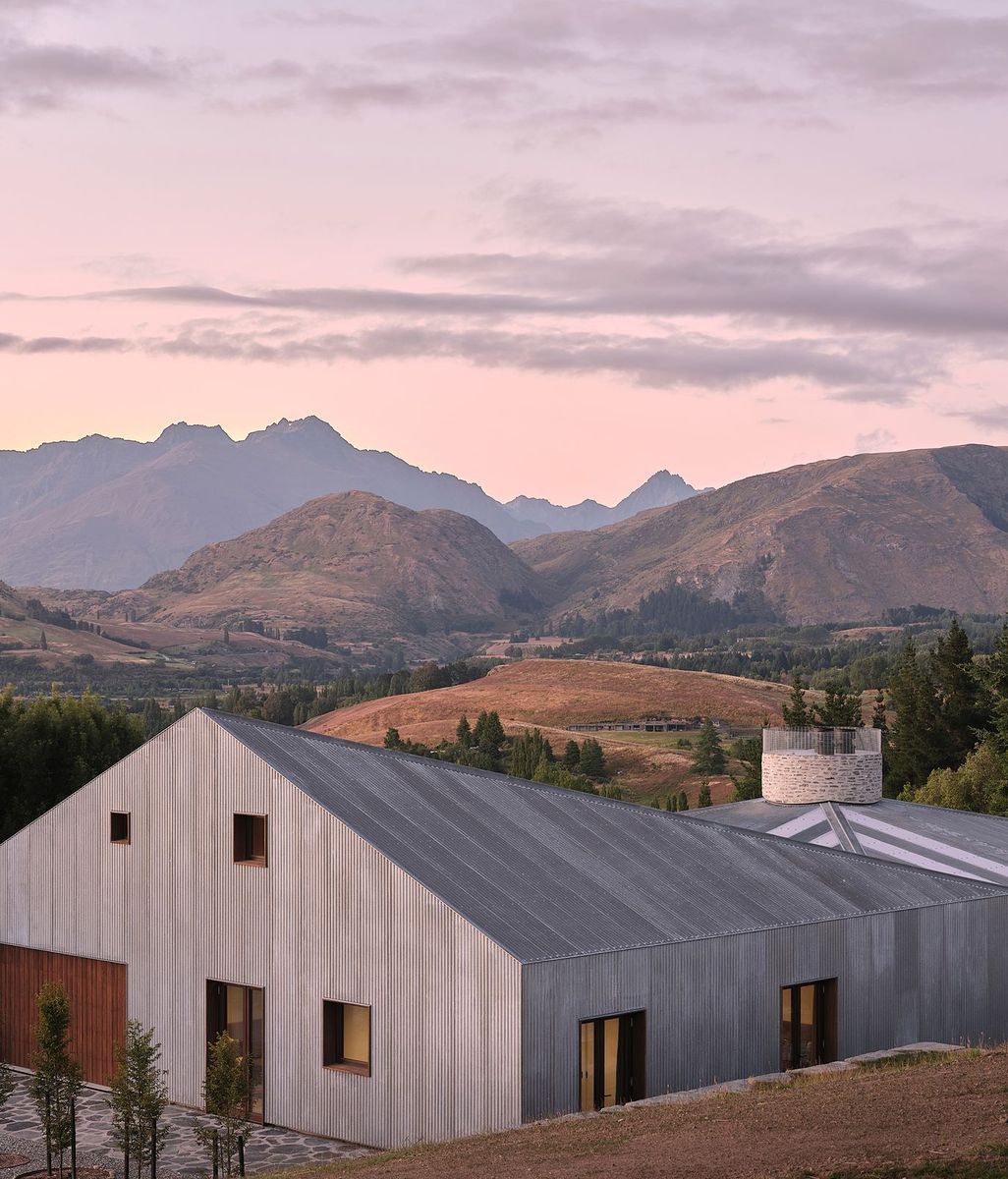
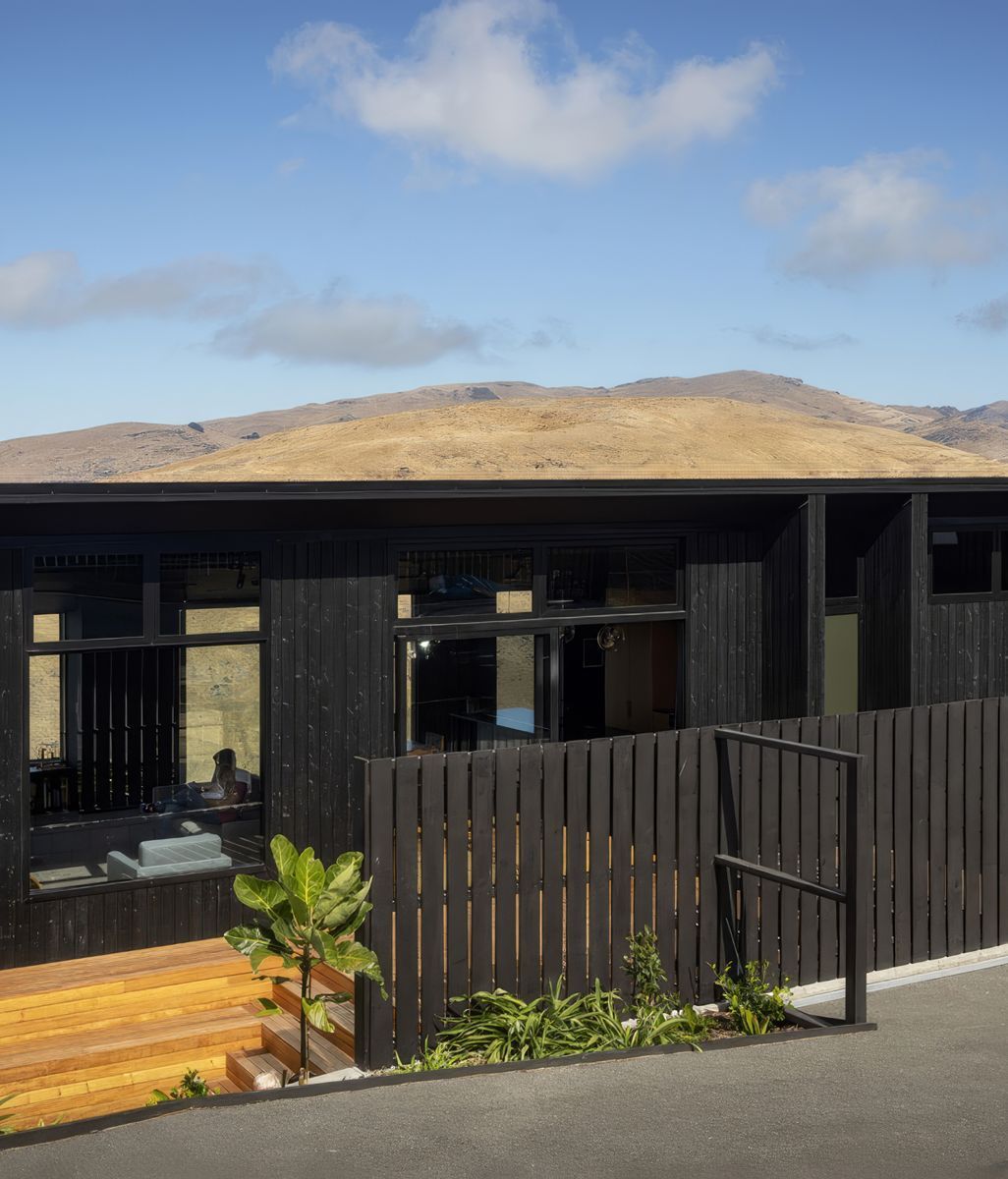
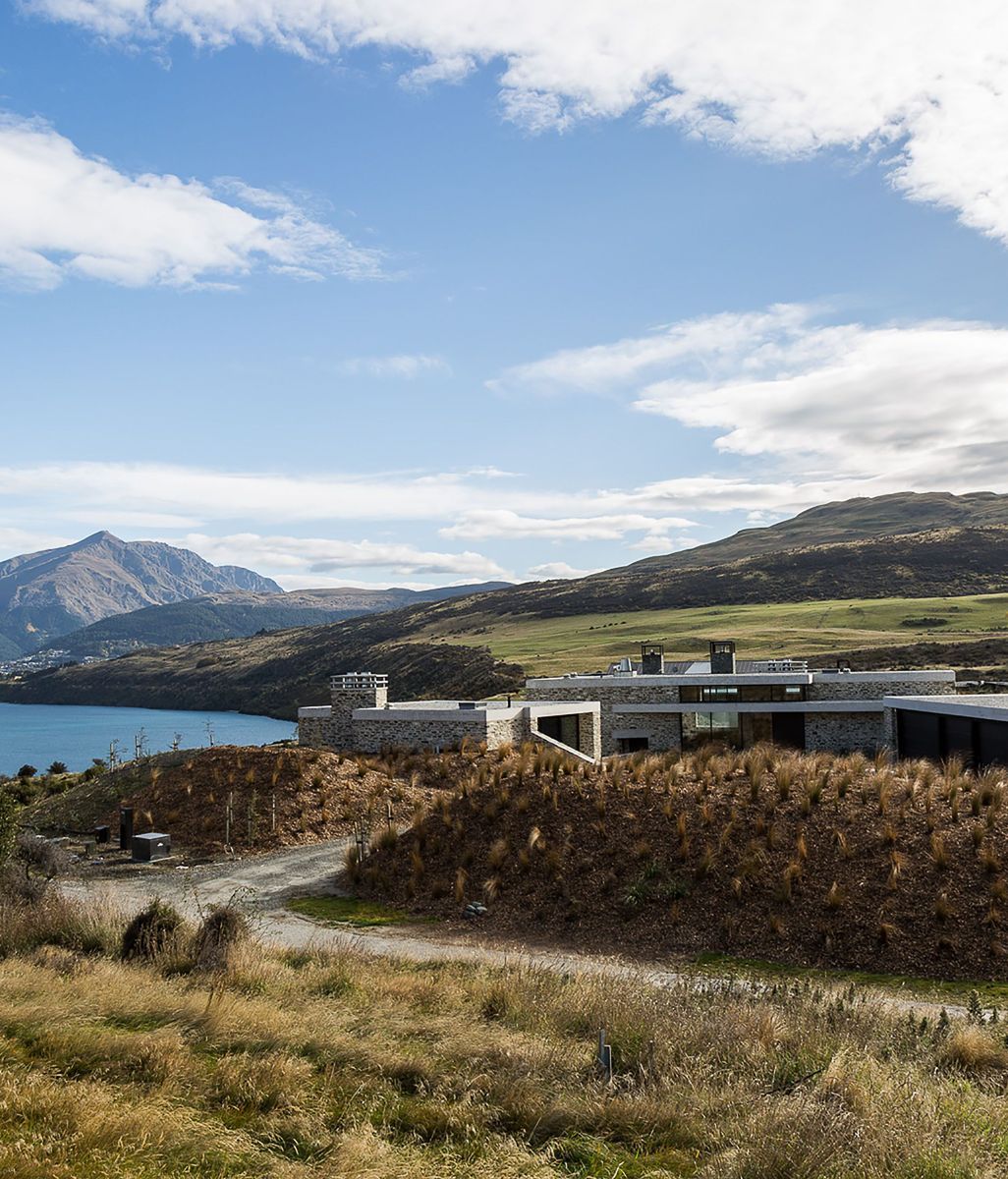
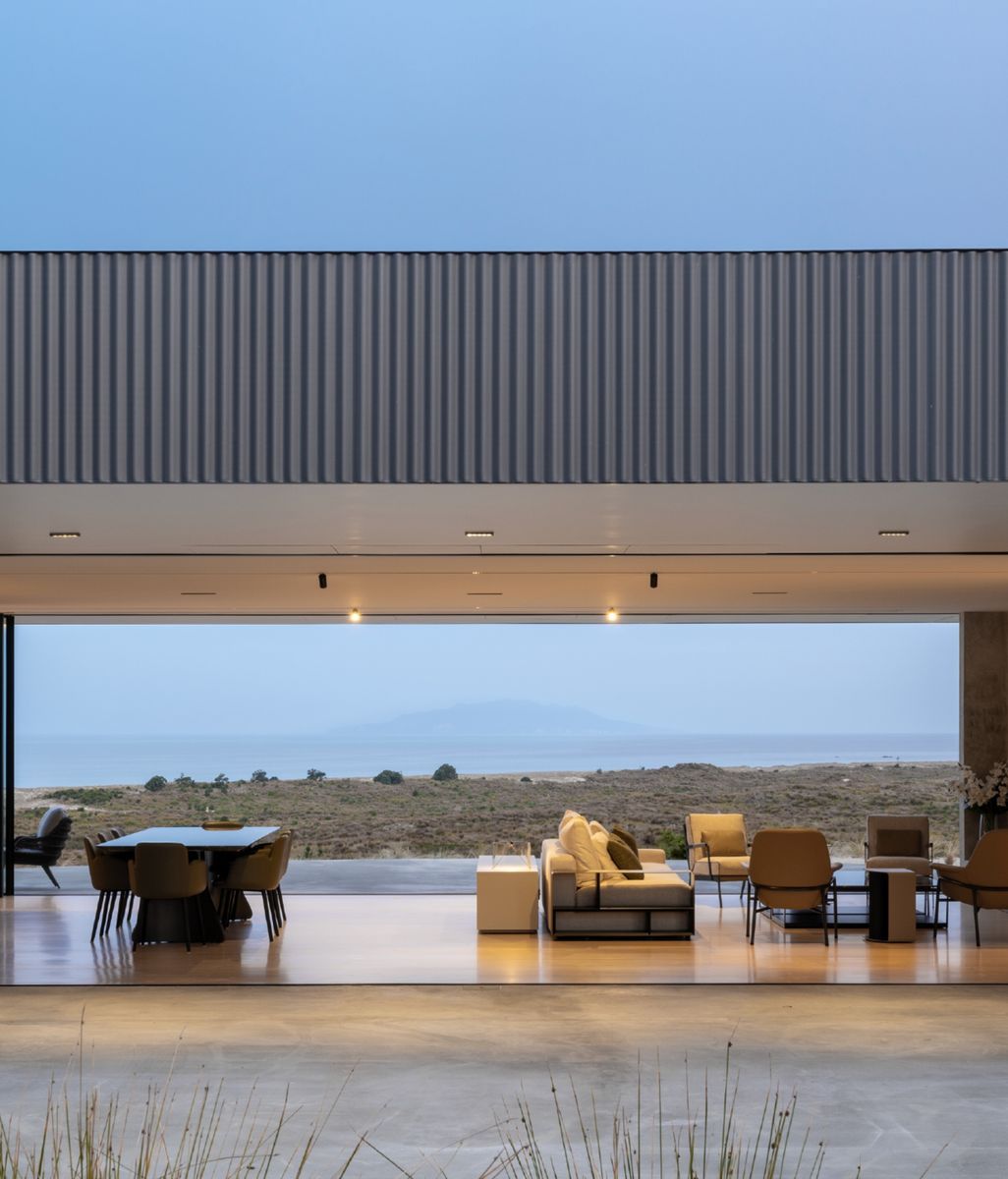
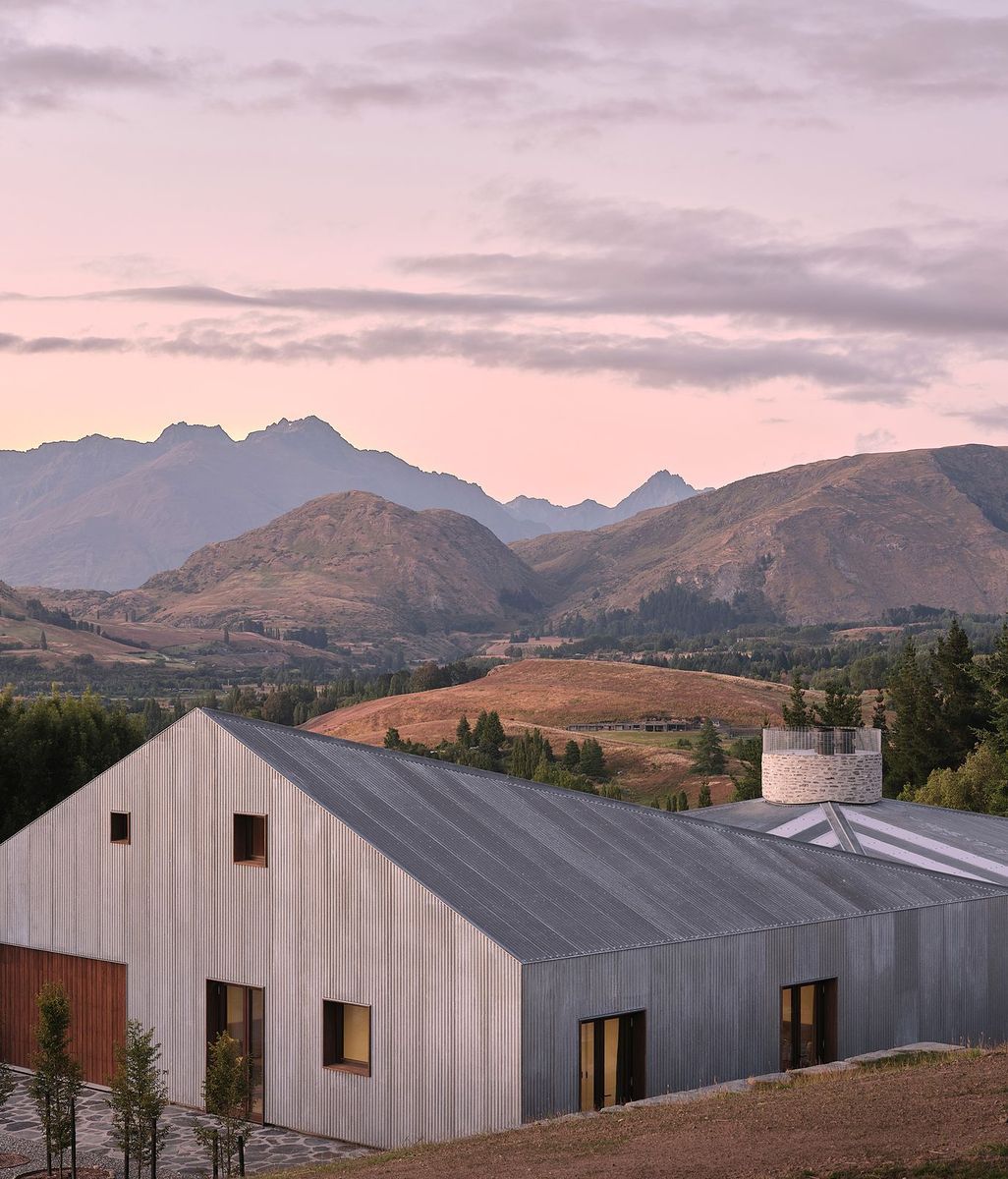
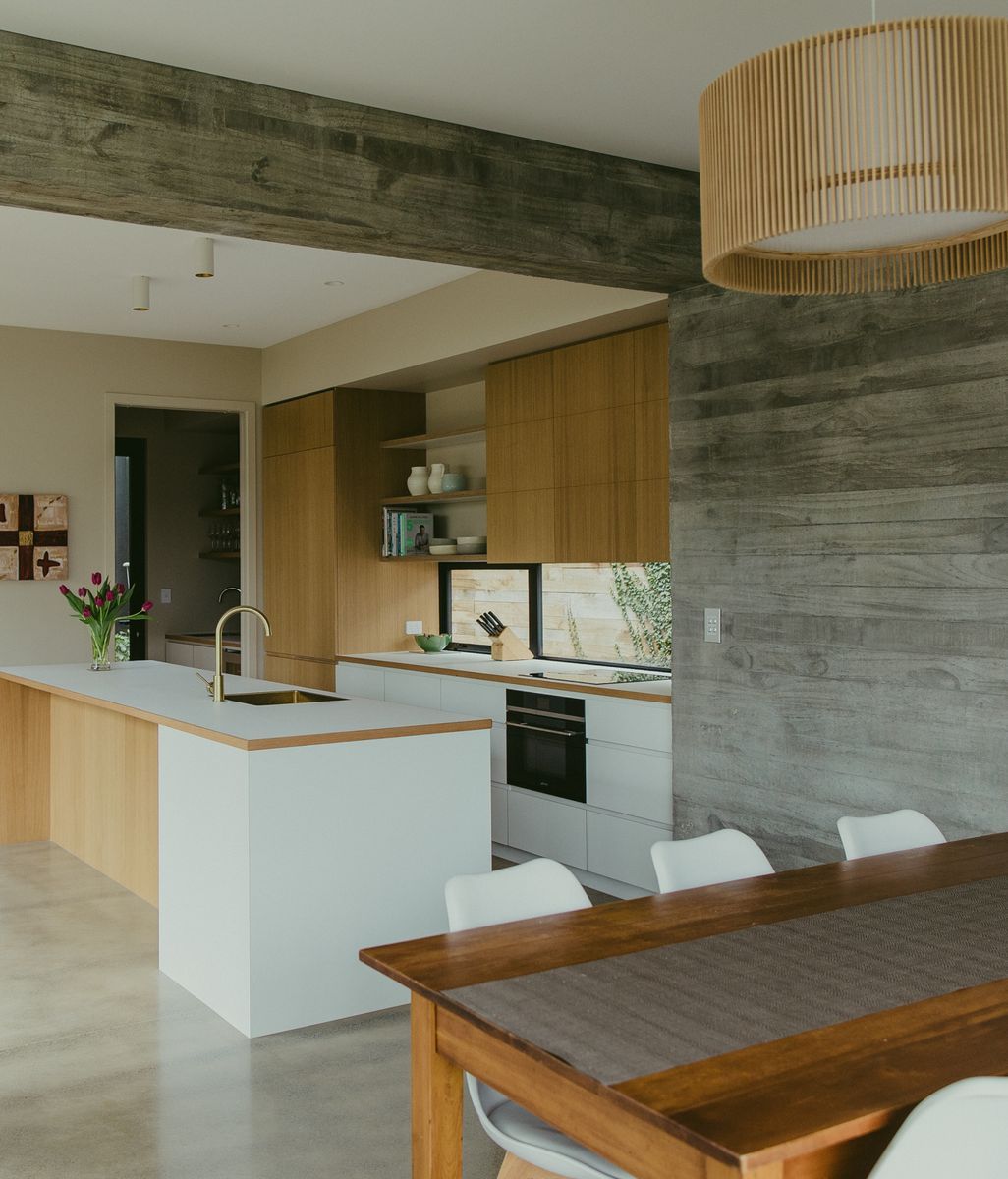
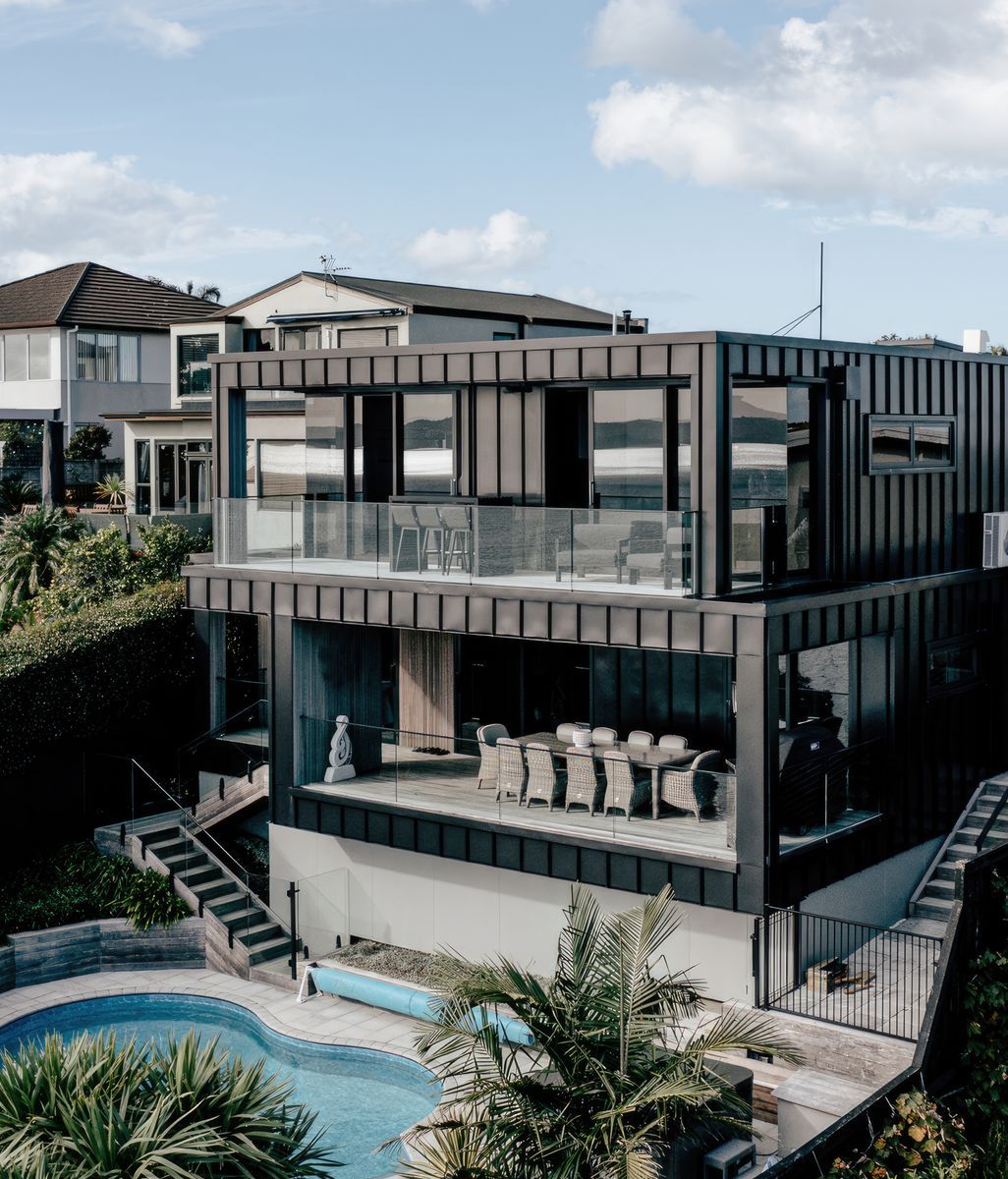
Parirau House by Megan Edwards Architects. Image credit: Simon Devitt.
A formative encounter revealed the transformative power of space to Auckland architect Megan Edwards. Today, her practice draws on that early experience, designing thoughtful homes defined by strong ideas and experiential richness.
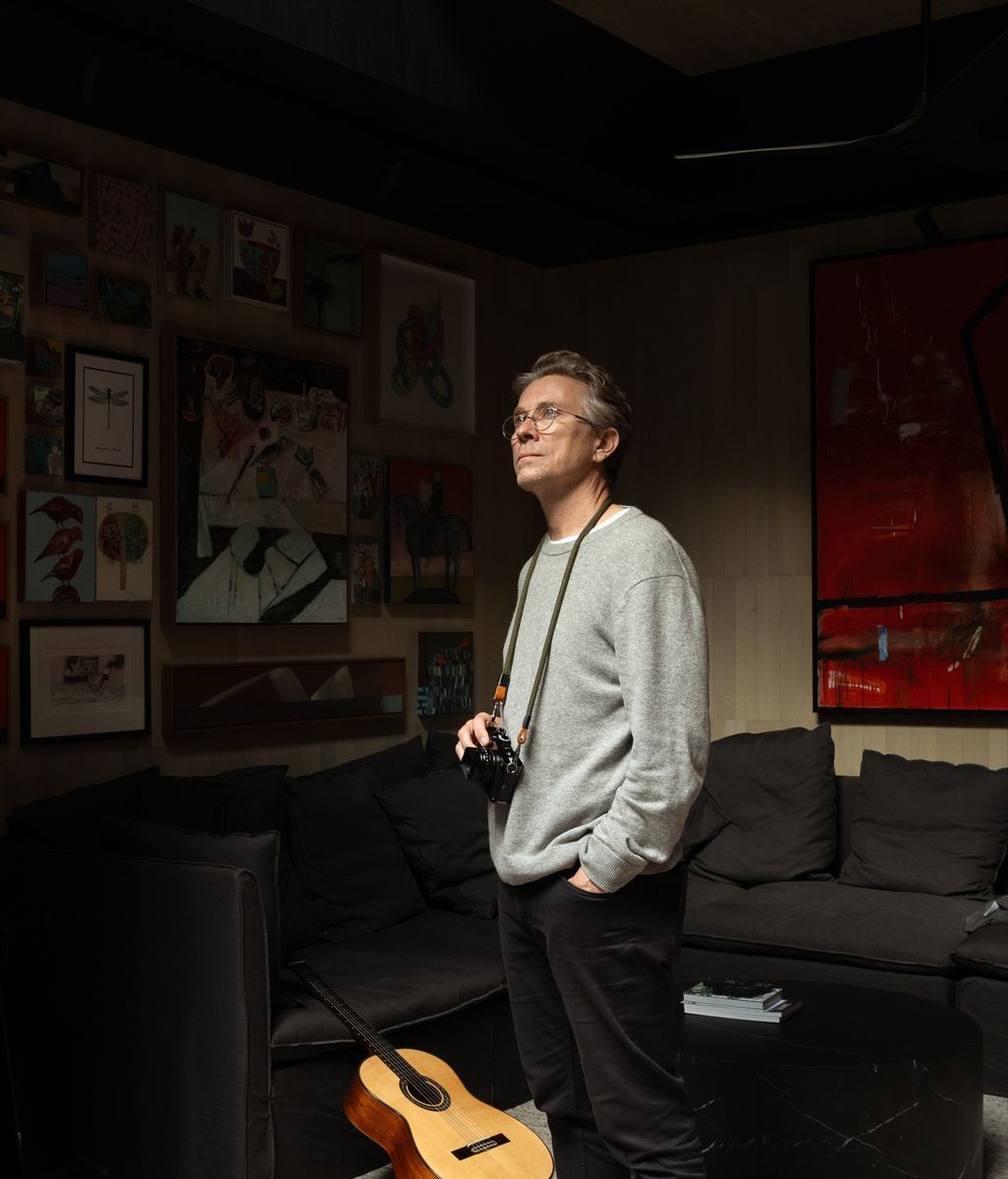
Architect Megan Edwards.

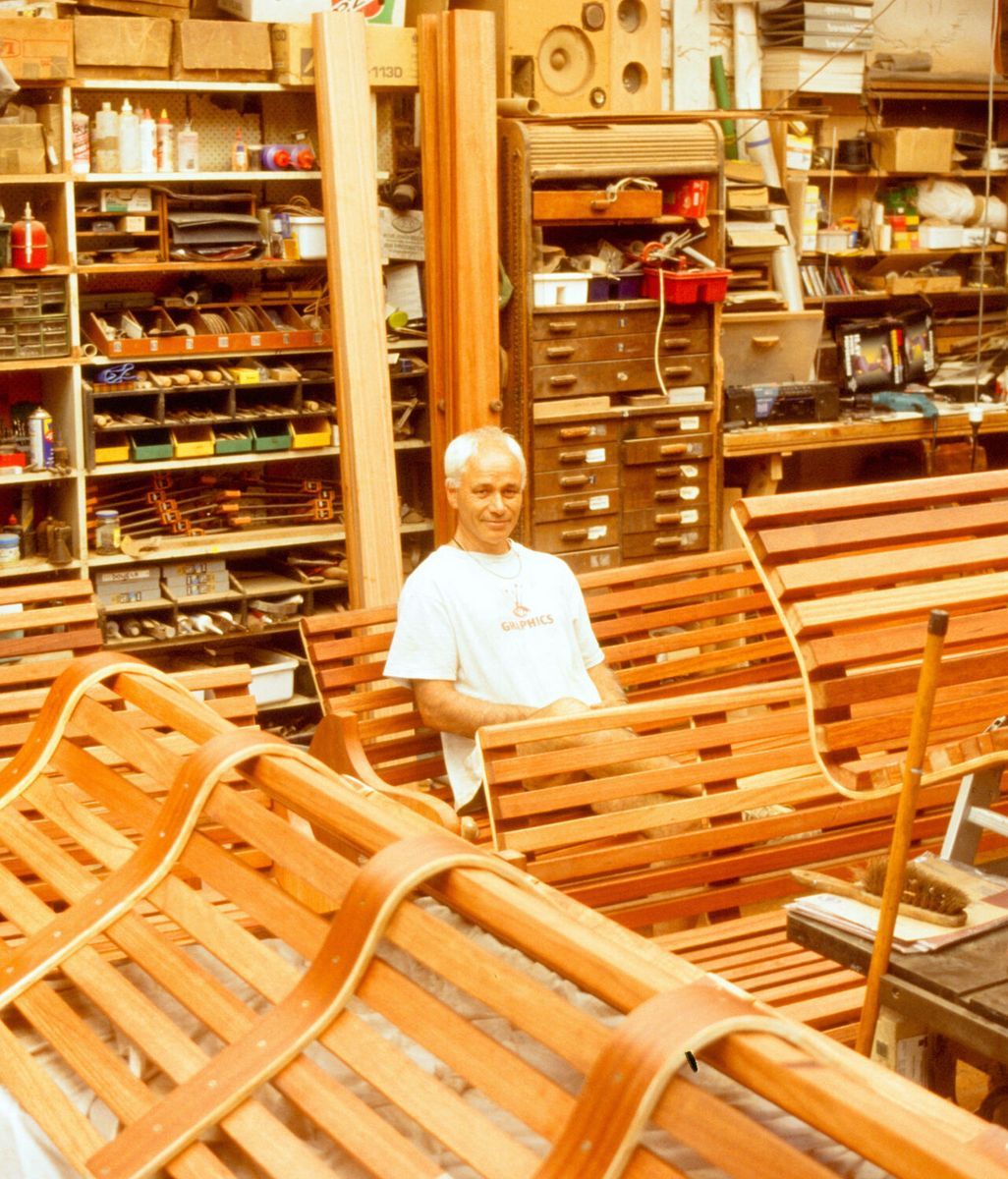
A single architectural experience can change the trajectory of a life. For Auckland architect Megan Edwards, the spark arrived early, in the form of a modest pole house designed in the 1970s by a young Kerry Avery as a bach for her family. It was a small building, but the experience of it was significant. 

“It was woody, cosy and fun—a step up from camping, but still communal,” shares Edwards. “It had an expressed post and beam structure entirely lined with redwood, creating a lofty space—it was about seven metres from the living room floor to the apex.”

Holidaying there made her realise how profoundly architecture could shape experience. In contrast to the compartmentalised homes of suburban Auckland, the difference felt especially vivid.

“Having grown up in a suburb of bungalows with rooms, staying in such a fluid space was a revelation,” she says. “The experience eventually drew me into studying architecture.”

Edwards’ career followed a path familiar to many New Zealand architects of her generation. After graduating, she worked in Auckland before heading to London, where she spent several formative years and became registered. Returning home, she spent a short time working before establishing her own practice at just 30 years old.

The early years of her studio unfolded with a sense of collegial experimentation. Edwards shared a Ponsonby workspace with other young architects and designers who were also striking out on their own, each navigating the challenges of practice together.

“We shared a studio space in Ponsonby and helped each other to figure out what we were doing,” she says. “I had lived in Auckland all my life so there were people who gave me projects, and I got a little bit of coverage in magazines, which was just enough to launch me.”

Residential work soon became the backbone of the practice. For many years, Edwards kept the studio deliberately small, balancing practice with family life while maintaining a hands-on approach to design. 


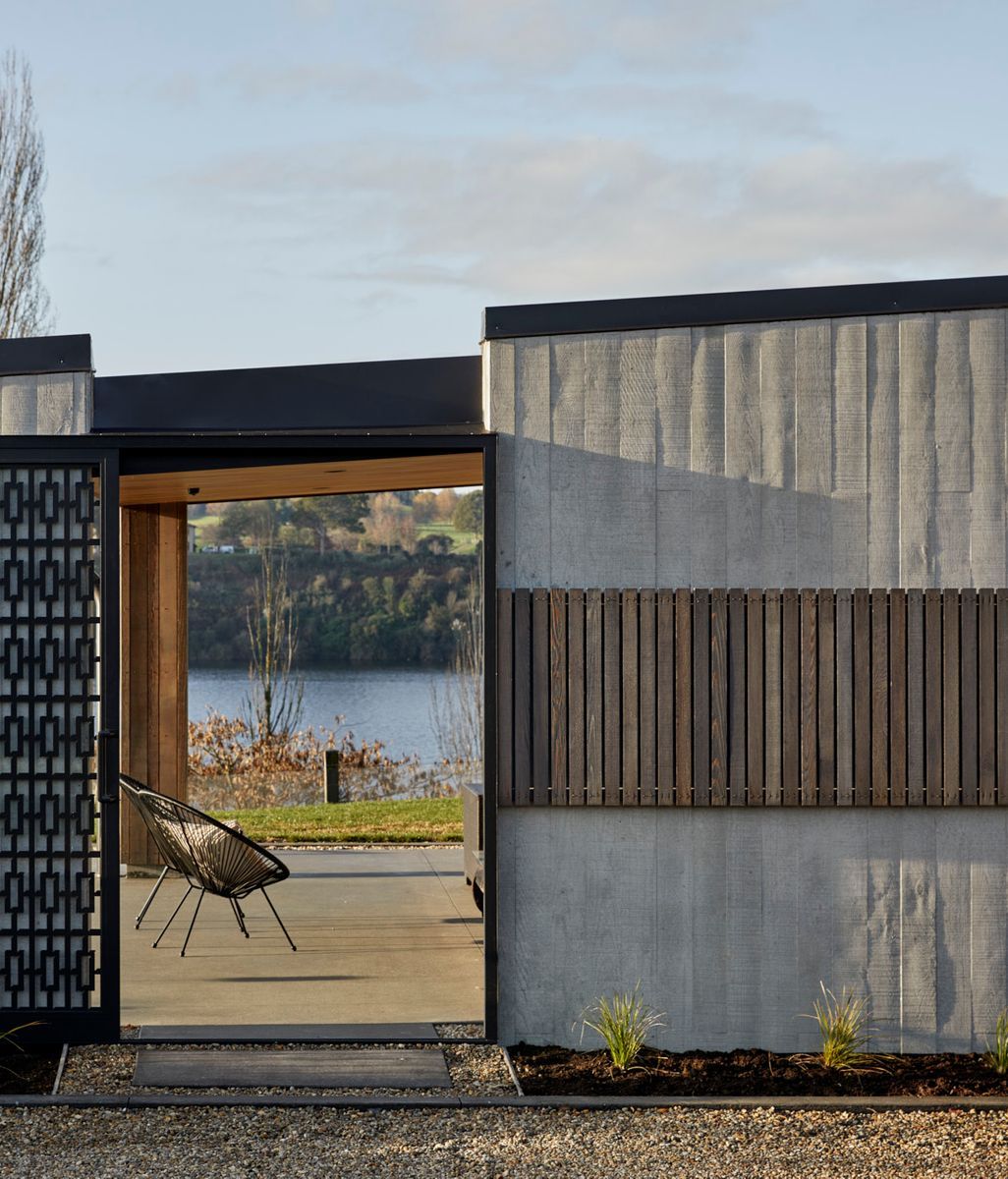
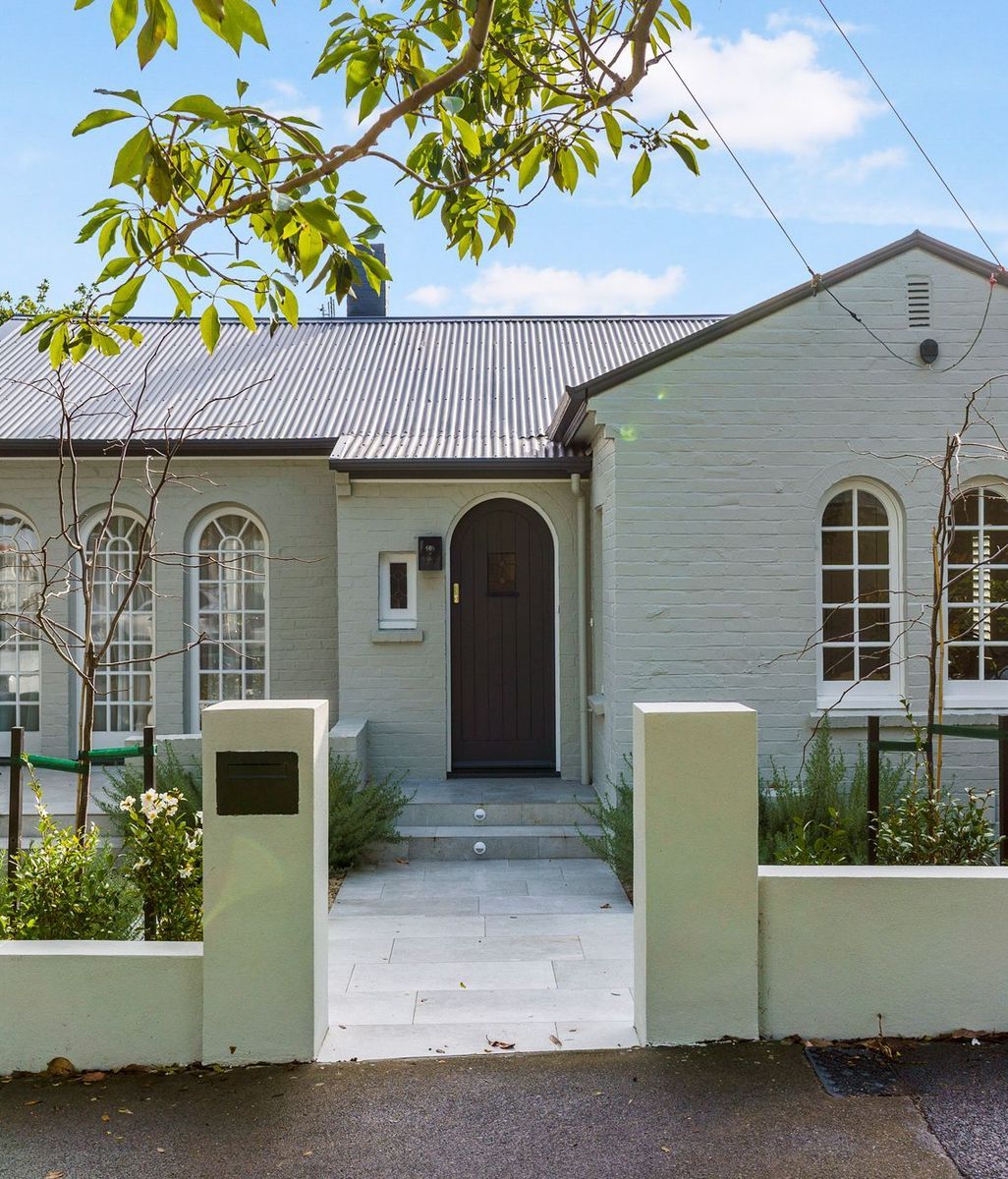
Point Chevalier Bungalow by Megan Edwards Architects.

Amplifying the special


If the pole house of her childhood sparked Edwards’ interest in architecture, its spatial qualities continue to echo through her work today. Her projects often begin with a strong central idea that organises space and experience.

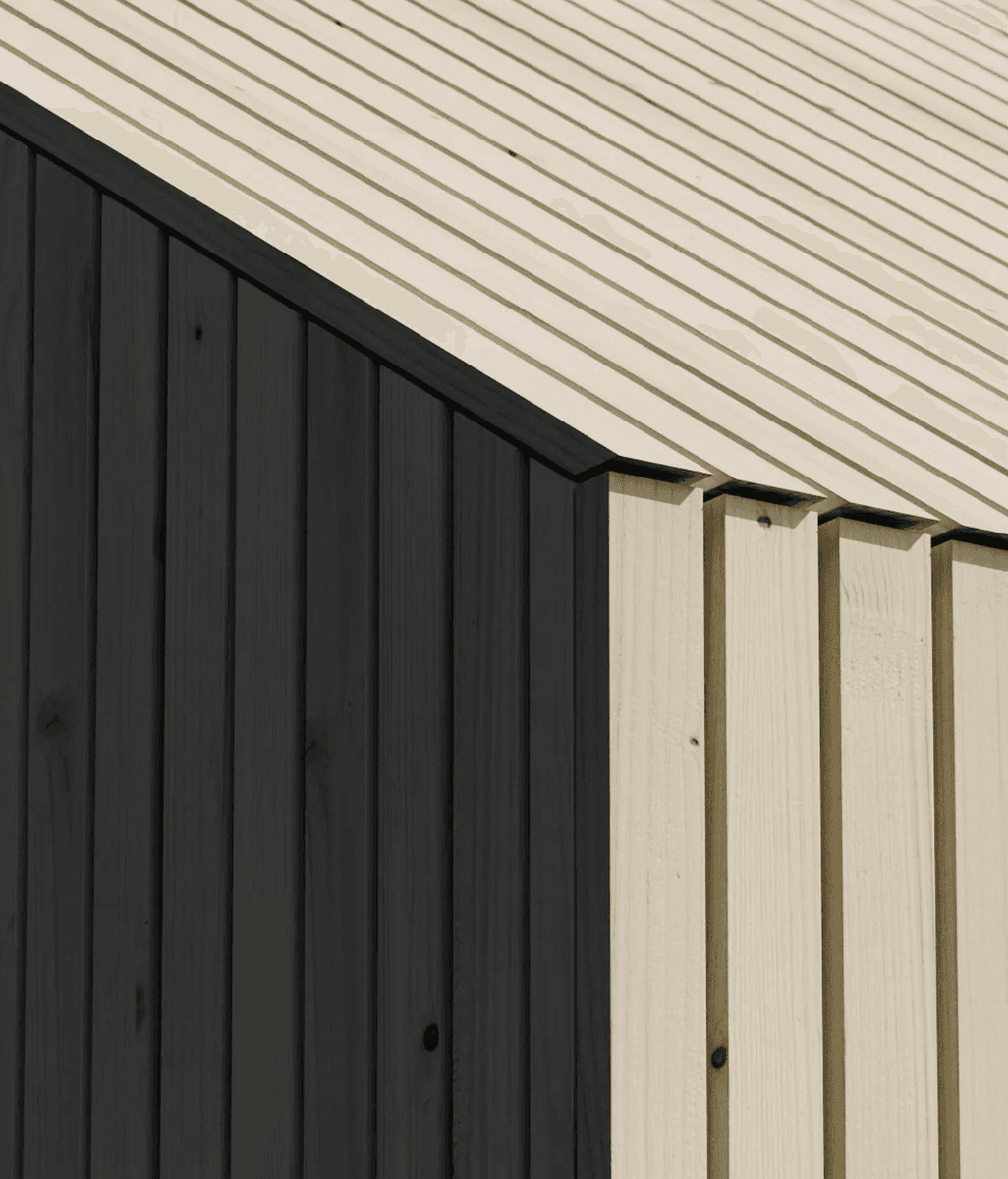
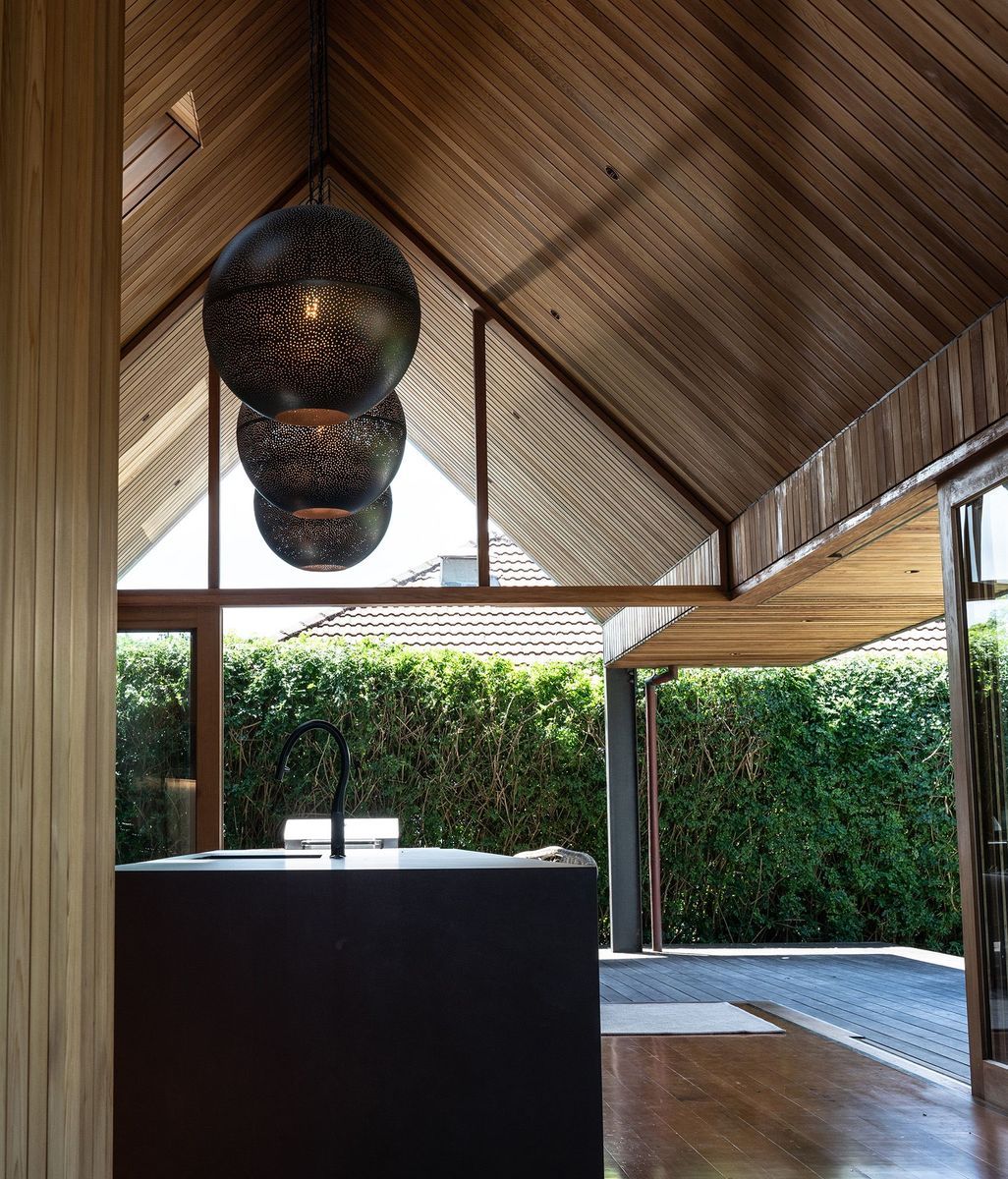
“I am interested in the experience of architecture,” she explains. “And like that pole house, often in my projects there is a really strong roof form and little clusters of activity that are connected but also defined within that larger space.”

This approach is evident both in the practice’s new build projects and the many renovation projects completed across the Auckland isthmus. 

Working with the city’s character bungalows and villas has become something of a specialty.

“I started out doing more renovation projects where there was a clear distinction between the older part of the house that holds the relationship to the street and then a more open rear part,” she says. “Each project riffs off what is particular about that site, whether it is a level change between the floor and the garden or the orientation. Although the brief is often similar, each time the solution is different.”

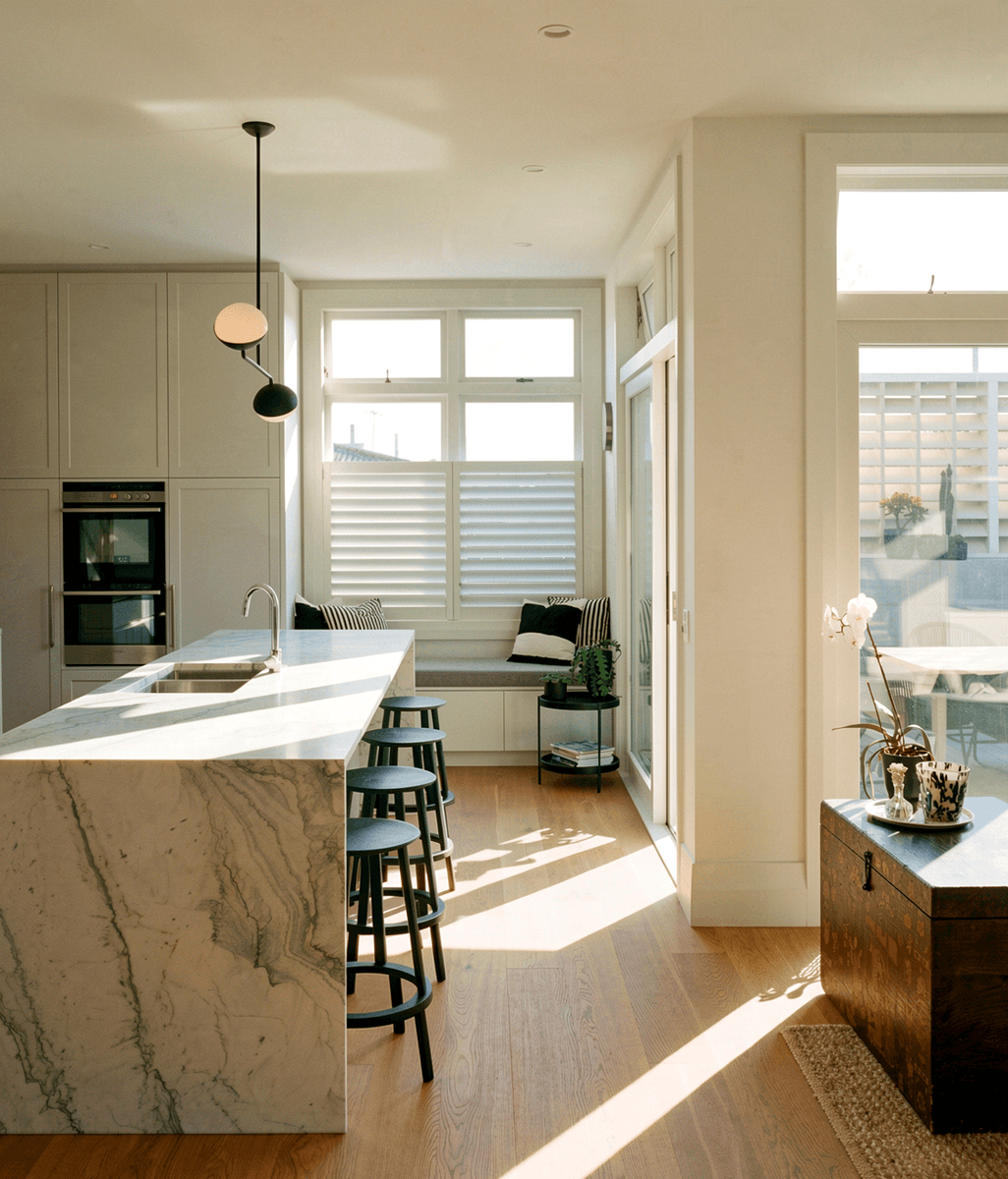
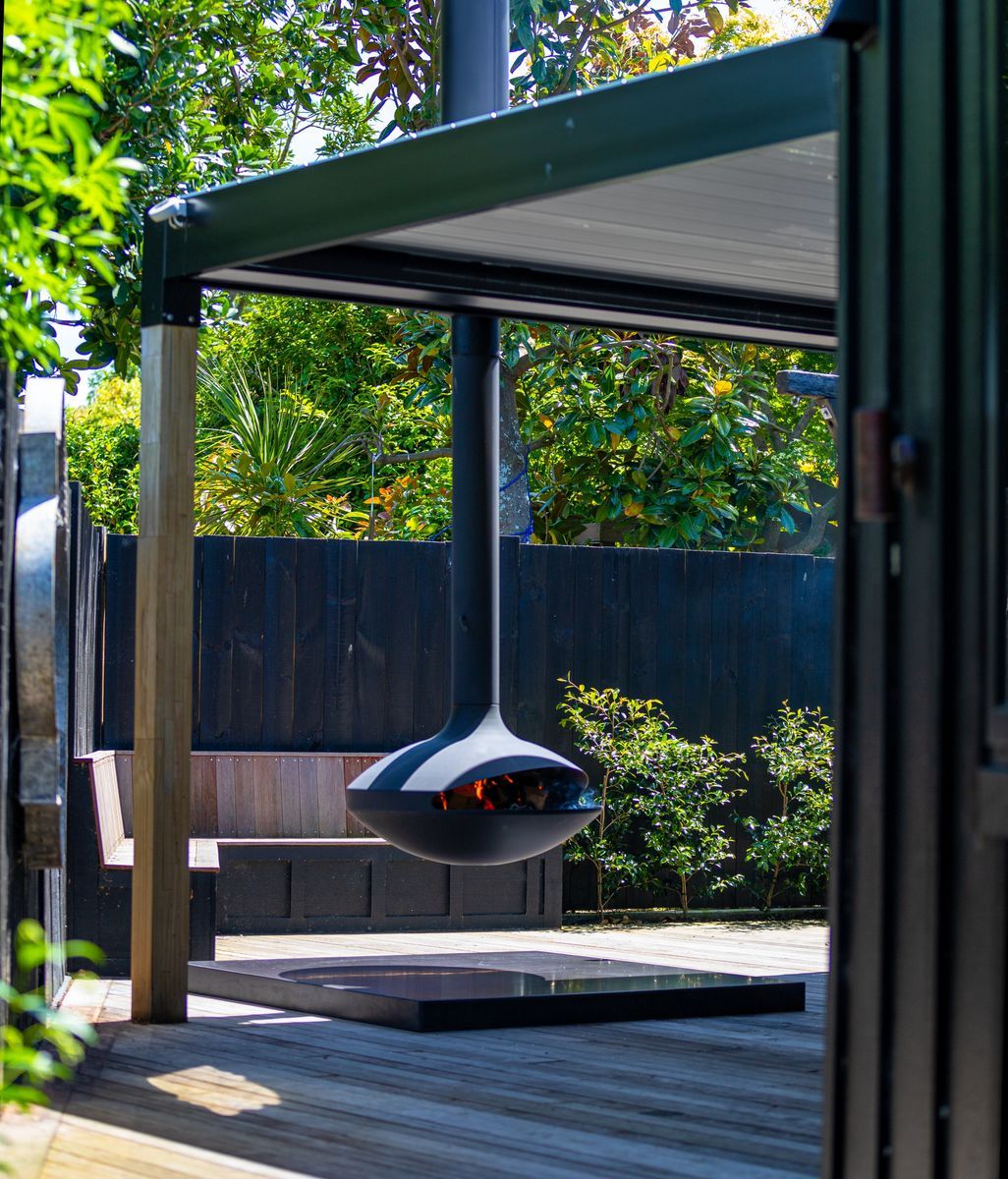
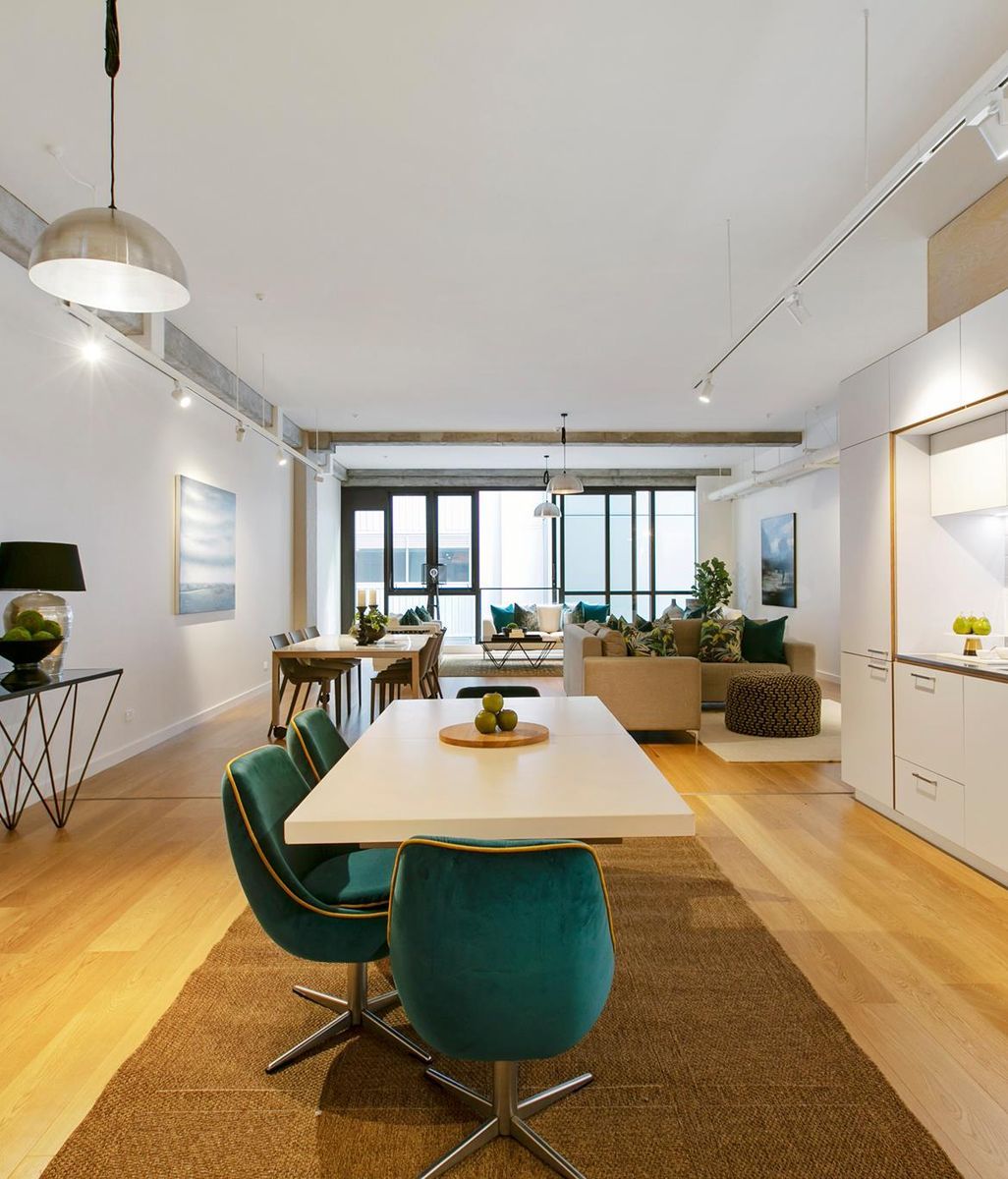
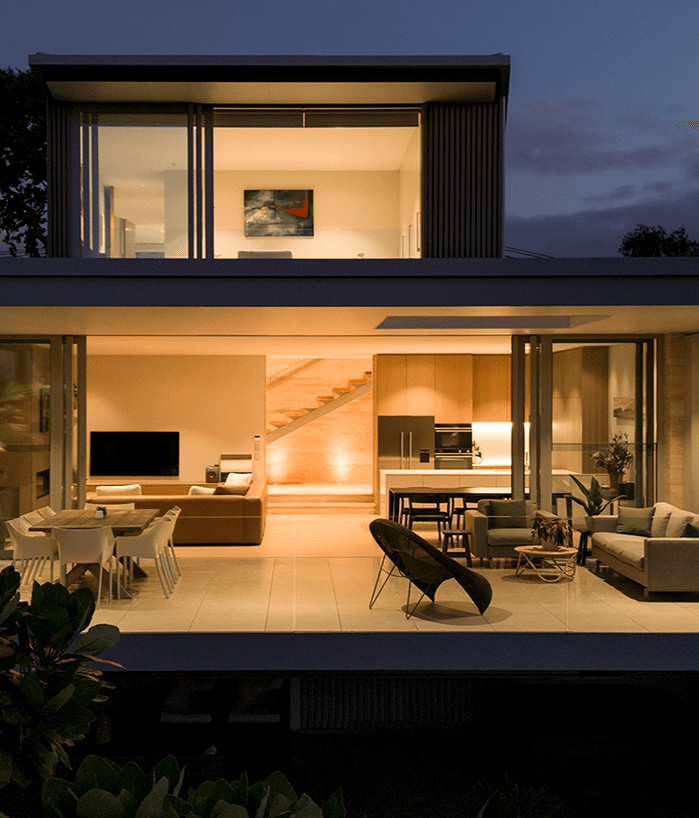
Edwards often plays with volume and light, extending familiar roof forms while introducing new spatial relationships within. Cabinetry, screening and warm timbers help define zones within larger rooms without creating too many walls.

Long Play House by Megan Edwards Architects.

At the heart of every project, however, remains the relationship between people and place. Edwards’ process begins with careful listening to both.

“We speak to our clients to try to understand what they are looking to achieve,” she says. “It’s an empathetic process. You are using all your senses to understand as much as you can about the people and the site.”

From there, the architecture evolves as a way of amplifying what is already special.

“Getting a new site, we identify what is particular about that place and then use the architecture to milk that experience and dramatise it,” Edwards says. “Ideally, a good building teases that out and makes the specialness of a site more evident.”

She considers the connection of building to land and place a precious thing.

“How it opens up to its site or invites people in—the progression of spaces through and out to the landscape. These things are a joy to work with.”

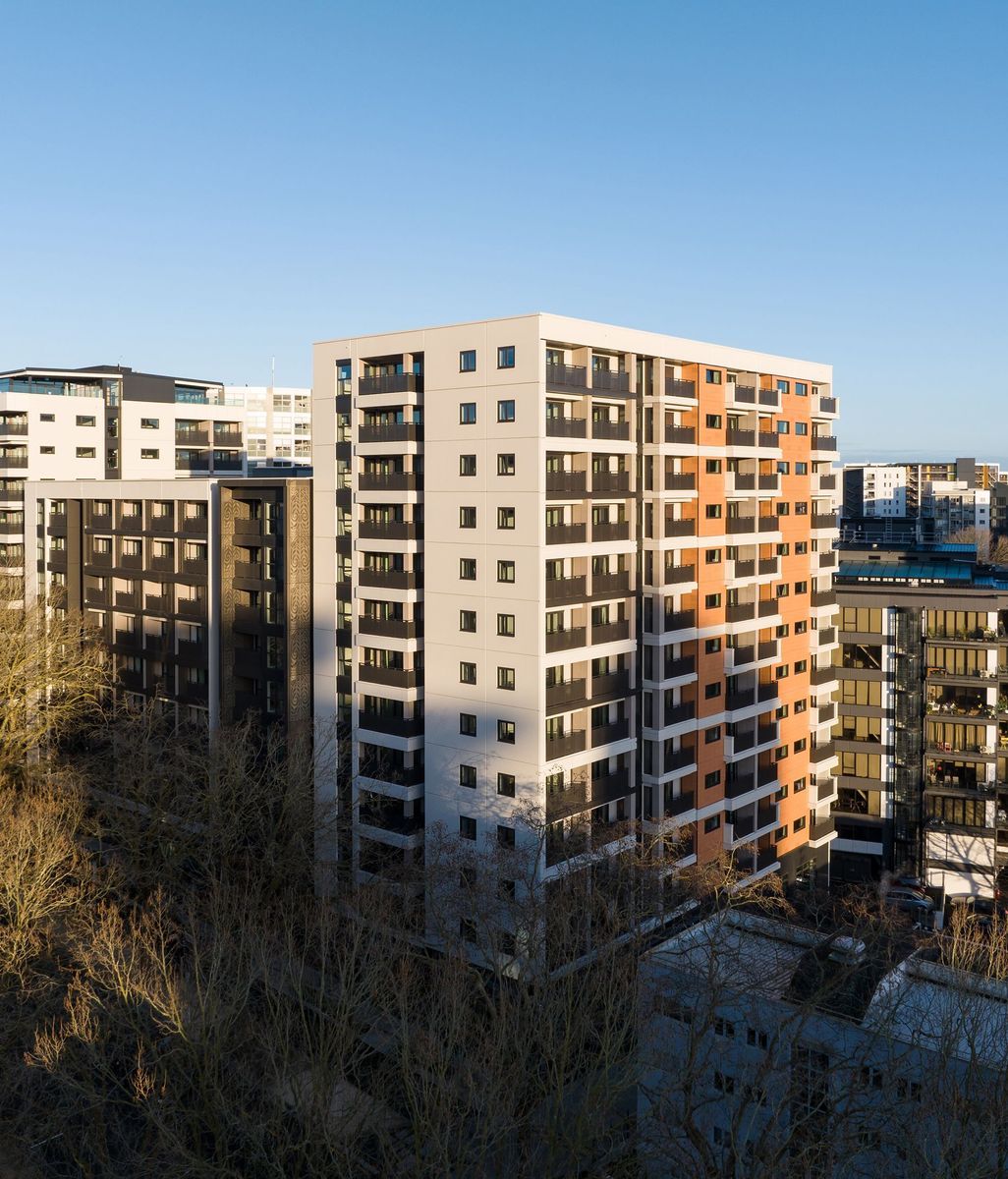
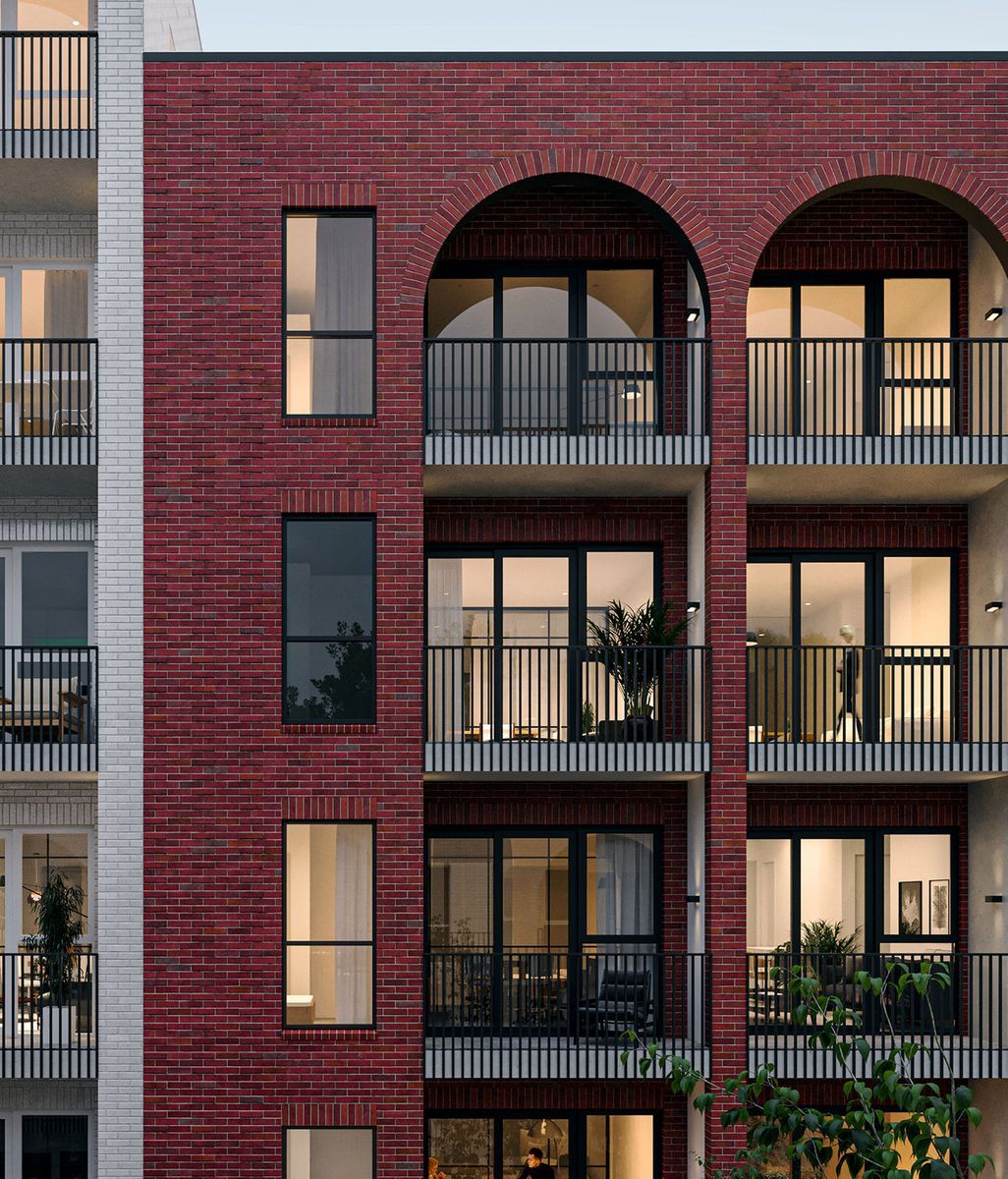
The focus on spatial experience remains, even when the external language becomes more restrained. Increasingly, that thinking is extending into multi-unit and social housing projects, where the challenge lies in creating richness of experience within tighter constraints.

At the same time, Edwards is also embracing a more collaborative model of practice. Recent projects have opened the door to new conversations both within the studio and with other designers, while working alongside landscape designer Zoë Carafice is also enriching projects. 

These exchanges are energising, fostering new ideas and collaborations as the studio evolves. A move to a new office in Grey Lynn is also on the horizon, returning the practice to the neighbourhood where Edwards first began her career. At its core, though, the work remains grounded in people and the creative process. 

“We love making homes for people: the process of working with builders and tradespeople—it’s the human aspects of making something in the world.”


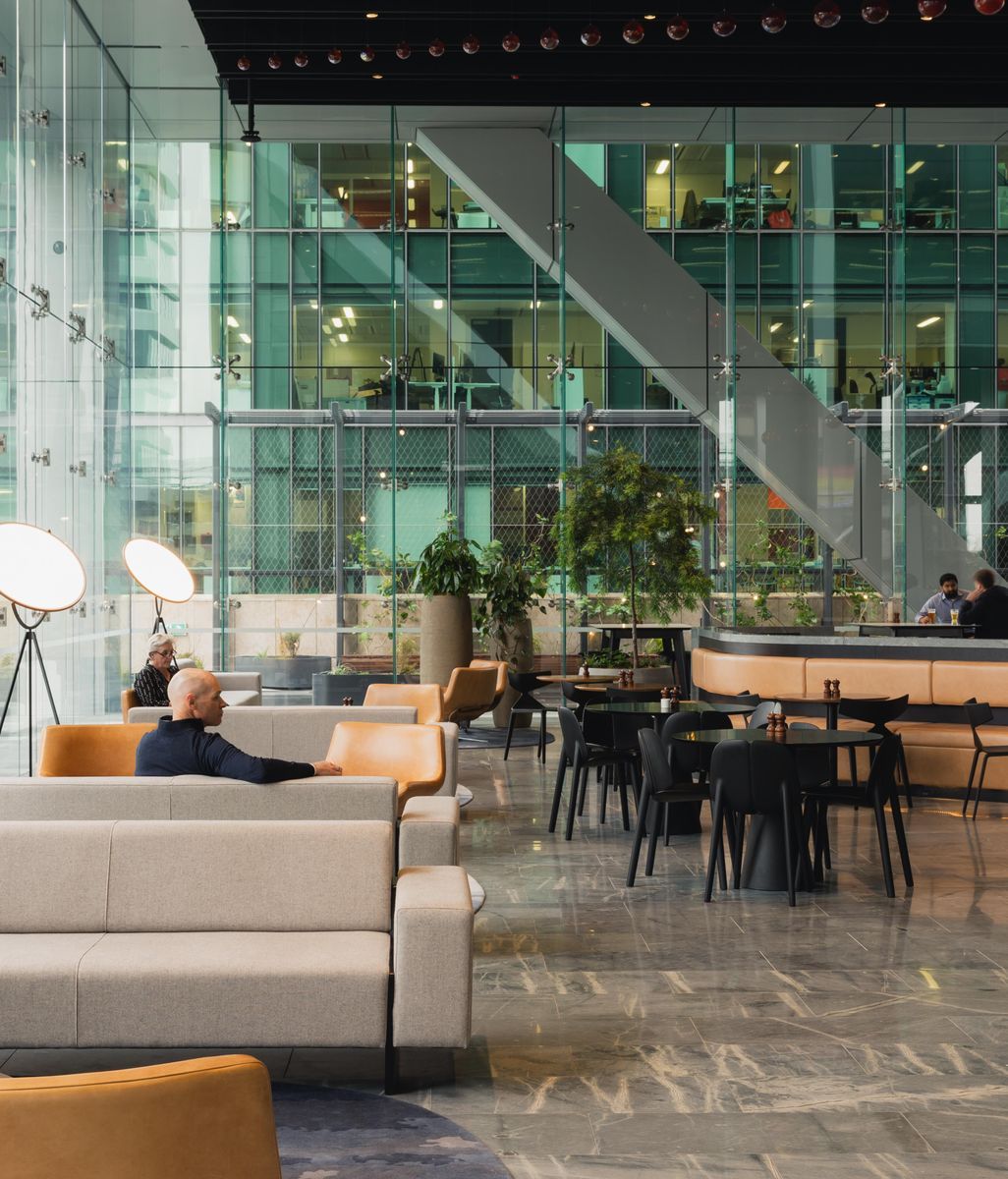
The Knoll by Megan Edwards Architects.