The rise of recycled brick in contemporary architecture
Written by
16 April 2026
•
5 min read

Reclaimed materials are becoming increasingly relevant in contemporary architecture, and as the industry continues to move towards sustainable practices and cost-effective materials, there are few products as eco-friendly as the humble recycled brick. At The Brick Pit, this has been at the core of the business for decades, long before the circular economy became a widely used term.
Now under the stewardship of Ohad Fleiderman, the Sydney-based operation is building on a legacy that stretches back 50 years. At its essence, the model is disarmingly straightforward. Bricks are salvaged from demolition sites, cleaned, sorted and reintroduced to the market. But it’s their performance, cost-effectiveness and aesthetic qualities that are driving more and more architects to use them in their projects.
“The simple truth is that the bricks are a really, really good material,” Fleiderman says. “Many people would say that recycled bricks are better than new bricks. The old bricks are really solid and weigh 4kg, whereas the new bricks have holes inside, are lighter and more fragile. It’s just too good a material to throw away.”
Reusing bricks from historic masonry buildings extends their lifecycle in a way that feels both pragmatic and poetic, he says.
“Old 100-year-old buildings are being demolished frequently. They did their part, but the bricks can have a new life in another building.”

Unlike many recycled materials that require intensive processing, bricks retain their value with minimal intervention. “All we have to do is clean them, sort them by grade and colour, package them, and sell them again.”
For architects, this translates to a material that is not only environmentally responsible but also commercially viable. In fact, recycled bricks from The Brick Pit are often more cost-effective than new alternatives, a rare alignment of sustainability and budget.
The environmental benefits are equally clear. By diverting large volumes of masonry from landfill, the process significantly reduces construction waste.
Behind the scenes, innovation has also played a key role in making recycled bricks more accessible. Traditionally, cleaning bricks was labour-intensive and physically demanding. Today, The Brick Pit operates a purpose-built system capable of processing between 10,000 and 15,000 bricks per day.
“The previous owner realised that it would be hard to find people to do the back-breaking work of cleaning bricks by hand, so he innovated and built a brick cleaning machine,” Fleiderman explains.
Continuous improvements to the process have increased efficiency while also allowing other byproducts that are often mixed in with the bricks to be separated out and recycled.

The advantages of recycled brick in architecture
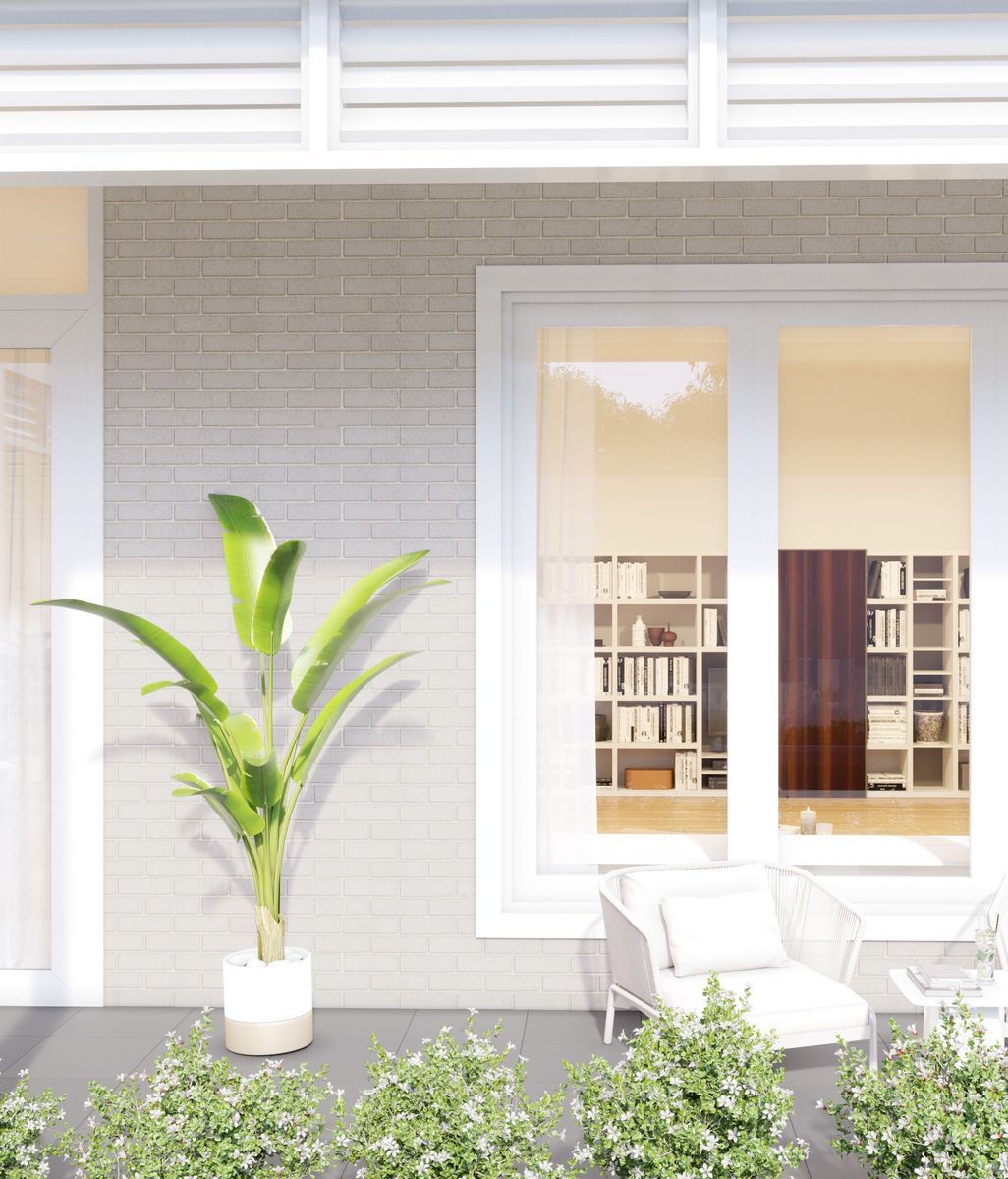
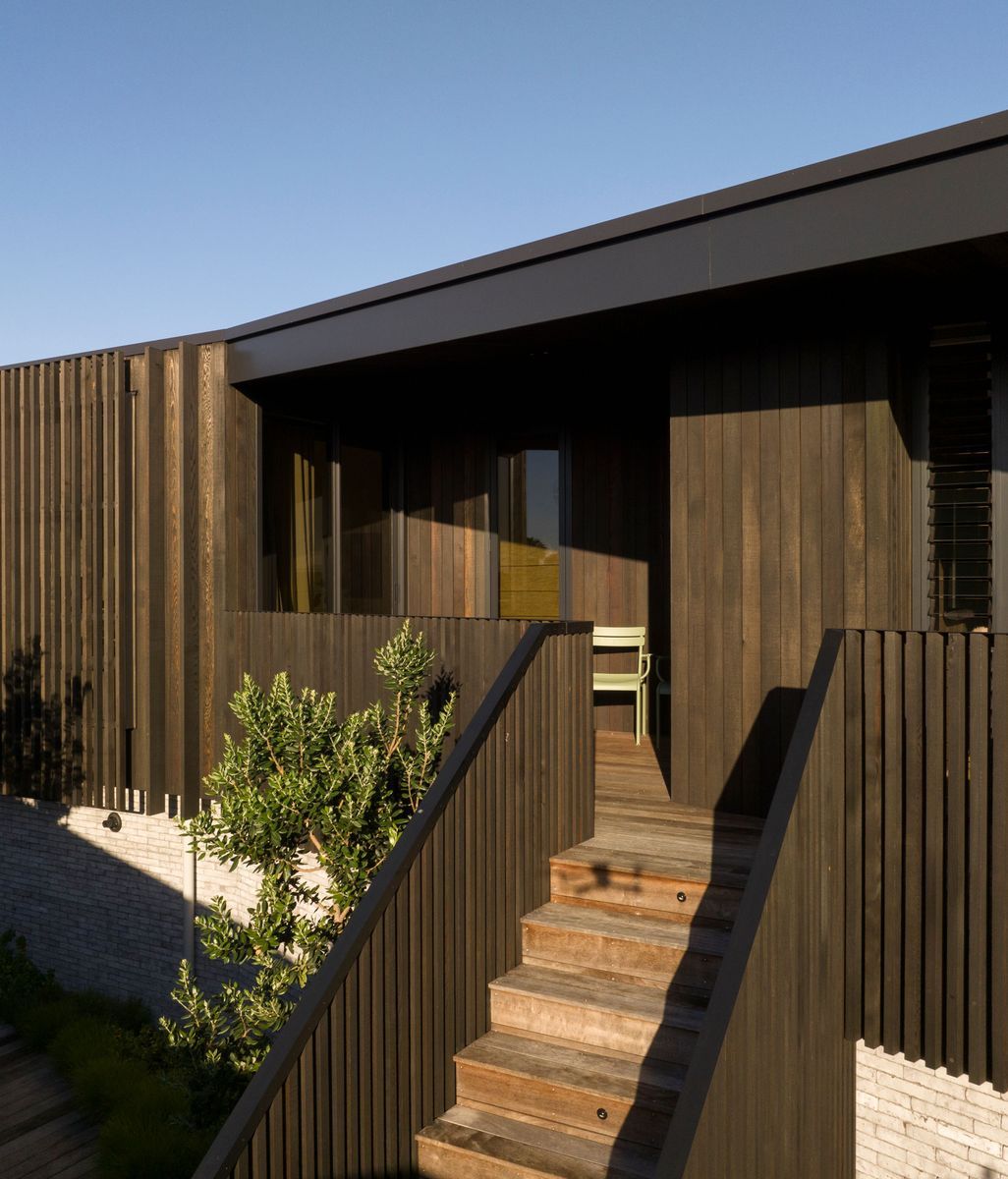
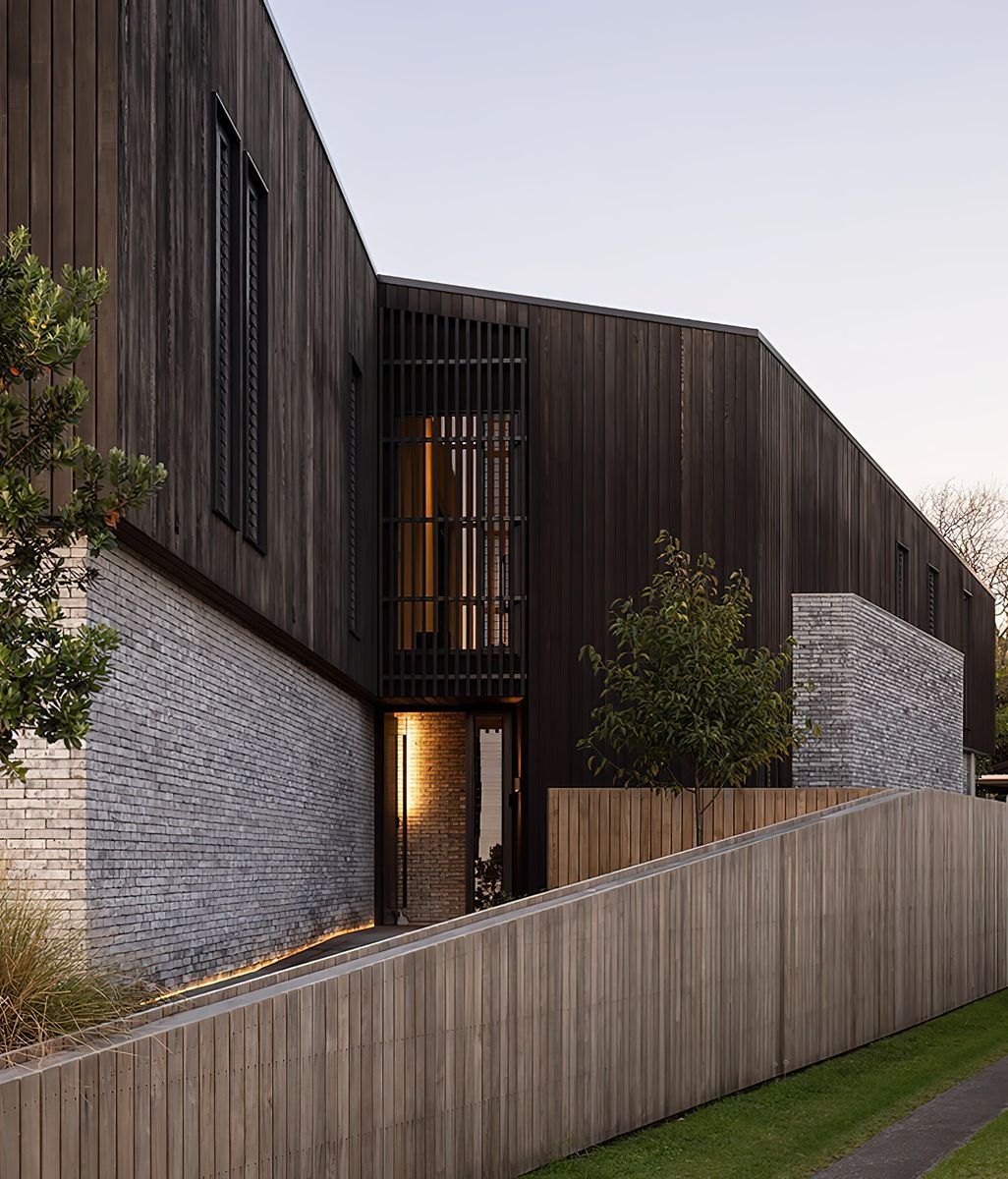
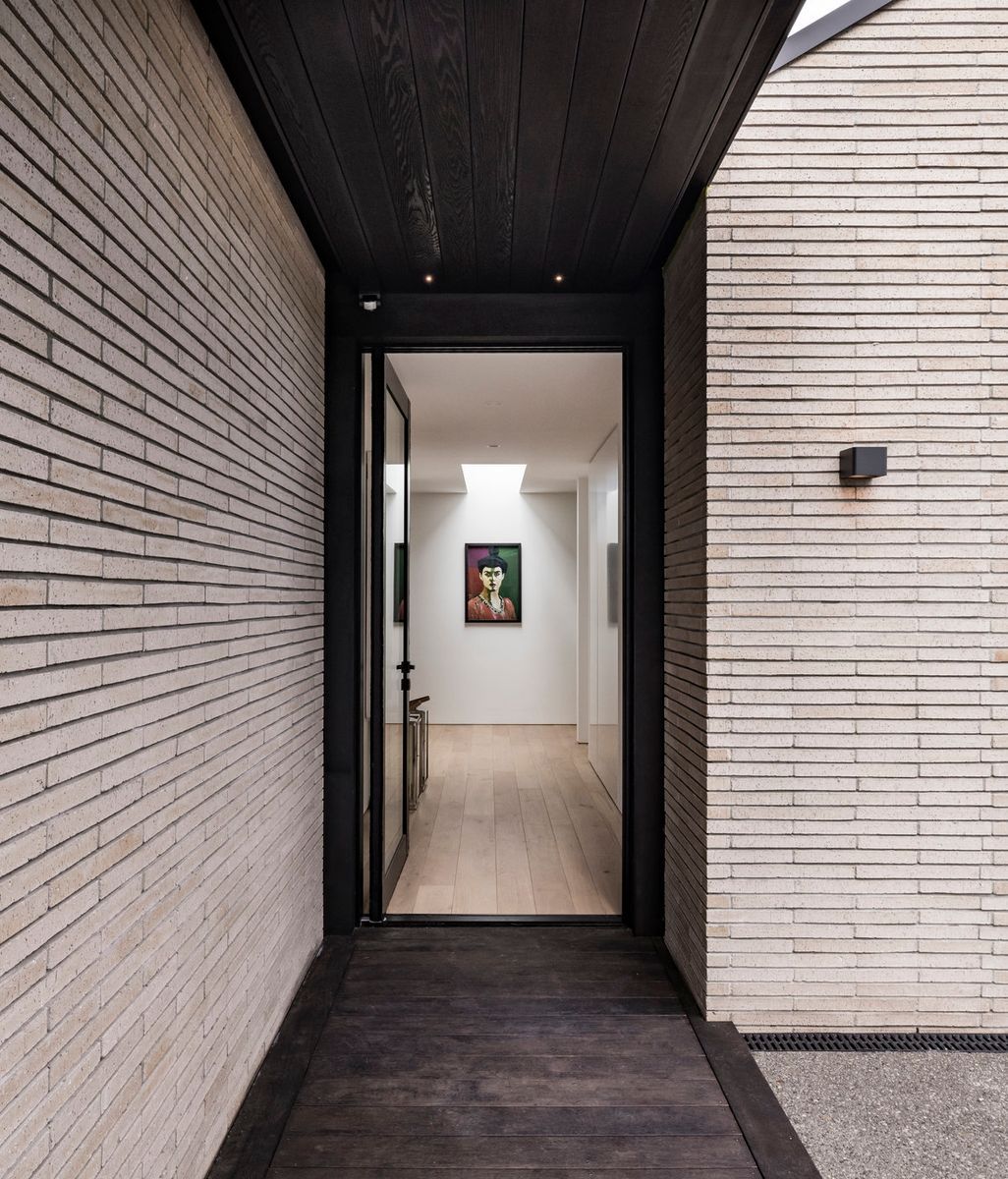
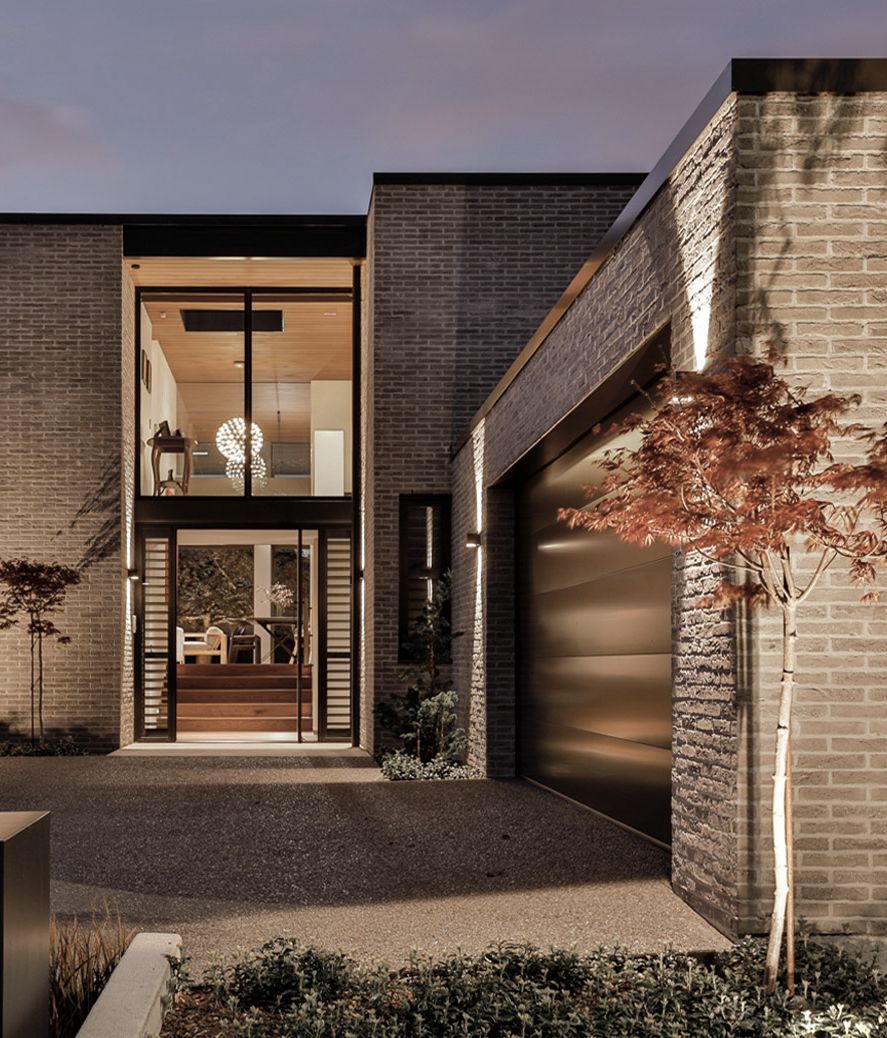
What makes recycled bricks particularly appealing from a design perspective is their variation. Subtle differences in tone, texture and patina create a richness that is difficult to replicate with new materials. The Brick Pit has refined this natural diversity into a series of considered product offerings tailored to architectural needs.
For projects that will be rendered, they offer cost-effective recycled bricks that prioritise function over appearance. For paving, durability and intact edges become the focus, alongside a deliberately varied colour palette. For buildings and projects at a larger scale, the company’s feature blend system, developed to ensure consistency, is popular with designers and architects.
“Our main product is the feature blend,” Fleiderman says. “We realised people really like the coloured bricks, but if you’re building a big house, you need consistency. We choose together with the customer the blend that they like. Every layer of the pallet will have the same blend. That’s how you create the consistency.”
The result is a finish that appears organic yet is carefully controlled, removing the burden from brick layers to create consistency while delivering a precise visual outcome.
For more expressive applications, options such as graffiti bricks introduce traces of a previous life, with remnants of paint offering opportunities to echo or contrast other elements within a design. It is a subtle but powerful way to embed narrative into the built form.
Increasingly, The Brick Pit is also working closely with architects to develop bespoke blends. The process is collaborative, often beginning with reference projects before moving into tailored specifications.
“We specify per customer, per architect,” Fleiderman explains. Whether the brief calls for the exclusion of certain tones or a highly curated mix, the outcome is always project-specific.
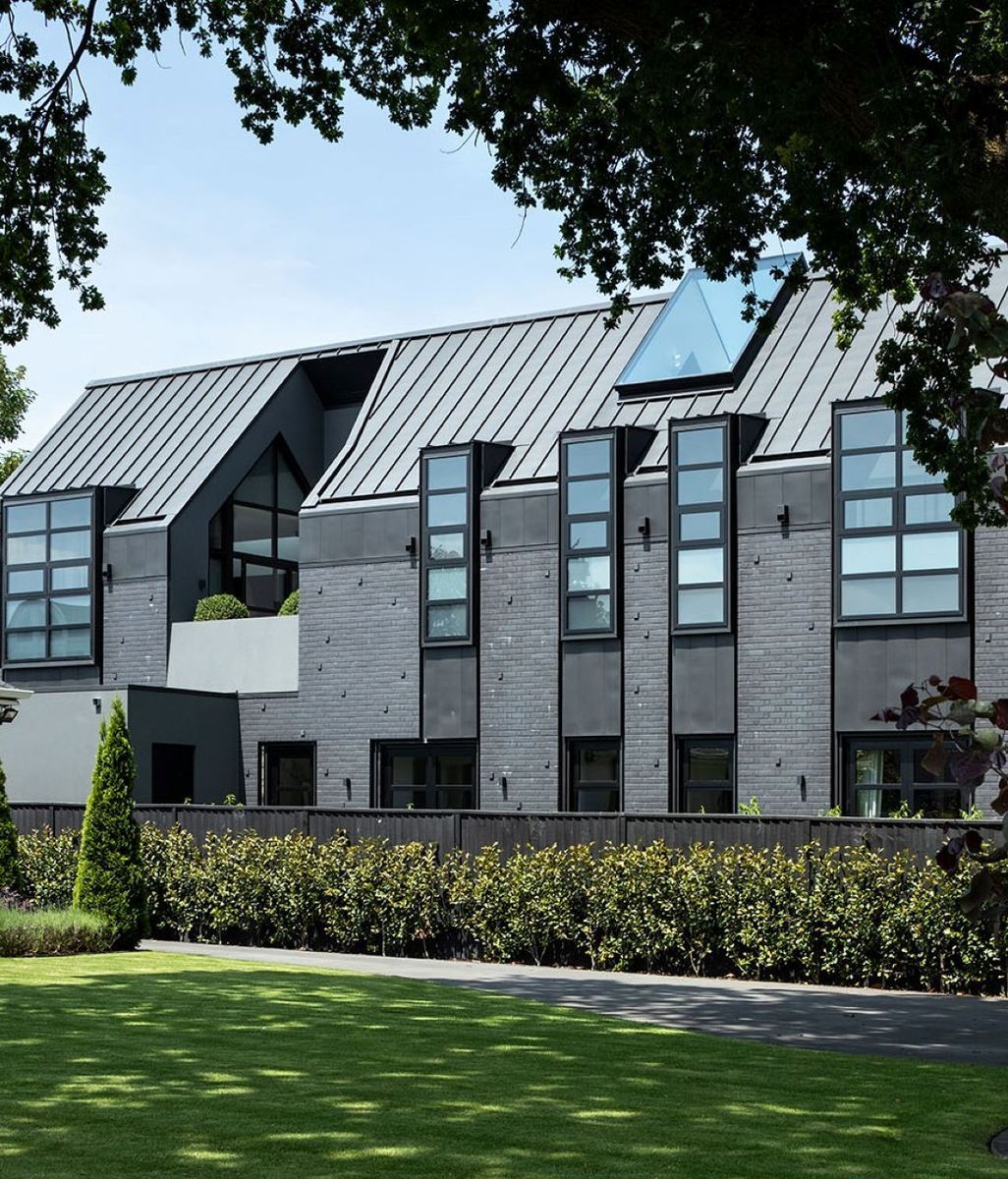
Applications span everything from residential homes to public infrastructure, including large-scale buildings and projects within educational environments. This versatility is further expanding with the introduction of brick slips, a thinner format that delivers the look of traditional brickwork with reduced weight and depth.
“For some applications it’s a better solution, because it takes less space and less weight,” Fleiderman says.
In an industry often drawn to the new, recycled brick offers something refreshingly grounded. It is a material that carries history, reduces waste, supports circular thinking and delivers enduring aesthetic value. For architects and designers, it is an opportunity to build with intention.