Timeless Bathroom Design: Trends Worth Building In

A matte black mixer, a fluted glass screen and a floating oak vanity all photograph well. Give them ten years and they age very differently. How each one ages depends less on style than on where it sits in the build. A bathroom is a stack of layers: framing, pipes and wiring, a waterproofing membrane, tiles, and then the fittings on the surface. The deeper a trend goes into that stack, the more it costs to undo.
That's how we think about timeless bathroom design at Superior Renovations. Follow the trends you love, but match each one's cost to undo with how long you expect to love it.
If you want the trends themselves, our designers' full list of bathroom design trends goes through them one at a time, from black and brass to floating vanities and large tiles. Here we take those bathroom design trends one step further. We run them through three tests, sorts them into what's worth building in and what should stay easy to swap, and then looks at a real two-bathroom renovation in Albany where the owners made exactly that call.
Timeless bathroom design starts with three questions
Trend lists judge a bathroom on the day it's finished. We judge it on year eight, after a few thousand showers and a few Auckland winters.
Will it survive the damp?
A bathroom is the harshest room in the house for materials. Steam, chlorinated water and cleaning products all go to work on finishes every day, and in coastal suburbs such as St Heliers or Devonport there's salt air on top. A trend that wears out physically dates faster than one that simply goes out of fashion. Cheap coloured tapware coatings, engineered timber floors and porous grout are the usual casualties.
What is it built into?
This is the question most trend guides skip. Towels, mirrors, paint and bench-mounted taps sit on the surface. Tiles sit on the membrane. Wall-mounted mixers, niches, drains and heating mats sit behind or under the tiles.
Changing a surface item costs you the item. Changing anything behind the tiles means stripping part of a finished, waterproofed room and bringing the plumber, the waterproofer and the tiler back in sequence.
How much cleaning does it ask for?
Some finishes show every water mark. Some layouts leave ledges and gaps where soap scum sits. Cleaning time never makes it onto a mood board, but you pay it every week for as long as you own the room.

Bathroom trends that earn a place behind the tiles
These pass all three tests, and they share a trait.


They're expensive or impossible to add later, so a full renovation is the cheapest chance you'll ever get to do them.
Walk-in and level-entry showers
Frameless glass is the shower change we're asked for most, and a walk-in shower is a sound long-term choice. It also depends completely on what's under the tiles. A level-entry shower only works when the floor falls correctly to the waste and the membrane runs unbroken under the whole wet zone. Get the fall wrong and water leaves the shower every time it's used.
That makes it a floor decision first. In a timber-floored villa or bungalow, a level-entry shower usually means work on the joists rather than tiling over what's there, so it belongs in a full renovation where the floor is coming up anyway. Converting a bathroom to a wet room often involves altering drainage, which can trigger a building consent. Check the consent position for your own job with Auckland Council or a Licensed Building Practitioner before you design around a step-free floor.
A tiled niche
Niches have gone from a nice extra to a default in the showers we build, because they're cheap to frame in and expensive to add once the room is tiled.

Two details decide whether one still looks good in ten years: a slight fall on the shelf so water drains out rather than pooling, and a tile setout that lands the niche on full tiles rather than thin slivers.
Large-format tiles on floors and walls
Large tiles are one of the few trends that are really about function. Fewer joints means less grout to go grey and less to scrub, and a wall of 600 by 600 tiles run to the ceiling makes a compact ensuite read taller. Because tiles sit on the membrane, they're costly to change, so it's the one surface where calm beats clever. Choose a large, plain, matte tile for the main areas and keep the personality elsewhere.
Grout belongs in the same decision. Cement grout is porous and discolours in a humid shower. Epoxy grout costs more at install but resists staining and mould, which is why we specify it in the wet zones of bathrooms expected to last.
Underfloor heating, if the floor is coming up
Warm tiles underfoot is one trend we rarely talk anyone out of, with one condition. Electric underfloor heating costs roughly $80 to $150 per square metre installed, or about $1,500 to $4,000 in a typical 8 to 10m² bathroom, and it's a small extra when the floor is already being retiled. Ripping up a sound floor just to add it is a different sum, and a heated towel rail usually makes more sense then.


The mat adds height to the floor build-up, which affects door clearances and the join to the hallway, so it has to be planned at design stage. It also needs its own thermostat and timer, and the wiring is a job for a licensed electrician. Our breakdown of underfloor heating costs to install and run sets out the numbers on Auckland power prices.
An extractor fan sized to the room
Ventilation isn't a trend, but every other trend on this page fails in a room that can't dry out. Building Code clause G4 covers ventilation in a consented bathroom, and its Acceptable Solution sets a minimum extraction rate of 25 litres per second for showers and baths. We size the fan on room volume instead: 25 L/s for a small bathroom of up to about 6m³, and 40 to 50 L/s for a standard family bathroom. The ducting must end outside the building, never in the roof space, and a humidity sensor or run-on timer keeps it going after the shower stops. Specify the extraction before you specify the tapware.

Bathroom trends to keep on the surface, where they're cheap to change
You can follow every one of these. Just keep them in the layer of the room you can replace without calling back the waterproofer.
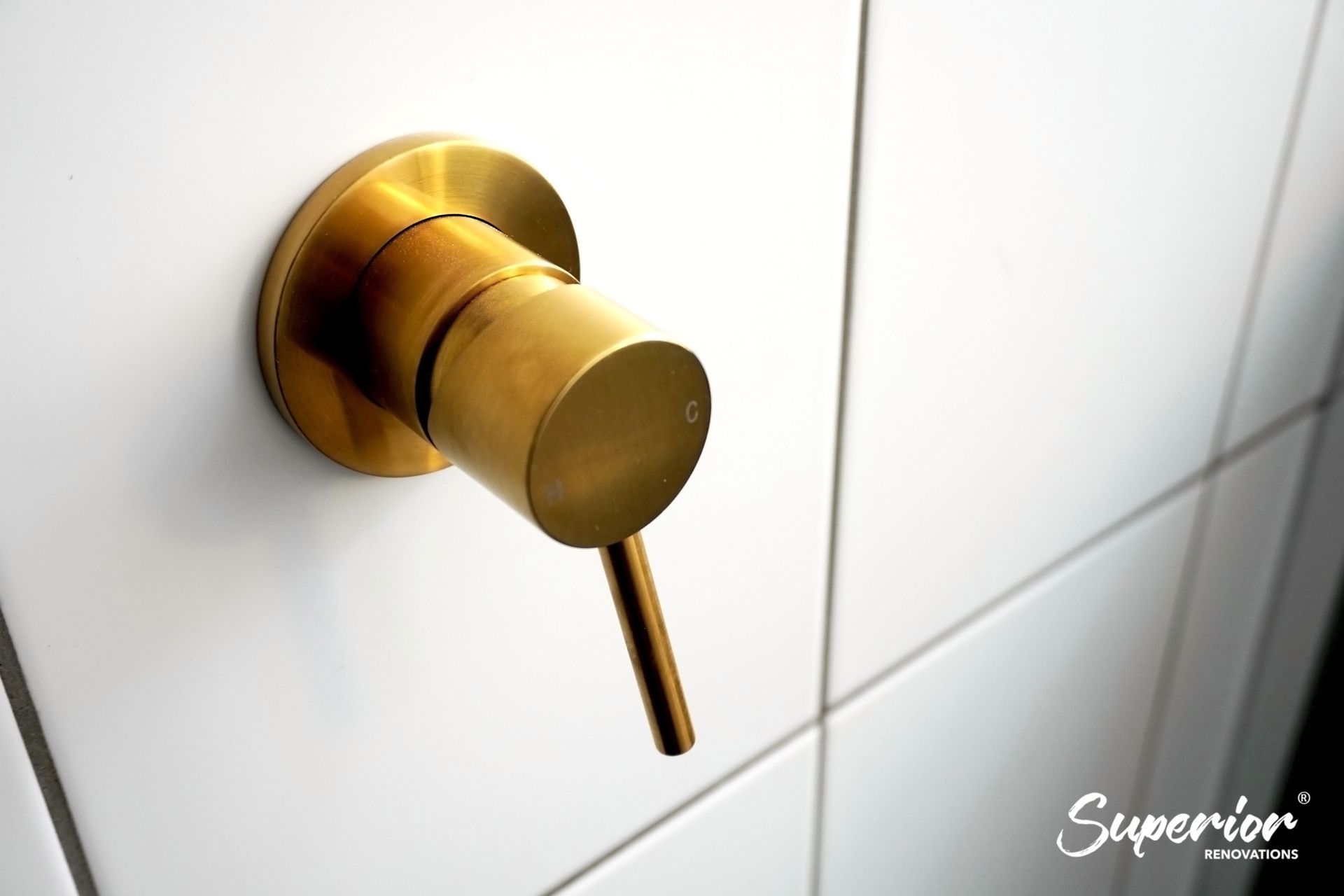
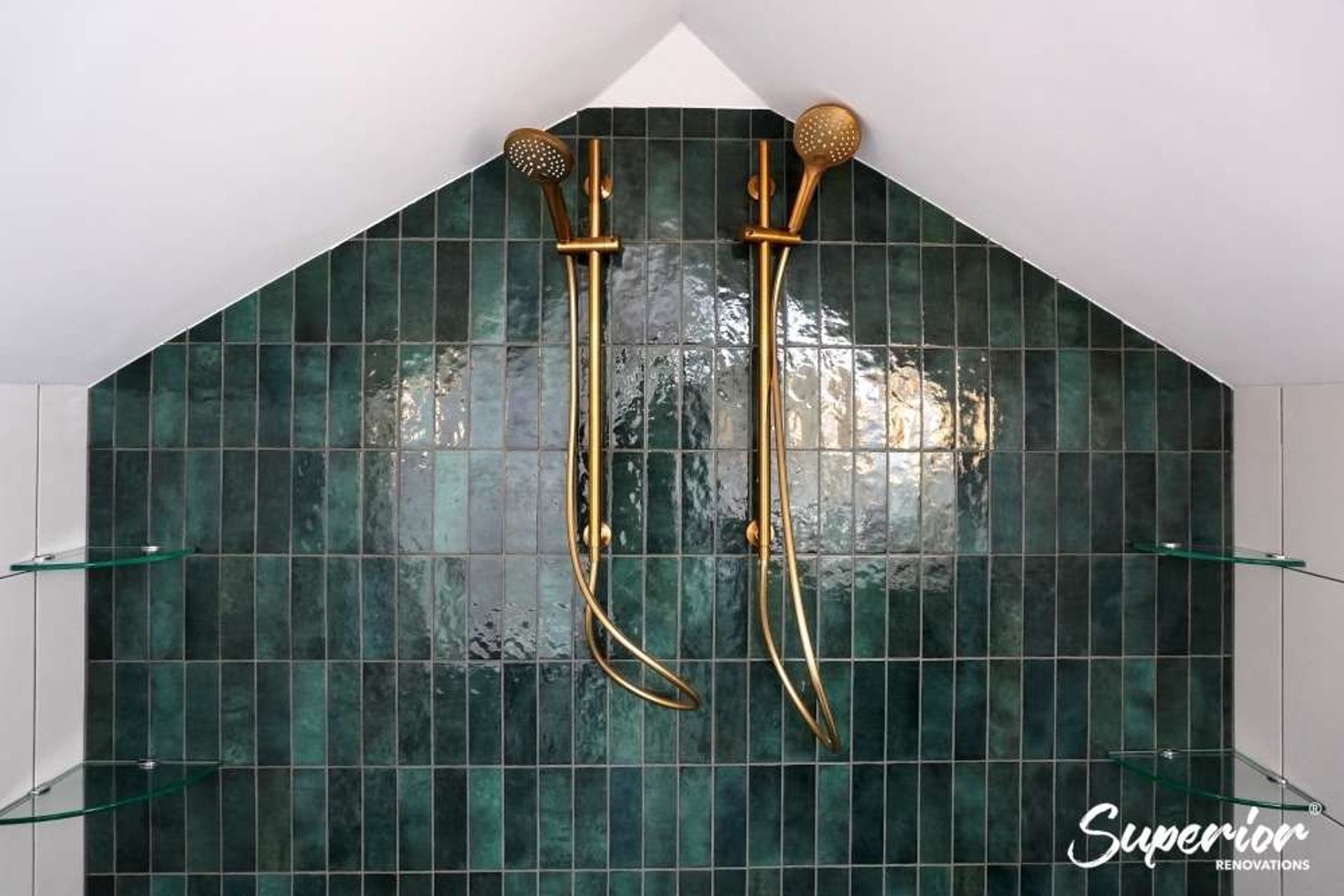
Matte black and brushed brass tapware
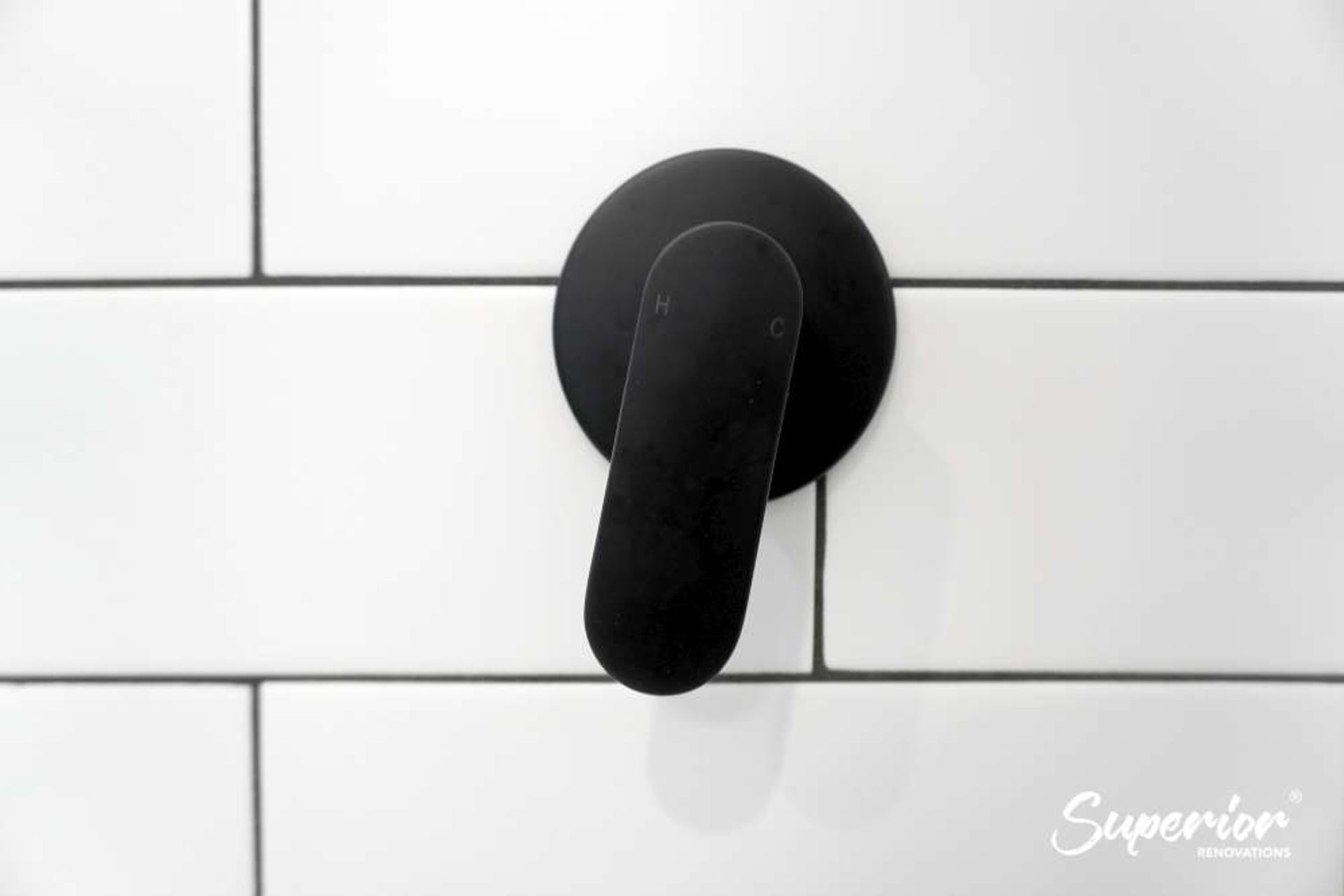
Matte black is the most popular tapware finish in new Auckland bathrooms, and brushed brass is one of the fastest growing. Both can look great for years, but only if the coating is right. Budget matte black is usually painted or electroplated, and in our experience it can start breaking down within 18 to 36 months. A PVD coating, bonded to solid brass, holds up far longer. Matte black also shows water marks and fingerprints more than any other finish, so in a family bathroom it wants a daily wipe.
We had a St Heliers bathroom last year where the client had picked budget matte black tapware before engaging us. Eighteen months in, the finish on the basin mixer had gone mottled. Salt air does that.
— Cici Zuo, Head of Sales, Superior Renovations
How the tap is mounted matters as much as the finish. A wall-mounted mixer looks cleaner, but its plumbing is roughed in behind the waterproofing, so replacing it later means opening tiled walls. If you're following a colour trend, put it on bench-mounted tapware you can swap in an afternoon. Save wall-mounted for a finish you're happy to live with for a decade or more. Our guide to how tapware finishes hold up in Auckland water covers PVD, brands and budgets in more detail.
Colour, including blush and bold accents
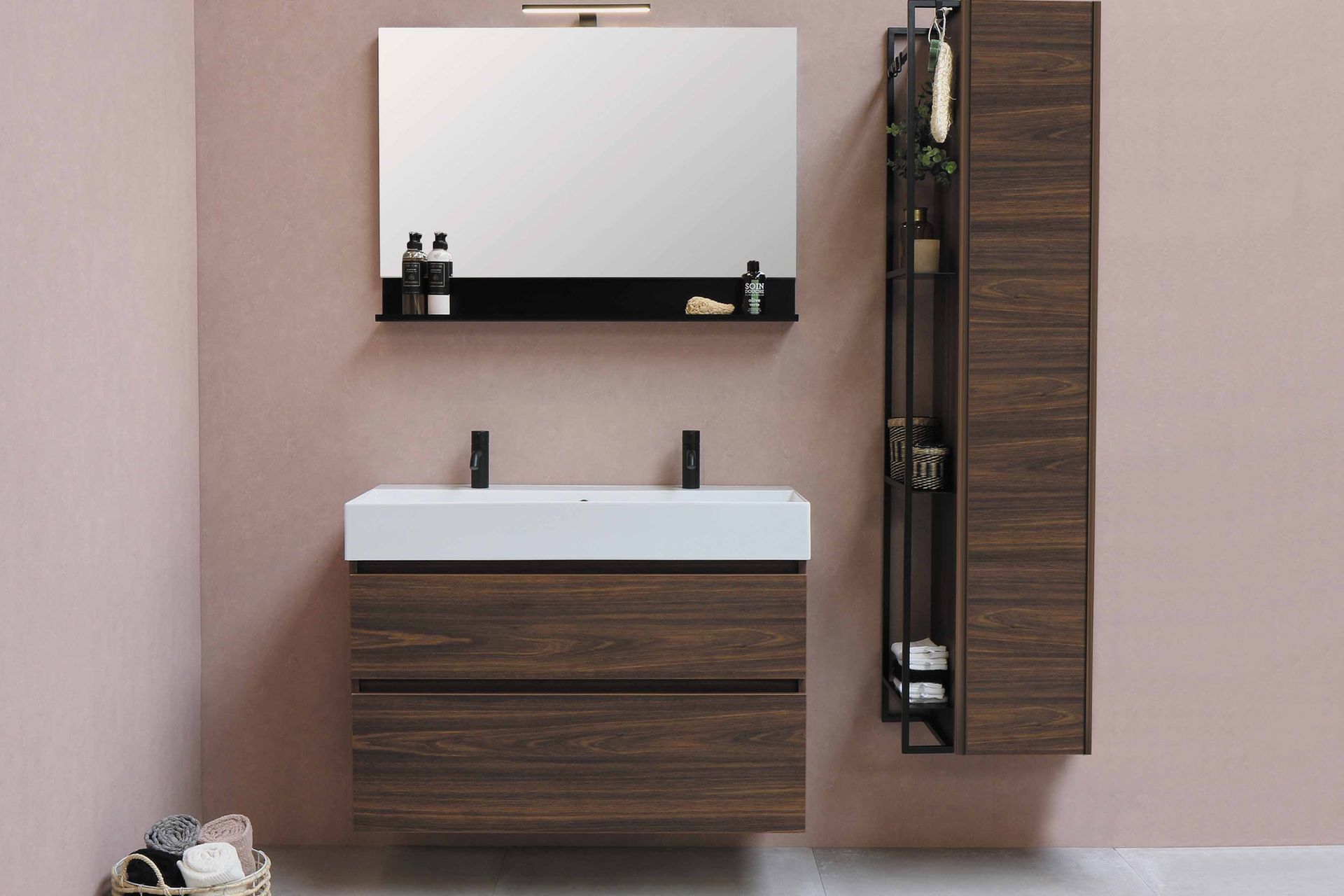
A pop of colour, pale pink walls or a jewel-toned feature can lift a plain bathroom. Paint is the cheapest layer in the room, so that's where colour belongs. A strongly coloured or patterned tile is a different commitment.


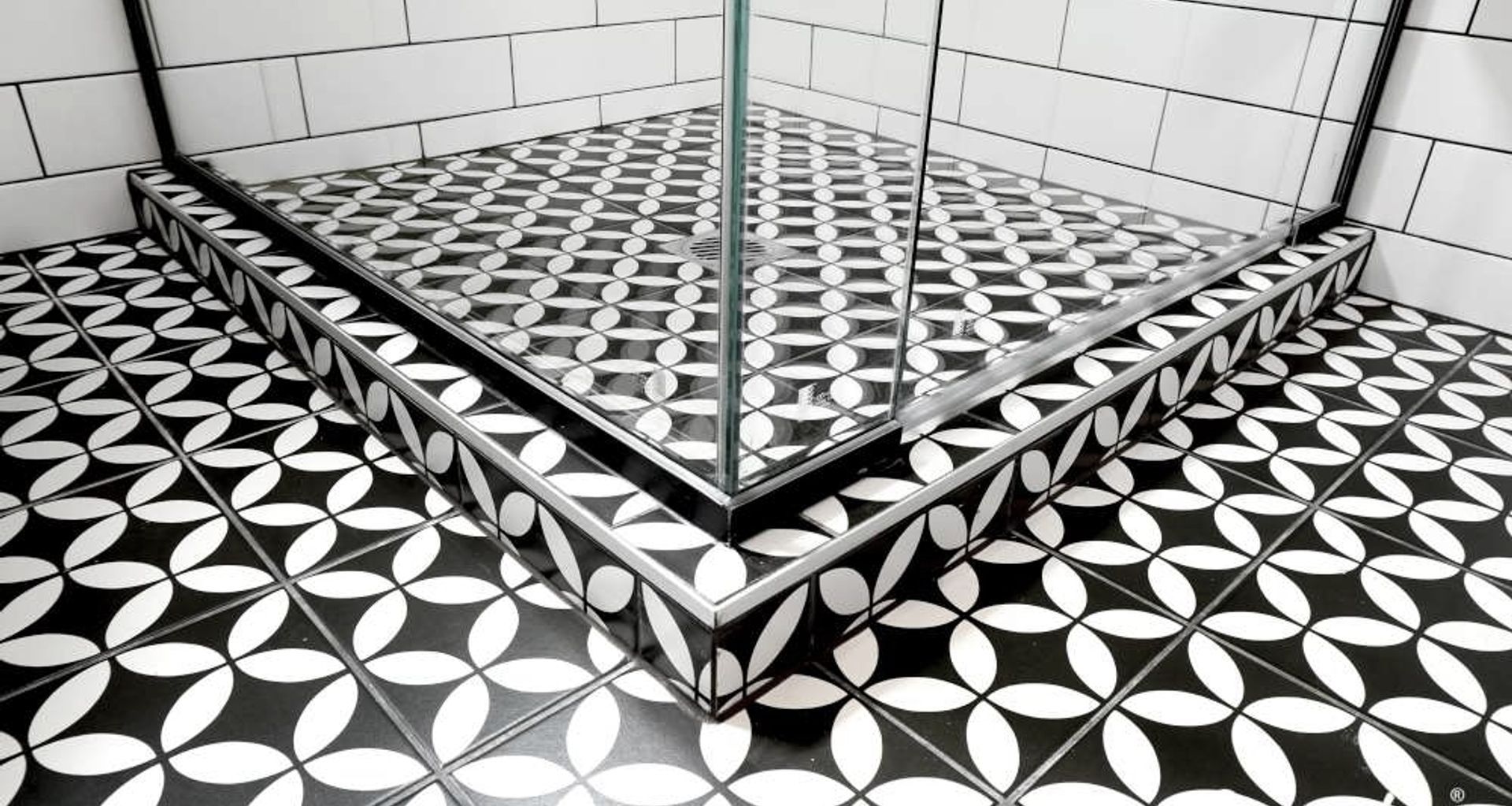
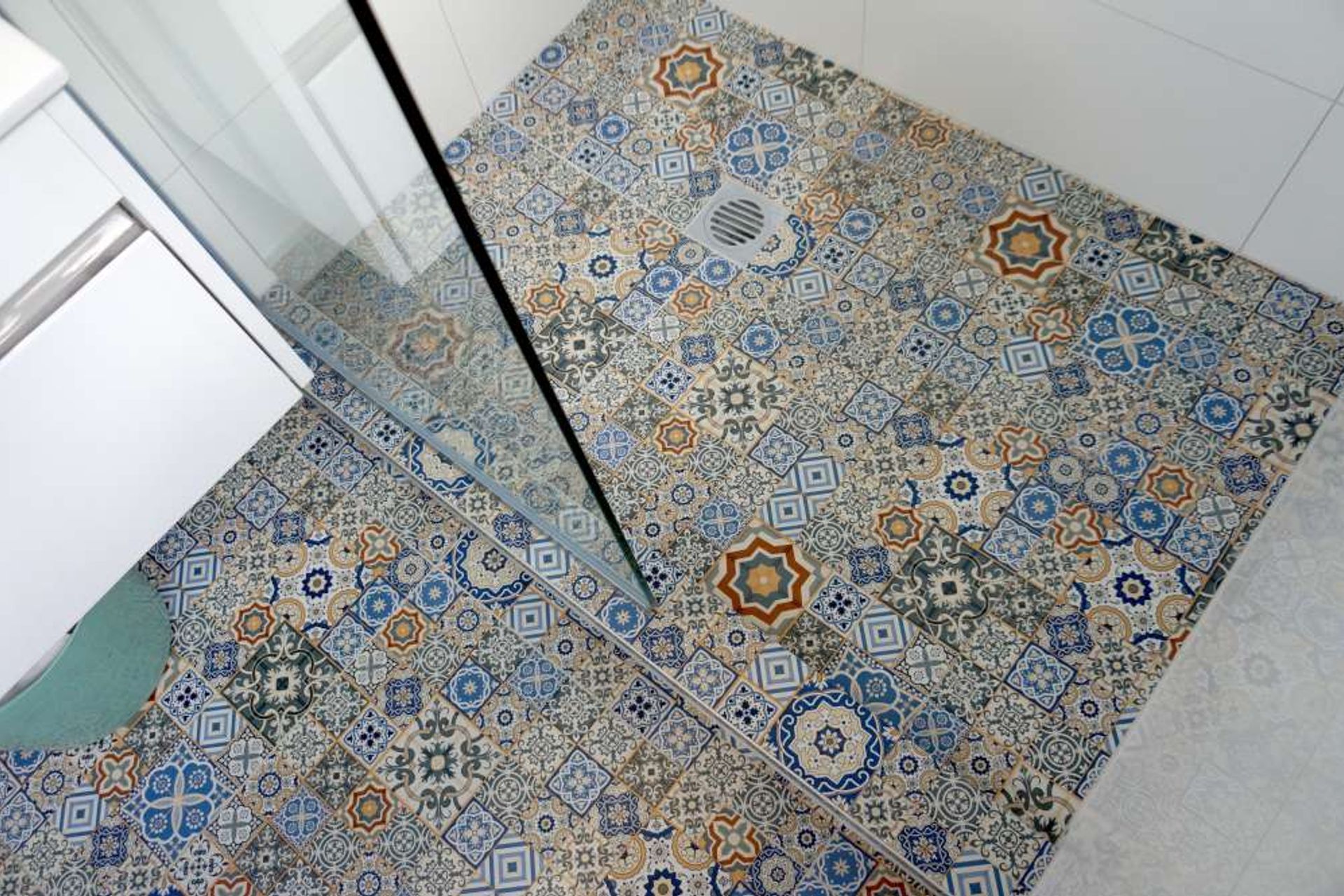
It sits on the membrane, and patterned tile designs are among the first things in a bathroom to date. If you love a pattern, contain it to a small area such as the back of the niche or the floor of a powder room.
Statement mirrors and smart features
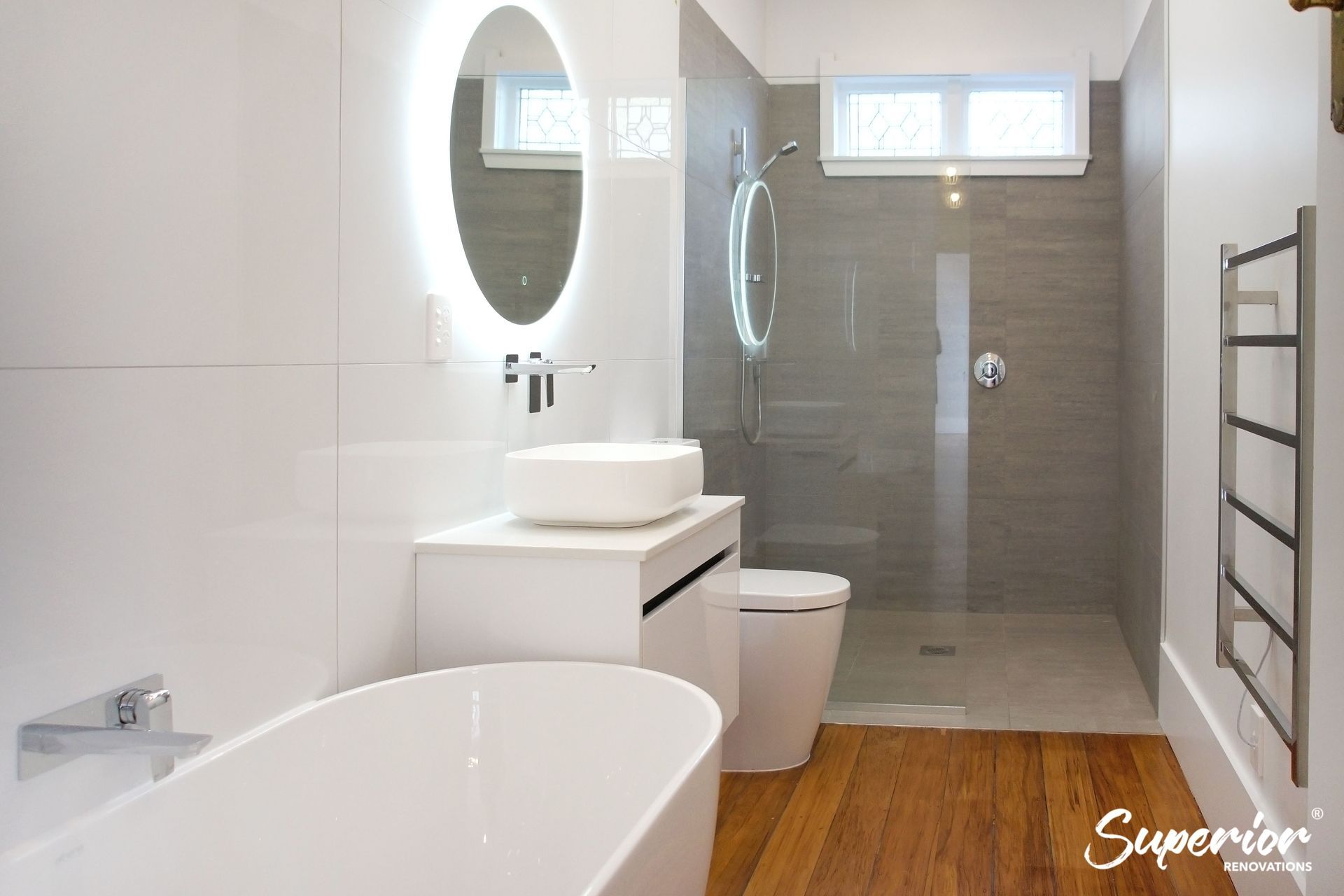
Backlit LED mirrors, demisters and touch controls are useful, and they're mostly surface items. The one part to plan is the power: decide where a lit mirror or cabinet will go while the walls are open, so the wiring is there. The device itself can then be replaced whenever the technology moves on. Choose smart features that come out as a single unit rather than anything built into a cabinet opening of one exact size.
Open shelving
Open shelves look good in photos and they're cheap to install or remove. They fail the cleaning test, though. In a steamy bathroom, anything on an open shelf collects dust that sticks, and bottles end up on display whether you want them there or not. One small shelf for things you use daily works. For the rest, closed storage keeps the room calmer.

Floors, vanities and glass: the layer in between
Some choices aren't buried in the walls, but replacing them still disturbs the finished room. They're worth choosing for the long haul.
Floor finishes
Timber-look floors are popular, but we don't install engineered timber in bathrooms. The boards are made for living-area humidity, and a bathroom well exceeds that during every shower. What we see when we strip them out is cupped edges, gapping joints and finish breaking down around the toilet and shower. A timber-look porcelain tile or a premium SPC plank gives the look and behaves like a bathroom floor should.
Floating vanities
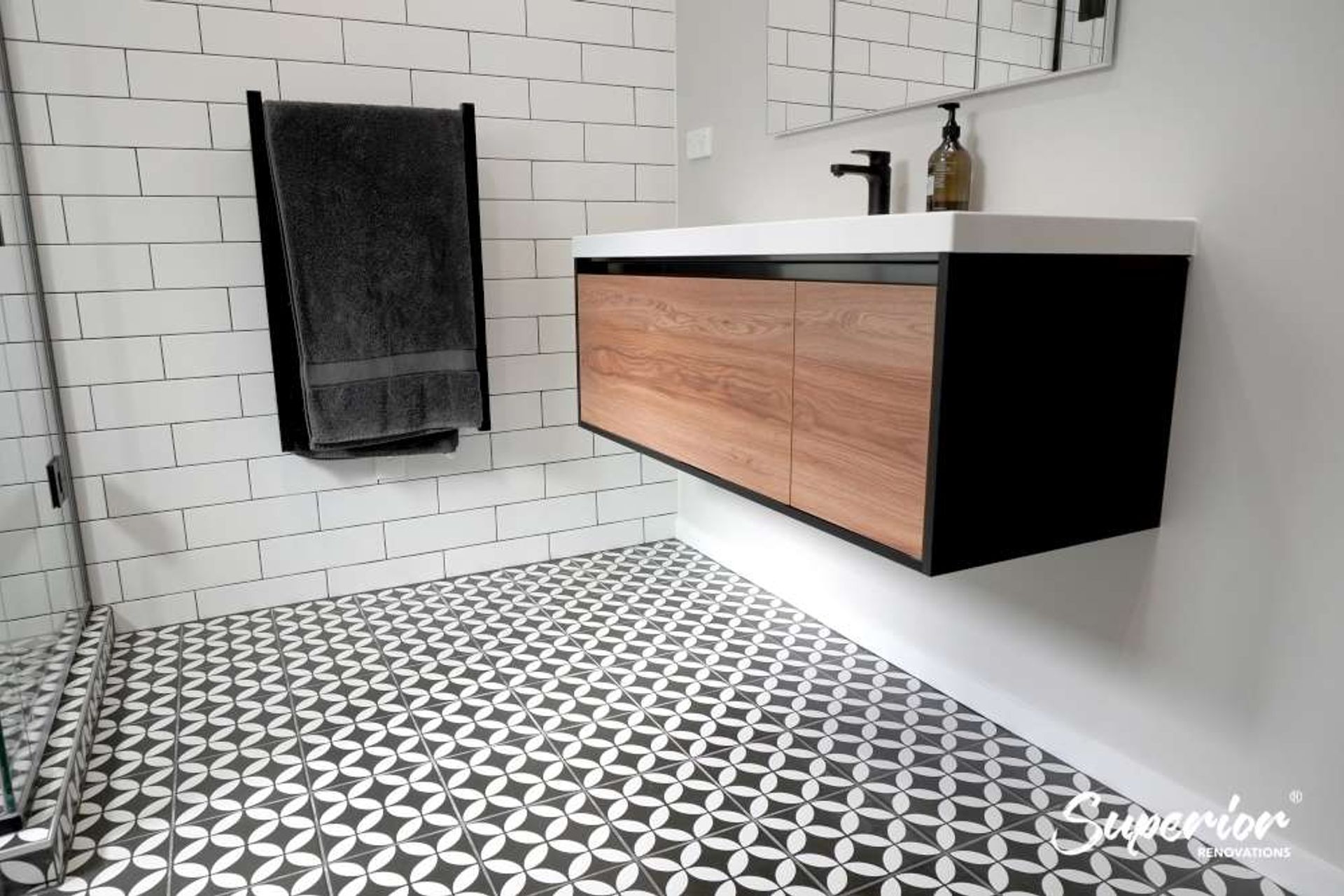
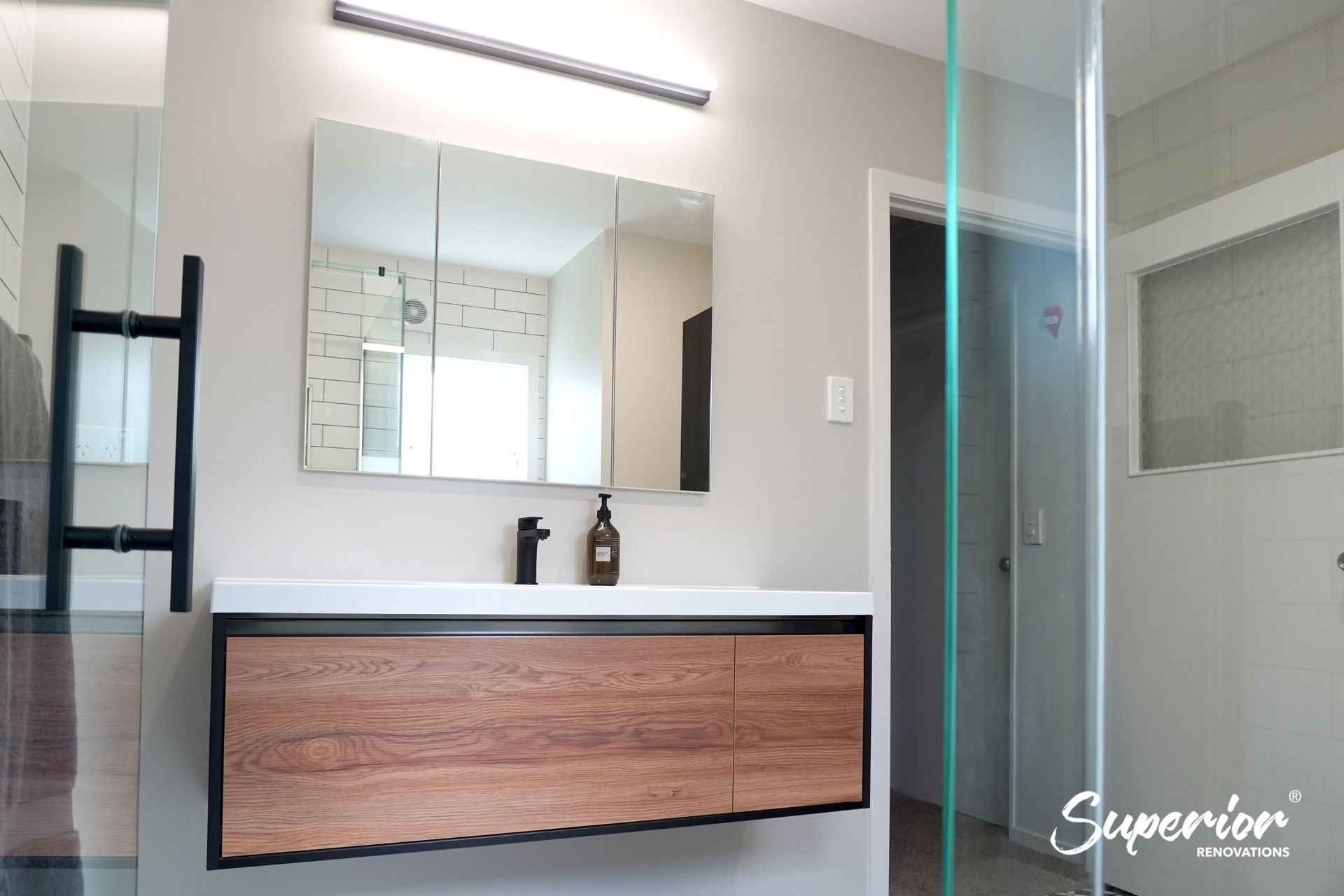
A wall-hung vanity is one of the trends we'd back for the long term. It makes a small room look bigger, and the floor underneath stays dry and easy to mop. The cabinet itself can be replaced later, as long as the waste and water supply come out of the wall where a replacement can reach them. Settle those positions with the plumber before the linings go on. If you want the vanity sized to the room rather than bought off a shelf, Little Giant Interiors' custom wall-hung vanities are built by our sister company.
Shower glass
Frameless glass has no frame crevices for mould, which makes it easier to keep clean. Clear glass still shows water spots. Fluted and frosted glass hide water marks better, while patterned glass takes more effort to wipe down. All of it has to meet AS/NZS 2208 for safety glazing, and frameless panels need a precise install, so they aren't a DIY job.
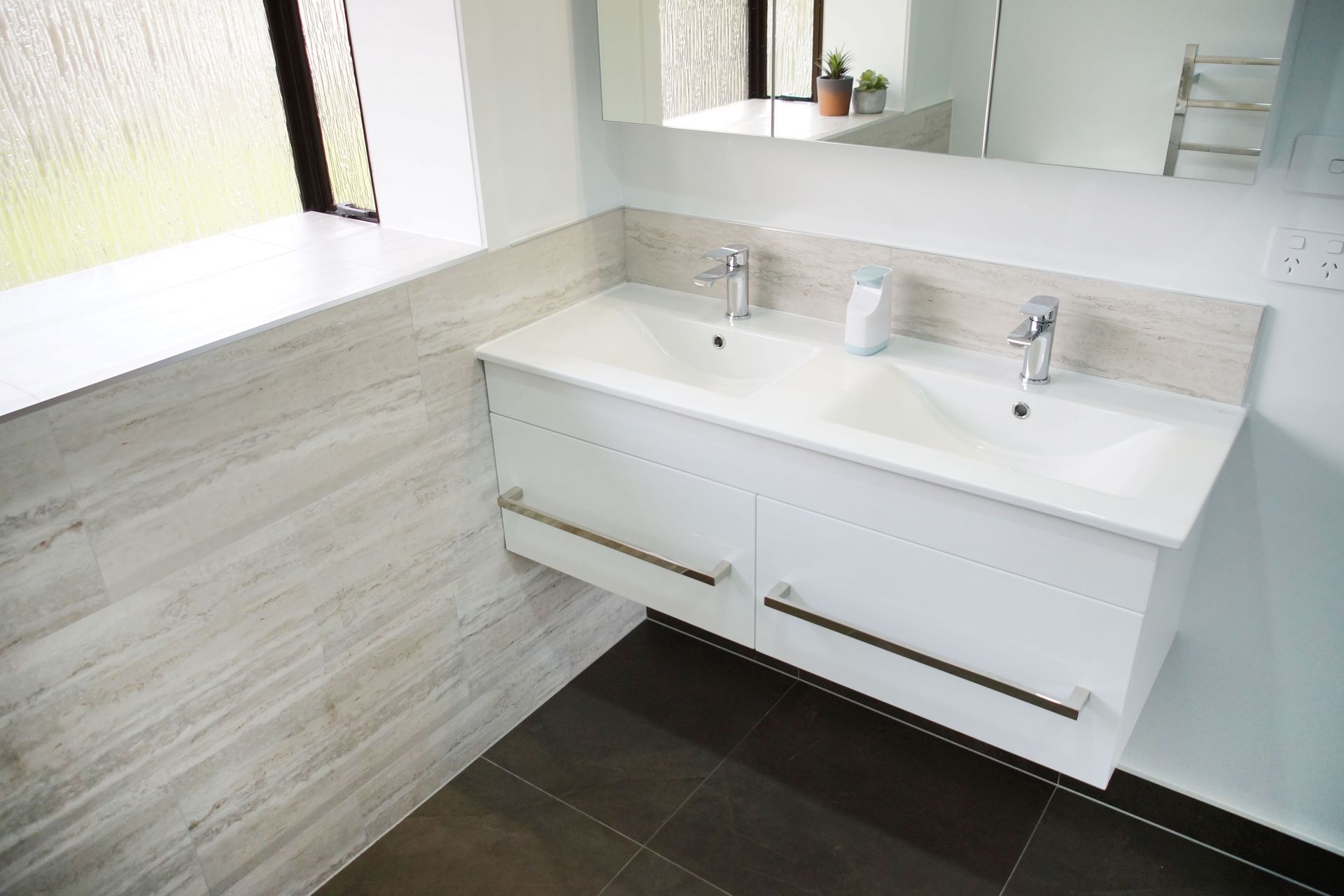

Albany: a dark floor built in, the details kept calm
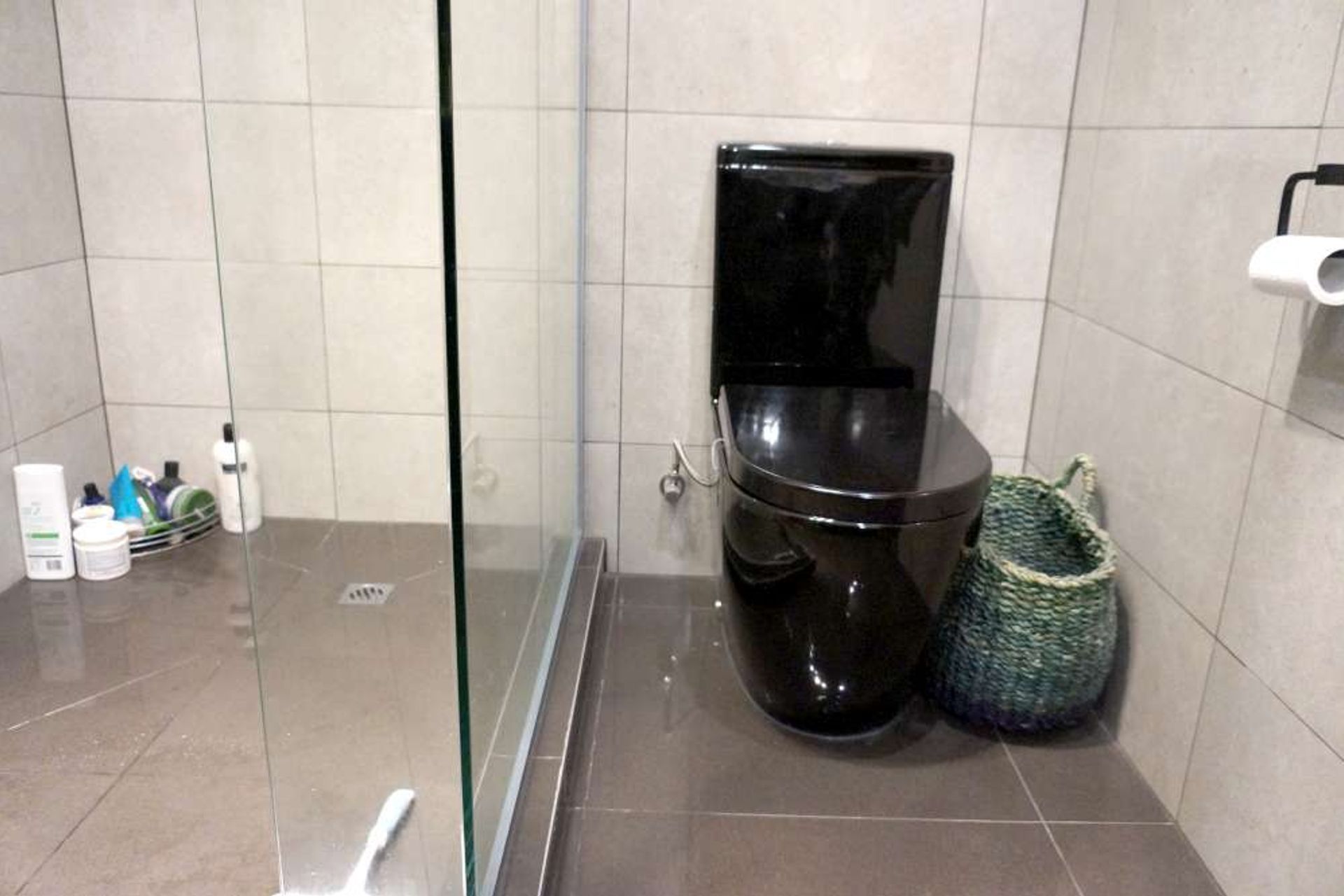
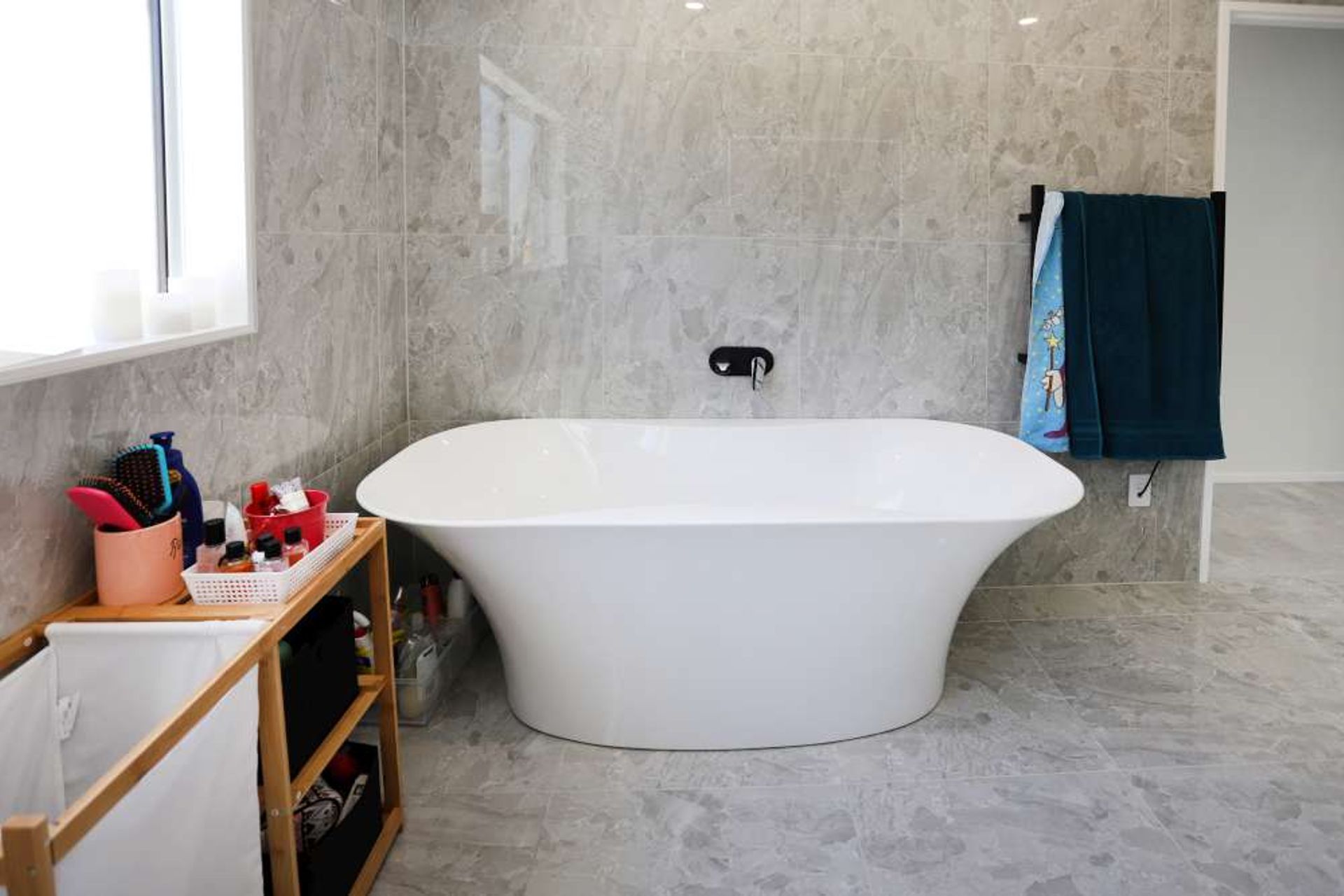
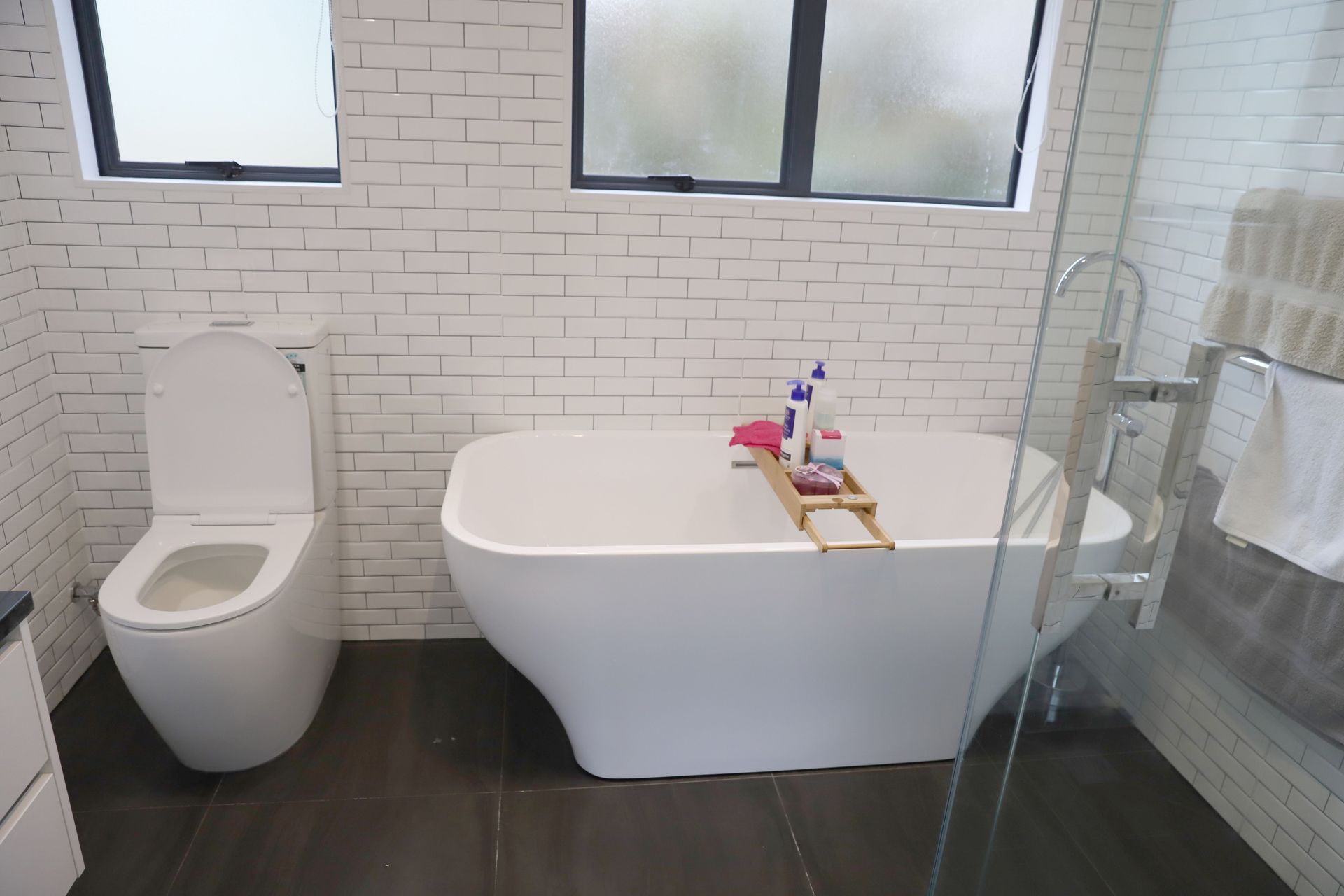
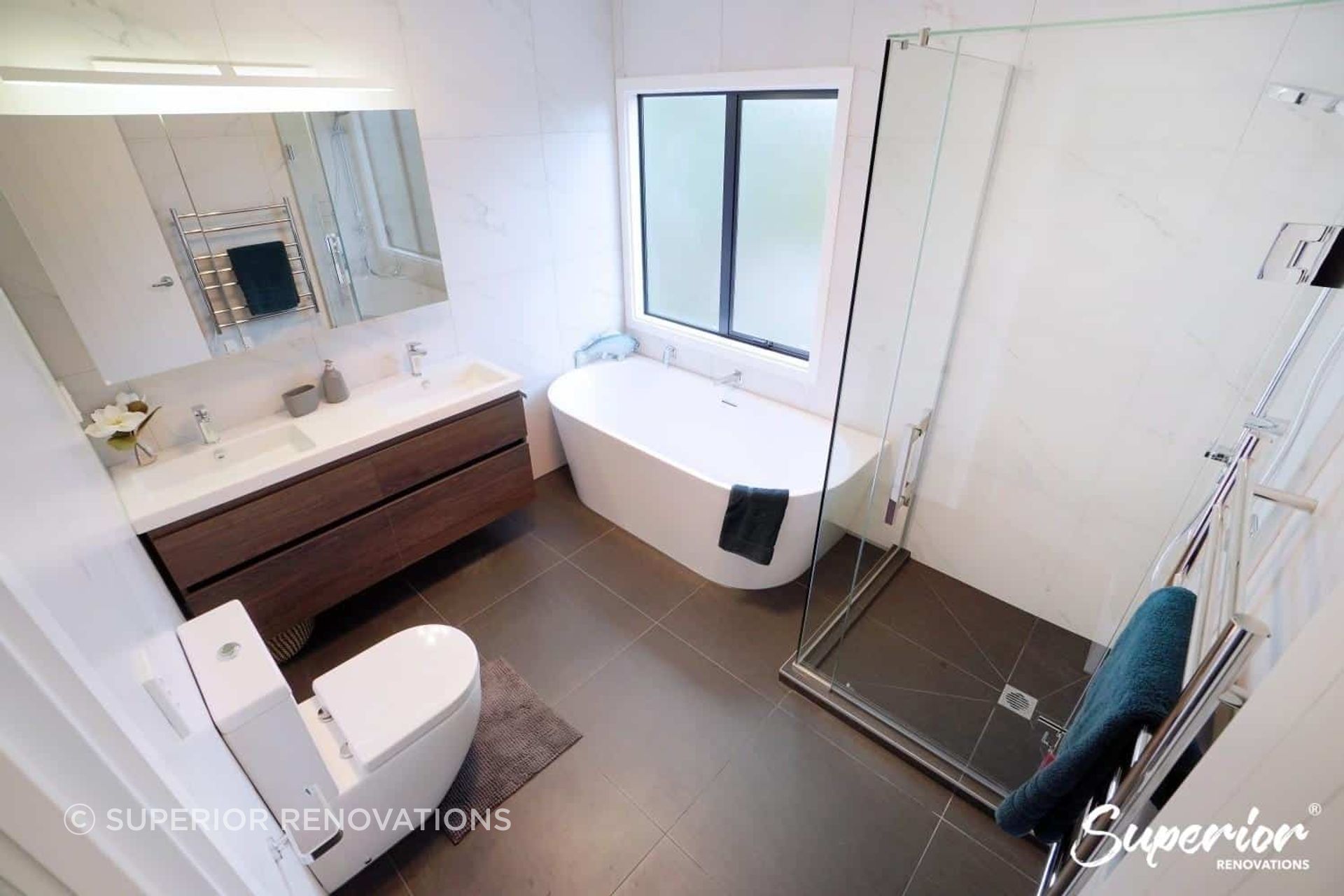
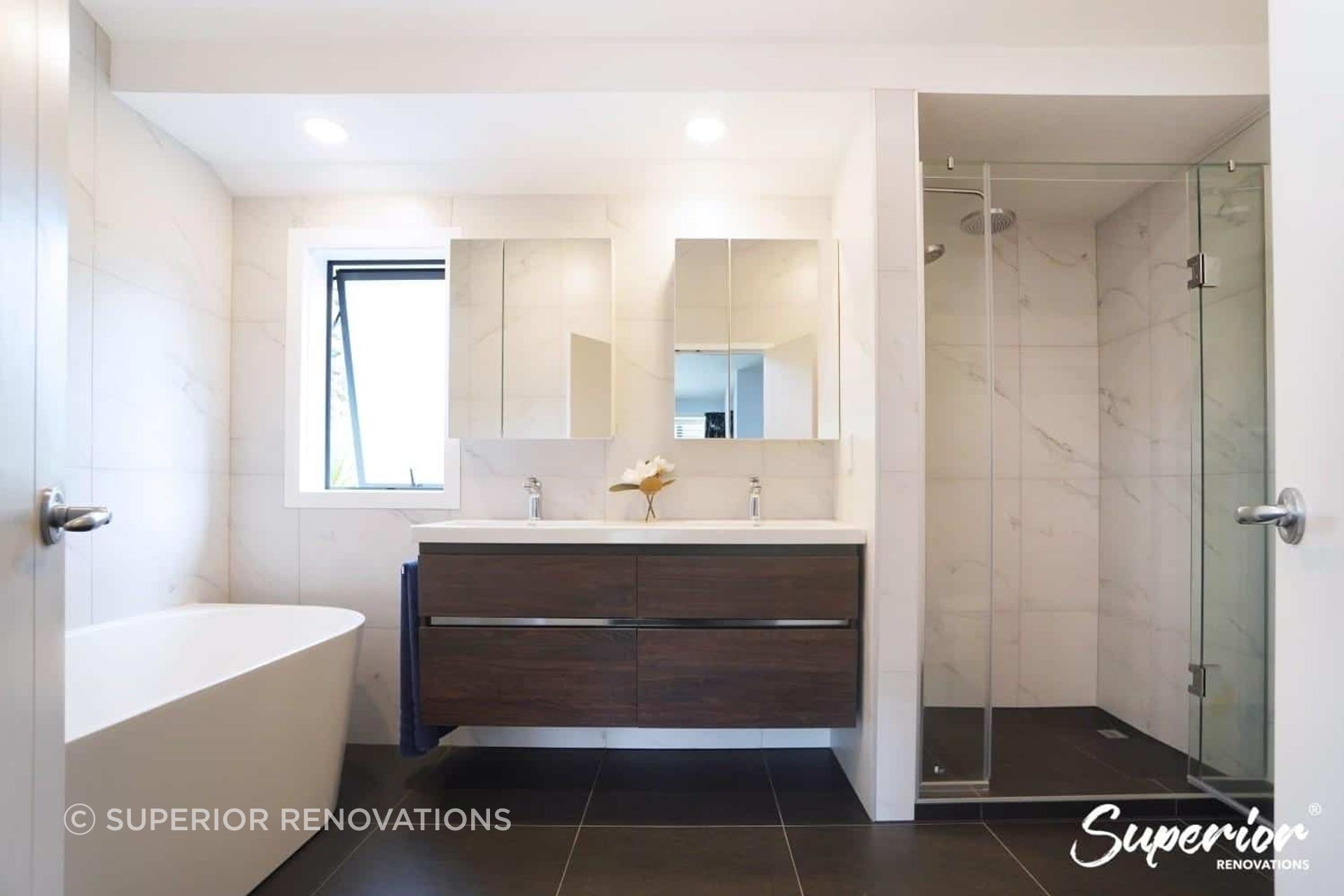
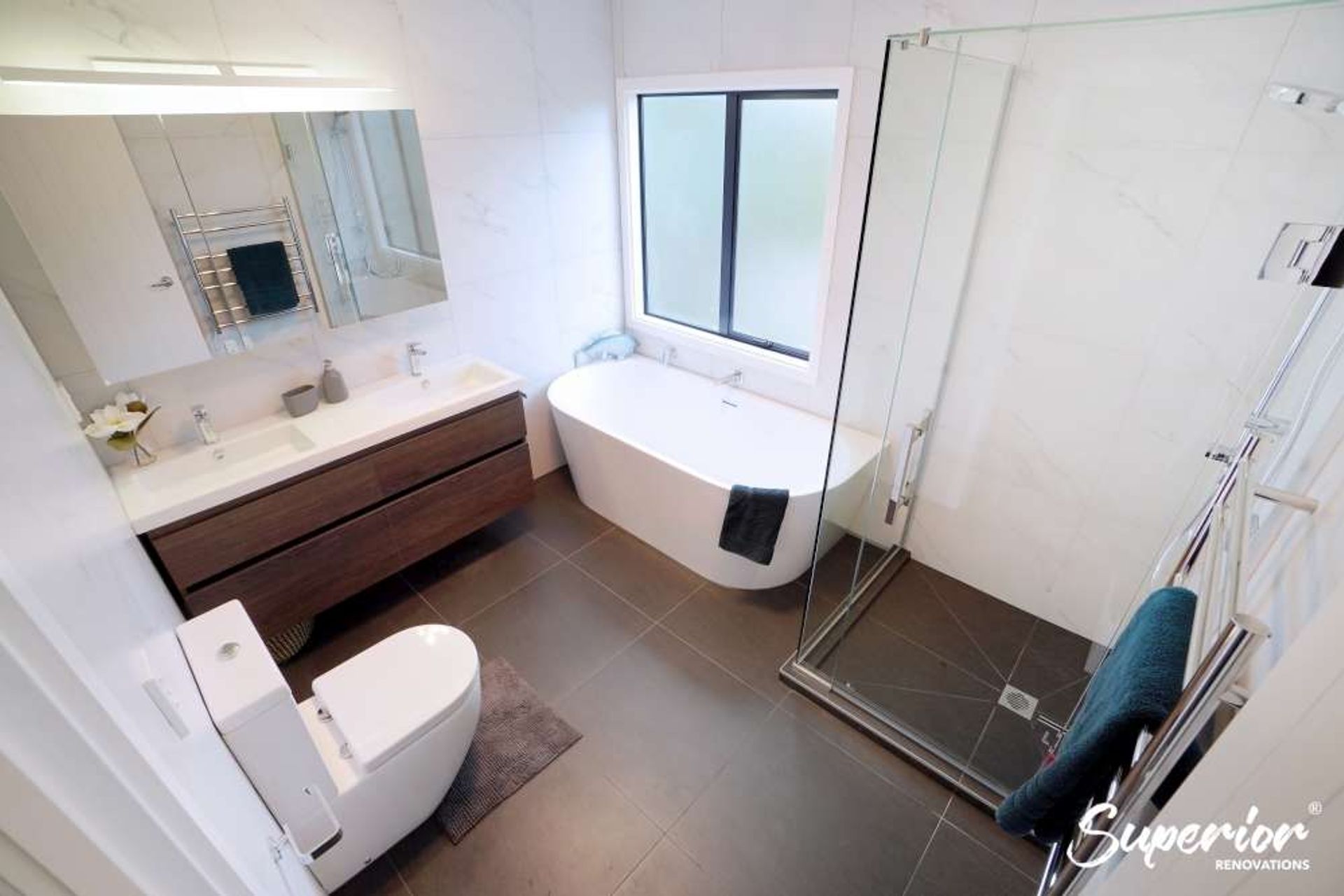
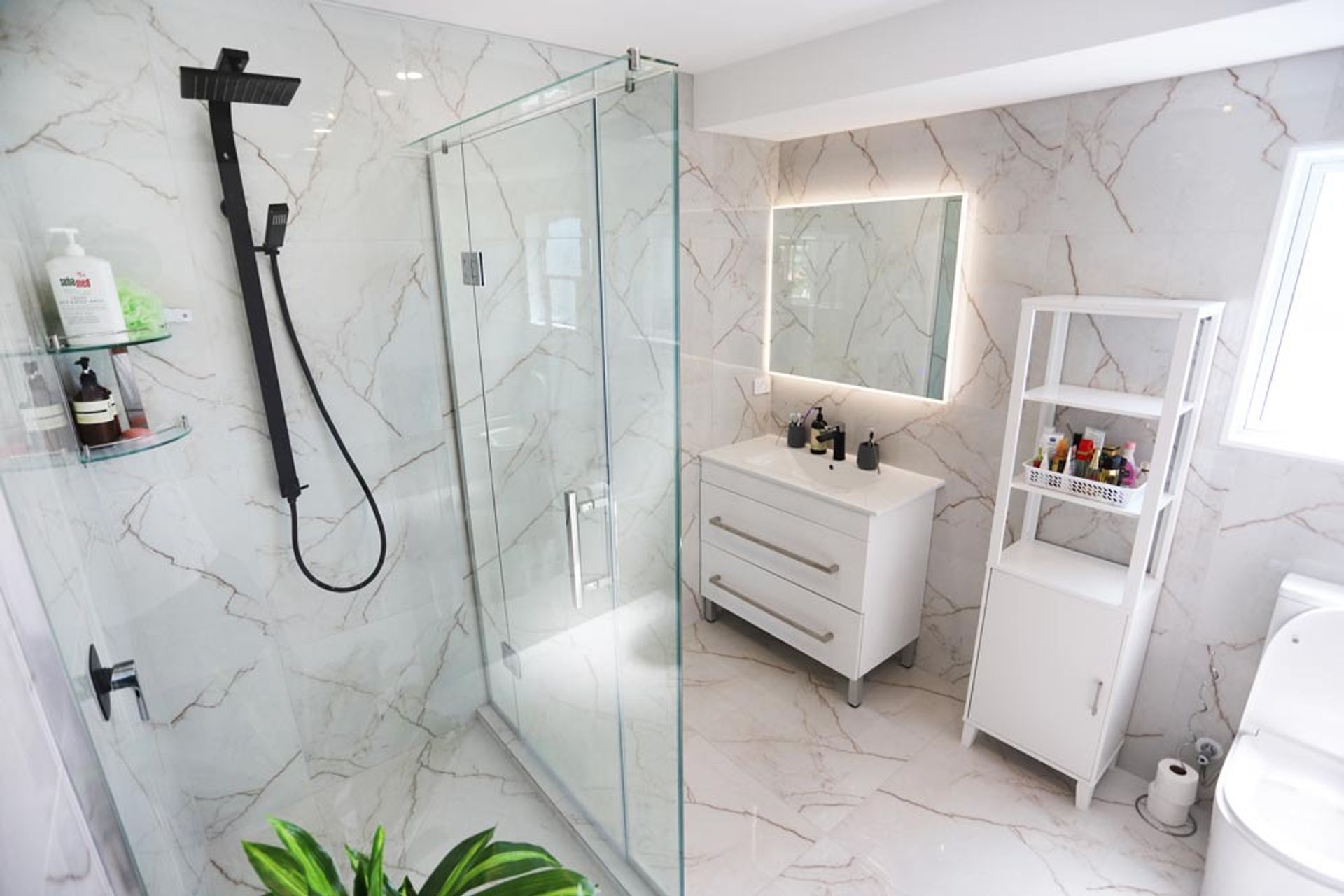
Most of Albany's homes have gone up since the 1990s, and this one was already done in a clean contemporary style. The two bathrooms hadn't kept up. The owners wanted them to feel like part of the house, not leftovers from an earlier decade. Our contemporary two-bathroom renovation in Albany kept both original layouts and let the materials do the work. The photos show the main bathroom (left) and the master ensuite (right).
Look at how the choices split across the layers. The built-in decisions were the tiles: matte Notion Black 600 by 600 porcelain on the floors, from Tile Depot, against off-white Storm Carrara 600 by 600 tiles on the walls, with a tiled shower behind a custom glass door. The dark floor was the one bold call, and it went into the most expensive layer of the room, so it was balanced carefully.
A dark floor can swallow a small bathroom if you let it. We paired the charcoal with off-white walls for contrast, then brought in a Black Forest Oak vanity so the room had some warmth to sit against all that grey.
— Design Studio, Superior Renovations
The rest sits in the replaceable layers: Canga wall-hung vanities with ceramic double-bowl tops, Methven tapware, St Michels mirrors, a 1700mm Azura freestanding bath and a rimless back-to-wall toilet suite from Reece, picked partly because it's easier to keep clean. Both rooms used the same tiles, vanity finish and tapware, so the house reads as one design. The layout never changed, which kept the project tighter and more predictable than a structural redo.
Where trend choices land in a bathroom renovation budget
Our published figure for a mid-range Auckland bathroom renovation is $26,000 to $35,000. A full overhaul with retiling, a new layout and premium fixtures reaches $40,000 to $60,000. Qualified trades in Auckland charge $120 to $150 an hour, which is why anything that brings trades back later costs more than it looks.
The three tests explain where the money moves inside those ranges. Build-in trends move the budget through trades: a relocated shower or toilet means moving waste and water, and a level floor or heating mat adds work under the tiles. Surface trends move it through products you can choose at almost any price point. Tapware across a bathroom, for example, typically runs $600 to $2,500 depending on brand and finish. So stretch on the first group and save on the second.


You can work out a range for your own bathroom in our cost calculator before you talk to anyone. Then see how Superior Renovations builds a bathroom from the membrane out, including who signs off each stage.
Timeless bathroom design FAQs
What makes a bathroom design timeless?
A timeless bathroom puts its long-lasting decisions, such as the layout, shower floor, waterproofing, ventilation and tile format, around how the household actually uses the room. Fashion goes into the parts that are cheap to change: paint, bench-mounted tapware, mirrors, towels and accessories. Durable, easy-clean surfaces go wherever water hits hardest.
Is matte black tapware a passing trend?
It's still the most popular tapware finish in new Auckland bathrooms, and quality decides how it ages. Budget matte black is often painted or electroplated and can break down within a few years in an Auckland bathroom, while PVD-coated tapware on solid brass holds up far longer. It shows water marks more than chrome or brushed finishes, so expect regular wiping.
Is underfloor heating worth it in a bathroom renovation?
Usually yes, when the floor is already being retiled. Electric underfloor heating for a typical Auckland bathroom costs about $1,500 to $4,000 installed and needs a licensed electrician, its own thermostat and a planned floor height. Adding it to a sound floor on its own is harder to justify, and a heated towel rail is often the better spend.
Do dark tiles work in a small bathroom?
They can, with the right conditions. Our Albany project paired a matte charcoal floor with off-white wall tiles and a warm oak vanity so the dark floor didn't close the room in. Good natural light helps too. Because tiles are costly to change, test a large sample in your own bathroom light first.
Bring the photos you've saved and we'll sort them with you into what's worth building in and what should stay swappable. Superior Renovations designs and builds bathrooms across Auckland from our showroom at 16B Link Drive, Wairau Valley, and you'll find more of our bathroom projects on superiorrenovations.co.nz. Book a free consultation and bring the photos you've been saving.