Travertine vs Limestone Pavers

For pool surrounds, terraces, courtyards and garden paths, both materials sit comfortably in a premium landscape palette. Both are natural stone. Both can deliver long-term performance. But they do not read the same once installed, and they do not behave in exactly the same way across every project.
Travertine vs limestone pavers: what is the difference?
Travertine and limestone are closely related natural stones, but their formation creates a noticeably different finish. Travertine typically features small pits, voids and tonal movement formed by mineral deposits in spring water. That gives it a layered, character-rich appearance that feels relaxed yet refined.
Limestone is generally denser and visually more uniform. It tends to present as smoother, calmer and more architectural, with softer clouding or fine fossil detail rather than the open texture associated with travertine. If your project leans coastal, contemporary or classically European, either can work – but the mood shifts.
Travertine often suits homes that want warmth and a lived-in elegance. Limestone is usually the better fit where the brief is cleaner, quieter and more pared back.
Appearance and design feel
In high-end residential work, appearance is rarely just about colour. It is about how a surface holds light, how it complements adjoining finishes, and whether it supports the broader architectural language of the home.
Travertine has a natural softness, but it is not flat. Its variation is part of the appeal. Veining, surface pores and tonal changes create a more expressive floor, especially across larger paved areas. In ivory, beige, silver and warmer neutrals, it pairs easily with timber, rendered walls, crazy paving features and water elements.
Limestone is usually more restrained. It can feel monolithic in the best sense – clean planes, subtle movement, and a finish that lets surrounding elements speak. That makes it particularly strong in minimalist gardens, formal courtyards and homes where the landscape needs to feel calm rather than decorative.
Neither is objectively better. If you want texture and visible natural character, travertine usually wins. If you want visual consistency and a more edited look, limestone is often the stronger choice.
Heat underfoot around pools and outdoor living areas
For Australian outdoor spaces, heat retention matters. A stone can look exceptional in a sample and still be the wrong choice if it becomes uncomfortable in full sun.
Travertine is widely chosen for pool areas because it tends to stay cooler underfoot than many other paving materials. That can make a real difference on exposed pool coping and broad entertaining zones where barefoot use is constant.
Limestone can also perform well in the sun, but this depends on the specific stone, its colour and finish. Lighter limestone pavers generally remain more comfortable than darker tones. Even so, travertine is often the safer direction when heat is one of the top priorities.
This is one of those areas where product selection matters more than category alone. A pale limestone may outperform a darker travertine in some conditions, so it is worth looking beyond the stone name and considering the exact finish and tone.
Slip resistance and surface texture
Around pools, entries and outdoor dining zones, slip resistance is not a detail. It is a central part of the specification.
Travertine performs well when supplied in an appropriate outdoor finish such as tumbled or honed and filled, depending on the application. Its texture can give the surface a natural grip without looking overtly rough. This balance is one reason it remains such a popular choice for pool surrounds.
Limestone can also provide good slip resistance, particularly in textured or lightly brushed finishes. The visual result is often more refined and even, which appeals to projects aiming for a crisp architectural look.
The key point is that finish matters as much as material. A honed limestone and a heavily textured limestone will behave differently. The same applies to travertine. For wet zones, always assess the actual finish being specified rather than assuming all pavers within a stone type will perform the same way.
Durability in Australian conditions
Outdoor paving has to absorb more than foot traffic. It needs to handle sun, rain, leaf matter, furniture movement, pool chemicals and the ordinary wear of daily use.
Both travertine and limestone can be durable, long-lasting choices when they are properly selected, installed and maintained. In residential settings, both are commonly used for paving with strong results. The difference is less about whether one can be used outdoors and more about matching the stone to the site conditions and expectations.
Travertine’s natural voids are part of its identity, but they also mean the surface can show a little more organic variation over time. Many people see that as part of its charm. Limestone, being more visually even, can sometimes show marks or staining in a way that feels more noticeable simply because the surface looks cleaner to begin with.
In exposed settings or high-use entertaining areas, sealing and regular care will help either stone perform at its best. Good drainage and sound installation also matter. A premium stone can be undermined quickly by poor preparation underneath it.
Maintenance and sealing
Natural stone asks for a little respect, not constant attention. Travertine and limestone both benefit from sealing to help reduce staining and moisture absorption, especially near pools, barbecues and outdoor dining areas.
Travertine may need occasional filling or touch-up over time if natural pits become more pronounced, depending on the finish chosen. Some homeowners are perfectly happy with that patina. Others prefer a more controlled surface and may favour filled travertine or shift toward limestone.
Limestone’s maintenance profile is straightforward, but like all calcareous stone, it can be sensitive to acidic substances. That means spills should not be left to sit, and cleaning products should be stone-appropriate rather than harsh or generic.
If low-fuss care is high on your list, the answer is not simply limestone or travertine. It is choosing the right finish, the right sealer and the right stone for how the space will actually be used.
Which stone suits your project style?
Choose travertine if you want warmth and movement
Travertine works especially well in spaces designed to feel welcoming, sun-washed and layered. It suits classic poolscapes, Mediterranean references, soft coastal schemes and family outdoor areas where the stone should add character rather than disappear into the background.
It also pairs naturally with curved forms, garden planting and water features. If the design brief calls for texture and a little romance, travertine often feels instinctively right.
Choose limestone if you want calm and architectural clarity
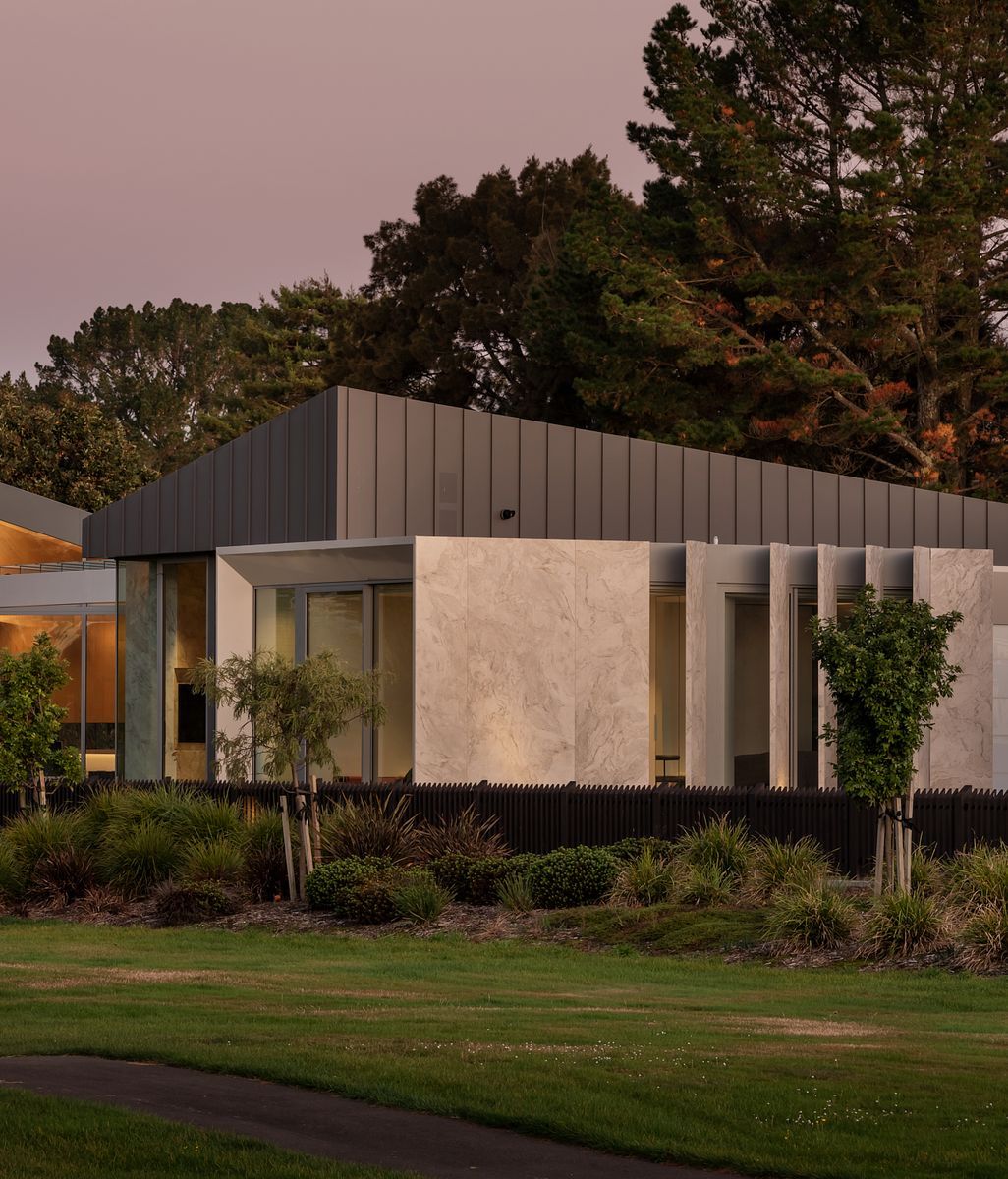
Limestone suits projects where restraint is part of the luxury. Think rectilinear forms, generous negative space, refined planting and a cleaner tonal palette. It can make a courtyard feel composed and expansive rather than busy.
For architects and designers working with strong geometry or a minimal material selection, limestone often offers the quieter base needed to hold the scheme together.
Travertine vs limestone pavers for pools
If the decision is specifically for a pool area, the comparison becomes more practical. Travertine is often favoured for its cooler feel underfoot, natural slip-friendly texture and relaxed visual movement. It has become a go-to around pools for good reason.
Limestone can be equally compelling around water, especially where the home has a sharper, more contemporary language. A pale limestone coping and paving combination can look exceptionally resolved. The question is whether you want the pool area to feel softer and more organic, or more tailored and architectural.
In Queensland conditions across Brisbane, the Gold Coast and Sunshine Coast, heat and glare are worth weighing carefully. Lighter stones generally perform better for comfort, and sample viewing in natural light is always worth the effort.
The better choice is the one that fits the brief
Travertine and limestone both belong in premium outdoor design. The better material is the one that aligns with the architecture, the site and the way the space will be lived in.
If you want visible natural character, cooler underfoot performance and an easy sense of warmth, travertine is often the stronger pick. If you want subtle consistency, a more composed aesthetic and a quieter backdrop for the rest of the landscape, limestone may be the better fit.
The most successful stone selections are rarely made from a spec sheet alone. They come from seeing the material properly, understanding how it will sit with the home, and choosing a surface that still feels right long after installation. That is where a considered showroom selection process becomes more valuable than chasing a quick answer.