Your design intent after dark: is engaging a lighting designer a necessity?

Written by

08 April 2026

 • 

5 min read

banner
ArchiPro speaks to SL Studio by Special Lights in Sydney on trending integrated and automated lighting design, common illumination mistakes, and when (and when not) to engage a lighting designer.

Strolling along a quiet stretch of Sydney, the street frontage of SL Studio appears, at first glance, as a curated gallery. Through the large glass panes, a constellation of pendants, sconces and sculptural fittings float at different heights, some glow softly, others play with shadow and tone.

At SL Studio by Special Lights, the team collaborates closely with architects, interior designers, and homeowners, to develop lighting plans effortlessly integrated with the architectural intent while enhancing the comfort of the dwelling.

Where lighting enters the conversation

For many projects, lighting has traditionally been considered late in the process, after architecture, interiors and material selections have already been finalised. 

However, this is starting to shift.

 As Amy Harper-Pell, Studio Manager at Special Lights, explains, “The role of lighting has shifted from simply illuminating a space to shaping how architecture and interiors are experienced. It has evolved into a much more co-ordinated process that begins earlier in the design phase.”

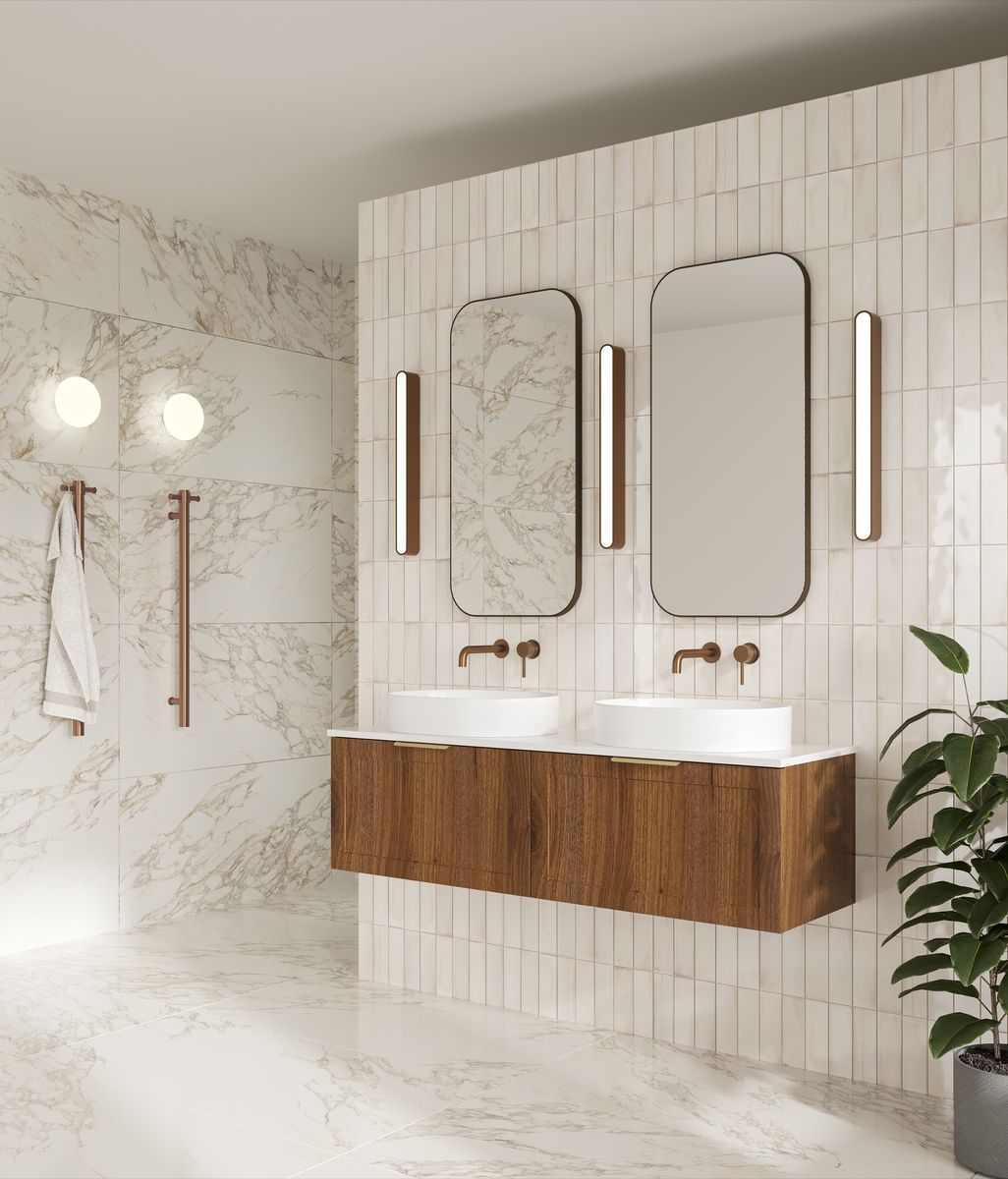
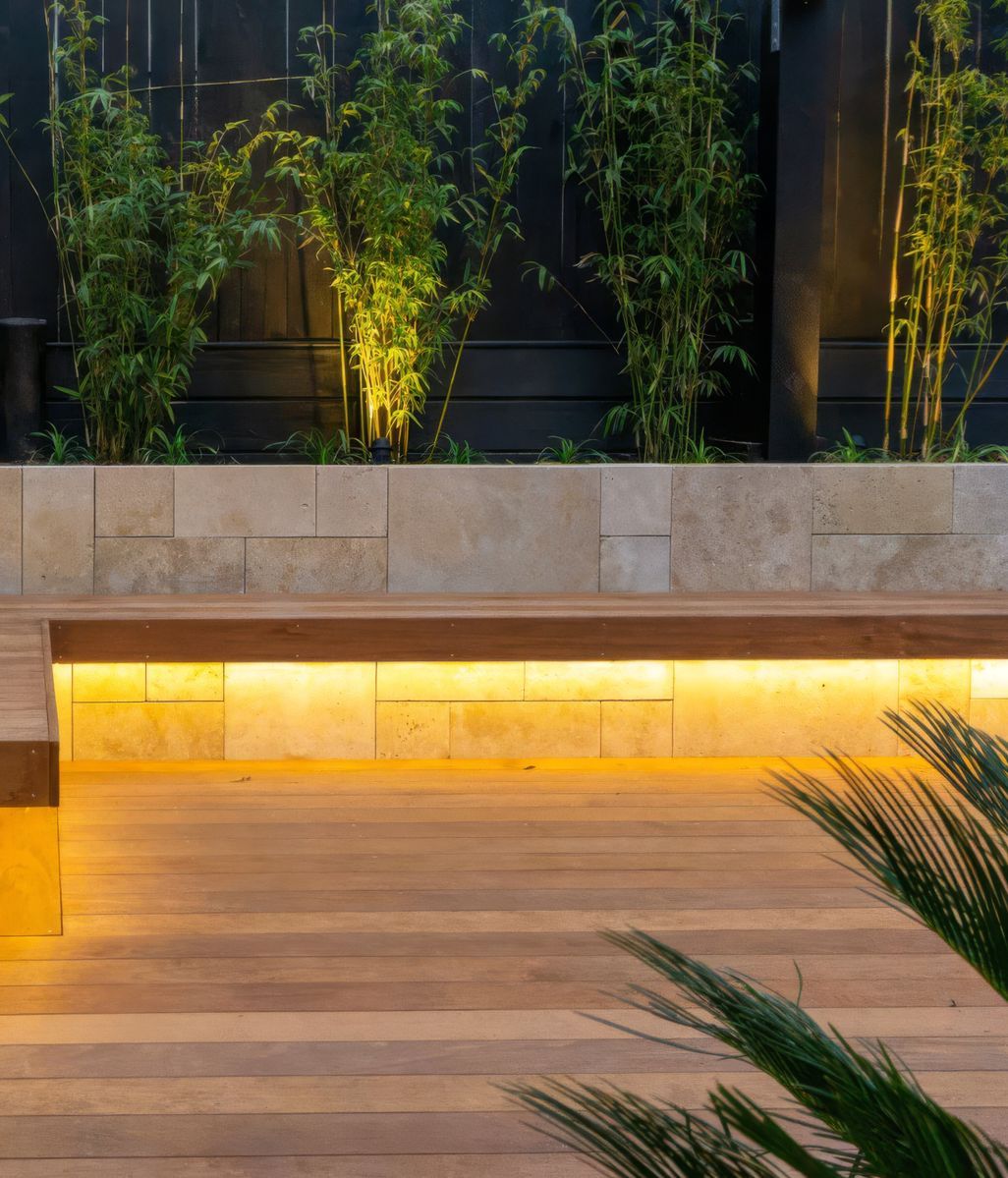
This is largely due to how seamlessly lighting can now be integrated into architecture and joinery. Rather than being purely decorative or functional, it can be concealed within built elements to enhance materials, volumes and circulation through a home.

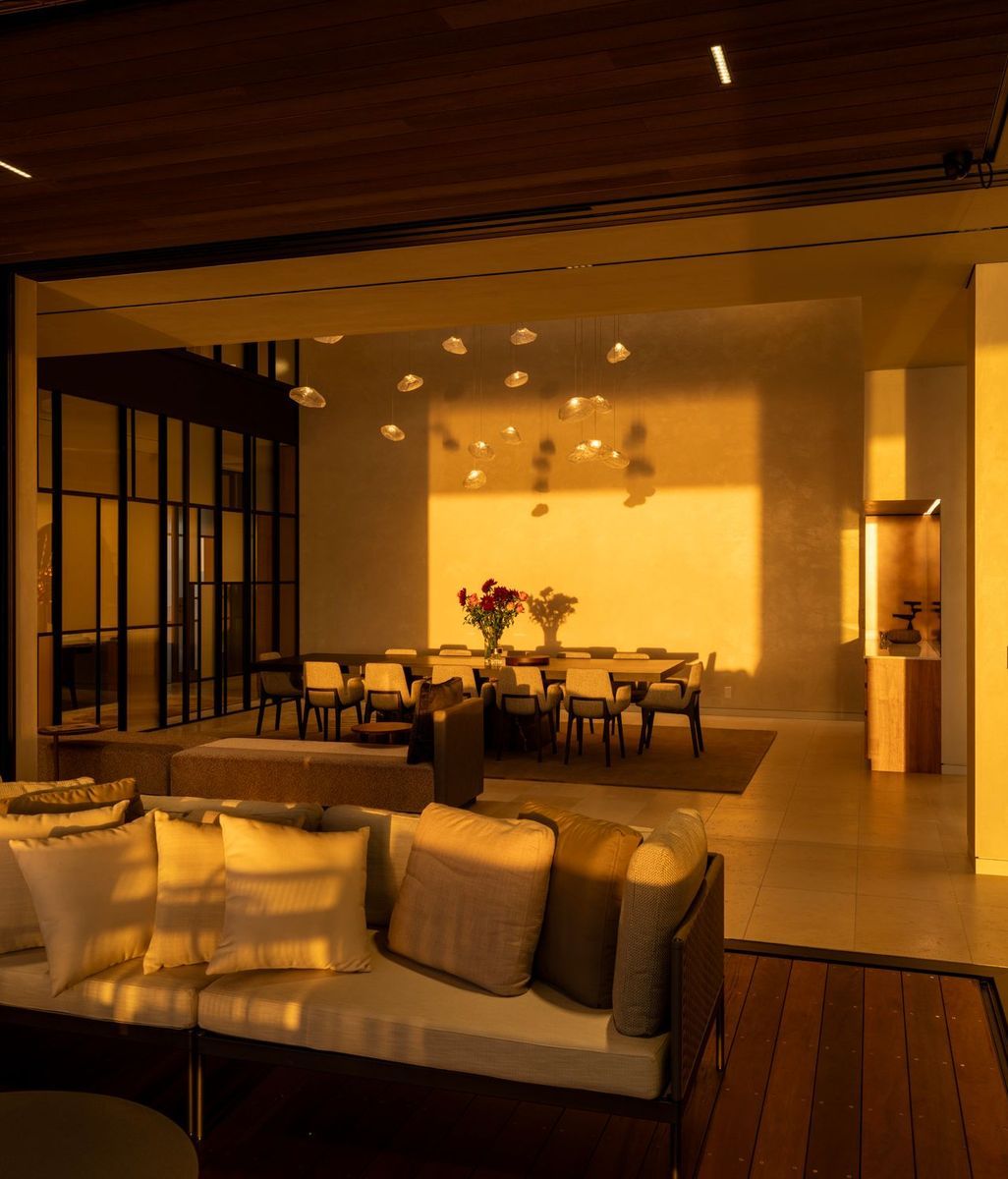
At the same time, decorative lighting is often selected first, whether from a showroom, magazine or social media. While these pieces can form beautiful focal points, they rarely provide enough light on their own.

“A good example is a bedside pendant,” Amy explains. “It may look elegant, but often doesn’t provide sufficient light for reading or everyday use, which is where additional lighting layers become essential.”

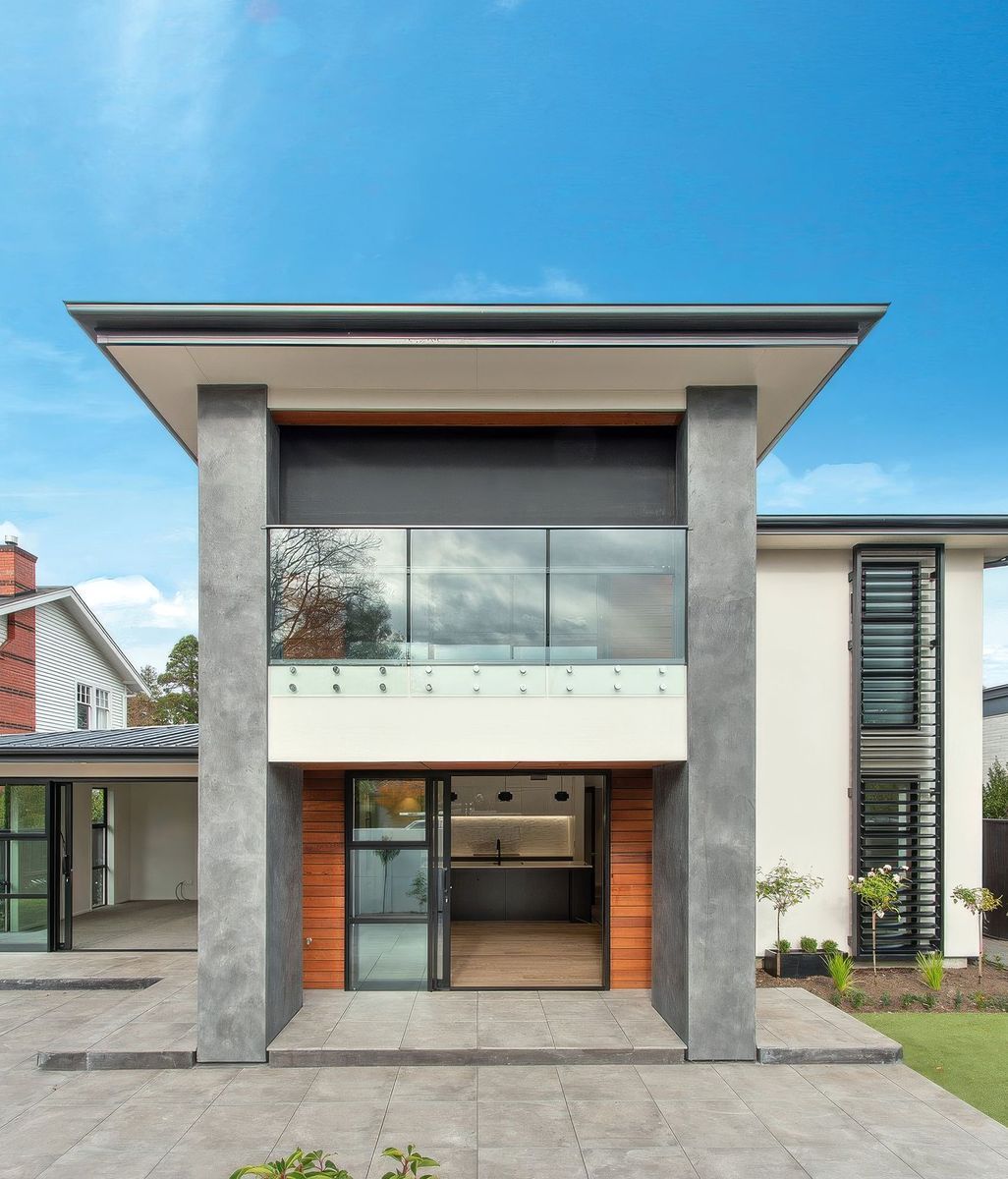
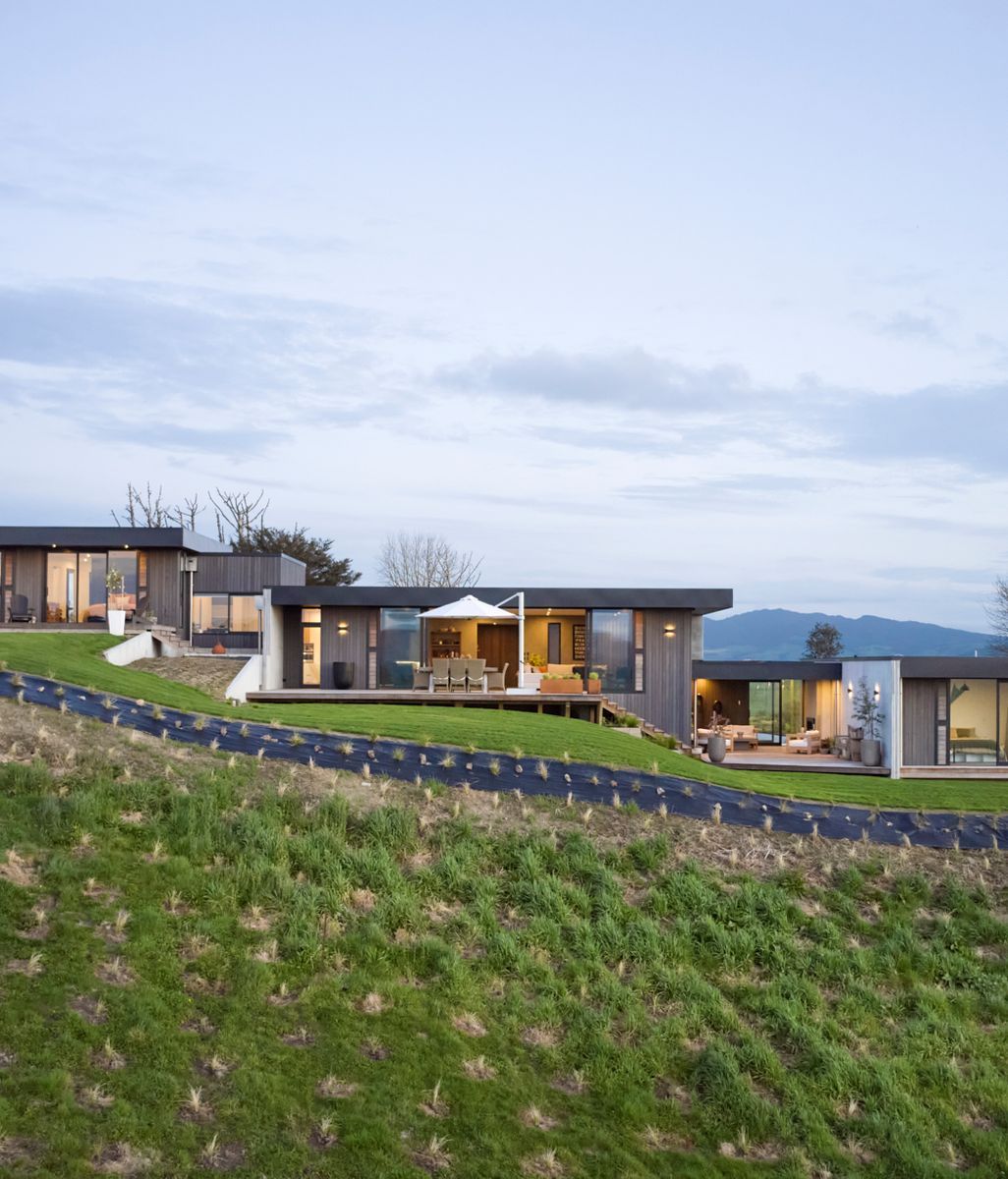
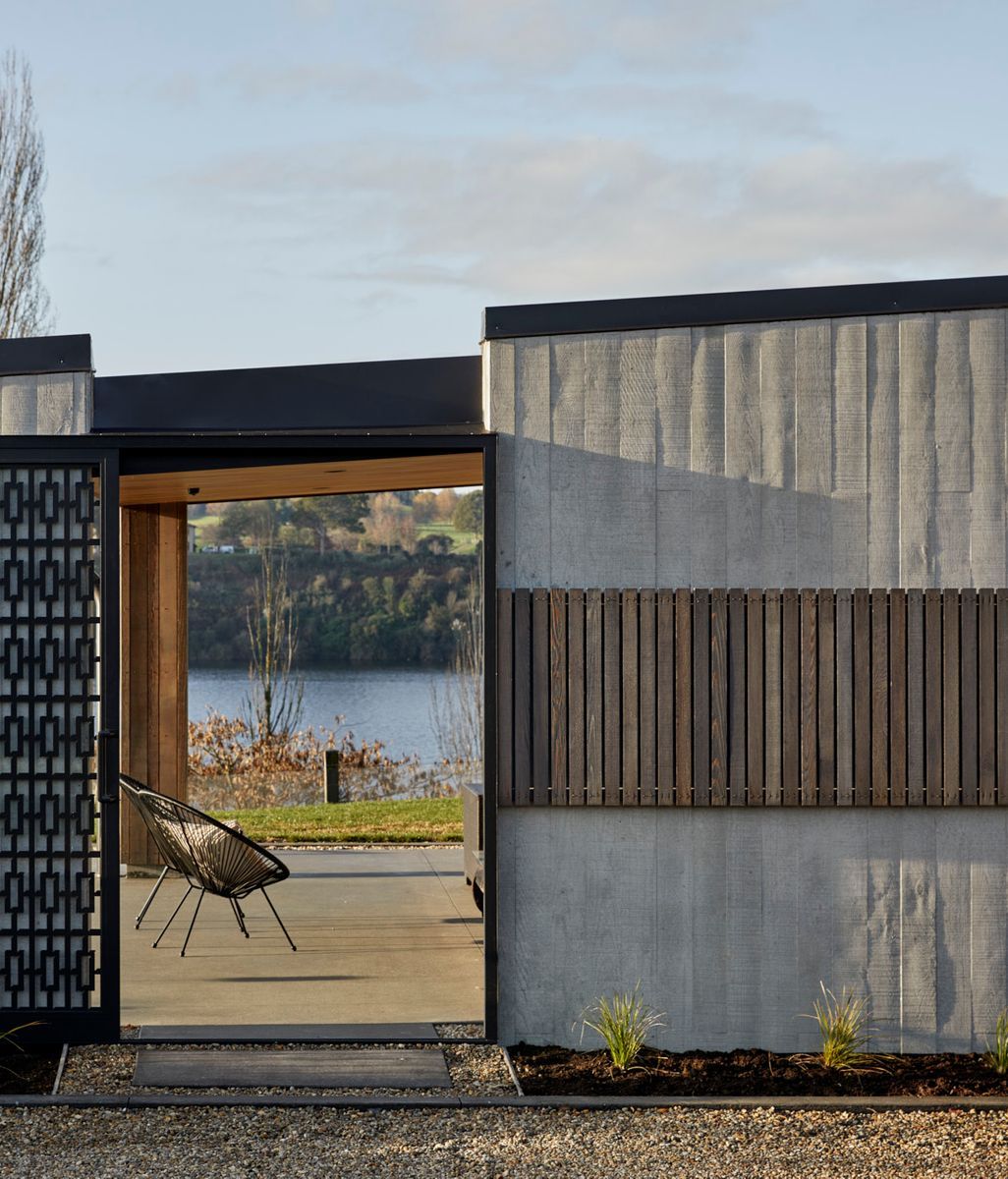
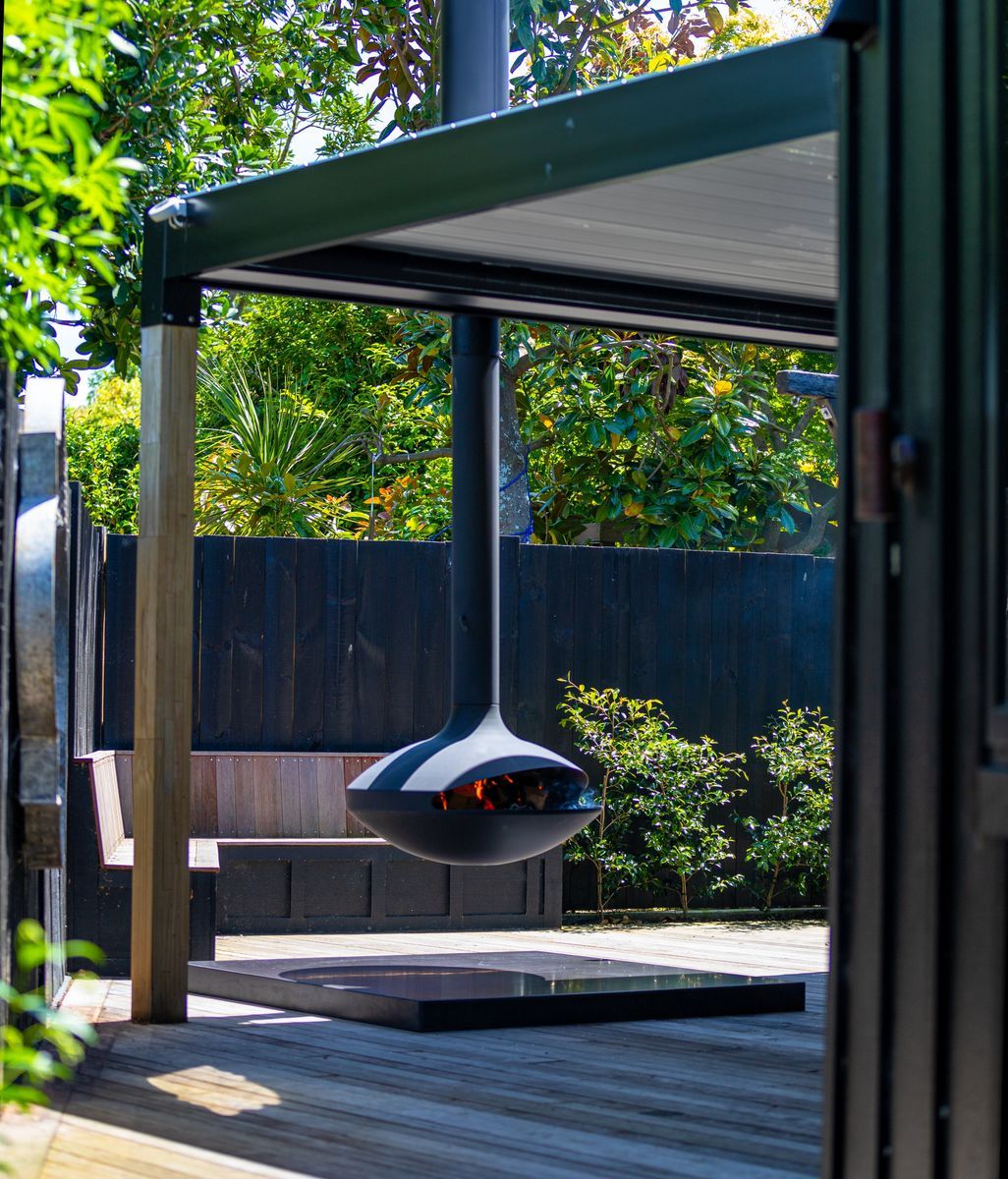
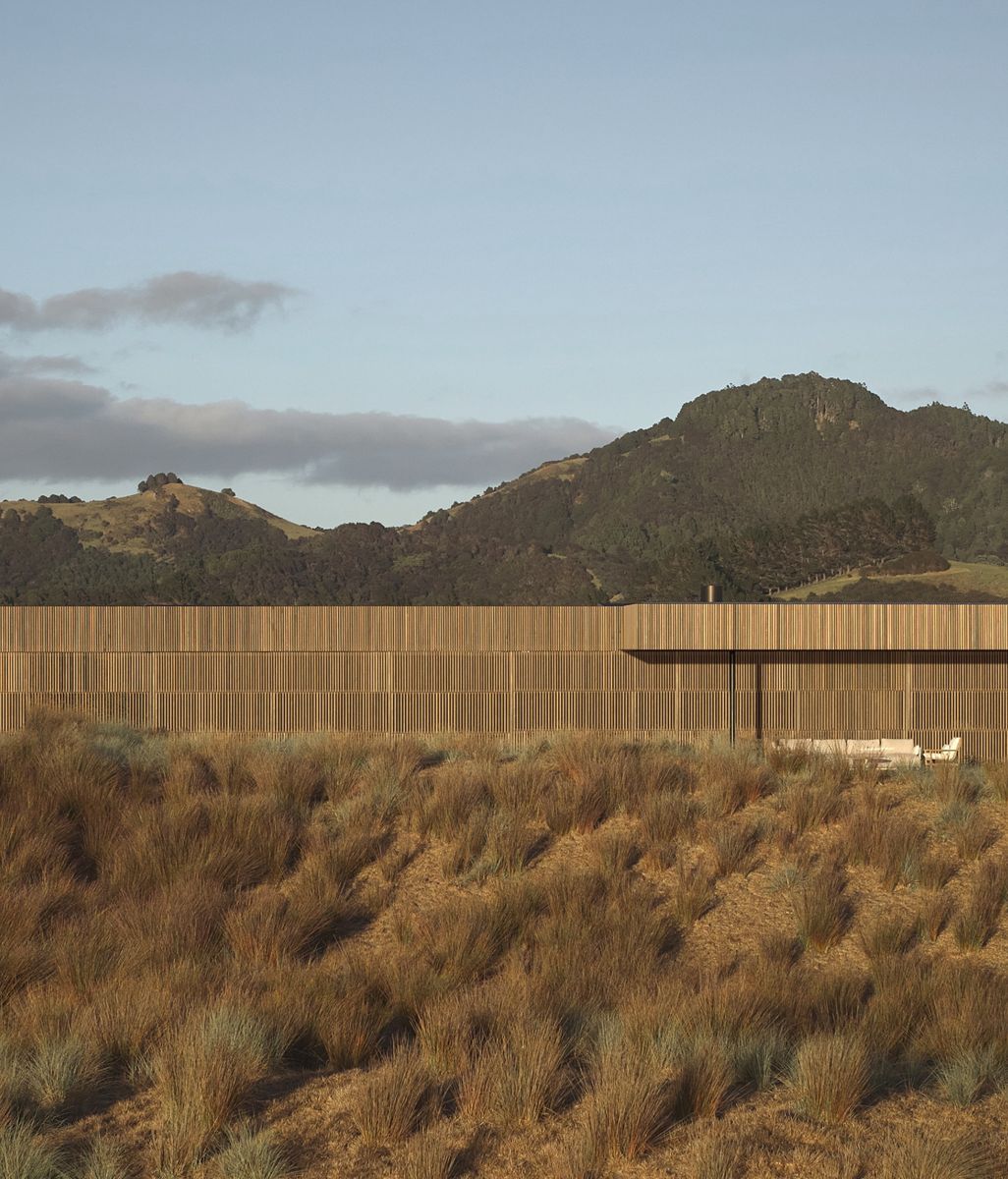
This shift isn’t limited to interiors. Outdoor areas are increasingly being considered as an extension of the home, with lighting treated in much the same way as an internal room.

Werrina-4.jpeg
DKCYamba000050-ap-compressed.jpg

The complexity in contemporary homes

Architects and designers may spend months refining materials and proportions. But once the sun sets, carefully considered spaces rely entirely on artificial light to reveal their character.

Lighting design can appear deceptively simple, but in reality it involves a high level of technical coordination.

Integrated lighting often requires elements such as remote drivers, switching strategies, and coordination with architectural details like recessed profiles or cast-in lighting provisions, all of which need to be considered early in the design process. These are details homeowners may not always see, but they play a major role in how successful the final lighting outcome is.

Amy notes, “Glare is one of the most common issues. Poorly shielded fittings or overly bright LEDs can create visual discomfort, which is why thoughtful fixture selection and placement are so important.”

When these elements aren’t properly considered, the impact is often felt in everyday spaces: kitchens that feel underlit, bathrooms with harsh shadows, or rooms that are bright but uncomfortable to spend time in. Beyond placement, the quality of light itself plays a significant role. Not all LEDs perform the same, and lower-quality light sources can distort colour and create unflattering or inconsistent results.

“These are often issues that only become apparent once a home is lived in and are much harder to resolve after construction.” Amy adds.

By carefully planning ambient, task and accent lighting, along with fixture placement and controls, lighting can be considered as part of the architecture.

The question of timing

One of the most important aspects of lighting design is when it’s considered within a project.

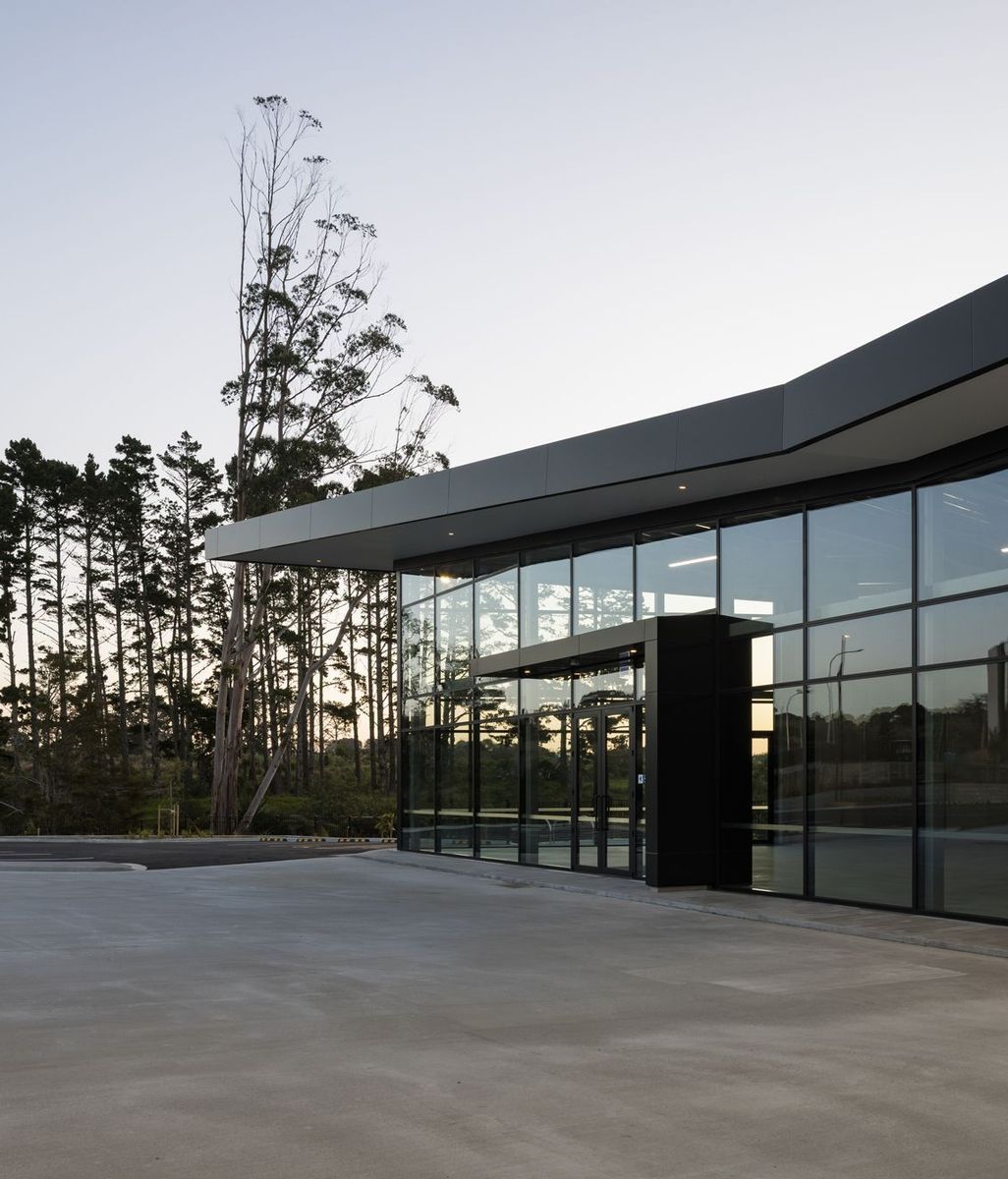
Lighting is closely tied to construction details: joinery recesses, ceiling bulkheads, landscape pathways, pool lighting and automation, all require early coordination. Because of this, many lighting decisions need to be made early, while the design is still being developed.

“Ideally, a lighting designer should be involved as early as possible.” says Amy. “Leaving these elements too late can lead to expensive workarounds such as retrenching gardens, core drilling concrete or modifying completed joinery.”

In many cases, this means additional work not just for the electrician, but also for the plasterer, painter or landscaper, adding time, cost and complexity to the project.

SITE1.jpg
14-.jpg

When is a lighting designer necessary?

While not every project requires a full lighting design service, many homeowners underestimate the impact thoughtful lighting can have on how a space feels and functions. .

In smaller renovations, where the existing layout remains largely unchanged, upgrading fittings or improving LED quality may be sufficient. In those situations, a knowledgeable supplier or  consultant can assist with product selection .

But the threshold for engaging a lighting designer is lower than many homeowners realise. Once a project involves integrated lighting, open-plan spaces, architectural features or automation, a coordinated lighting design becomes far more valuable to ensure the overall result feels balanced, comfortable and easy to use.

By carefully planning ambient, task and accent lighting, along with fixture placement and controls, lighting can be considered as part of the architecture rather than applied to it later, often avoiding costly compromises.

For specifiers and homeowners navigating increasingly complex residential projects, reach out to SL Studio by Special Lights on ArchiPro today.