

Project team
Product Suppliers
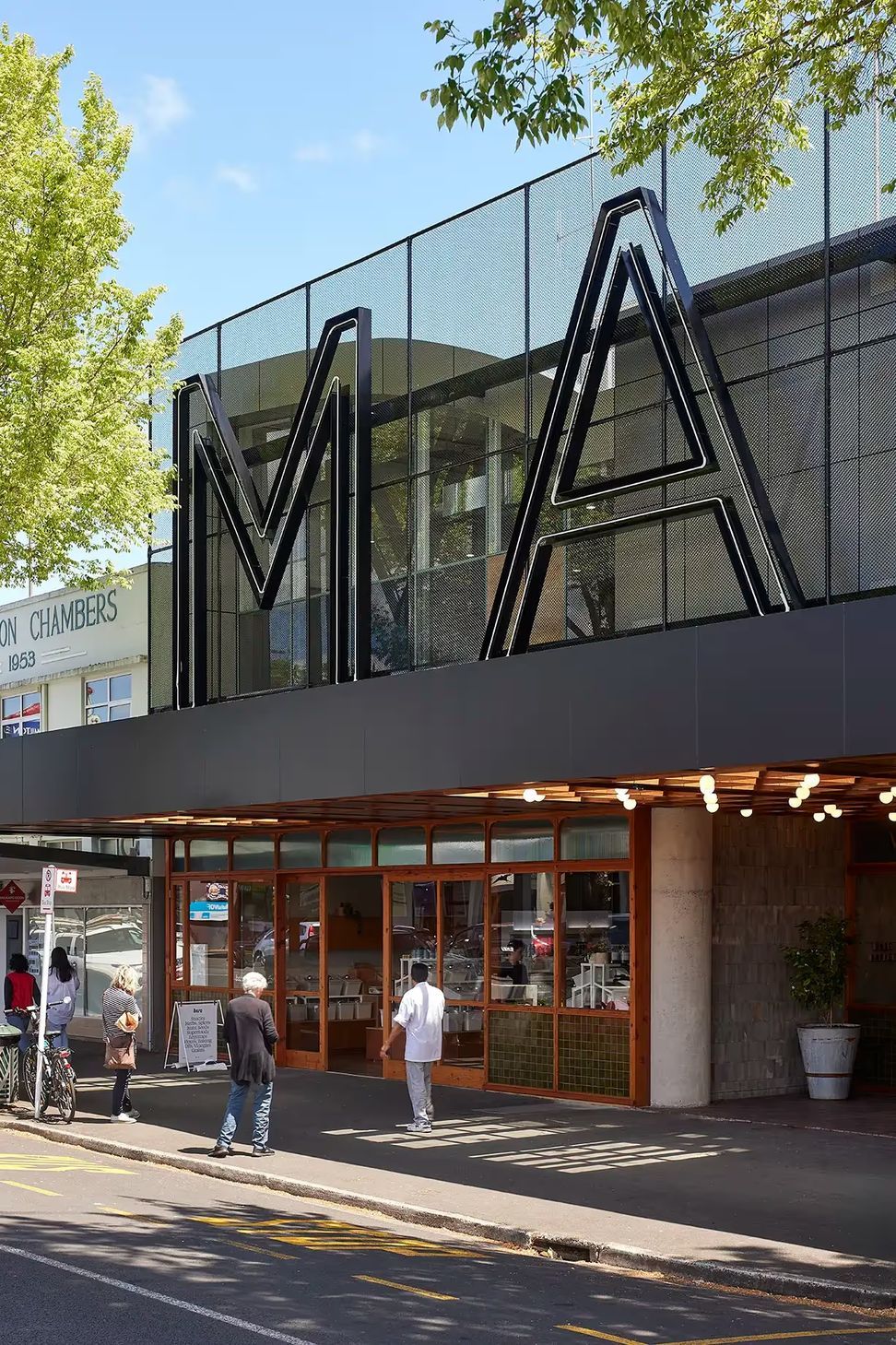
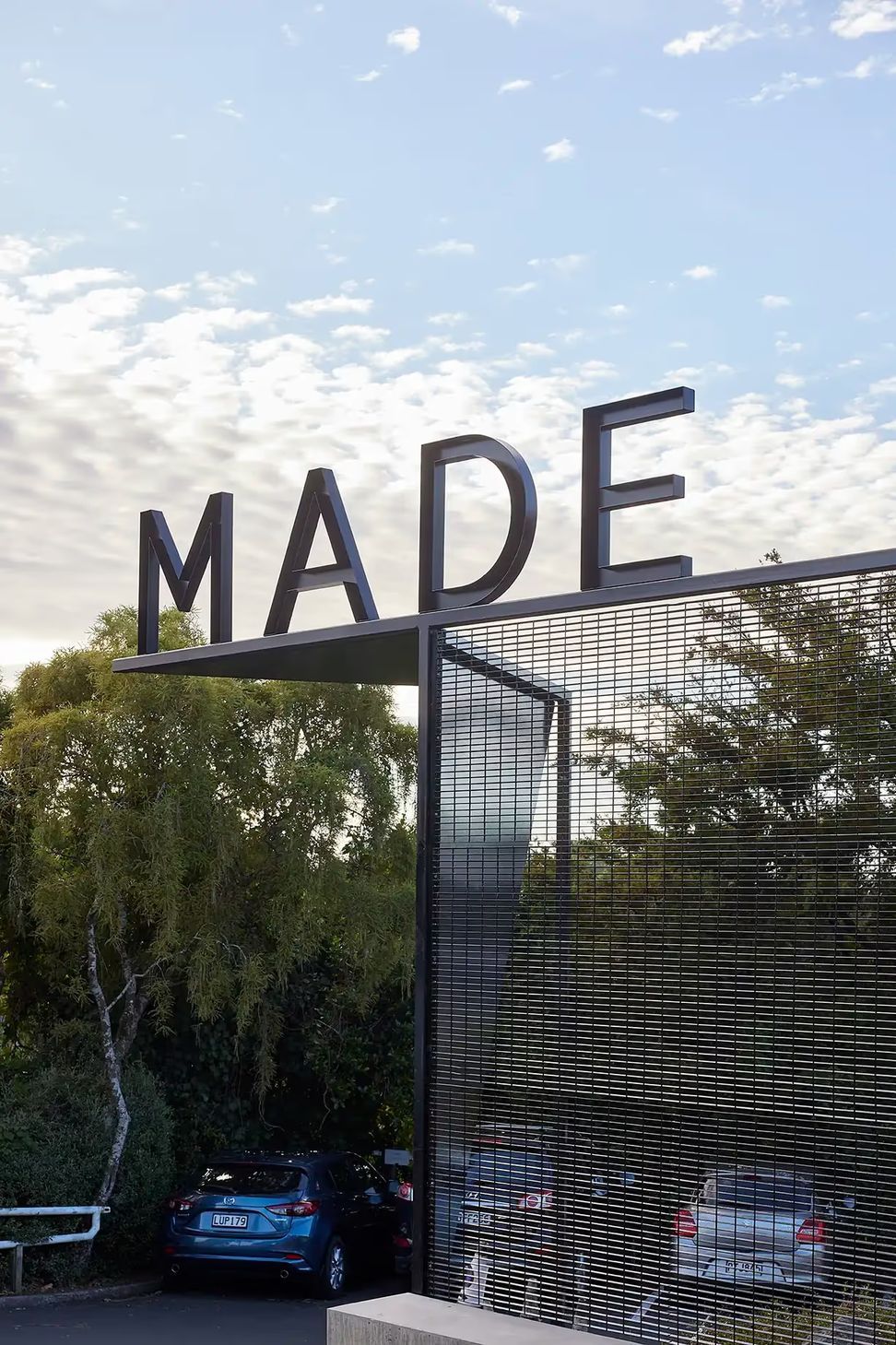
Conceived as the antithesis of the modern mall, MADE in Hamilton East transforms a tired former office building into a vibrant marketplace where artisans, makers and hospitality businesses come together under one carefully curated roof.
The making of MADE
Most contemporary retail environments are designed for efficiency. They are polished, and predictable, revealing everything at once. The vision for MADE in Hamilton East was the opposite.
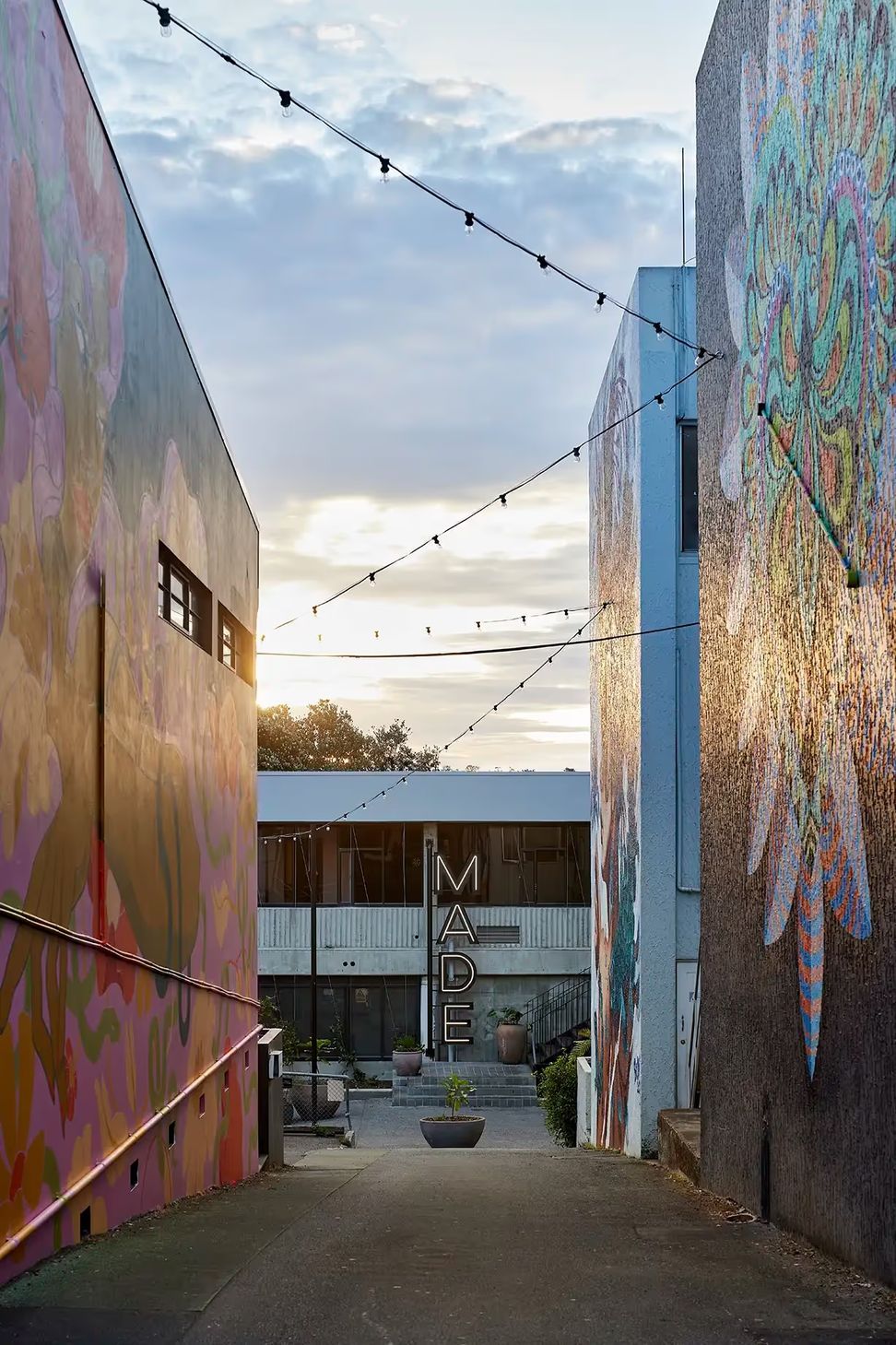
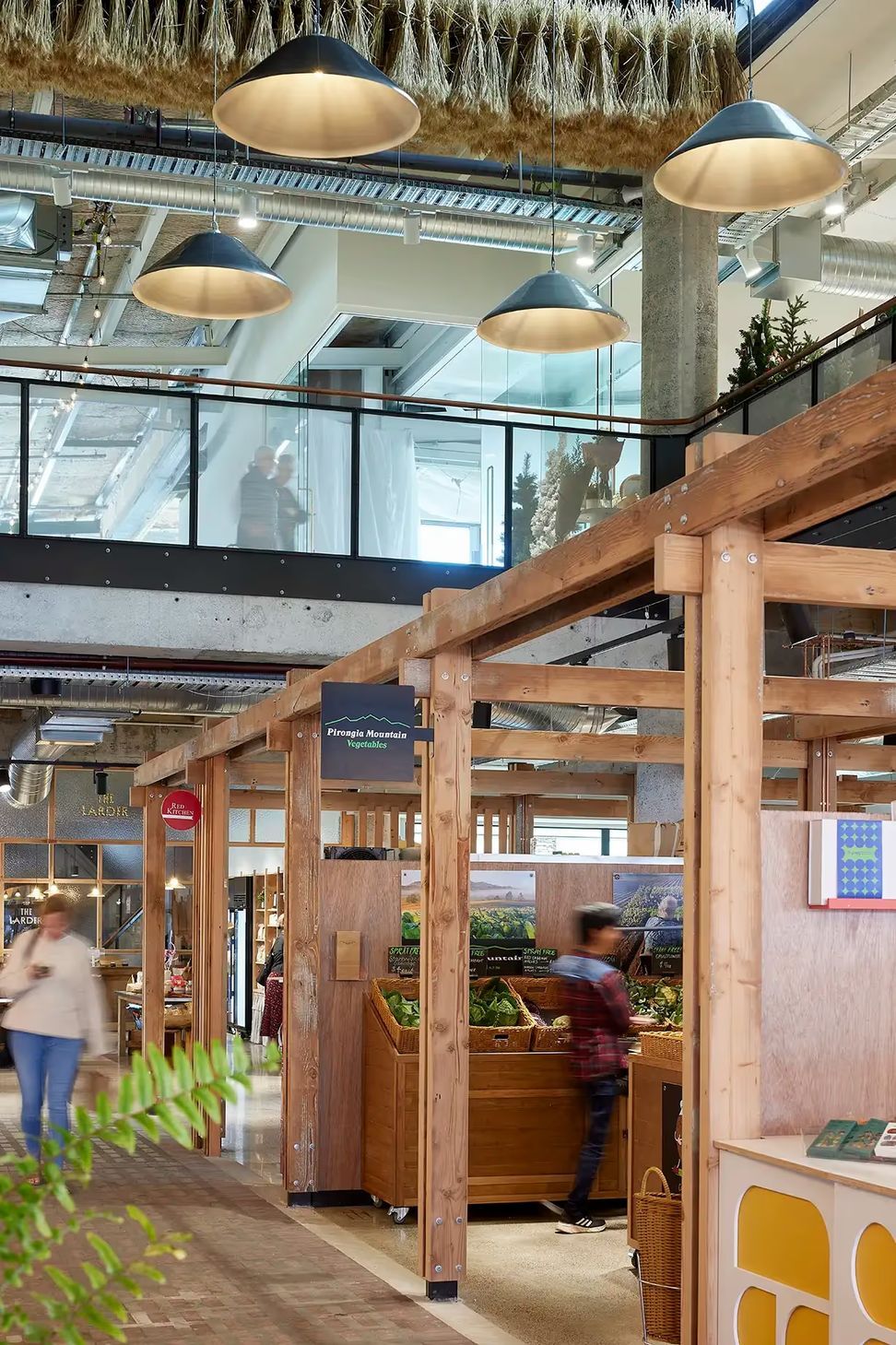
Conceived as a destination for artisans, makers, creatives and hospitality operators, the project sought to create a sense of discovery. Rather than guiding visitors directly from one retailer to the next, the ambition was to craft a place where wandering, lingering and unexpected encounters became part of the experience.
That vision, however, was far from obvious when Edwards White Architects first became involved.
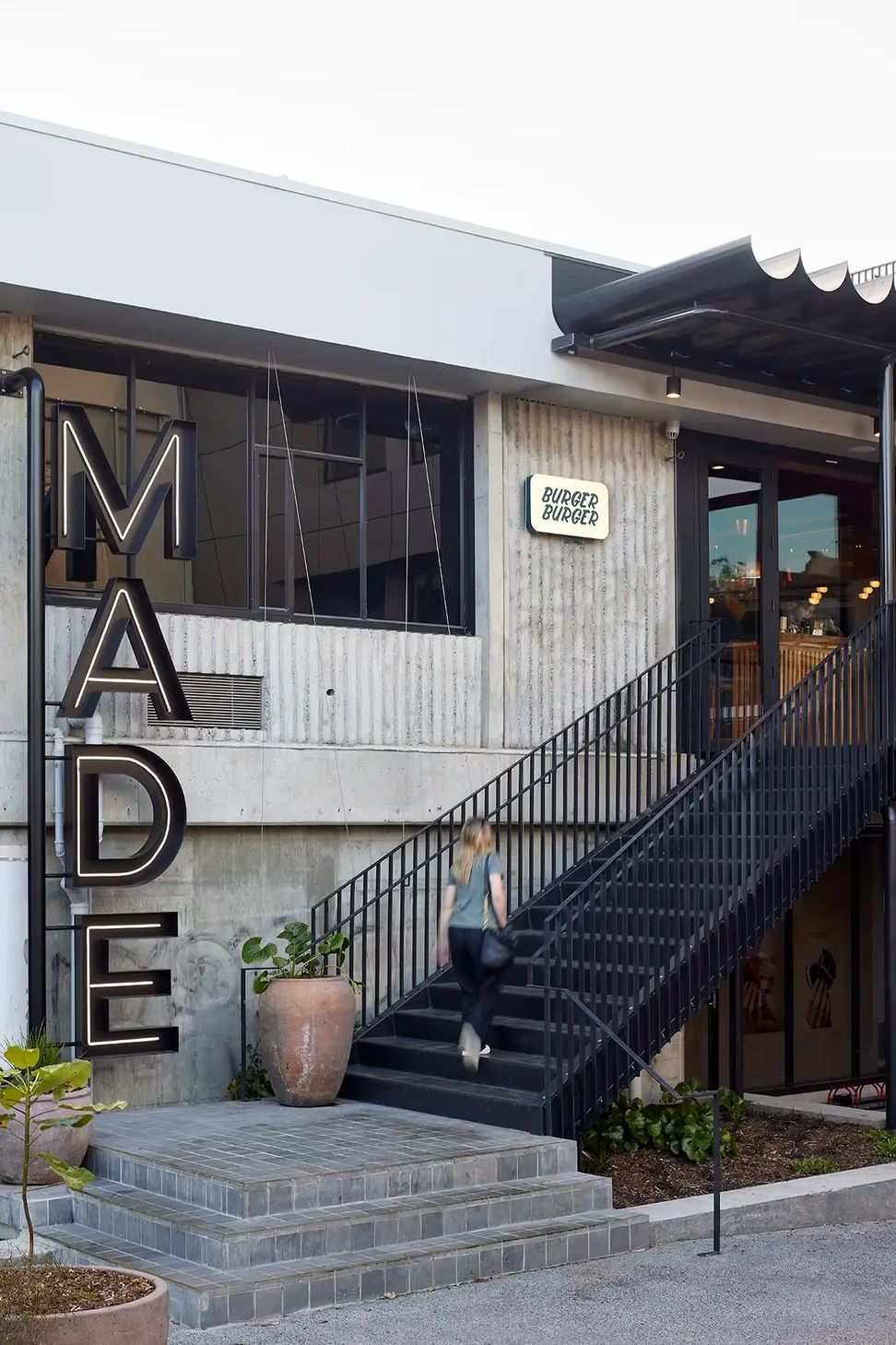
Occupying a prominent position on Grey Street, en route to the Waikato River, the building was formerly home to the Waikato Regional Council. Spanning approximately 6,000 square metres across six levels, it offered scale and location, but little else.
"It was a rabbit warren," recalls architect Brian White. "You could not find your way through the place."
Suspended ceilings concealed much of the original structure. Floor tiles, ageing finishes and weathertightness issues contributed to an environment that felt tired and disconnected. Yet beneath those layers lay opportunity.
For developer Stark Property, the building's size and location were enough to spark interest. What it would ultimately become remained unknown.
"The developer didn't initially know what it was going to be," says architect Daniel Smith. "We went and met on site to chat about ideas and what it could be. It was quite an exciting journey to unpick the layers of the building and work out what it wanted to be."
As with many of the projects Edwards White Architects has undertaken with Stark Property over the years, the process evolved through conversation, testing and iteration. Early master planning focused on understanding how people might move through the building, identifying opportunities hidden within its complexity and determining which existing qualities were worth preserving.
When the concept of MADE began to emerge, the challenge shifted from imagining possibilities to creating a framework capable of supporting them.
Working alongside branding agency Daymark, the team began exploring what MADE could represent. Rather than replicating a successful marketplace from elsewhere, the ambition was to create something distinctly Waikato.
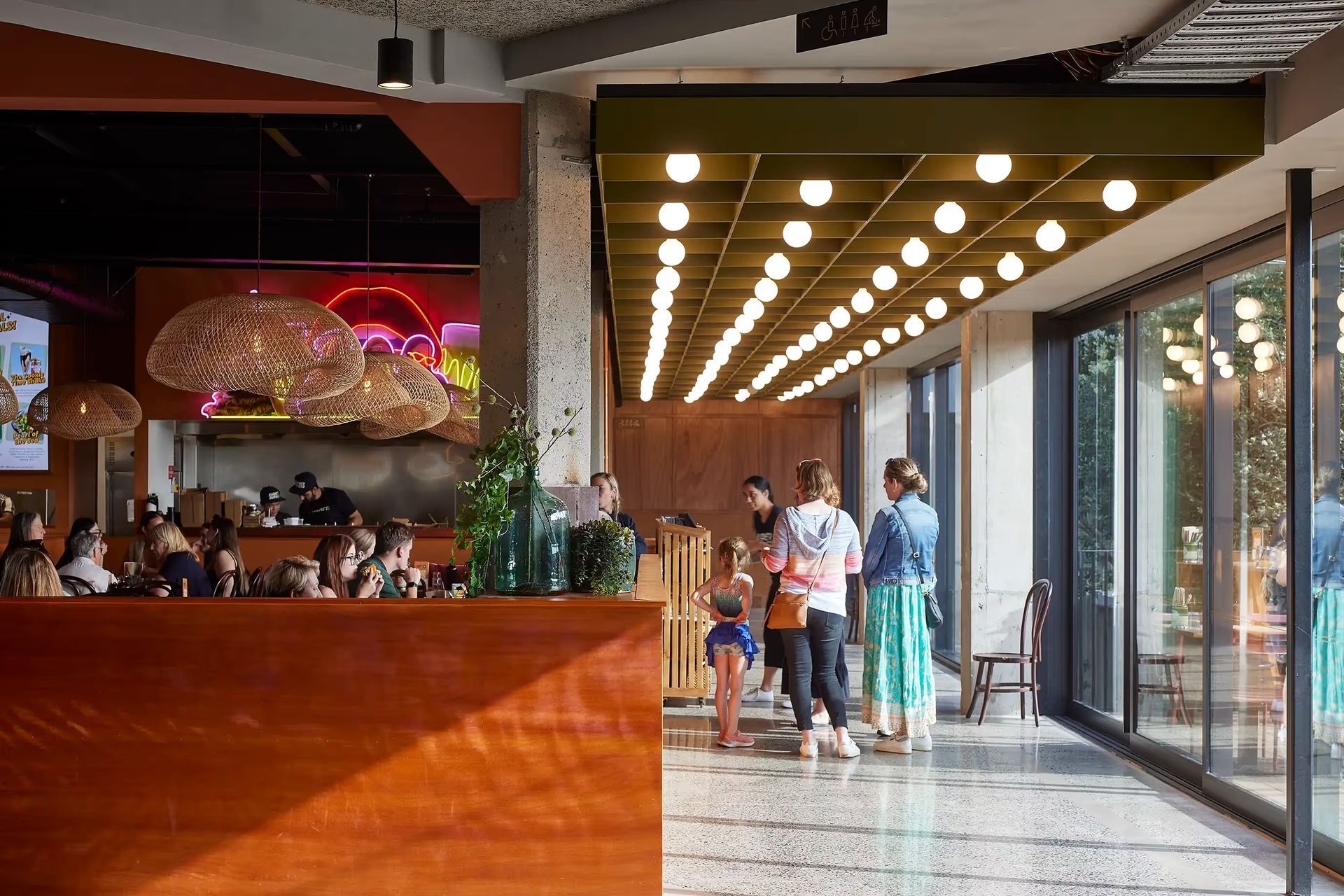
Diversity was key. Retail, hospitality, creative businesses and workplaces would coexist within a series of interconnected zones. Former laboratories became cafés and restaurants, a central marketplace provided space for local retailers, office tenants occupied upper levels, while food and hospitality venues activated key gathering areas throughout the building.
"What we've learned is that you can't just have one component and hope it works," says White. "You need a melting pot of all these things together to make the whole thing work."
One of the earliest pieces of the puzzle arrived unexpectedly when Duck Island secured a substantial tenancy within the building. The tenancy included a fully functioning ice cream factory occupying a significant portion of the floorplate, which became an anchor around which much of the project would evolve.
“It was quite a large piece of the jigsaw,” says Smith. “People probably don’t realise there’s an entire ice cream factory on the middle floor.”
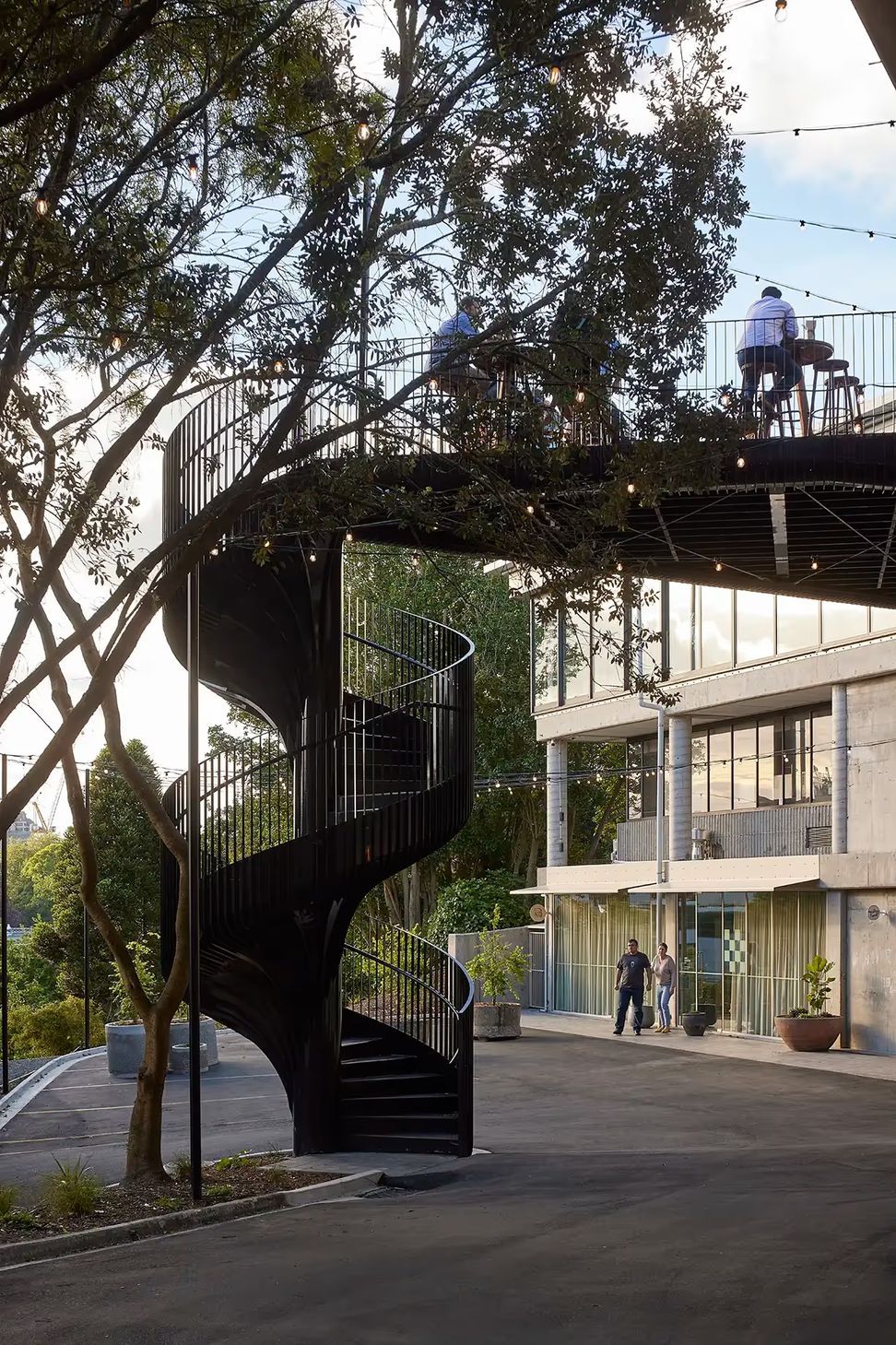
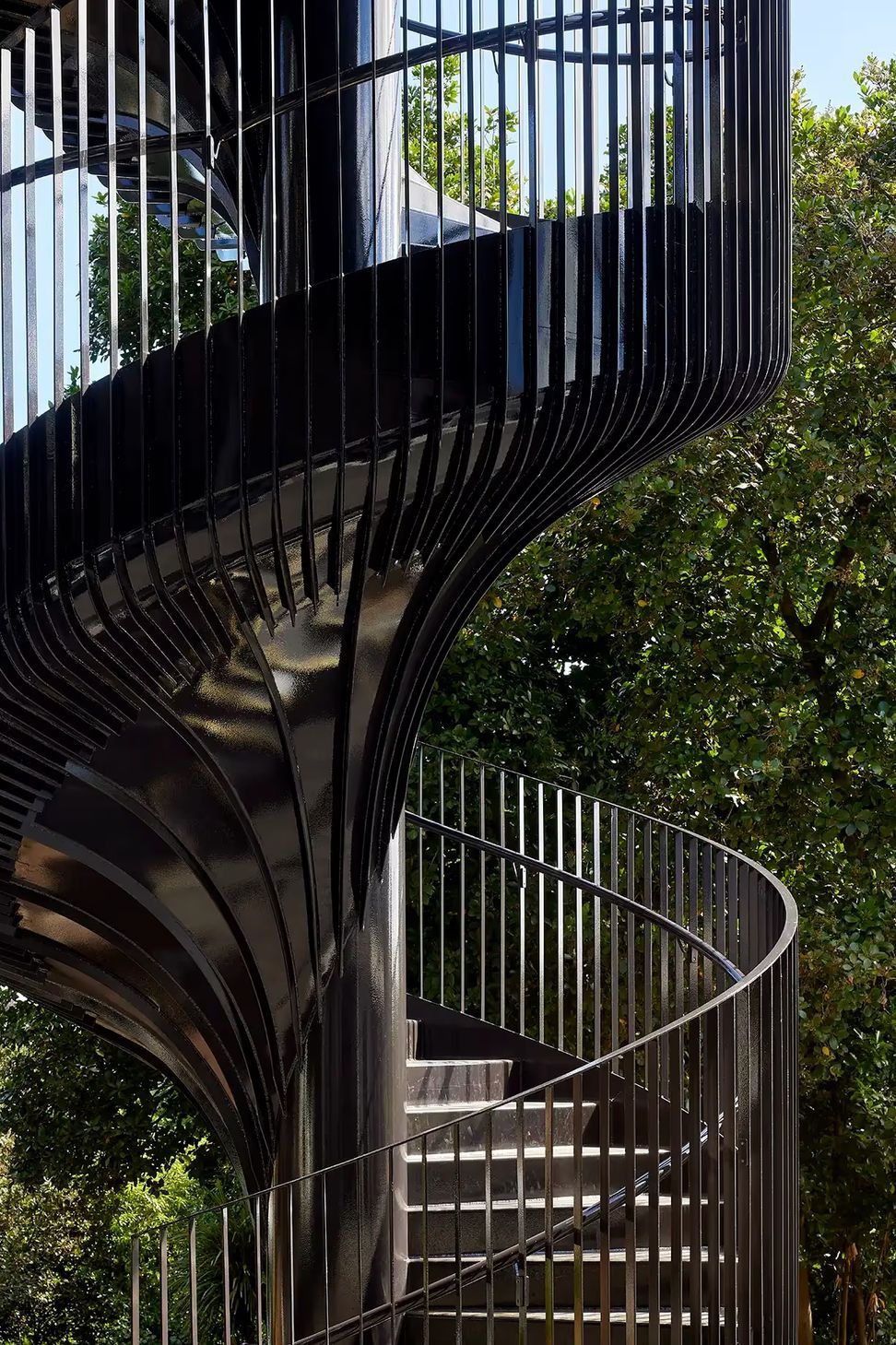
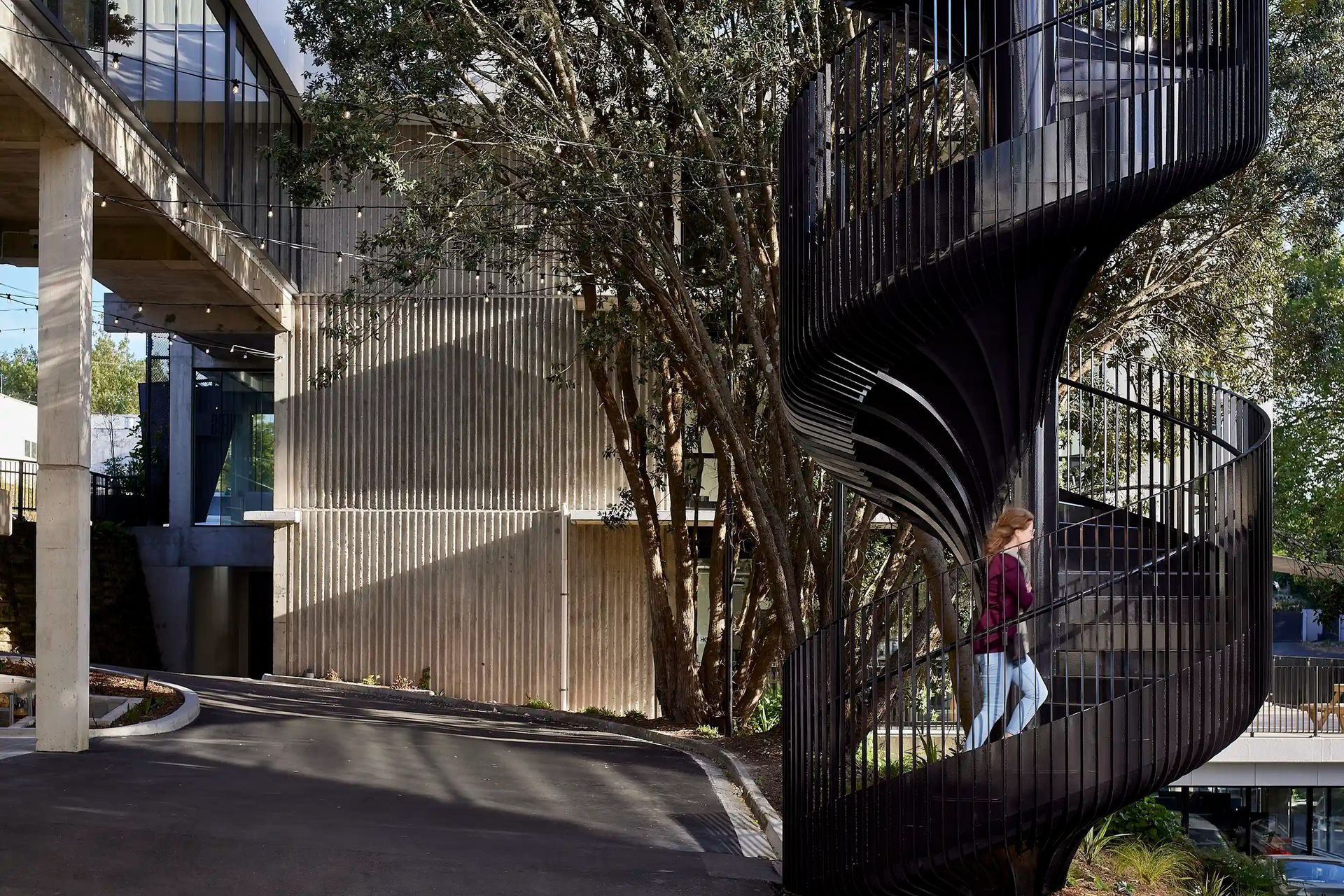
But rather than allowing operational requirements to dominate the experience, the architects focused on how visitors would navigate the building and uncover its different layers. A sculptural spiral staircase became one of the project's defining interventions, drawing people from Grey Street down to lower levels that might otherwise have remained overlooked.
More importantly, it reinforced the idea of discovery.
"We wanted people to discover different things along the way," says Smith. "It wasn't a show-everything-at-once approach."
Throughout the project, the architects carefully balanced spontaneity with curation. While the marketplace feels informal and organic, considerable effort went into refining its identity. Multiple design iterations explored different possibilities before arriving at a materiality that felt authentic to the project and its setting.
"There was a lot of thought that went into getting a continuity of language," says White. "We were really searching for what this space's identity was."
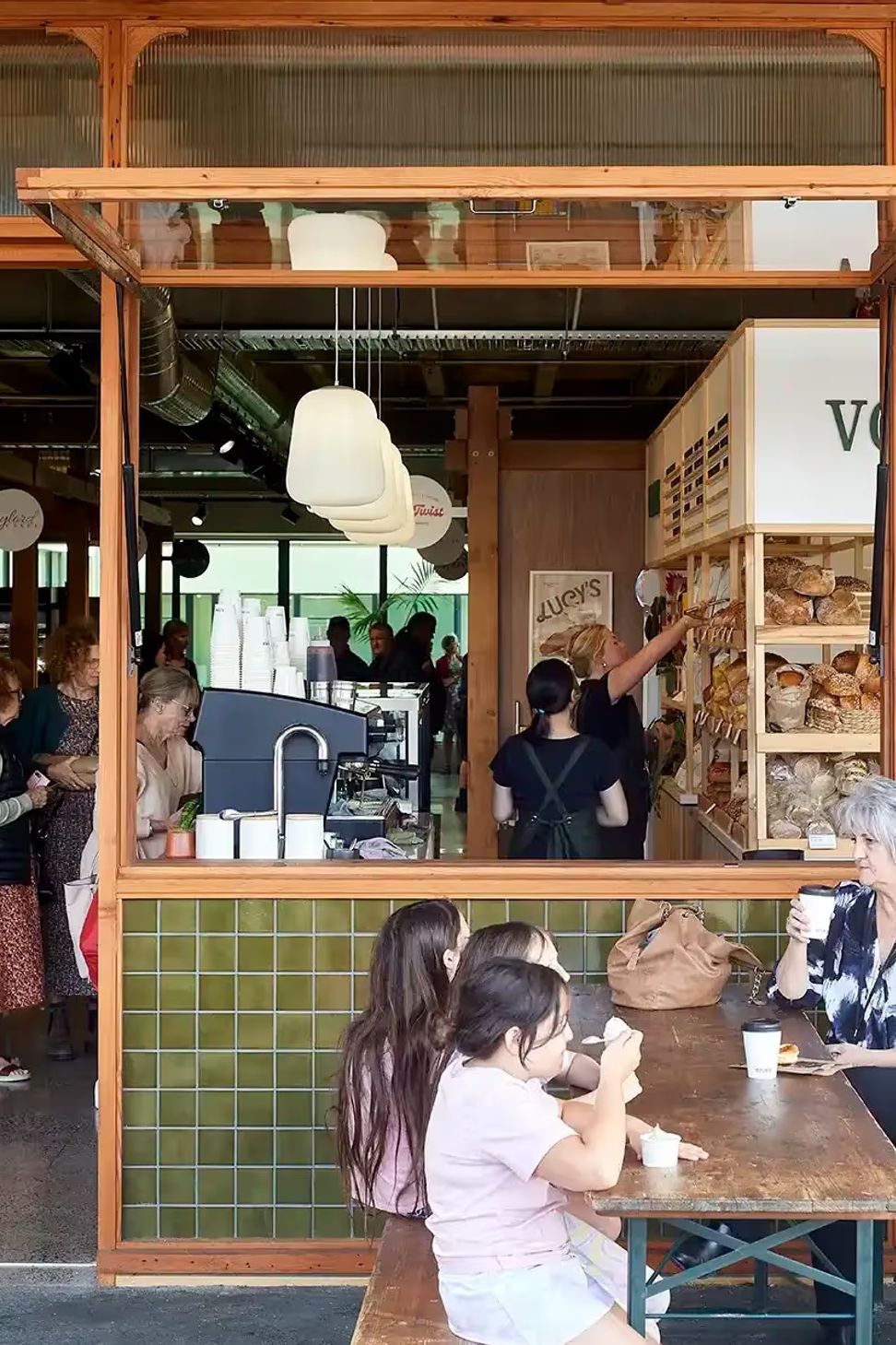
Rather than relying on off-the-shelf solutions, the team focused on creating tactile experiences that reinforced the artisan character of the development. Recycled Oregon timber was milled and crafted on site, becoming a defining feature throughout entrances, stalls and marketplace structures. Burgundy tiles punctuate circulation areas, while existing structural elements were celebrated wherever possible. Earthquake strengthening steel remains visible and original concrete components are expressed rather than hidden. Taking visitors to the upper floors, fine mesh balustrades are paired with warm oak handrails that invite touch.
This tactile approach extends to even the smallest details.
"We tried not to go to the product catalogue straight away," says White. "When creating this artisan aesthetic, you have to go beyond that and work out ways to design these things."
That commitment was shared by the client team, particularly Jaimee Stark, whose involvement in everything from material sourcing to detailed design decisions helped shape the project's character. Together, architects, developers and collaborators created a framework that feels crafted rather than manufactured.
Importantly, the architecture never attempts to erase the building's past. Instead, it embraces imperfection and works with what already exists.
"It is a little bit of a reaction to the modern mall, which is so polished and controlled," says White. "This is curated, but there is freedom with how things can play out within the framework."
That balance between structure and freedom appears to have resonated strongly with the community.
When MADE opened, only one of its approximately 40 tenants had relocated from elsewhere in Hamilton East. The remainder represented entirely new businesses, bringing fresh energy to the precinct without detracting from the neighbourhood's eclectic character.
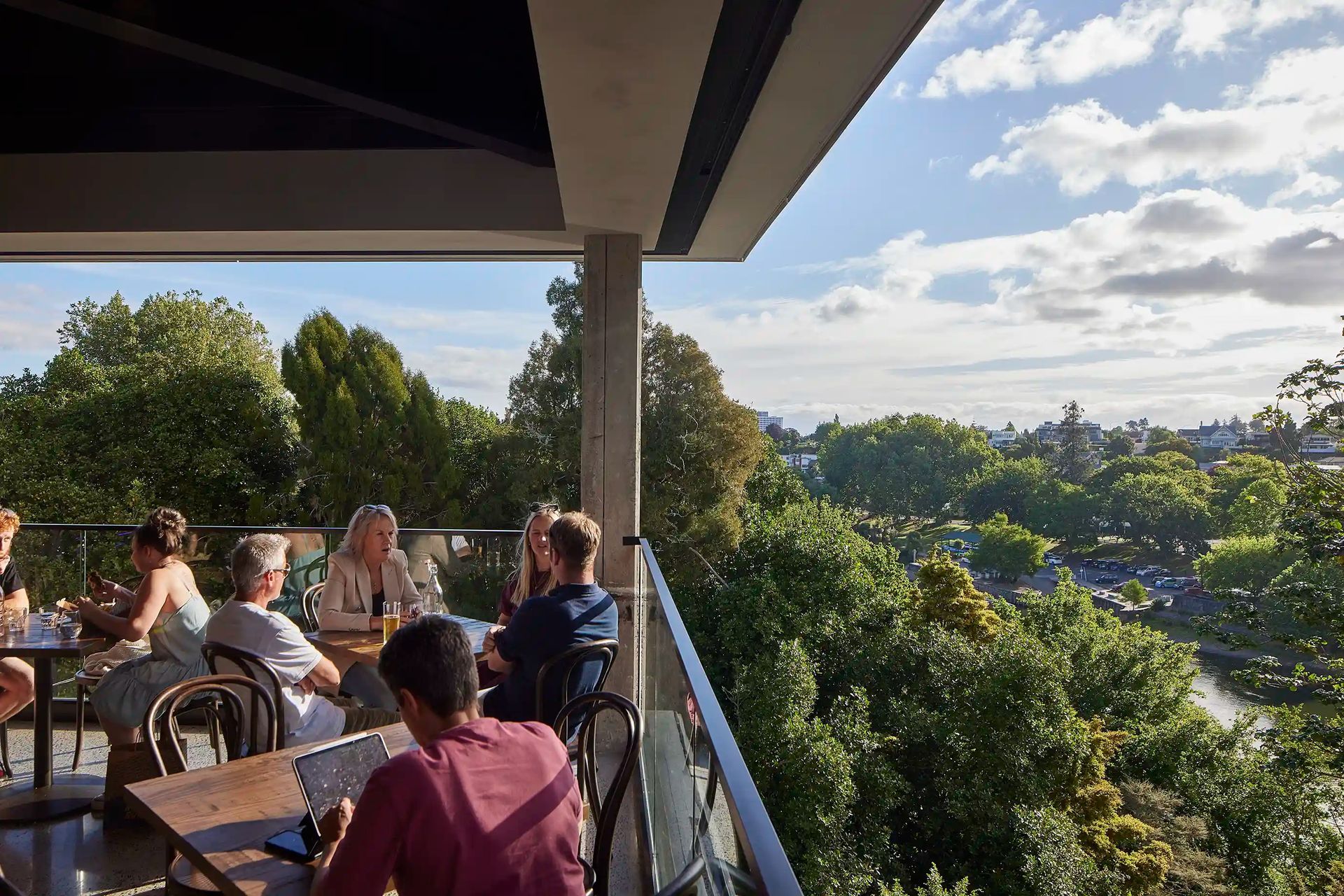
Today, MADE has become more than a retail and hospitality destination. It is a place where people meet friends, bring visitors, spend an afternoon exploring or simply sit and enjoy views towards the river. In a city increasingly invested in the quality of its public spaces, it has become a source of local pride.
Words: Joanna Seton
- Building style
- Modern
Like this Project?
Hire Edwards White Architects
The products behind the project
Six products specified into this build from four suppliers, verified ArchiPro members. Tap through to specifications, suppliers and lead times.


Professionals used in
this project
The practices and trades credited on this project.









More projects from
Edwards White Architects
Other work by Edwards White Architects, across every category they build in.


More in
Mixed-use Spaces
Everything else in Mixed-use Spaces, from every practice on ArchiPro.


Next Project
Keep scrolling