

Returning from the UK, a Tauranga family commissioned Trinity Interior Design to create a practical, welcoming home where overseas visitors, local relatives and everyday family life could comfortably coexist.
A homecoming designed for family
When a family relocated from the United Kingdom to Tauranga, their vision for a new home extended well beyond the brief of a typical family residence. More than a place to live, they wanted to create a destination: somewhere that would bring together relatives from near and far, and support a lifestyle centred on connection.
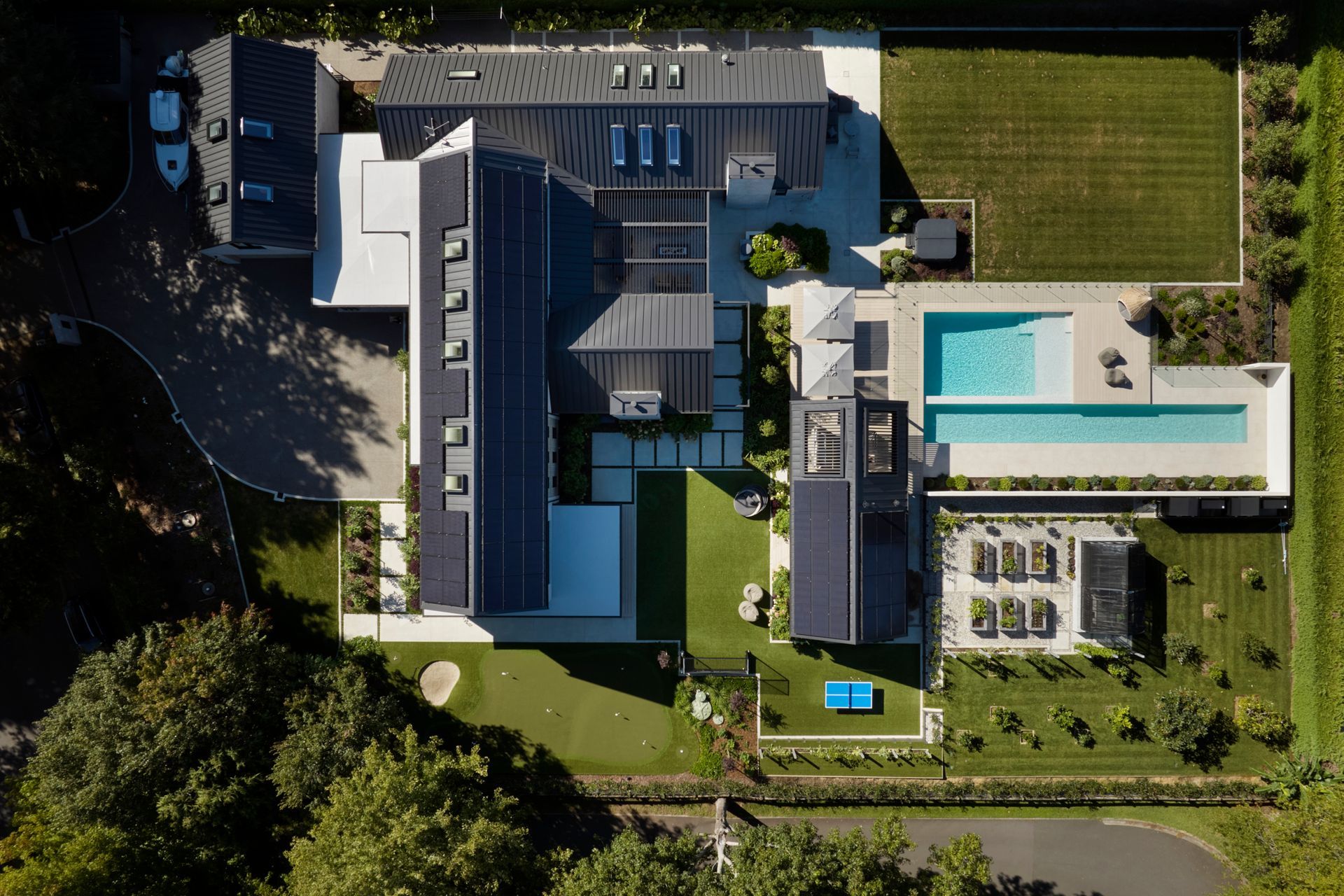
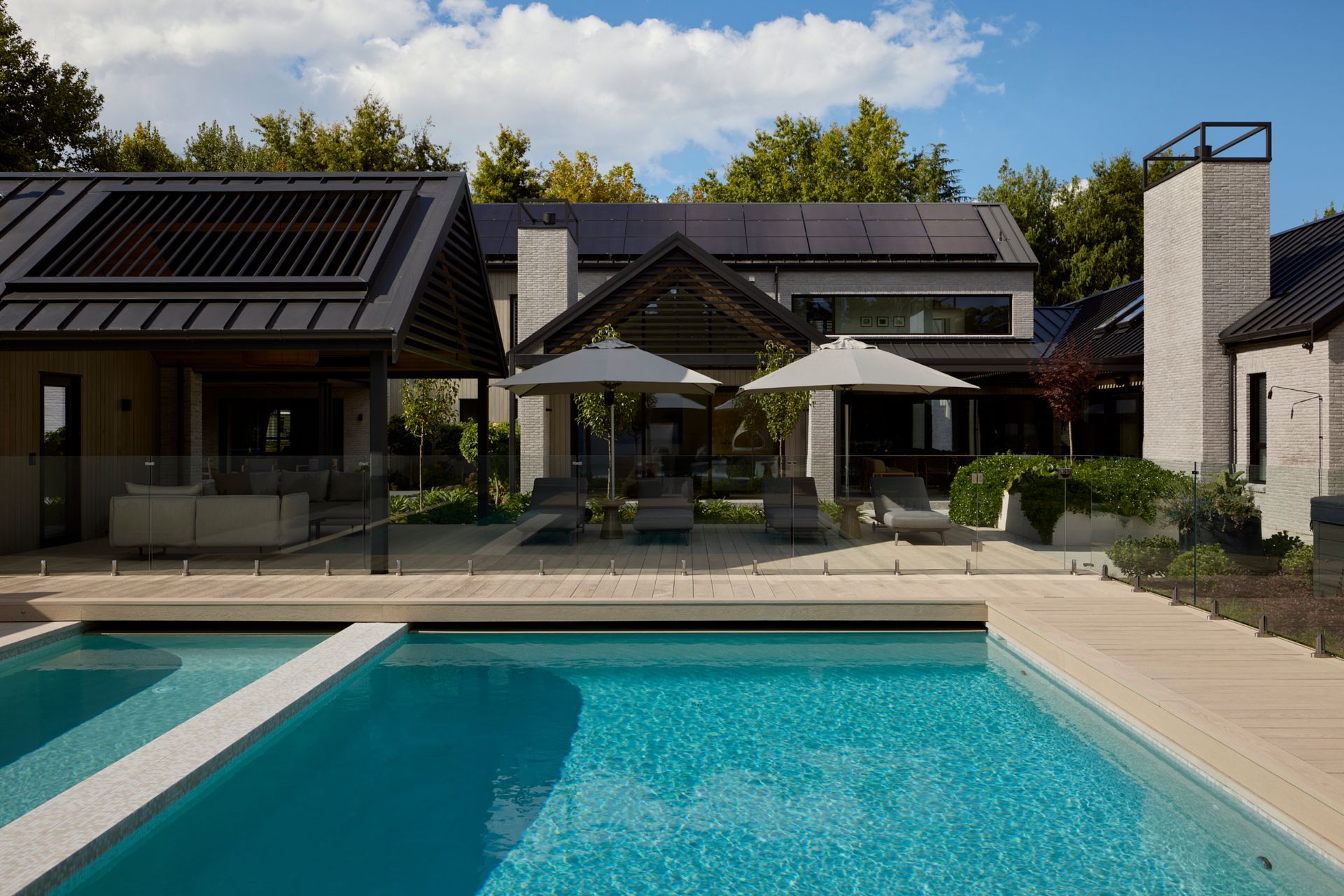
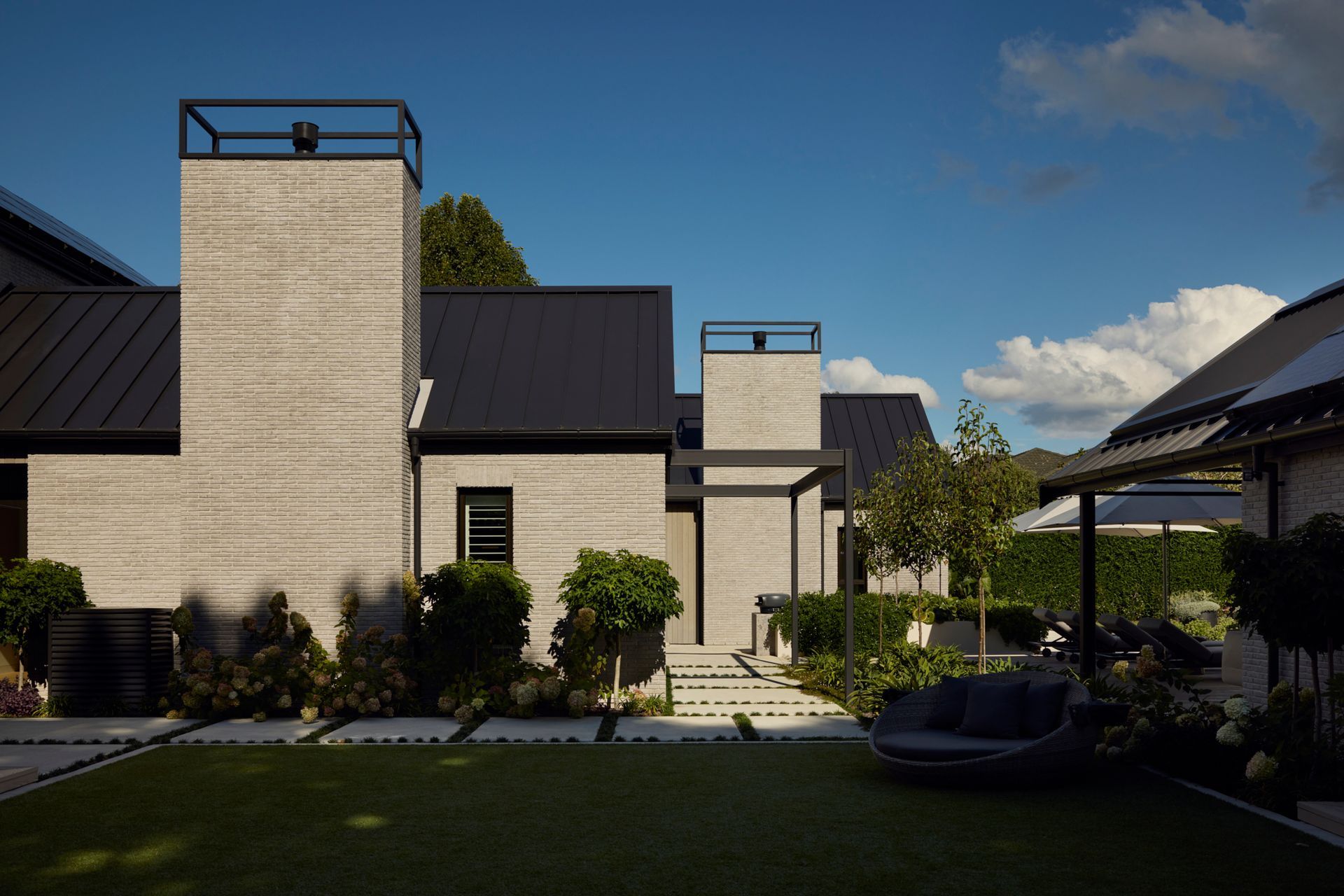
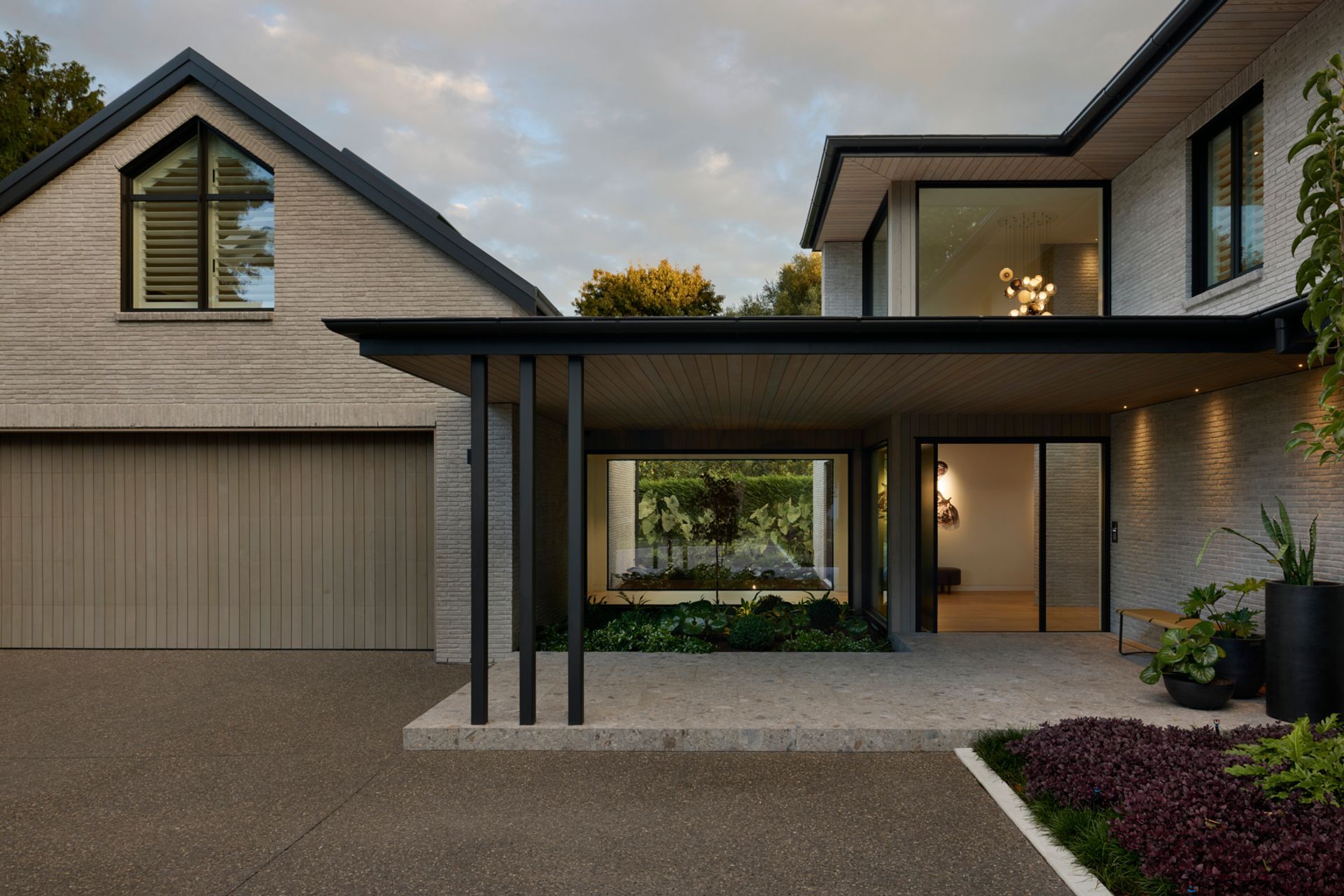
Located in Tauriko, the expansive property was conceived as a gathering place for multiple generations. Alongside the main residence, the programme included dedicated guest accommodation, generous outdoor living areas, a pool house, putting green and extensive landscaped grounds. The intention was clear from the outset: to create a home where family and friends could spend meaningful time together, whether visiting from overseas or just down the road.
For Auckland-based studio Trinity Interior Design, the project became a collaborative exercise in translating that vision into a practical and highly personalised interior.
"Family was absolutely at the centre of everything,” says designer Jayne Tolley. “They wanted a property where everyone could come together, but where guests could also enjoy a sense of independence and privacy during longer stays."
Trinity was engaged for the full interior scope, taking over where the architectural design concluded. Working closely alongside Jon McAlpine Architecture throughout the process, the studio was responsible for everything from material selections and cabinetry detailing through to furnishings, window treatments and styling.
While the architectural framework established the home's overall form and exterior palette, the interior brief arrived with a different set of priorities.
"The client was incredibly practical," says Tolley. "She was very clear about how she wanted the house to function and how she wanted materials to perform."
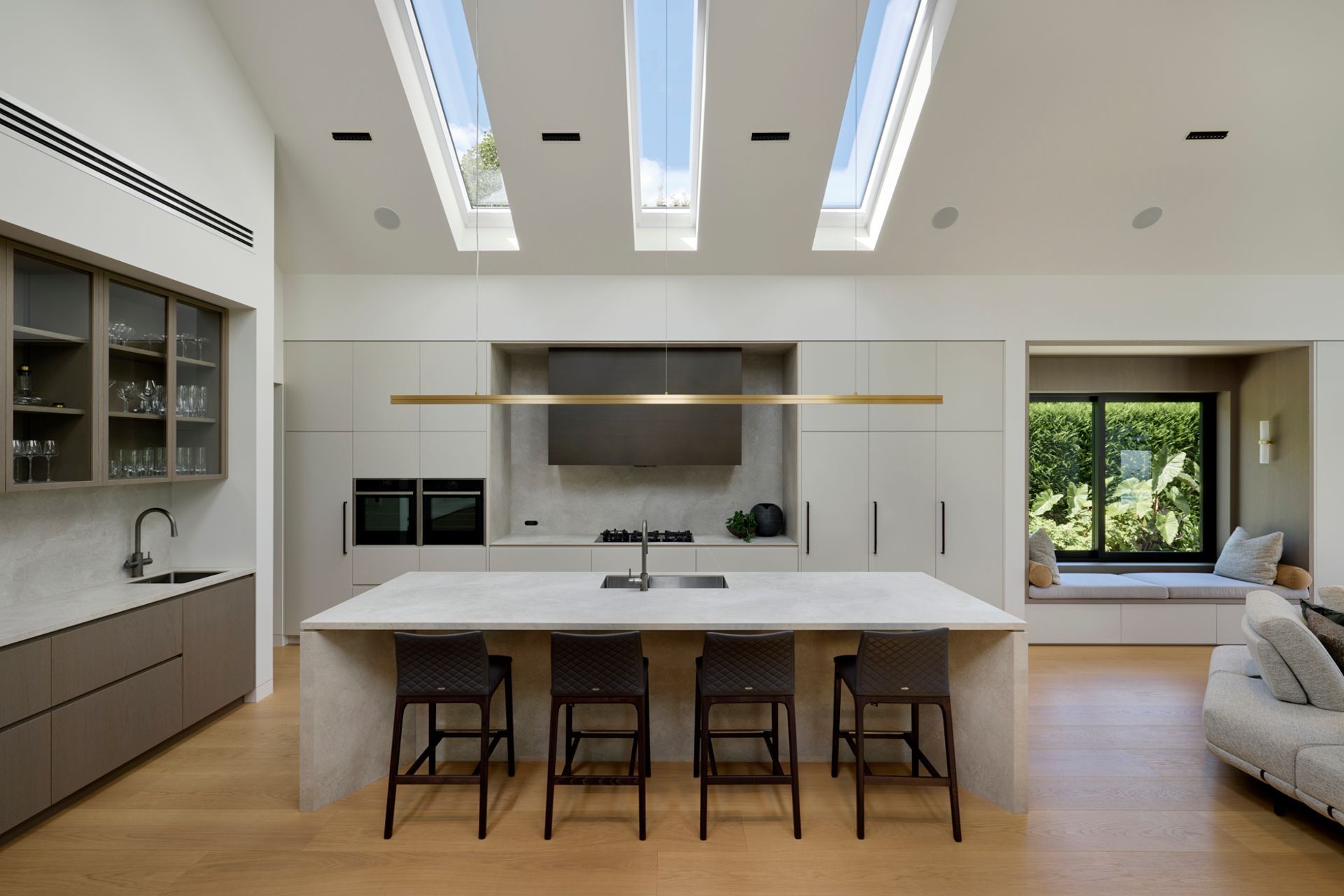
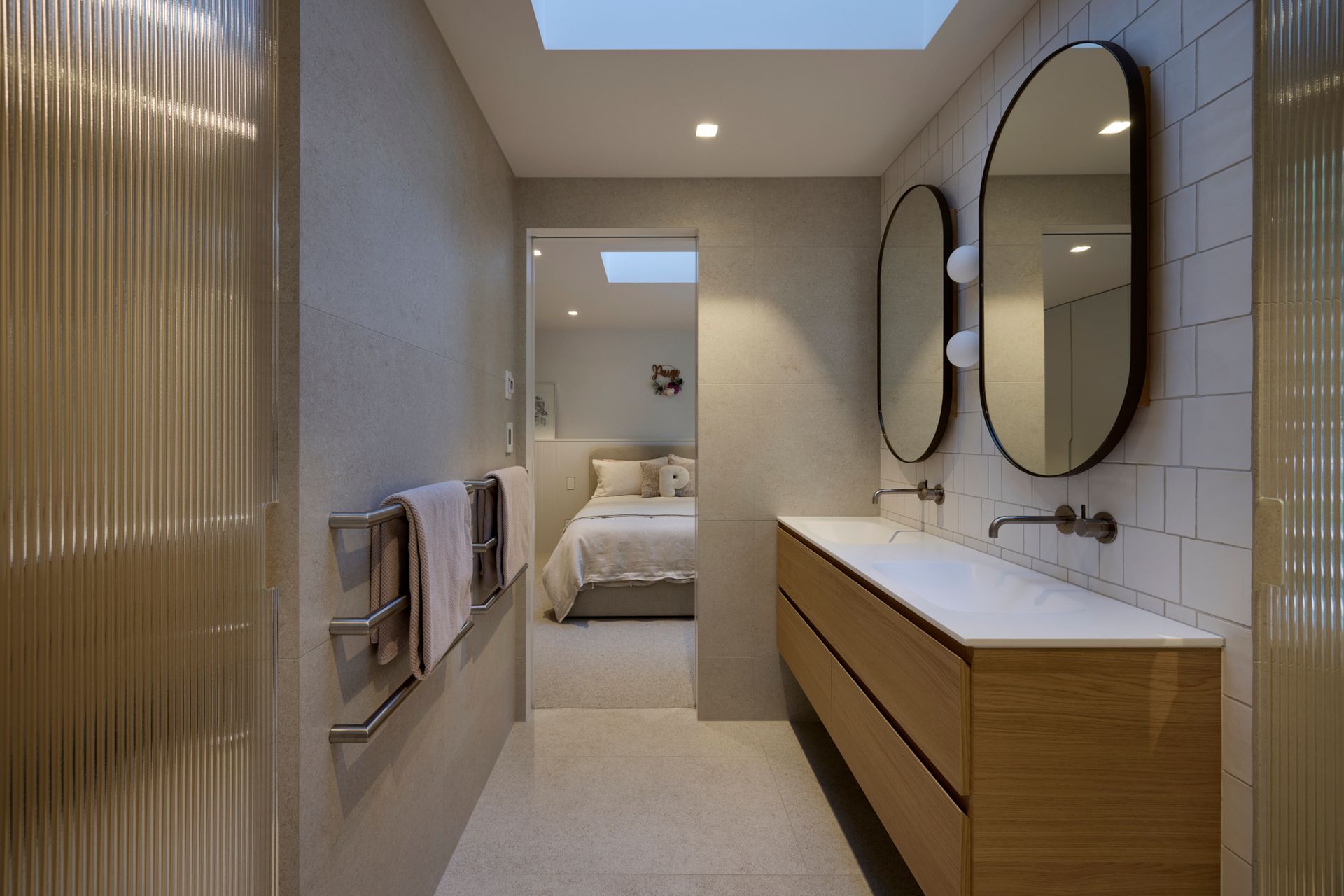
That practicality shaped many of the project's key decisions. Durable surfaces, low-maintenance finishes and long-term usability consistently took precedence. Large-format porcelain tiles were selected for bathrooms to minimise grout lines and simplify cleaning. Porcelain benchtops offered the appearance of natural stone while eliminating concerns around staining and maintenance. Throughout the home, every material choice was carefully evaluated through the lens of everyday family life.
At the same time, the homeowners were drawn to a distinctly neutral palette. Rather than relying on bold colours or decorative statements, the design team needed to create warmth, character and visual interest through more subtle means.
"The challenge was introducing texture and depth without moving away from the restrained palette they loved," says Tolley.
That challenge became particularly evident in discussions around natural materials. Initially, the clients were hesitant to incorporate elements such as timber, stone and even brick within the interior. Yet for the design team, these materials were critical in creating a sense of warmth and connection throughout the home.
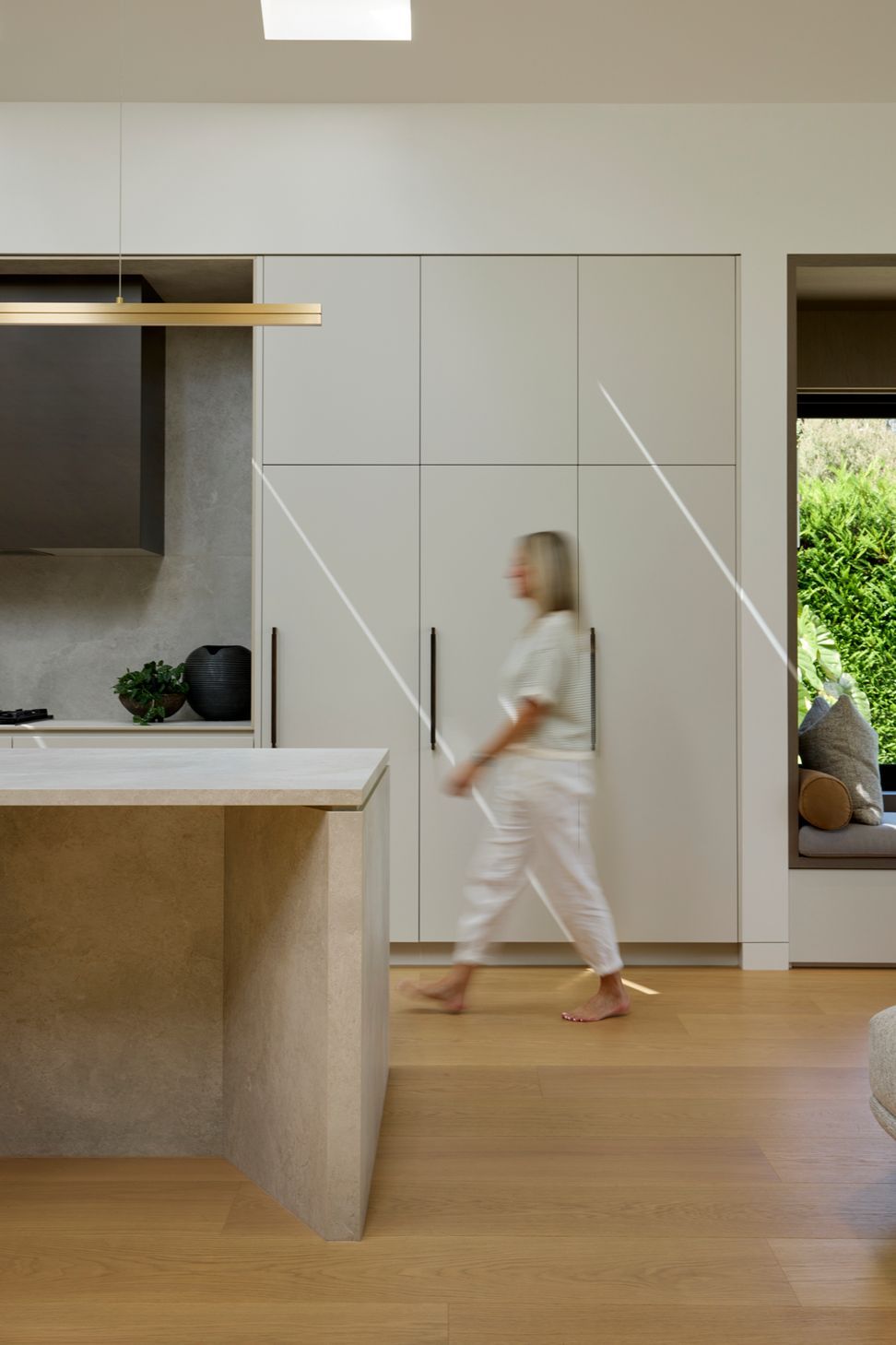
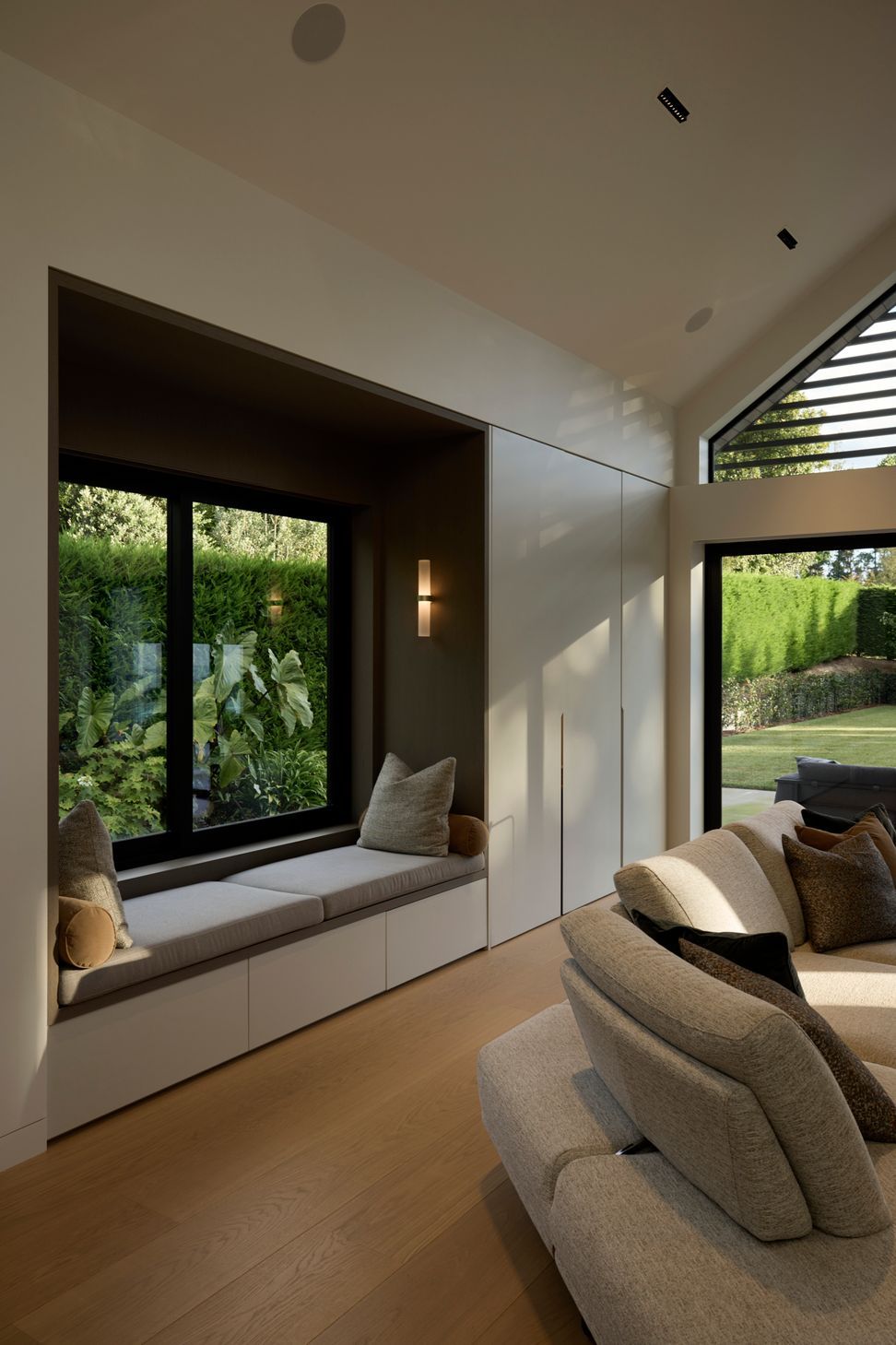
One of the most significant interventions can be found in the kitchen. Although the client was initially reluctant to introduce timber into the space, the design team identified an opportunity to create a more inviting focal point through a custom timber-lined window seat.
Positioned within the kitchen's social heart, the seat offers a place to pause, gather and engage with family life without competing with the room's primary functions. It also introduces a layer of soft colour that contrasts an otherwise restrained material palette.
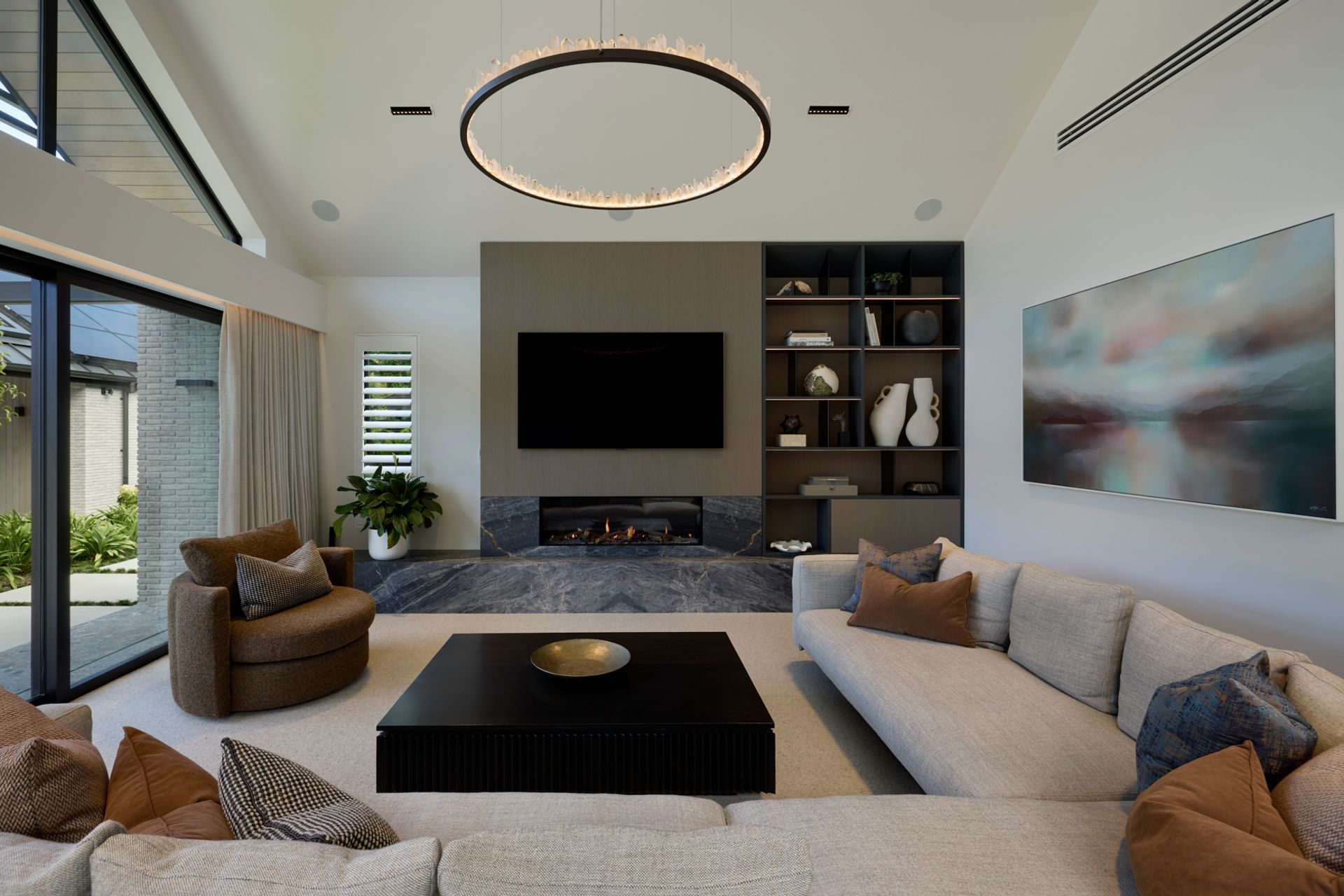
Similar negotiations occurred elsewhere throughout the home. Stone was incorporated selectively, appearing in areas such as the fireplace hearth, powder room and wine cellar, where it could contribute richness and tactility without creating concerns around wear and maintenance.
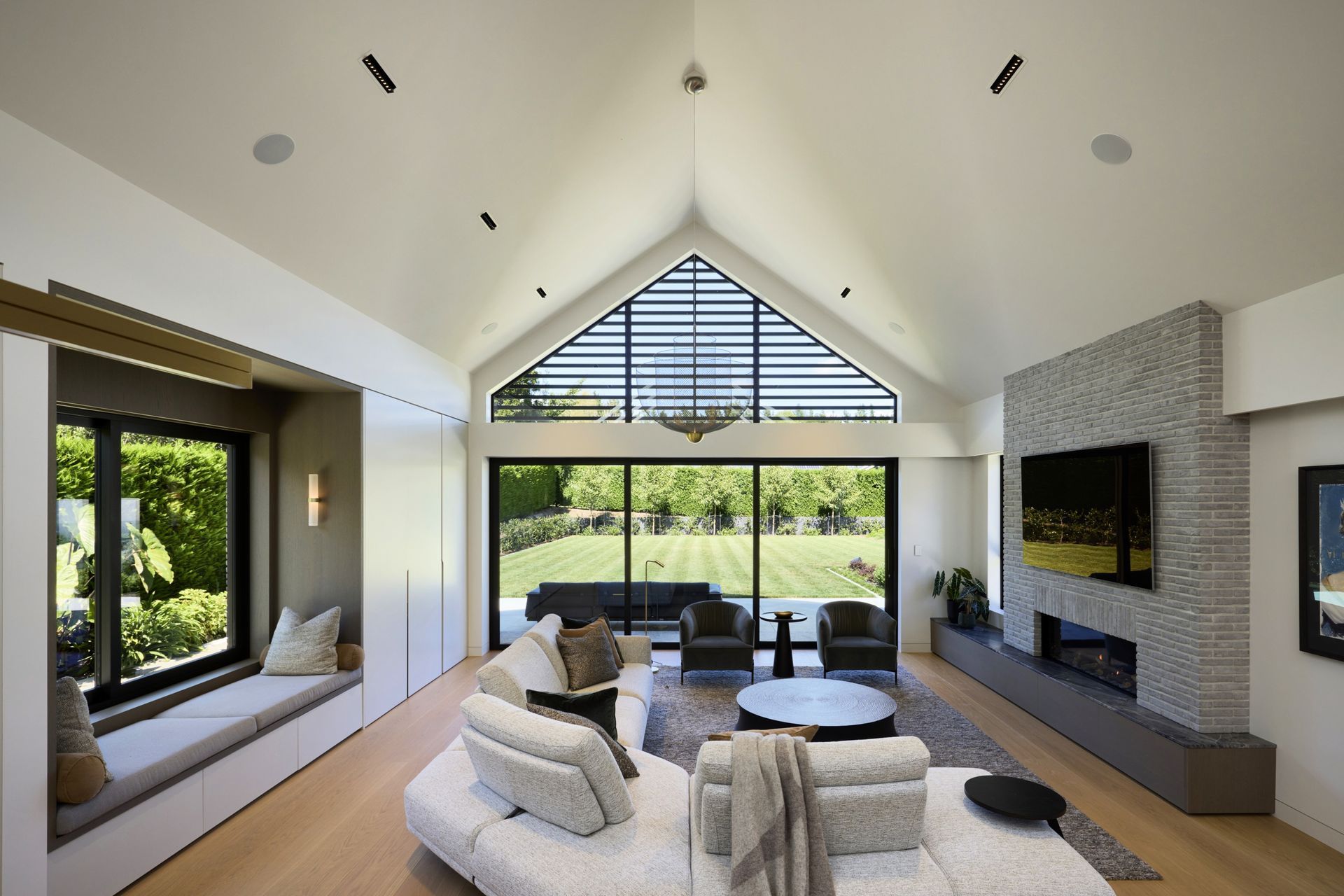
The fireplace itself became another important moment within the project. Working alongside the architect, the team successfully persuaded the clients to continue the home's exterior brickwork into the interior. Carefully integrated with a stone hearth, the result creates a tactile and grounded centre point within the open-plan living spaces.
Across the project, these moments demonstrate a careful balancing act between practicality and atmosphere. Rather than introducing dramatic gestures, the design relies on material contrast, texture and craftsmanship to create interest.
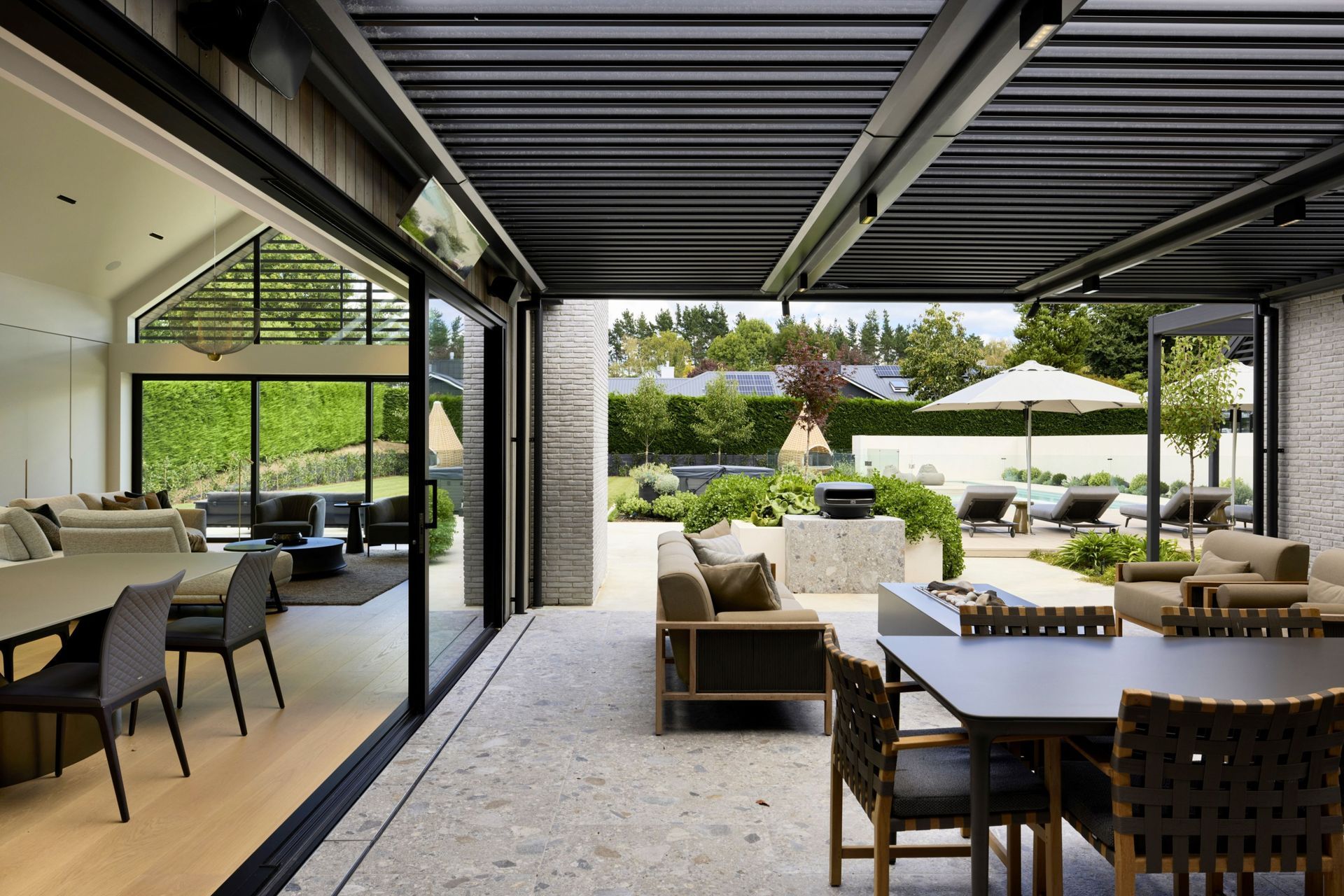
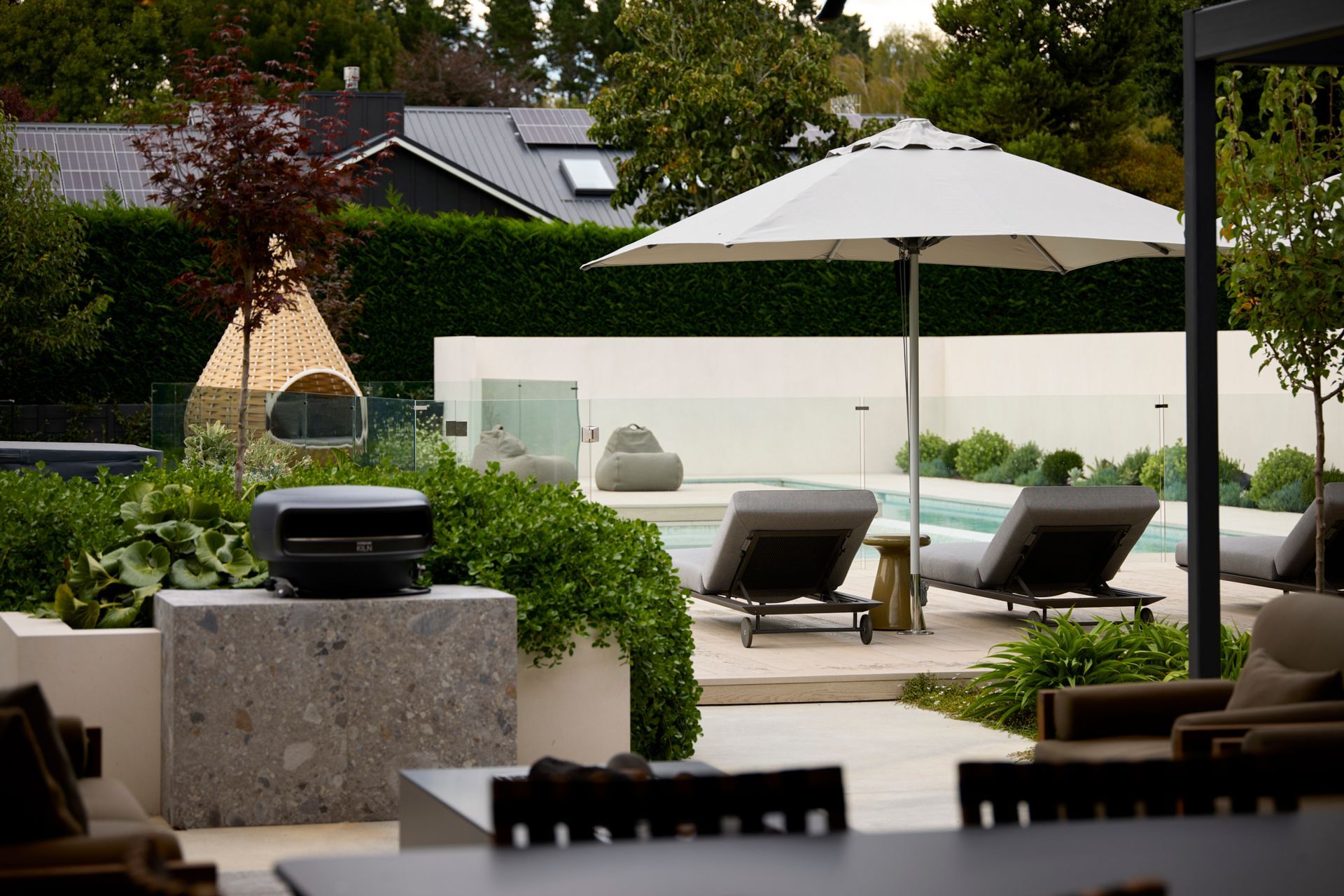
Underfoot, natural oak flooring with a subtle grey wash provides warmth while maintaining the home's understated aesthetic. Outside, natural stone and paving products establish a seamless relationship between architecture, landscape and outdoor living areas.
Those outdoor spaces were particularly important given the family's lifestyle ambitions. Large openings create strong visual and physical connections to the gardens, pool and surrounding grounds, reinforcing the sense that the home extends well beyond its interior walls.
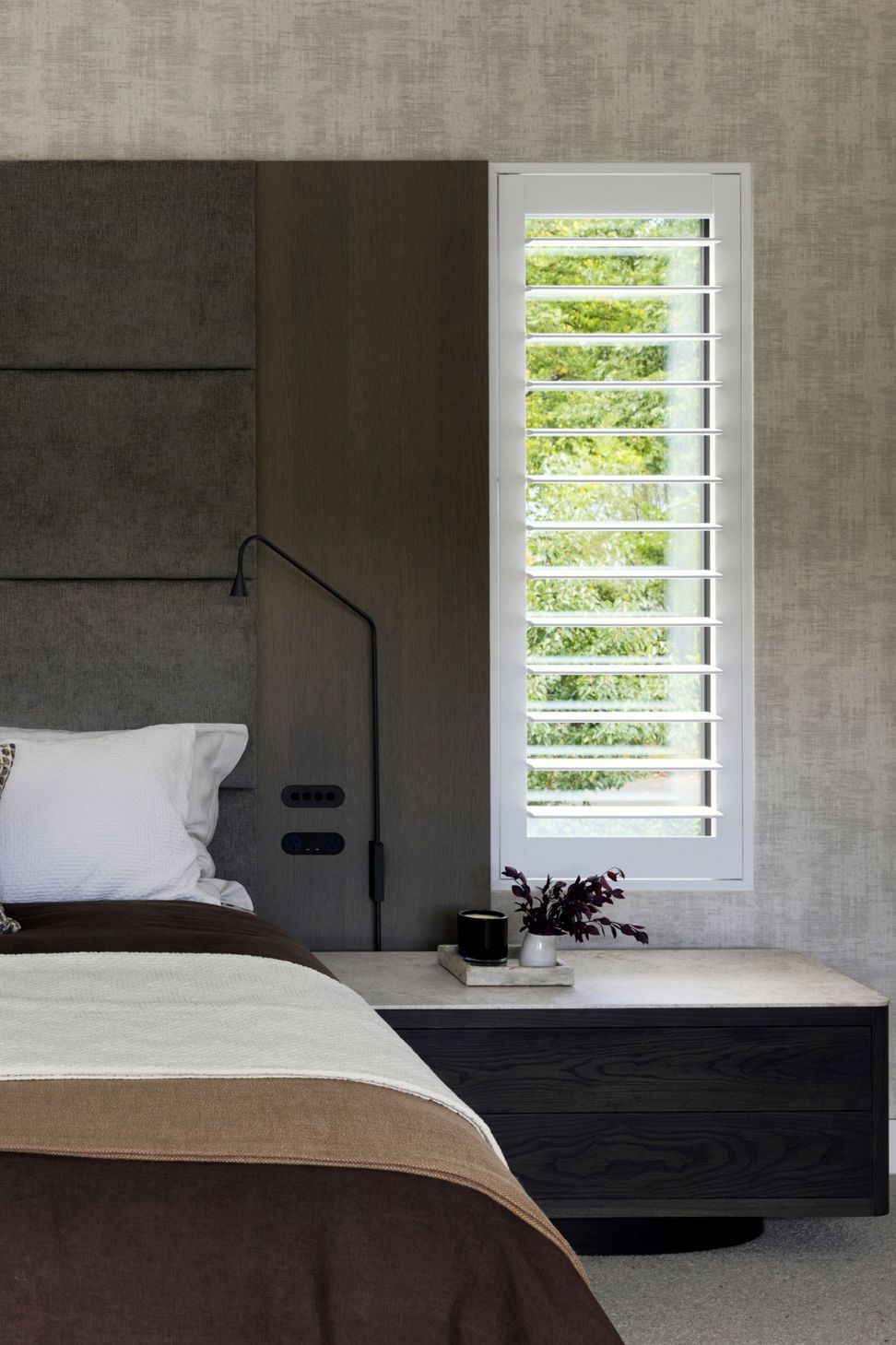
Furnishings were approached with the same level of care. A combination of European pieces, New Zealand-made furniture and custom-designed elements allowed the interiors to be tailored precisely to each space. Custom sofas were scaled to suit individual rooms, while bespoke bedroom furniture introduced an integrated, architectural quality throughout the private areas of the home.
Looking back, Tolley believes the success of the project owes much to the close collaboration between client, architect, builder and design team.
"The clients were incredibly engaged from start to finish," she says. "They cared deeply about every decision and stayed committed right through to the final details."
That shared commitment is evident throughout the completed home. Every material, finish and furnishing has been carefully considered to support the way the family lives, hosts and gathers. While the palette remains intentionally restrained, the interiors feel rich in texture, warmth and personality.
- Completed
- 2025
- Building style
- Contemporary
Like this Project?
Hire Trinity Interior Design
Professional Reviews
The products behind the project
Ten products specified into this build from ten suppliers, verified ArchiPro members. Tap through to specifications, suppliers and lead times.


Professionals used in
this project
The practices and trades credited on this project.









More projects from
Trinity Interior Design
Other work by Trinity Interior Design, across every category they build in.


More in
Luxury Homes
Everything else in Luxury Homes, from every practice on ArchiPro.


Next Project
Keep scrolling