10 design moves for seamless indoor–outdoor spaces

Written by
04 December 2025

 • 

5 min read

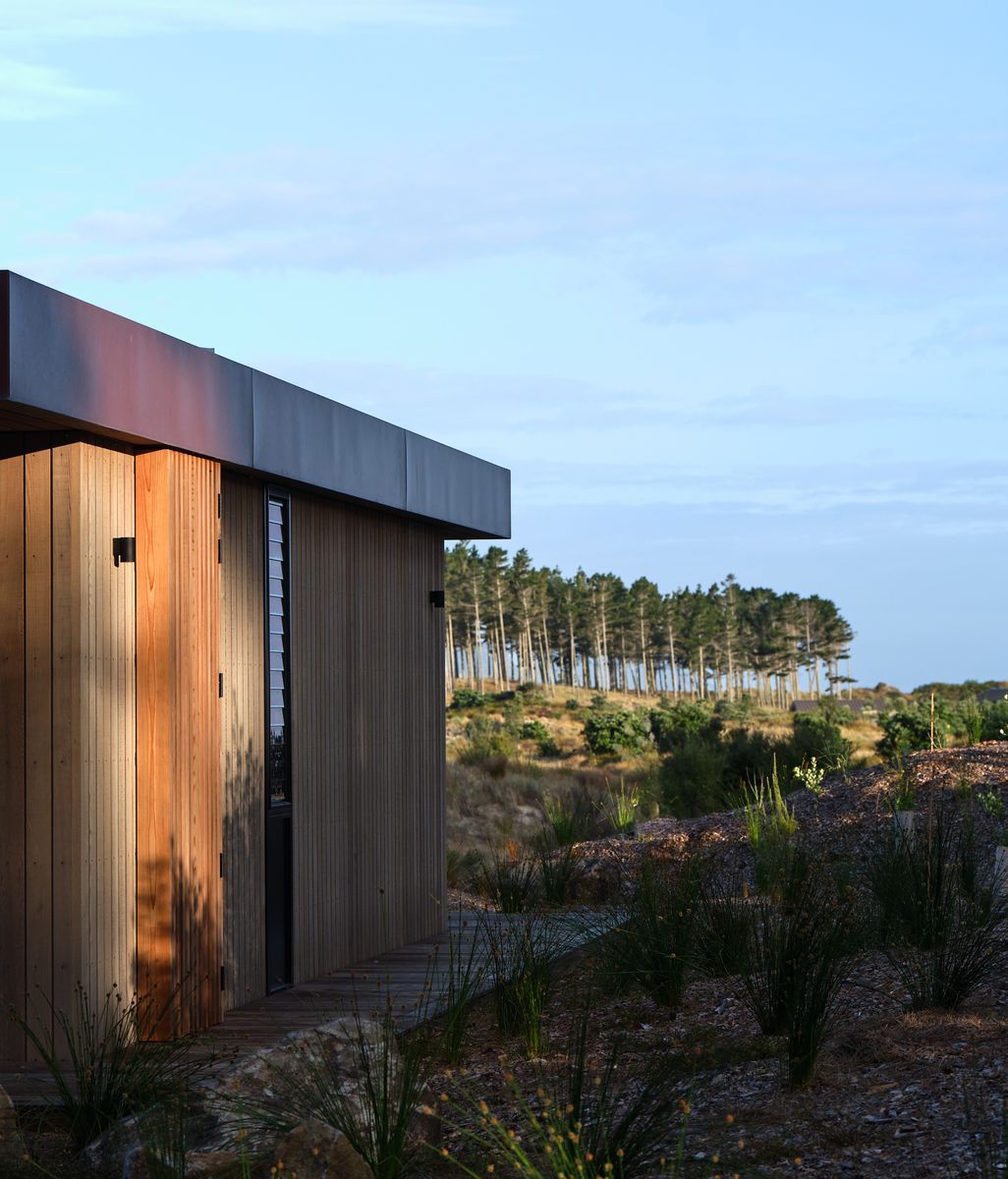
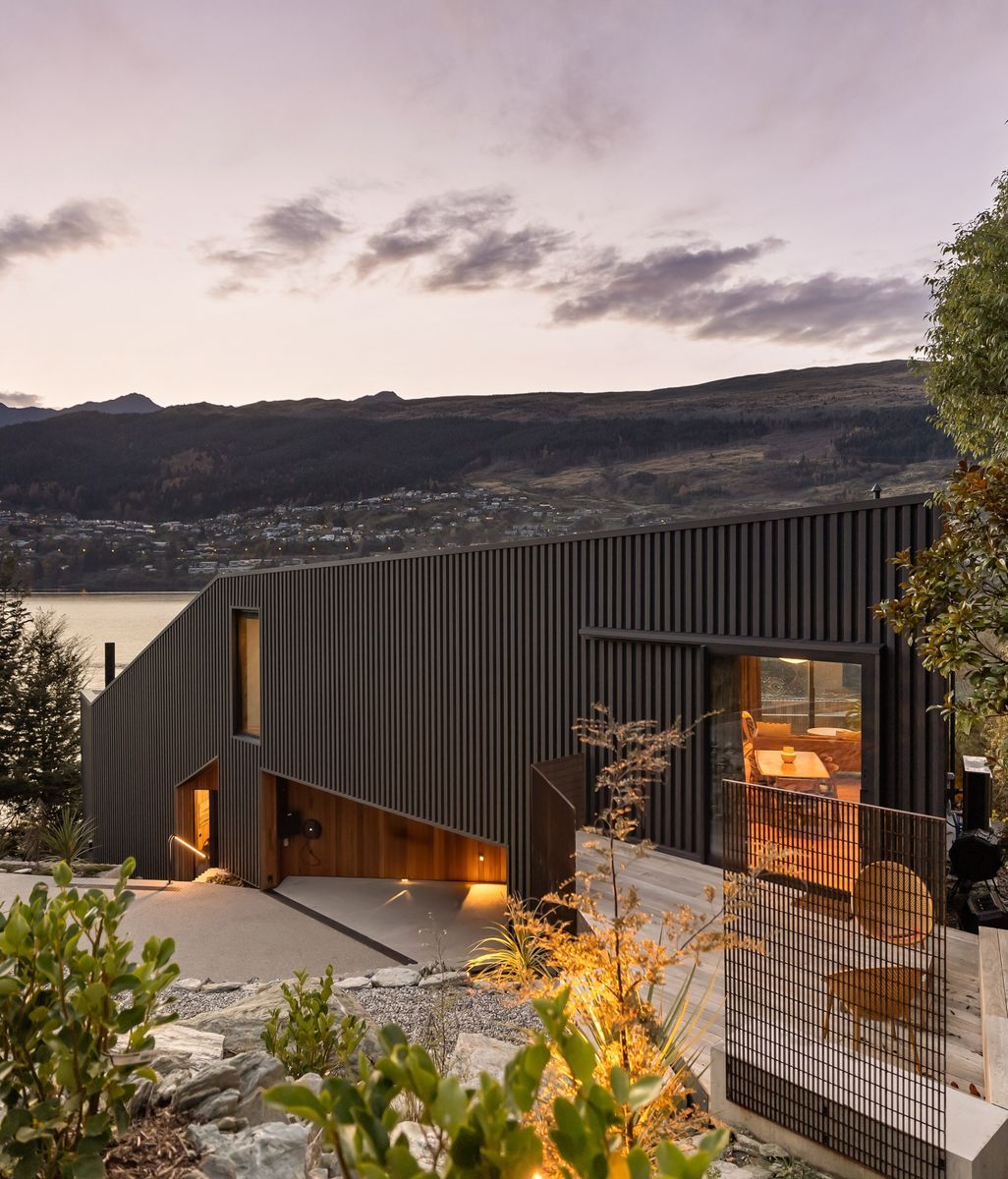
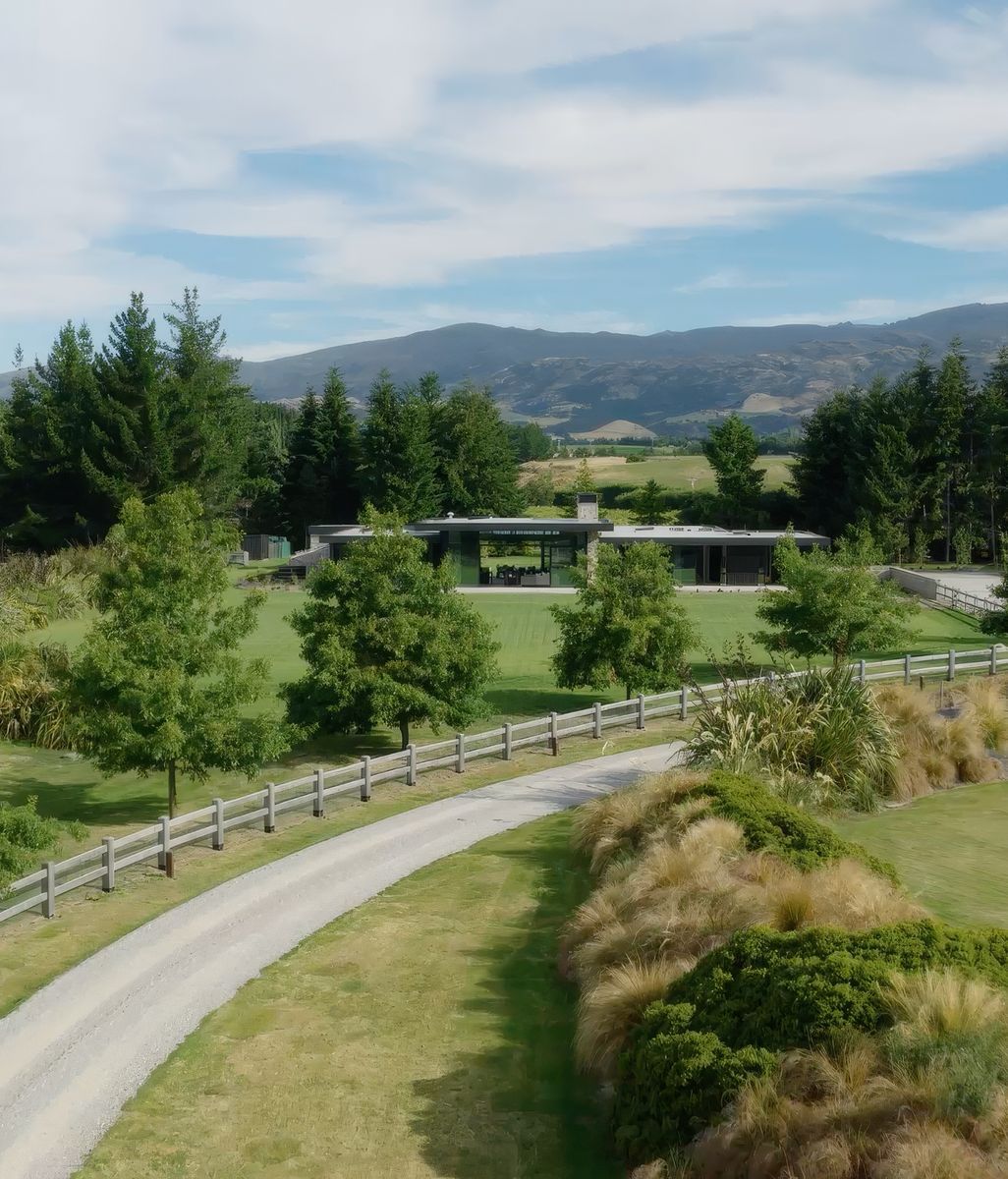
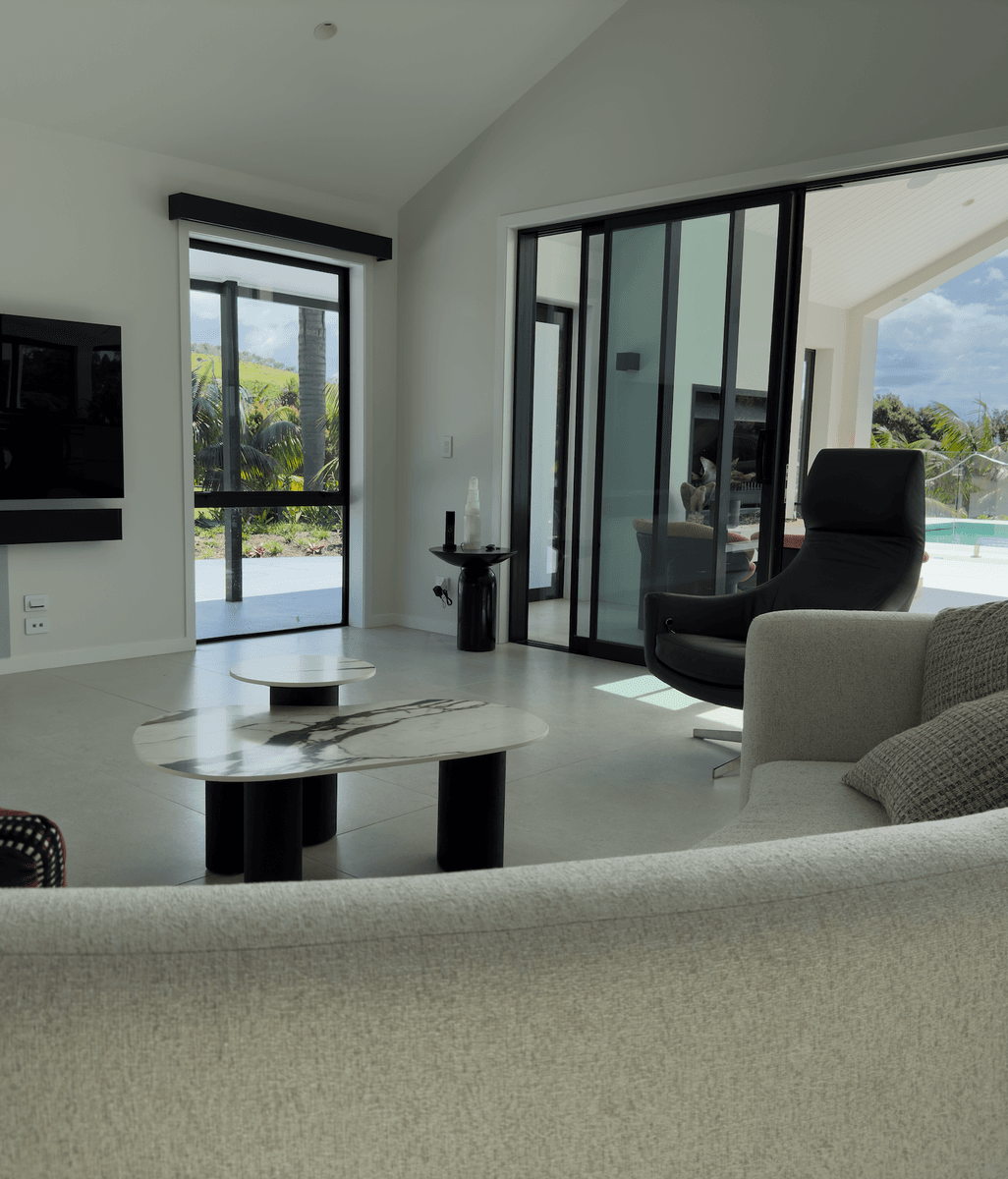
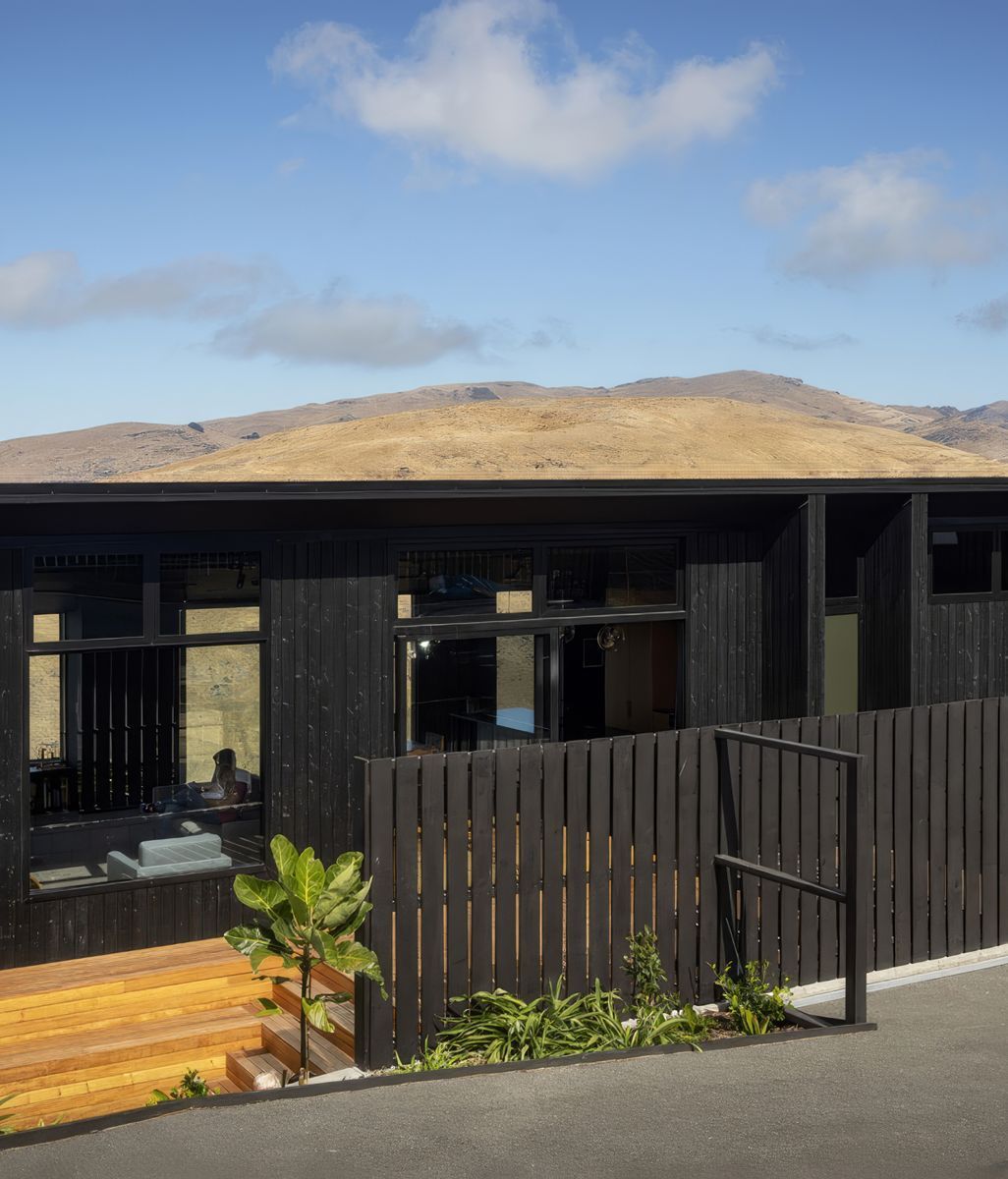
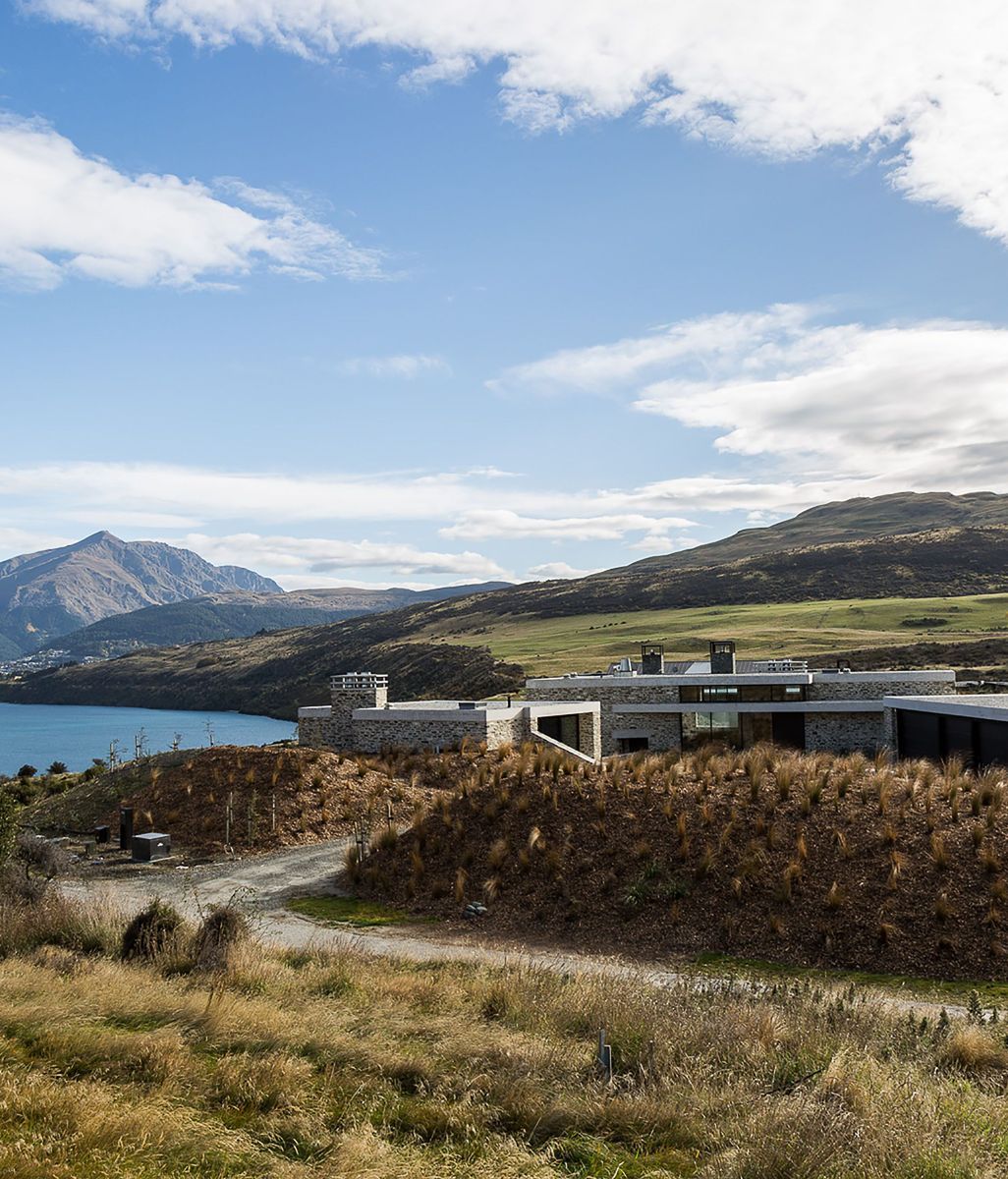
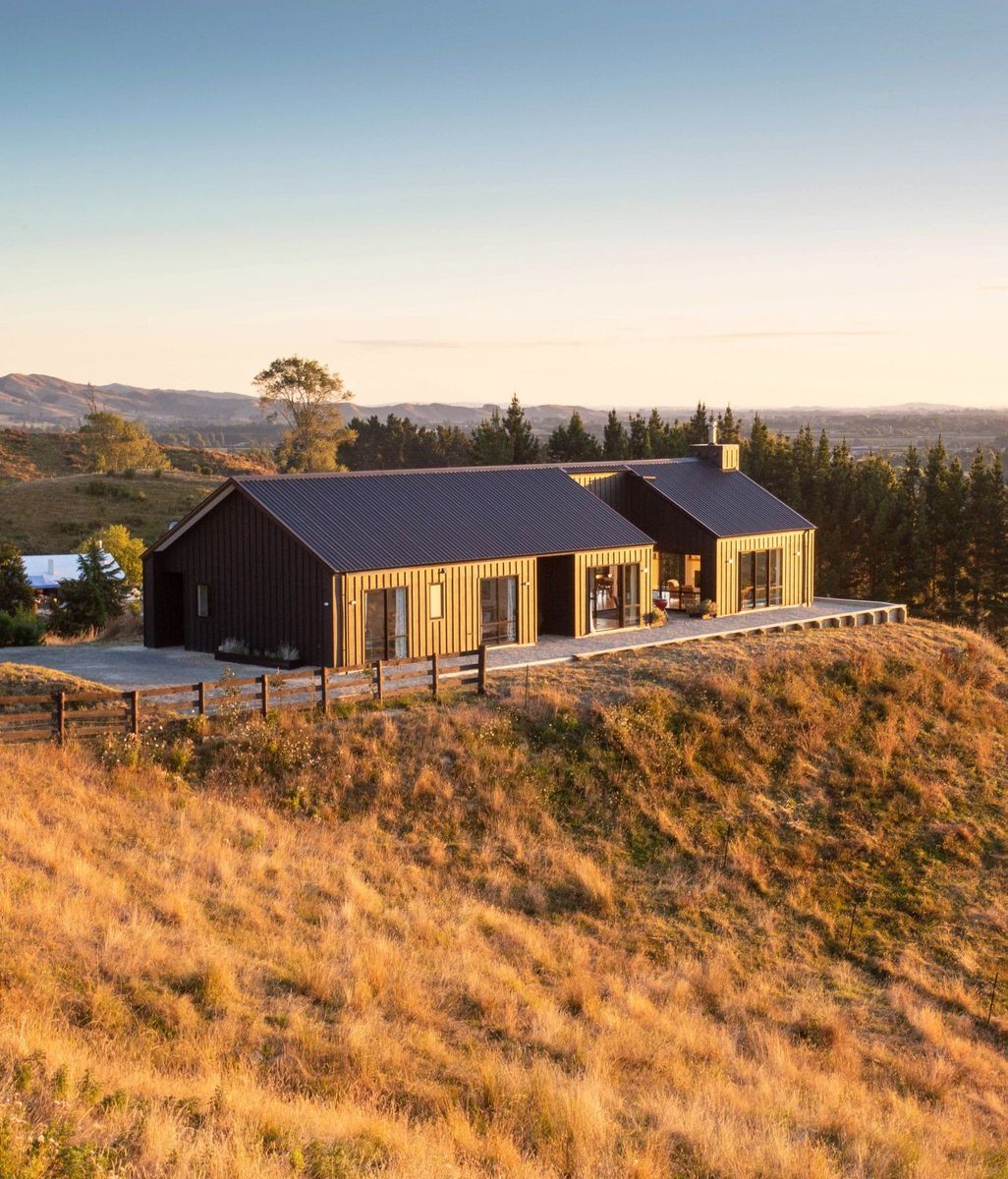
The Zero Residence by Reitsma & Co is designed to transition seamlessly from indoors to out. Image credit: Cieran Murphy.
Smart design tricks that create a seamless, uninterrupted flow between home and landscape.
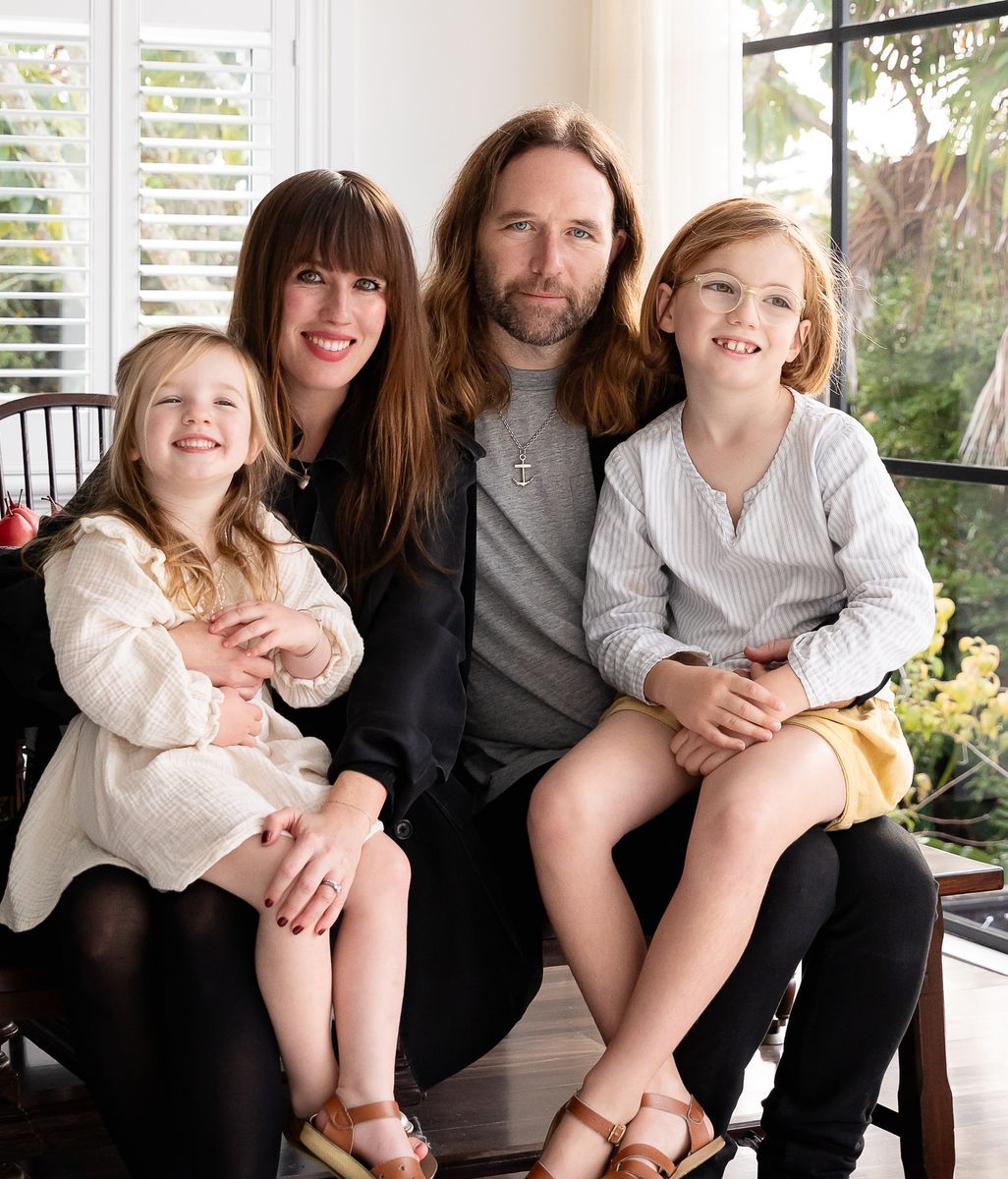
Reitsma & Associates Trevor Reitsma.

Landscape is never an afterthought for lead designer Trevor Reitsma. In fact, it’s the very first consideration of the design conversation. “Reviewing the site, the context, what views we have, the sightlines, the trees, and the neighbours to block out are all critical when we begin the design process,” he explains. 

How a home interacts with its environment is the foundation on which every other decision rests, and when this relationship is carefully orchestrated, the boundary between indoors and out all but disappears. But beyond investigating the context of the site, there are some key design moves that can really augment a sense of flow. To learn more, we spoke to Trevor and Isaac Stott of Reitsma & Associates, who shared ten clever ways to create a completely seamless indoor-outdoor experience.

1. Identify elements to block out and those to highlight


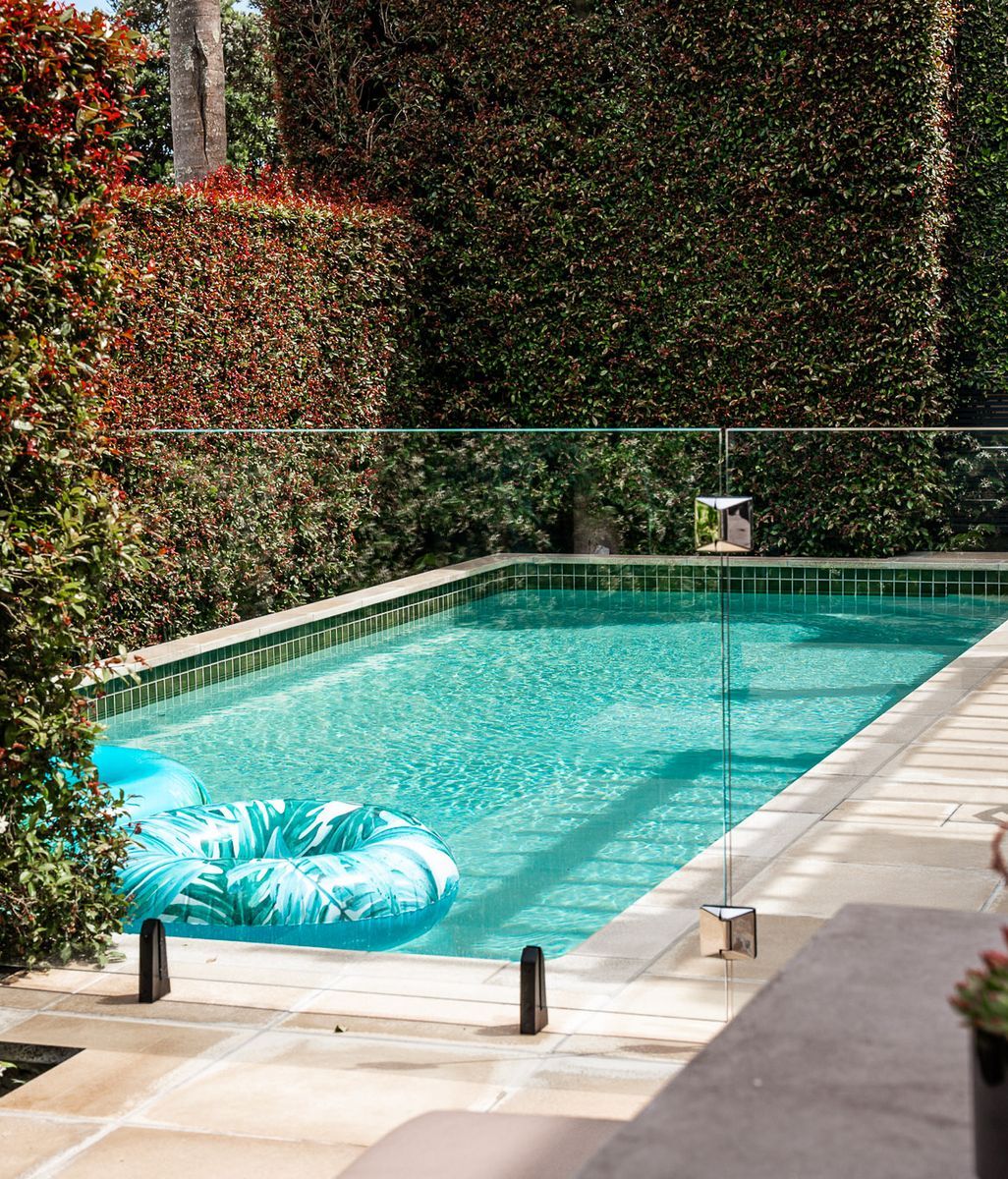
Introducing privacy is essential to creating a calm, outdoor-connected home. That may come through mature trees, layered planting, fencing, walls, external fireplaces or cleverly placed blinds. Blocking out what you don’t want to see often heightens the experience of what you do want.

Trevor explains that an enclosed balcony or terrace can transform a view. By cutting out surrounding houses and revealing only the tops of trees, a home suddenly feels enveloped by nature. “It’s curating or framing what you want to show and what you want to hide,” he says.


2. Use raw, natural materiality


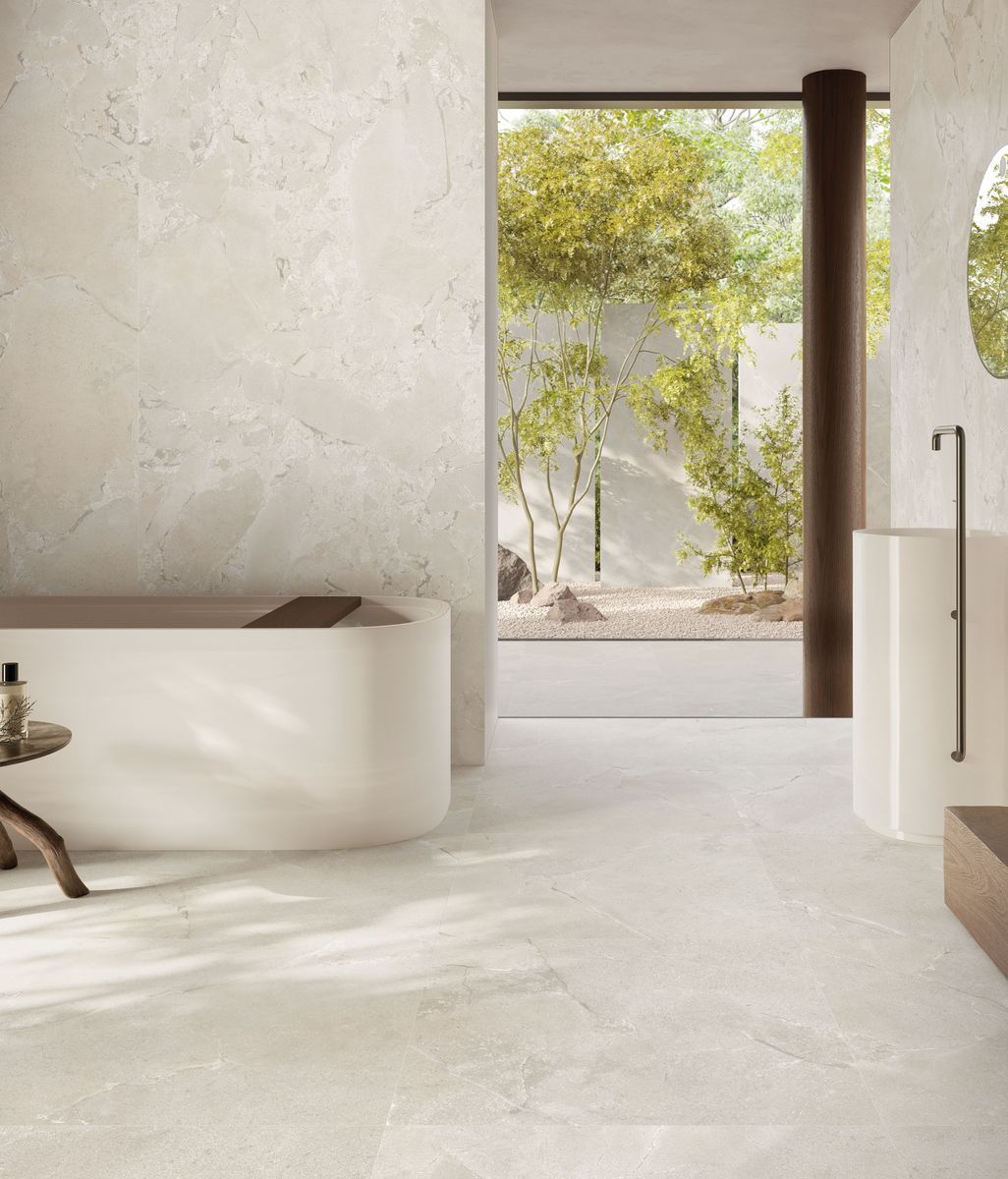
Material continuity dissolves the boundary between inside and out. “We like our houses to feel like an outdoor pavilion: same flooring, same walling continues from inside to outside,” says Trevor.

Honest, raw materials like timber, stone and concrete soften transitions and create textural consistency. These natural surfaces weather comfortably, so the exterior feels like an extension of the interior, not a departure from it.

Isaac Stott from Reitsma & Associates.

3. Get the spatial planning and orientation right


Indoor–outdoor flow starts with the plan, not the doors. Orientation to breezes and sun is essential, and courtyards provide the ideal structure for cross-flow ventilation. Reitsma frequently uses courtyards cut into the plan from the sides: “We’re bringing greenery into the dense parts of the house, and what it does is it creates opportunities for cross-flow ventilation, as well as connection with nature and light,” shares Isaac. 

Rather than pushing all outdoor living to the perimeter, these inward-facing spaces also create exceptional privacy. “You can feel oblivious to the neighbours.”

4. Bring outside materials in


Rather than merely extending interior materials outward, Reitsma often reverses the gesture. “We prefer to take an outside material in,” Trevor says. Raw stone or timber decking carries through, and even exterior fixings might remain visible indoors.

“The illusion is that when you walk through the home to the exterior spaces, you think ‘How on earth do they close this off?’ because the boundaries are seamlessly blurred through the materiality.” This approach makes the house feel as if nature naturally extends indoors.


5. Pocket the doors away entirely


A seamless connection requires removing visual clues to how the house opens and closes.  Pocketed sliding doors disappear into hidden walls, leaving no evidence of their mechanism. 

“When the doors are open, it tricks your mind, because you can’t see how you actually close off the space, so you feel like you must be in an external space,” shares Isaac. 

6. Hide (or minimise) the door track


Door tracks can be a giveaway. A chunky 300–400mm track immediately signals a threshold. Reitsma avoids this by using single sliders or bifolds with a slim, 20mm track. When a track is needed, it’s recessed and extremely minimal.

The result is a nearly uninterrupted surface, enhancing the illusion that the interior and exterior are one continuous space.


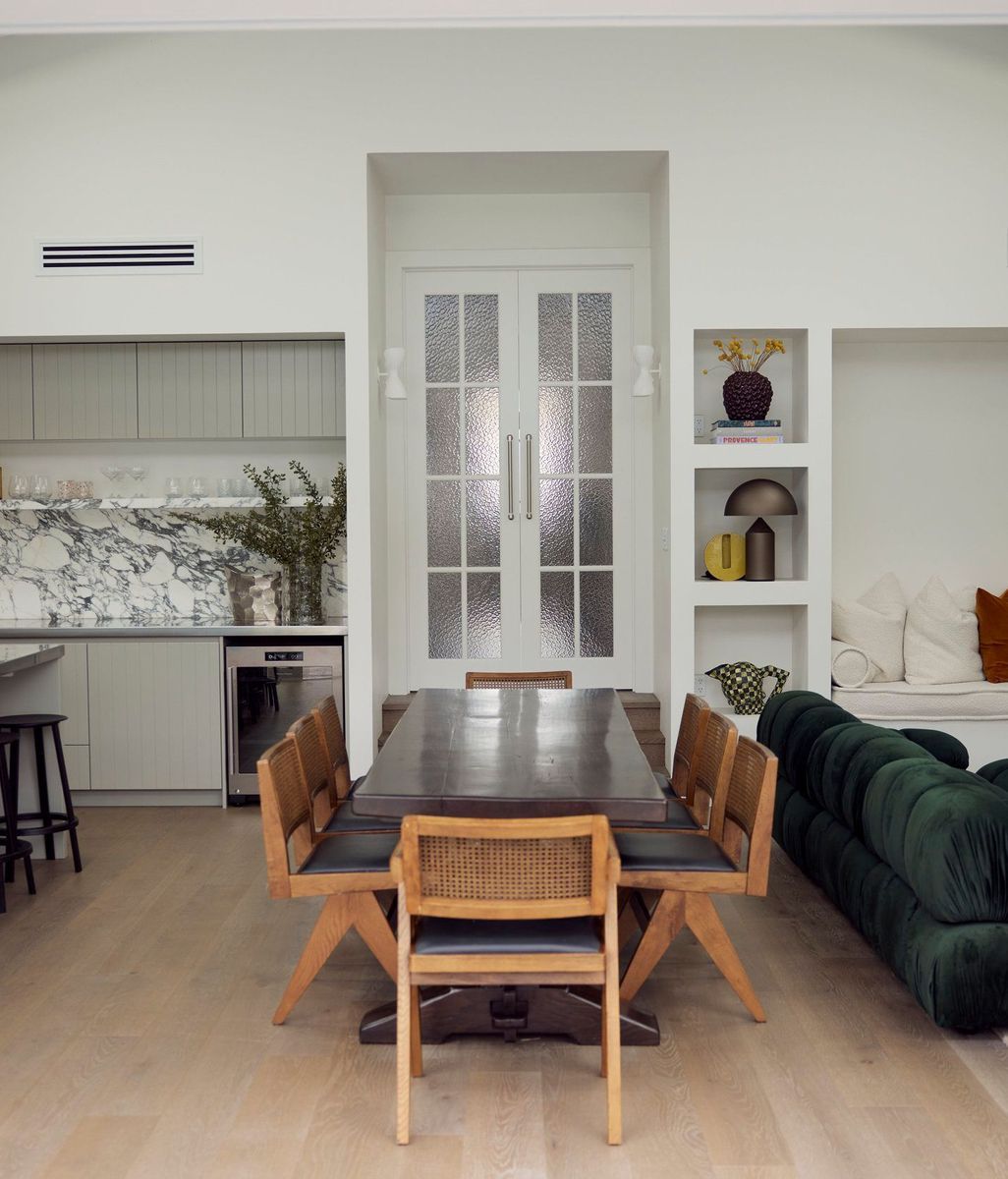
7. Use seamless furniture placements inside and out


Furniture is often an overlooked interrupter of flow. “What’s really critical is you don’t create a competition between the outside and inside furniture,” says Isaac. Placing an indoor dining table directly adjacent to an outdoor one instantly divides the spaces.

Instead, furniture should be curated holistically, so the eye doesn’t flick back and forth between “inside zone” and “outside zone.”

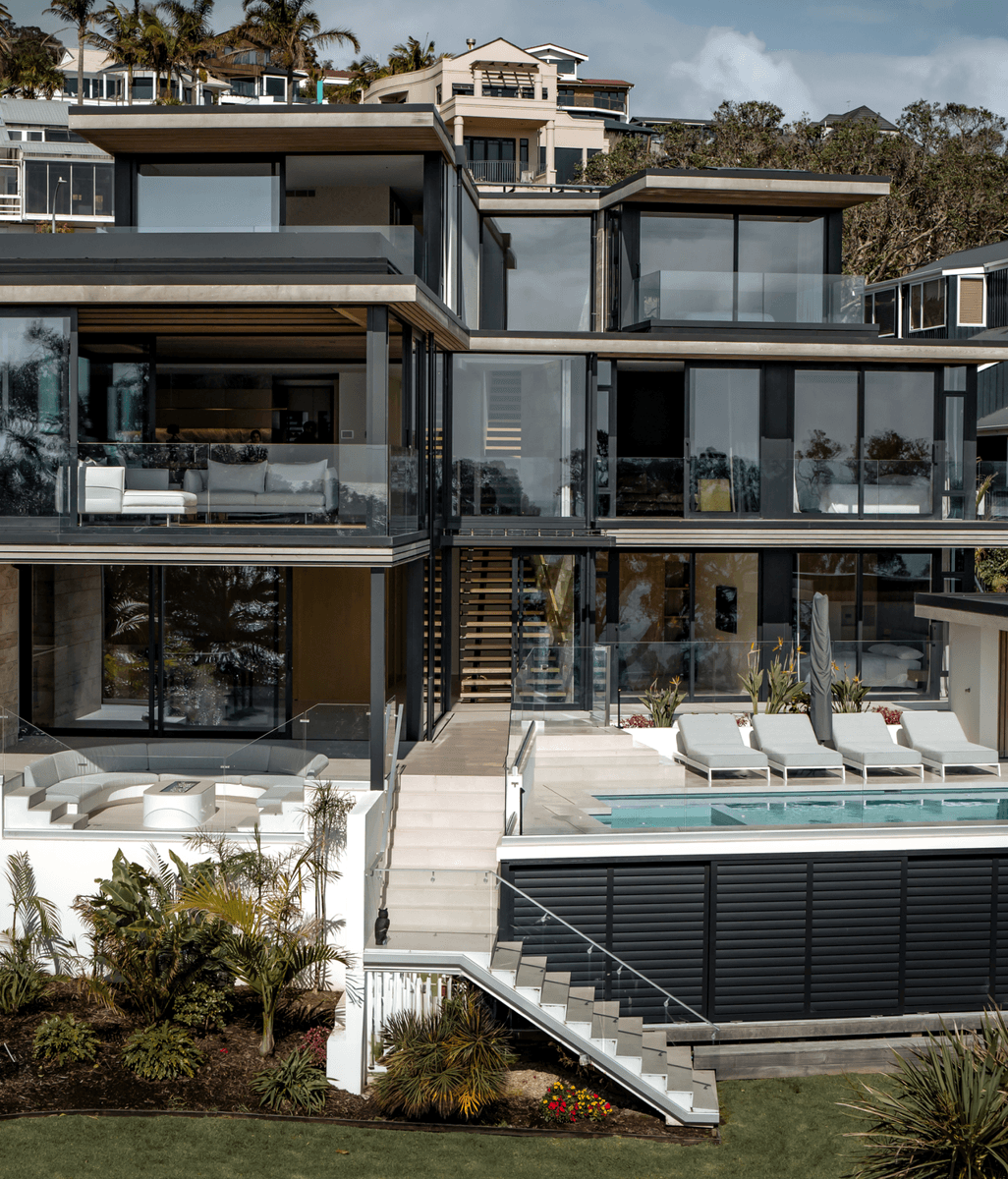
Villa Solare by Reitsma & Associates.

8. Create a ‘cave mouth’ with planting


Hanging plants or cascading greenery can frame outdoor areas in a soft, enveloping way. “You feel like you’re at the mouth of a cave, and the plants are cascading over,” says Trevor.

This “living curtain” also enhances privacy. “I can look out on the view, and they can’t look in on me,” he says. It creates a protective, atmospheric edge, blurring the boundary between built form and landscape.

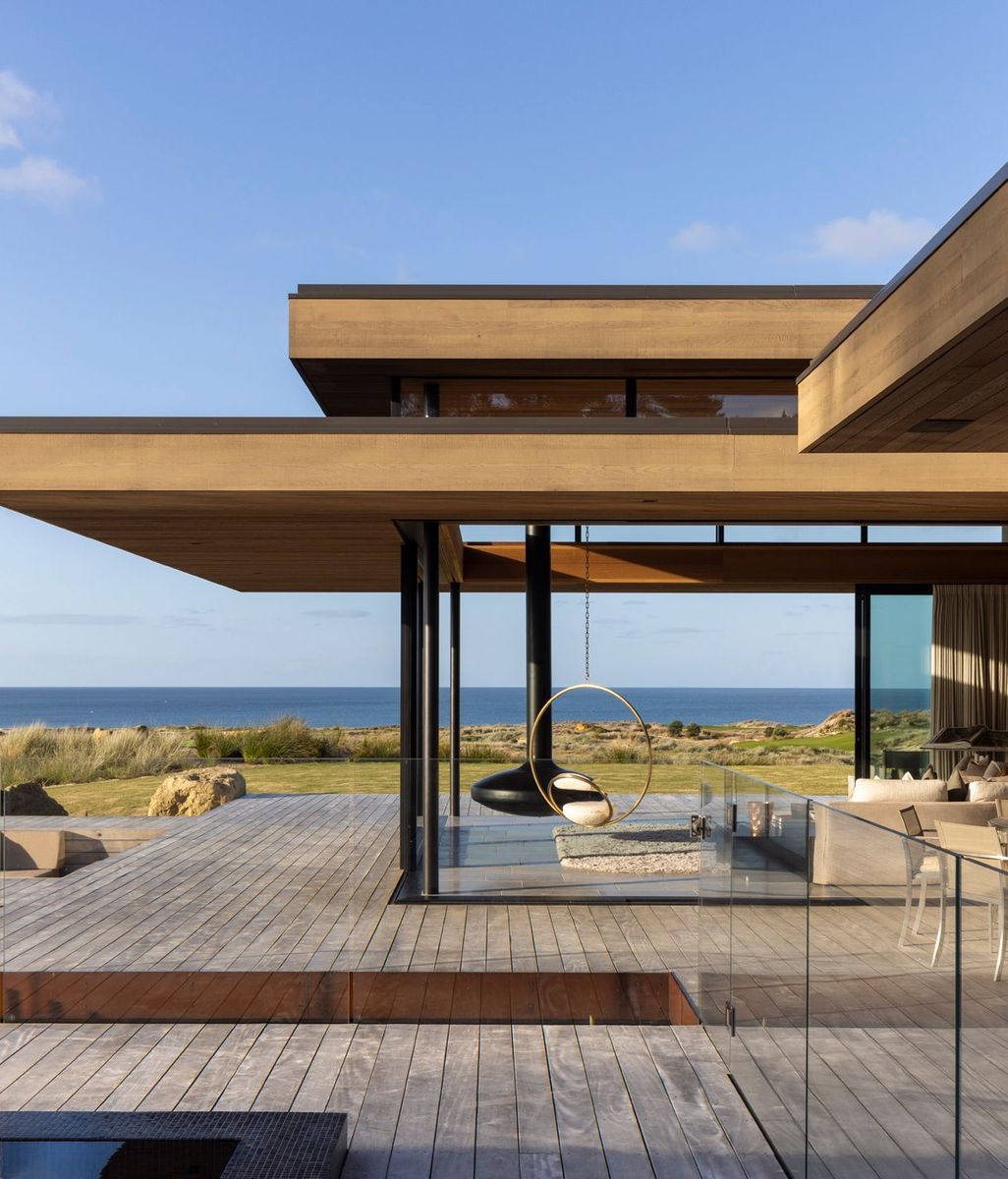
9. Use broad overhangs for shade and softness


Generous overhangs protect from heat while supporting the illusion of spatial continuity. Homes with extensive glazing need shading, and wide eaves keep outdoor spaces cool and comfortable.

They also make it difficult to discern where indoors ends and outdoors begins, creating a deliberate blurring of architectural edges.


10. Harness dappled light


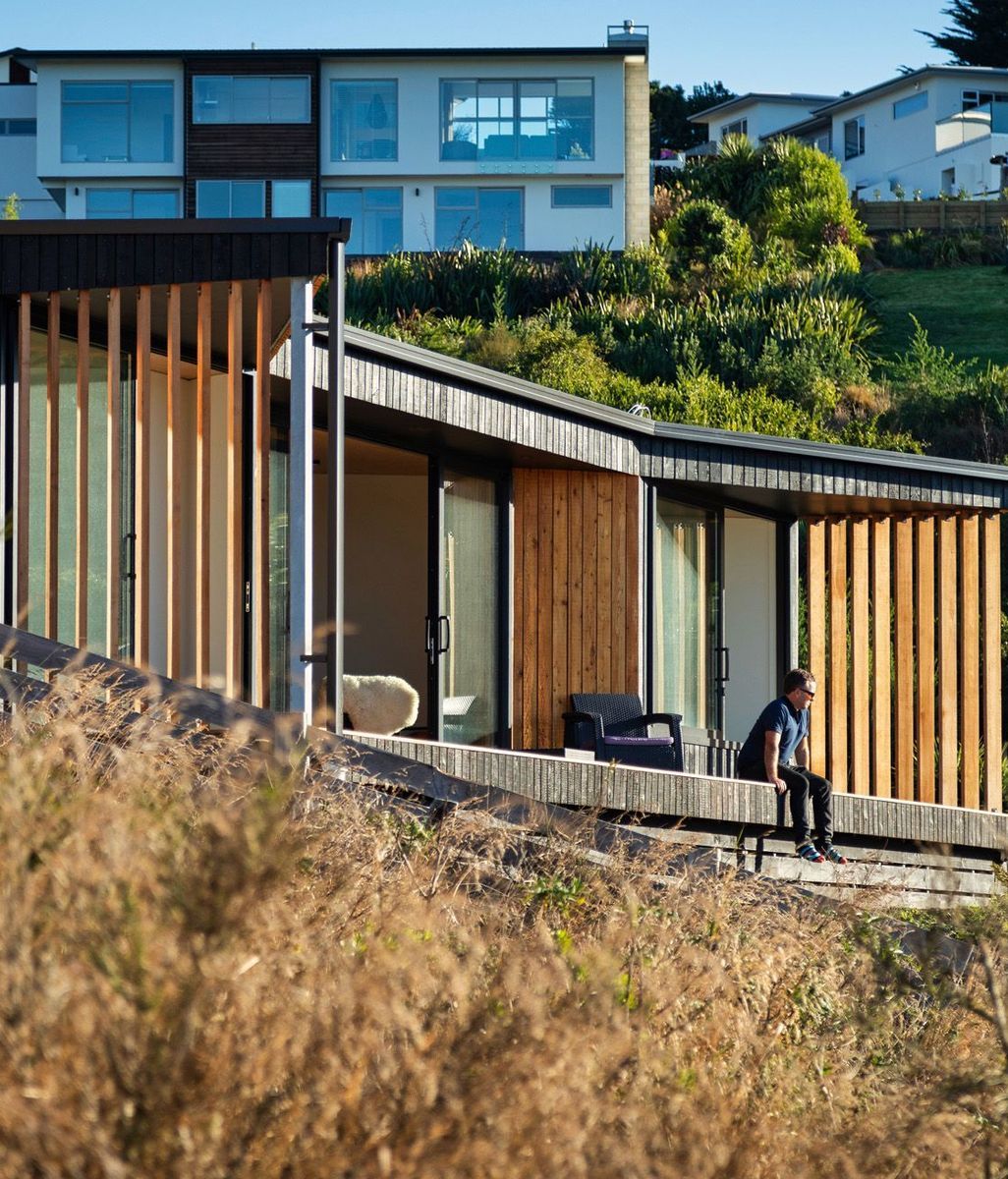
Finally, dappled light adds a sensory softness. Whether through cascading plants or natural timber screens, patterned shade mimics the experience of sitting beneath a tree. “It gives you the opportunity to enjoy the sun without getting hot or burnt,” says Isaac.

This interplay of shadow and light contributes to a feeling of shelter: open yet protected, bright yet gentle.