A designer’s guide to specifying fireplaces in luxury multi-residential designs
Written by
05 May 2026
•
5 min read
On a quaint, tree-lined street in Hawthorn, where heritage facades and clipped hedges signal a certain permanence, a new multi-residential development, developed by Pomeroy Pacific, is gaining attention. At Kooyongkoot, the idea of apartment living has been carefully recalibrated to prioritise wellness and style for the disconcerting downsizers soon to take up residence.
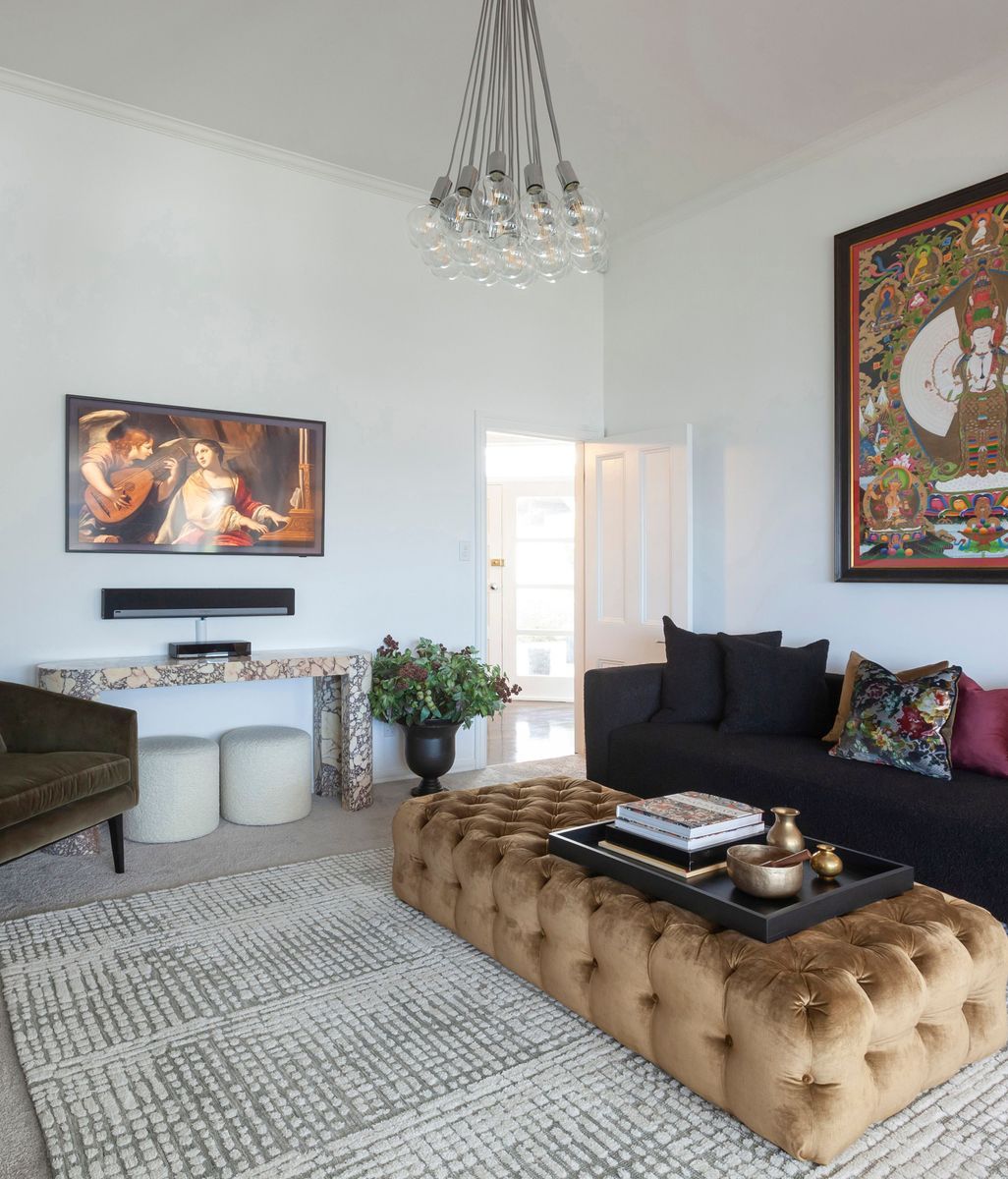
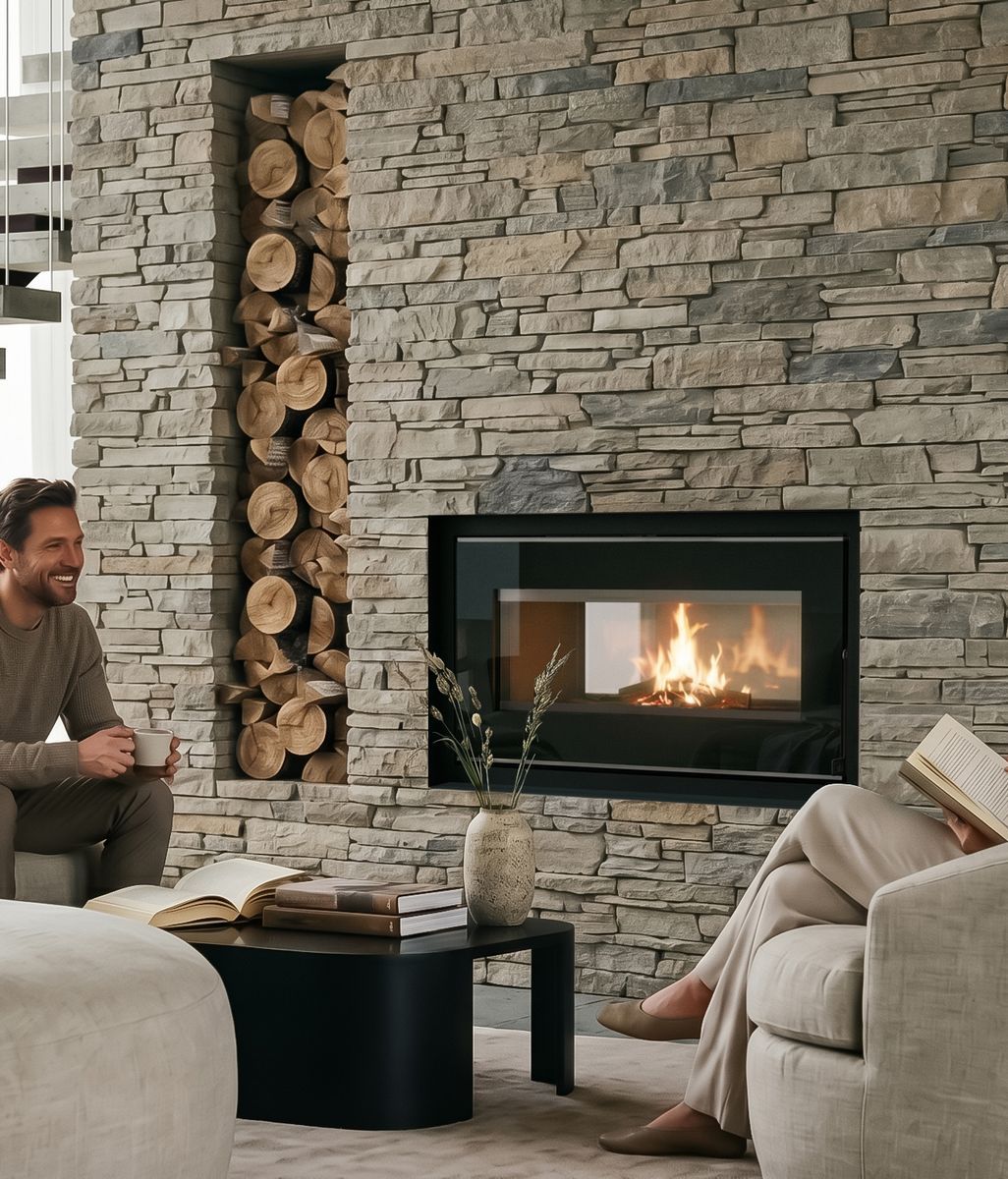
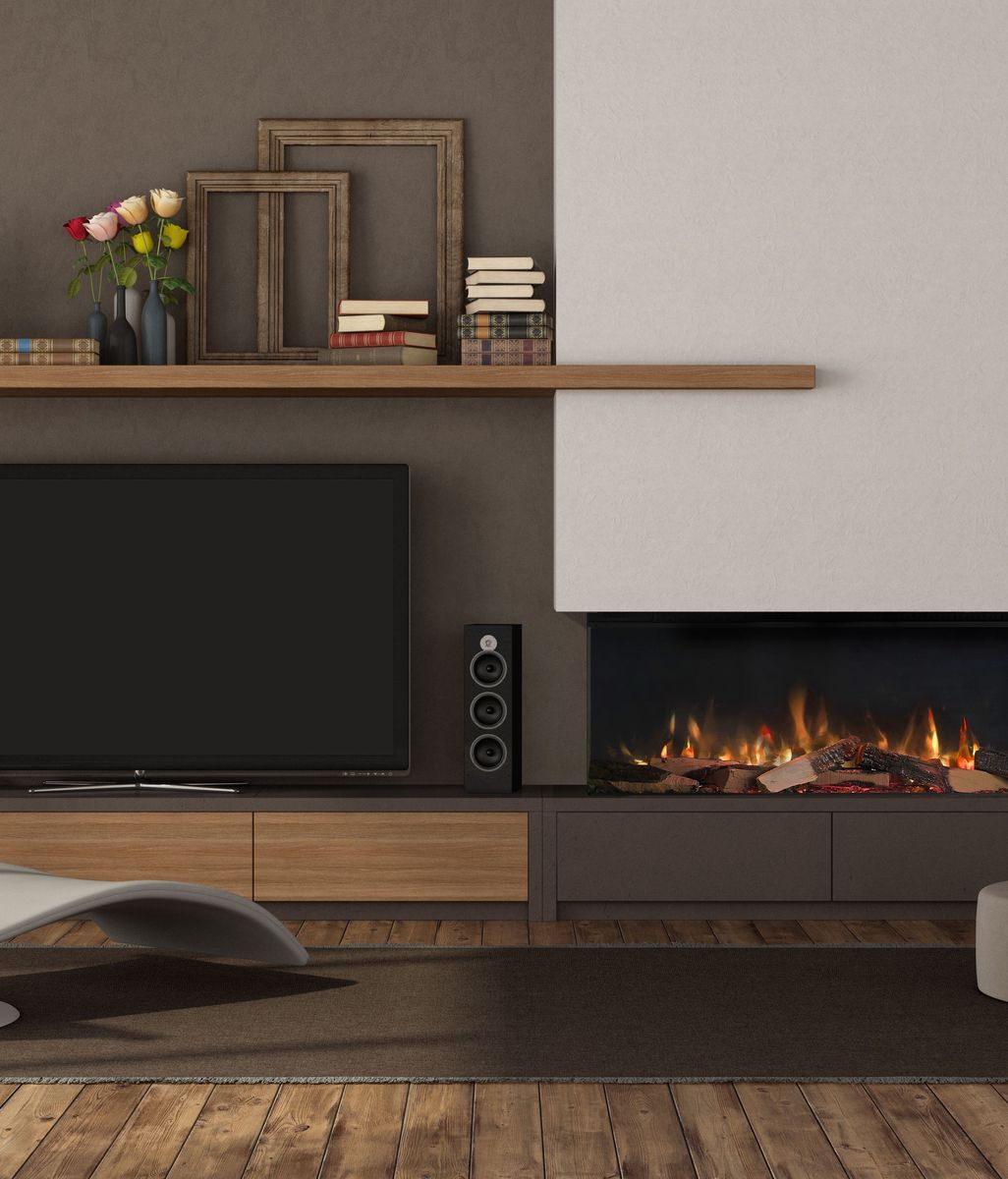
Inside the display suite, the first impression is as atmospheric as it is visual. A low, steady flicker pulls one’s focus to the living room. The natural flame of a Danish designed and manufactured Decoflame BEV fireplace sits within a custom-made travertine wall unit with a continuous composition of shelving, stone and cabinetry. A special place for books, objects, and a television, all held in balance by the fire anchoring the living room design.
For Stephen Herbst, Associate Architect at Cera Stribley, this atmospheric moment isn’t incidental.
“Hawthorn is a highly sought-after part of Melbourne,” he says. “The clientele here is interested in quality. They care about materials, about how things feel over time. So the design had to respect that, but still move things forward.”
Kooyongkoot does this by threading a contemporary language through familiar cues: proportion, texture and permanence. Travertine wraps the living room joinery like a tailored suit, its weight and grain responding to the light differently throughout the day before being illuminated in LED lights come evening. Timber veneer shelving softens the edges. Textured plaster diffuses reflection. And then there is the focal fireplace, alive and kinetic.


Desire for a hearth without constraint
Fireplaces in apartments once consisted of bulky flues, fixed locations, complex gas connections, or simply doing without. But at Kooyongkoot, every residence includes one.
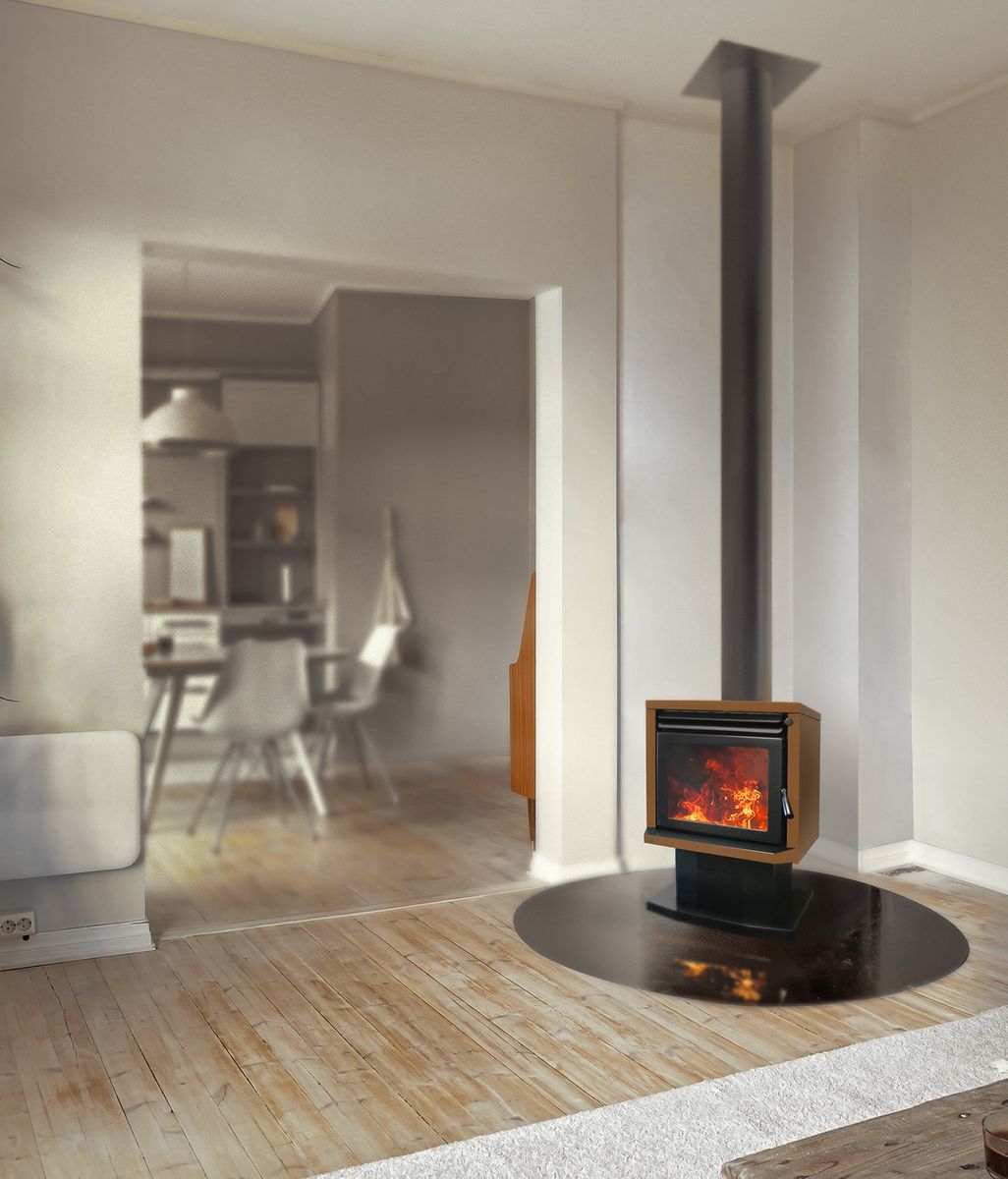
“We’re no longer able to provide gas connections,” explains Stephen. “So ethanol has become the leading option for multi-residential. The beauty of Decoflame is the flexibility as a Net Zero product; there are no flue requirements, spatial restrictions or safety concerns. You see, the fuel never touches the heat source.”
Without the need to vent vertically through a building, the fireplace is liberated from old restrictions. Now able to be installed exactly where it belongs, not where infrastructure dictates.
At Kooyongkoot, this freedom is expressed in the living room’s central composition: fireplace, television, and bookshelf resolved as a single architectural element. The flame is recessed within a stone-lined cavity, its proportions carefully adjusted to the shelving grid above. A subtle ledge of non-combustible material protects the television above while doubling as a visual break within the stone. Integrated LED strips set the shelves in a mellow glow at night, turning books and styled objects into a secondary layer of ambience.
There is restraint here, but not minimalism. “The palette is rich and tactile. Natural materials were always going to be important within the apartment,” notes Stephen. “The buyers in this market are very discerning. They want comfort and genuineness.”
This authenticity extends to the fire itself, Stephen notes, “There are some interesting electric choices. But nothing really beats a real fire. You can tell as soon as you get close.”

Designing for change
Kooyongkoot’s apartments aren’t static products; they’re adaptable frameworks. Each unit is designed to accommodate the Decoflame F6 920 and 1120 BEV fireplace models which is a range available in sizes up to 3920 millimetres. The Decoflame BEV Net Zero F6 range further impresses with 20.5 hours of burn time, app control and Bluetooth connectivity.
Decoflame BEV Fireplaces is the renowned global industry leader with burn times off one fill that are two-four times longer than other brands in this category, efficiency meets design.
Without the need for a flue to coordinate across floors, there’s no cascading impact on structure, façade or neighbouring apartments. Ceiling heights remain intact, external walls stay clean, and the building’s architectural language isn’t compromised by retrofitted ventilation.
“We can introduce fireplaces even towards the end of the build, without affecting anything else”, says Stephen. “That’s incredibly valuable in a project.”
For all the technical advantages, a Decoflame fireplace’s real contribution is harder to quantify. Beyond heat output or efficiency metrics, though those certainly matter, it’s about what happens to a room when a flame is present. Stephen notes, “it transforms an apartment into a home.”
Downsizing often risks a sense of loss: of space, of memory, and of ritual. Kooyongkoot responds with comforting materials and features; the fireplace becomes a familiar point around which new routines can form.


In a development for people leaving behind larger family houses, downsizing often risks a sense of loss: of space, of memory, and of ritual. Kooyongkoot responds with comforting materials and features; the fireplace becomes a familiar point around which new routines can form.
Routines with little maintenance; no ash to clean, no wood to stack or gas to manage. Just a controlled, natural flame for immediate atmosphere.
As all-electric appliances become the norm, projects like Kooyongkoot suggest a shift in what defines premium apartment living. Wellness amenities, material integrity, and spatial generosity are expected, but so is the feeling.
“A fire elevates the feel of the apartment,” says Stephen. “It gives a sense of luxury and home.”
Back in the display suite, the fire continues its steady flicker. Books sit waiting to be read, the television dark, the stone warm to the touch. And at the centre of it all, the flame moves invitingly.
Experience Decoflame in person at stockists around Australia, or explore on ArchiPro.