Architect Mark Alves on why collaboration is key to great design

Written by

27 January 2026

 • 

4 min read

banner
Why the success of any residential project rests on choosing the right people to design it with you.
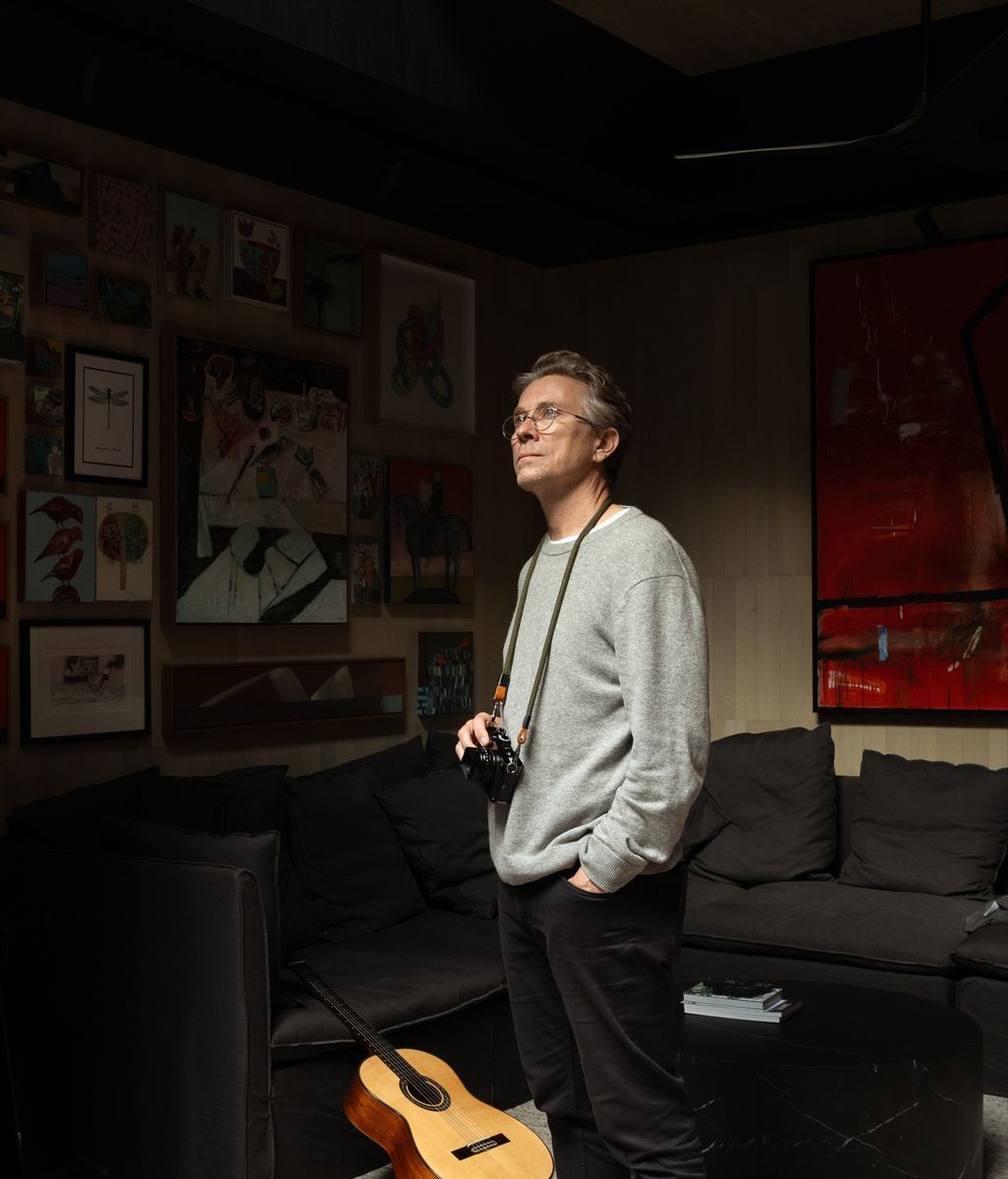
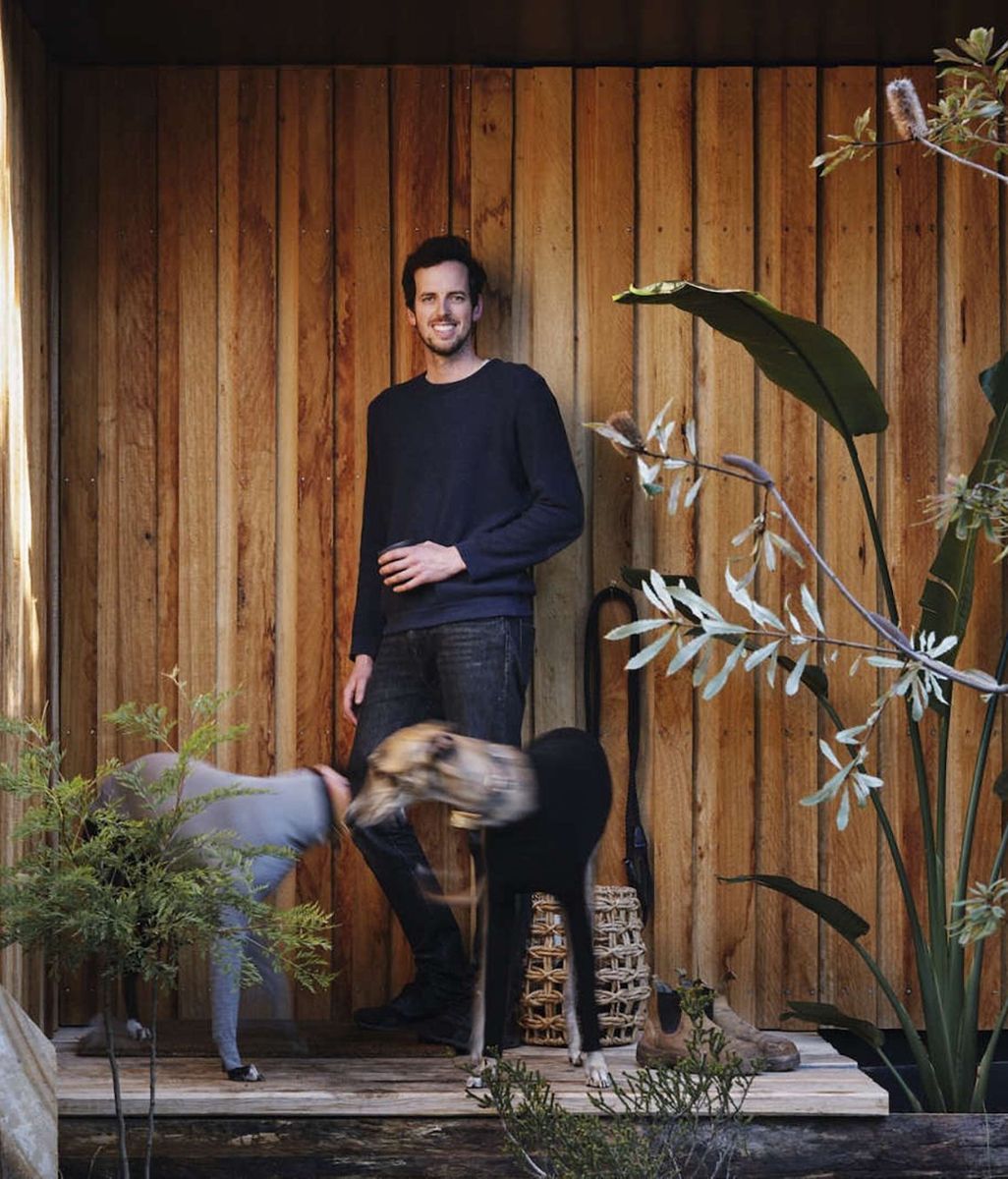
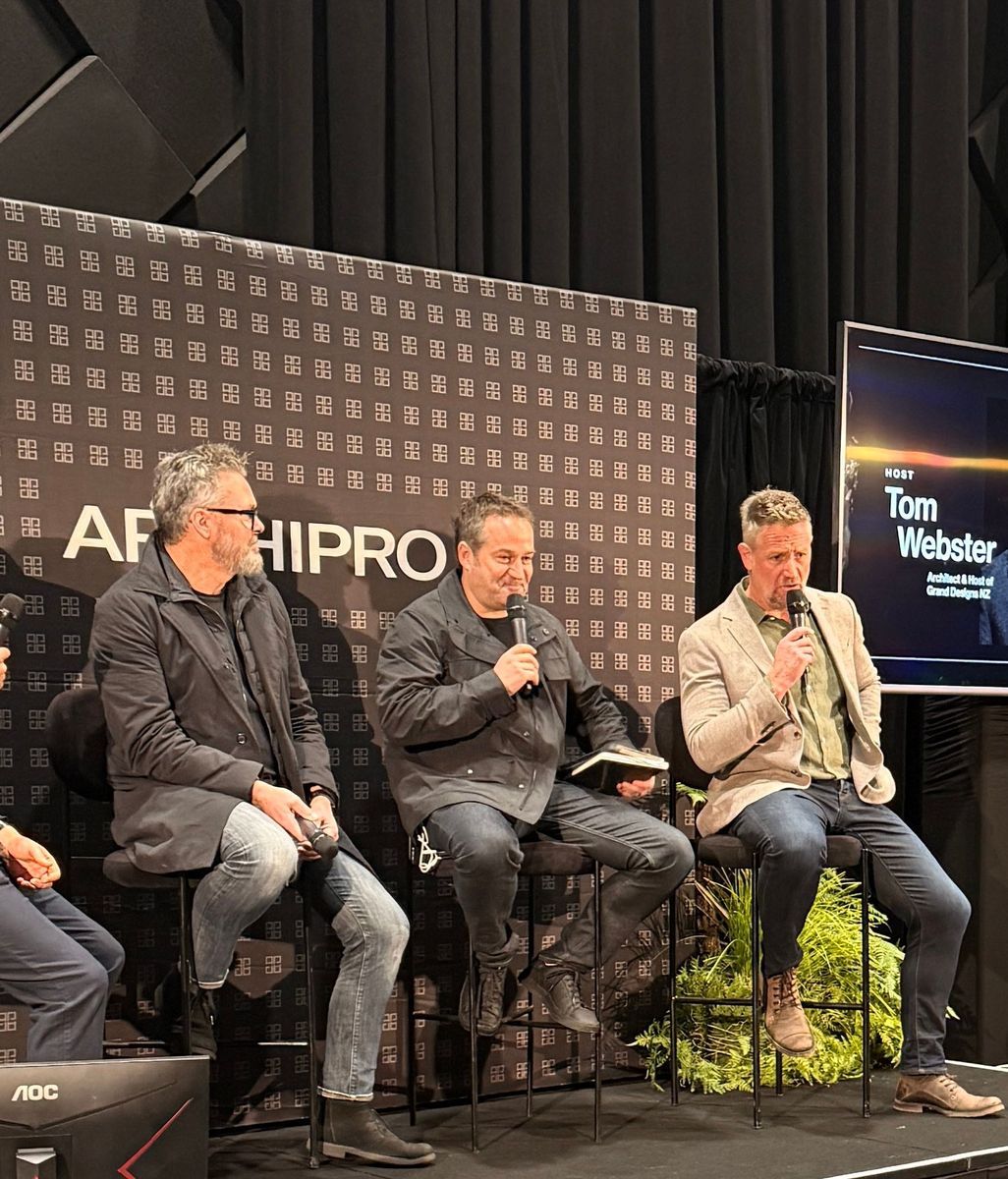
Architect Mark Alves of Map Architects.

Building a house is rarely a short journey. Most projects span at least a year (often much longer) and with that comes countless decisions, unexpected challenges and moments that test even the most prepared homeowners. Which is why choosing your architect isn’t just about aesthetic alignment; it’s about choosing a relationship that will guide you through every high and low of the process. You’re trusting that person to ask the right questions, interpret your lifestyle with care, and steer the design toward a home that works beautifully for your family and looks exactly the way you hoped it would.

For architect Mark Alves, Director and Principal of Map Architects, this relationship is the foundation of great design. Built over nine years and shaped by a diverse range of clients, the practice is anchored in a collaborative approach between homeowners, consultants, builders and the design team itself.

“Often we’re working in the middle ground with the client, their vision and their budget,” shares Mark. “It’s trying to interpret and give the client what they want and finding a way to do that that works functionally and creatively.”

The right relationship matters as much as the right design


Mark believes that architecture is fundamentally personality-driven. Technical skill matters, of course, but without trust and rapport, even the best design struggles to find its rhythm.

“I think everything works on a personality basis,” he says. “If you get along with someone, it's gonna make whatever else you do with them second nature… And so if you don't get along with someone, then that's probably not something to get into.”

For Mark, compatibility isn’t optional; it’s the baseline for a successful project. When the relationship is strong, clients feel confident articulating what matters most, and the design becomes a genuine reflection of how they live.

Rather than expressing a fixed Map Architects aesthetic, Mark prefers to let each client’s personality shape the outcome. This approach ensures every project feels deeply individual and free from imposed stylistic constraints.

“I definitely have preferred styles,” he says, “but we are lucky enough to not be pigeon-holed into a certain style because we do have such a variety of different clients… it’s not about me giving them something that I want. It's about giving them something that we are both happy with.” In this way, Mark acts as an interpreter between the client and the design. 

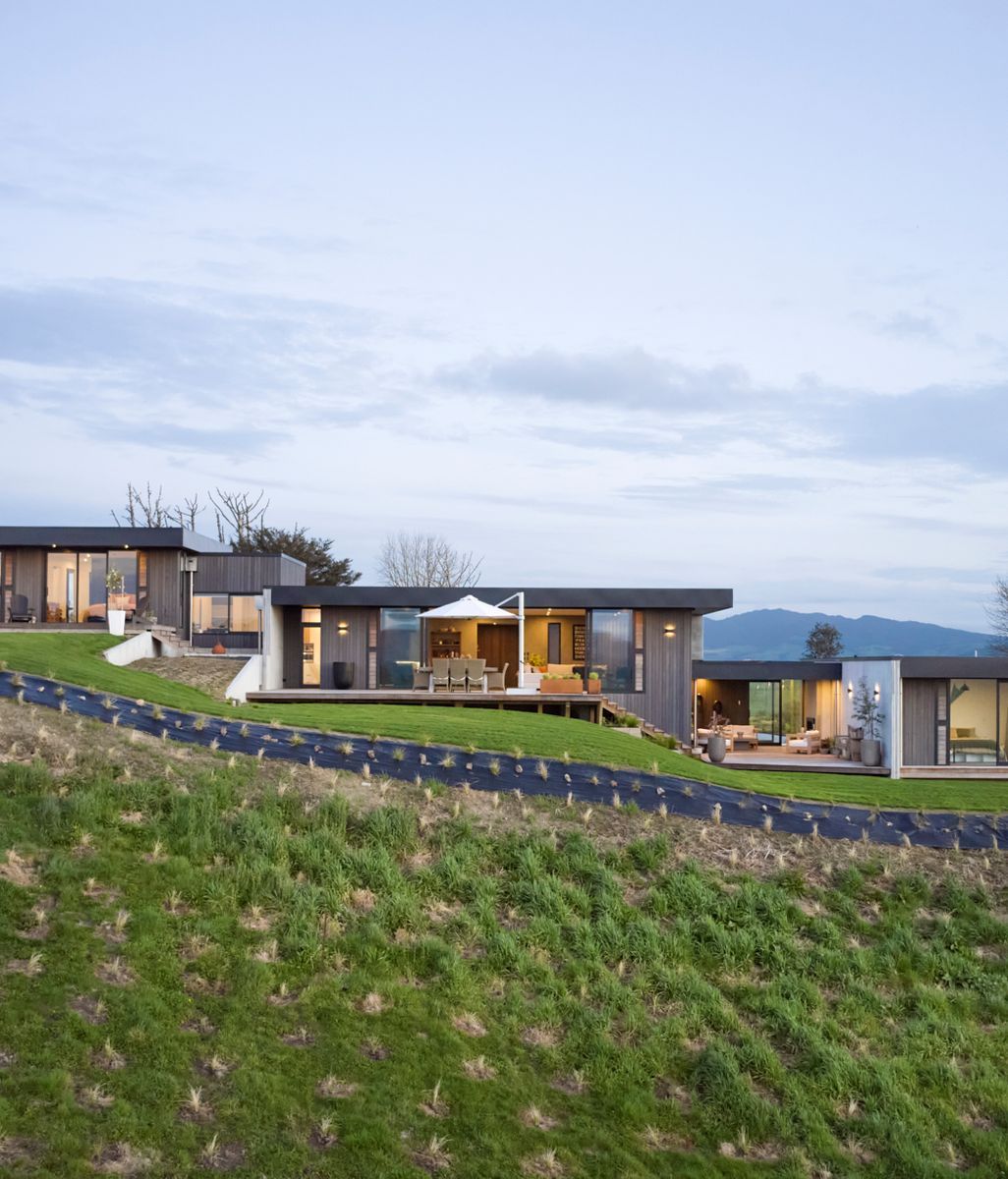
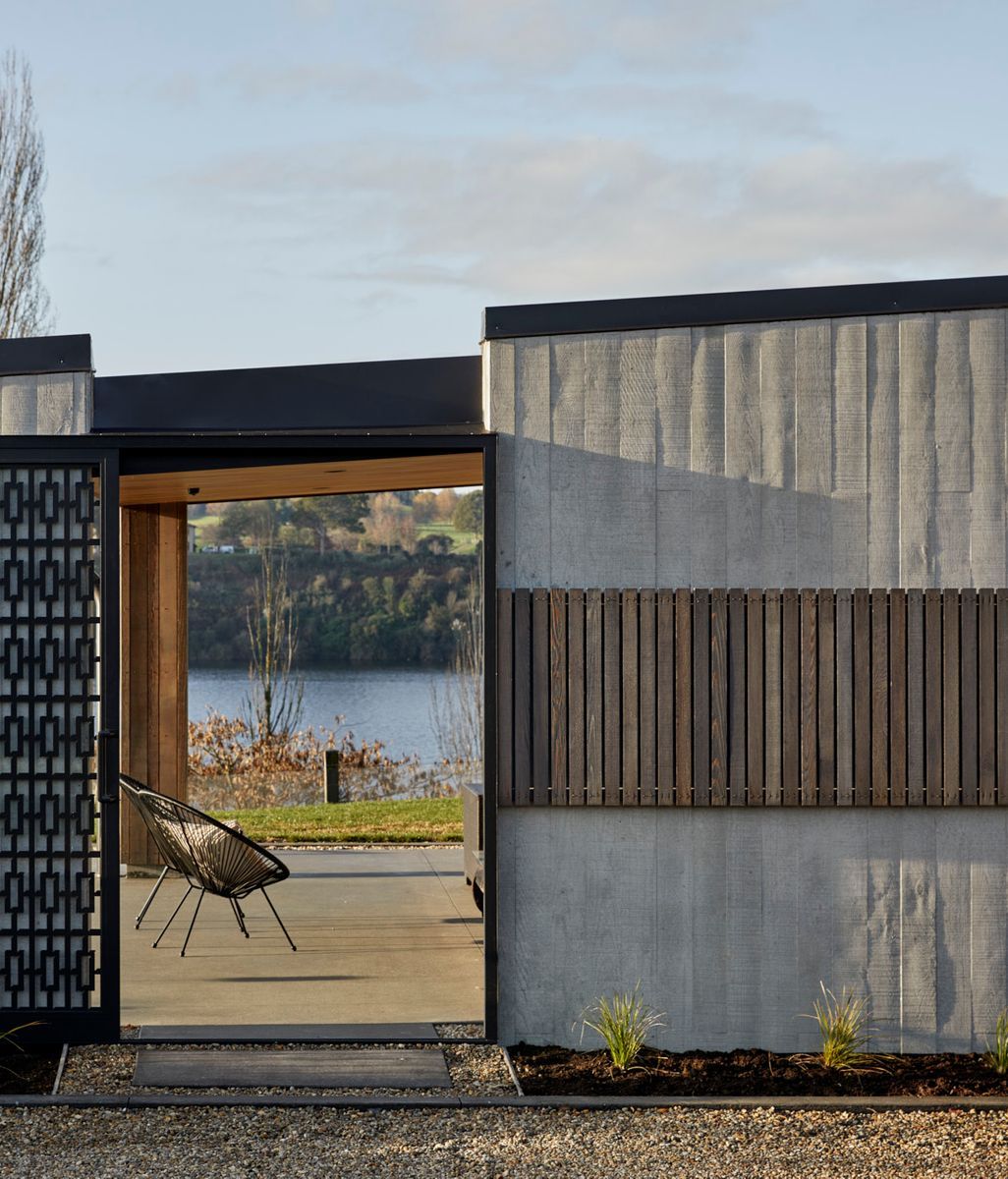
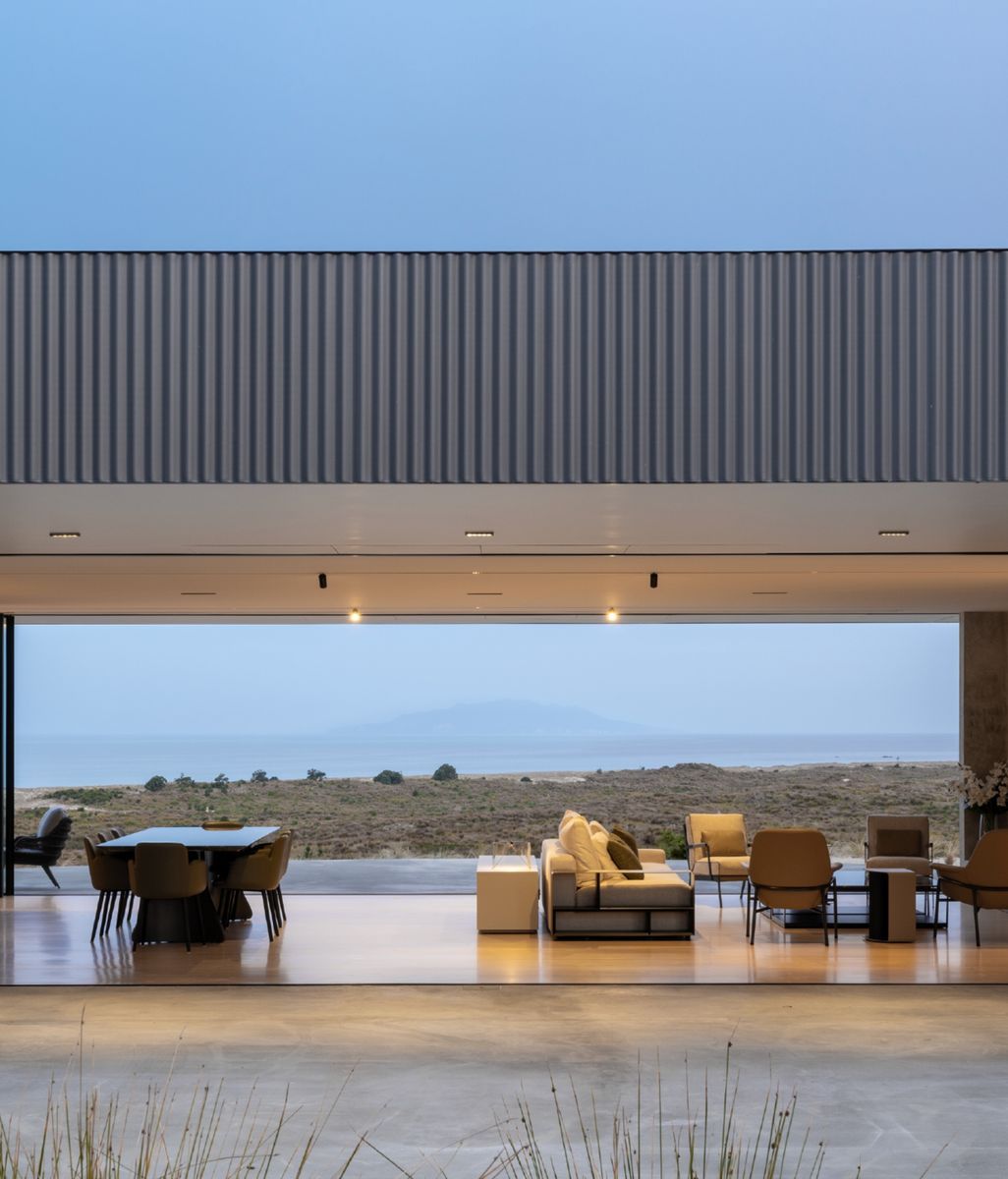
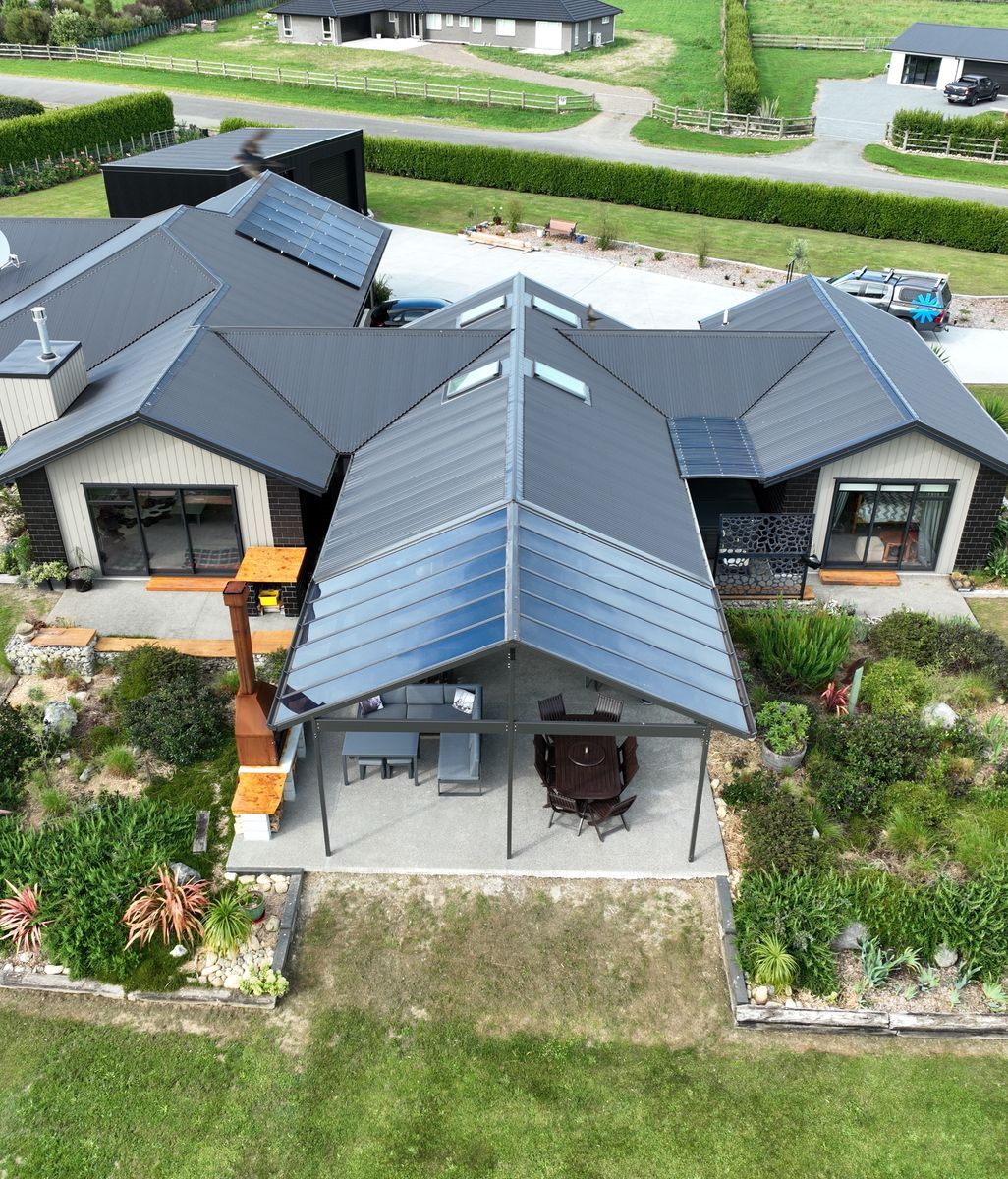
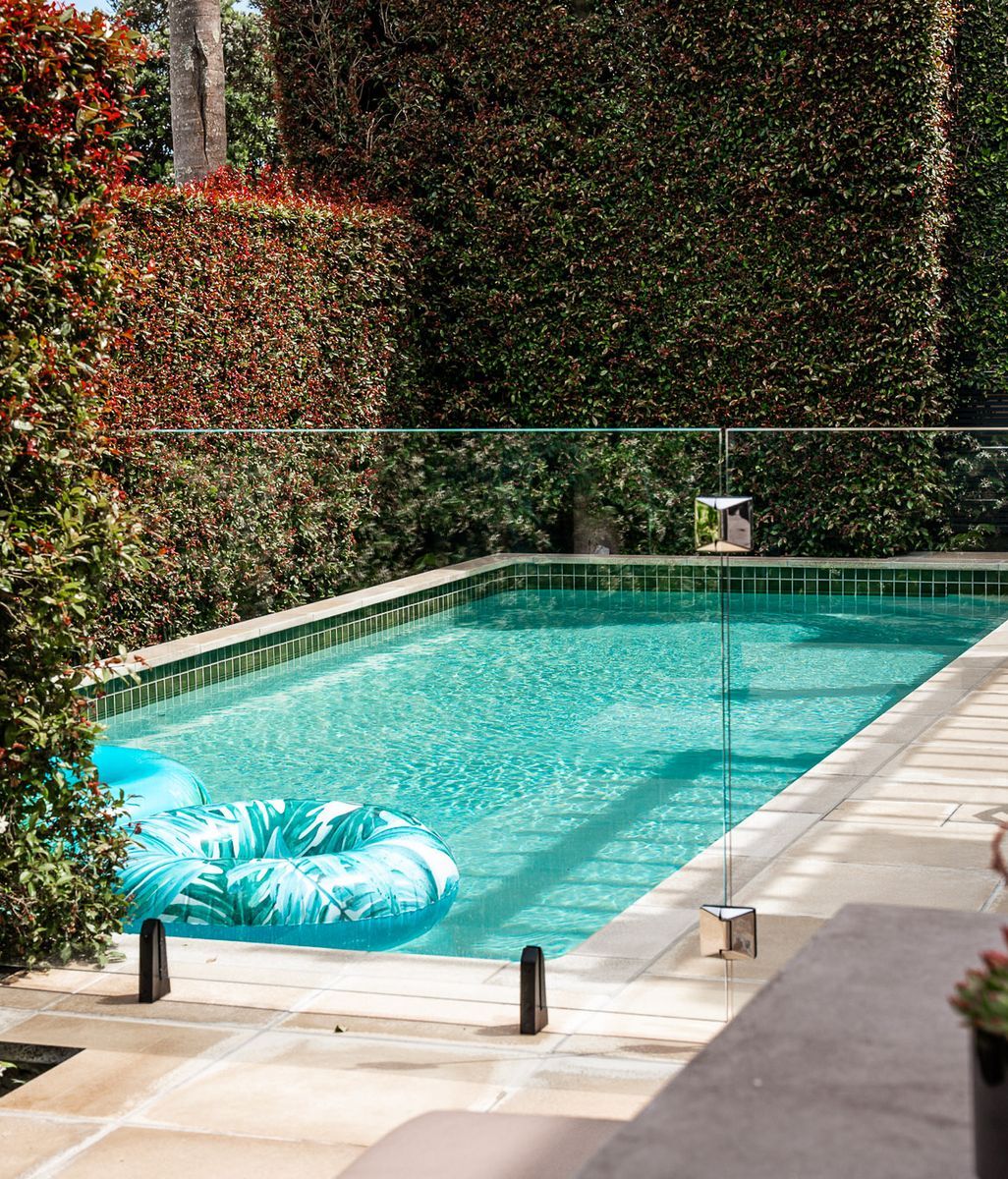
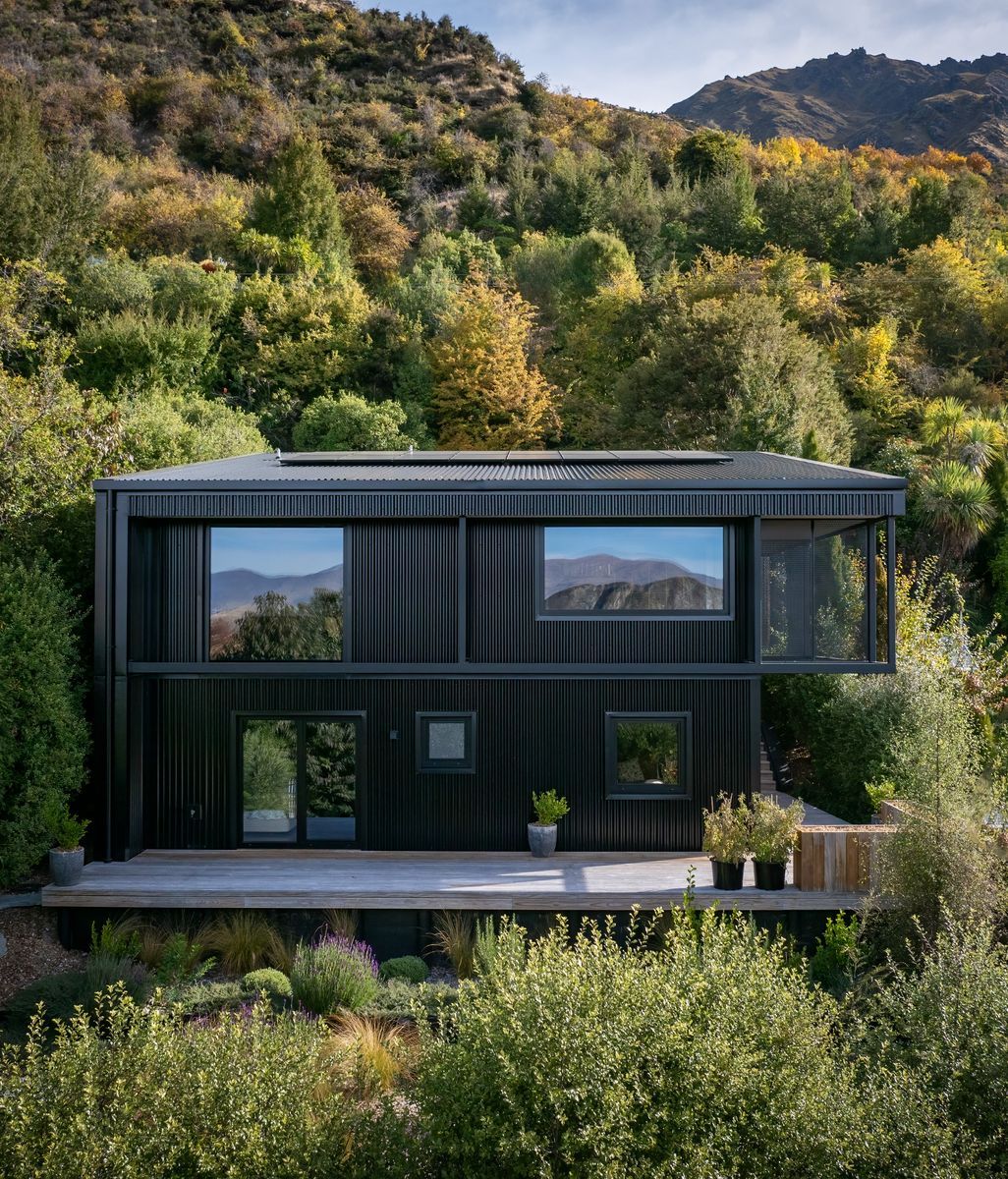
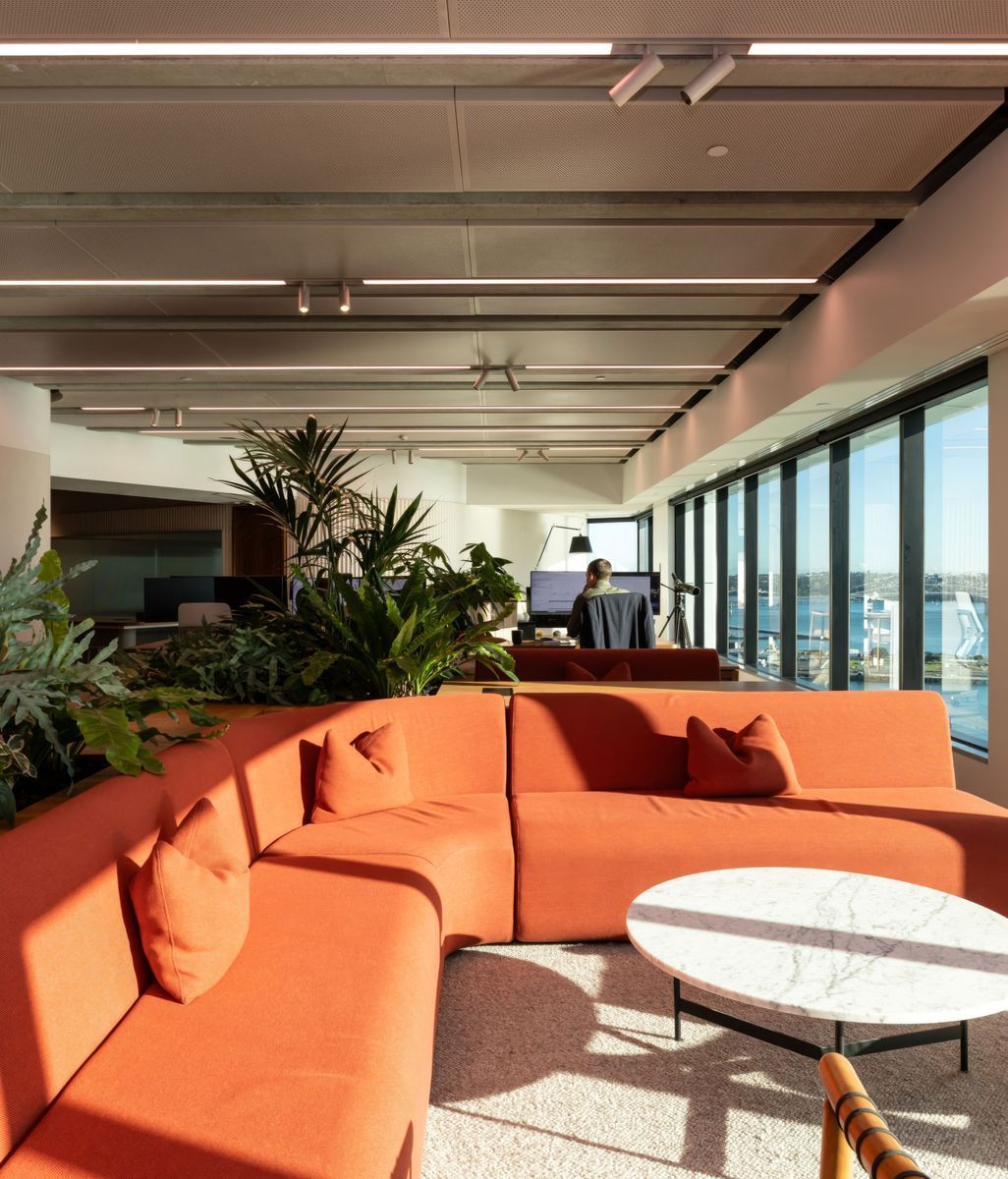
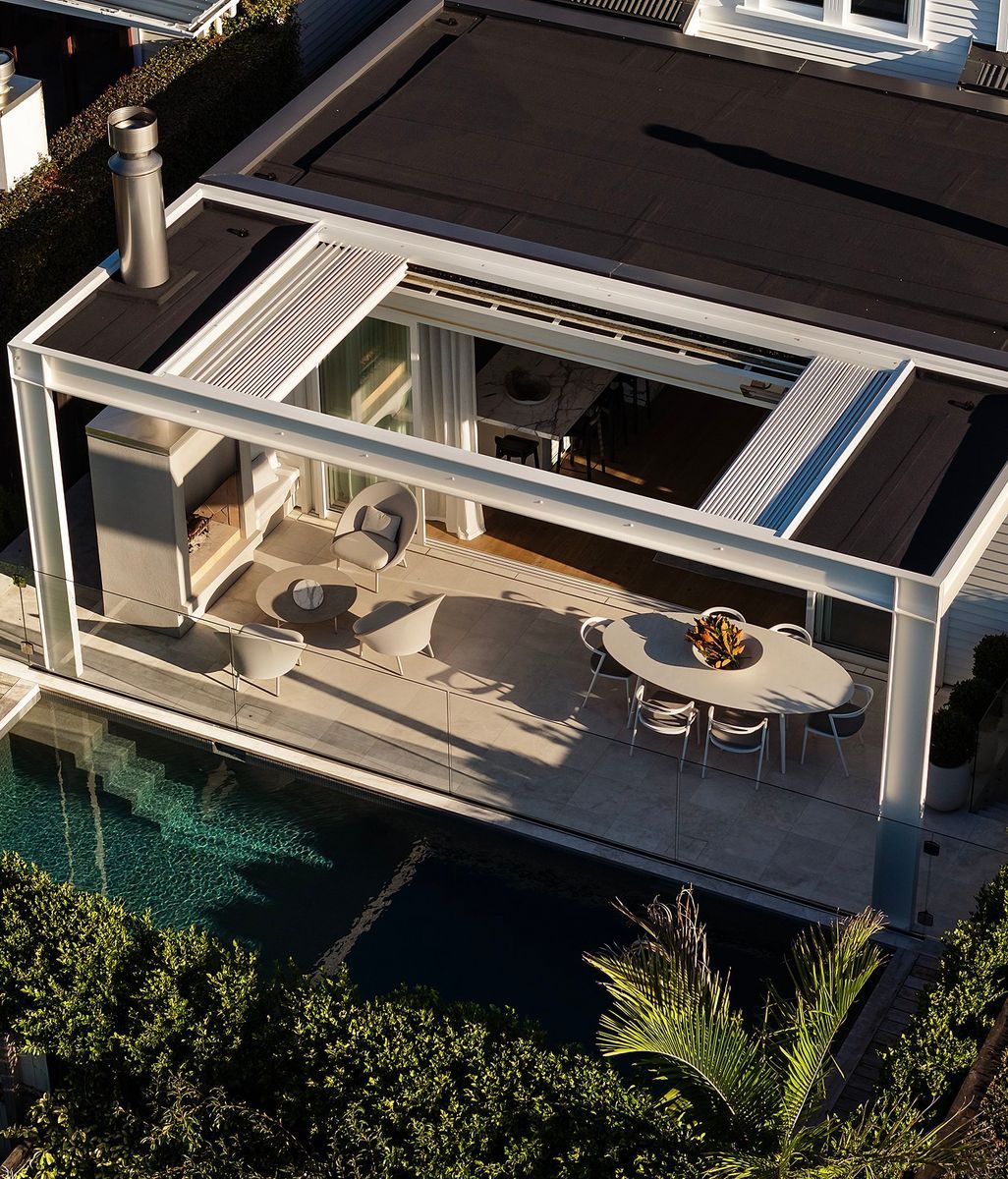
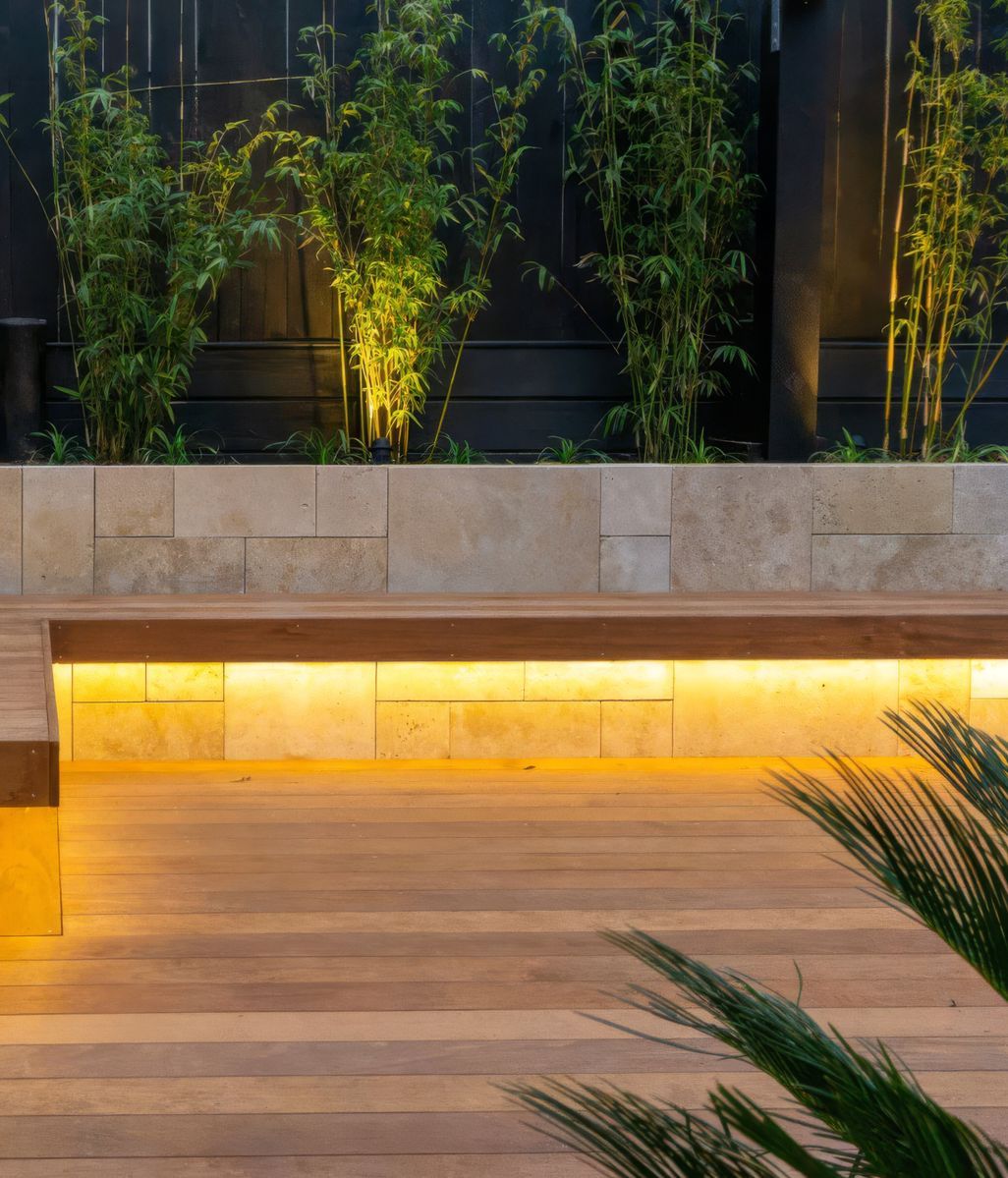
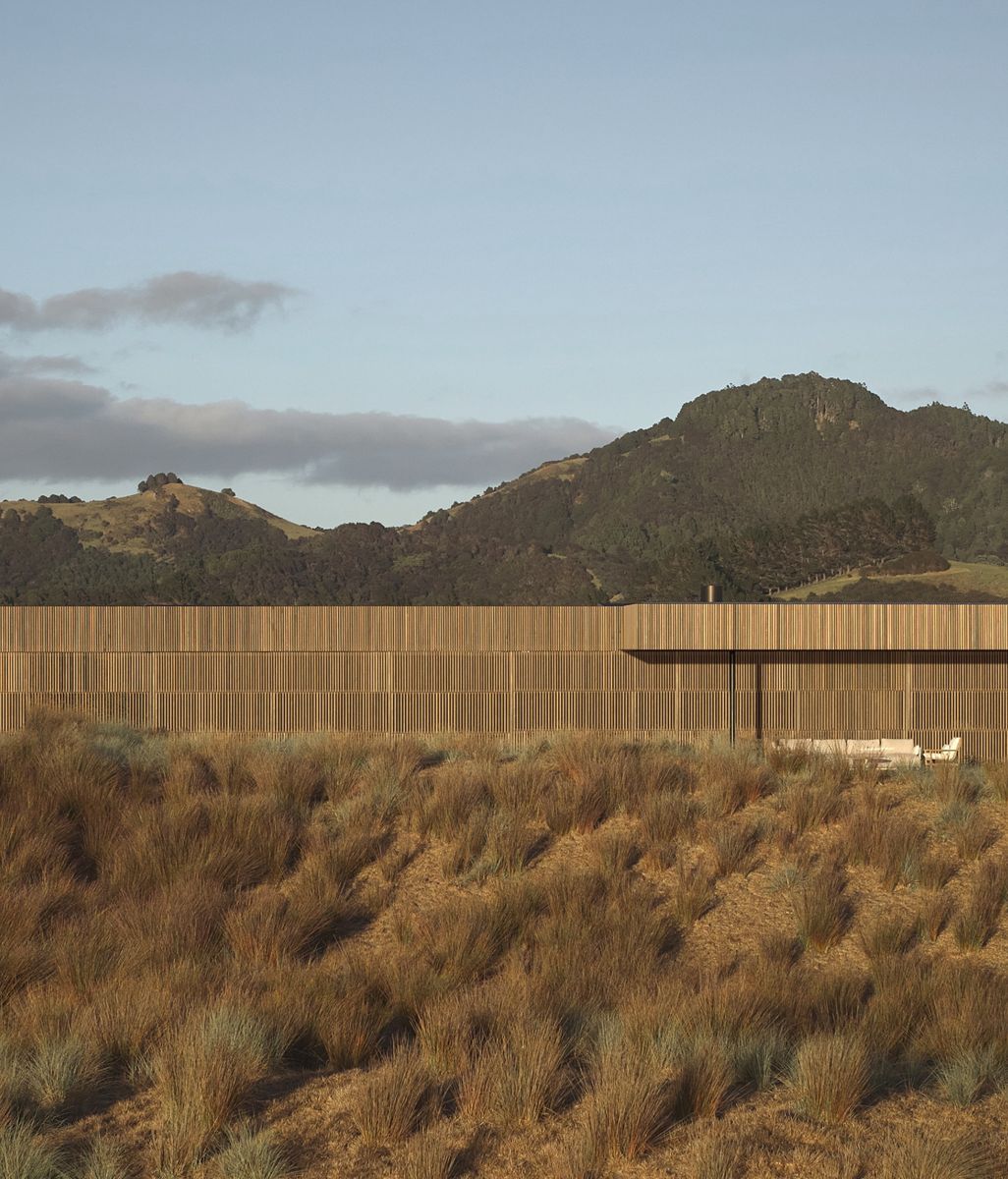
Whether clients lean toward soft curves and timber details or respond to more structured, minimalist forms, Mark sees the design simply as a vessel for their own tastes and experiences.

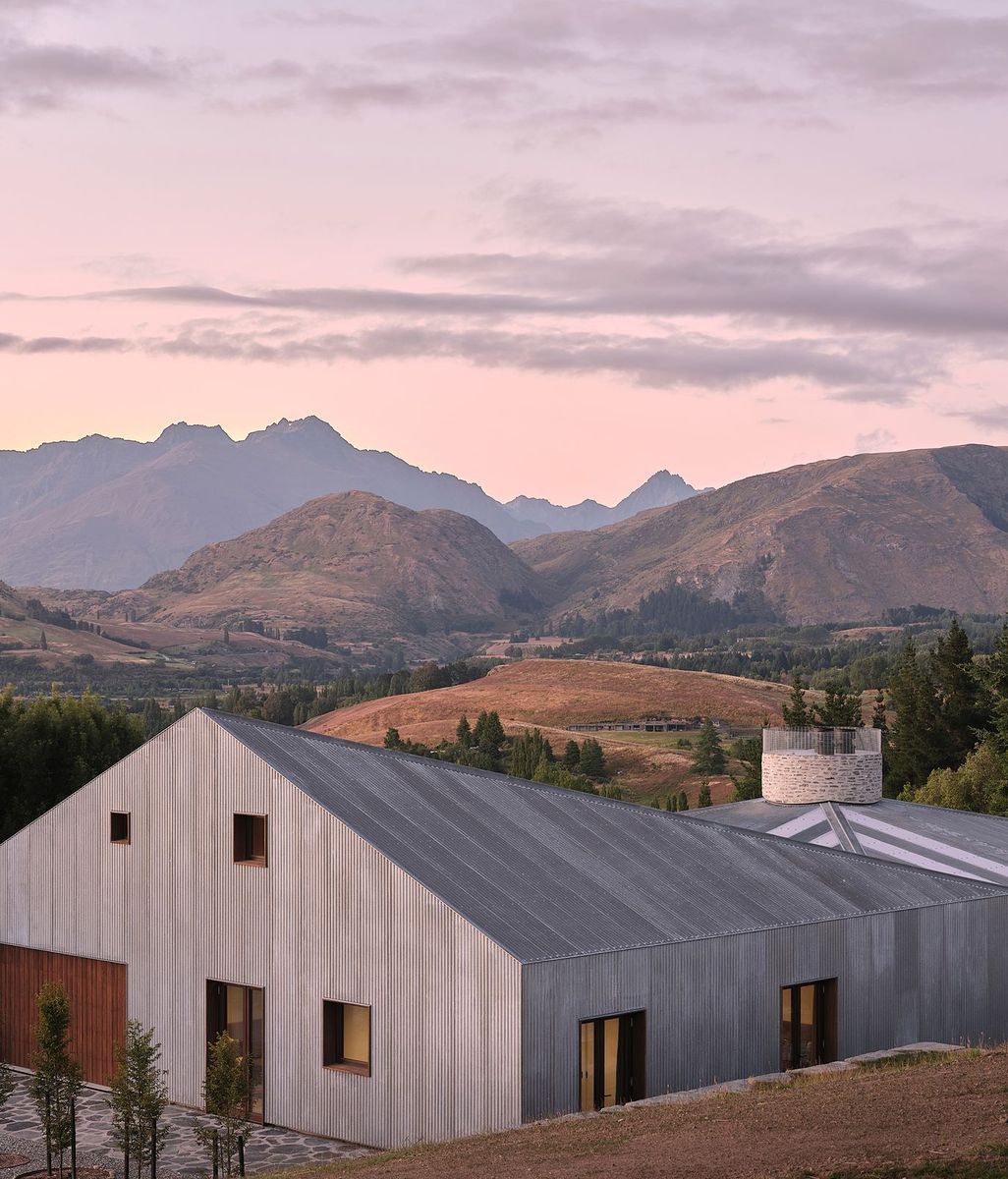
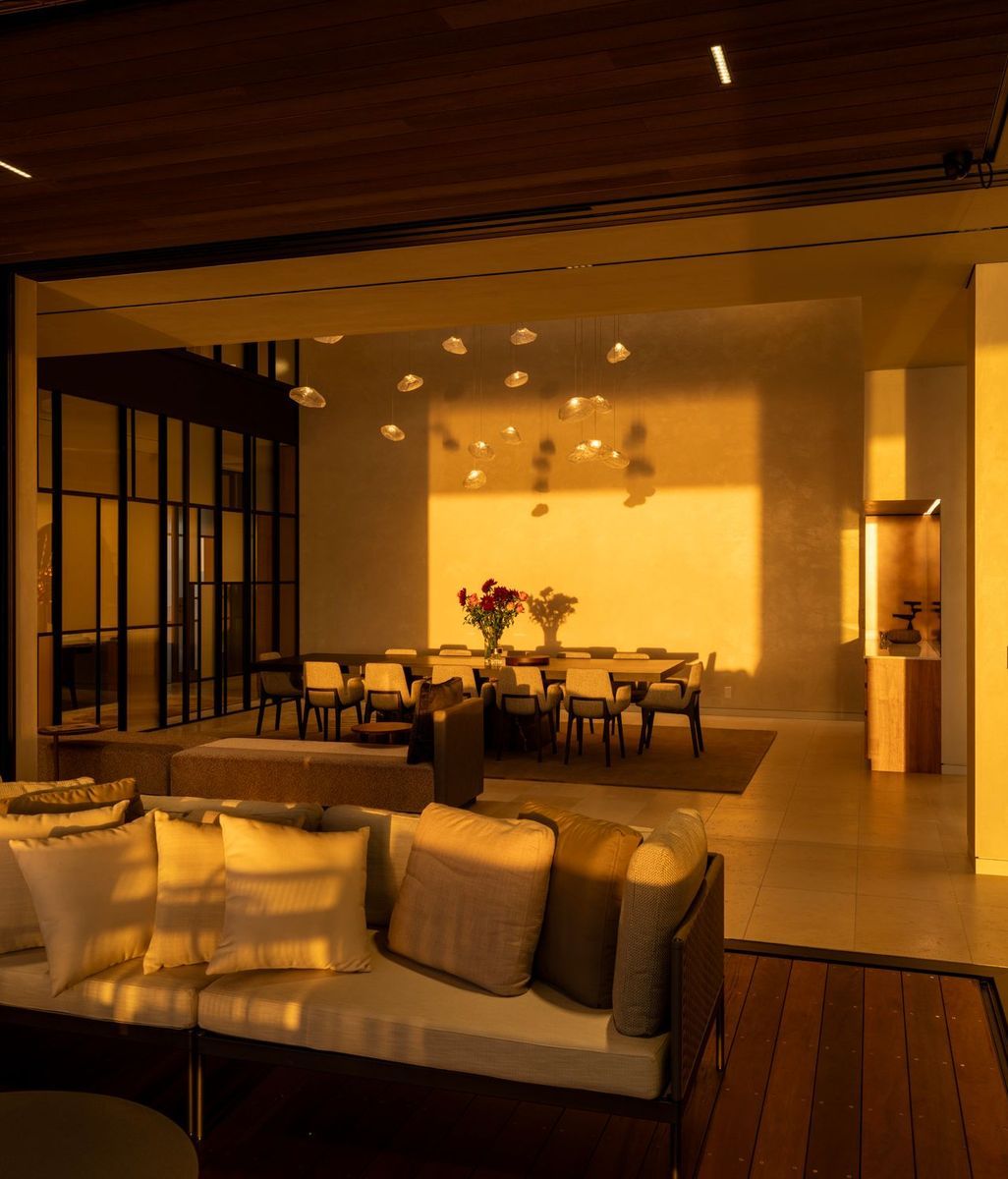
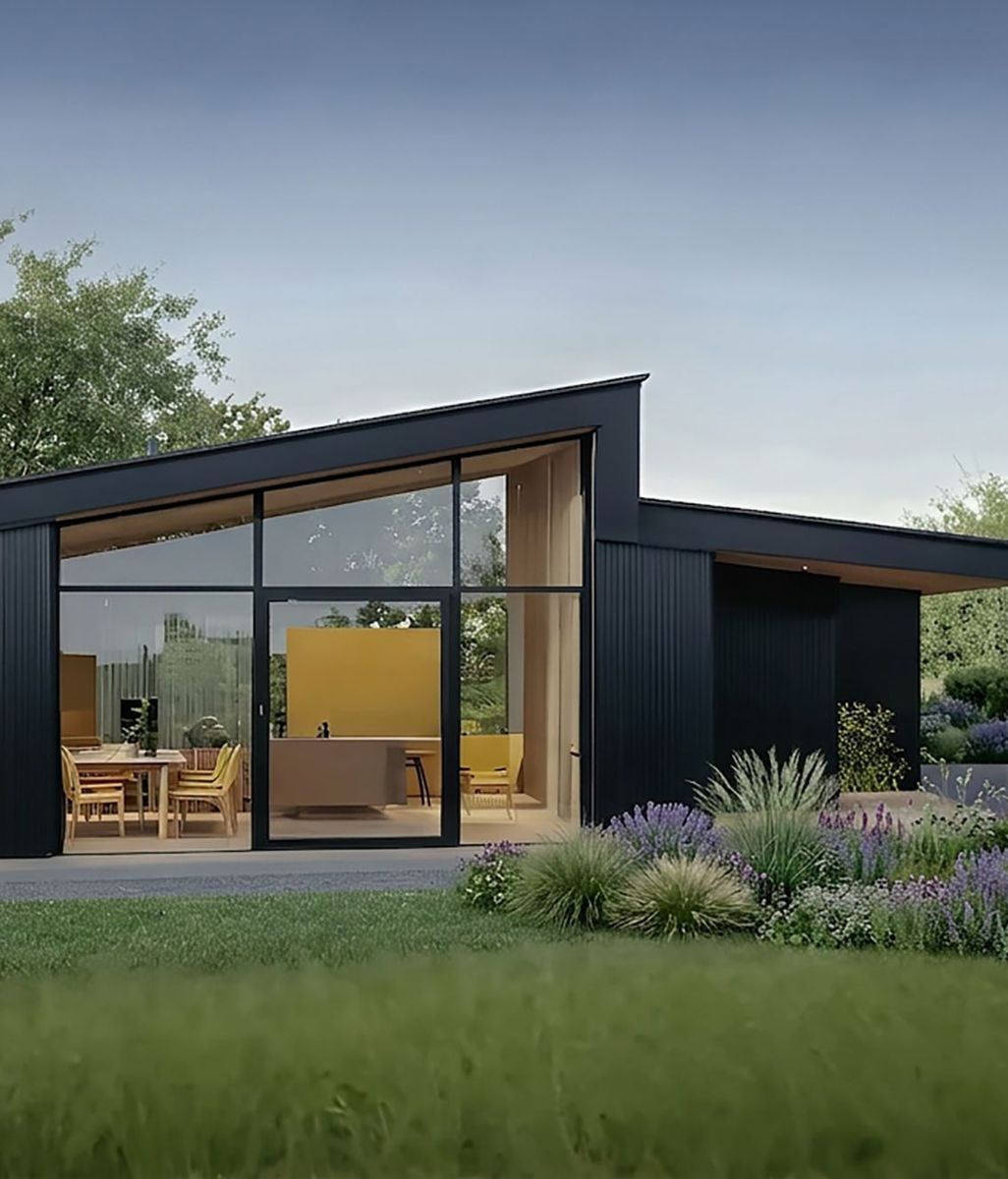
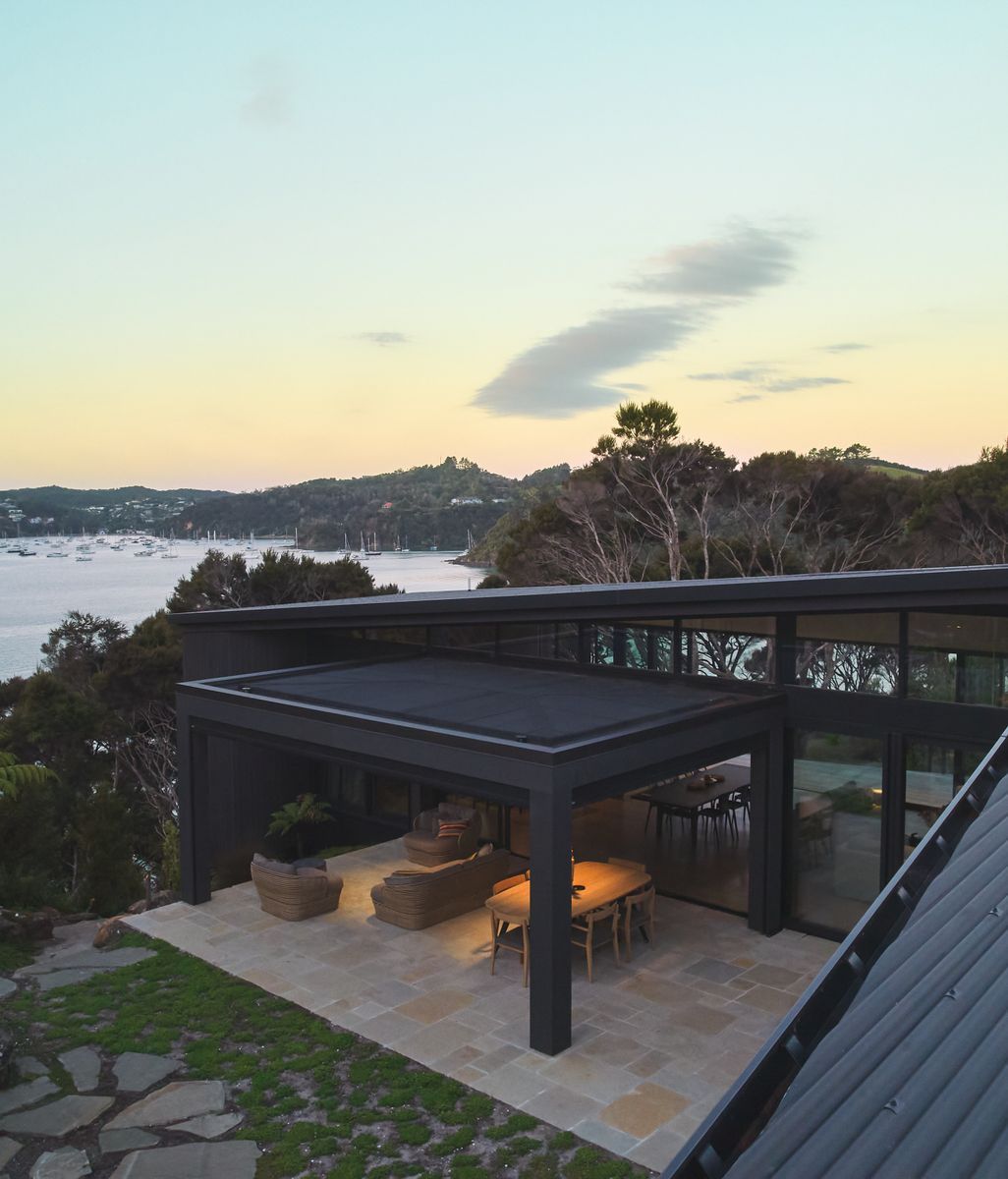
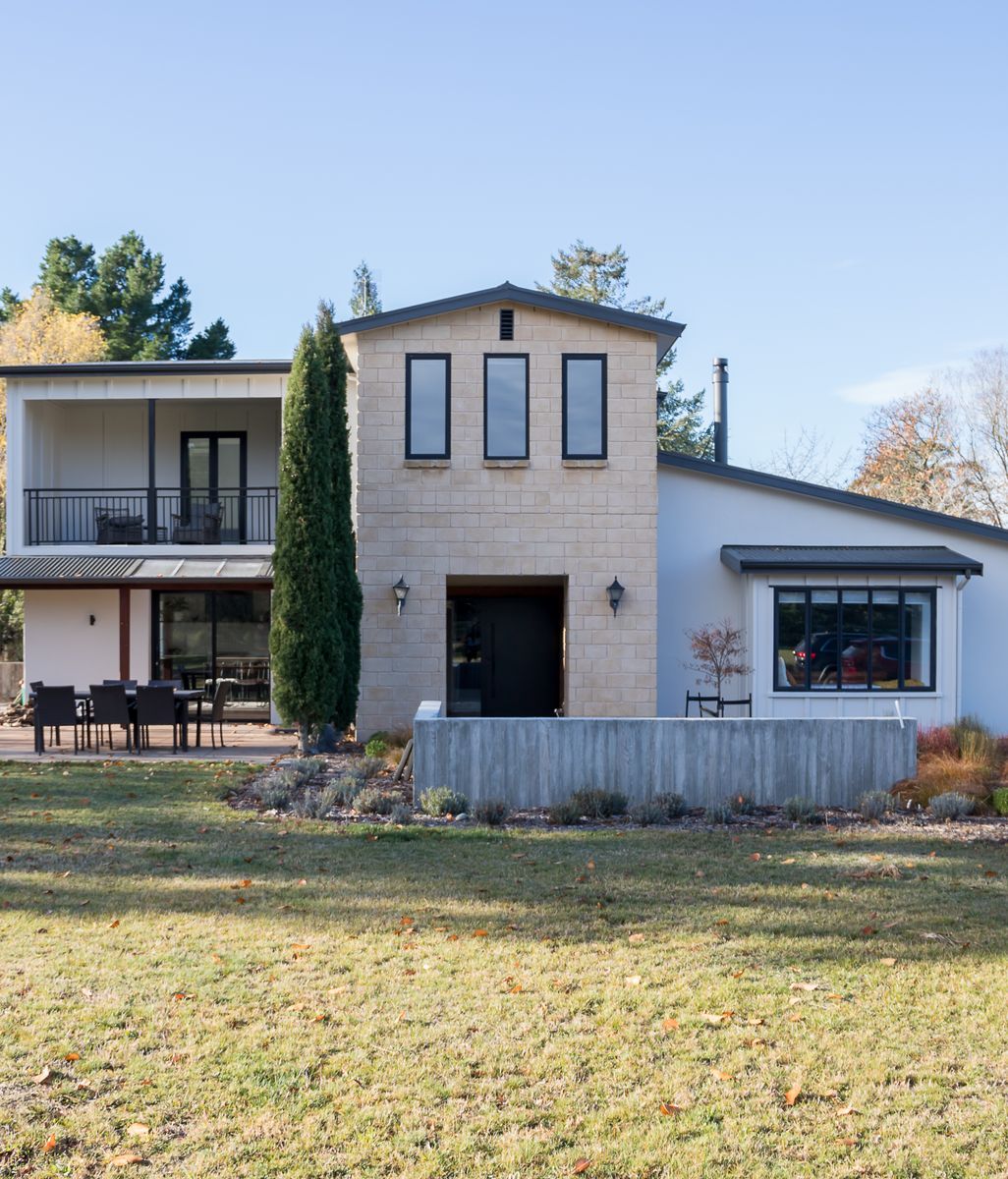
MAPcampbellst055-re.jpg
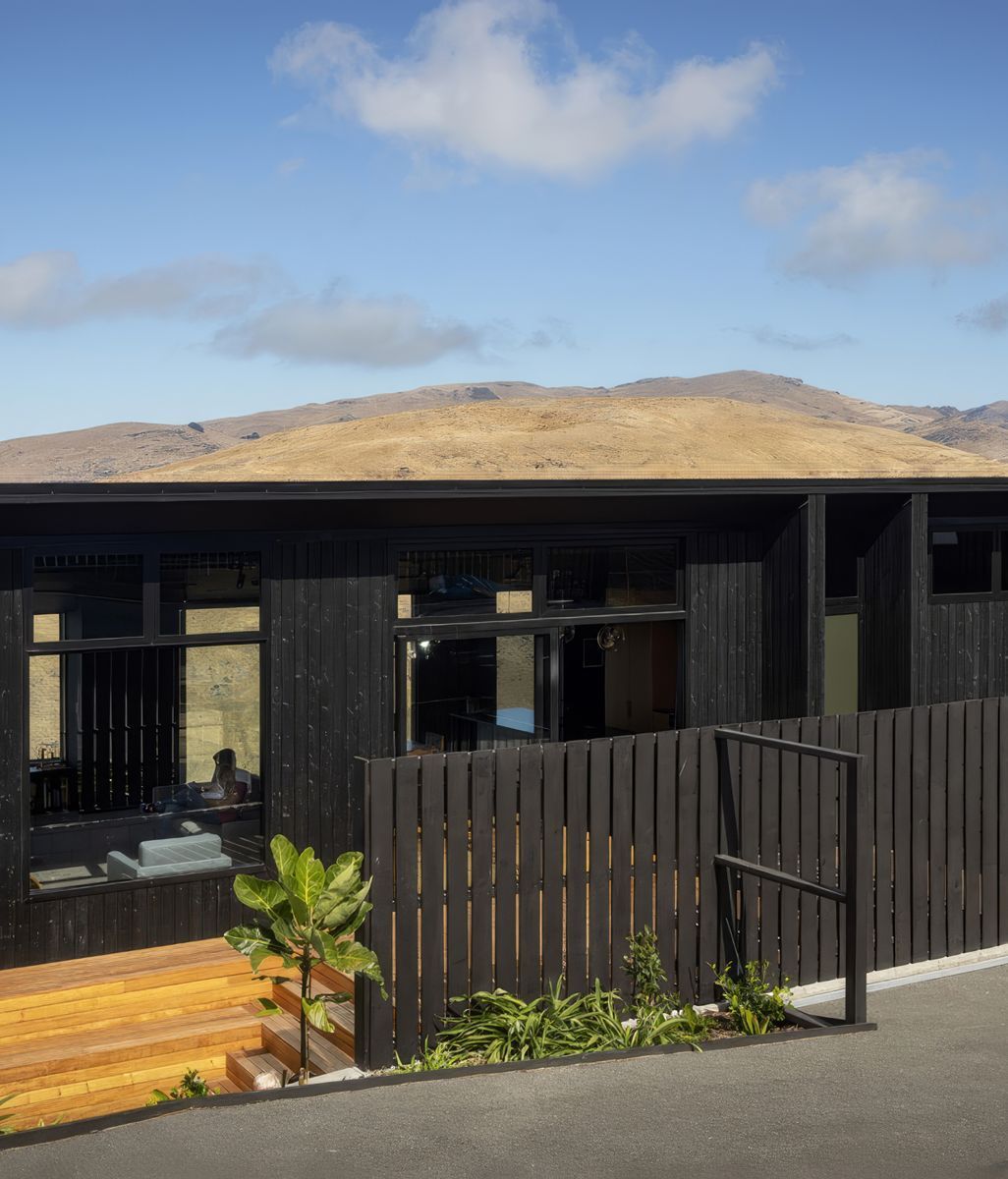
GGbyrne027-re.jpg

At Map Architects, the process begins with a thorough briefing stage that goes beyond simple wish lists. The team digs into how families live today and how they might live in the years ahead, exploring room-by-room requirements alongside lifestyle patterns, multigenerational considerations and long-term goals. Budget alignment is treated as essential, not optional.

After that comes the concept stage, where Mark explores what the site can deliver. “We give them a preliminary plan which explores a couple of ideas,” he explains. “The plans give us a language to talk to each other with.”

Using that shared language, clients and designers refine ideas together. Early builder involvement helps test cost and feasibility, ensuring the project stays on track. Once the plan is finalised, Map Architects’ team coordinates consultants, approvals and ongoing communication as the design progresses toward construction.

Mark has worked across a broad spectrum of projects, from streamlined developer projects to highly personal family homes. While he values the clarity and efficiency of development work, it’s the family homes that often provide the greatest reward.

These projects invite deeper emotional engagement, and though they’re often more complex, they tend to feel more resolved and expressive in the end, full of personal touches that reflect the lives within.

Currently, Mark is navigating what many of his clients experience every day: building his own home. The duplex project has been four years in the making, and he and his family are documenting the process through a mini-series to offer a behind-the-scenes look at real-life residential design.

“It's fun to do our own home, and I love being on the other side of the process,” he says. “It's just different seeing my own project coming to life.”

Experiencing the budget pressures and decision-making from a client’s perspective has deepened his empathy and sharpened his understanding of the challenges homeowners face.

As for what excites him most about the future, Mark says it comes down to continuing to choose meaningful projects and build strong relationships, because when the team enjoys the work, the results always follow.