Benefits of Ducted vs Recirculating Rangehoods
Ducted Rangehoods
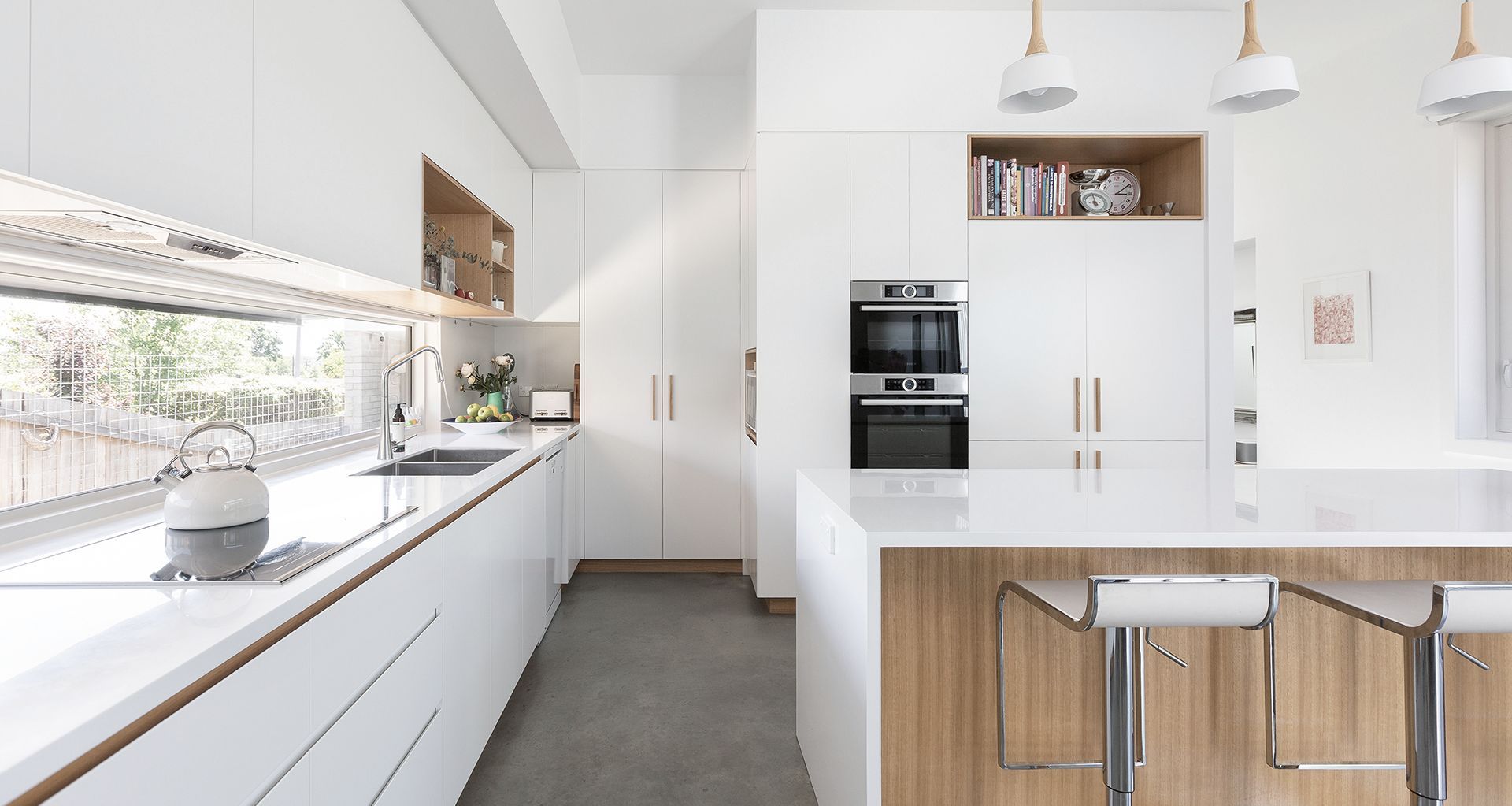
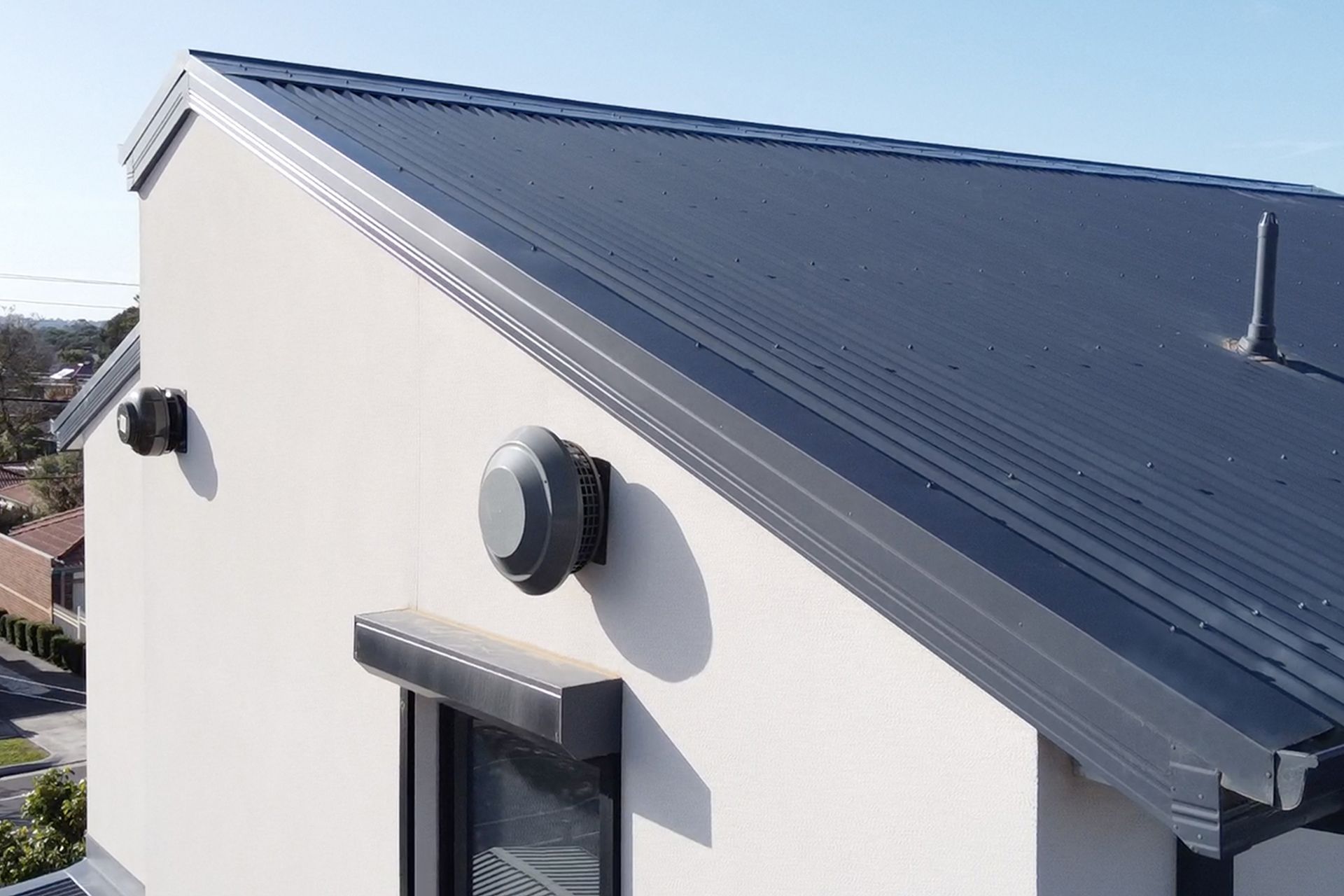
Ducted rangehoods pass cooking exhaust through mesh filters or baffles to capture airborne grease before venting smoke and odours through ducts to the outdoors. They require ducts to be factored into your kitchen design and installed through the wall or ceiling above your cooktop to the outdoors.
Pros of Ducted Rangehoods
- Better air quality - humid and polluted air is completely extracted from the kitchen
- Higher efficiency - enjoys a higher rate of air extraction where filtered air is not released back into the kitchen
- Opportunity for silent air extraction - ducted rangehoods with external motors that can be mounted on the roof or external wall take fan and motor noise out of the home so you enjoy blissful silence where you cook
Cons of Ducted Rangehoods
- Limited to where it can be placed - dependent on where you can run a ducting system above your cooktop to the outdoors.
Recirculating Rangehoods
Recirculating rangehoods extract cooking exhaust through charcoal or carbon filters to remove airborne contaminants and odours before recycling the same air back into the kitchen. They do not require ductwork to the outdoors.
Pros of Recirculating Rangehoods
- Versatile: great for when you can’t run ducting to the outdoors due toa structural or building management constraint
- Ease of installation: easier to install than a ducted rangehood, with no ducting to hide or install
Cons of Recirculating Rangehoods
- May be noisier: typically runs louder because of the fan power required to draw air through the filters
- Humidity issues: moist air from cooking steam is filtered but reintroduced back into the kitchen
- More expensive over time: as the charcoal/carbon filters need to be replaced once or twice a year depending on usage

Which Should You Choose?
It all depends on your kitchen design and personal preference. If air quality and motor noise are priority concerns, then ducted rangehoods with external motors are your surest bets.
Need help deciding? Reach out to us at sales@schweigen.com.au or 1300 881 693 for a free consult on the best rangehood (ducted or recirculating) to suit the kitchen layout and structural design of your home.