Building for the long term: Peter Knights on sustainability in architecture

Written by

28 January 2026

 • 

4 min read

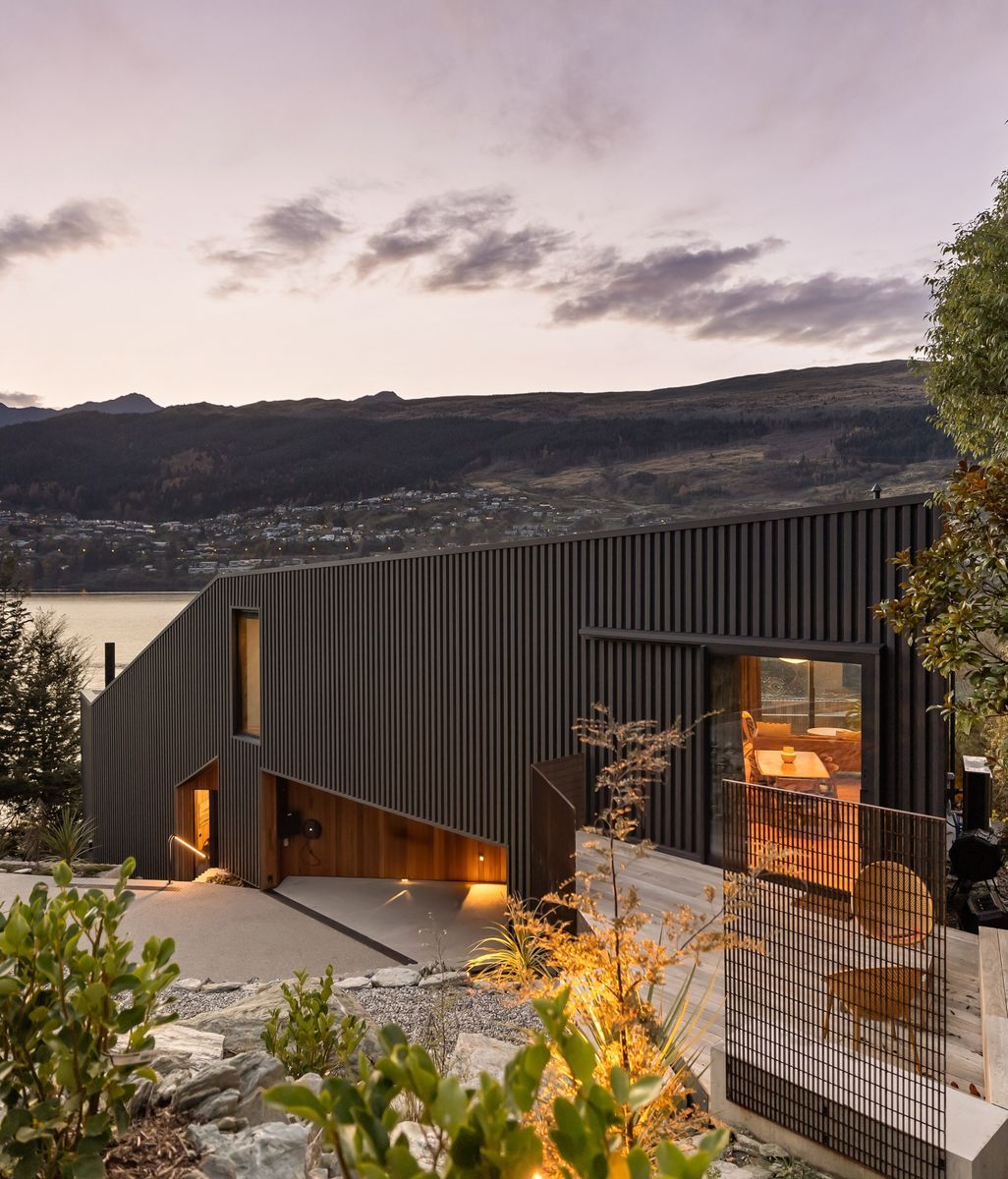
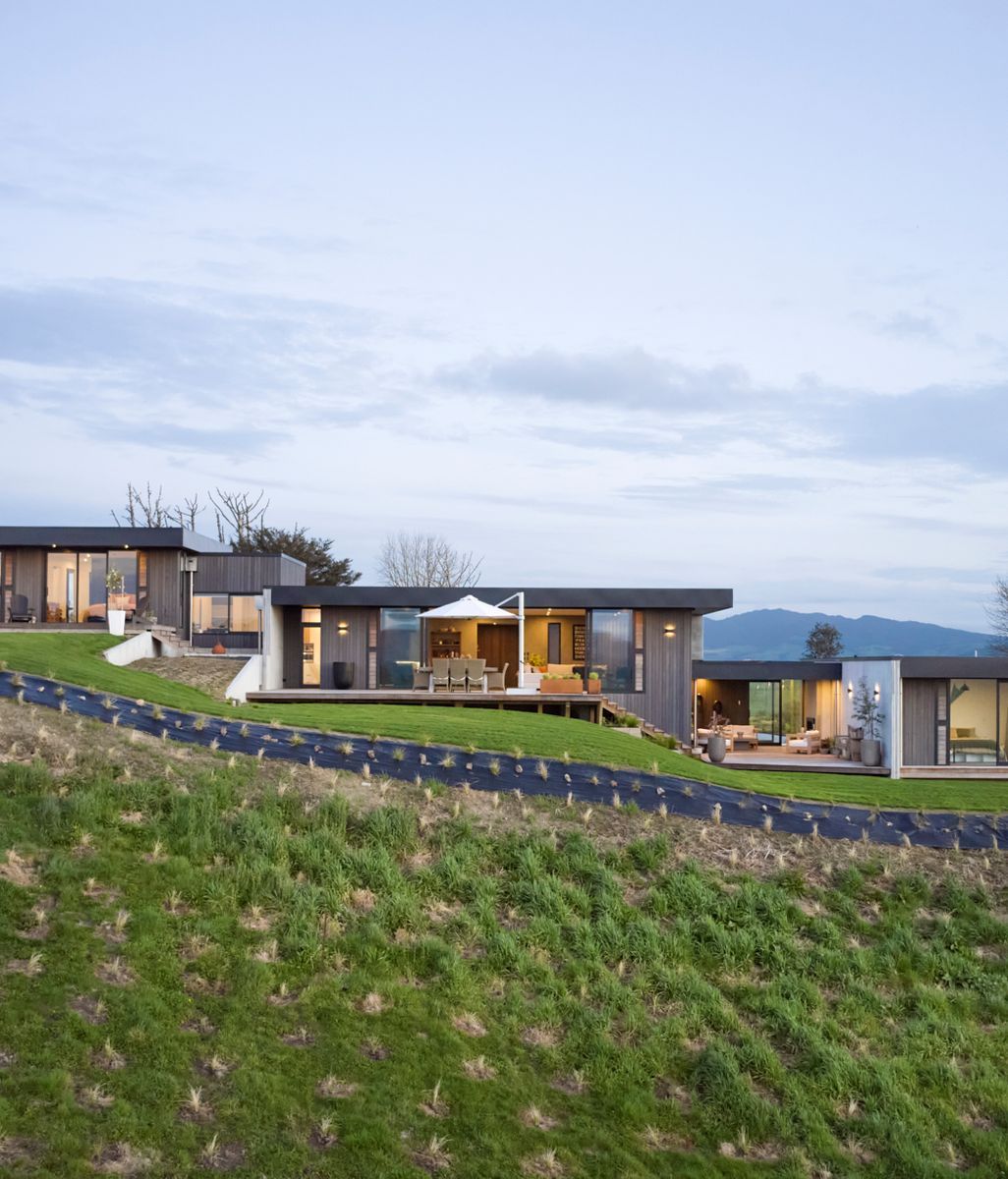
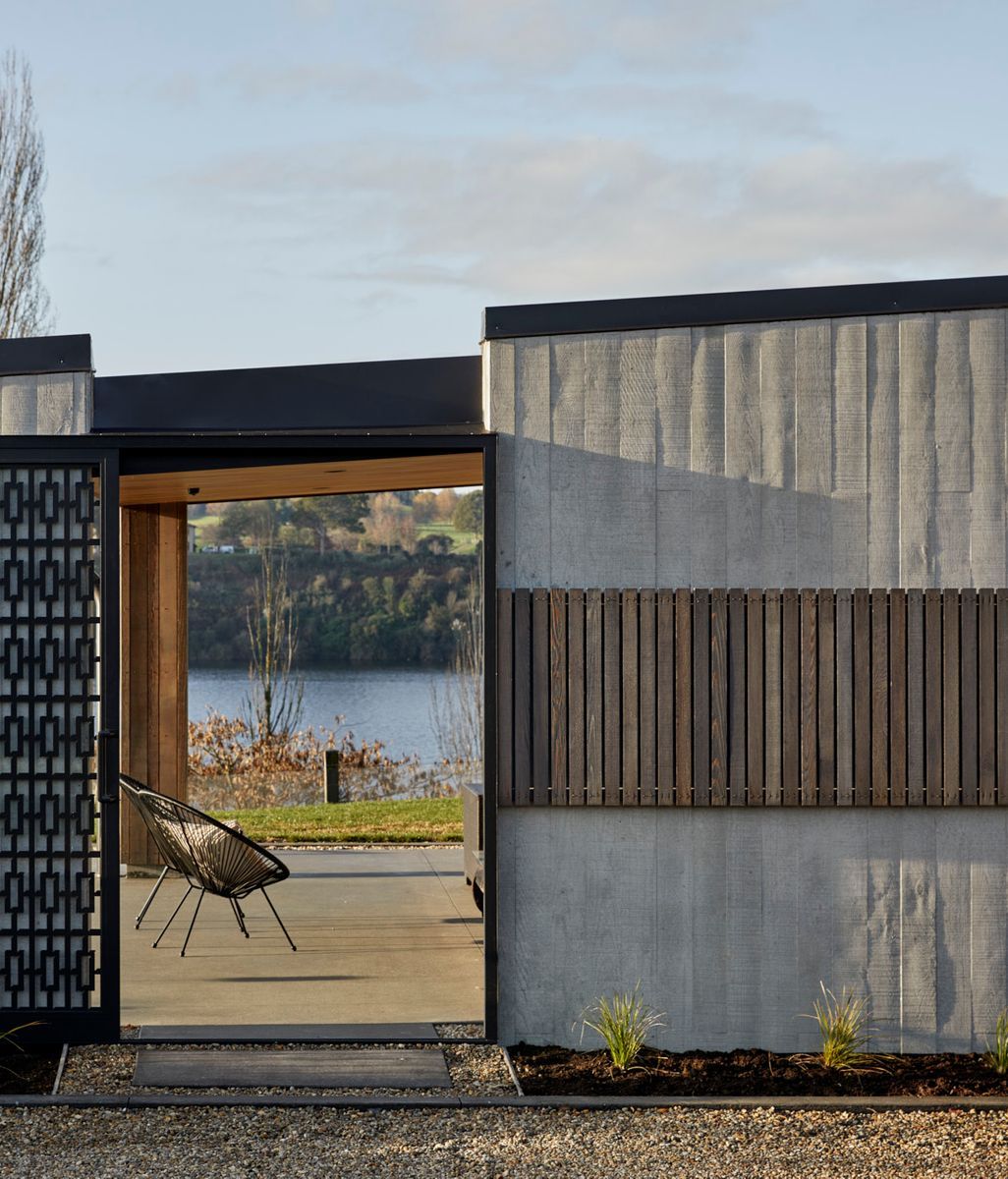
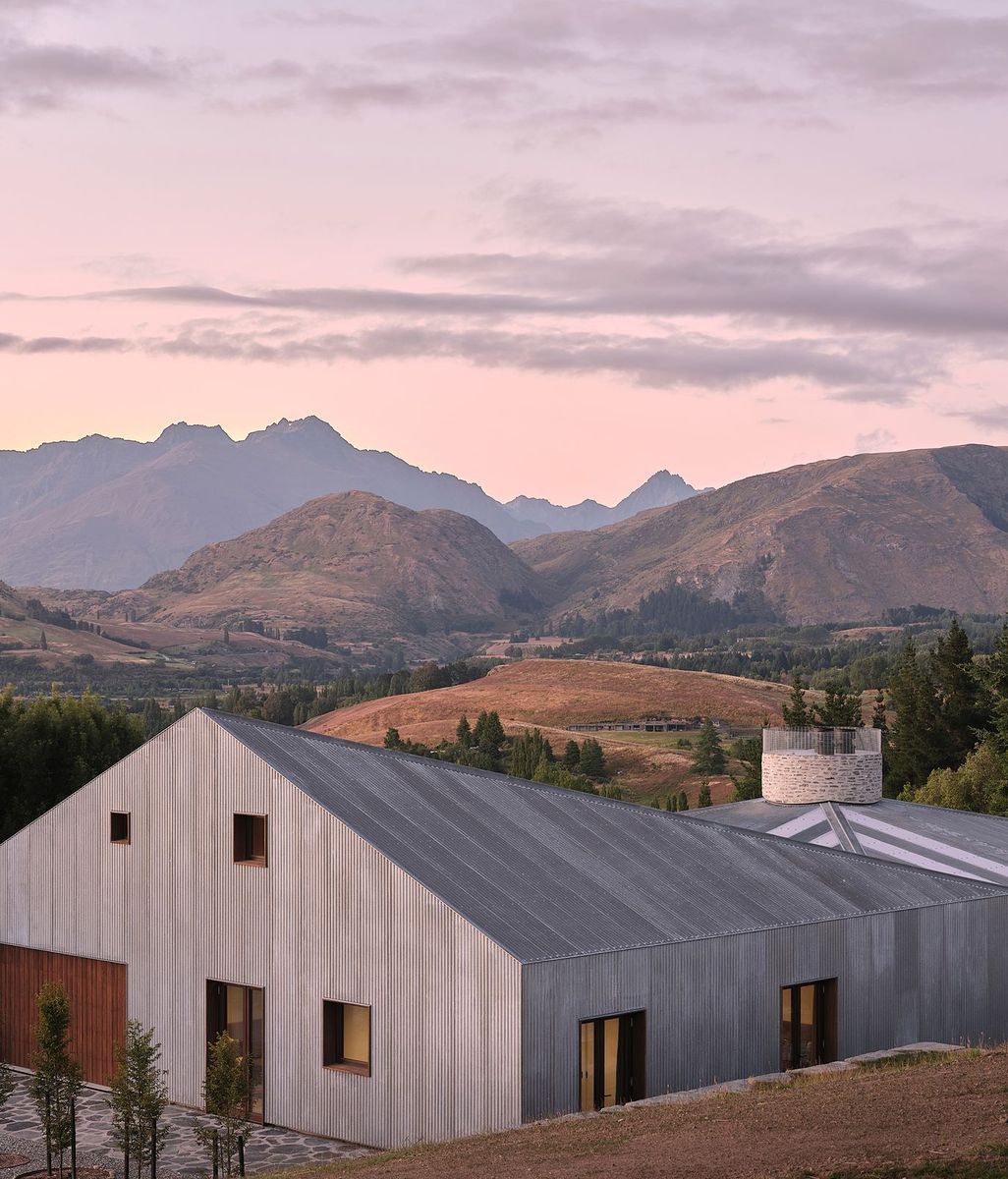
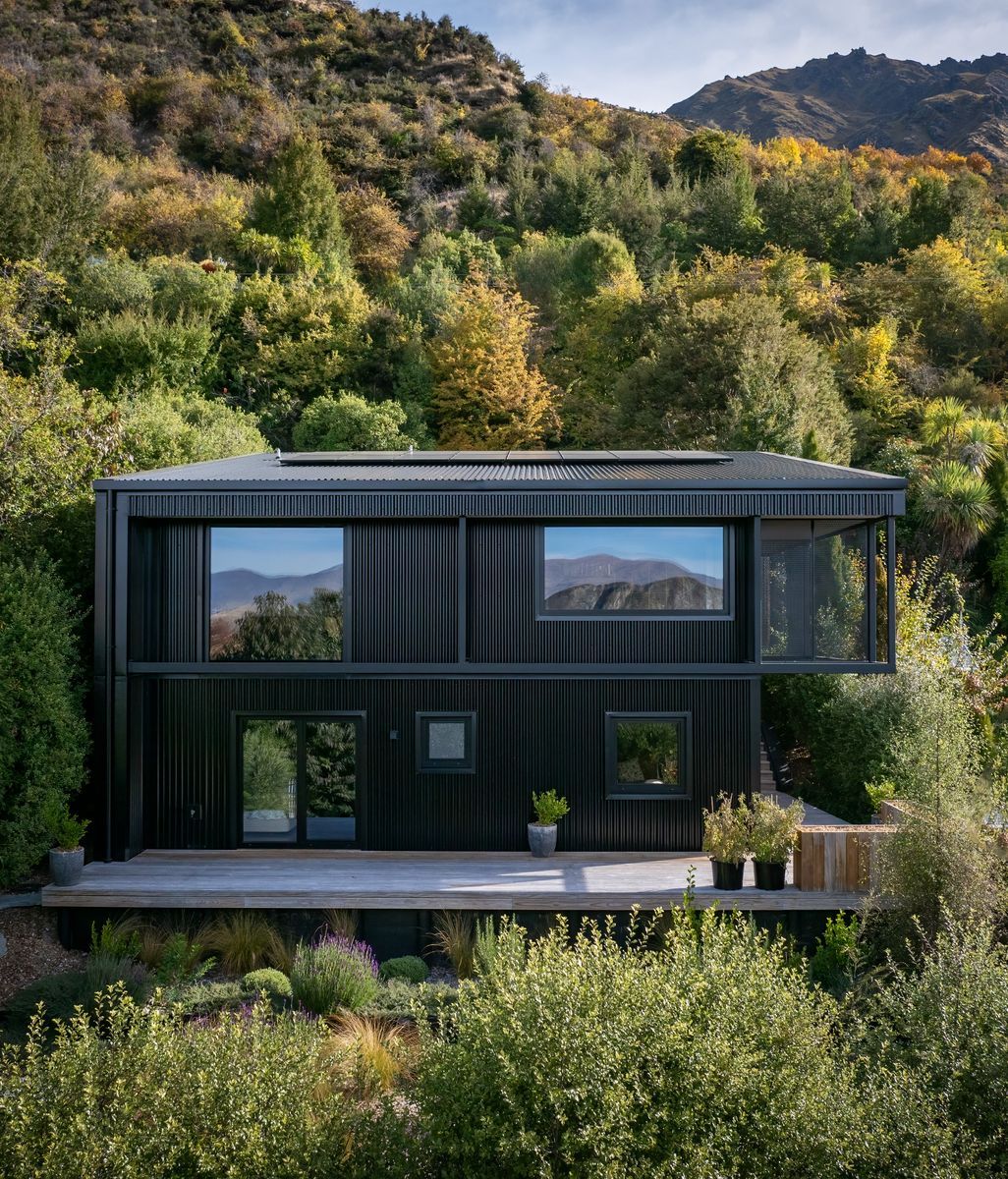
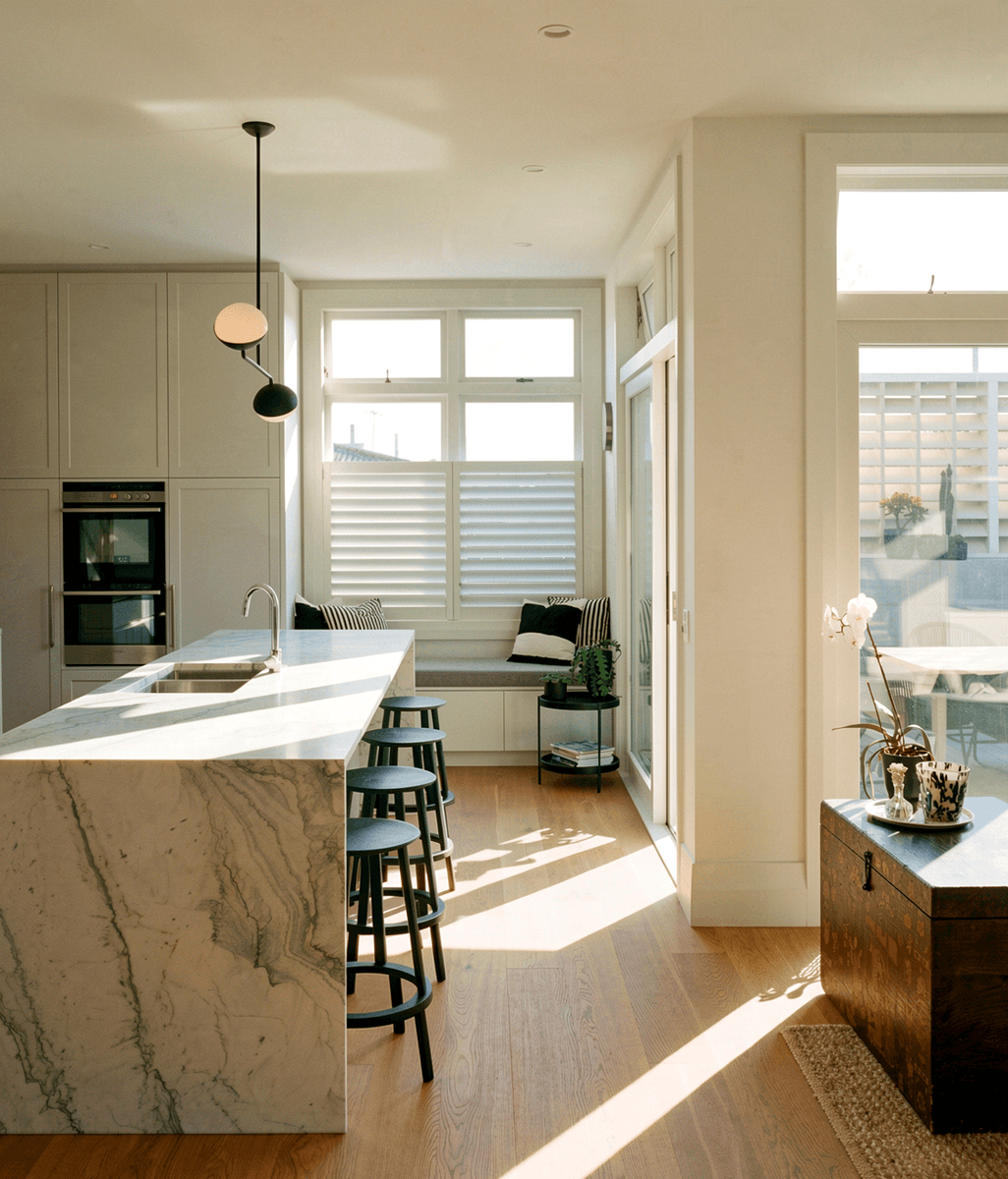
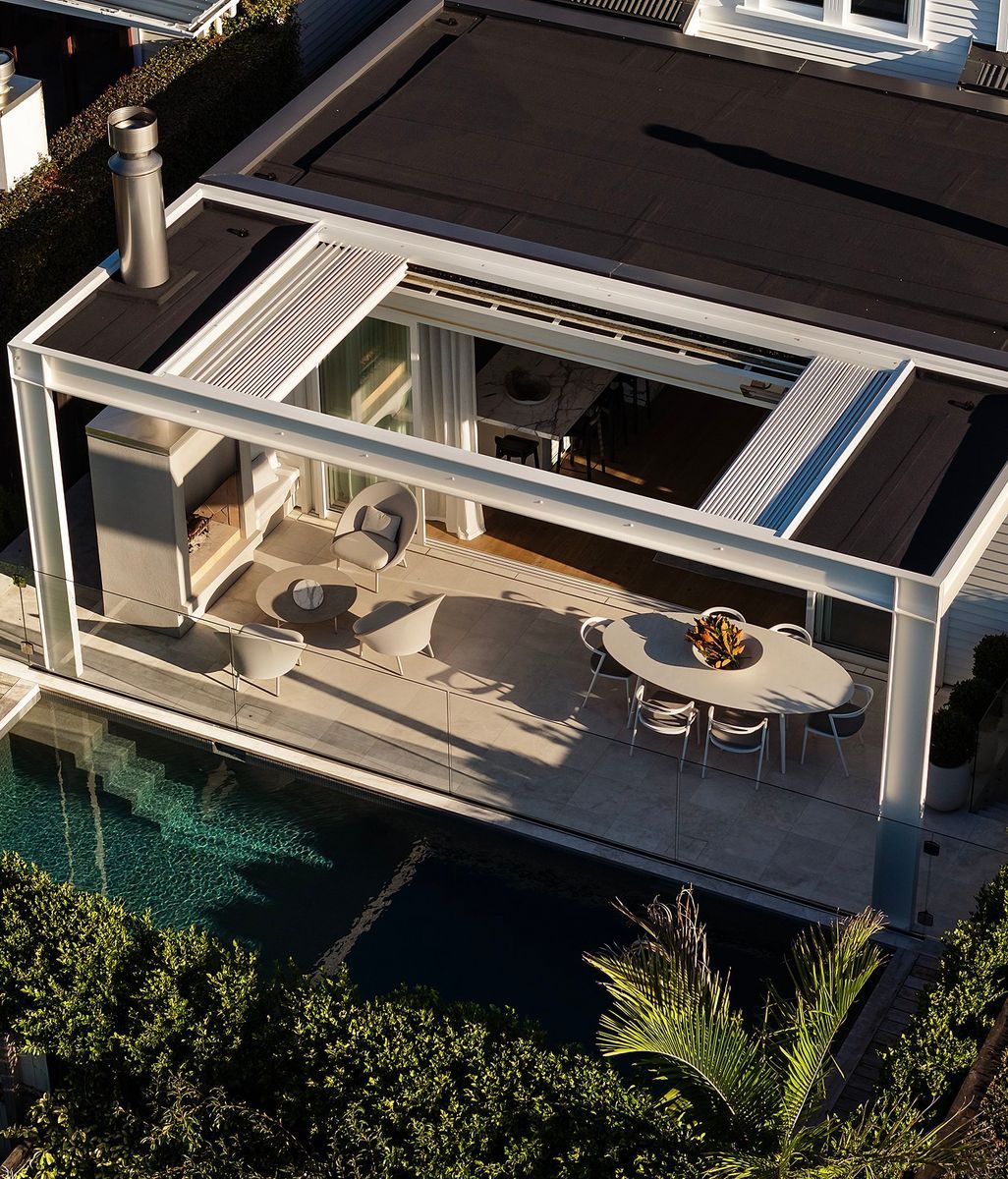
Armadale House by Taylor Knights. Image credit: Sharyn Cairns.
Peter Knights argues that the most sustainable buildings are not the most high-tech, but the ones designed to last.

For architect Peter Knights of Taylor Knights, sustainability is not a trend or a checklist. It is a first principle that shapes how buildings are conceived and built to endure.

“Sustainability for us is about creating buildings that last, so people don’t need to redo anything unnecessarily,” Knights says. “It’s about doing it in a way that stands the test of time, because that is a sustainable approach.”

This thinking reflects a broader shift in architectural practice. Sustainability has moved well beyond the addition of solar panels or energy-efficient appliances and into a deeper understanding of building performance. With greater access to data and tools, architects can now better understand how materials behave, how heat moves through a building, and how design decisions affect comfort, energy use and long-term efficiency.

Knights says this growing knowledge around building envelopes, thermal performance and indoor health has changed the way Taylor Knights approaches design from the outset. It influences how walls and floors are detailed, how thermal bridging is addressed, and how buildings are documented to perform better over time.

“There are many different ways that you can document a building,” he says. “We’ve been trying to increase our education around that so that we can create buildings that are much more environmentally sustainable.”

Rather than relying on visible add-ons, Knights argues that sustainability should be embedded into the design itself.

“Smart design is sustainable,” he says. “We try to define sustainability in practical terms, beyond just adding solar panels or insulation or other visible features.”

This approach is particularly evident in the practice’s work with existing buildings. The Malvern Garden House, a large home built in the early 1900s, demonstrates how sustainability can guide redesign without compromising character. The original house was designed for a very different way of living, and the challenge was to adapt it for contemporary life without unnecessary demolition or excess.

“For us, it’s about understanding the DNA of the building and unlocking what’s already there,” Knights explains. “How do we join spaces? How do we open them up? How do we connect the inside with the outside, create pockets of connection, courtyards, and landscaping?”

Rather than relying on large extensions, the project focused on modest, strategic interventions that worked with the existing structure. The result is a home that performs better, feels more connected to its surroundings, and retains its original integrity.


Balancing sustainability ambitions with cost remains one of the industry’s ongoing challenges and Knights says the key lies in transparency and collaboration.

“At the end of the day, you look at all options, get a price, then have a dialogue with the client, and pick the best options,” he says. “You start with the low-hanging fruit first and work your way up if the client has an appetite for more. It’s a collaborative process, and most of the best solutions come from working through this approach.”

When it comes to where the industry still struggles, Knights points to inconsistencies in execution. Labour shortages and rising costs have put pressure on builders, and while many are embracing sustainability and new technologies, others cut corners.

“Some builders create a bad name by not doing things well,” he says. “However, most builders these days are embracing technology and sustainability, often providing options and ideas. It is improving, but costs always play a role.”

Sourcing local materials is one way Taylor Knights navigates this tension, often delivering both environmental and financial benefits.

Client demand, Knights adds, is increasingly driving better outcomes. Homeowners are more aware of the long-term value of sustainable design, particularly when it is seamlessly integrated into the architecture.

“Most clients understand and value fundamental sustainability measures,” he says. “Correct cross ventilation, right-sized windows, proper building fabric. Cutting corners creates a false economy and often costs more in the long run.”

At its core, Knights’s perspective reinforces a simple idea: sustainability is not about doing more, but about doing things well and making buildings that are designed to last.