Challenging assumptions: How real sustainability is achieved in luxury decking
Written by
18 January 2026
•
4 min read

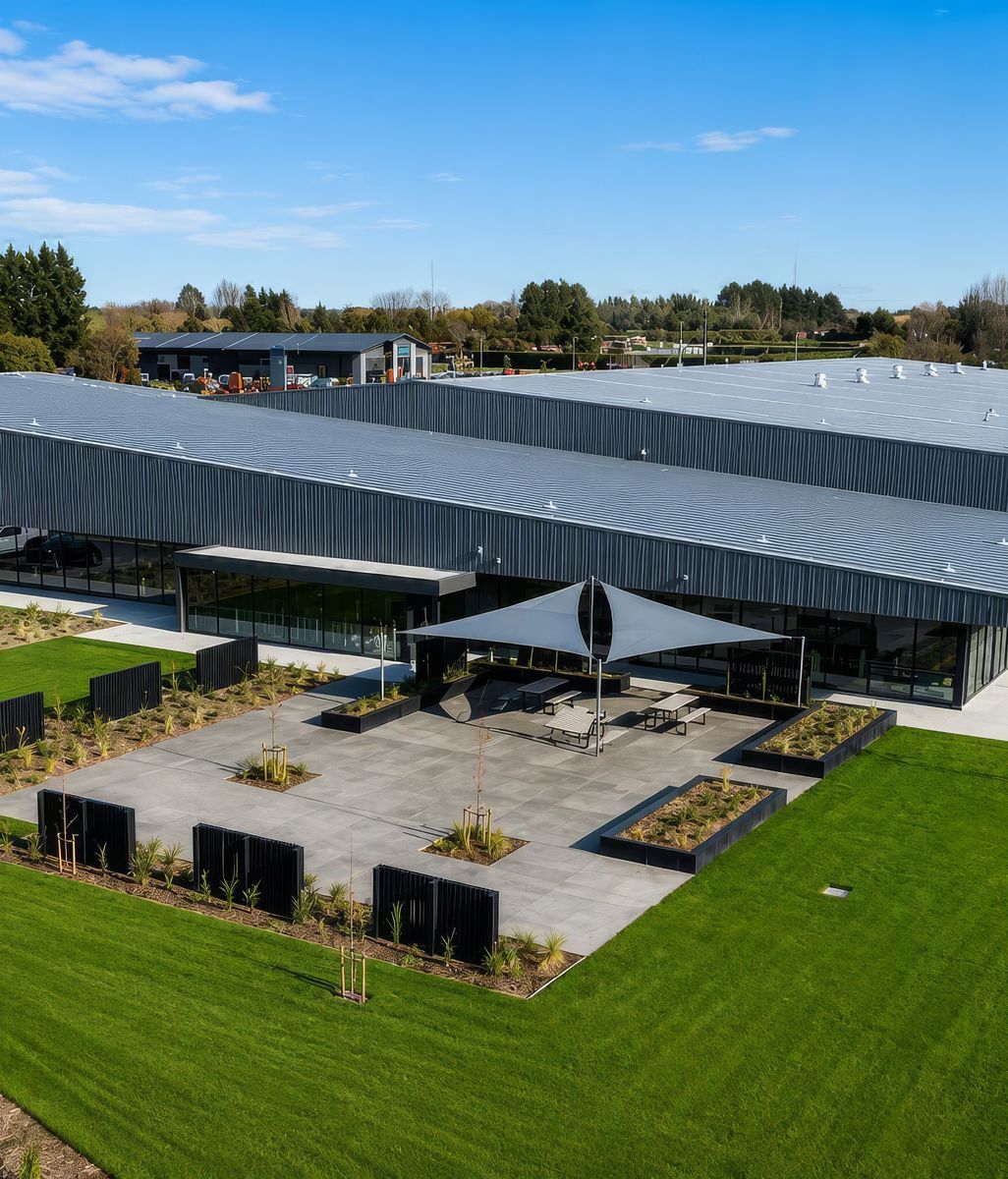
Walk toward BiForm’s Auckland head office, and sustainability announces itself long before any certifications for its desirable indoor and outdoor flooring solutions are provided. It begins in the car park, where electric vehicles are gradually replacing conventional ones, and continues in the office, with conversations about paper stock, courier bags, and packaging are seen as opportunities to reduce the brand’s environmental impact. Out in the warehouse, orders are packed with reused materials returned through a packaging take-back program, a circular habit now embedded into the rhythm of BiForm’s operations.
Beyond the sustainability checkbox
According to Benjamin Aupa’au, BiForm Operations and Marketing Manager, sustainability has been a serious conversation from the beginning. BiForm was founded 20 years ago, with one direct purpose: to reduce the deforestation due to the construction industry. “Our Founder, Vee Aupa'au, witnessed the industry impact while working at a timber yard seeing the sheer volume of rainforest timber and the amount of trees that were cut down to accommodate it,” he says. “Her realisation was simple - there has to be a better way.”
This sustainable mindset that formed the company has also shaped some of BiForm’s hardest decisions. The process of achieving FSC Chain of Custody certification, for instance, became a year-long pursuit as The Forest Stewardship Council’s (FSC) requirements left little room for shortcuts, forcing a reassessment of everything from supply chains to the company’s internal processes, health and safety and traceability.
“It was expensive, slow and demanding, almost deliberately so. But it also clarified our brand’s values of only using high-quality, sustainable building materials,” says Ben.
One of the most significant outcomes was a rethink of core material composition. While BiForm’s composite decking boards, like other composites on the market, had been made from recycled plastic and recycled timber fibre, the team uncovered a flaw in this logic. Even though it’s recycled timber, you can’t track where the timber actually comes from to confirm if it is sustainably resourced.

The decision to switch to FSC-certified timber (despite it not being recycled) meant slowing down, spending more, and, in all honesty, choosing the more challenging path.
The decision to switch to FSC-certified timber (despite it not being recycled) meant slowing down, spending more, and, in all honesty, choosing the more challenging path. According to Ben, “At BiForm, we can now track the timber used in our boards back to the very forest it came from. Ensuring it’s responsibly and ethically sourced.”
Strong values of quality and longevity further clarify what doesn’t make it into a BiForm collection. When co-extruded composite decking, with its virgin-plastic outer layer, began gaining popularity, BiForm declined the opportunity to be first to market in New Zealand. “It didn’t align with our sustainability ethos,” notes Ben, pointing also to durability concerns in the local climate. “When you have strong values and purpose, business decisions actually become easier.”
Partnerships are also held to the same standard, with BiForm having worked with the same manufacturer for its entire 20-year history. This relationship has endured precisely because the supplier has been willing to evolve alongside the company, as sustainability expectations have shifted and sharpened.
The future of sustainability is in the messaging
Looking ahead, there’s a sense that the broader market is finally catching up to BiForm’s eco-friendly ethos. What once felt niche is now actively valued by architects and their clients, with a momentum that brings excitement and pressure for the New Zealand brand.
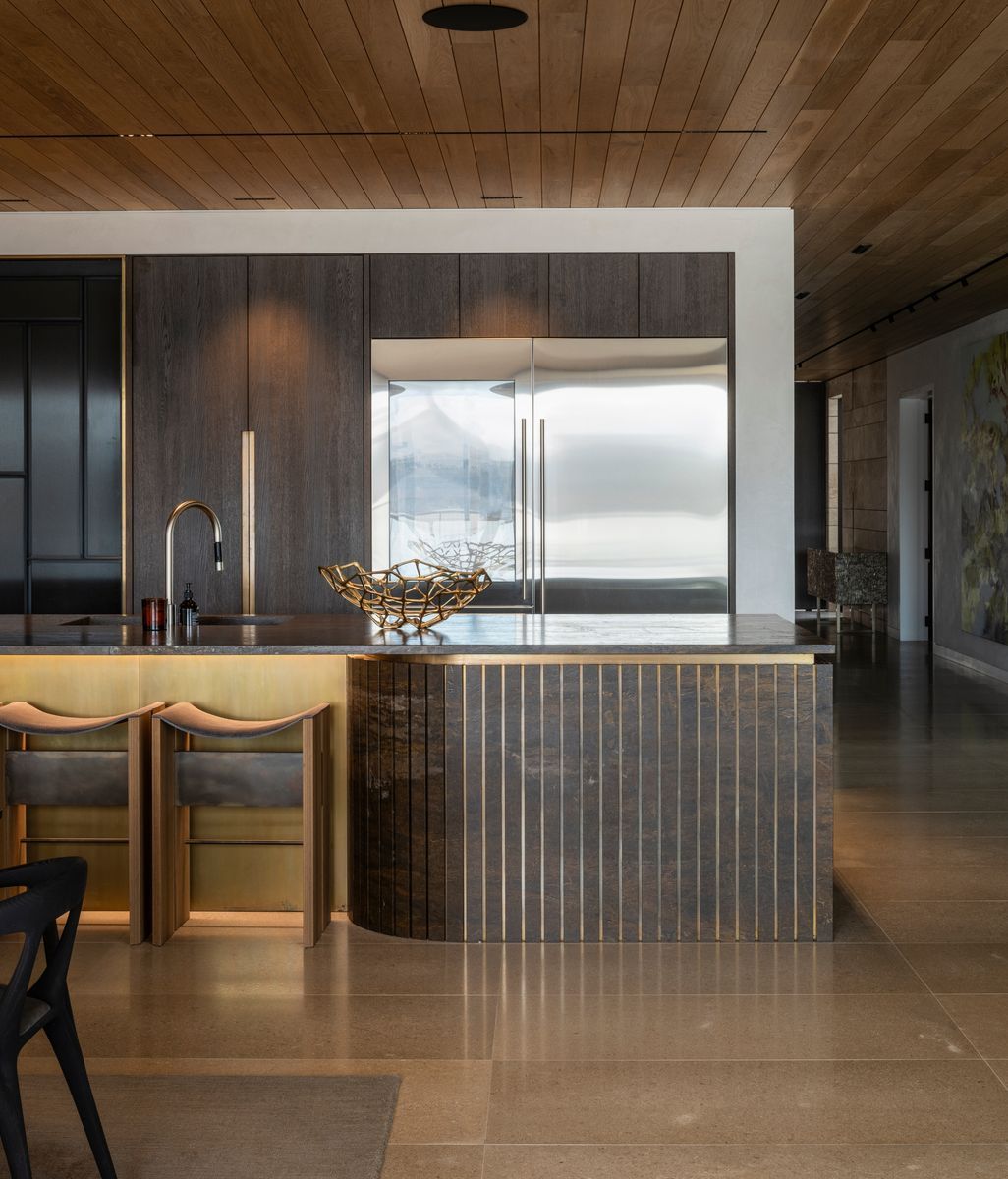
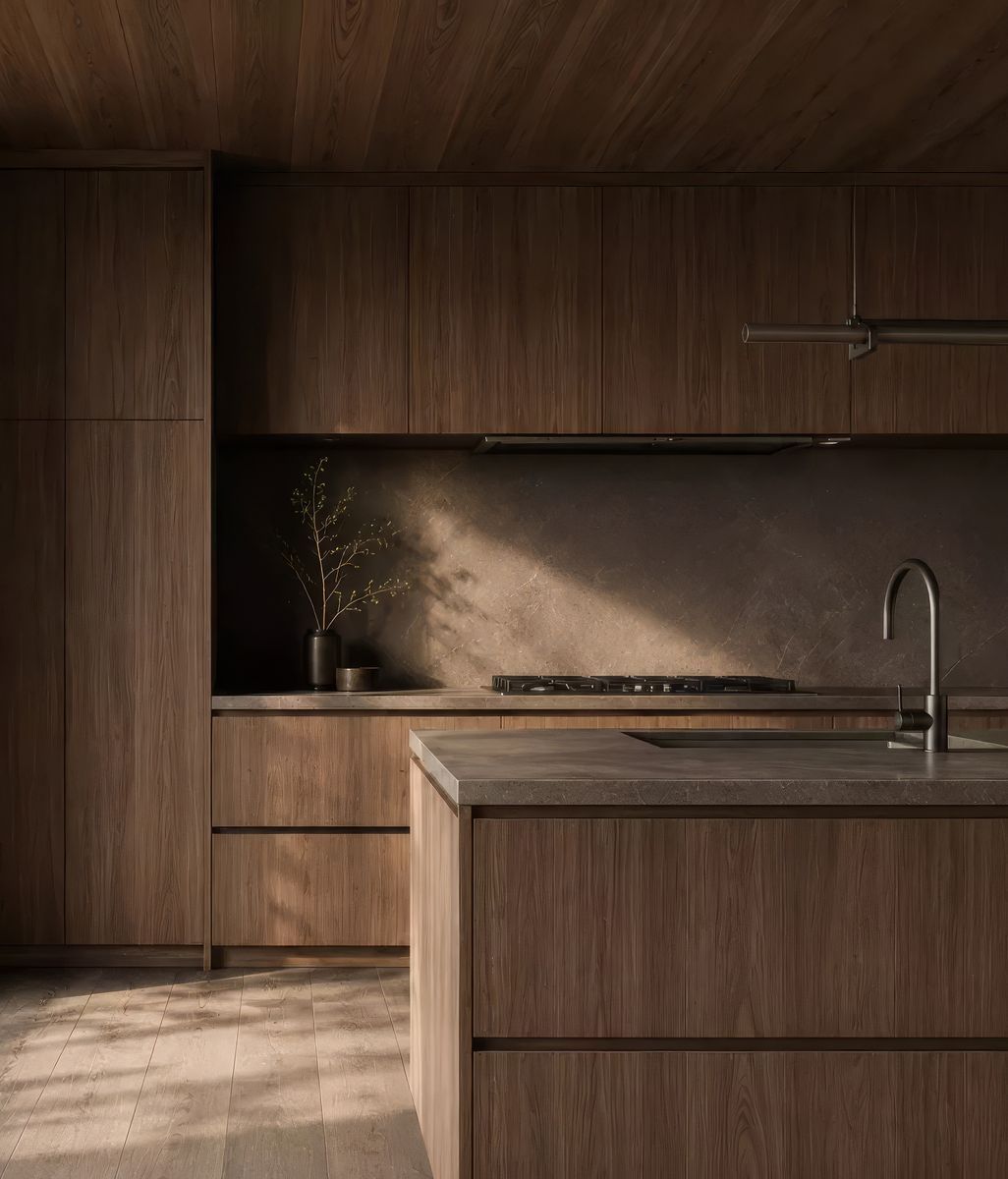
“The most exciting thing is people are starting to listen,” says Ben. “After two decades of leading the conversation, the next frontier for us is carbon; both minimising emissions and helping clients better understand them.”
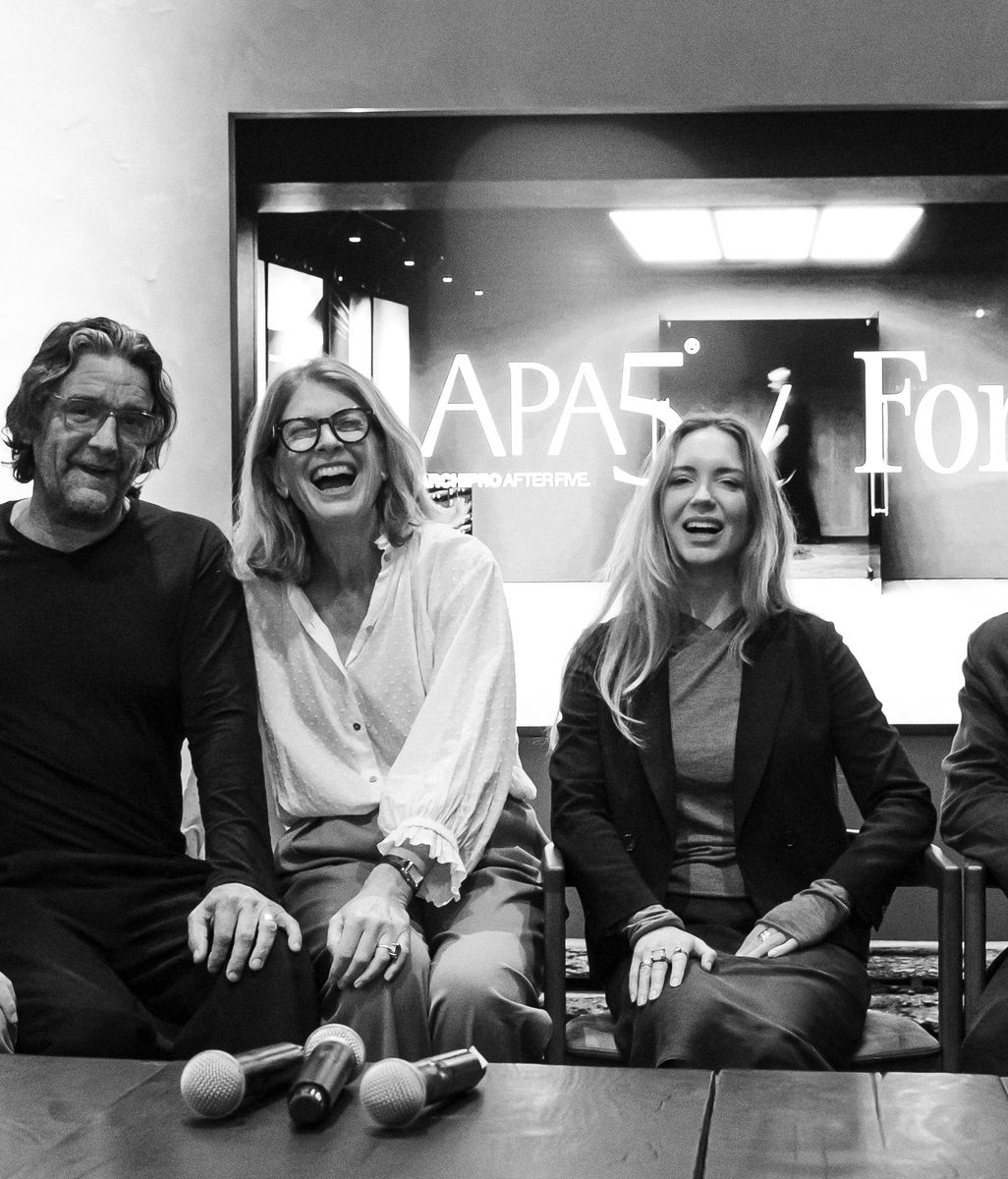
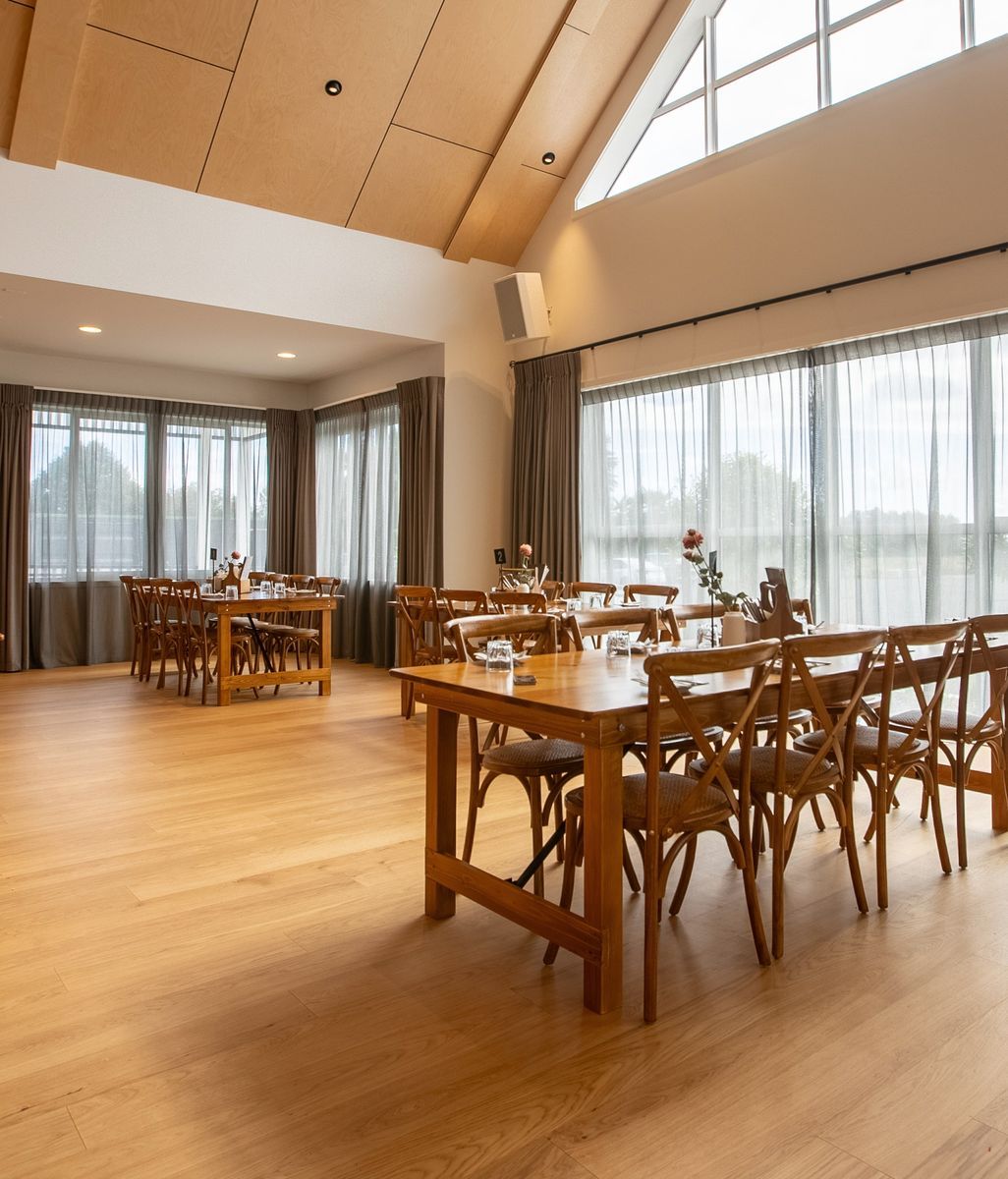
“We know we’re sustainability leaders,” remarks Ben. “I expect everyone else to know it too.”
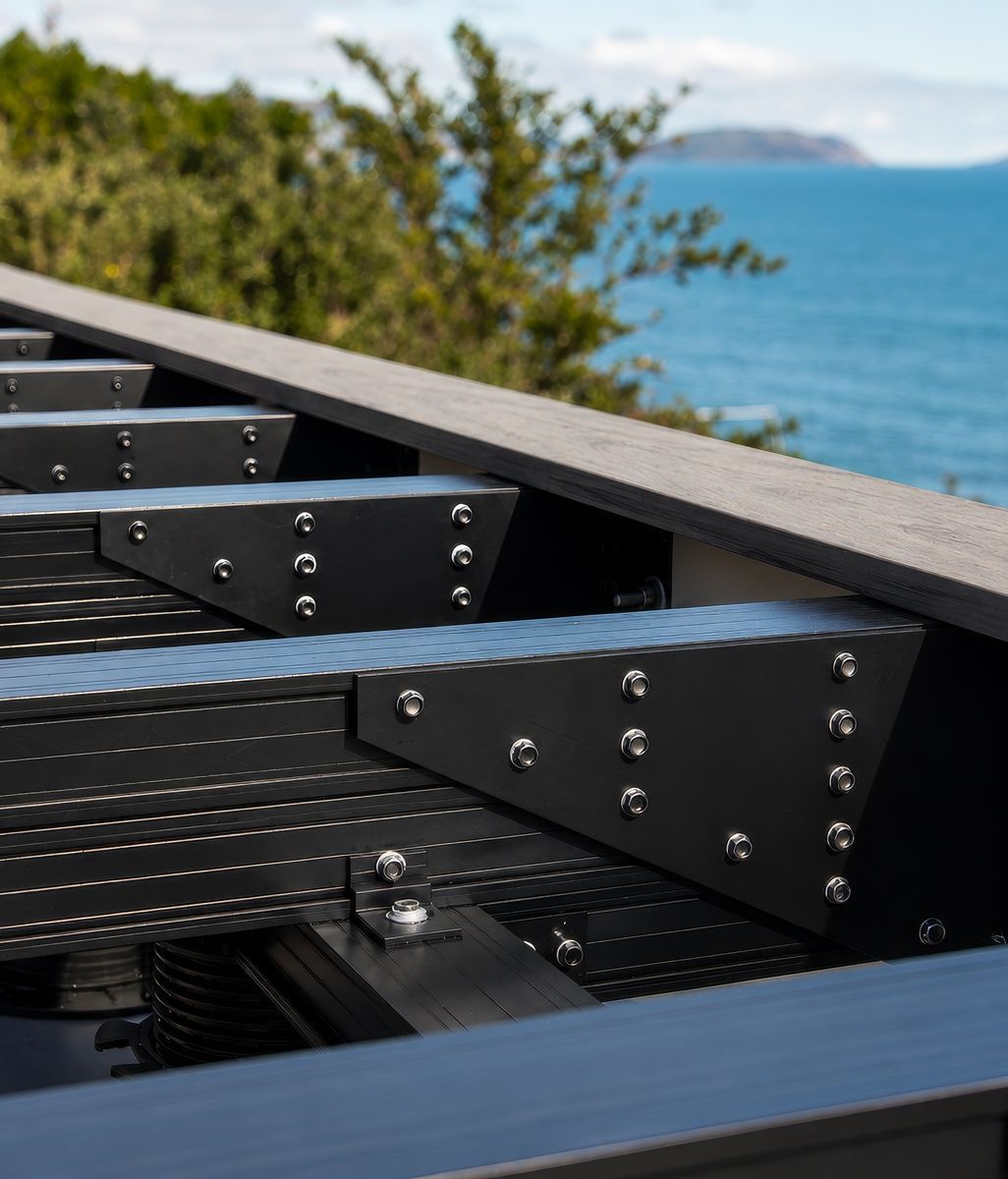
View BiForm’s solid composite decking collections on ArchiPro or contact them today.