Designing homes that make perfect visual sense
Written by
15 November 2025
•
4 min read

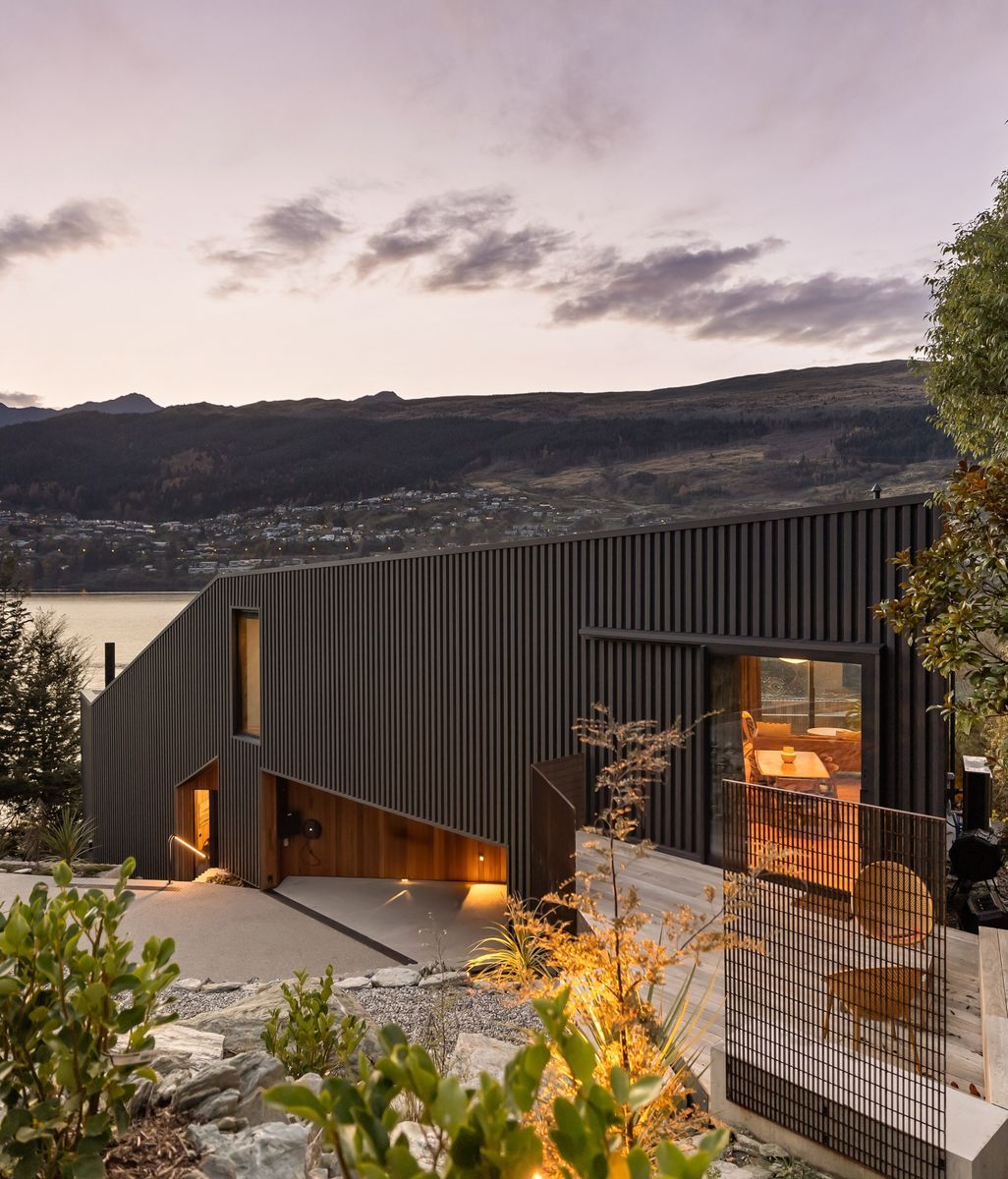
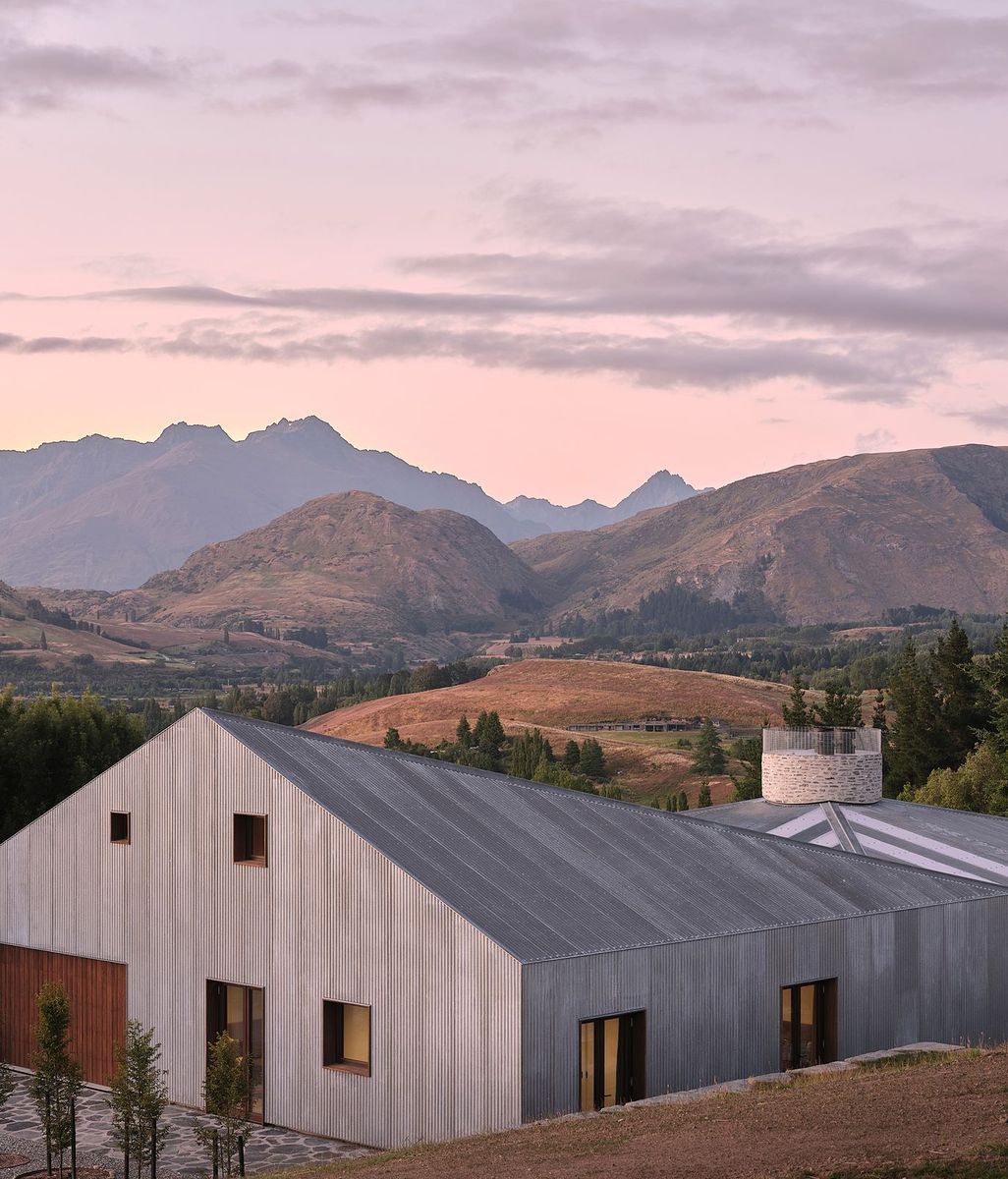
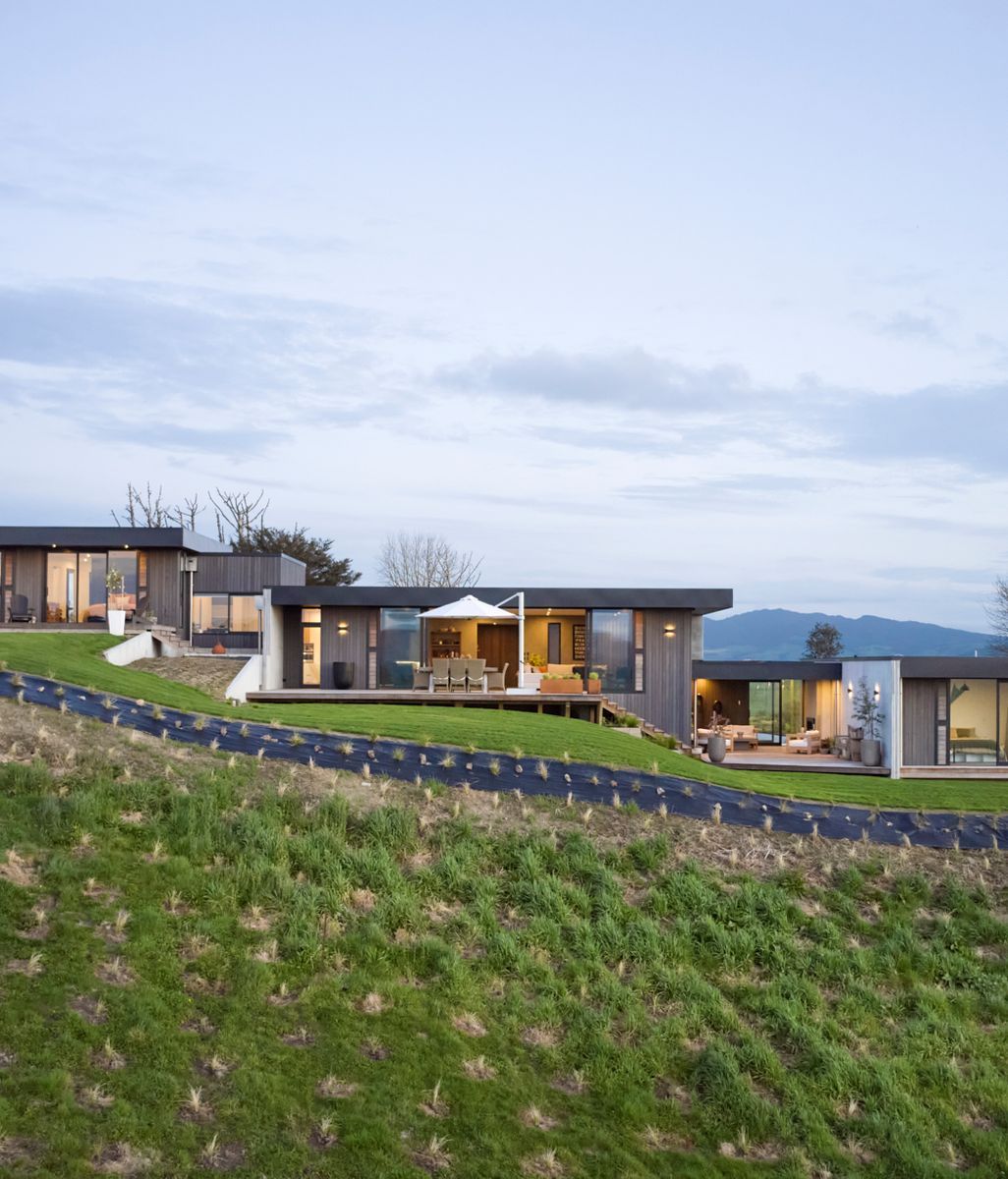
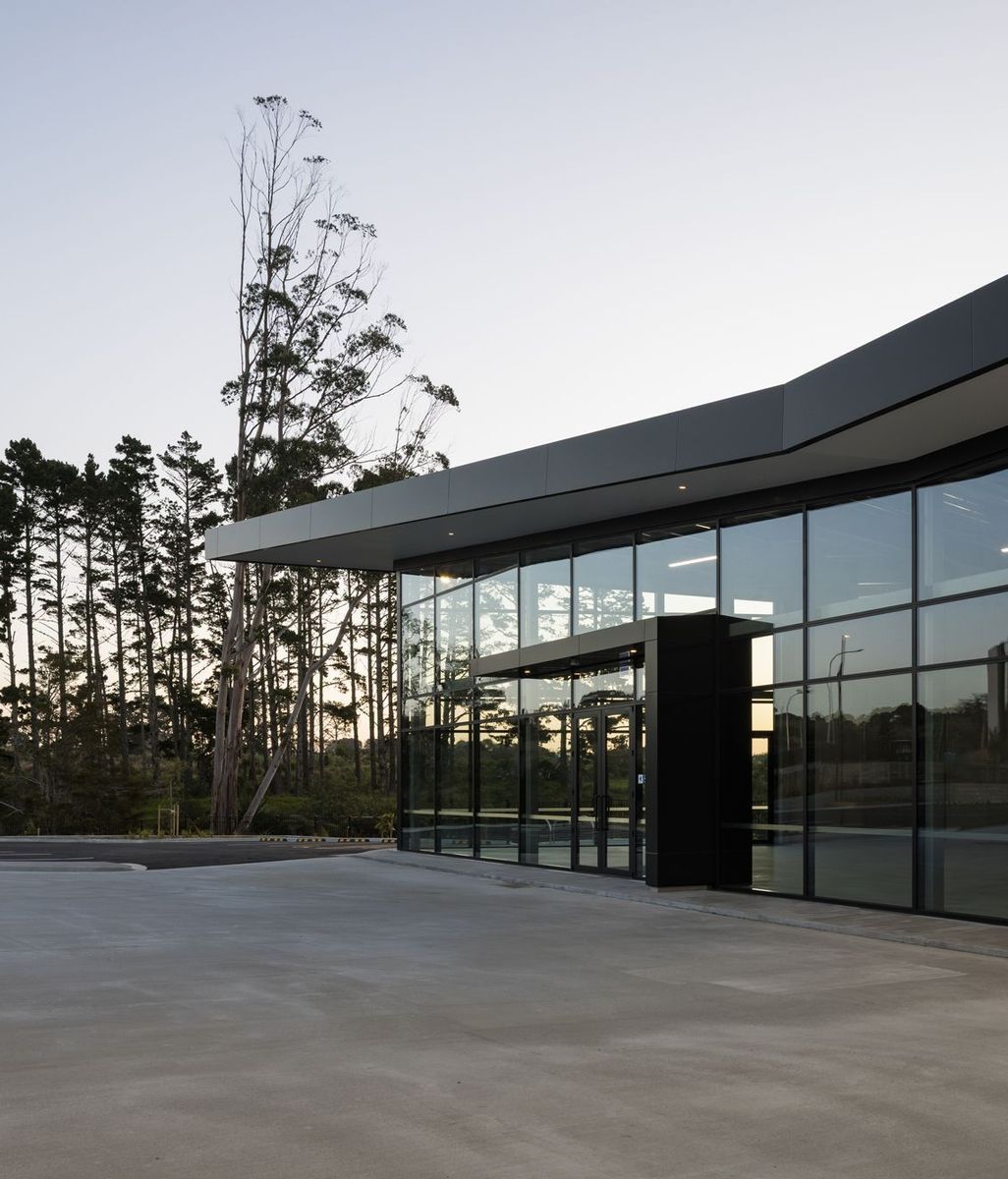
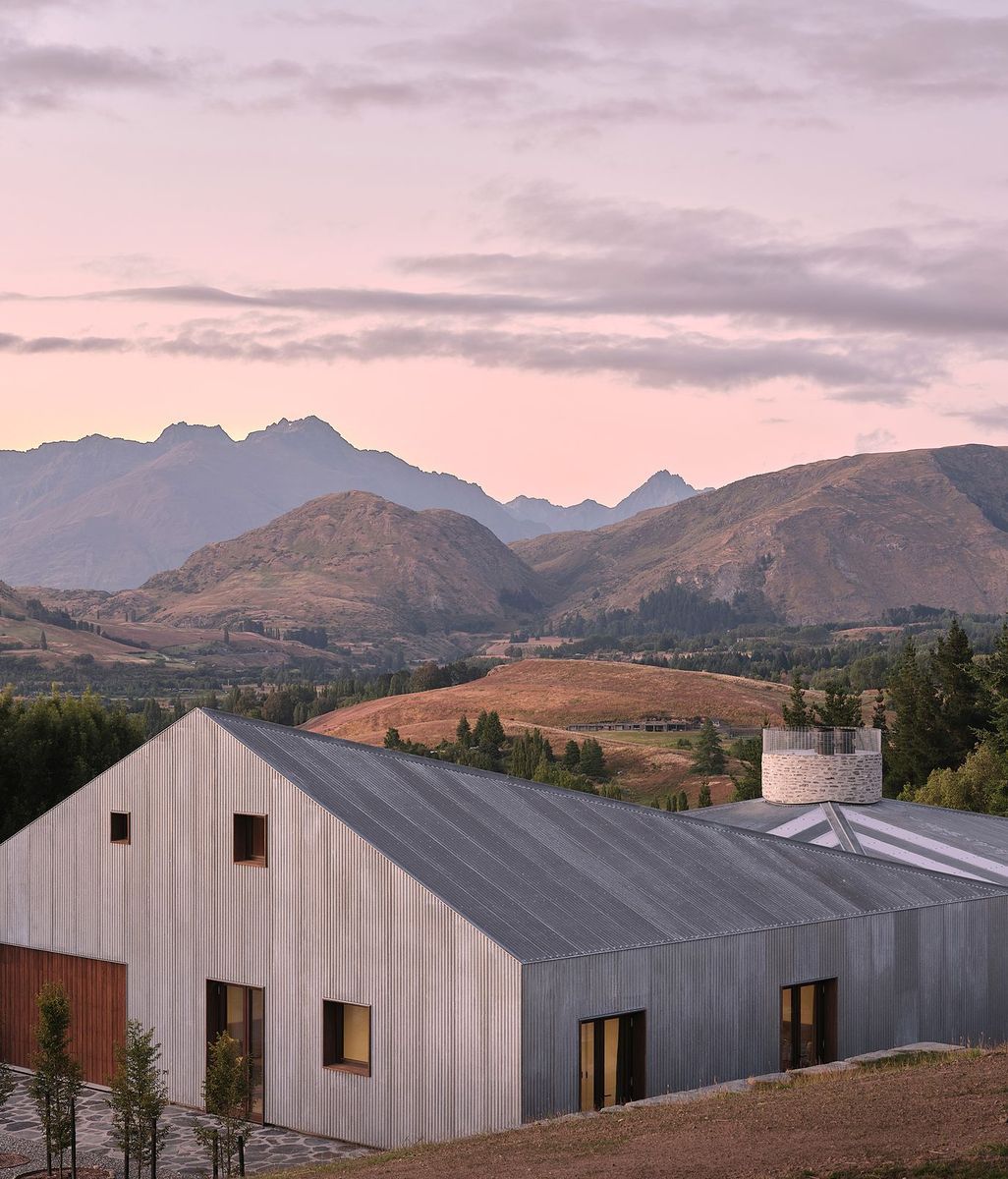
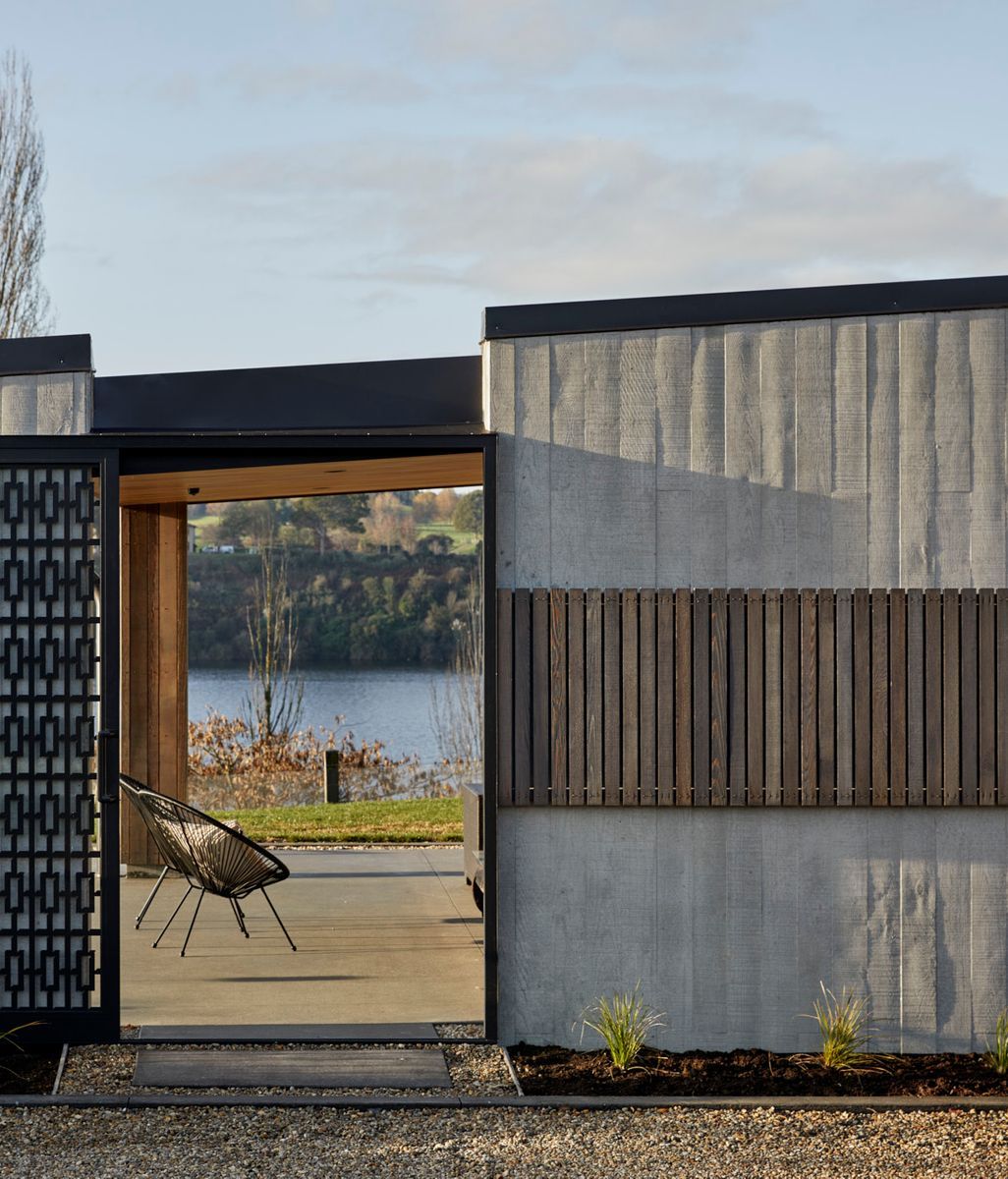
Some buildings have something special you can’t put your finger on. The proportions are right, the details are well-resolved, and the building looks natural in its context. Buildings like these are an exercise in architectural clarity, with a style and form that doesn’t confuse the onlooker. But designing homes that are easy to read is more complex than you’d think. Architect Luke Moloney says when creating a home from scratch, there are several key things to consider to ensure it looks like it’s meant to be there.
“When we design, we think first about an environmental response. That's tightly connected to the questions: Why are we doing this and who is it for?” shares Luke. “That contextual response can come in the first few seconds, or it can take a while and you have to work at it, but at the end, ideally you're able to stand in a house when it's done and think, ‘That's why we designed it this way and it makes sense’.”
In combination with making design choices that respond to the client’s brief, architectural clarity comes from getting the proportions of the home right, as this is one of the key aspects of a design that makes a building look natural in its context.


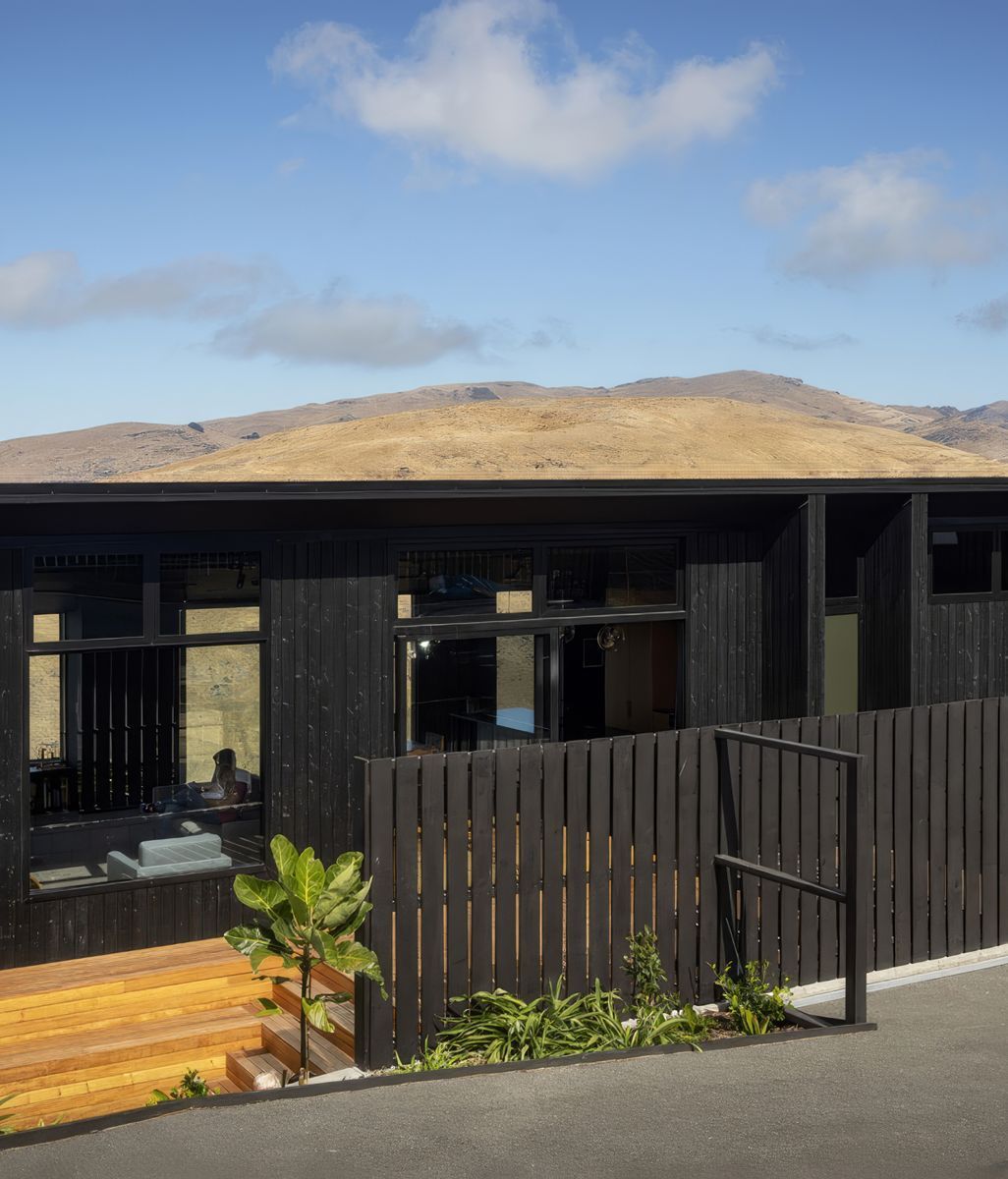
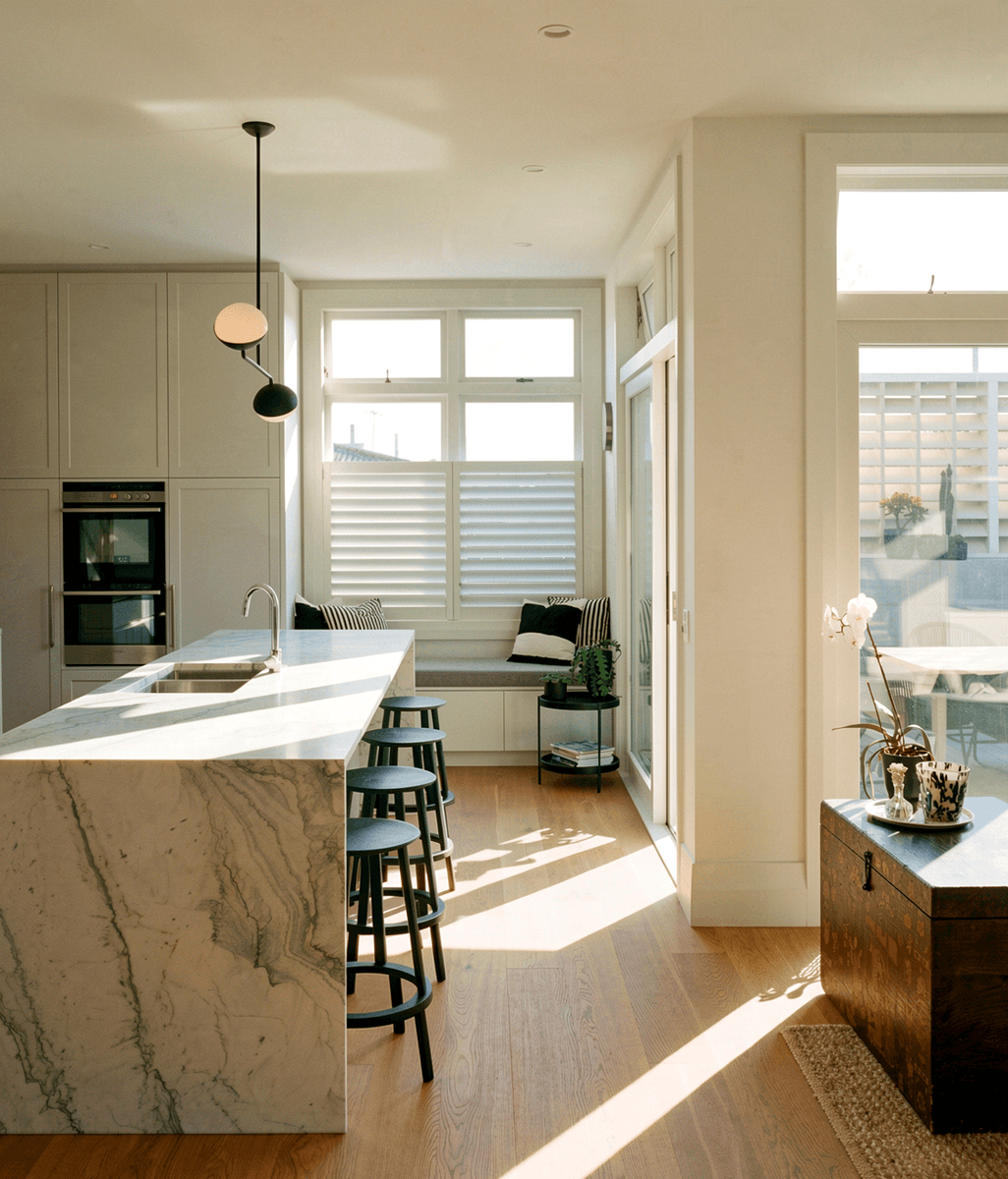
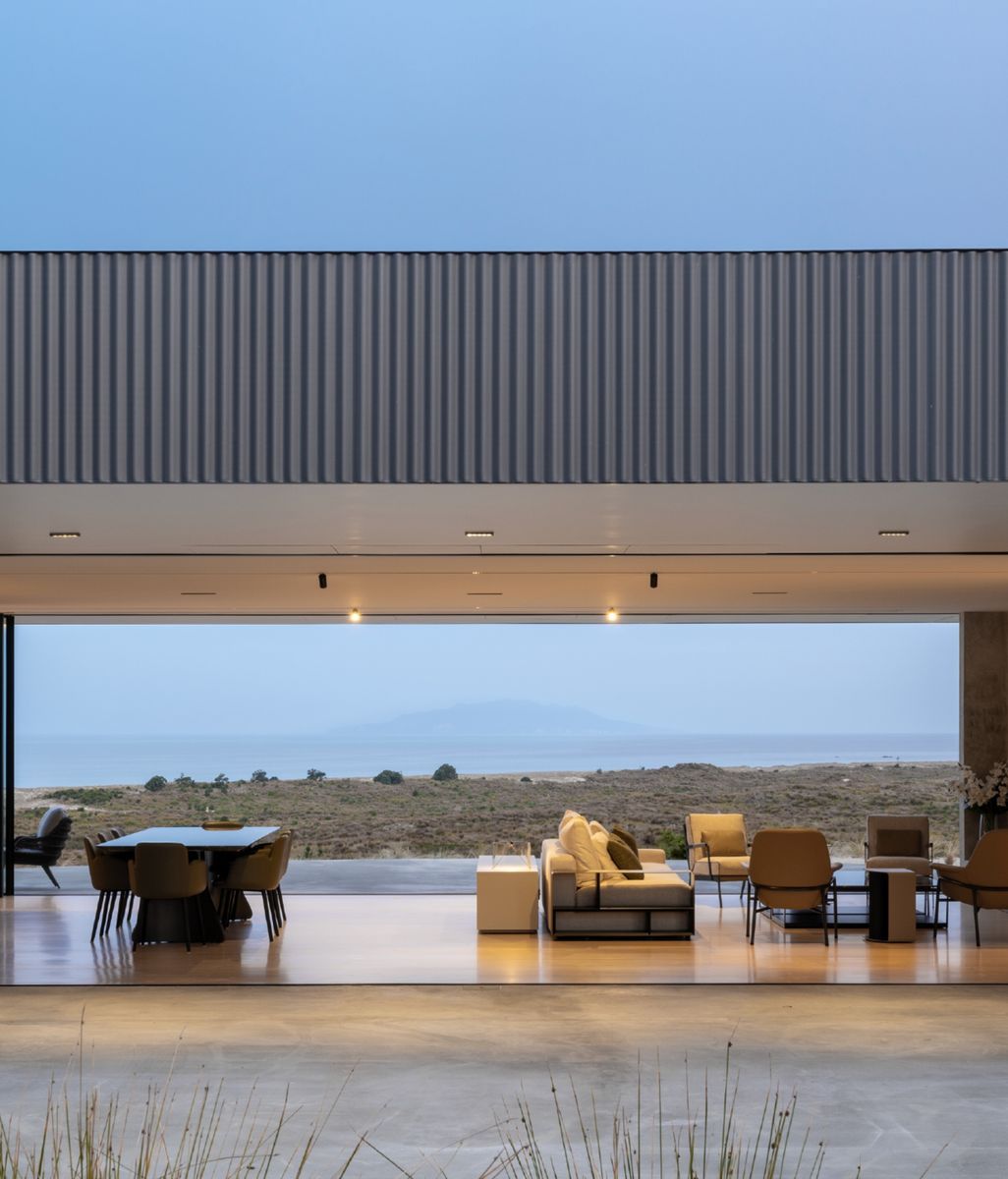
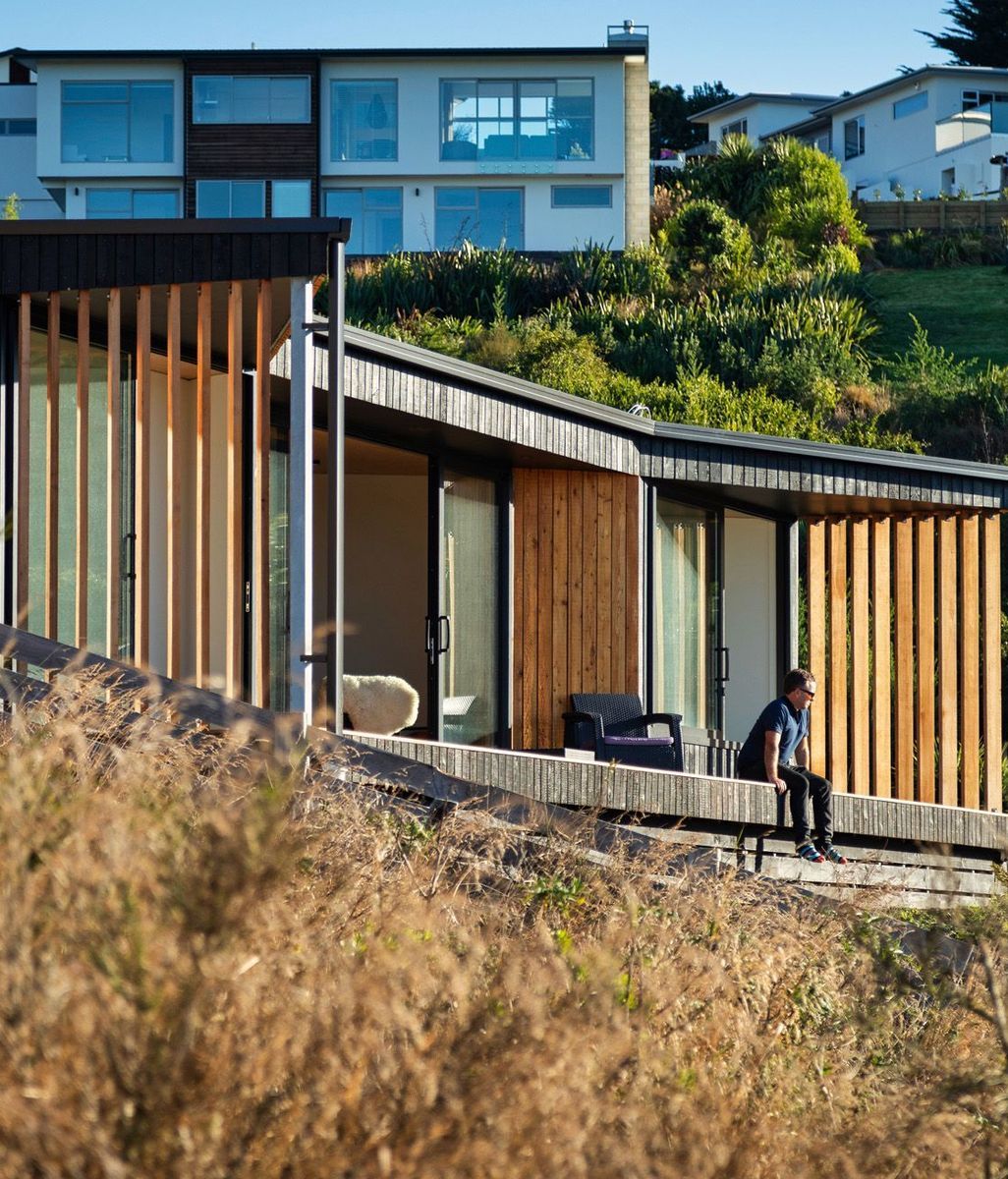
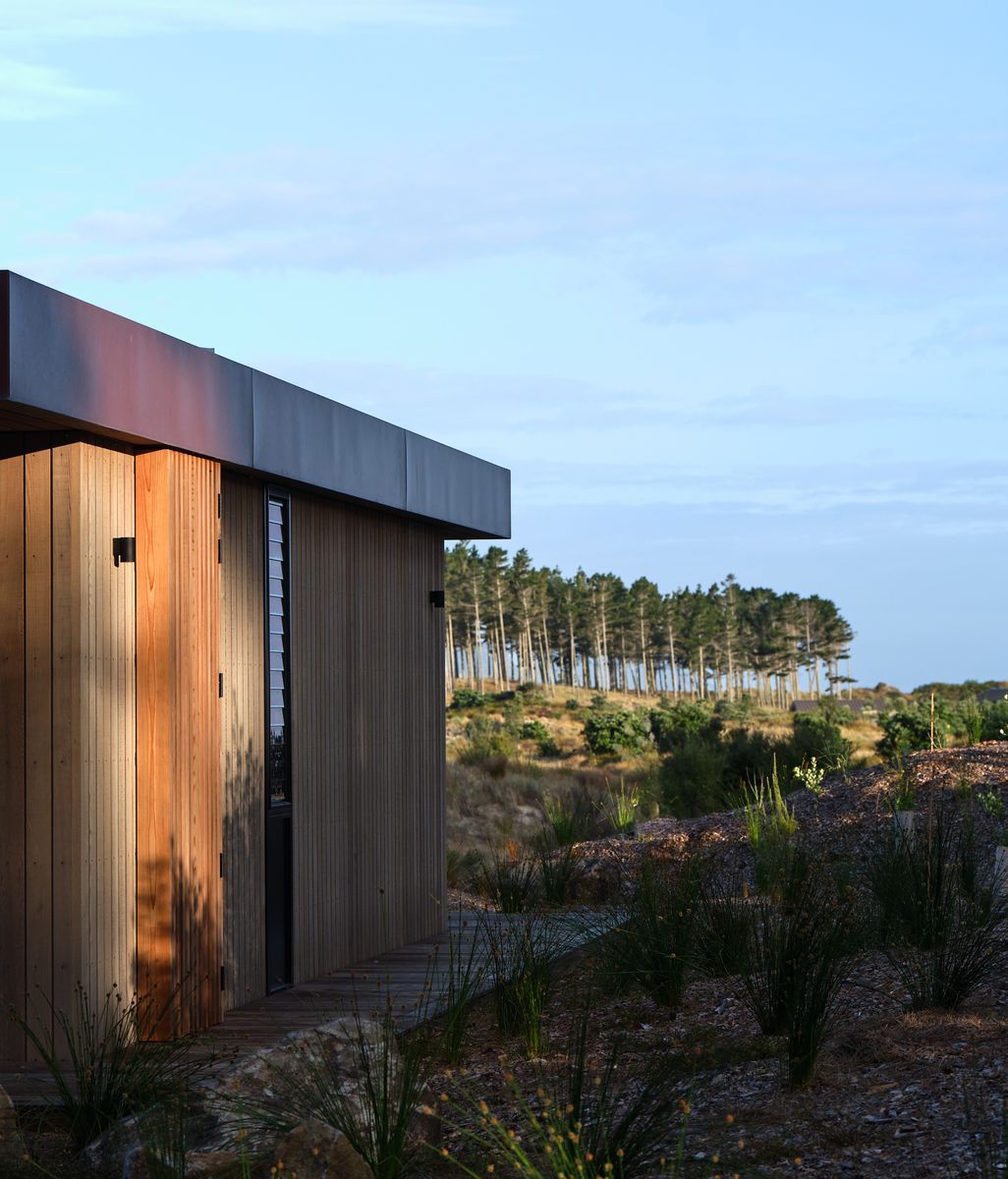
Currently, Luke Moloney Architecture is creating two very different home designs in different locations, each with a strong contextual influence that has a direct impact on the proportions of the home. The first is a beach house on the South Coast in a town that predominantly features beach shacks. In response, the design references a similar single-level typology. In contrast, the other home, a renovation, is located in an affluent Sydney neighbourhood amidst grand old homes.
“We're doing something pretty traditional there, different to what we usually do,” shares Luke. “Though the approach to proportions, siting, how it responds to place, how it gets the light in—those are all there."
It’s not about creating something loud, but rather something that “beds in” to the neighbourhood, he advises.
“What we try to do is design buildings that are quiet. If you walked past maybe you wouldn’t notice them, but closer inspection might reveal something of quality.”
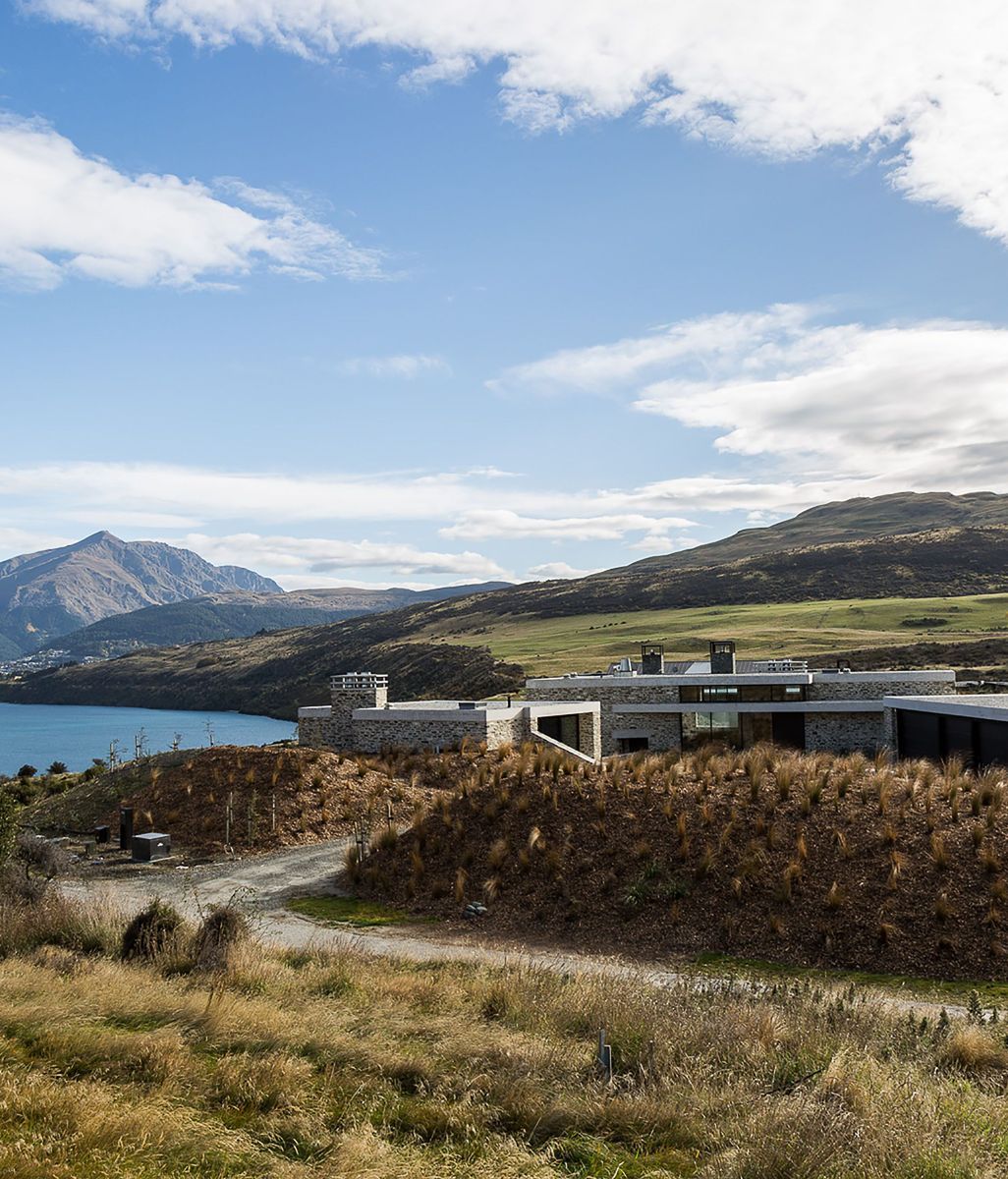
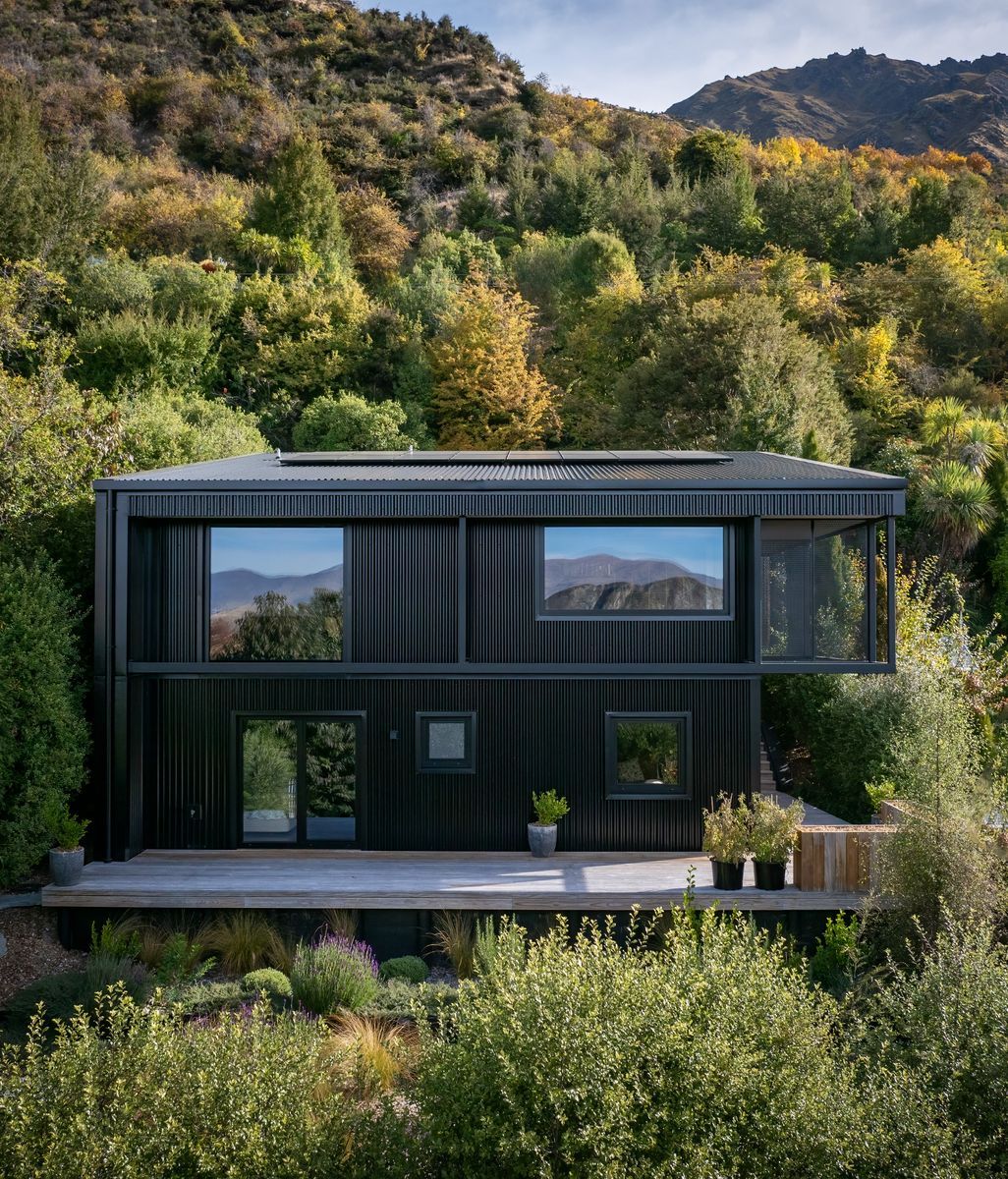
Aside from making design choices that respond to the local architectural vernacular, architectural clarity comes when a home addresses climate-related elements at the outset.
“When a house is oriented the right way, it catches the sun, gets breeze through in summer, and keeps warm in winter,” shares Luke. “If you take those basic steps, you don't have to turn the lights on all the time, you’re not running the air conditioning or heating all the time because the house is doing that work for you with its own bones.”

How to achieve emotional resonance through simplicity
“You feel different in a well-designed space,” says Luke. “It’s a real thing.”
However, he believes creating an emotional response to architecture has more to do with carefully thought-out, logical design decisions than with overtly trying to engender an emotional response.
“I think you can create emotional resonance with architecture. If, for example, you’ve designed a room where the proportions are pleasing, where you've got a window that looks out onto a garden, and you're not overlaying the architecture with unnecessary detail, it gives you room to breathe and experience the architecture in a connected way.”
Refining a design is essential to creating this logic-driven simplicity, but knowing when a design has reached the point of clarity is important. For Luke, when the big decisions have been made, the orientation has been decided, the climate-related performance aspects have been addressed, and the proportions and layout have taken shape around the context, that’s when the design has reached that point of ‘enough’.
“I find you can burn a lot of time fretting over fine details like paint colours or taps. I've done this myself in the past! But these days, I think if the big moves have been taken well, then you can't go wrong.”