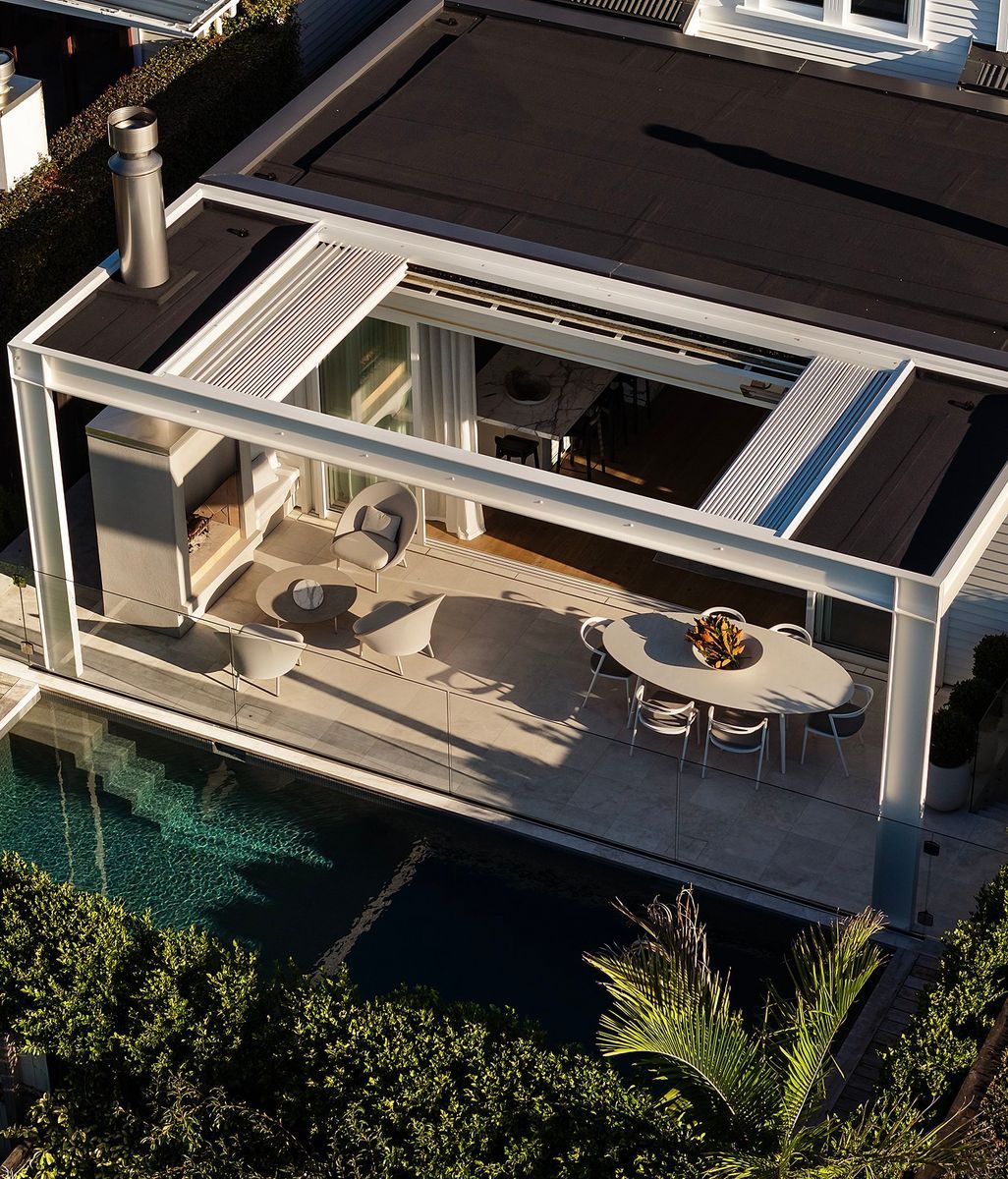
Designing out ‘dead’ zones: Planning moves that transform a home

Written by

23 November 2025

 • 

6 min read

Image credit: Good One Agency
From side courtyards to smart stair placement, simple design moves can unlock the hidden potential in even the tightest suburban sites.
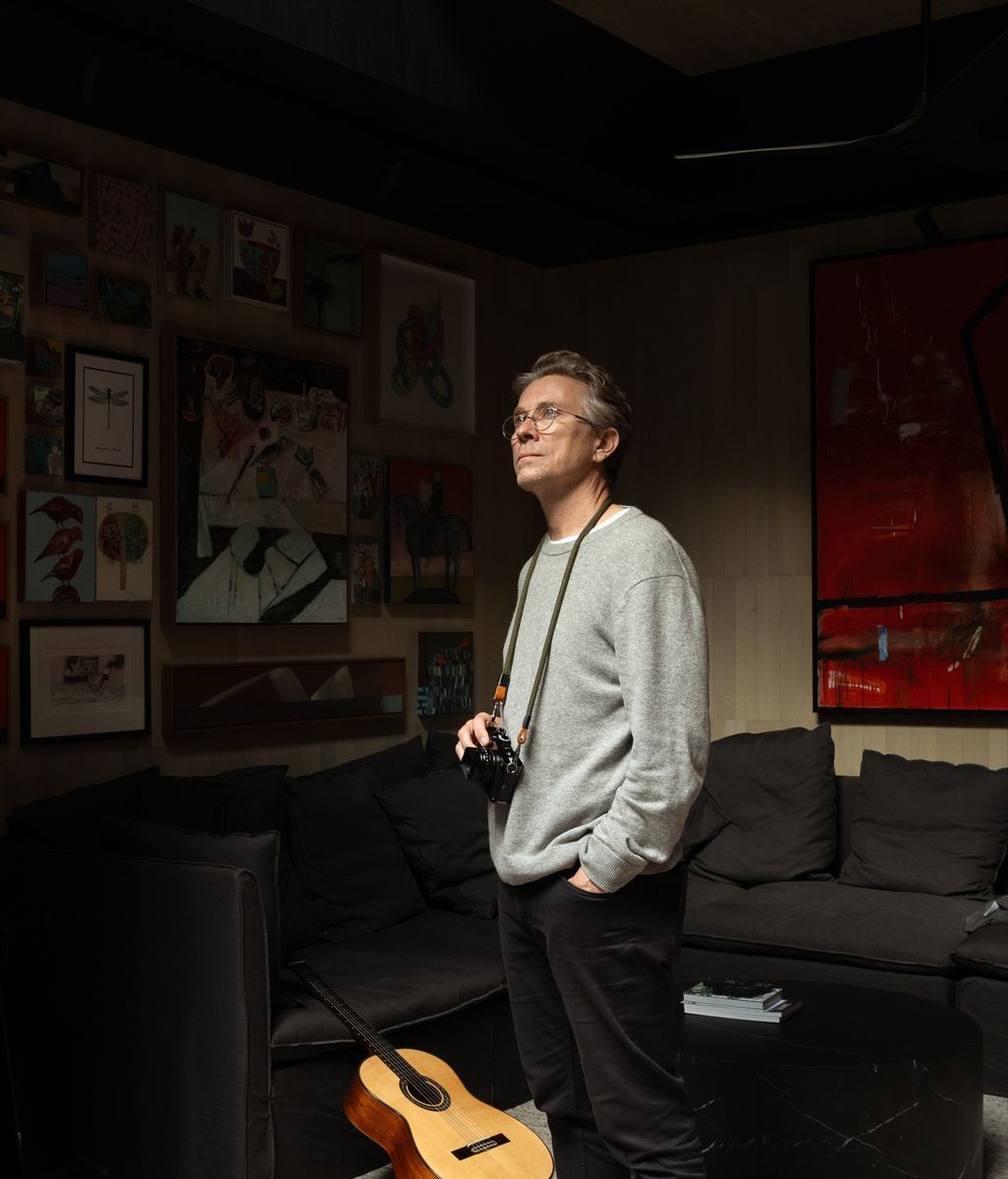
Architect Mark Alves.

Every home has spaces that sit on the edge of usefulness. The internal pockets that never catch the sun, the leftover corners where circulation chews through precious square metres and the central zones that feel more like caves than rooms. These dead spaces are rarely intentional; they emerge from tight boundaries, awkward footprints and the ever-tricky dance between the needs of the client and the available footprint. Left unaddressed, they lessen the quality of a home and disconnect people from light, air and each other.
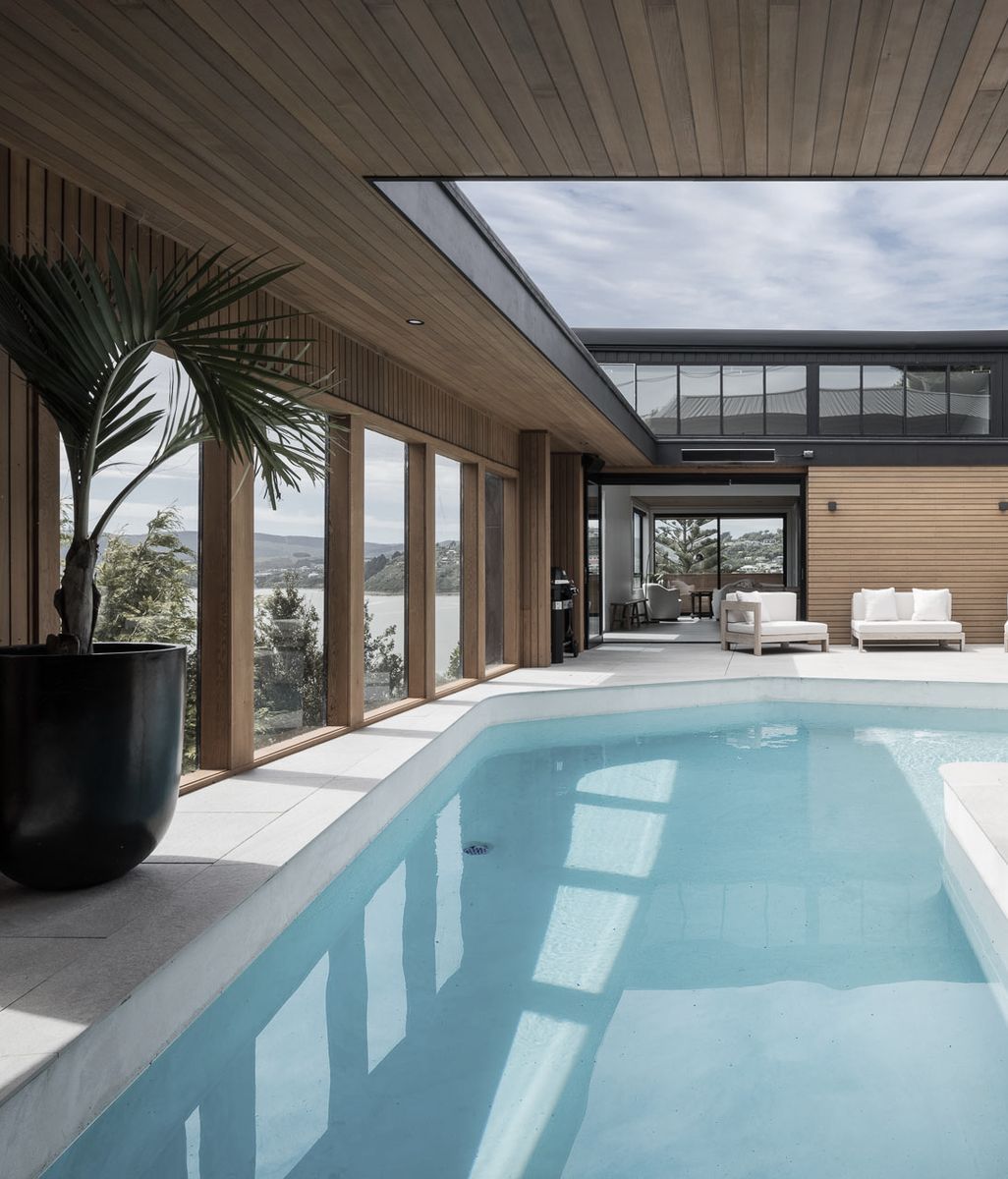
For architect Mark Alves of Map Architects, how a home is organised on paper determines whether its spaces feel alive or vacant, intimate or overwhelming, and it is in the earliest stages of planning that he looks for every opportunity to shape the space to maximise its useability.

To get a full picture of what is required within the layout, he investigates both the client’s needs and the opportunities and challenges of the site. 

“First, we ask a series of questions to try and understand how they live their day-to-day life,” Mark shares. “Every site dictates the plan in its own way, so we then look at the physical context: orientation, sunlight, views and unsightly neighbours all play into where walls are placed and how rooms connect.”

Once there is an understanding of the parameters of the home’s form, any potential ‘dead’ spaces (spots that don’t get sunlight or aren’t facilitating any use within the footprint) are addressed. These could be corners that feel disconnected from the rest of the house, internal pockets that never see the sun or circulation spaces that aren’t strictly necessary. 

Some house shapes create more dead space than others, shares Mark. “Square floor plans are really difficult, because we always end up with a dead spot in the middle that has no connection to the external.”

But dead spaces also present an opportunity. With thoughtful planning, they can become circulation anchors, green pockets or compact service zones that bring light and purpose into parts of the home that would otherwise sit dormant.

GGbyrne011-re.jpg

Stairs as space makers


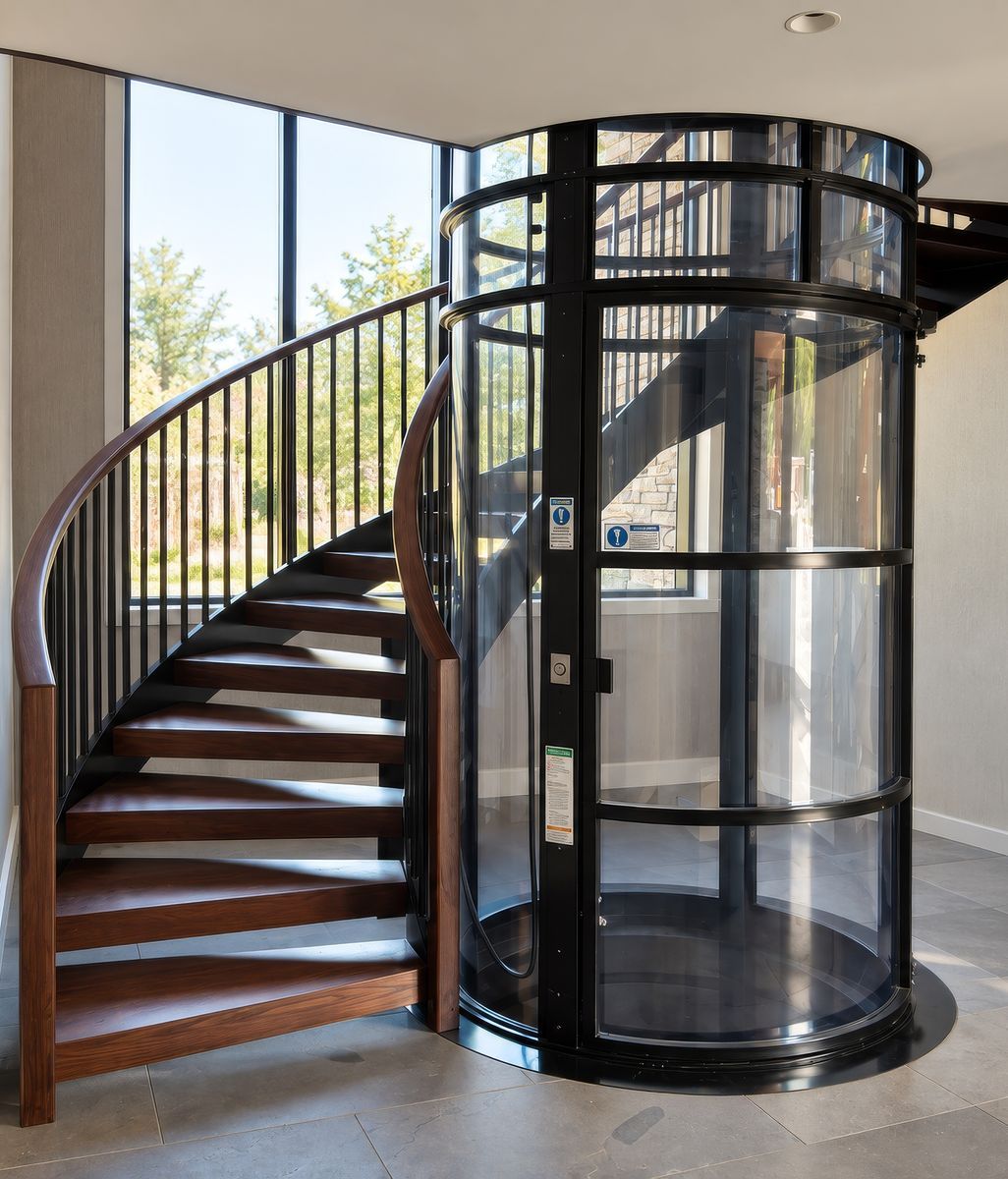
Vertical circulation is one of the most powerful tools for reclaiming these internal voids. Stairs are often pushed to the edge of the plan to free up space for rooms, but Mark encourages clients to consider the opposite. By placing the staircase centrally, it can fill what would otherwise be a dark internal zone. 

“We often use the stairs to activate a dead internal space that is completely unattached to any external wall,” he says

On constrained sites, the position of the stairs can also reshape the volume of the whole building. For long narrow blocks the team will often design a square stair zone to counterbalance the length. This helps compact the circulation and opens up more flexibility for the arrangement of living spaces.


Side courtyards and the reclaimed metre


In many suburban settings, the side setback is considered wasted land. It exists only because the planning rules insist on it. It’s a place to wheel bins through to the backyard and little else. But Mark sees this as one of the biggest missed opportunities; by carving out a slim courtyard and bringing glazing to its edge, this metre-wide gap becomes a light source, a green spine or a tiny sitting nook. 

“We love putting in courtyards down the side of the house,” he shares. “A space that previously would have been dead is now active because of the introduction of a courtyard where you could have your morning coffee or just enjoy a nice outlook.” 

This simple shift can transform the feeling of internal rooms and reduce reliance on skylights, which Mark avoids unless absolutely necessary. 

“Skylights are great, but I think they are a secondary option. I'd much rather have external glazing on a vertical surface because it offers a stronger connection with the site.” 

In tight urban environments where neighbours loom close, another great option is an internal courtyard, which can unlock daylight while preserving privacy. It can bring light into central spaces and create a connection with the outdoors, even at the very centre of a square-shaped plan.


Reconfiguring existing plans


Having an architect review a plan for dead or inefficient use of space is a great way to unlock or extend the useability of a home. Recently, Mark reviewed an approved design for a client who had purchased a block with planning already in place. By making small internal shifts, he found space for an extra bedroom and more generous walk-in robes. 

“Just a simple reconfiguration of the internal floor plan meant we could get in another bedroom, which makes a big difference to the home.” 

This type of review can uncover considerable value without increasing the building footprint.

Open plan that still feels human


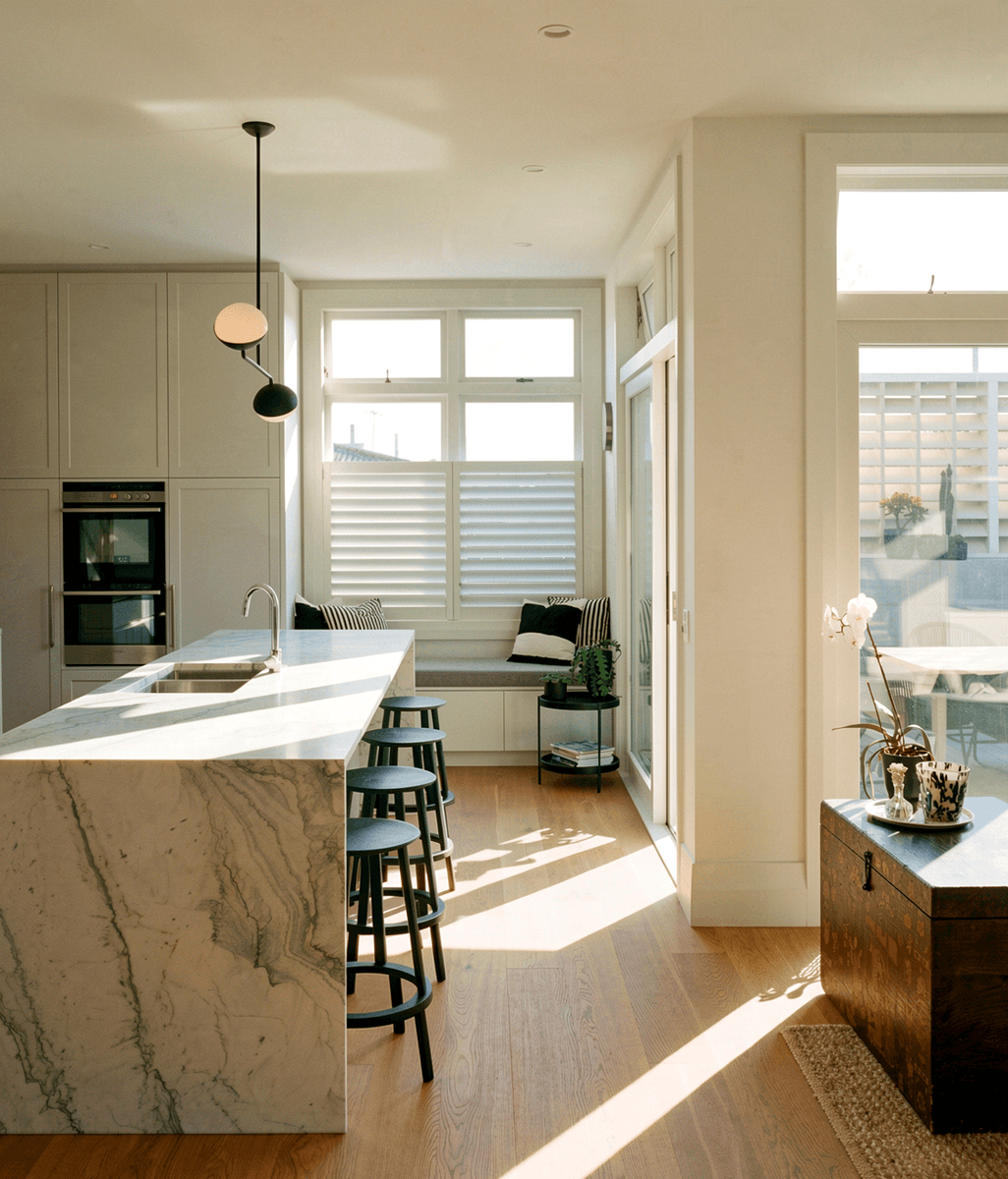
Another area where people often lose space is in open-plan kitchen/living/dining spaces. Many families ask for open-plan living but Mark approaches the concept with caution. Large singular spaces often feel out of scale and can make everyday conversation difficult. His preference is for visual separation that supports flexibility while retaining connection. 

“We visually separate them with a piece of joinery or a fireplace in between the two spaces, so there's still one space, but it is disconnected visually rather than structurally.”

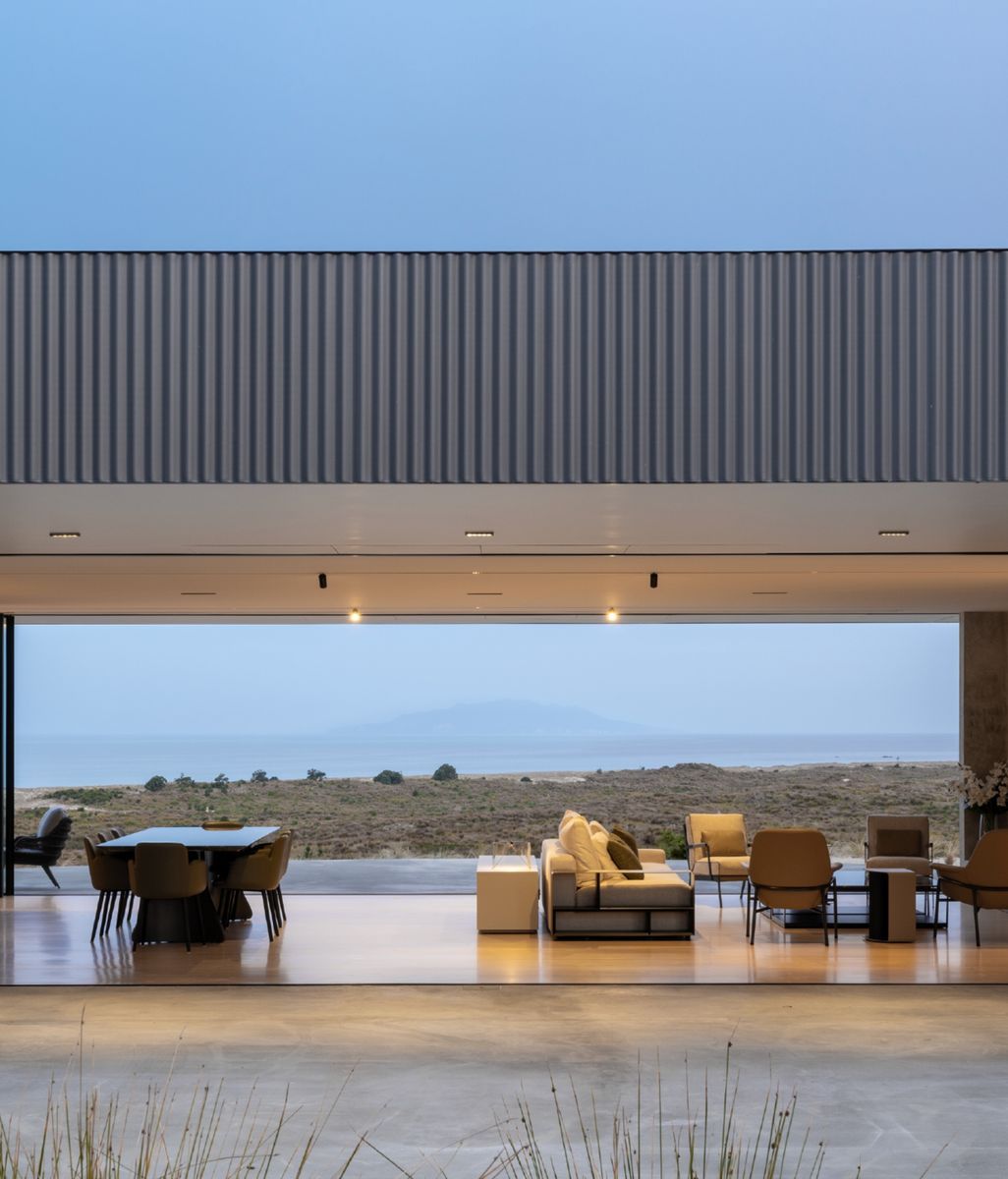
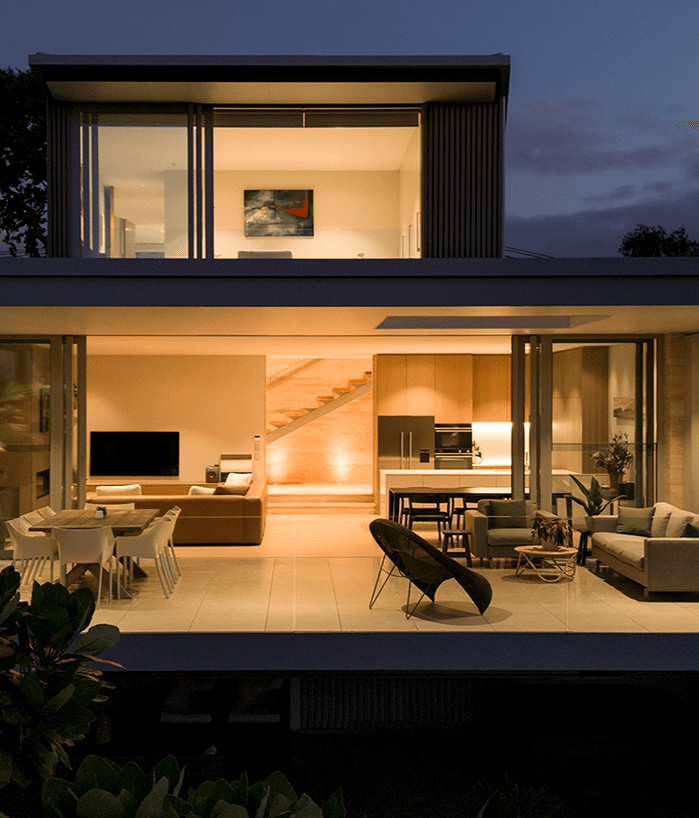
He often uses courtyards in the same way. A living room and dining room can sit across a planted void, linked by sliding doors when entertaining. Each space has its own identity and still forms part of a larger whole.

For Mark, the layout of a home is deeply personal. “People live very differently. So the plan, just like the facade, is an expression of us as the architect and the client's particular wants and needs.”

Activating dead spaces is not about squeezing every square metre out of the footprint, but about revealing the potential and turning it into useable space.