From circular façades to glass as art: ArchiPro brands recognised at the 2026 WGANZ Awards
Written by
12 July 2026
•
4 min read

Once treated primarily as a means of admitting light or framing a view, glazing is increasingly carrying a far more complex architectural load. It is shaping environmental performance, supporting the renewal of heritage buildings, improving accessibility and giving cultural narratives a physical presence within the building envelope.
This evolution was evident at the 2026 Window & Glass Association New Zealand Awards, where ArchiPro brands Woods Glass, Raylight Aluminium, Metro Performance Glass and Nebulite Taranaki were recognised across commercial, residential, sustainability and artistic categories. The awards were presented in Christchurch on 19 June.
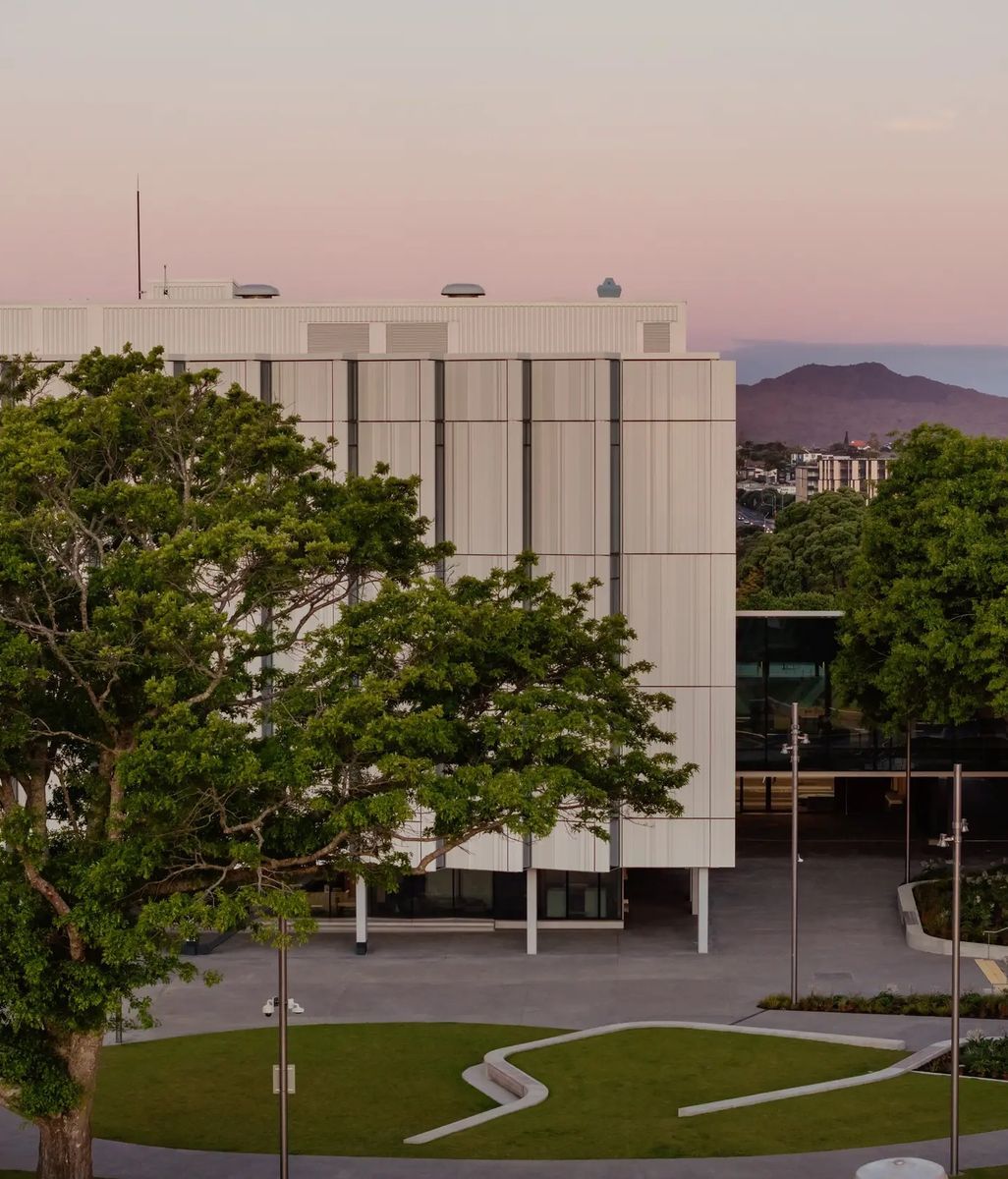
Woods Glass received one of the programme’s two Supreme Awards for its work on Massey University’s School of Veterinary Science. The project also won the Commercial North Island Design Award.
Custom-printed, high-performance glazing gives the building its distinctive yellow façade, creating an envelope that operates simultaneously as an environmental system and an expression of identity. The judges recognised the project for bringing sustainability, performance, design and innovation together within a cohesive architectural language.
The company also received the Sustainability Award for Te Matapihi ki te Ao Nui, Wellington’s renewed central library. Alongside custom-engineered high-performance double glazing designed to reduce energy demand and optimise daylight, the project involved the careful deconstruction and full recycling of the building’s original façade glass.
It offers an important precedent for the industry. Rather than treating an existing commercial façade as demolition waste, the project demonstrates how circular thinking can be integrated into the renewal of large civic buildings.
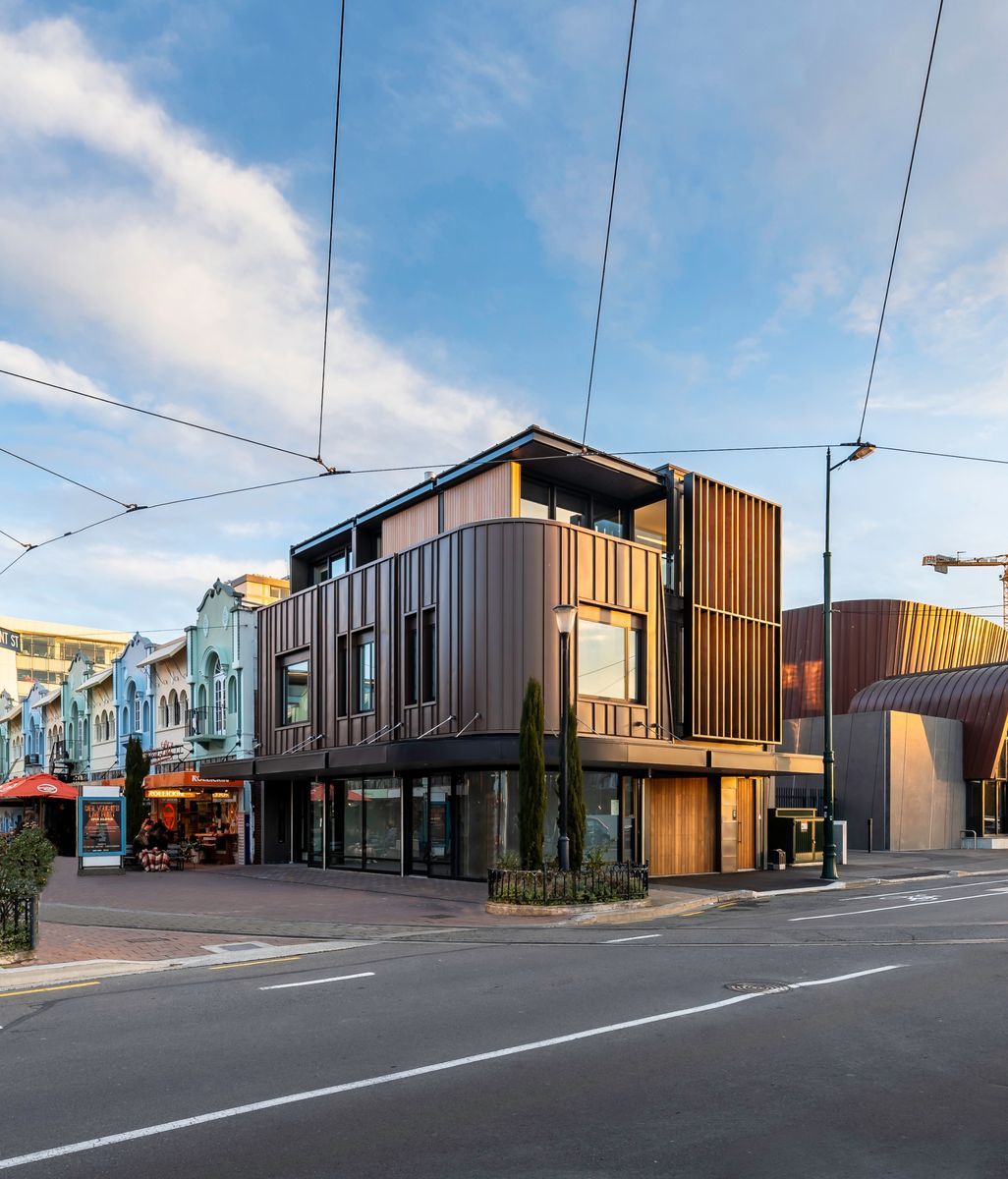
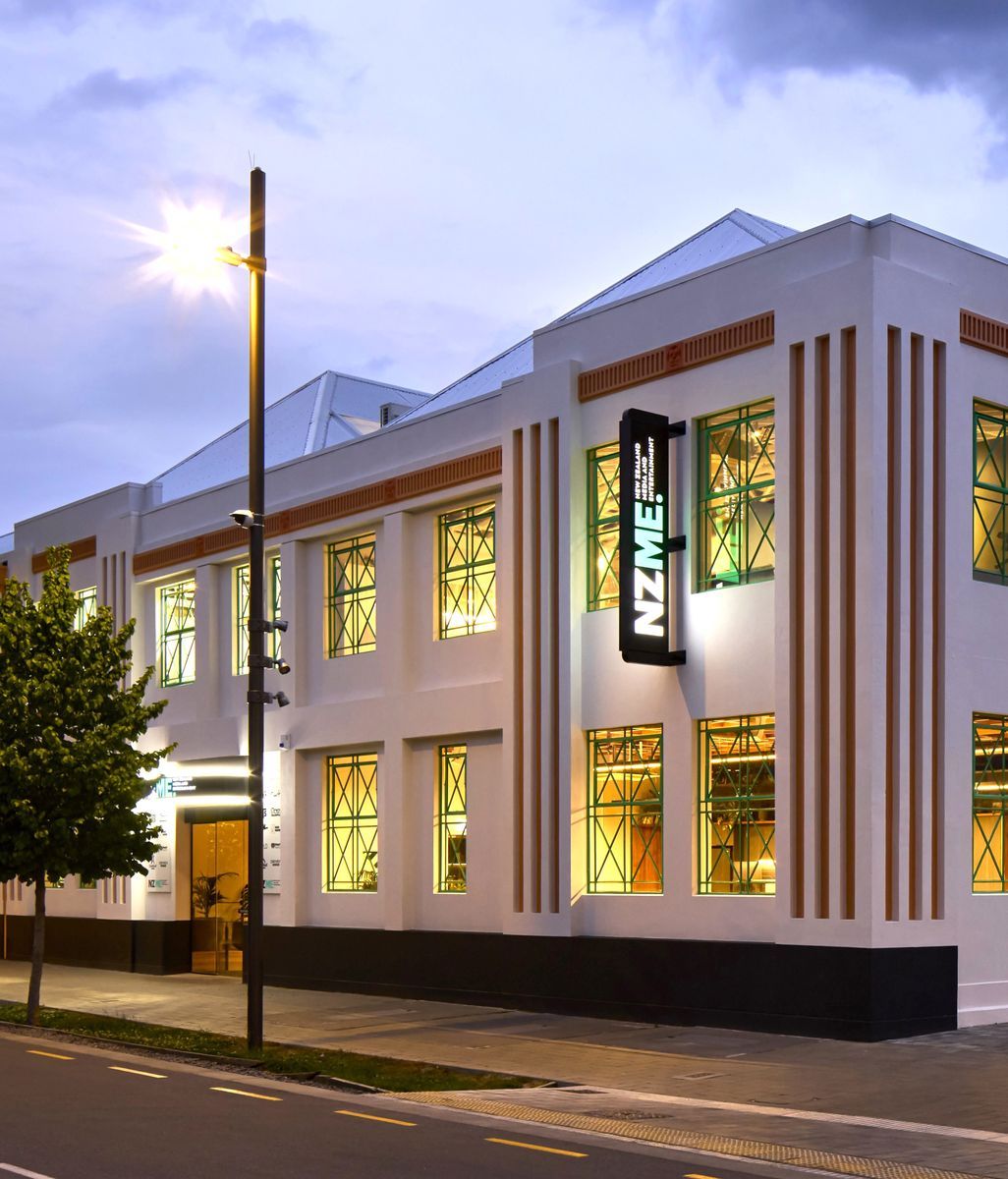
Raylight Aluminium received both a Supreme Award and the Commercial South Island Design Award for Cotters Lane in central Christchurch.
The post-earthquake adaptive reuse project required contemporary glass and aluminium elements to be carefully introduced within an existing heritage structure. Instead of competing with the building’s history, the new interventions support its continued use while meeting modern expectations of performance and precision.
The judges also recognised the project’s wider contribution to the regeneration of its surrounding precinct, positioning Cotters Lane as an example of how technically demanding restoration work can help reactivate the city around it.
Metro Performance Glass received three national awards, spanning residential, commercial and artistic applications.
At Kakariki View Residence in Christchurch, the company won Excellence in Residential Glass for a fully glazed, multi-level lift shaft positioned at the centre of the home. The installation transforms an essential accessibility feature into a defining architectural element, while meeting both elevator safety requirements and structural glass standards.
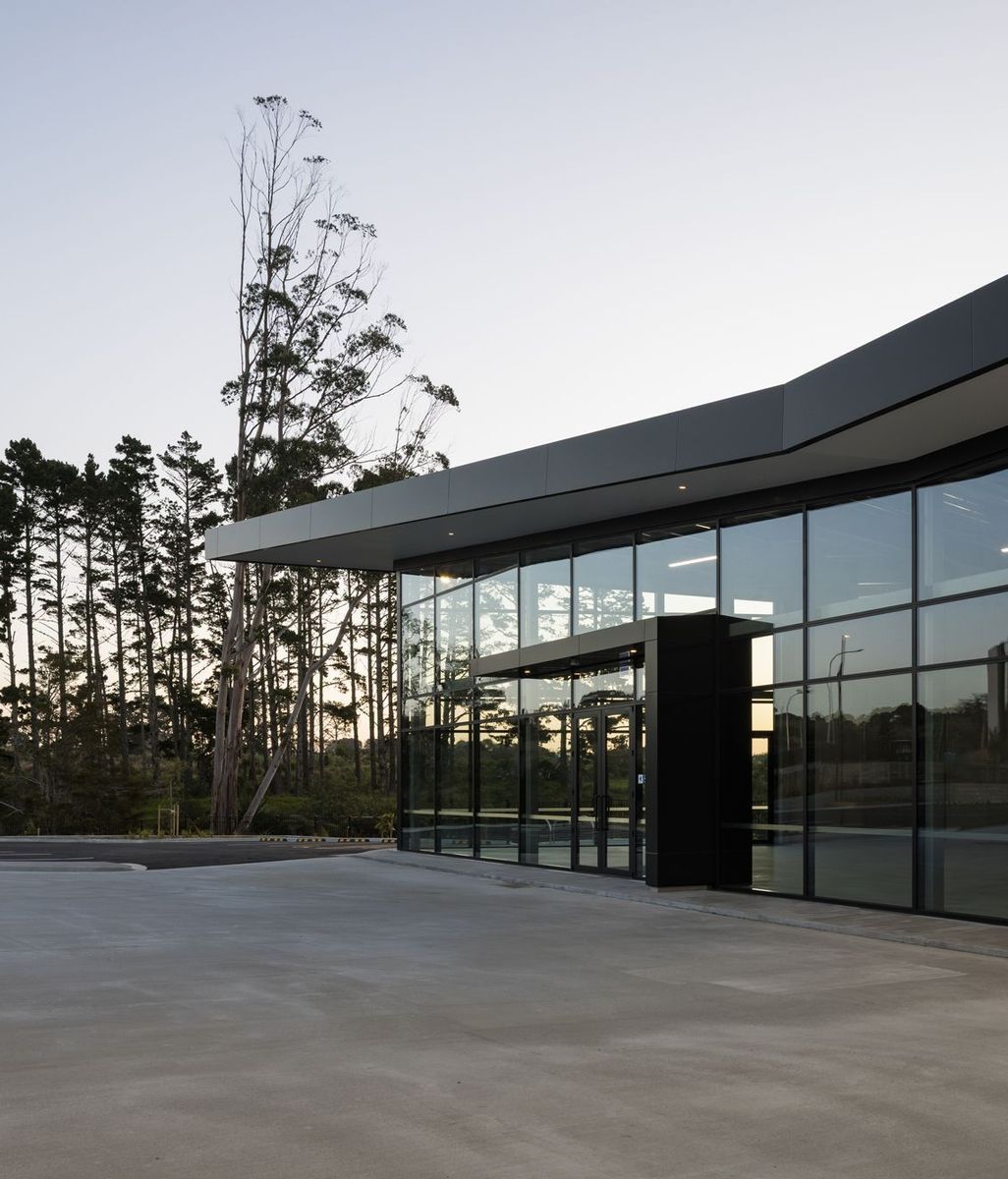
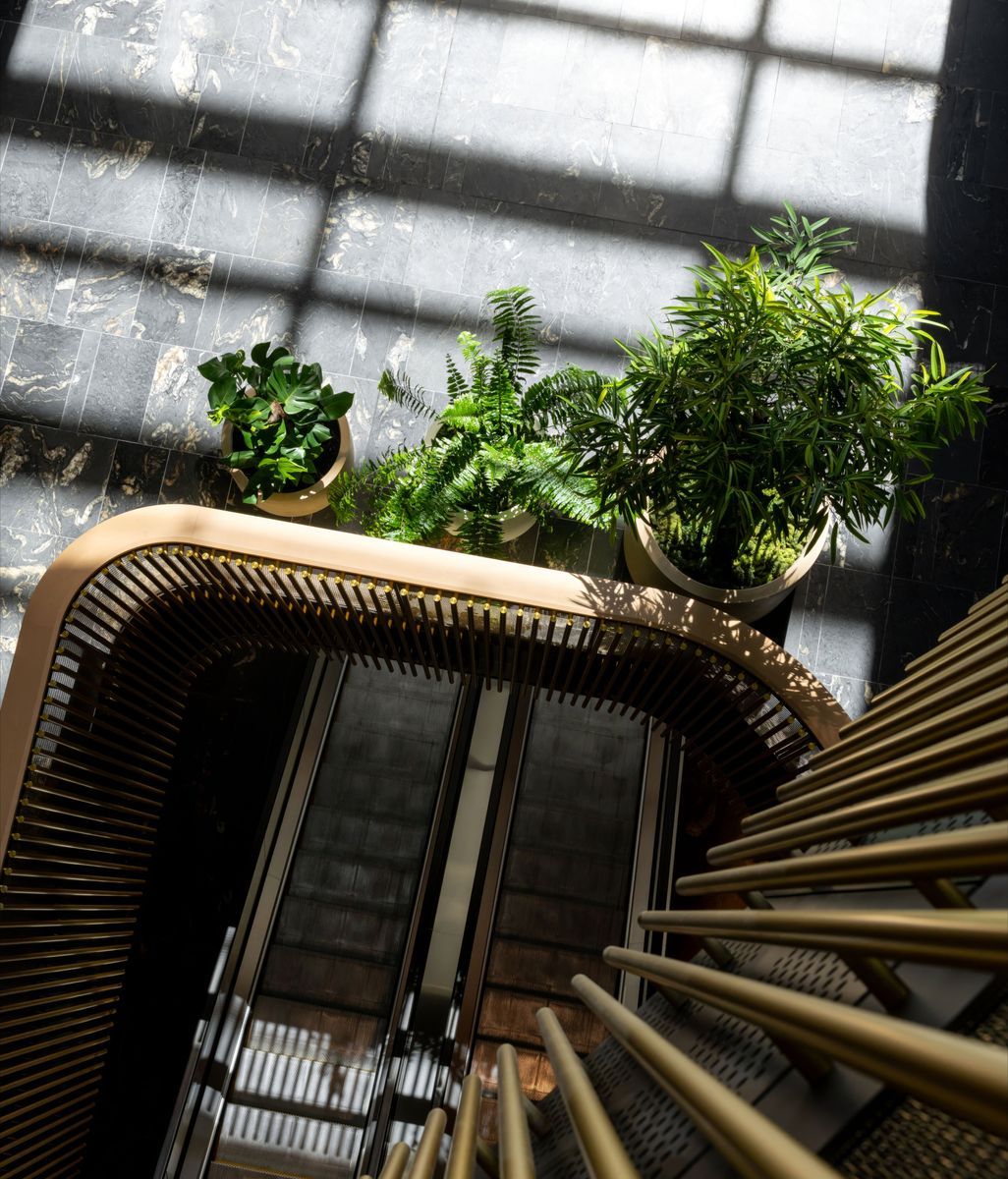
BNZ Place in Wellington received the Excellence in Commercial Glass Award. Here, glazing shapes both the exterior identity and internal experience of the workplace, from structurally glazed weather canopies and impact-resistant ground-floor façades to sweeping atrium balustrades.
Metro Performance Glass also shared the Glass as Art Award with Hagley Windows & Doors for Aonui, the Otago Regional Council’s headquarters in Dunedin. Its expansive glass façades are digitally printed with intricate pūhoro patterns developed alongside Kāi Tahu cultural experts.
The project demonstrates how façade technology can move beyond decoration to become a meaningful vehicle for architectural and cultural storytelling.
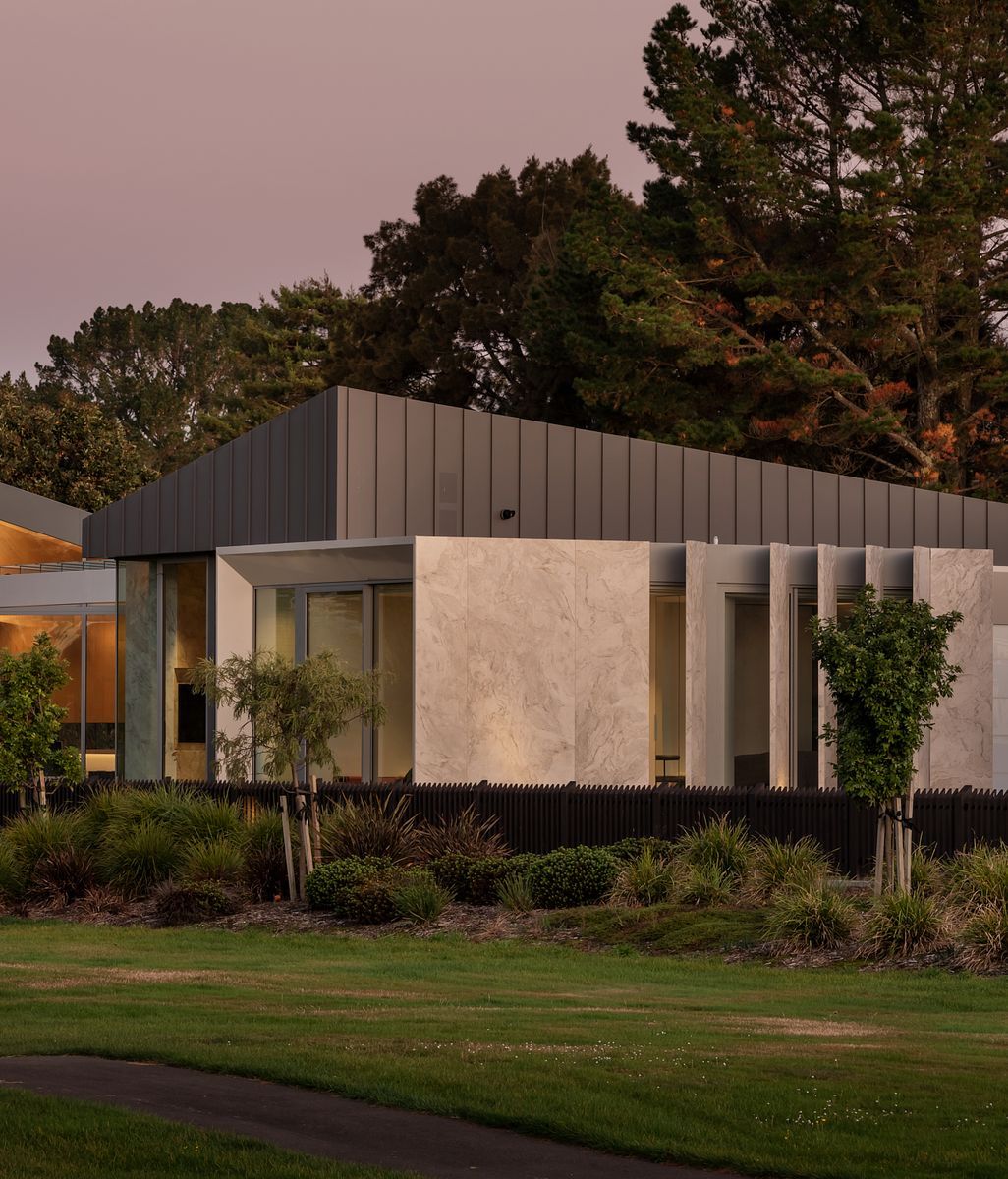
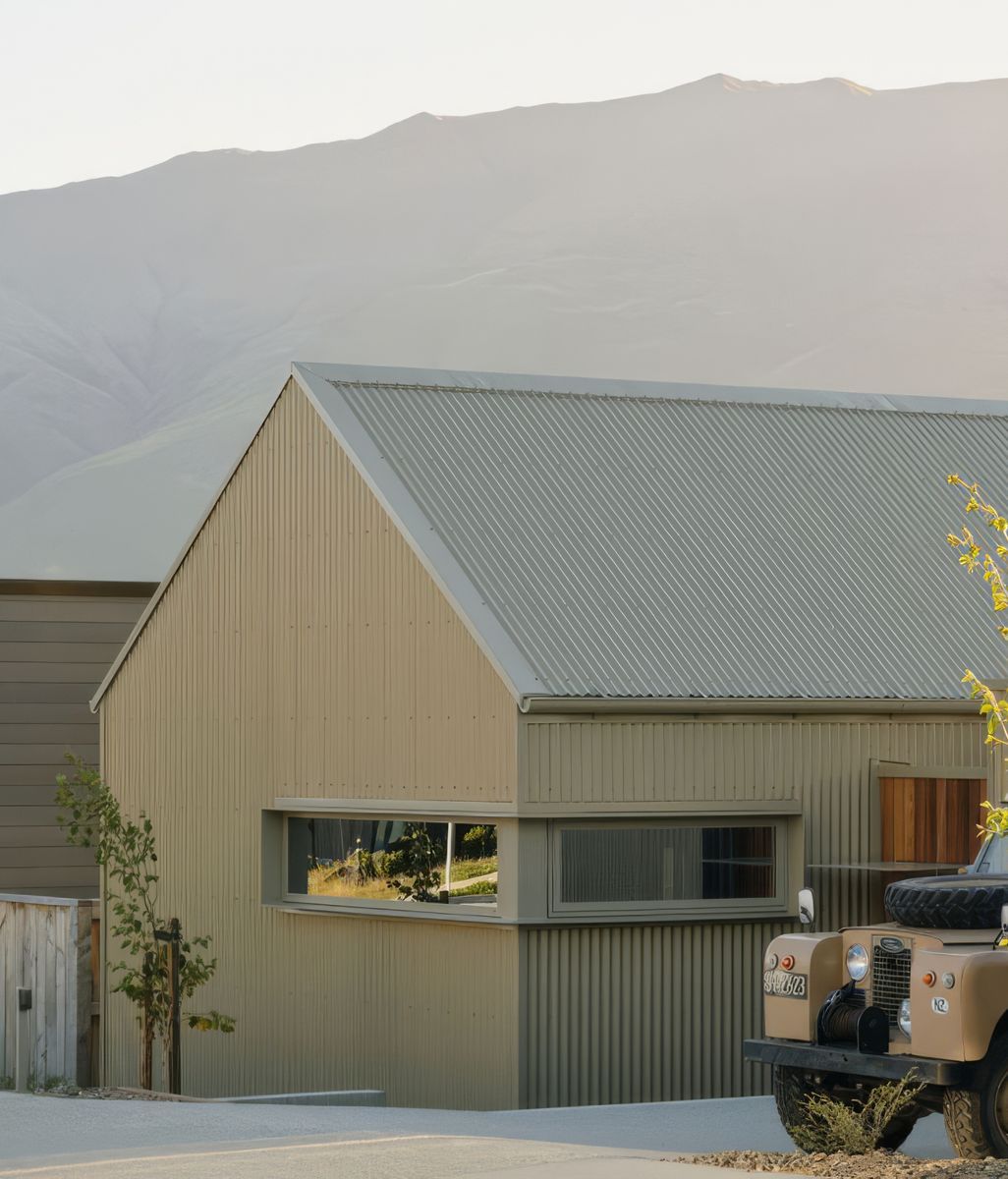
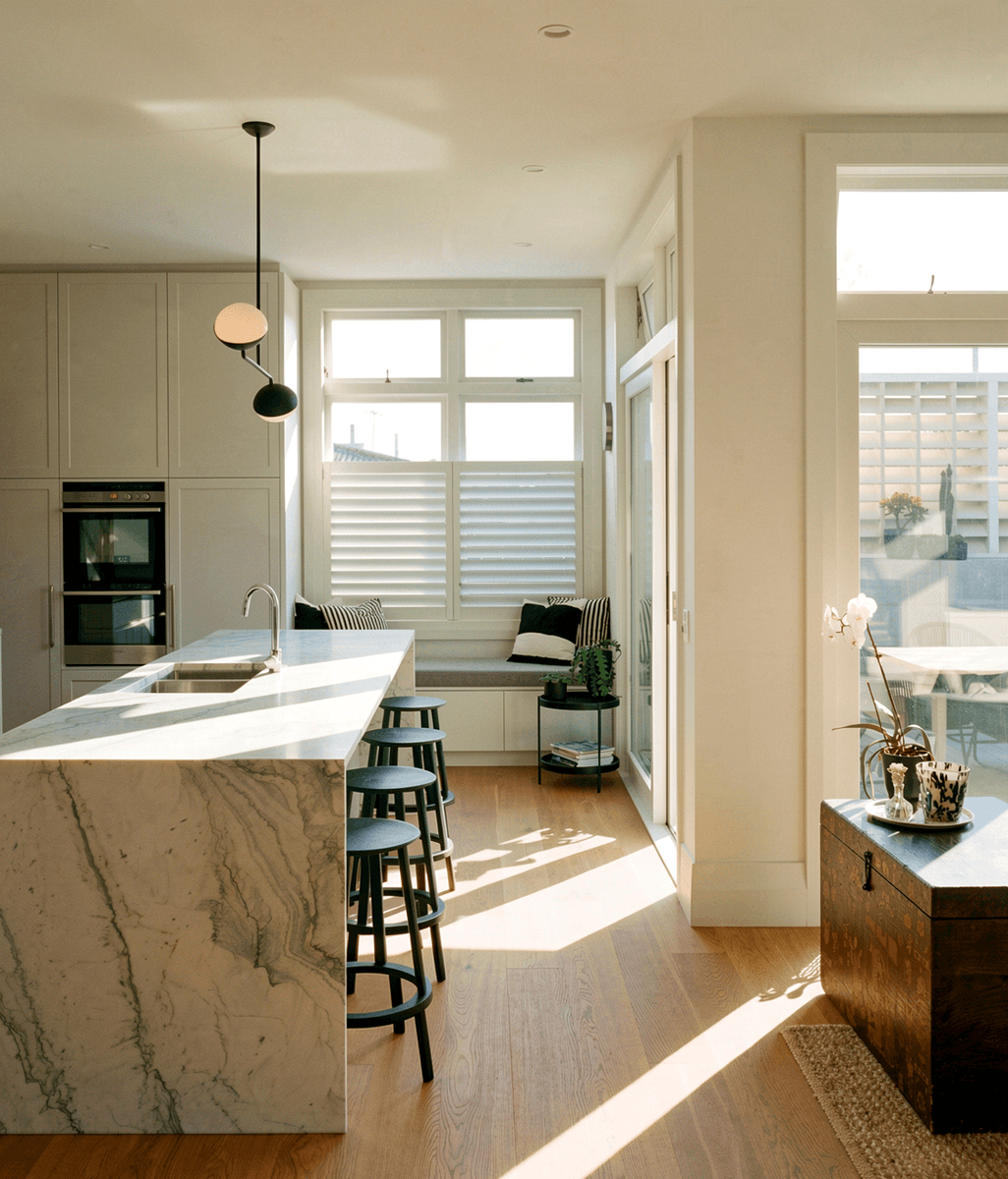
Nebulite Taranaki received the Lower North Island Residential Design Award for The House on Mill.
Developed for a constrained urban site and within a cost-conscious framework, the home uses precision joinery, bespoke aluminium shrouds, skylights and coloured glass to give its envelope a distinct architectural character.
Its success is a useful reminder that considered detailing is not limited to landmark budgets. Close collaboration between the design, build and fabrication teams can allow relatively modest projects to achieve clarity, individuality and technical resolution.
Together, this year’s winners reveal a material category undergoing significant change. Glass and aluminium are no longer passive components selected at the edge of the design process. Across these projects, they are central to how buildings perform, endure, communicate and respond to place.
Explore the products, projects and expertise of Woods Glass, Raylight Aluminium, Metro Performance Glass and Nebulite Taranaki on ArchiPro.