How to choose composite decking

Written by
10 February 2026

 • 

4 min read

banner
From a realistic timber aesthetic to climate performance and safety, here is what to consider when choosing composite decking for your home.

Composite decking has come a long way from its early, synthetic-looking origins, with today’s products offering a huge range of realistic and high-performing options for homeowners and designers to consider. 

To understand the performance and aesthetic aspects of composite decking, we spoke to Millboard’s Amanda Pook, who explains what to look for in performance and safety, while also achieving a look that elevates outdoor spaces.  


Start with realism


For many homeowners and designers, appearance is the make-or-break factor and composite decking that looks artificial can undermine even the most carefully curated outdoor design.

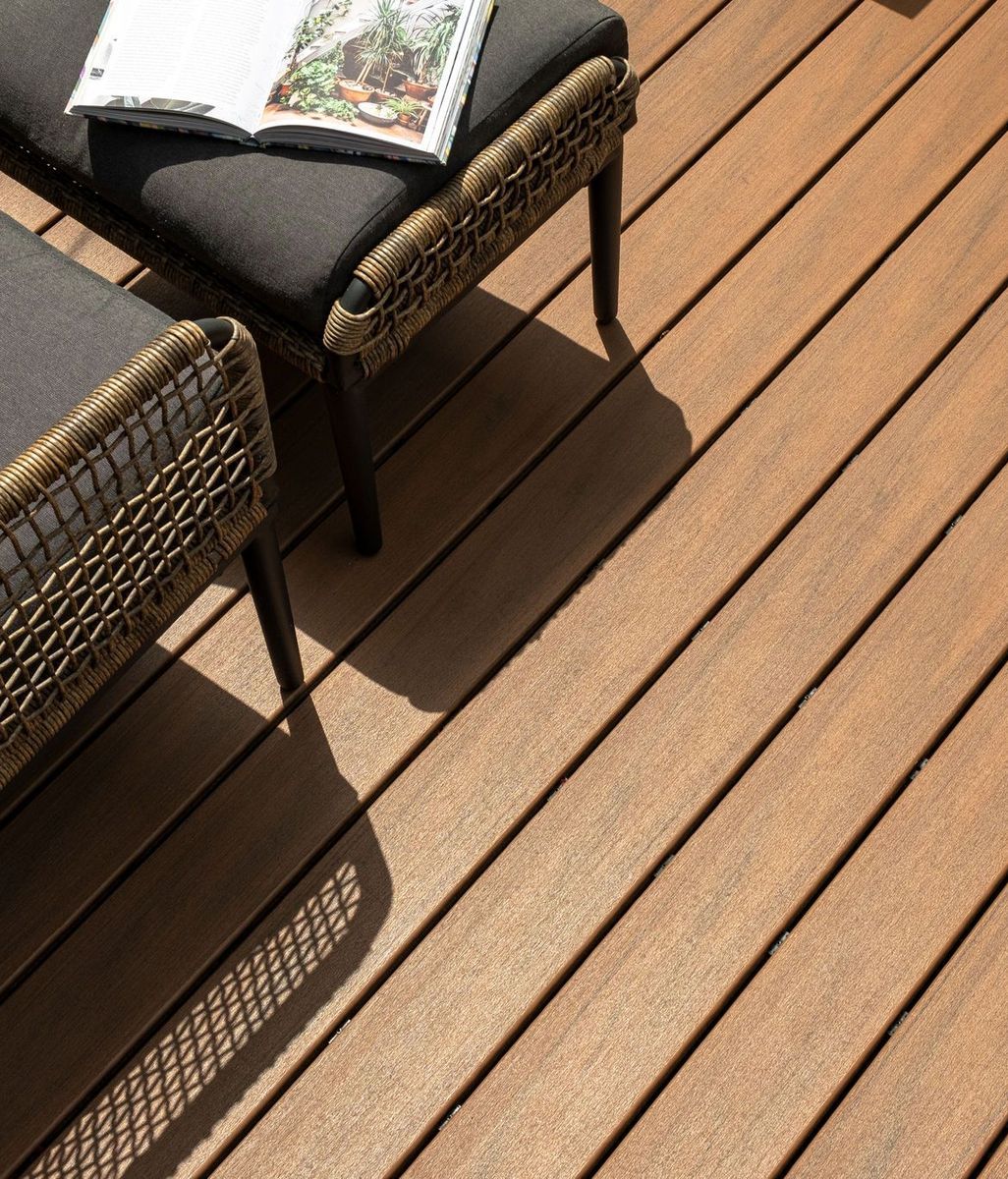
Some composite products are extruded through a machine that stamps a regular pattern on the surface, while others achieve a much more realistic look through moulds that come in many different surface impressions, giving a varied pattern across a deck.

“Millboard’s products are incredibly realistic because the boards are moulded from impressions of timber,” says Amanda. 

Because Millboard boards are formed using full-length moulds taken from real timber, each board has subtle variation, creating a very realistic-looking deck as opposed to an artificial-looking, repeated pattern.

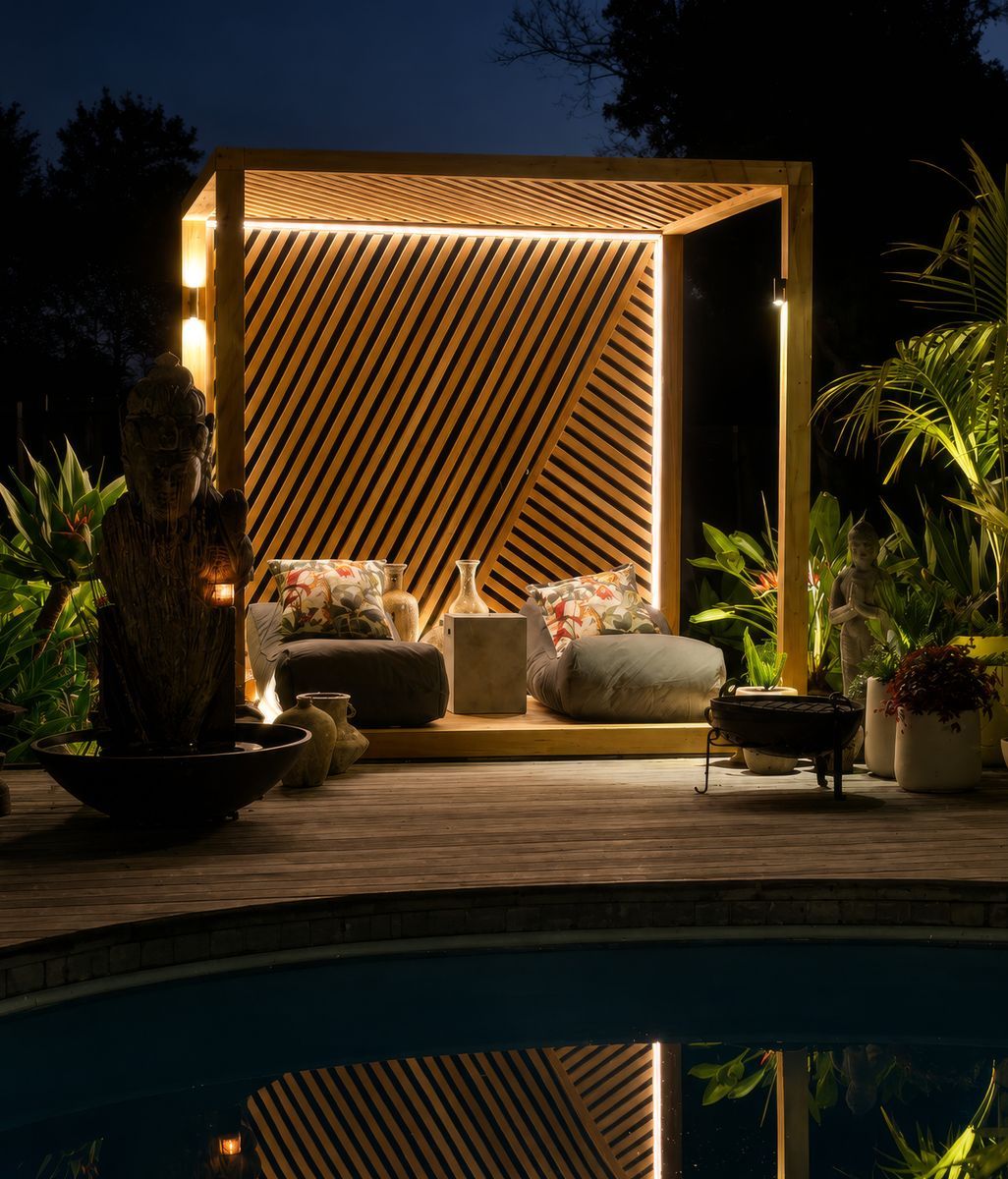
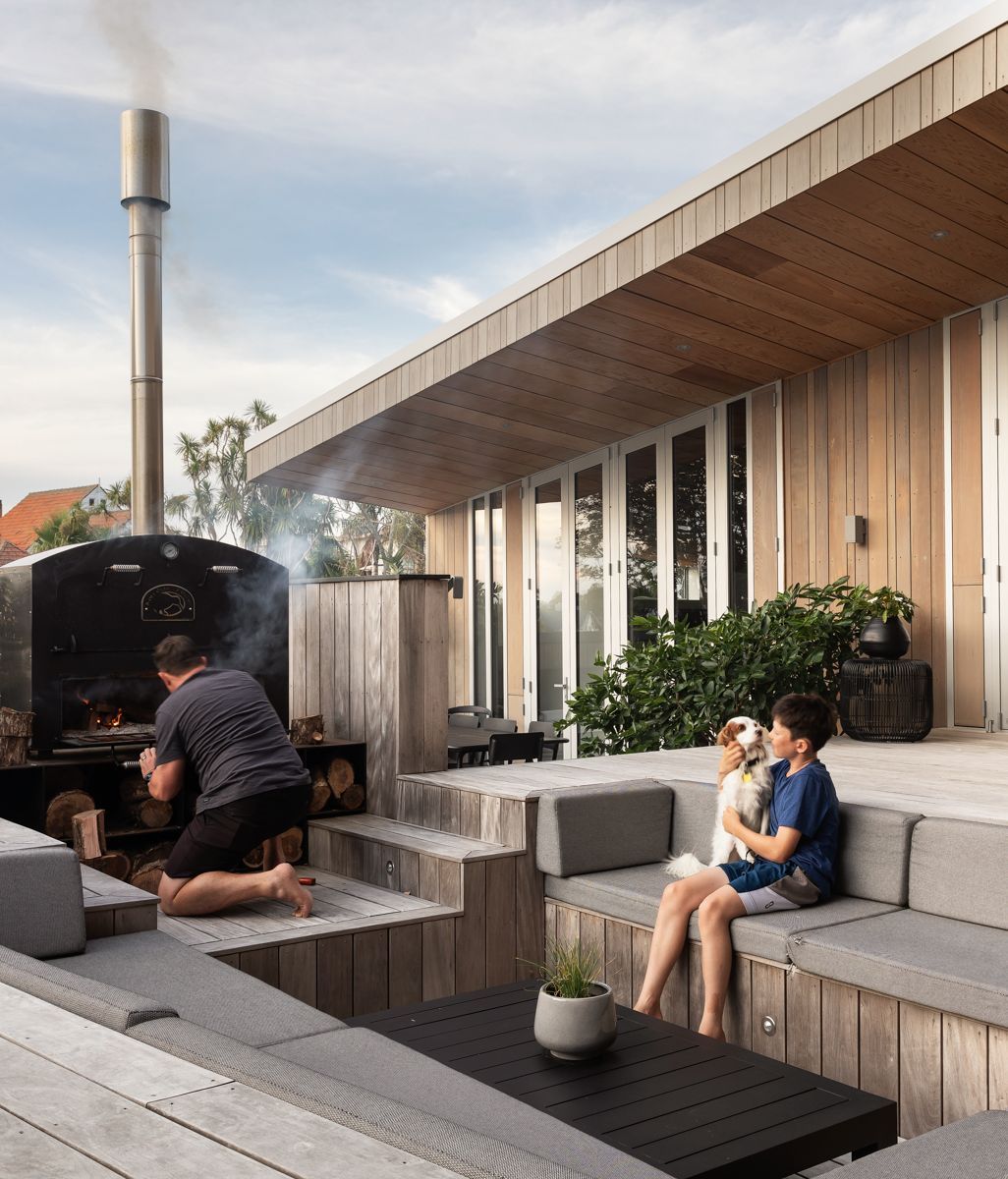
Millboard Burnt Cedar decking and firepit.

Designed for Australian conditions


Australia’s climate diversity demands materials that can handle extremes such as heat, humidity, salt air and cold snaps, often within the same year.

Choosing a product that won’t degrade in 40 degrees, attract mould or expand in the wet is crucial to its long-term looks and performance.

“Millboard is suitable for all conditions,” says Amanda. “It’s especially great for coastal applications. We’ve had a number of projects use our products right on the beach and it’s even been used for a party boat.”

Unlike many composites, Millboard does not rely on timber fibres.

“Most other composites are made from a combination of wood and or plastic,” Amanda says. “Whereas Millboard is actually made from a combination of minerals and resins.”

That difference matters.

“A common complaint about composite decking is that it gets too hot to walk on,” she explains. “Whereas Millboard, because it’s light-weight and doesn’t contain plastic and timber, it isn’t heavy and dense so doesn’t retain the heat.”


Longevity and installation flexibility


Durability is a baseline expectation for composite decking, but how a product performs over time, and where it can be installed, makes a real difference.

Millboard carries a 25-year warranty and can be installed closer to the ground than many alternatives. 

“Because the boards are relatively stable and don’t contain any natural fibres there’s no limitation of how low to the ground you can go,” says Amanda.

This stability also opens up design freedom; due to the stability of the resin and mineral composition, they don’t need to be installed with breaker boards, which are common in composite decking, and which can break up the visual flow of the deck. Instead, designers can create seamless layouts.

“You can also do butt joins and tight mitre joins, which is a very unique factor.”

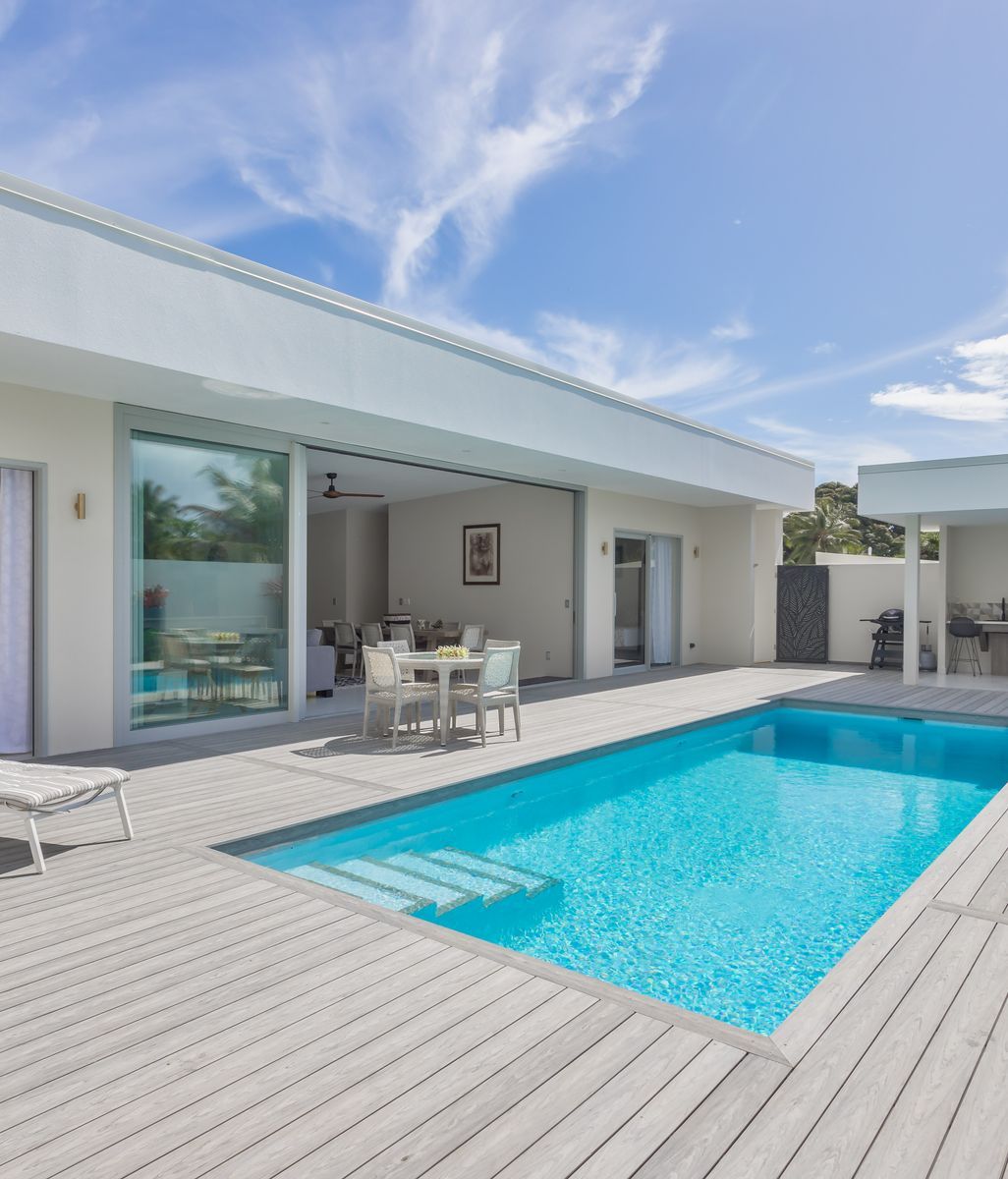
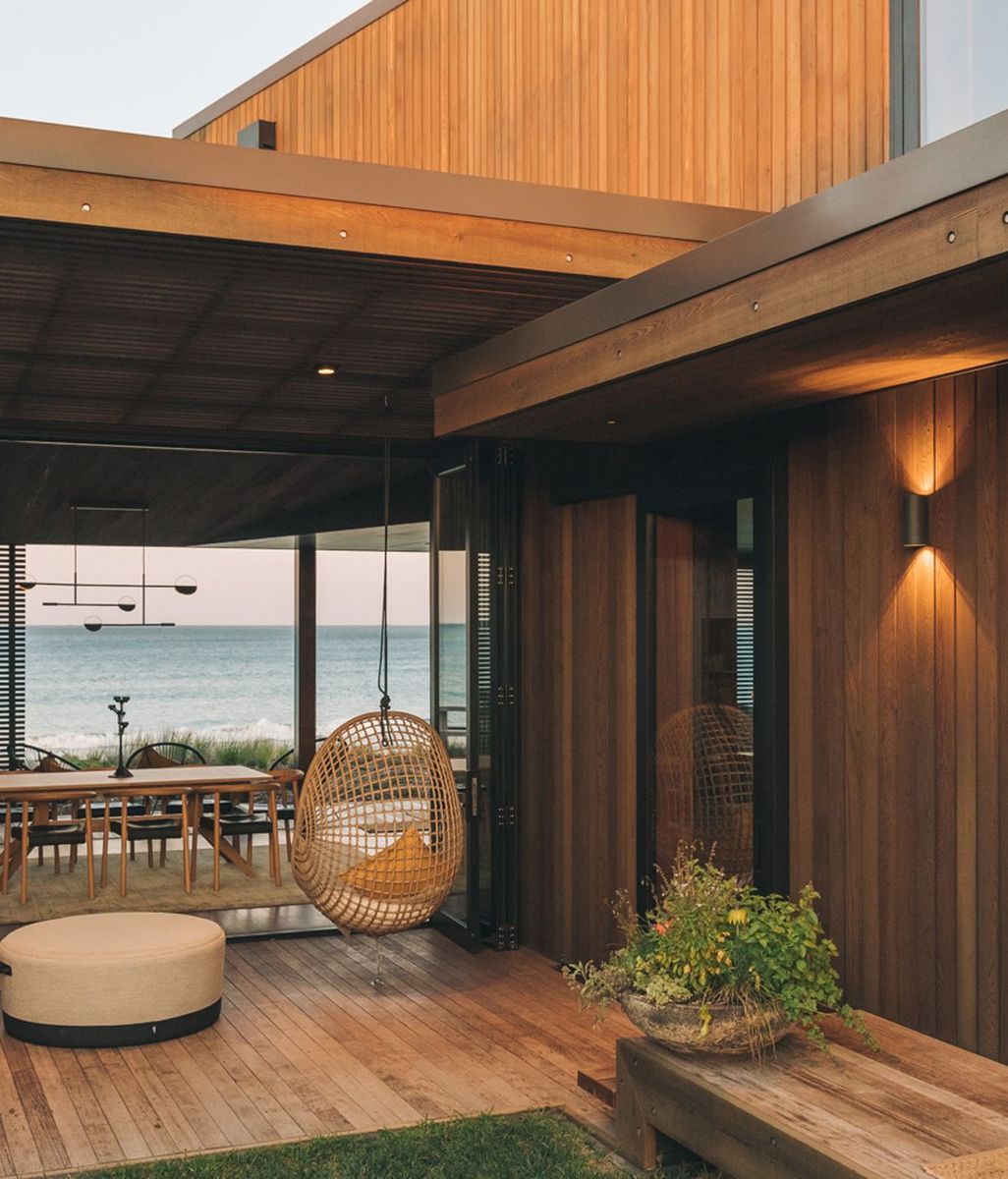
Award-winning Millboard Ashwood deck by South Sea Carpentry.

Fixings that disappear


Fixing systems are often overlooked, but they have a big impact on finish and install time.

“The fixing system for Millboard is very unique,” says Amanda. “Most other composites are fixed with some kind of fiddly clip system, whereas Millboard is actually fixed using the unique 

Millboard screws through the face of the board.”

This unique style of fixing hides itself, giving a seamless flow to the decking. 

“The top layer of the decking board is slightly flexible and largely flexes back over the screw hole so you virtually don’t see it,” explains Amanda. 


Safety underfoot and fire performance


Slip resistance is critical, particularly around pools and in commercial settings. All of Millboard’s products achieve the highest slip-rating possible, P5, making them suitable for children, the elderly, and commercial spaces.

Fire performance is another consideration. Millboard’s products achieve a rating of BAL19, placing them within recognised bushfire compliance categories.


Design versatility beyond decking


Finally, versatility is key when creating outdoor spaces that are truly beautiful. Being able to finish your decking edges in a way that’s sympathetic to the space is crucial. 

Millboard offers both rectangular and bull-nose edging, allowing far more flexibility in design.  

If you've got a curved deck, curved steps or a bench seat, Millboard’s flexible edging piece is a unique product that allows you to edge curves for a perfect finish. 

These finishing products ultimately allow the material to extend beyond just decking. 

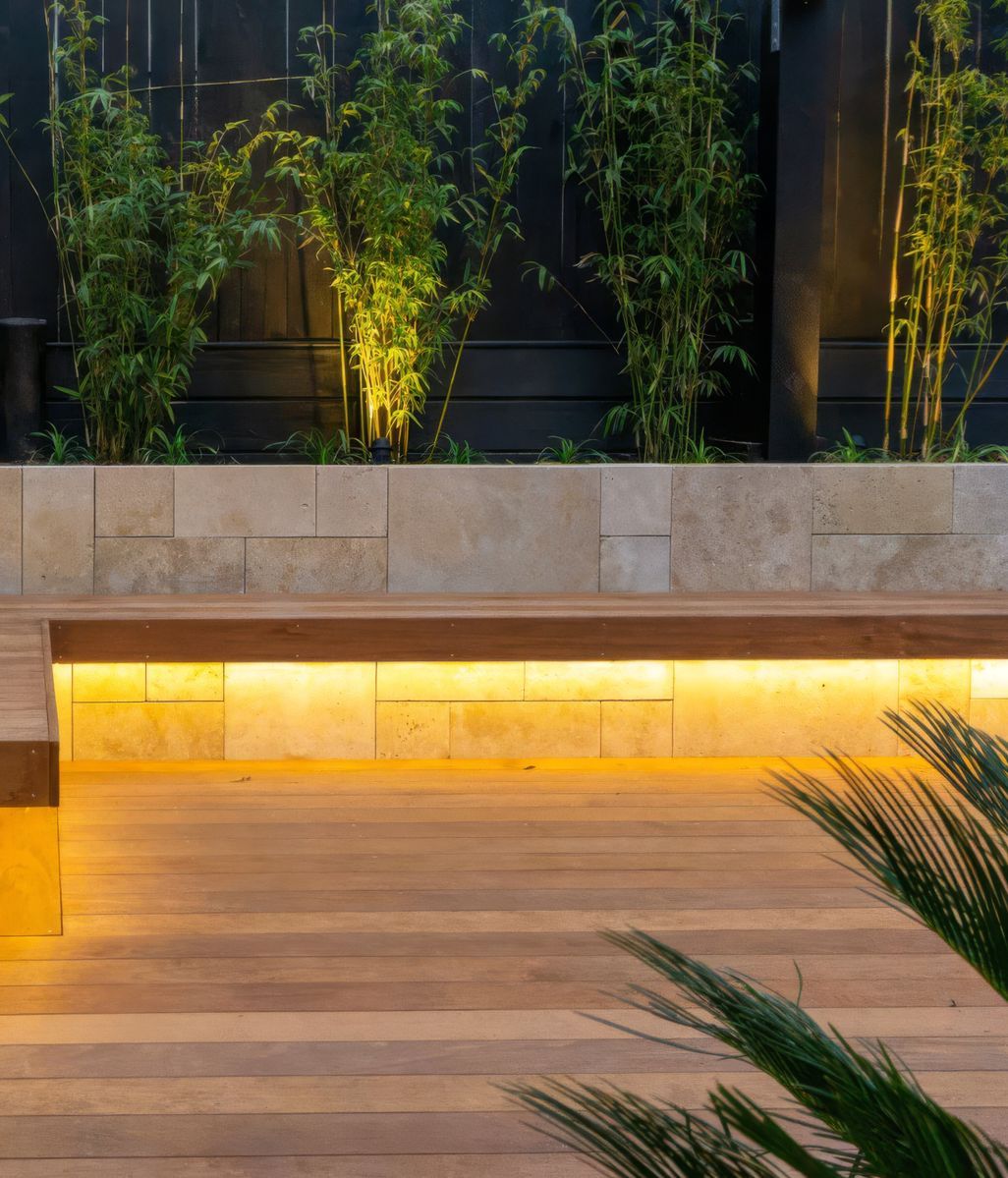
“Our products can be used for not only decking but bench seating, planter boxes, pretty much anything that you can use timber for.”

Explore decking products by Millboard

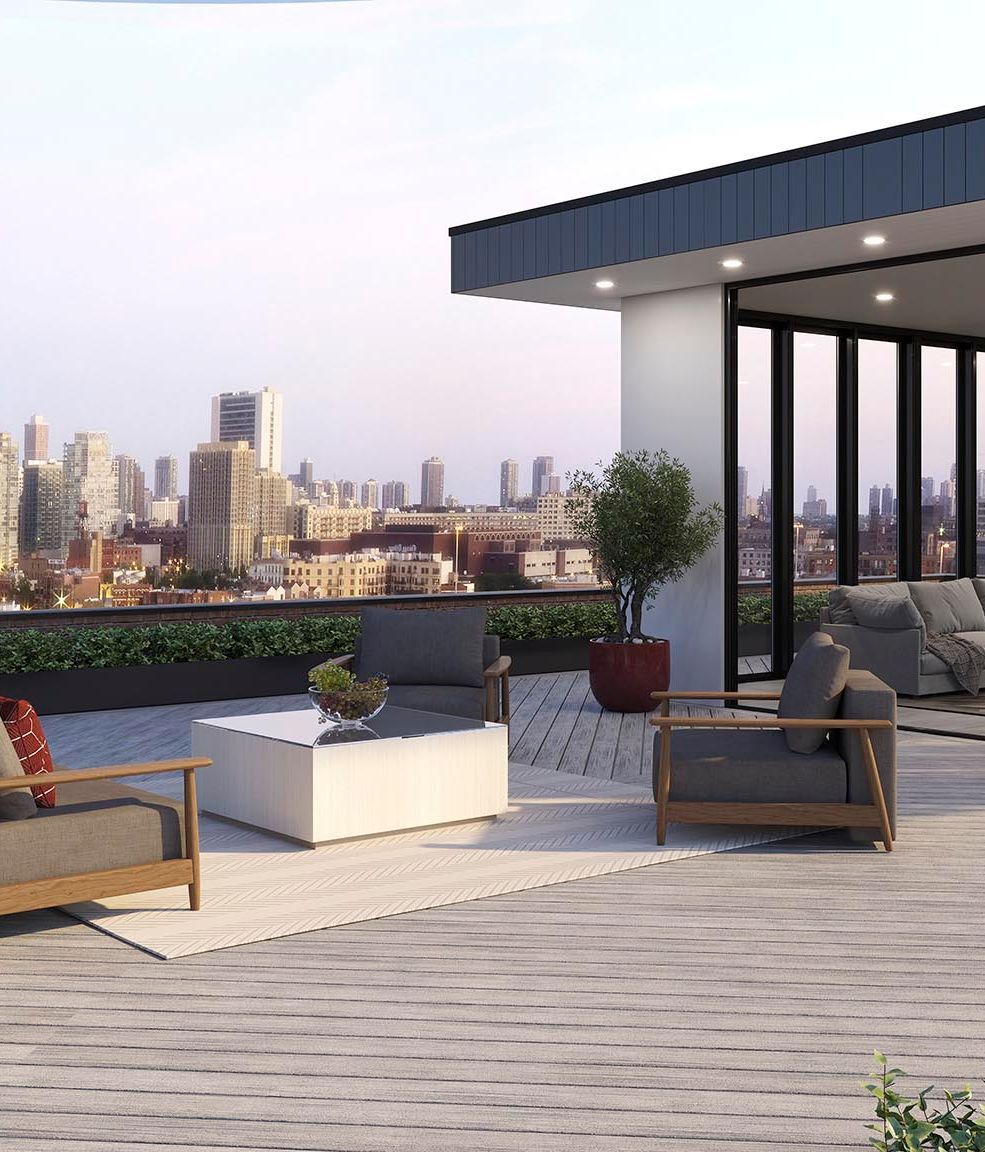
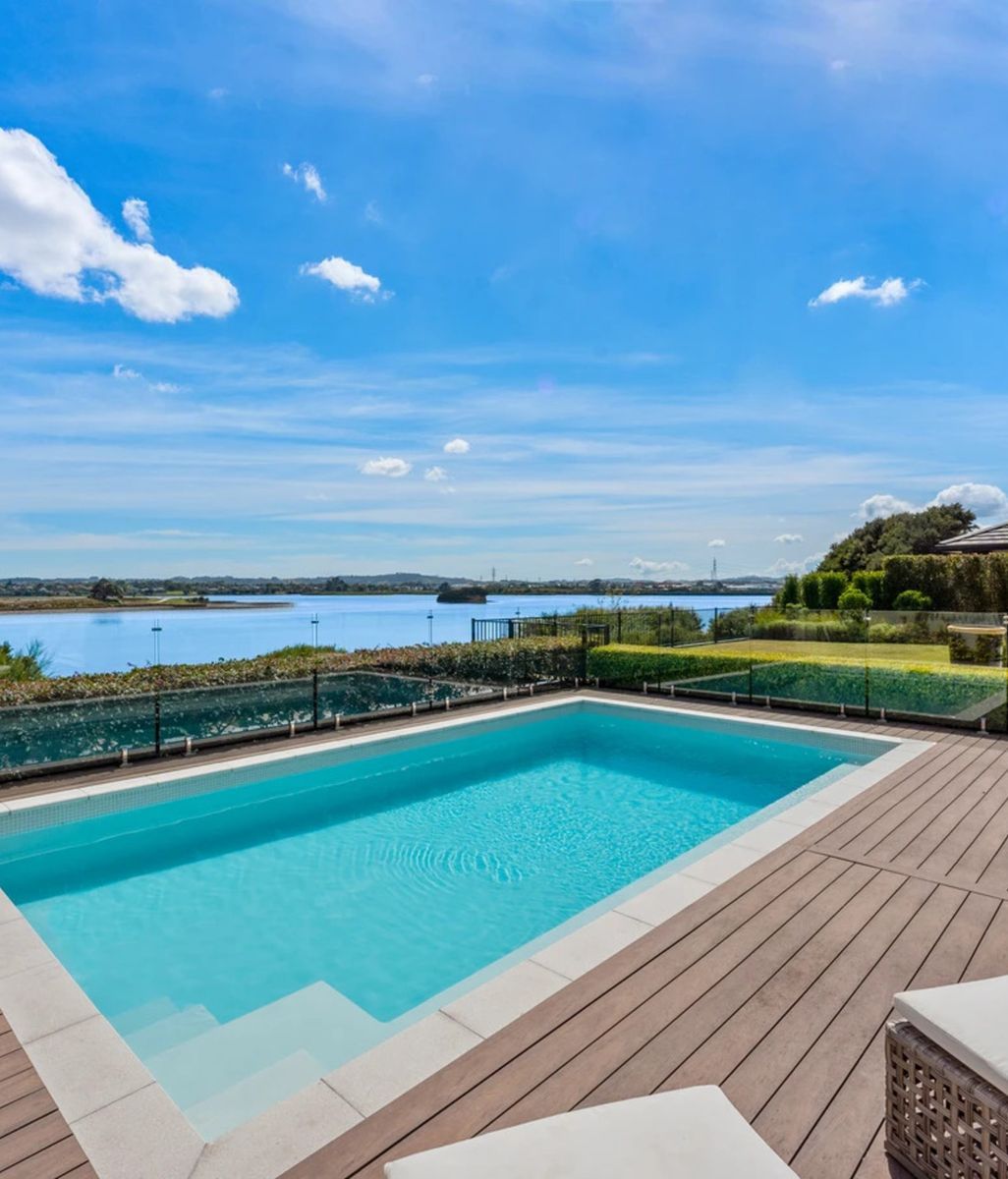
A decking area featuring the bullnose edging.