Softening modern architecture, not hiding it

05 January 2026

 • 

4 min read

banner
Softening modern architecture with textiles and window coverings is about creating warmth, comfort, and acoustic softness without losing the clean lines and strong geometry that define contemporary design. In New Zealand homes and commercial spaces, this is often achieved through carefully layered sheers, blinds, and upholstery that work with the architecture, not against it

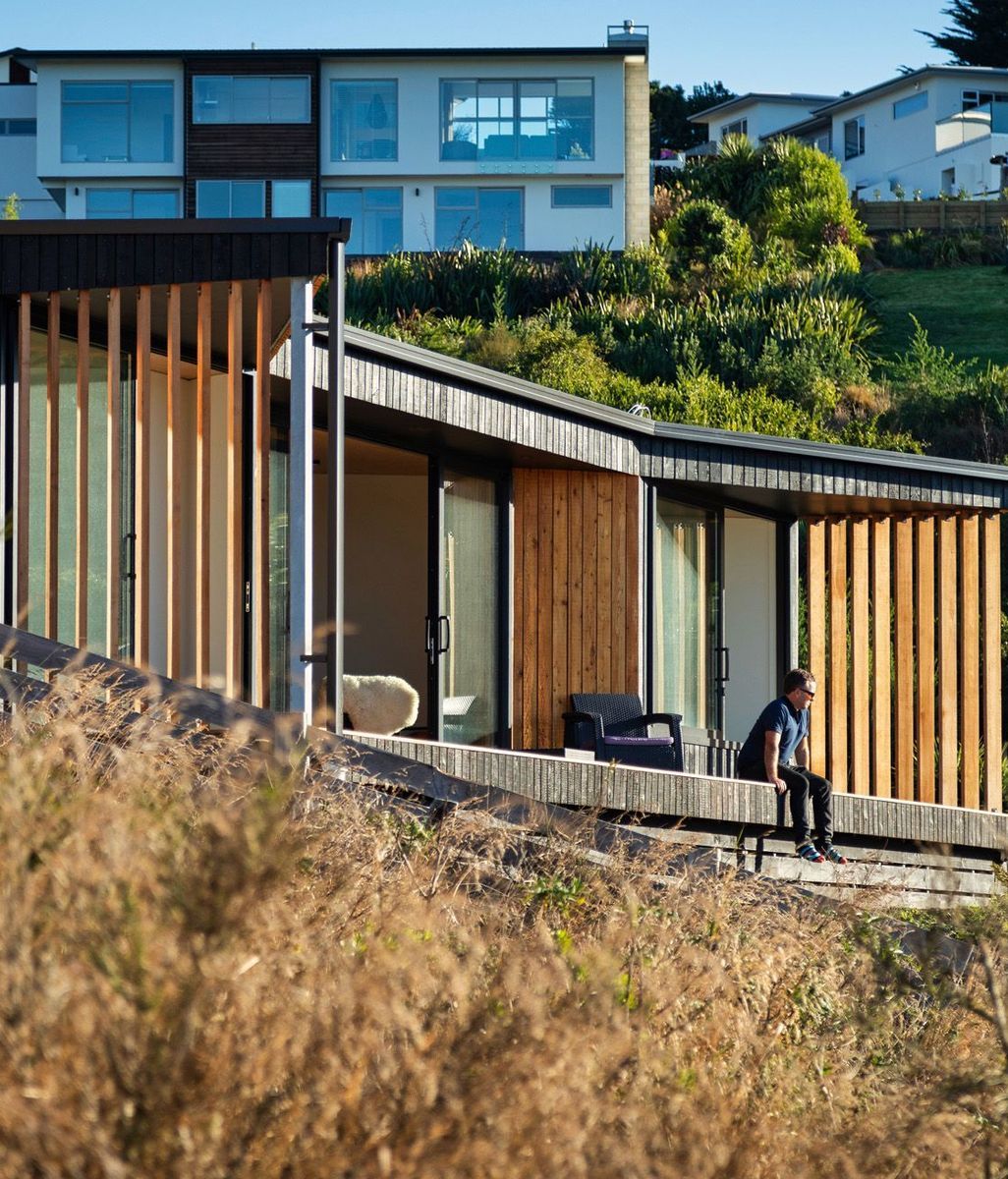
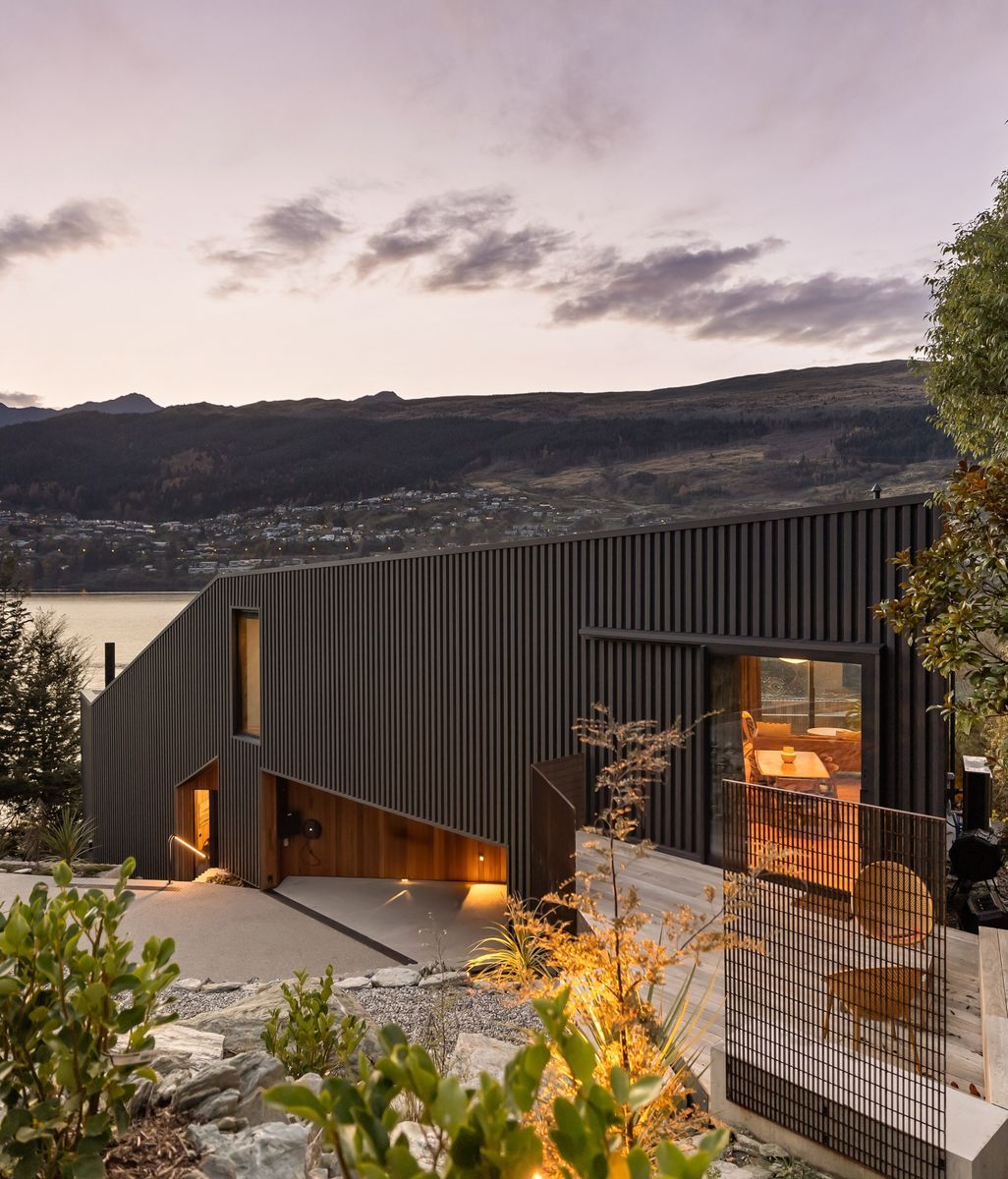
Contemporary New Zealand architecture frequently features expansive glazing, concrete, steel, and sharp angles that look striking but can feel hard, echoey, and visually cold once people move in. Textiles are one of the most effective tools for softening these spaces, adding depth, movement, and human scale while still celebrating light and views.​

Instead of fighting the architecture, well-chosen curtains, blinds, and soft furnishings follow its lines: floor-to-ceiling sheers that track with full-height sliders, recessed blinds that disappear into ceiling pockets, and upholstery that echoes the home’s material palette. The result is a more liveable, acoustically comfortable environment that still feels architecturally resolved.​

Why textiles matter in hard-surface interiors

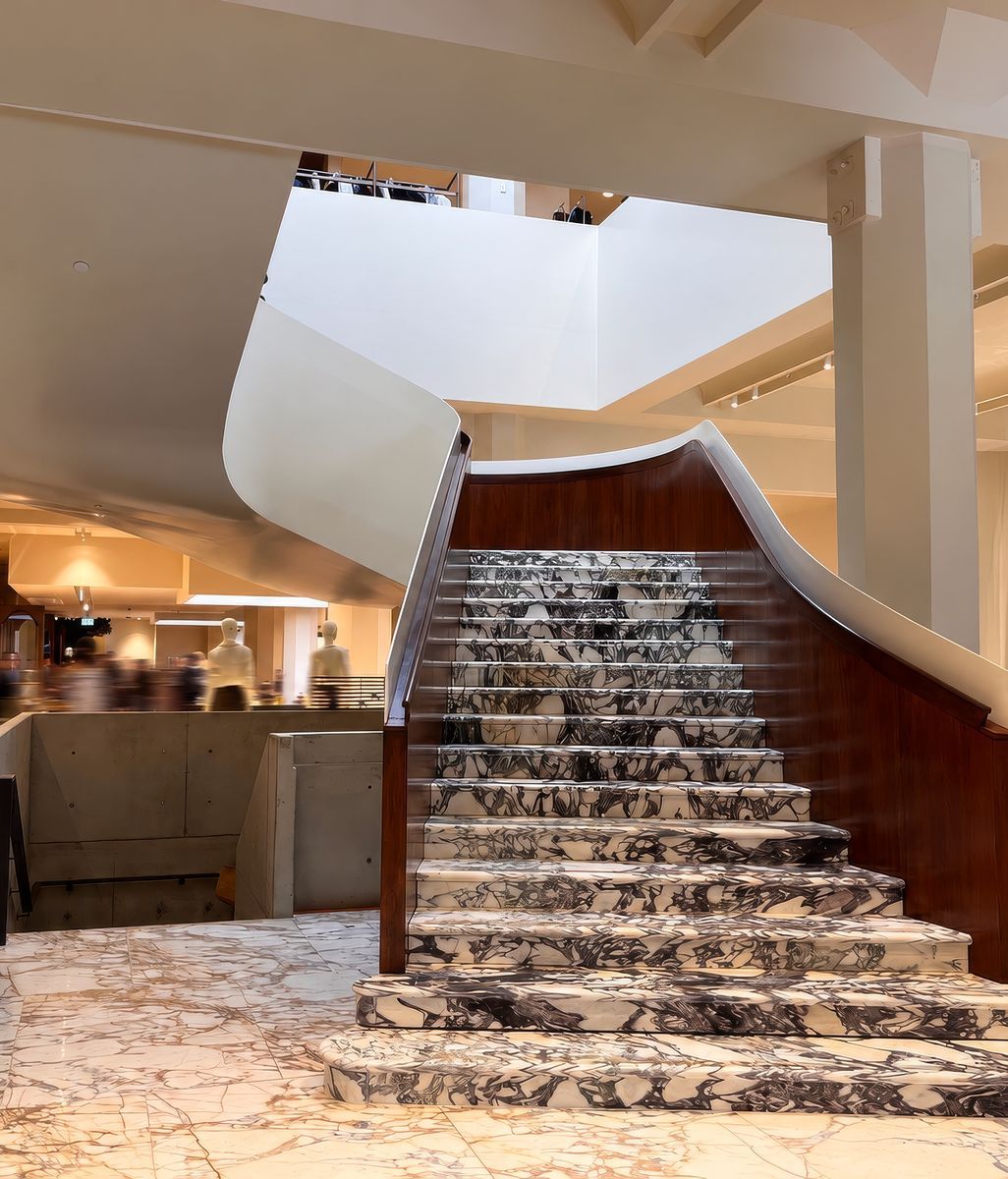
Modern interiors often rely on hard materials that reflect light and sound: polished concrete floors, glass balustrades, stone benchtops, and minimal cabinetry. Without enough fabric and texture, these rooms can suffer from glare, echo, and visual flatness.​

Thoughtfully specified textiles address all three:

  • Light control
    • Sheer curtains diffuse harsh daylight, soften contrast, and reduce glare on screens while maintaining that open, airy feel homeowners expect from modern design.​
    • Layering sheers with roller or Roman blinds gives flexible control—soft light by day, deeper dim-out or blockout when needed for bedrooms, media rooms, or west-facing living spaces.​
  • Acoustic comfort
    • Full-height fabrics, especially in open-plan living, absorb sound and reduce echo, making conversations more comfortable and improving overall ambience.​
    • Combining curtains with upholstered furniture, rugs, and soft furnishings “layers” the acoustic treatment invisibly into the interior design.​
  • Warmth, texture, and mood
    • Linen, wool, bouclé, and textured weaves bring tactile richness to otherwise flat surfaces, helping modern spaces feel calm, inviting, and quietly luxurious.​
    • A restrained, tone-on-tone fabric palette can support a minimalist aesthetic while still delivering depth and visual interest.​

Sheer curtains: the softest edge to modern glazing

In New Zealand, sheer curtains have become one of the most popular tools for softening contemporary architecture, particularly in light-filled Auckland homes. They filter strong sunlight, protect furnishings from UV, and give daytime privacy without blocking views or shrinking the room.​

For modern spaces, key design moves include:

  • Floor-to-ceiling and wall-to-wall sheers that align with large sliders and picture windows, creating a continuous veil of fabric that softens the entire envelope of glass.​
  • Simple headings such as S-fold or wave pleats that echo the architecture’s clean lines while introducing a gentle, rhythmic softness.​
  • Neutral and nature-inspired tones—ivory, warm white, soft greys, stone—that complement timber, concrete, and white walls common in New Zealand builds.​

Layered with discreet roller blinds or shutters, sheers become the “soft front” of a complete light and privacy system: sheers by day for softness and connection to the outdoors, and blinds or shutters for deeper control at night.​

Layering blinds, curtains, and shutters in minimalist spaces

Minimalist architecture benefits from an equally disciplined approach to window coverings, prioritising integrated hardware and simple, tailored fabric choices. The aim is to add softness and function without visual clutter.​

Effective layering strategies include:

  • Recessed roller blinds paired with sheers
    • Slim, custom roller blinds tucked into ceiling or pelmet recesses provide blockout and thermal benefits, while a continuous layer of sheers softens the elevation and frames views.​
    • This combination suits apartments, coastal homes, and urban townhouses where façade consistency and internal calm are both important.​
  • Roman blinds with tailored drapery
    • Roman blinds in textured fabrics or subtle weaves bring structure to smaller windows and niches, while adjacent full-height drapery on sliders ties the room together.​
    • Using one cohesive palette across both elements creates a quiet, curated look that aligns with soft minimalism.​
  • Shutters in architectural compositions
    • Plantation shutters are particularly effective in modern coastal and urban builds, adding clean vertical rhythm while providing precise control over light and privacy.​
    • Combined with sheers or simple side-drapes, shutters gain a softer, more residential feel without losing their graphic appeal.​

Textiles as an architectural tool: working with professionals

For architects, interior designers, and builders, treating textiles and window coverings as part of the architectural language—not an afterthought—leads to stronger, more cohesive projects. Early collaboration with a specialist window-treatment and textile partner allows for concealed tracks, recesses, motorisation, and alignment with structural and services layouts.​

Many New Zealand projects use this integrated approach: modern builds where automated blinds disappear into ceiling pockets, heritage restorations where new drapery respects original detailing, and commercial spaces where acoustic and thermal performance sit alongside aesthetics.​

For professionals and homeowners alike, the most successful outcomes come from viewing fabrics as “soft architecture”—elements that shape light, sound, and atmosphere as much as they decorate. Partnering with an experienced textile and window-treatment consultant ensures each room’s window coverings feel intentional, perform beautifully, and help modern architecture feel as good to live in as it looks on paper.