The art of seeing: How Simon Devitt brings architecture to life

Written by

23 November 2025

 • 

4 min read

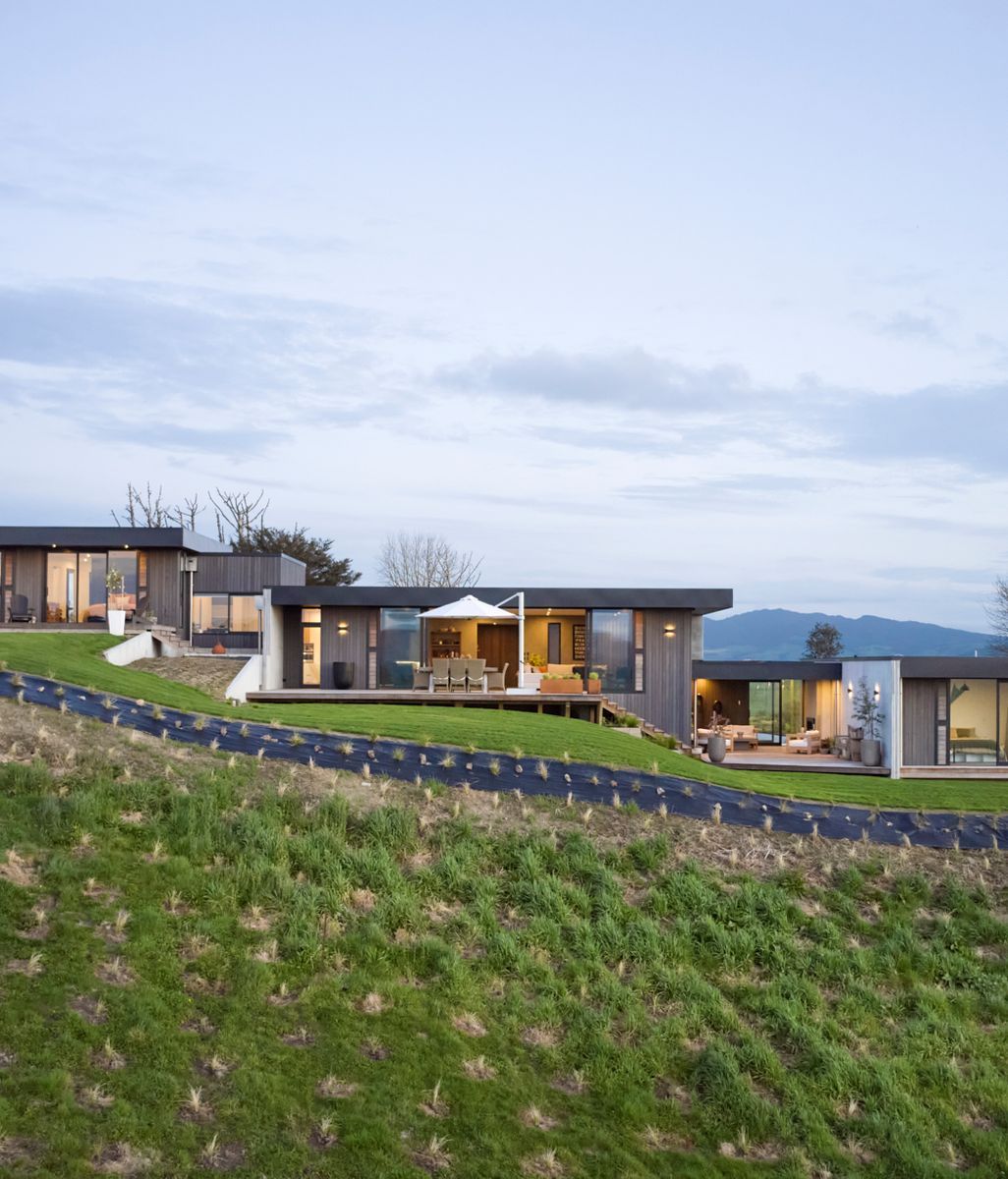
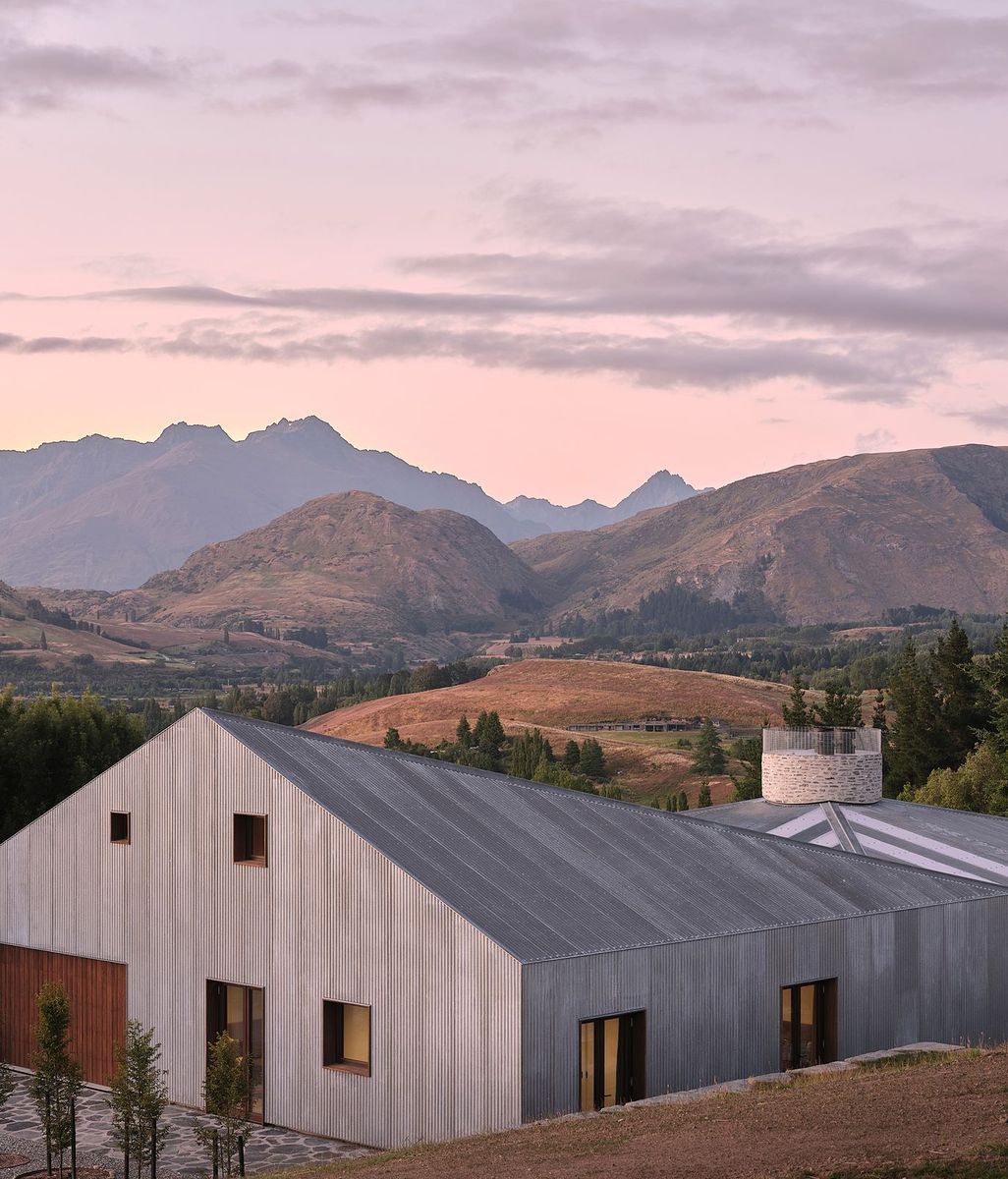
Scrubby Bay house (Banks Peninsula) by Pattersons. Image credit: Simon Devitt.
How homesickness informs architecture photographer Simon Devitt’s work, his non-negotiables on shoot day, how creatives ‘see’ differently, and why he feels like he’s only just getting started.
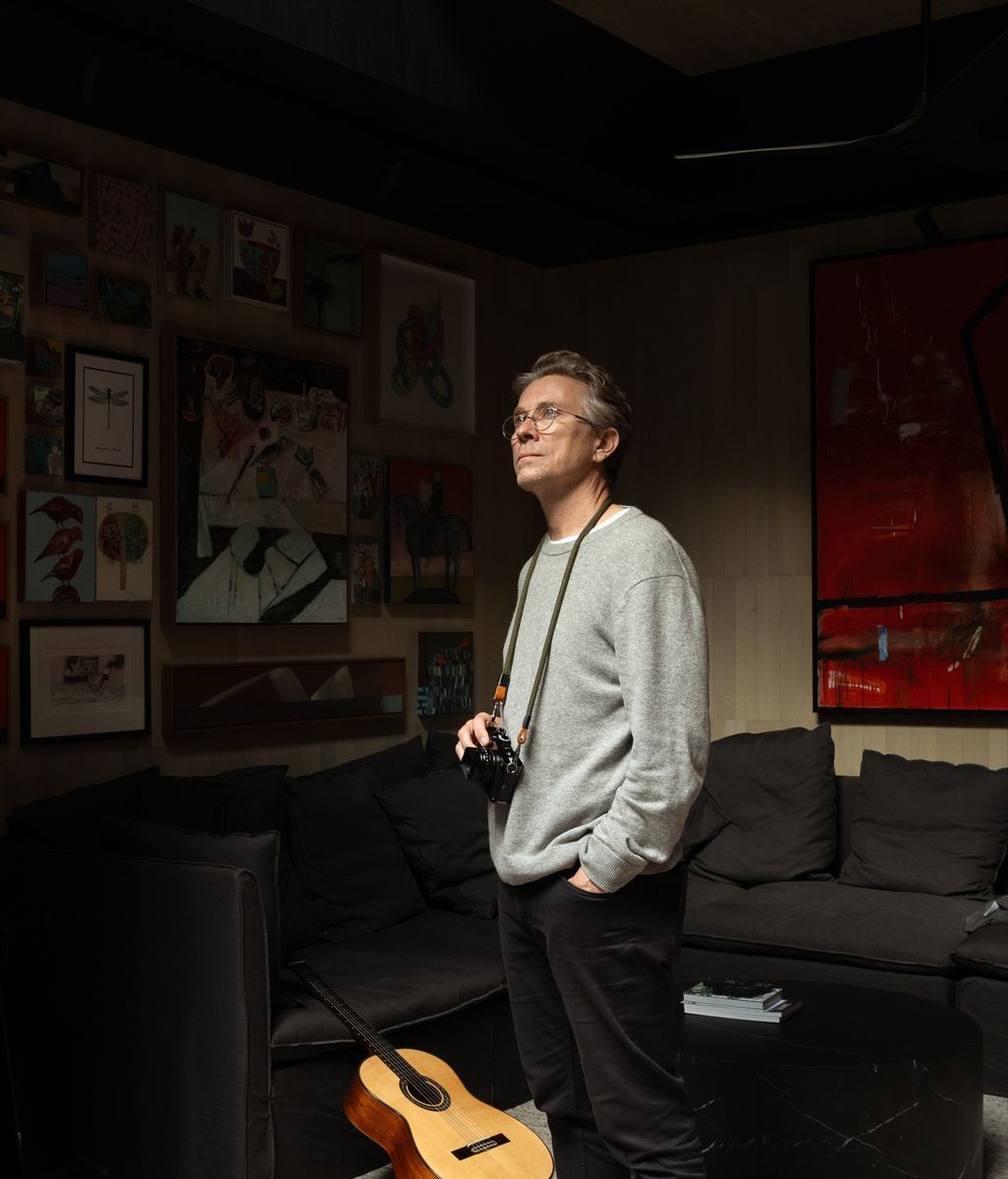
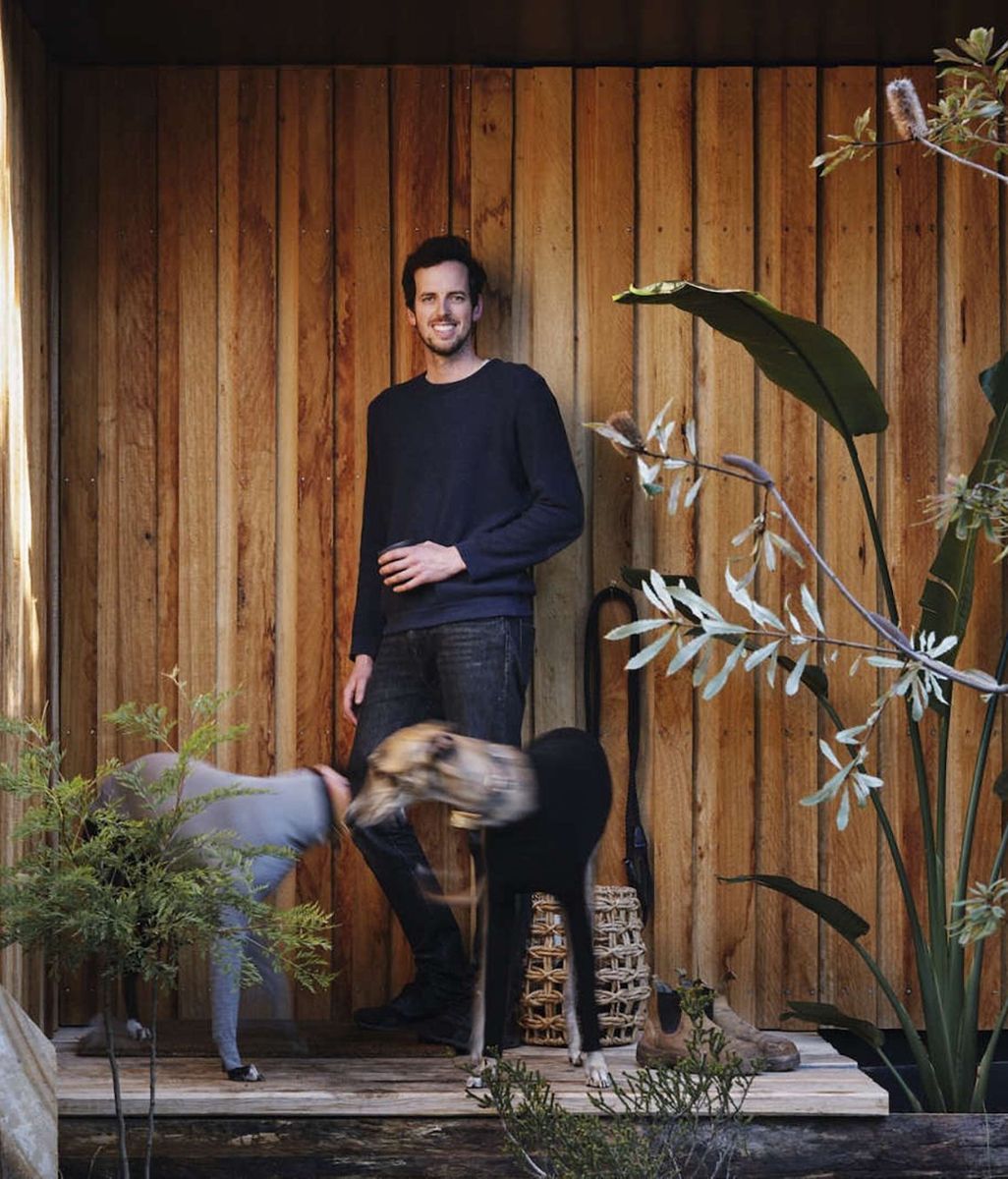
Portrait of Simon Devitt.

For three decades, Simon Devitt has been a defining presence in architectural photography. His work is recognised both locally and internationally for its clarity, sensitivity and unmistakable emotional depth. His images have shaped how contemporary architecture is understood, not only documenting buildings but revealing the emotional terrain they occupy.

That ability to sense the emotional life of a place was formed early. As a child, Simon’s family travelled abroad frequently, and he became acutely aware of what it felt like to be away from home. Homesickness is one of the first emotions many of us encounter, but for him, it became an early lesson in noticing what a place can hold or withhold. 

“As a kid, homesickness was more than longing for a place, it was more about sensing where you weren’t as opposed to where you were. I think about that every time I turn up to photograph a house,” he says.

That curiosity about the connections between people and place has shaped Simon’s approach to photographing buildings in New Zealand and internationally. His preparation, his non-negotiables, and the rules he never compromises on all feed into the way he captures a home, not just as a building, but as something with emotional weight.

For Simon, preparing for a photoshoot begins long before he arrives on site. It might start with conversations with the architect, marked-up plans emailed back and forth, shot lists, or a walk-through of the property. Sometimes he’s sent poetry or watercolours, sometimes architectural renders to translate into the real world, sometimes stories from the homeowner that reveal the soul of the place.

But regardless of what lands in his inbox, he brings three essential ingredients to every shoot: curiosity, wonder and play.

“Those three things together are the main ingredients on a shoot day,” he says. “Because when they’re present, that’s when the magic can happen.”

Beyond those prerequisites, he works with what he calls a “play it as it lays” mentality. Letting go of whatever he can’t control is crucial to remaining present and open to what the day brings.

“A really moody day can be the best thing ever, but if we go in thinking, ‘I really need sunshine’, then it may not end up being a very good shoot,” he says.

Being present allows him to tap into what he sees as a creative’s core advantage: a heightened sensitivity to the world.

“Creatives have certain sensitivities in the work we do, whether you are a writer, photographer or architect, we do see the world differently. My perspective, my perception of being there in that moment, is really about noticing how things collide, the thresholds and where they come together.”

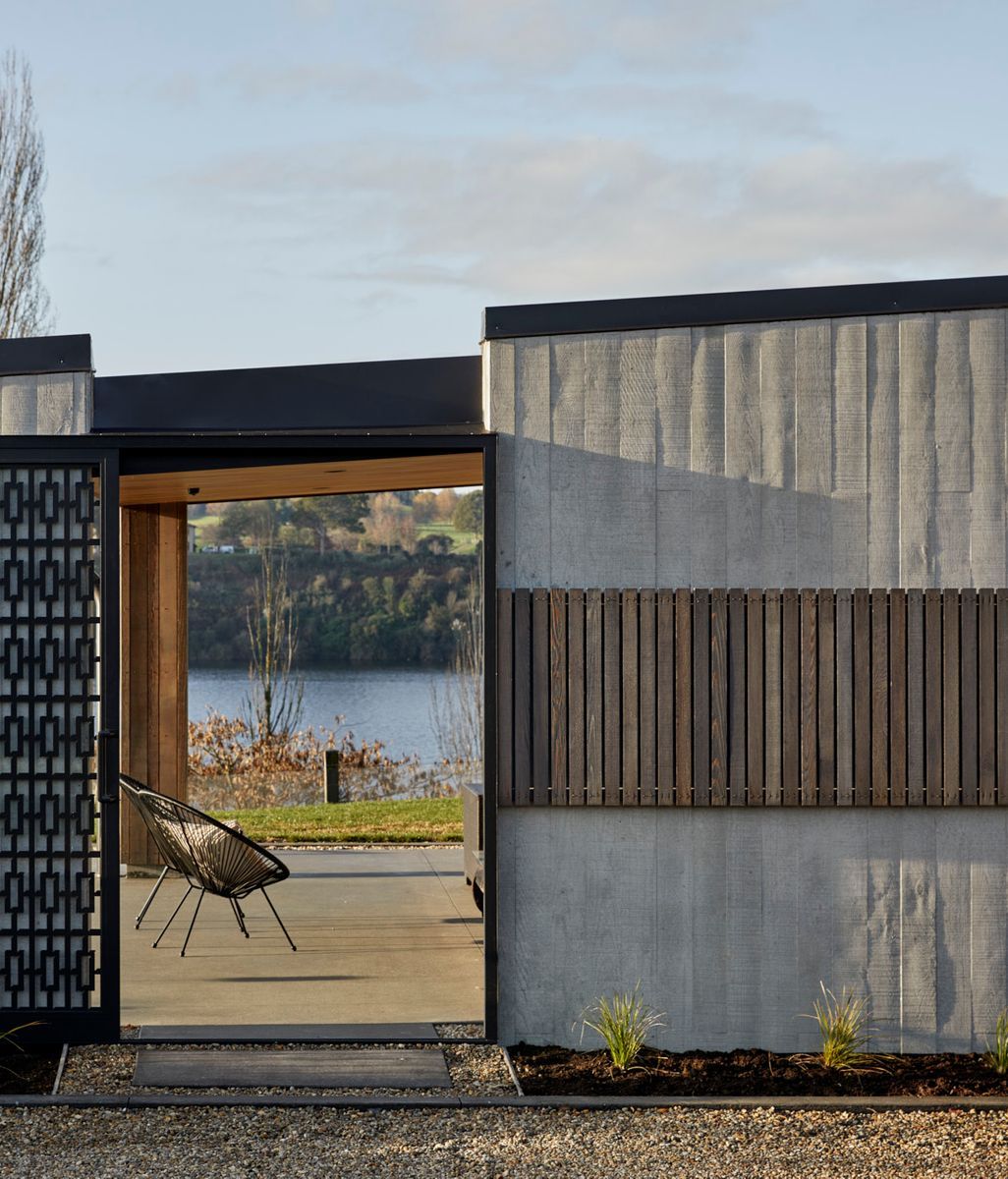
For Simon, that might mean the way shadows bend around a corner, how a plane of light cuts through a room, or how unexpected colours speak to one another. It could also be tuning into the emotional landscape of a home, the relationship people have with it, the dreams embedded in its making, or his own private connection with the idea of home.

This thoughtful, philosophical way of seeing gives Simon’s work a sense of depth and feeling that is unmistakably his own. He attributes it to a long career spent in careful observation.

“I’ve developed my own sensitivities, faith, values, beliefs and ways of reading the emotional landscape,” he says.

Eels Nest in Los Angeles by Anonymous Architects (Simon Storey)

And how much of himself does he hope viewers see in his pictures?

“As much as possible,” he says, “but only in a way that keeps a useful level of ambiguity. If you are imprinting too much style in a photograph, too much of you, the picture is probably falling over. There is a balance in what a photograph needs, and if there is too much description, someone is done with that picture before they have had time to think.”

For Simon, the best images are the ones that are digested slowly, those that reveal themselves in layers, offering something new each time they are revisited. After more than 30 years behind the lens, he finds that, like a great photograph, his connection to the work deepens with time.

“I feel like I’m just getting started. I’m never more curious, never more playful than right now,” he says. “There is definitely a gentler version of myself out there in the world, and I know that helps with my pictures.”