The design rules of HMOA

Written by
15 February 2026

 • 

6 min read

banner
Nearly 30 years on, HMOA’s practice is defined by a modernist aesthetic, a collaborative approach and a drive to adapt and re-use–with a few firm rules.

“No 45-degree angles.” That’s one of a few very specific (and amusing) rules Herriot Melhuish O’Neill Architects (HMOA) directors John Melhuish and Max Herriot live and die by in their architectural practice. Another is that a curve must always be drawn as part of a circle: no ellipses, thank you very much. These are not affectations so much as clues to their way of thinking, which is precise, rational and profoundly invested in how buildings are actually made.

Detail matters here, and sometimes obsessively so. Mention rainwater management and you risk unleashing a spirited discussion about what the directors refer to as “downpipe crime”: the all-too-common architectural sin of letting a poorly resolved downpipe undo an otherwise good building. HMOA’s focus is on the things you touch, the things you see up close, and how fine details are resolved to form part of a bigger picture.

This attention to resolution sits easily alongside the practice’s unashamed modernism. John and Max came of age at the tail end of postmodernism, at a time when architectural education was still deeply engaged with figures like Charles Jencks and his advocacy for symbolism, decoration and layered meaning. For them, the reaction against it was instinctive.

“I prefer a very rational, simple and clean, orthogonal style,” John explains. “When we were at architecture school, we were immersed in postmodernism. I understand the zeitgeist of that era, but with only a few notable exceptions, most of the built architecture didn’t sit right with me”.

Max agrees. “We’re unashamedly modernists,” he says. “Very simple, very pragmatic, very little decoration, just keeping it very clean and minimal while maintaining a human scale and delight.”

That rejection of frippery was less about ideology and more about opportunity. As young architects, they sensed there was unexplored territory in New Zealand, particularly in Wellington, where a more disciplined modernism hadn’t been fully tested for decades.

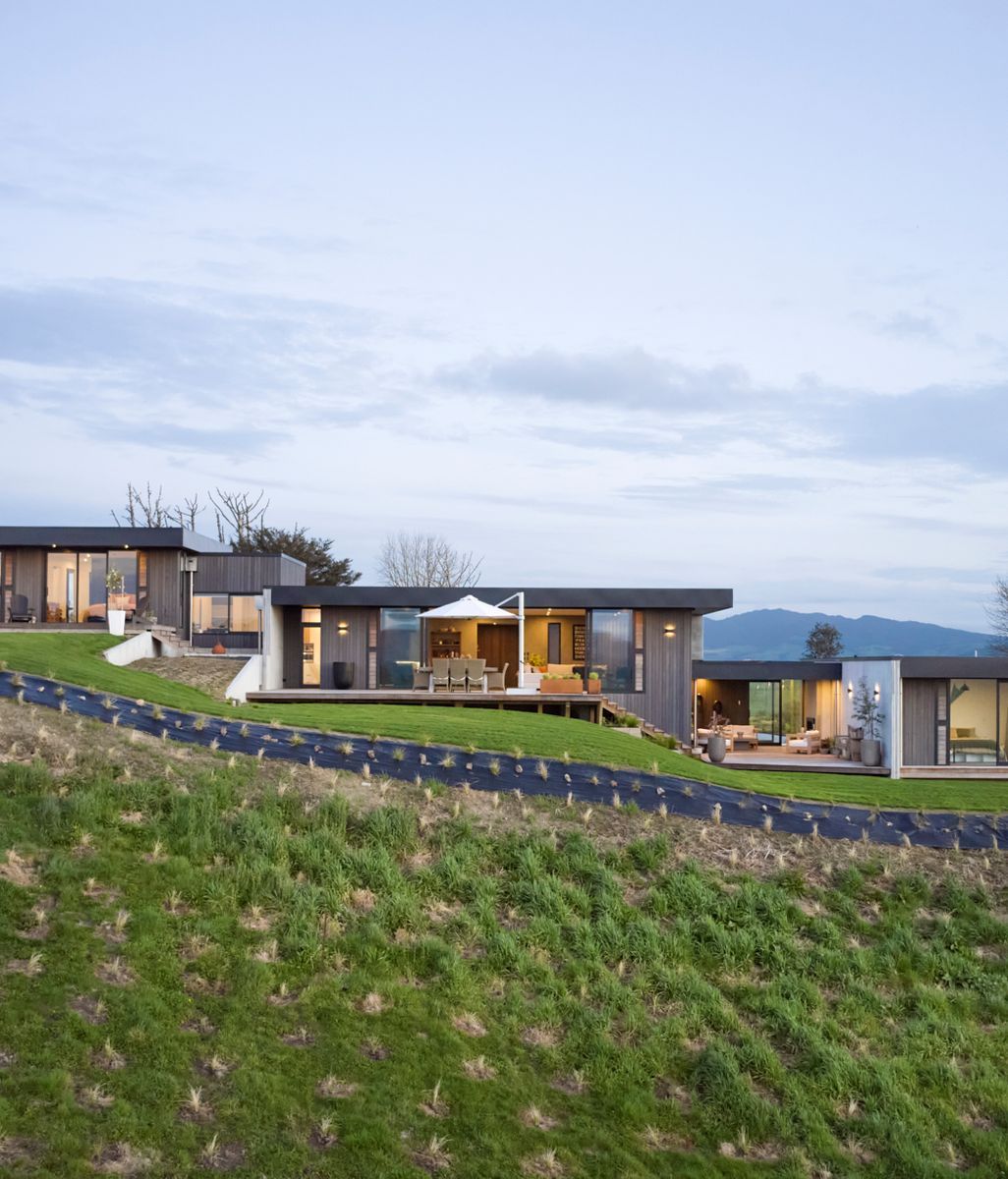
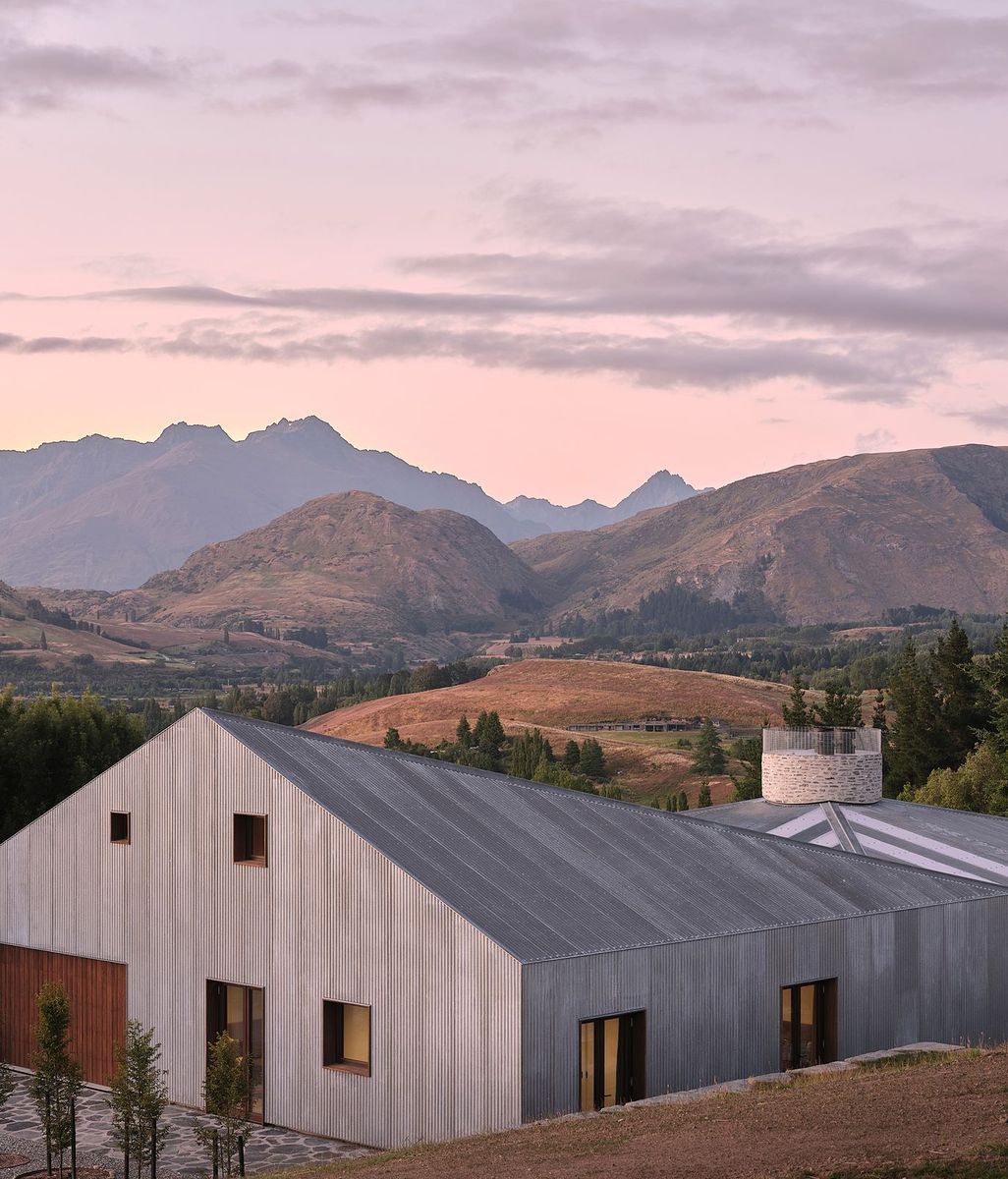
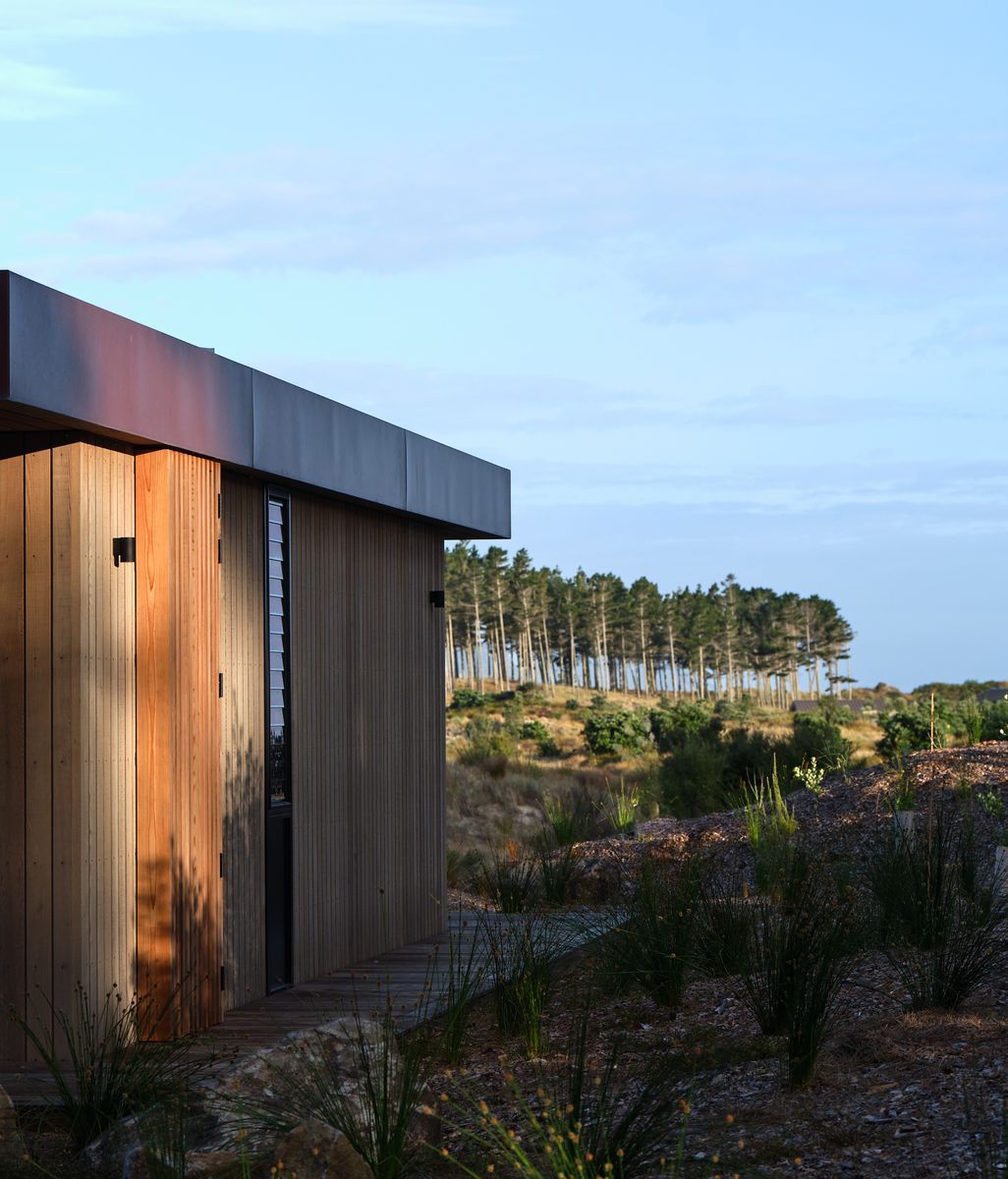
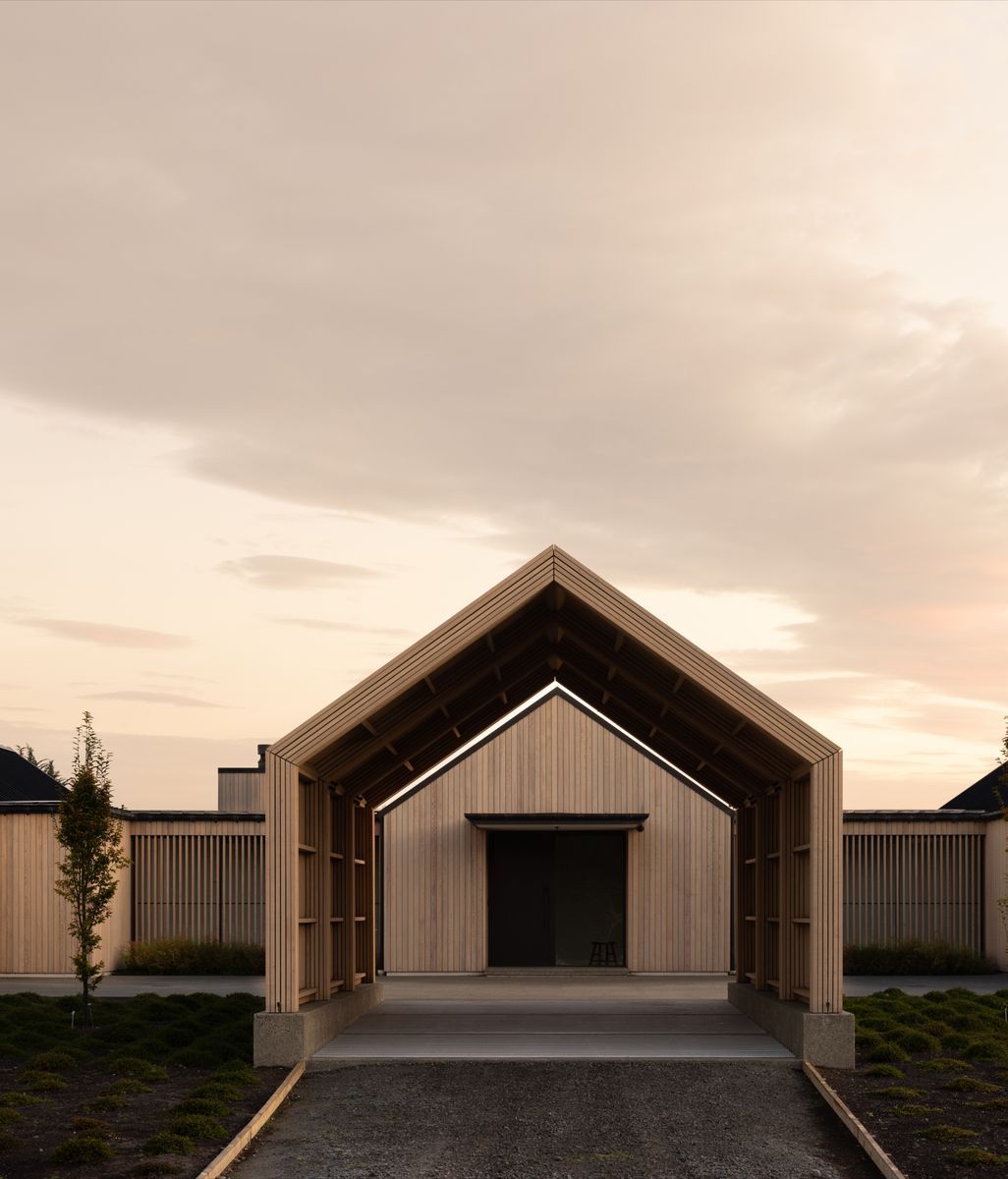
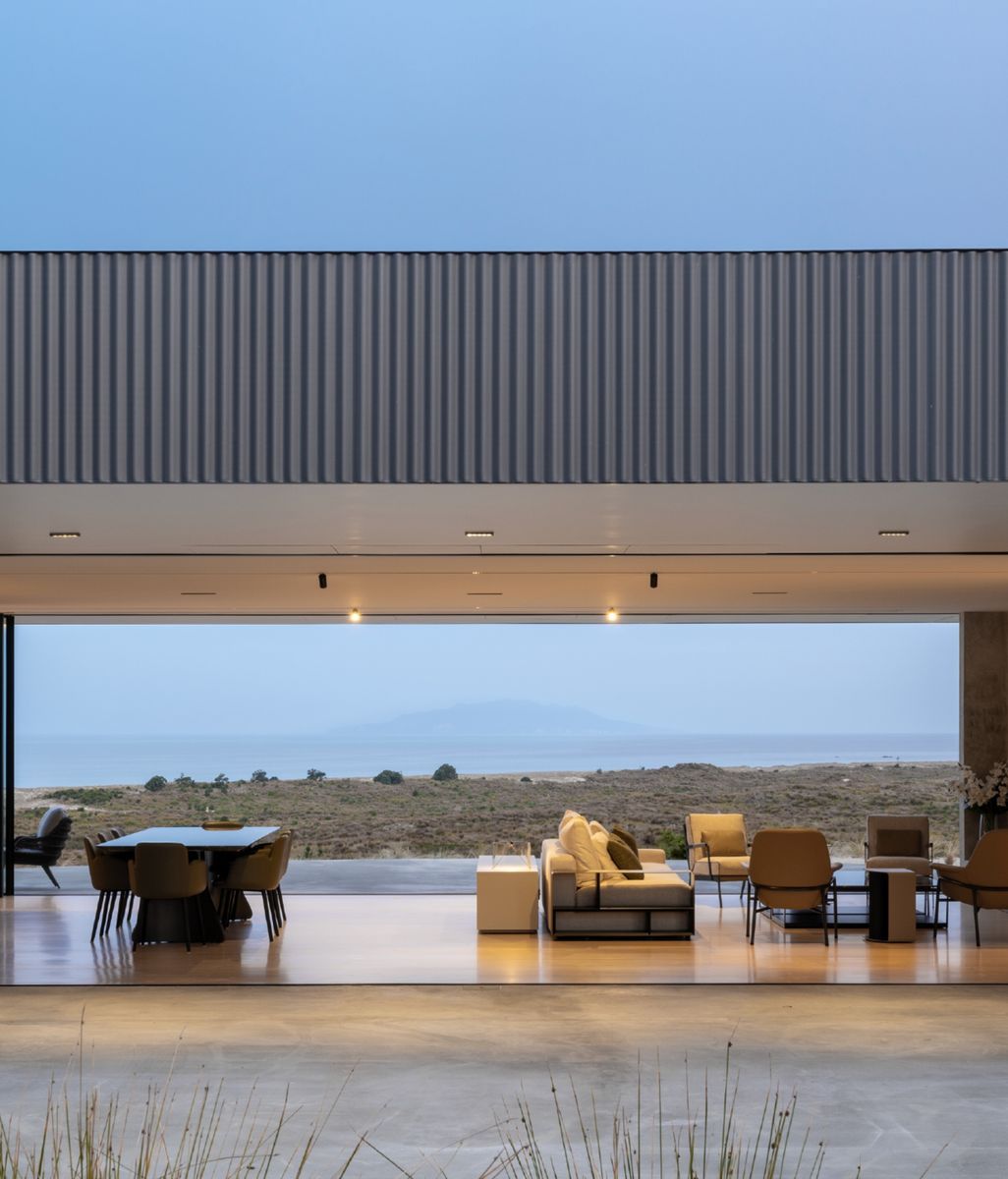
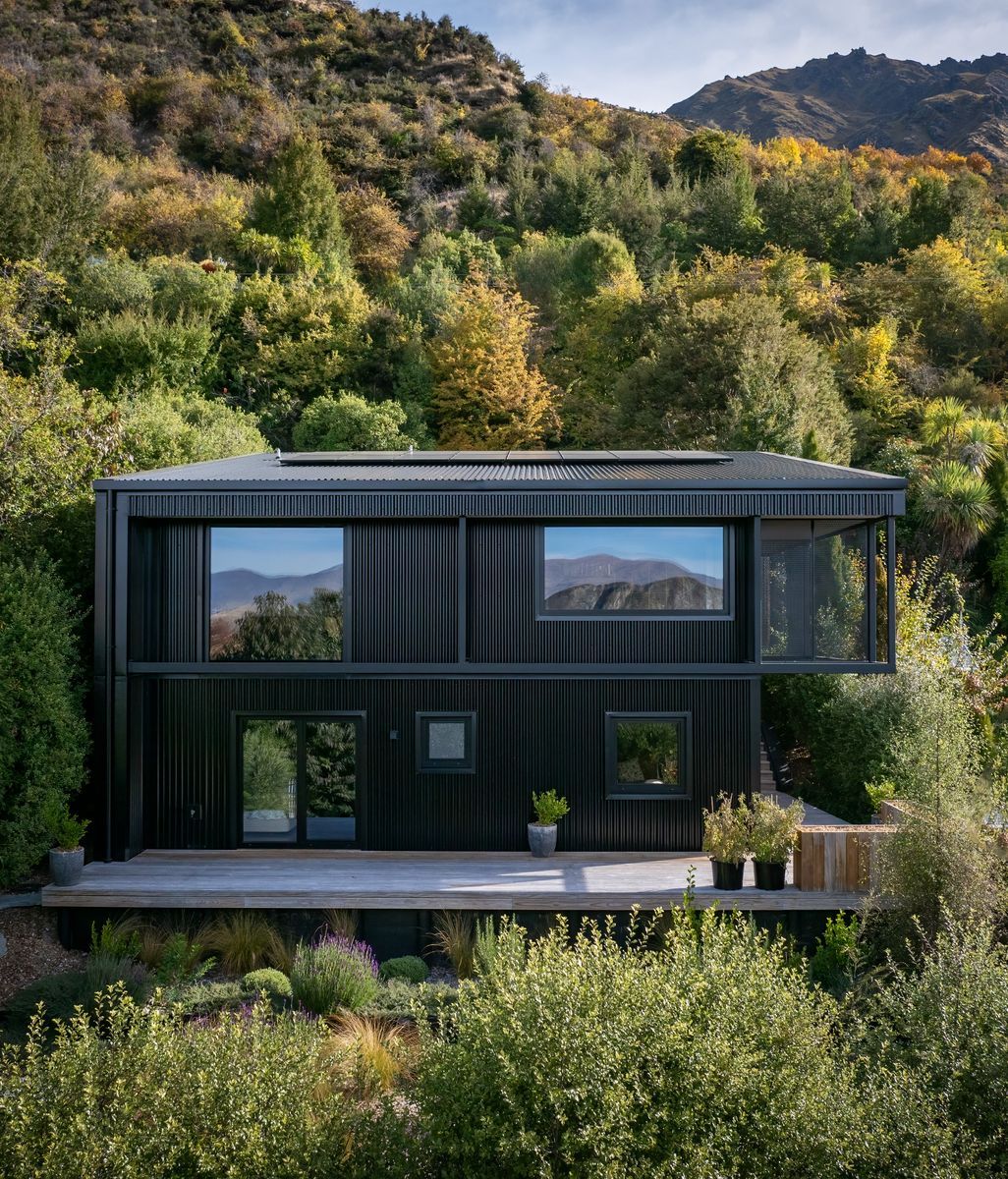
Pukehina House by HMOA.

HMOA began in 1997, with modest means and a shared flat. The early days were, by their own admission, hand-to-mouth. “It was all hands to the pump, a lot of hours and not much remuneration,” John recalls. “There were times when we were anxiously waiting for the mailman to arrive so we could run around to the bank before 3pm, so we could pay everyone.”

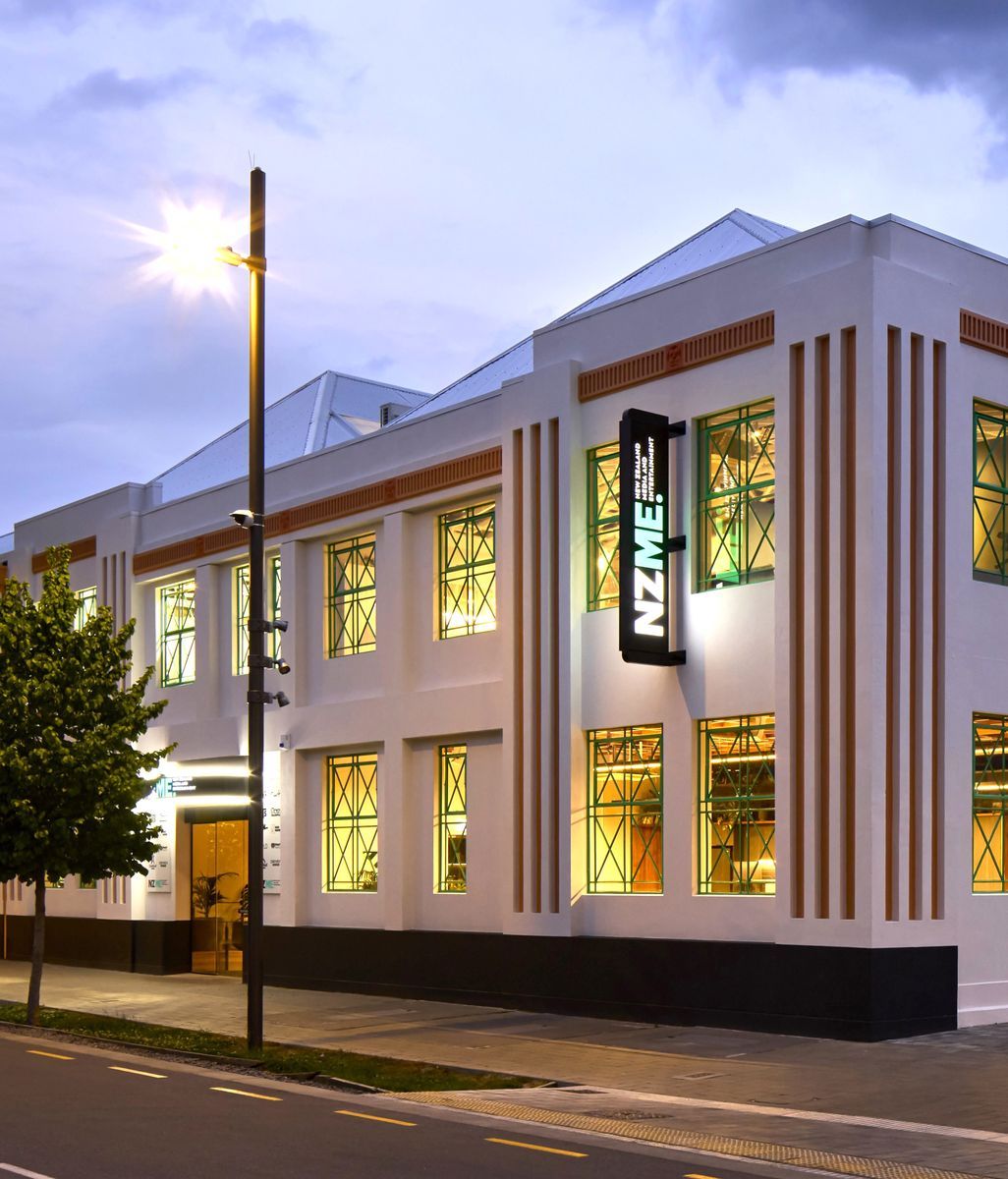
Those beginnings were humble, but formative. The practice’s first three projects involved adaptive reuse of heritage buildings, a strand of work that would shape its trajectory for years to come. From Cambridge Terrace to Wakefield Street, one project led to another, increasing asset value and amenity for clients, and slowly building a reputation for thoughtful, pragmatic design.

From there, the work diversified and deliberately so. Residential projects sat alongside commercial interiors, office fit-outs, veterinary clinics, salmon farms and infrastructure projects. HMOA was never interested in narrowing its focus too early. 

“We’ve always had this policy of trying to have a wide range of projects,” John says. “In New Zealand, and particularly Wellington, it’s a pretty small market, so you sort of have to be good at everything.”

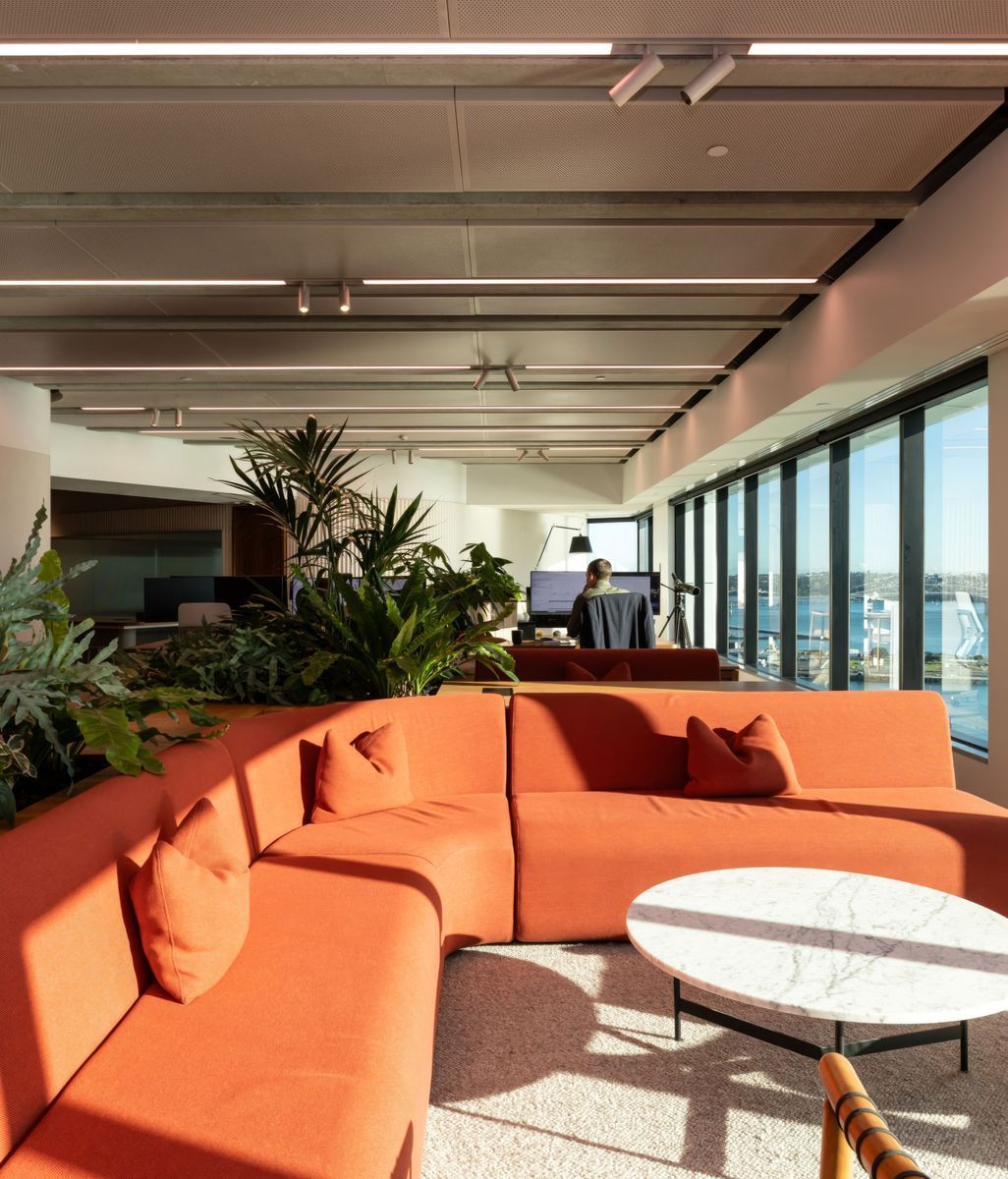
Stretching across a city block in the heritage-listed Harbour City Centre, HMOA has created three levels of new office space for FNZ's New Zealand headquarters.
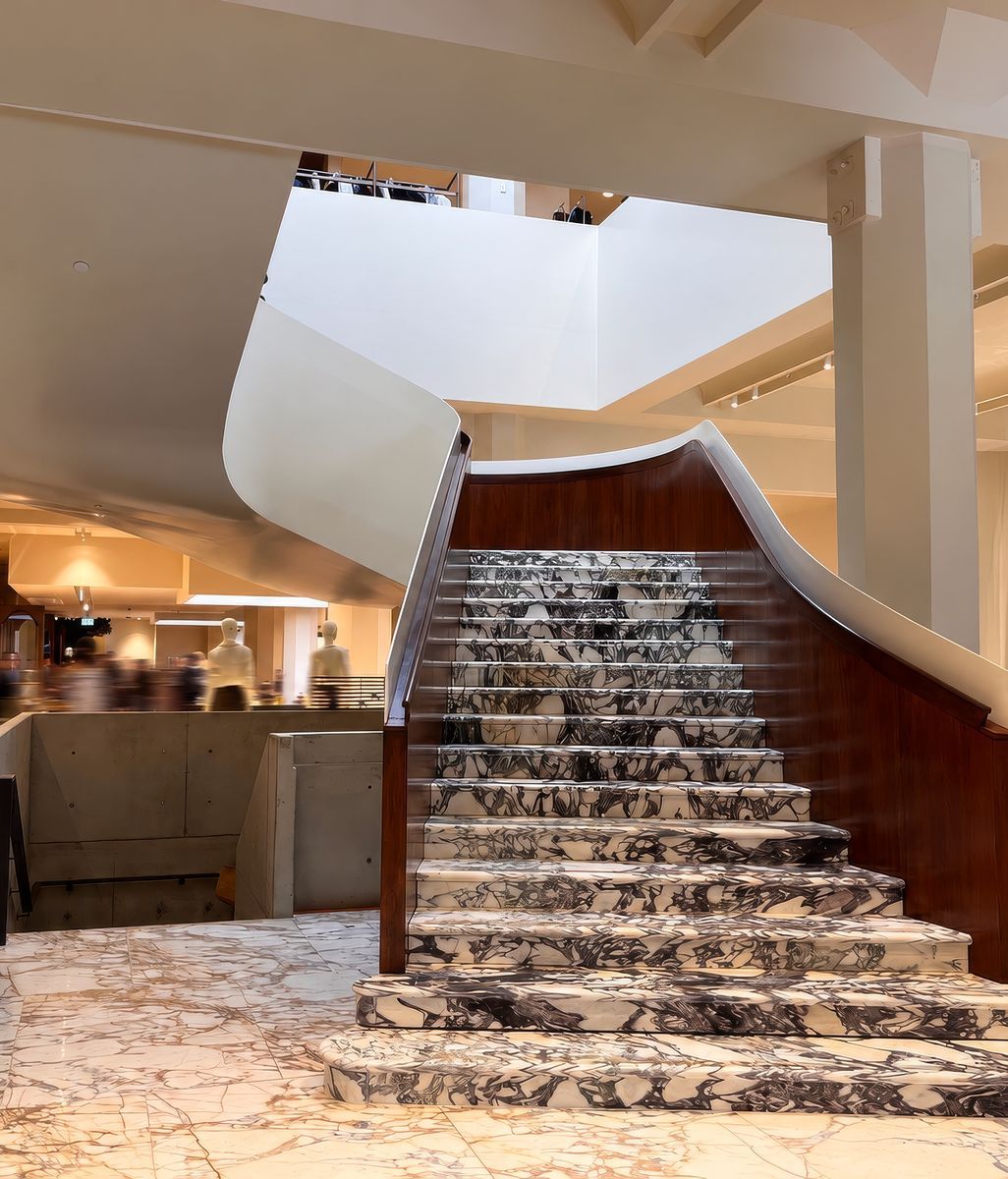
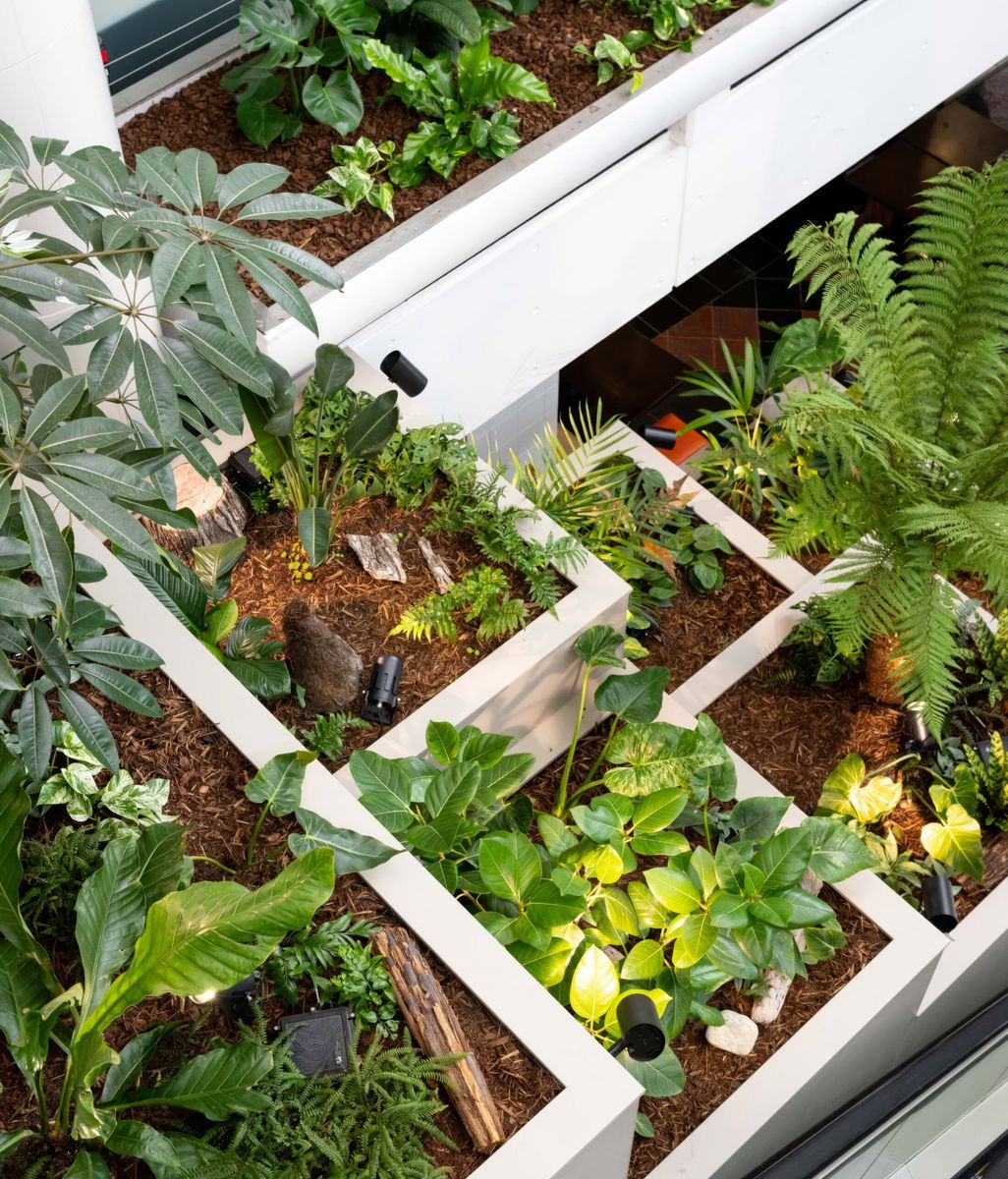
A dramatic internal stair has been inserted through the centre of the space and natural light is maximised with skylights.

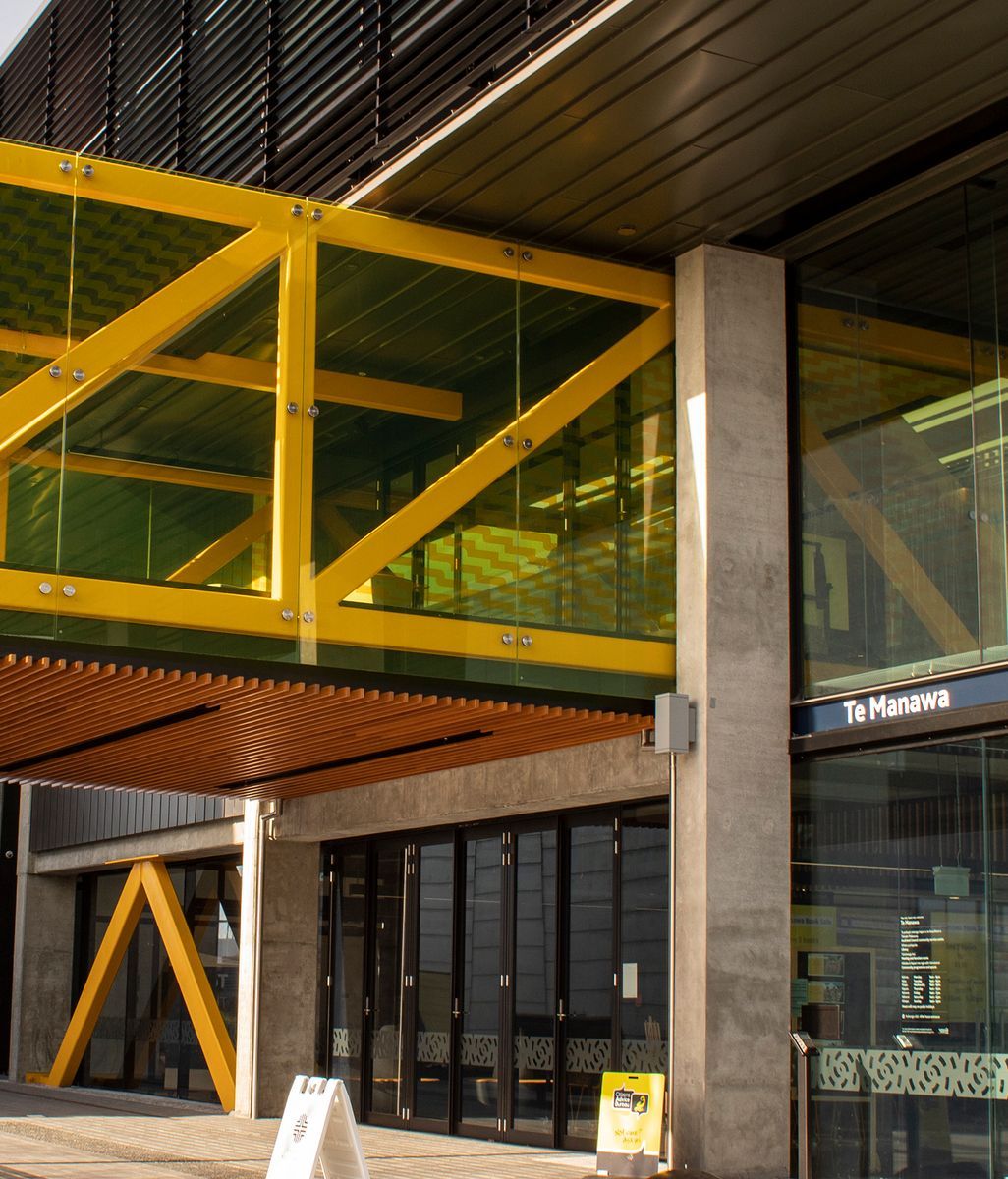
That adaptability, which is very much a number-8-wire sensibility, also explains how a relatively small Wellington practice found itself collaborating on major public infrastructure, including railway stations in Auckland. HMOA is comfortable in a supporting role, bringing design clarity, detailing ingenuity, and delivery experience to larger consultant teams.

“We don’t need to be the person in control,” Max says. “We’re quite happy supporting other people, and it seems to be the way we have worked over the years.”

The practice has also learned, sometimes painfully, about the volatility of the architecture sector. A major commercial project near Parliament fell over during the GFC, just as it was gaining momentum. 

“That would have been by far and away the biggest project for us,” Max reflects. “We were up for the challenge, but it made us very aware of the need for resilience in an architectural practice.”

That awareness led to a strategic decision to expand geographically. A Christchurch office was established with Duval O’Neill in 2005, followed more recently by Auckland in 2018, and a new studio in Wānaka this year. Different cities, they learned, behave very differently depending on their economic drivers, and it seemed sensible to diversify. 

The collaborative process at HMOA


Design at HMOA begins not with form, but with realism. Before anything is drawn, there are frank conversations about feasibility, budget and what a project can reasonably deliver. It’s a conversation honed over decades, and one the practice sees as fundamental to building trust with clients and producing a successful building.

“We’ve learned over the years to look at this at the outset,” Max says, “rather than designing something we know the client is not going to be able to afford.”

That same pragmatic lens shapes the practice’s approach to sustainability. Rather than treating it as a bolt-on or a checklist item, HMOA folds it into early discussions, often by gently challenging assumptions. Clients may arrive with ambitious sustainability rhetoric, but the reality is usually more complicated.
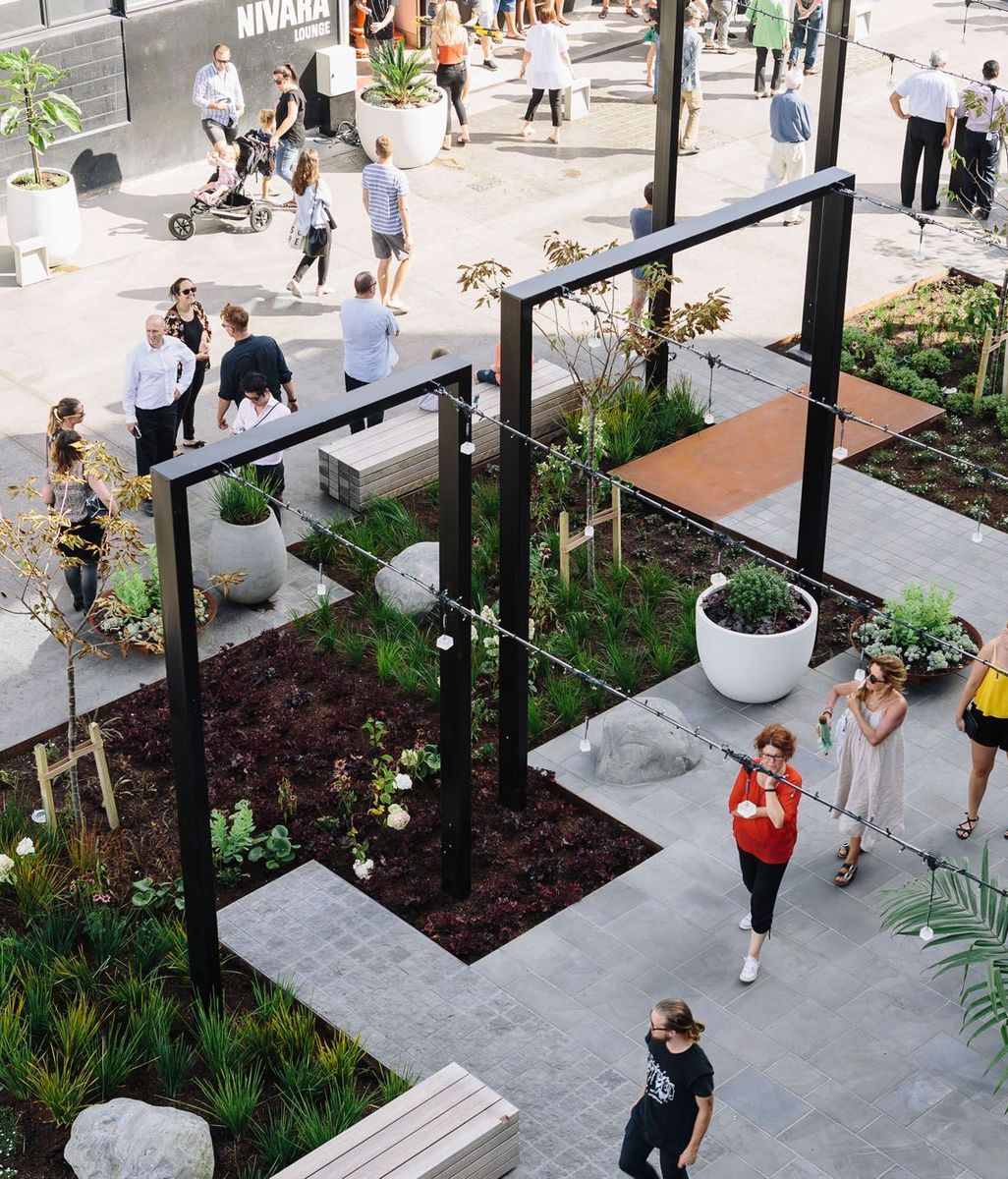
“You sometimes have to deal with conflicting client aspirations," John says. “For example, they want to go off-grid, but still want a 400 square metre house”.

For HMOA, sustainability is less about chasing performance badges and more about making better decisions with what already exists. Adaptive reuse has become both a moral position and a practical one. The practice consistently advocates for building less, retaining more, and recognising the environmental and economic value embedded in existing structures.

“There is residual value in the current building stock with embodied carbon,” Max says. “We’re always trying to encourage people to keep what is there as much as possible.”

This stance places the architects in a guiding role, often walking clients through feasibility studies that weigh demolition against retention, not just in cost terms, but in long-term impact. John points to the Wellington Public Library as a rare and instructive win that represents hundreds of millions of dollars of savings. 

“There was a big push to demolish it and build new,” he says. “Fortunately, the council voted to strengthen and refurbish it, and we’re going to have a fantastic public library again.”

That ethos of stewardship extends inward, shaping how the practice works day to day. Collaboration at HMOA is constant and informal: open-plan studios, conversations carrying across rooms, and weekly work-in-progress meetings that span Wellington, Christchurch, Auckland, and now Wānaka.

Looking back over almost 30 years in practice, there is little they would protect more fiercely than this culture: one that values generosity, curiosity and collective problem-solving over hierarchy or authorship, albeit with a few carefully observed rules.

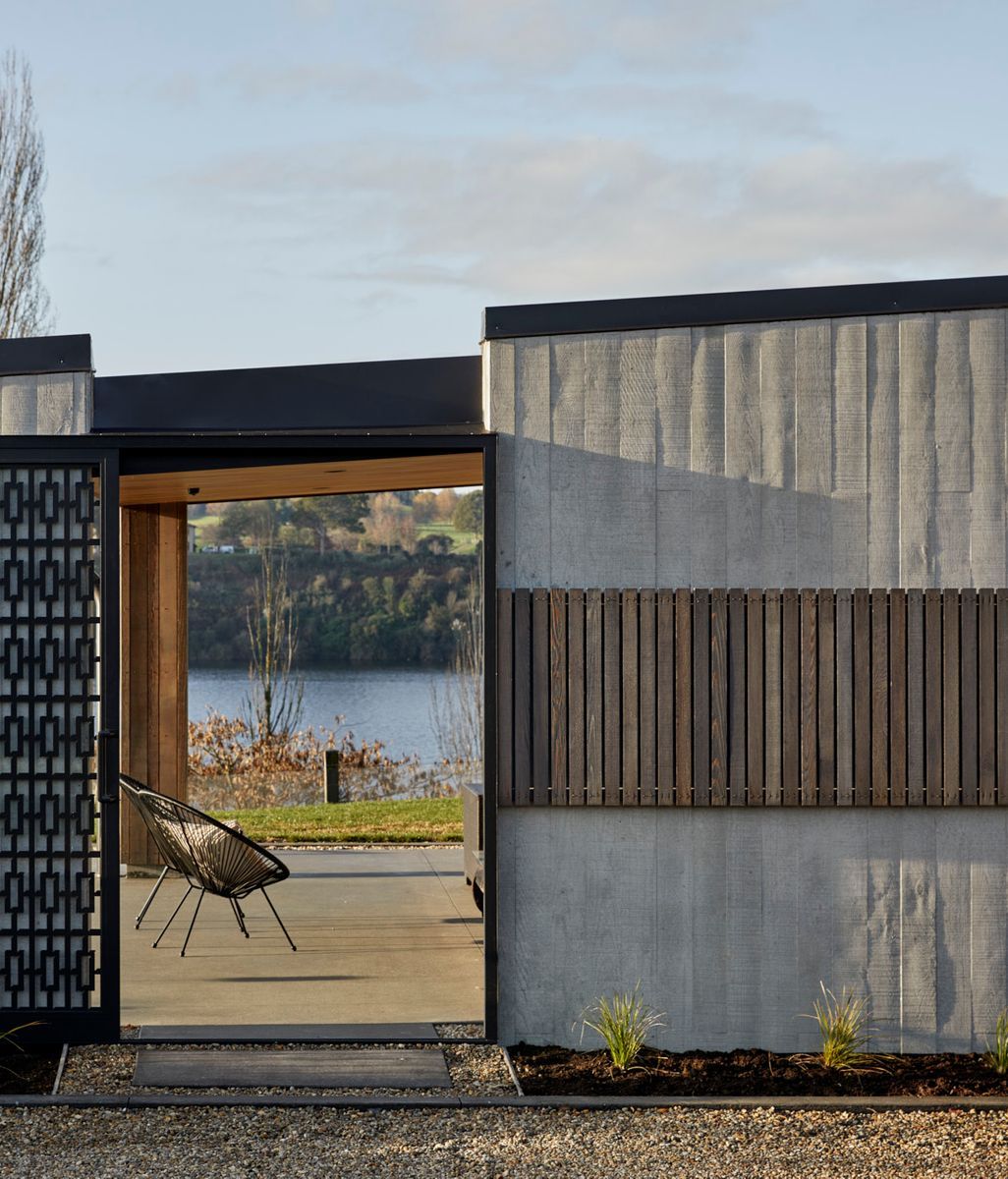
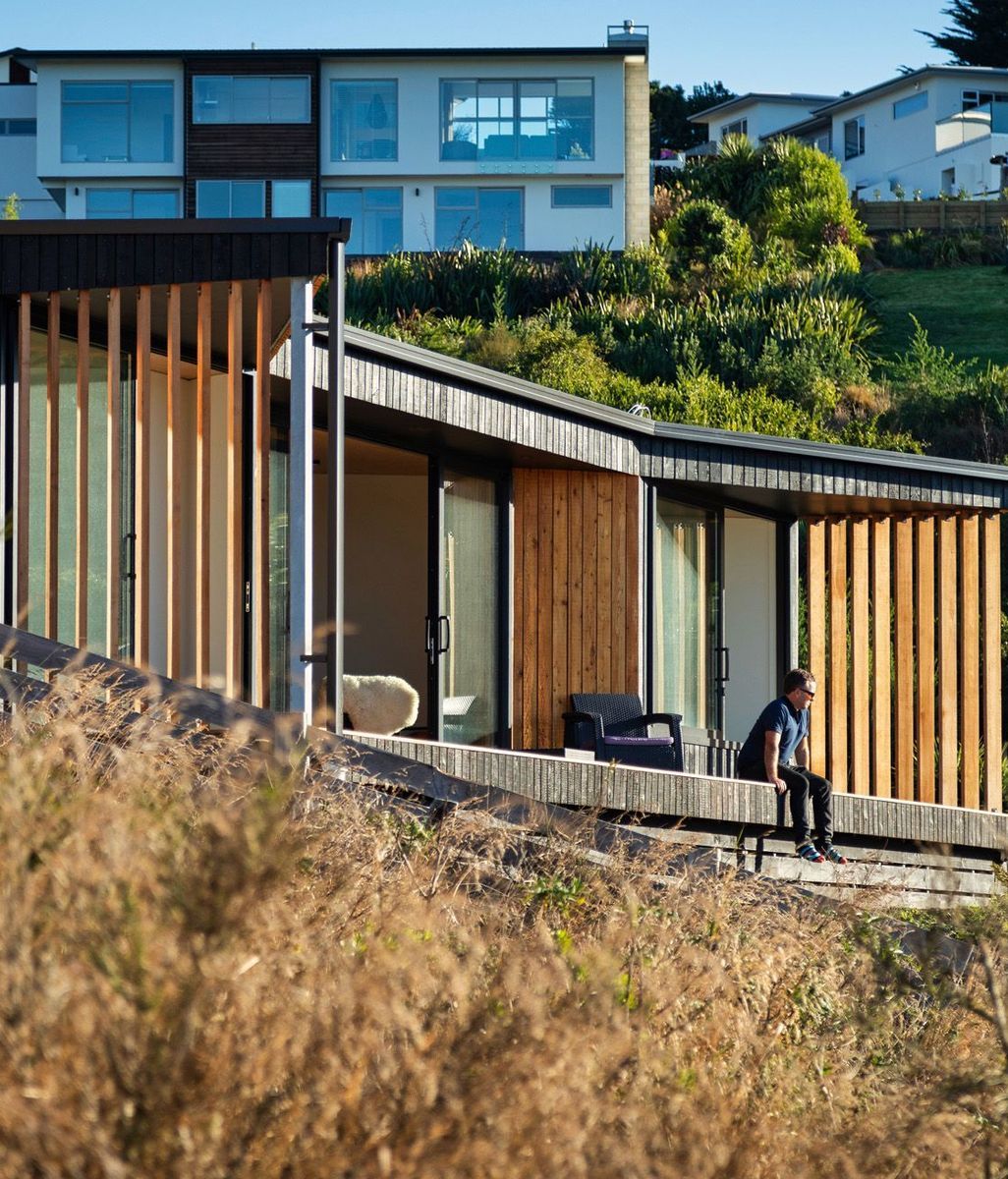
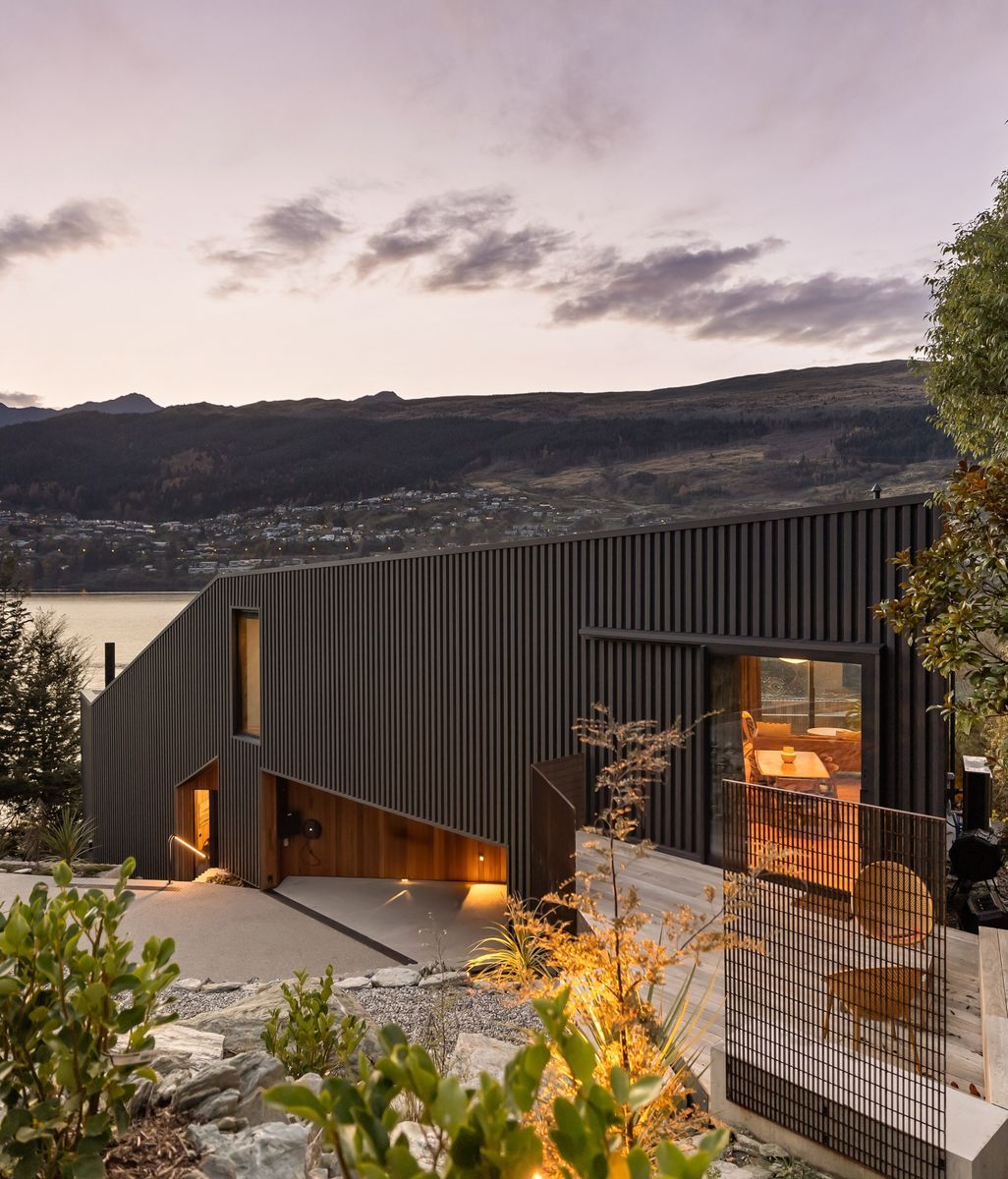
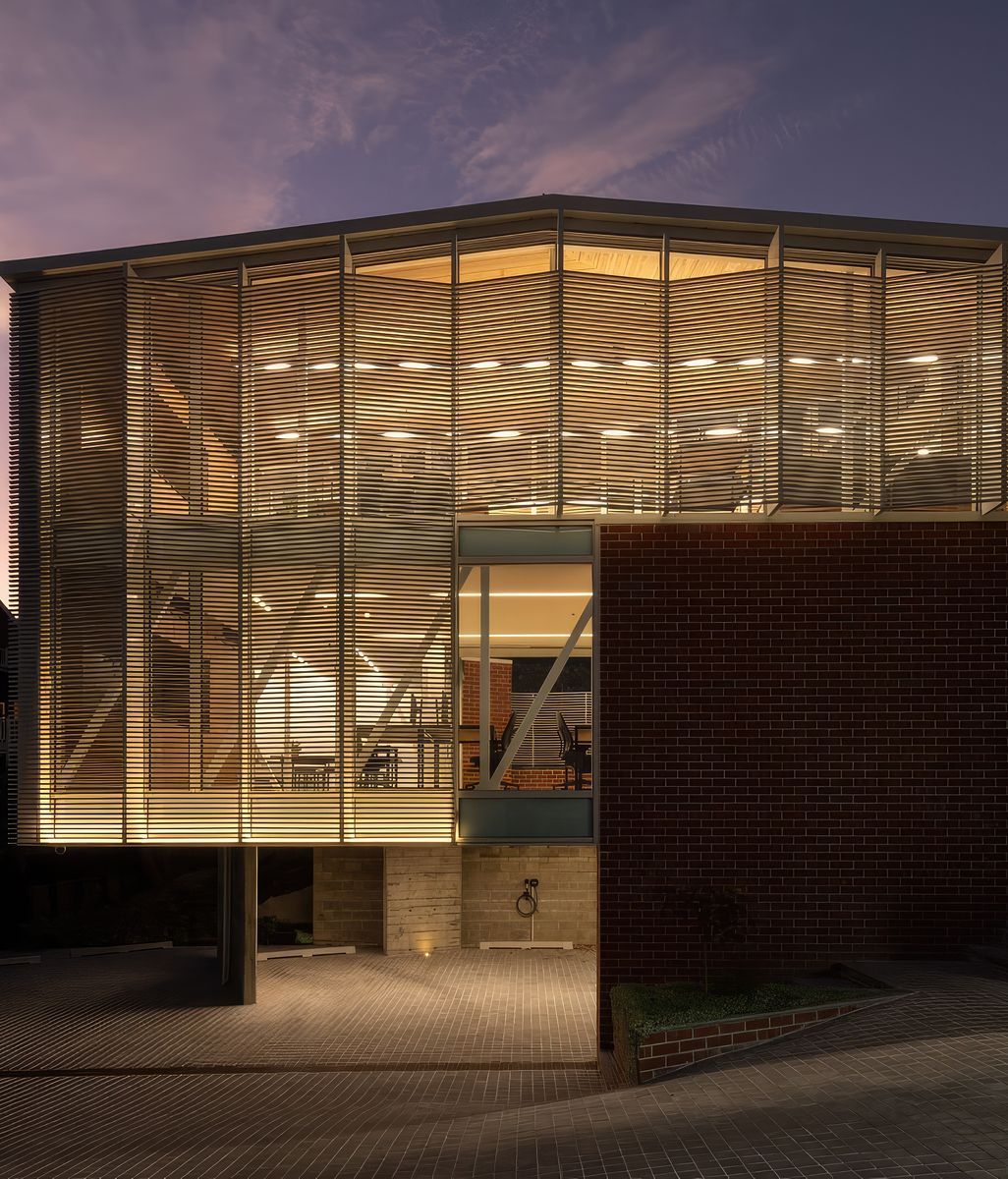
O'Neill House by HMOA.