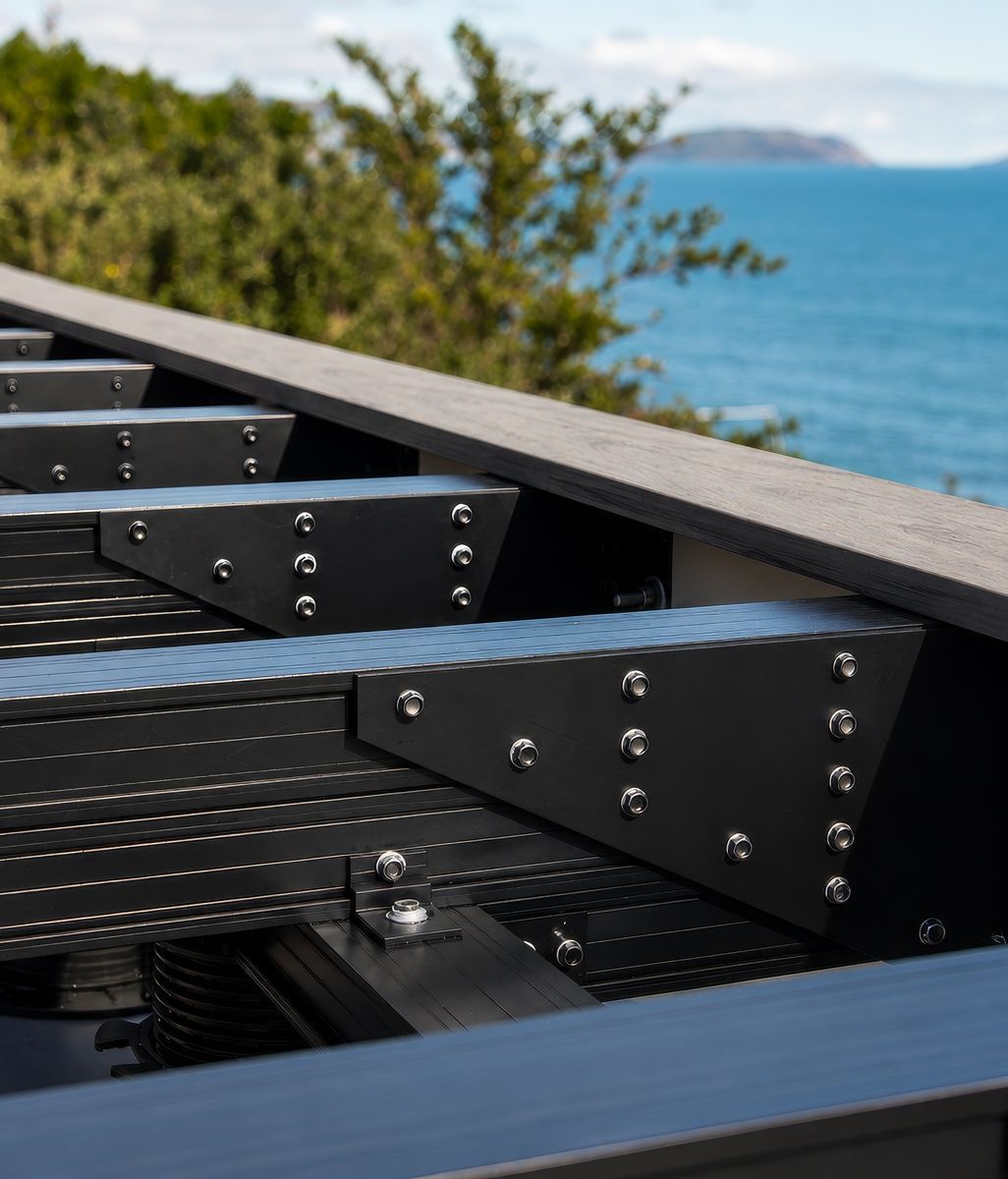
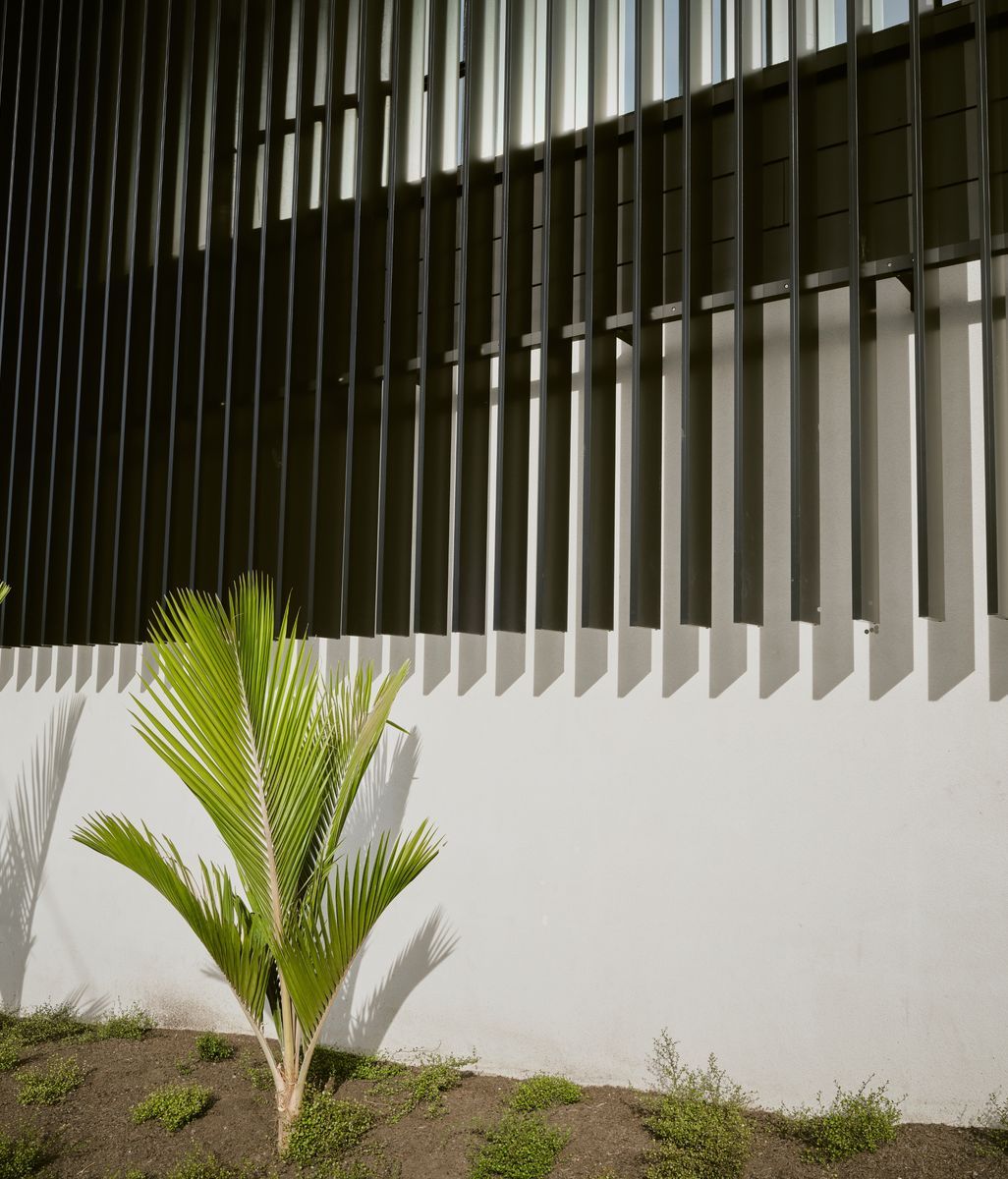
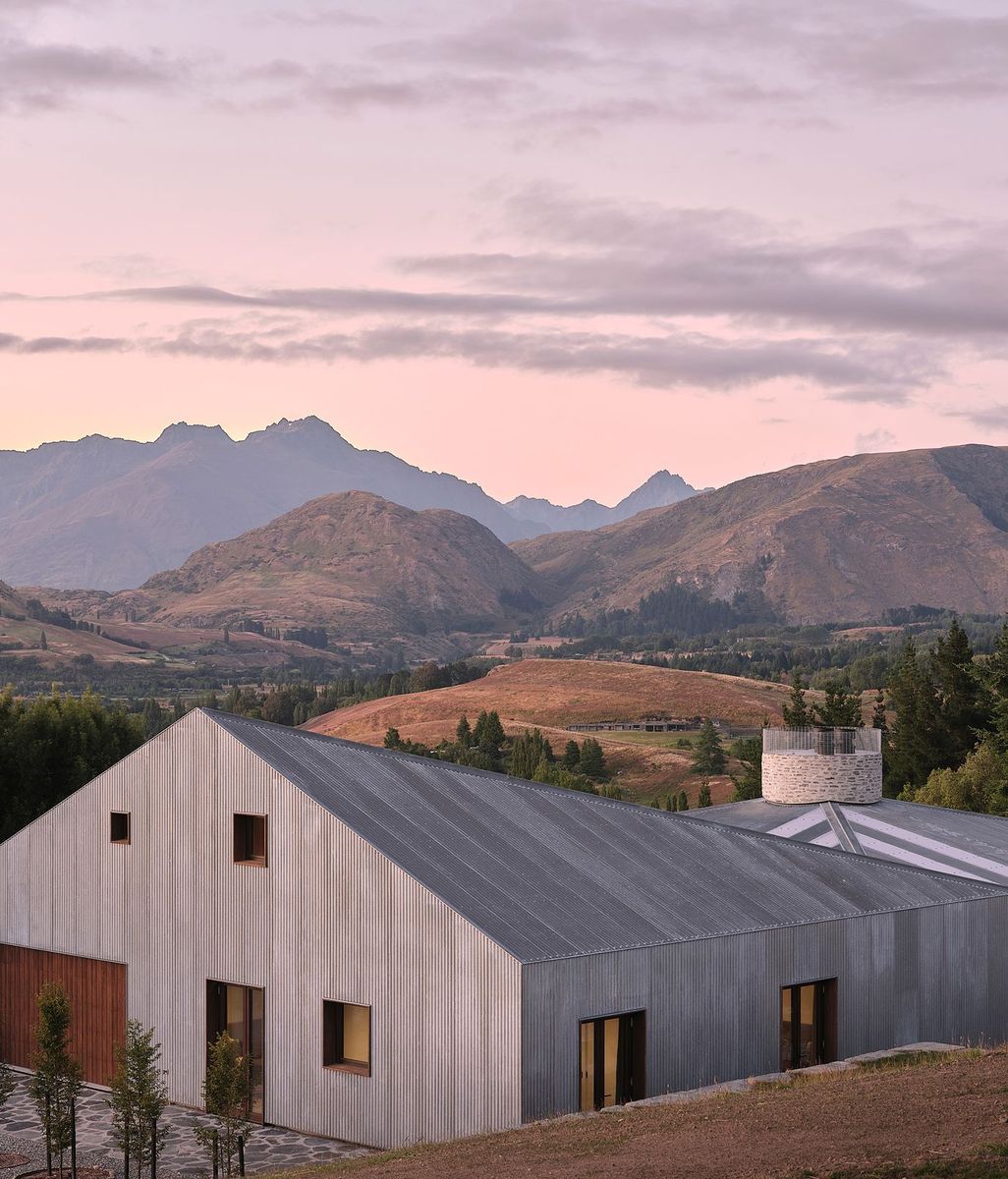
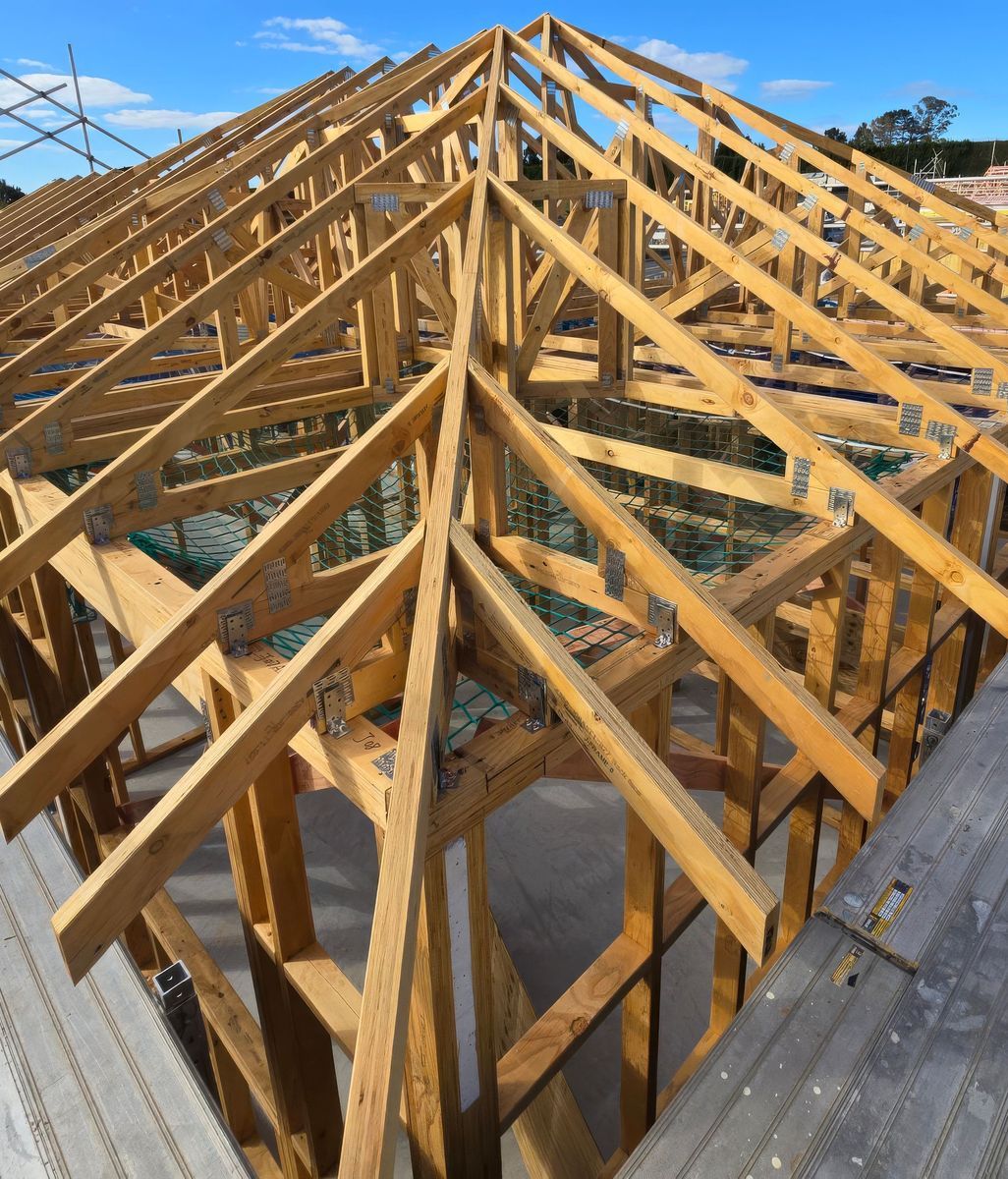
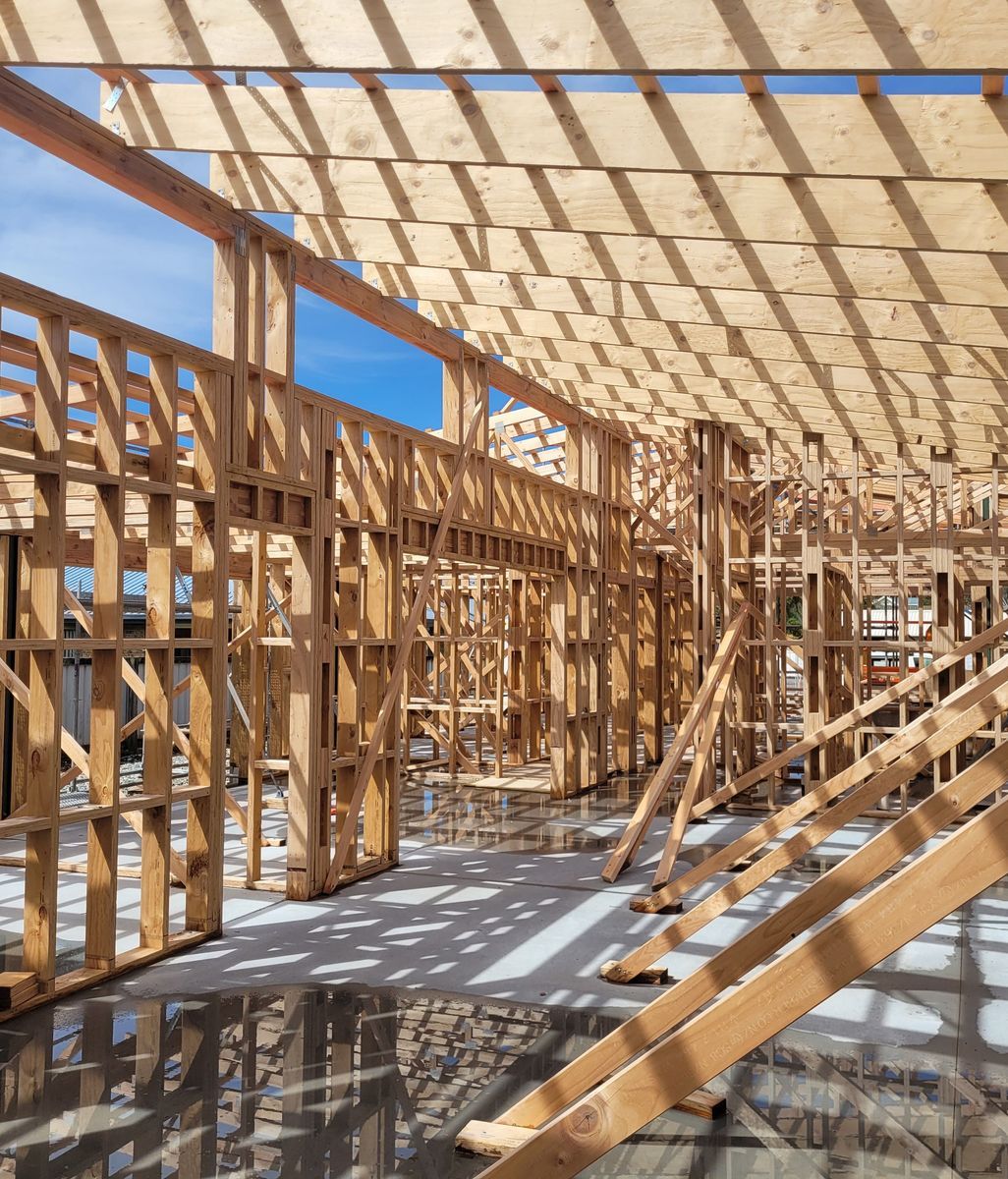
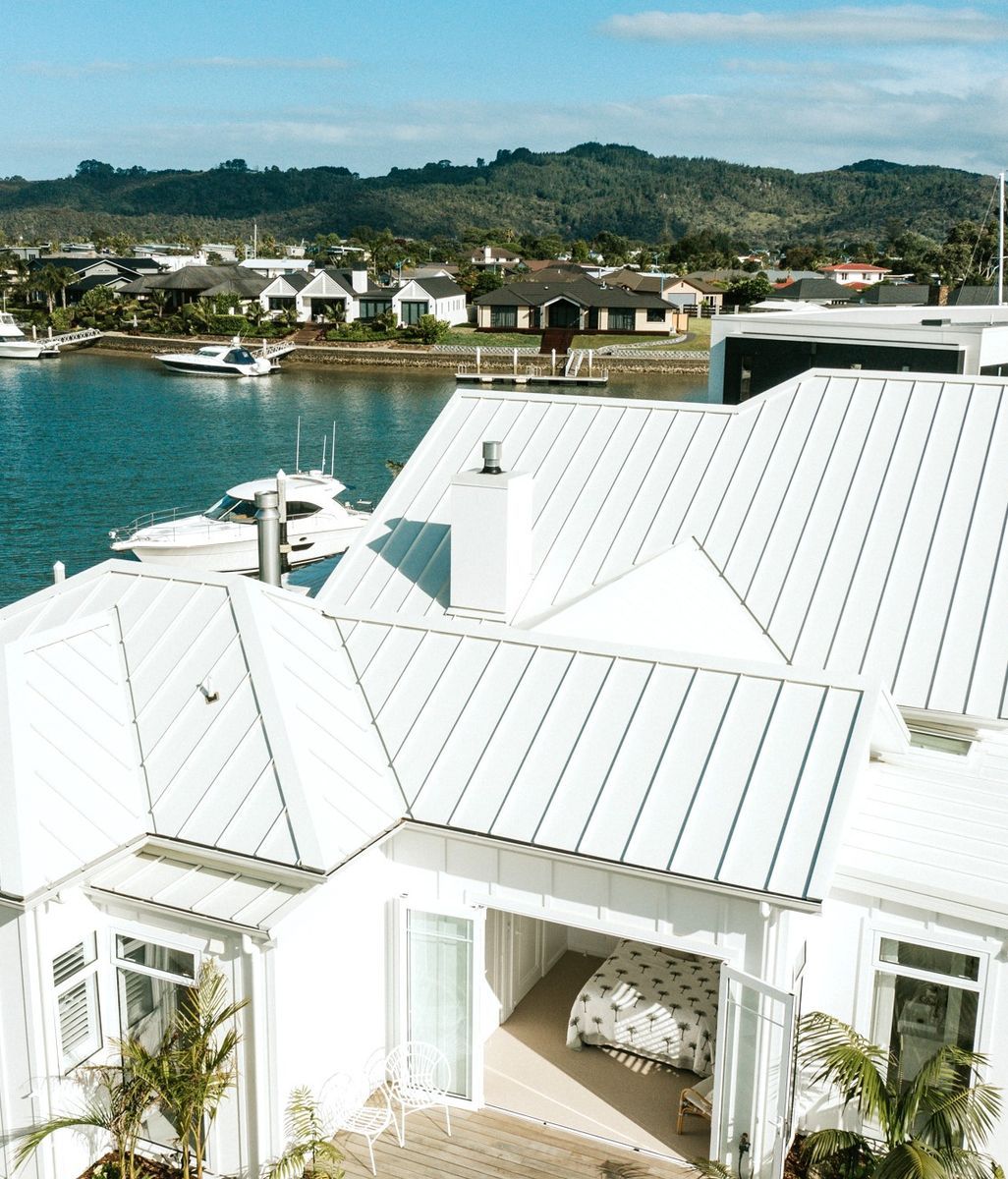
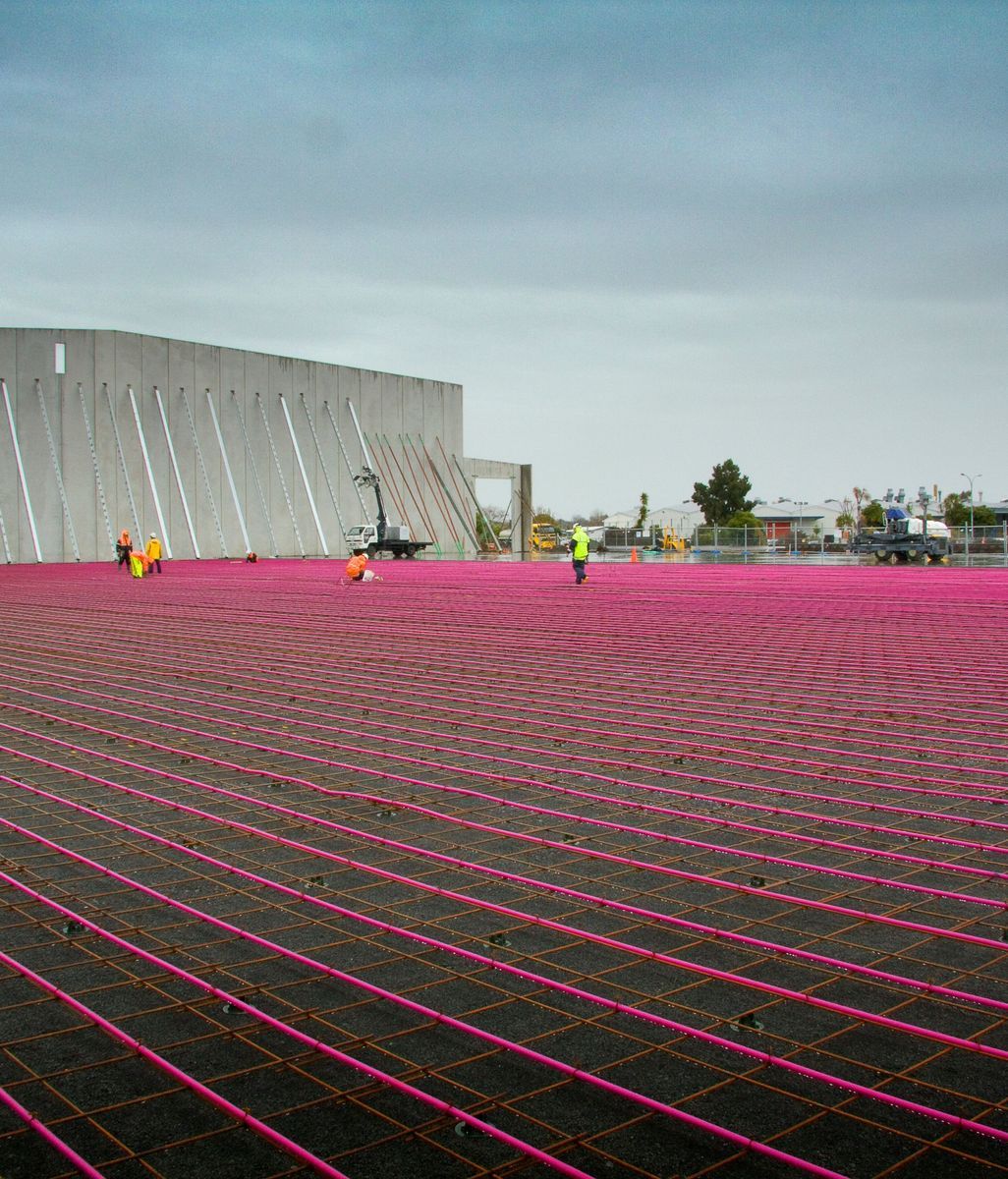
There’s a moment in almost every residential build where momentum takes over. The plans are progressing, the excitement is building, and the pressure to “just get started” begins to outweigh restraint. According to Northland-based builder Oliver Tuck, that moment is often where costs, timelines and trust quietly begin to slip. “Knowing exactly what you’re building before you start, changes everything,” he says.
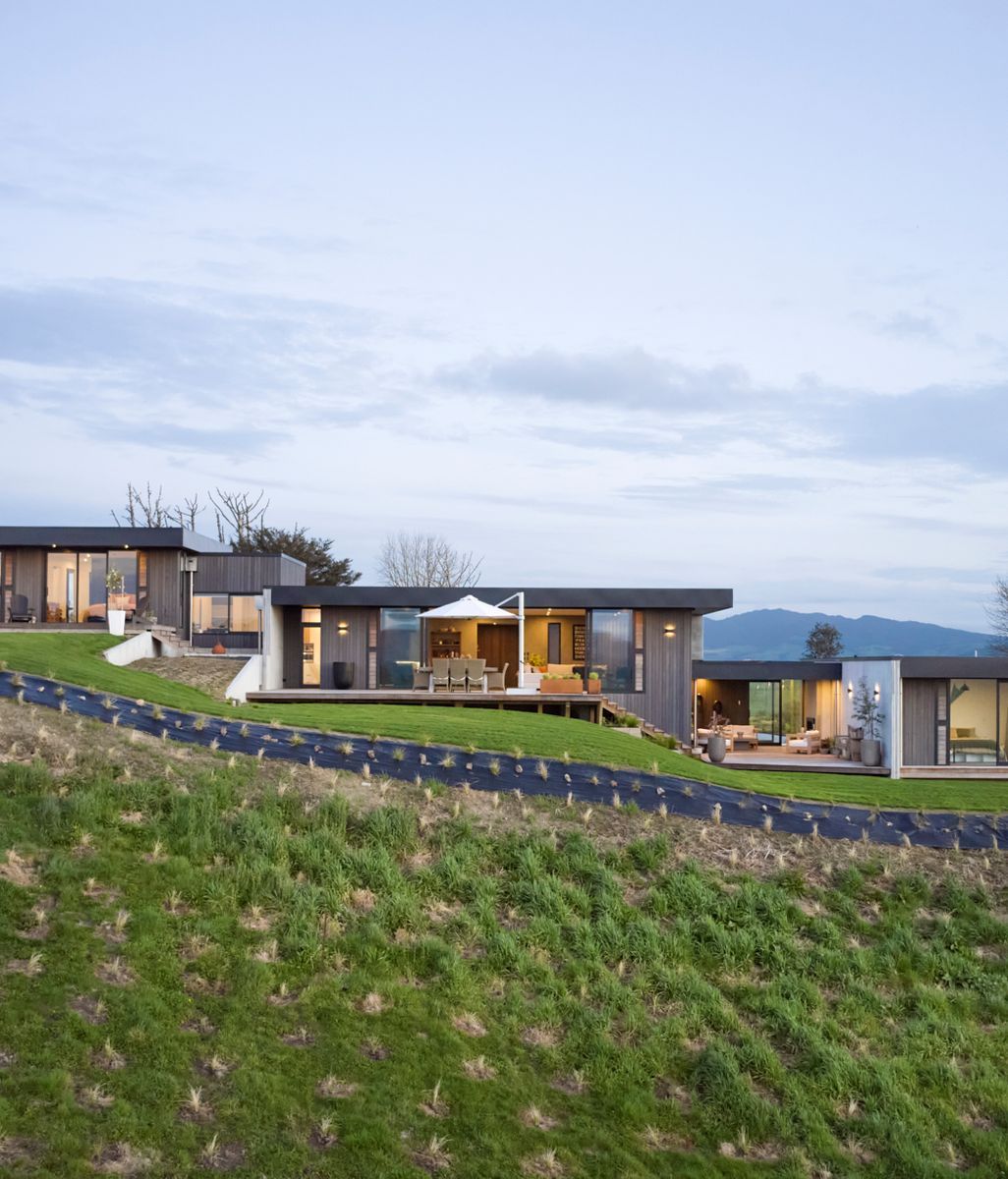
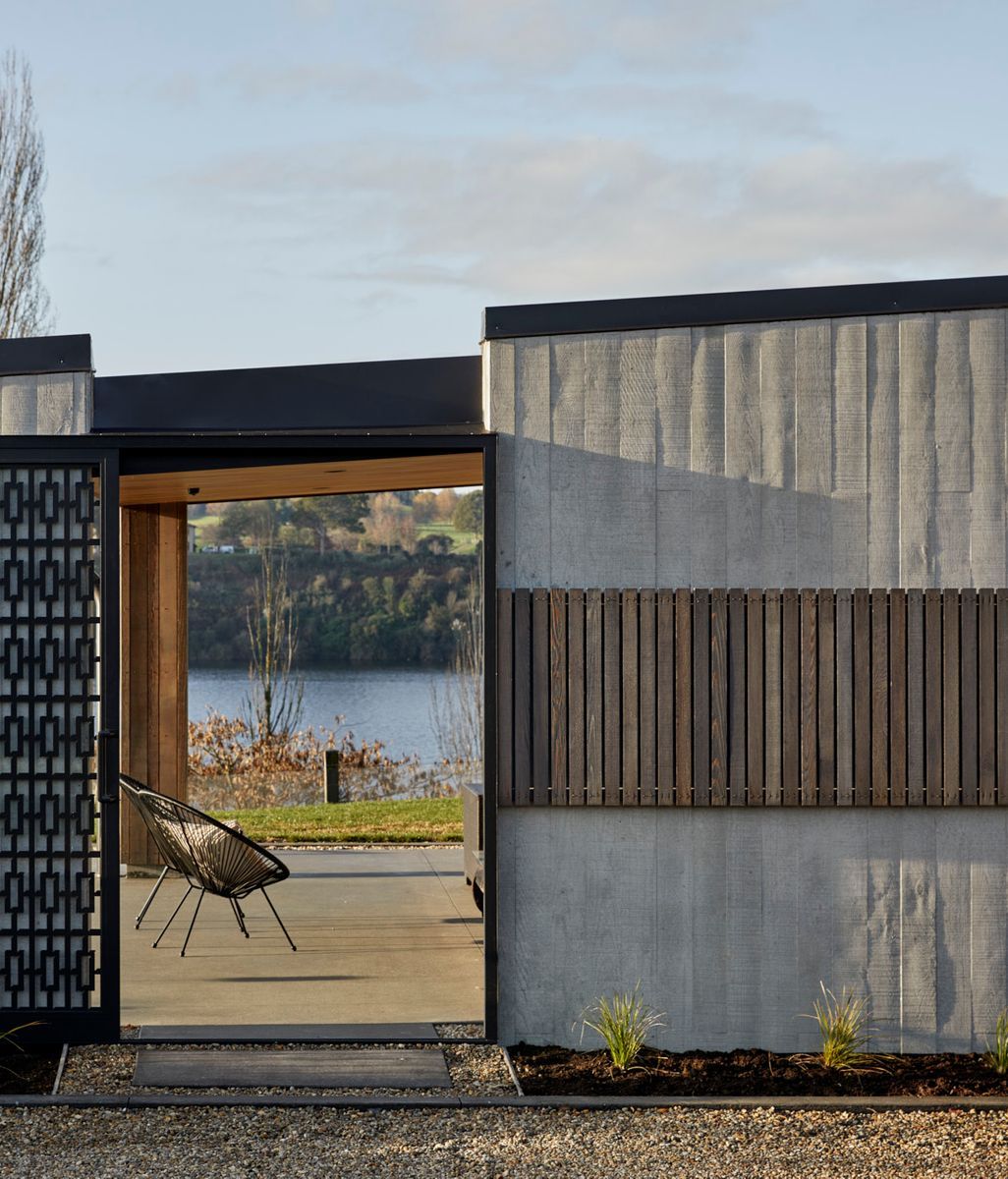
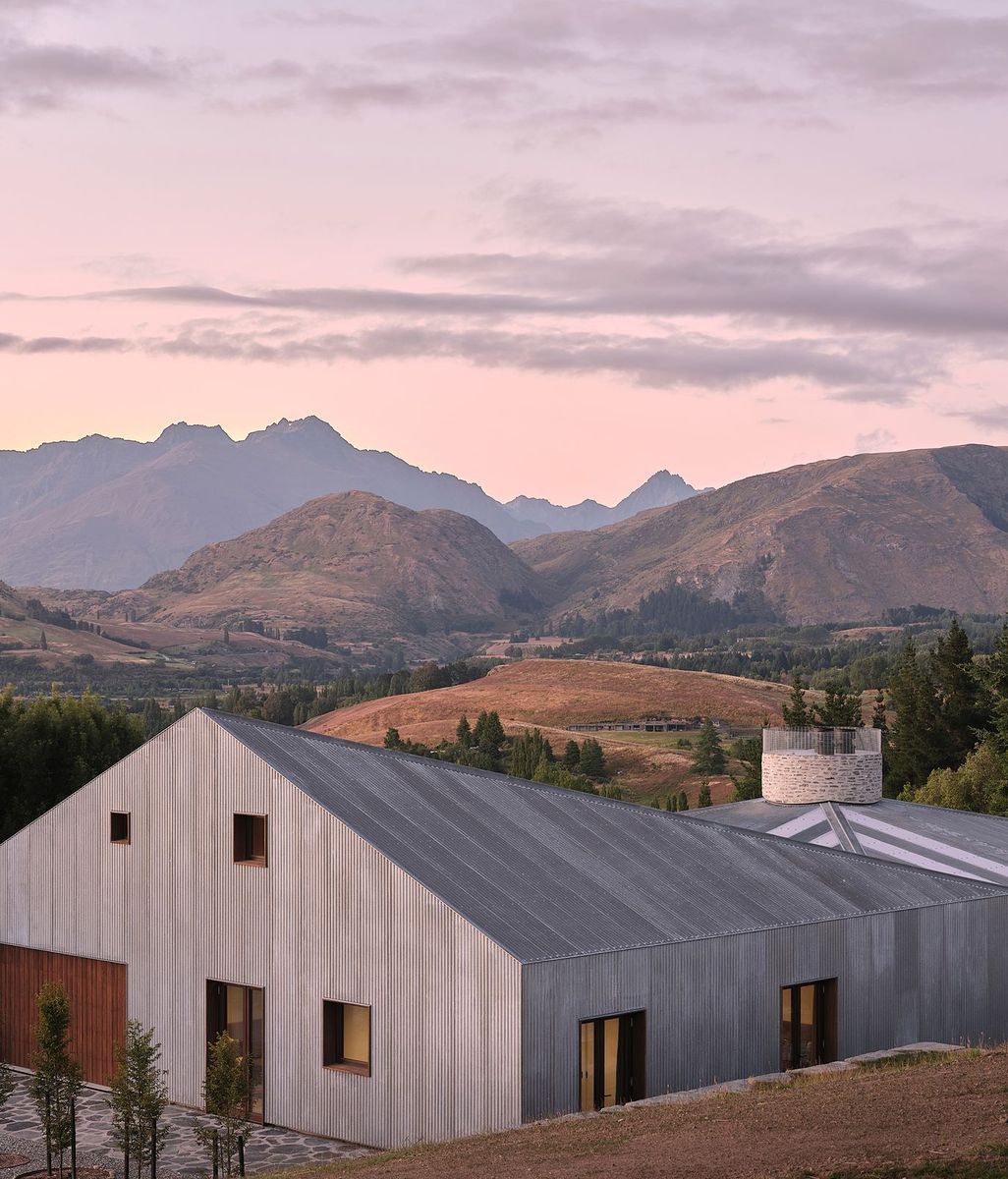
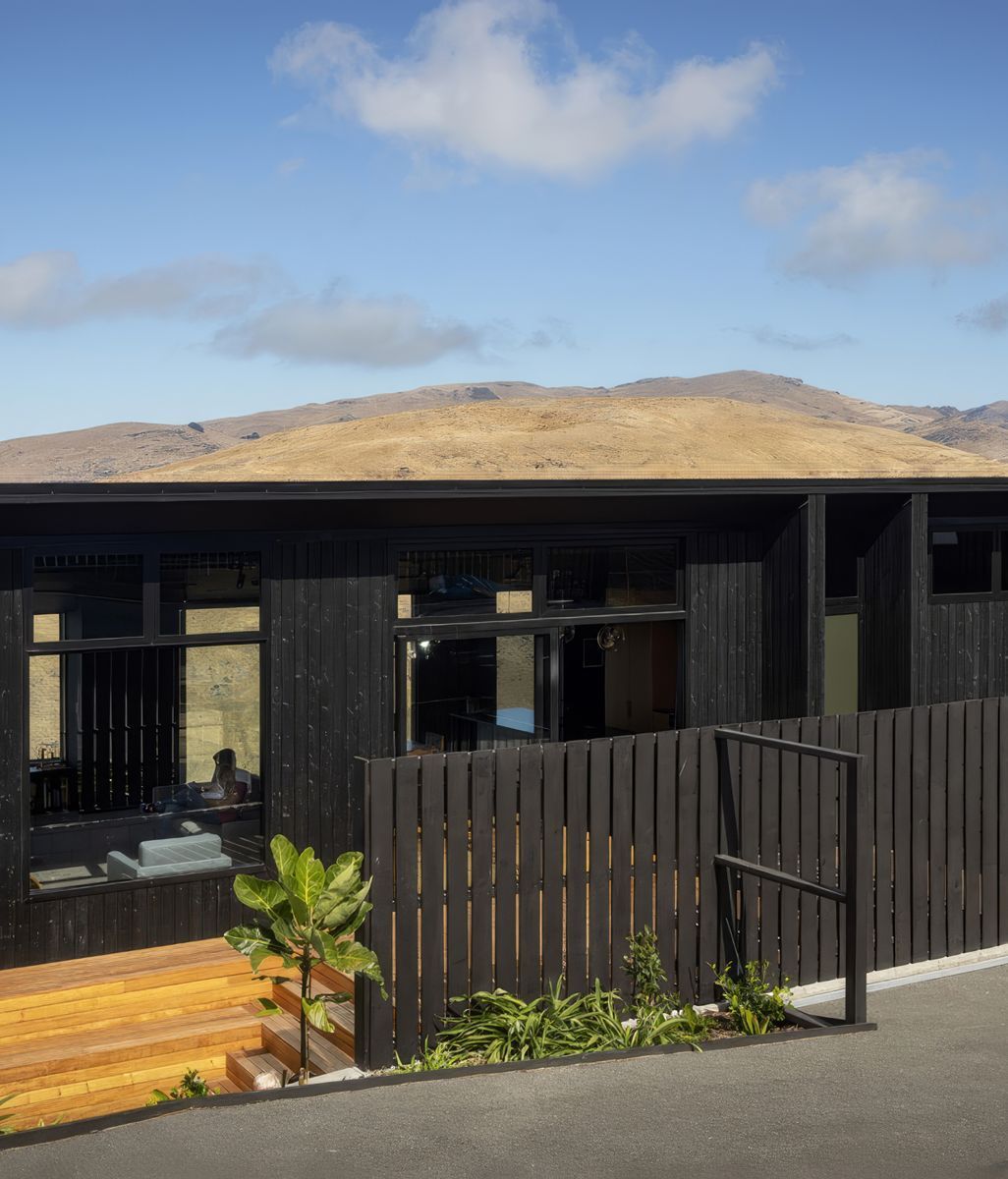
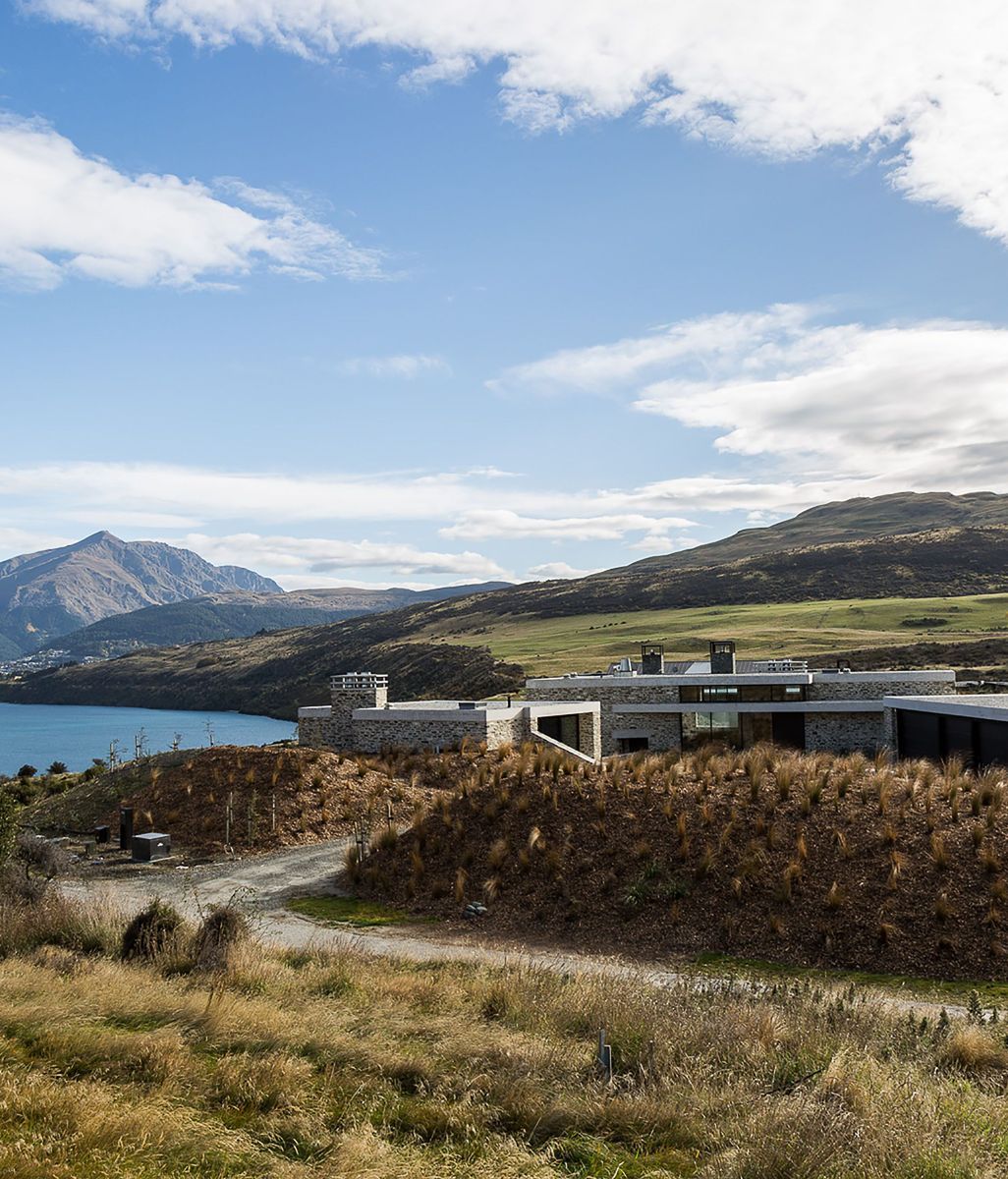
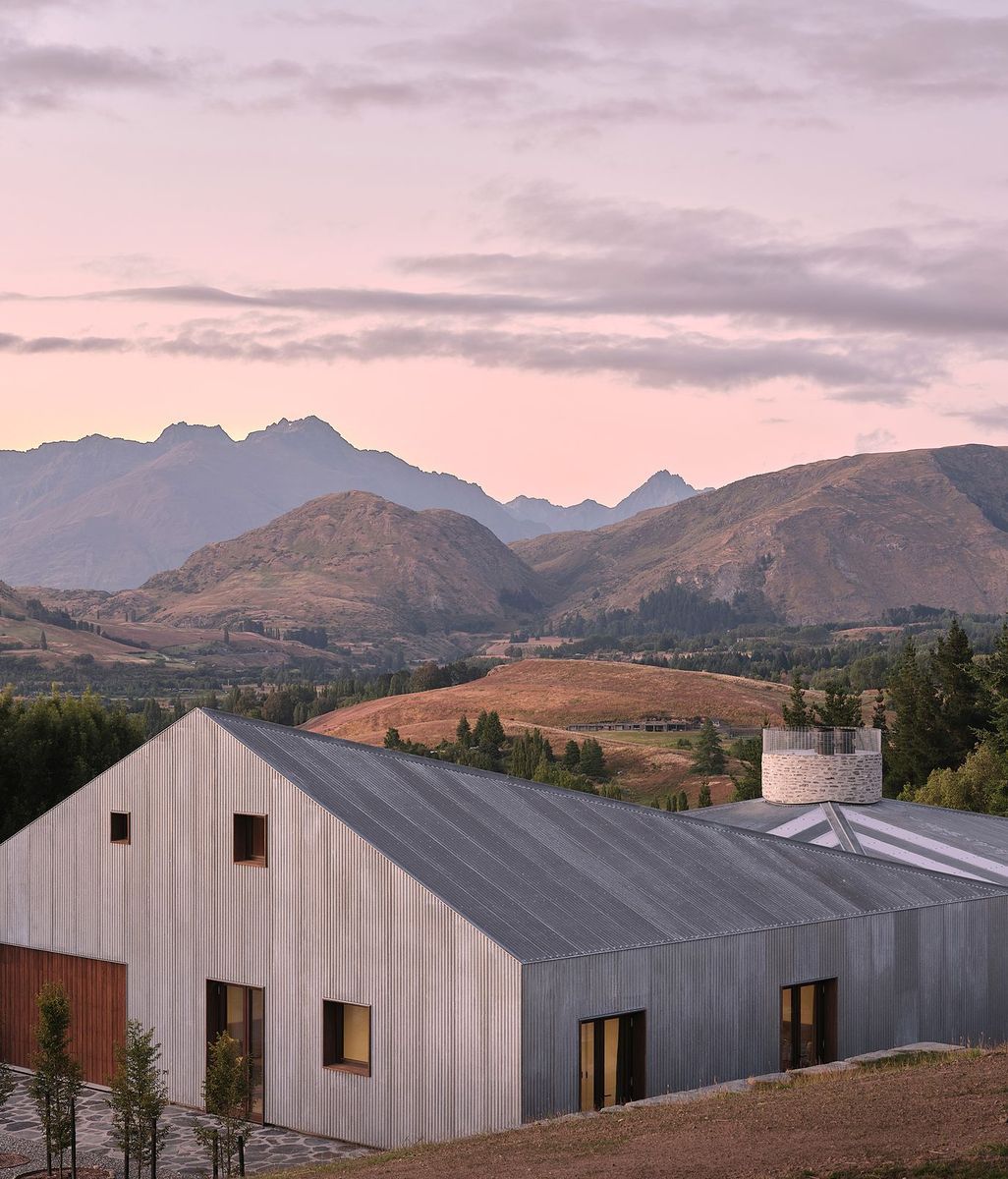
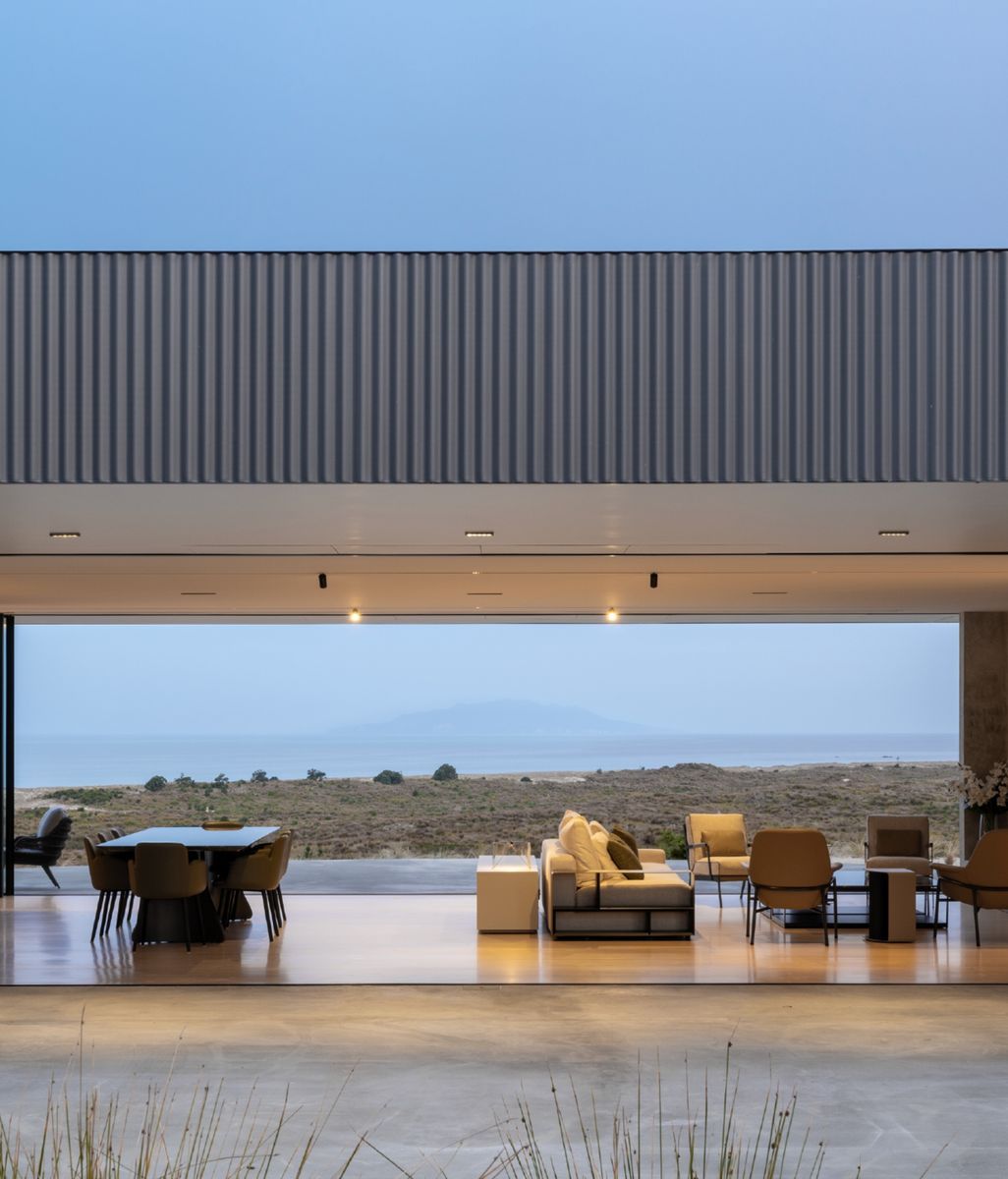
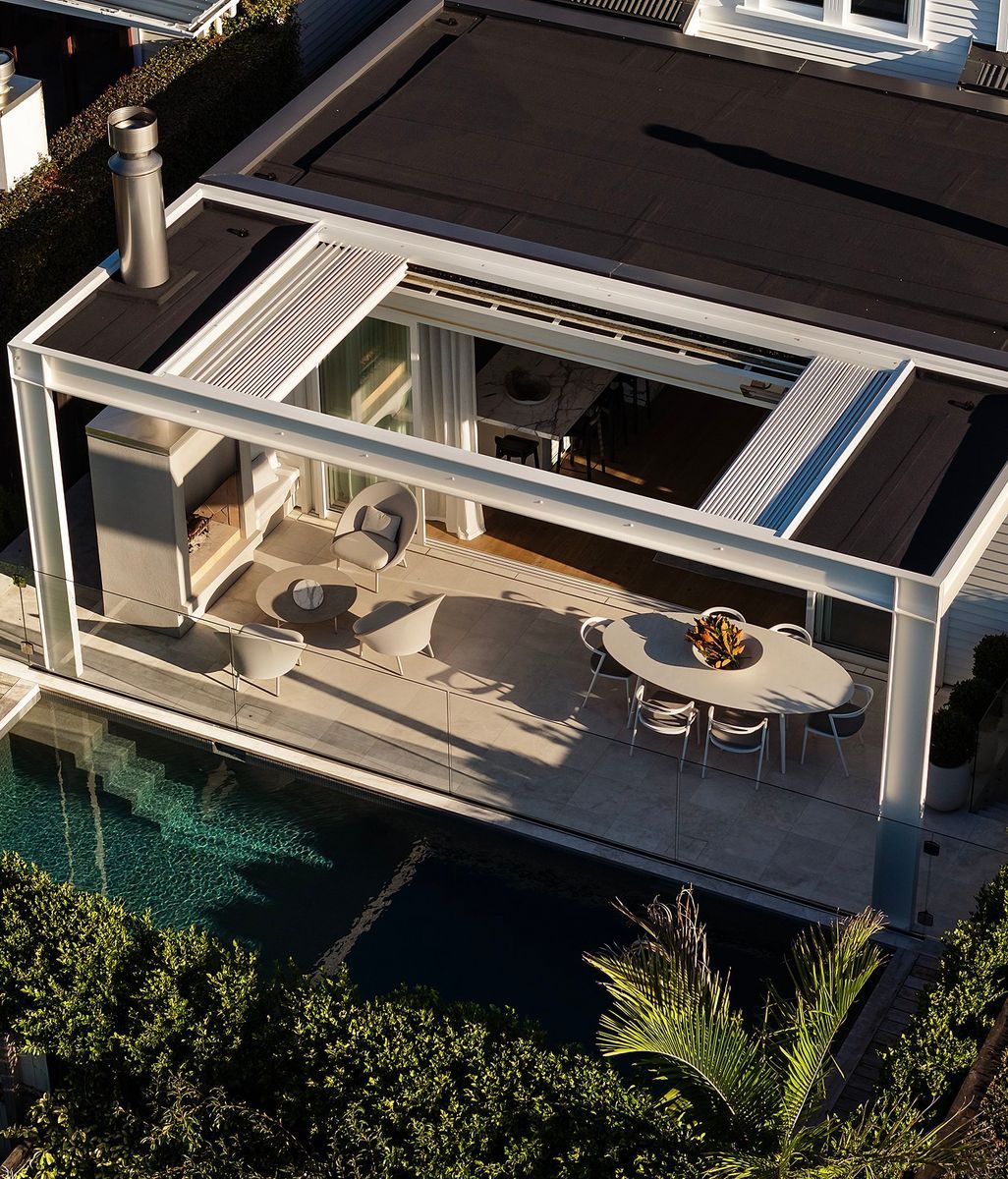
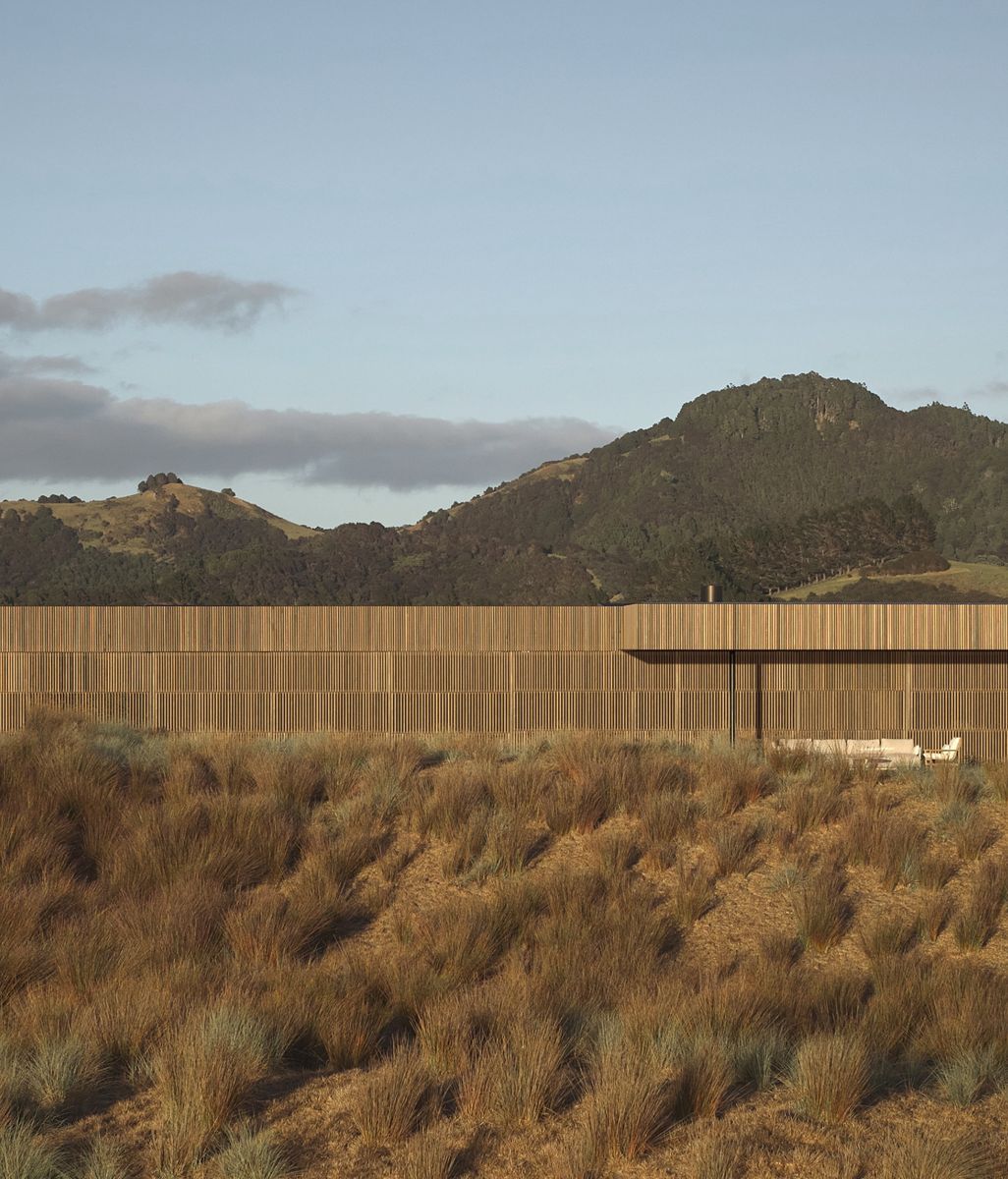
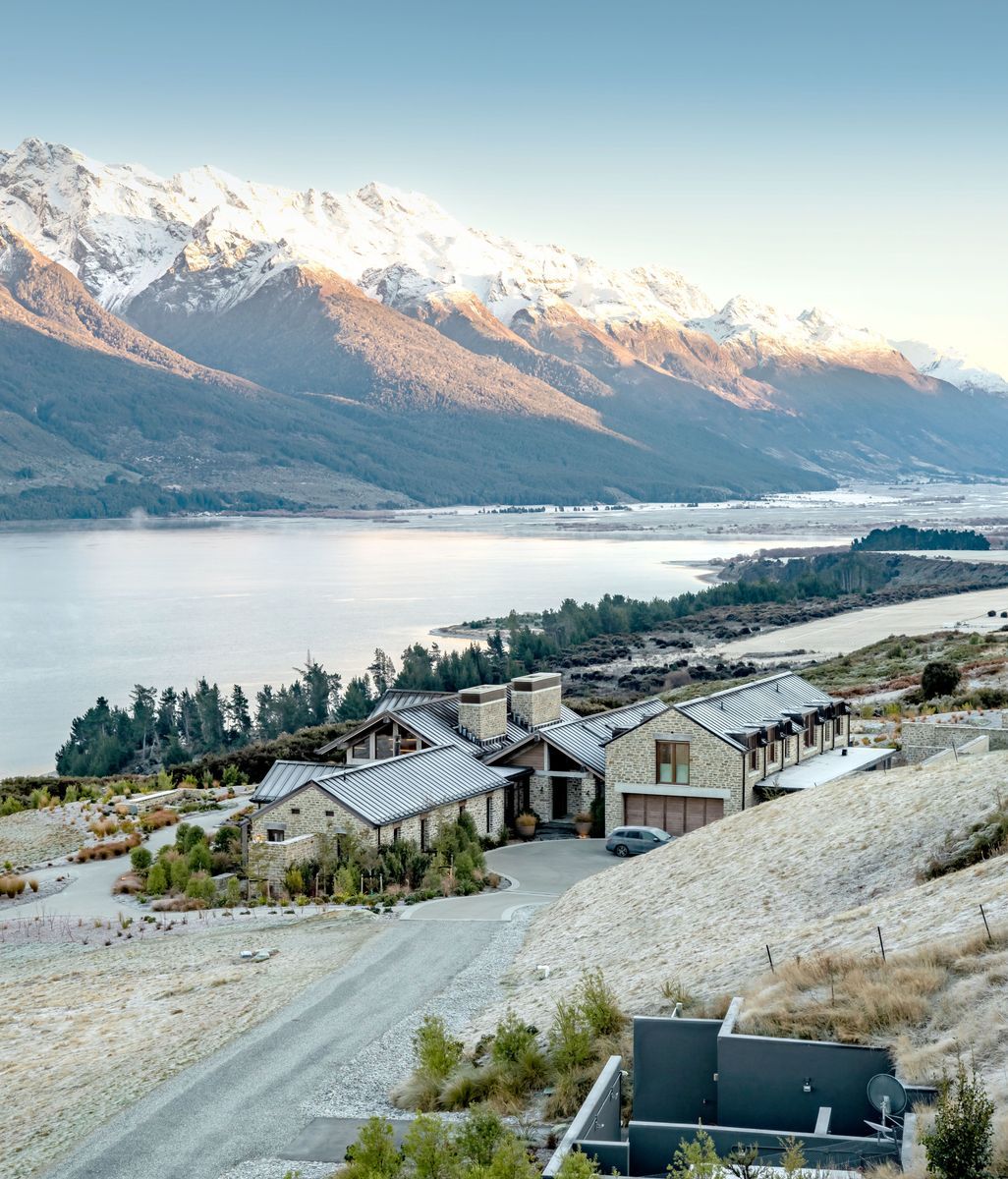
Birdsong House
Ponting Fitzgerald Architects
Built by Oliver Tuck Construction
Photography by Murray Brock
Tuck is the founder of Oliver Tuck Construction. His perspective is shaped by years of working directly with homeowners navigating one of the most financially and emotionally significant projects of their lives.
After spending time overseas refining his trade and learning the management side of construction, he returned home expecting to pick up where he left off. Instead, Auckland felt strangely quiet.
“I came back and Auckland felt like a ghost town,” he recalls. “I said I’d never move north.”
Nine months later, he found himself living on a remote Northland beach. Today, he laughs that Auckland now feels far too busy.
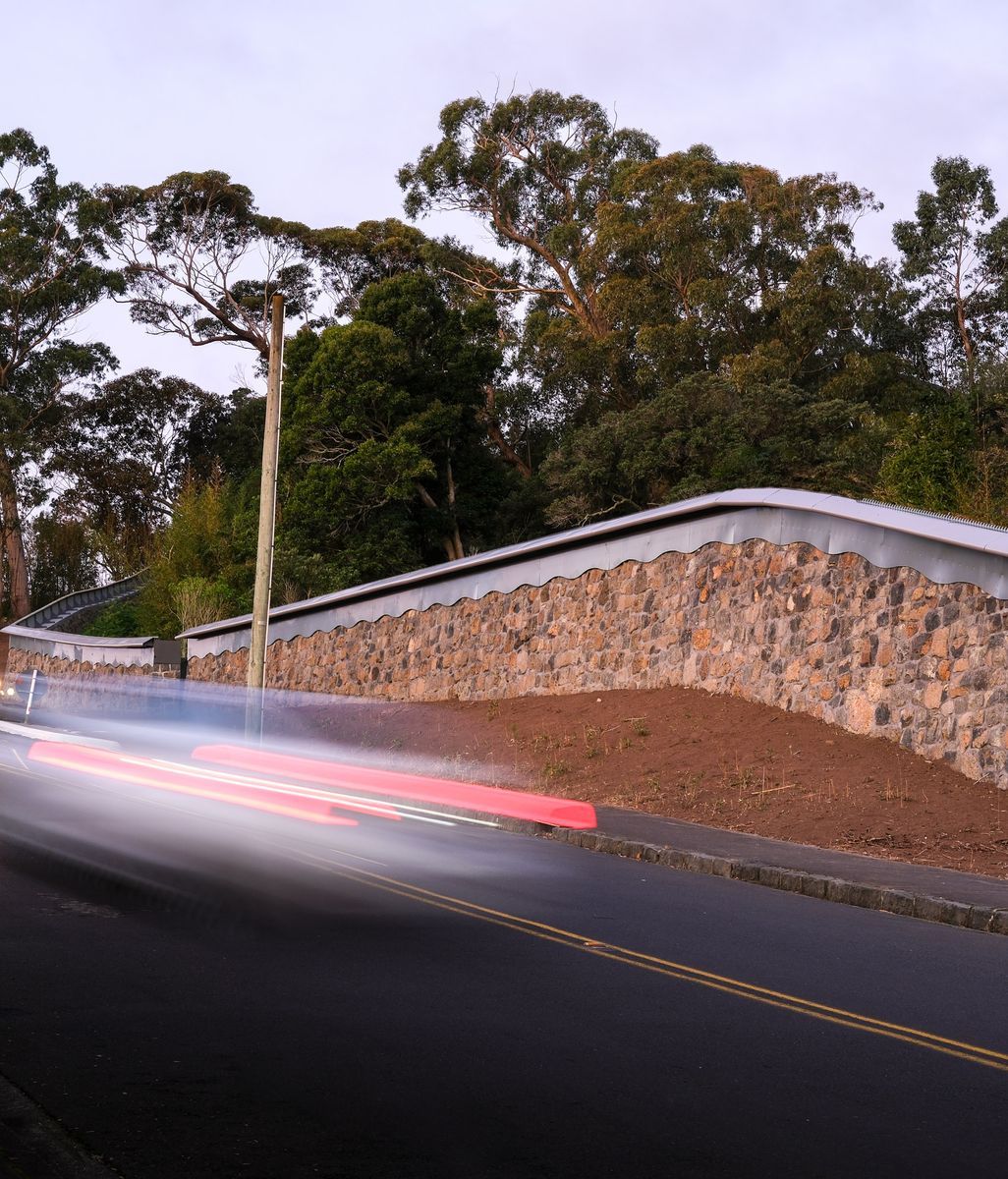
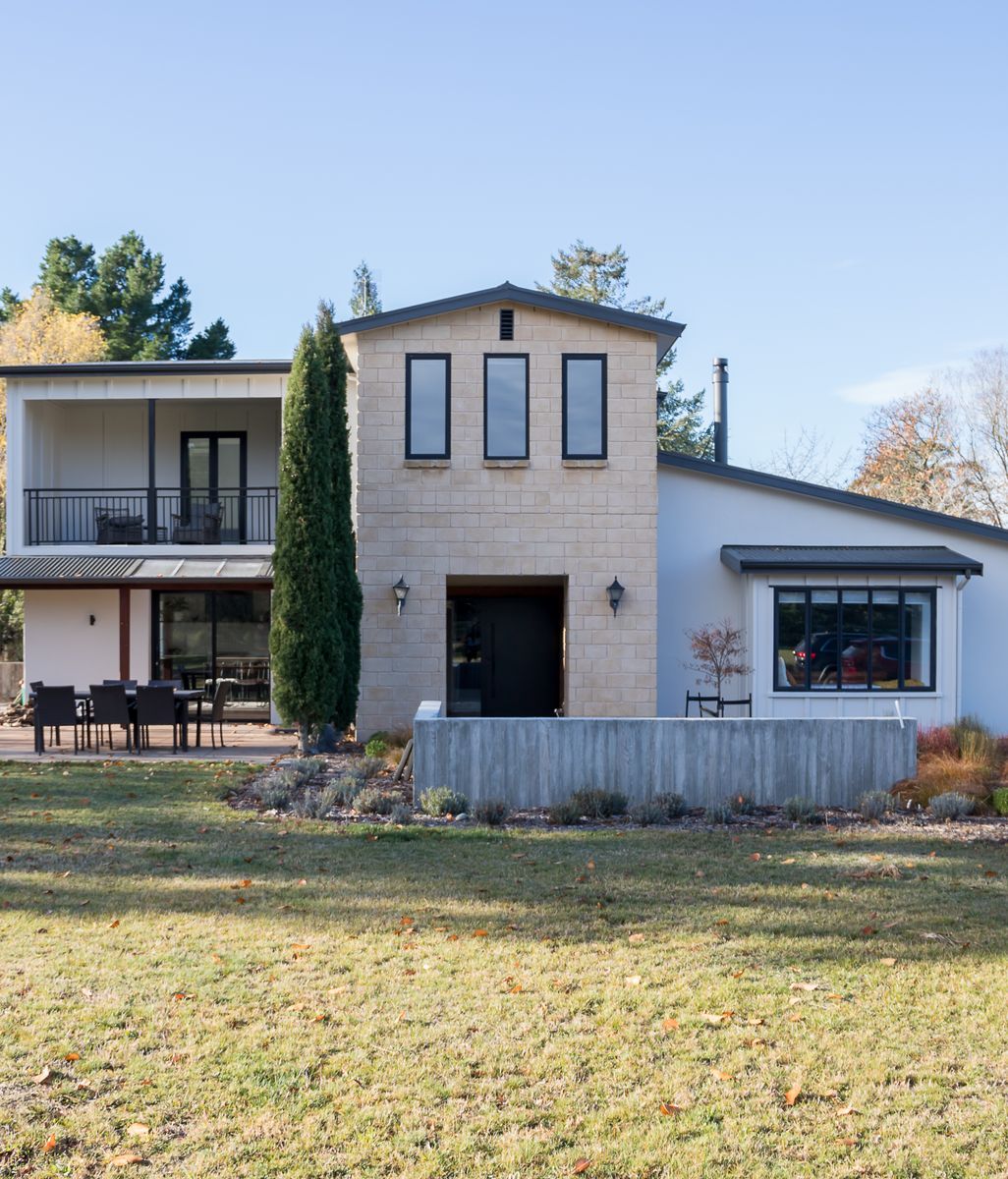
That accidental relocation shaped both his lifestyle and his practice. Today, Oliver Tuck Construction is known for delivering architecturally complex homes along the north-eastern coastline, from Tāwharanui to Kerikeri.
“When I see a set of plans and think, ‘that’s a complicated build,’ that really gets me out of bed in the morning,” he says.
That mindset shapes how he approaches every project, whether it’s a sub-$1 million home or something ten times that. For him, good building is about getting the most bang for buck while still honouring the architectural intent of a project, regardless of budget.
That makes him, by his own admission, “a marketer’s nightmare.” He doesn’t chase a particular project size or aesthetic. What matters is alignment.
“If someone wants functionality and as much architecture as they can squeeze into their budget, then we’re in,” he says. “Design-led construction… that’s what we care about.”
Those values are reflected in the company’s long-standing relationships with practices such as Crosson Architects, Hulena Architects, Ponting Fitzgerald, Studio John Irving and Pattersons. Collaborations built on trust, shared expectations and a deep understanding of how design intent plays out on site.
Starting on the right footing
Tuck is acutely aware that for many homeowners, building a house is unfamiliar territory, despite the fact that it often involves their life savings.
“Building is complex,” he says. “People are spending hard-earned money, and for many of them, it’s the first and only time they’ll ever do it.”
That’s why his advice is practical rather than theoretical. Small decisions, made early, can dramatically change outcomes.
Preparation often begins earlier than people expect - sometimes before land is even purchased. Involving a builder, architect or geotechnical engineer at that stage can surface realities around access, infrastructure, services and buildability that aren’t obvious at first glance.
“You can spend the equivalent of a mortgage underground before construction could even begin,” Tuck says, referring to stabilising land and creating a buildable platform. “Those are things you want to understand early.”
Early due diligence doesn’t remove risk entirely, but it makes it visible, allowing homeowners to make decisions with open eyes rather than hindsight.
Choosing a builder before chasing a price
For many homeowners, the path into a project begins with an architect. For others, it starts with a builder who refers an architect. Tuck has worked both ways and says neither is inherently better. What matters is when cost and capability are brought into the conversation.
“If a builder only comes in once the design is fully developed, a lot of our ability to add value disappears,” he says. “At that point, we’re more like an accountant, just costing what’s been drawn.”
Instead, he encourages early alignment between homeowner, architect and builder, ideally at concept stage, so ambition and budget can evolve together rather than collide later.
This is where, he says, Early Contractor Involvement (ECI) becomes critical. At this stage, the discussion isn’t driven by finishes or fully resolved drawings. It’s about understanding how a builder operates and whether they’re the right fit.
ECI allows homeowners, often with guidance from their architect, to understand how builders structure costs, apply margins, manage availability, and bring relevant experience. It also provides a clearer basis for comparison before expectations harden.
“These are the questions that let you compare Builders apples with apples,” Tuck says.
Clarity before commitment
For Tuck, this is the point where projects either become clear or start to drift.
He prefers to step in once there’s a concept on the table, but before anything is locked into detailed design. “That’s when you can still move things,” he says. “You can still make decisions without it hurting.”
When he talks about clarity, he’s talking about understanding the full picture - not just the structure, but everything around it.
“That’s consultants, engineers, services, access, infrastructure, council fees, architectural costs,” he says. “All the stuff people don’t always think about at the start.”
Those costs don’t disappear if they’re ignored. They simply arrive later, when changes are harder to absorb.
“When everyone understands the true scale of the project, the conversations change,” he says. “They become more honest. More practical.”
Plan on paper, not on site
Once construction starts, the dynamics of a project change.
“As soon as we’re on site, we’re costing money,” Tuck says. “Portaloo, security fencing, scaffolding… it all adds up.”
That’s why he consistently encourages decisions to be made early and on paper, not on site. Uncertainty that carries onto site has a direct impact on time and cost.
When decisions remain unresolved, trades can’t sequence efficiently, materials are delayed, and completed work sometimes has to be undone. In practice, that can mean cladding being removed, internal walls shifting, junctions rebuilt or waterproofing redone.
“In the worst cases, that kind of indecision can add 30 percent to a build cost,” Tuck says. “Simply because everything takes longer.”
The value of experience
Experience, Tuck says, often shows up before a single question is asked.
“For builders who work regularly with architectural homes, you can look at a set of plans and understand what’s really being asked,” he says.
“If I see a Patterson’s or Ponting Fitzgerald set of plans, I already know what the selections are likely to be, where the costs will sit and how it’s meant to go together.”
That familiarity allows complexity to be recognised earlier and priced with fewer assumptions, long before it reaches the site.
Bringing it together
In the end, Tuck maintains the projects that hold together best aren’t the ones that move fastest out of the gate. They’re the ones where the right conversations happen early, expectations are aligned, and decisions are understood before they harden into structure.
Starting without knowing what you’re building is where things get expensive,” Tuck says. “When the decisions are clear early, everything else falls into place.