WHAT IS DOUBLE GLAZING VS RETROFIT DOUBLE GLAZING?- WHICH IS RIGHT FOR YOUR HOME?

What are Double Glazed Windows?
What is Double Glazing (Brand new windows + Insulated glass unit + New window frames)?
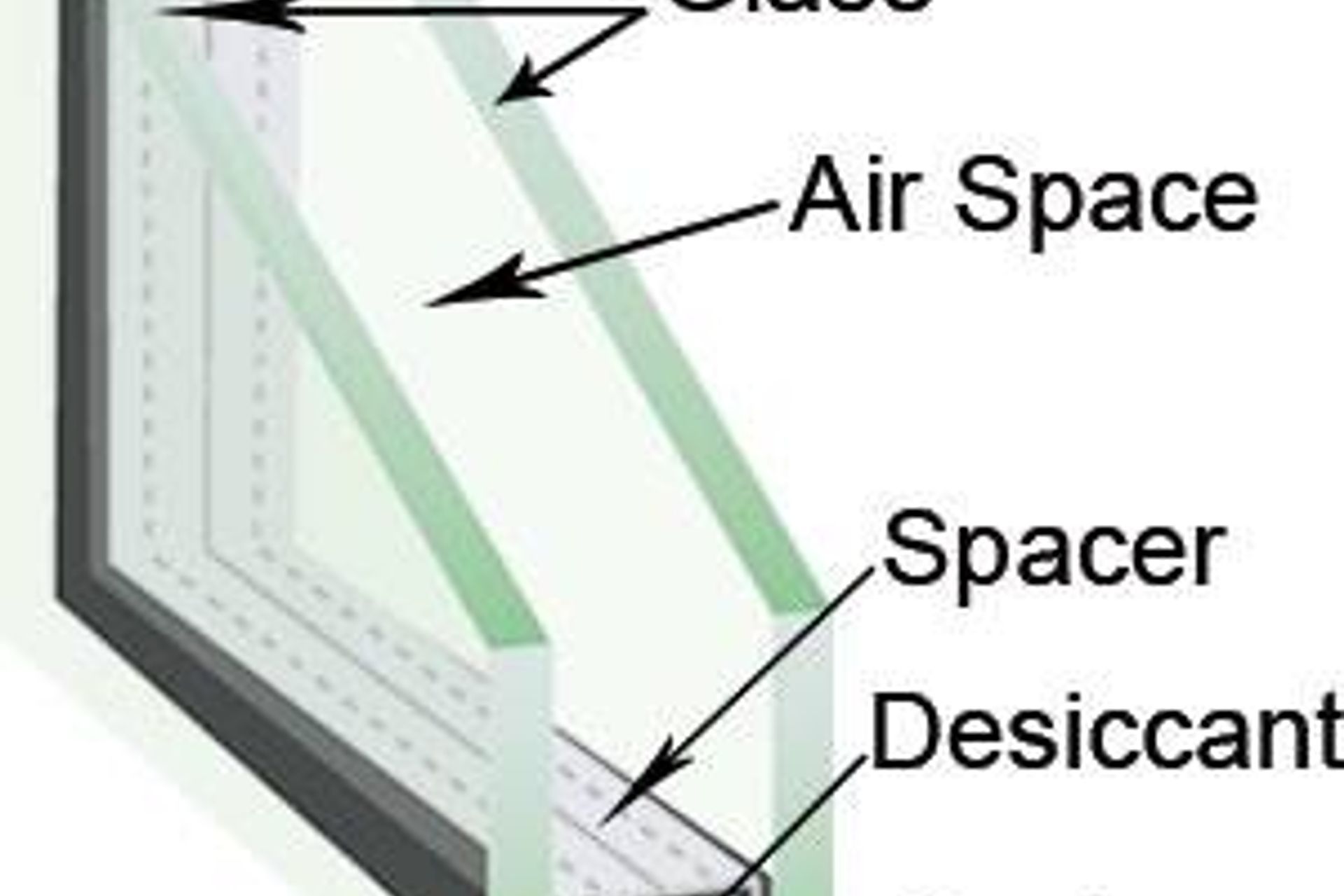
Glazing was a middle English term used for glass. A single glazed window is essentially just a sheet of glass. Double glazed windows on the other hand have 4 components that help with temperature control and insulation. First is the 2 panes of glass sheets that run parallel to each other. Then there is a spacer in the middle of the sheets which is bonded together with the panes of glass with a sealant. This space or cavity is filled with either still air or a gas to improve insulation. Brand new window frames are also manufactured for this Insulated glass unit. This basically means that the entire window of your home is replaced which contains a new frames as well as a Insulated glass unit.
What is Retrofitting Double Glazed windows?
Retrofitting double glazing means that you fit an Insulated Glass unit like mentioned above and fit this unit into your existing window frames or joinery. This is only possible if your current frames/joinery are in very good condition. It is often not possible for older homes as their window frames are worn out.
What is Triple Glazing?
Countries with harsher climates often get triple glazed windows installed in their homes as it provides added insulation. With triple glazed windows and glass doors, there are three parallel glasses with spacers filled with still air or gas. New Zealand homes do not require triple glazed windows as it does not require triple glazing as we do not experience extreme harsh climates.

What is Secondary Glazing?
Secondary glazing is when you add another sheet of glass to the existing frame and clear glass. This is a much cheaper way of increasing the insulation of your home as compared to double glazing (IGU unit). Double glazing however is a lot more effective in insulating the house. Adding secondary glazing to an existing window frame and glass is also not always possible because often the old frames do not have space to add another glass, or the integrity of the old frame is compromised.

Consider the climate of your city before choosing your glazing
Finding the right combination of materials to form the most effective double glazing for your home can sometimes feel like a balancing act.
The aim should be to choose a glazing combination that is the most effective for your climate to provide a healthy and insulated home. As discussed above, some combinations of glazing are only needed for extreme climates where it is too cold or hot. An example is triple glazed windows with low e glass and Argon filled cavity. This however is not needed for Auckland climate as we do not experience such extremes in weather.
Also consider where your home is situated in Auckland. Is it near a sea? Is your home north facing or is it south facing? Do some rooms get more sunlight that than others? These questions are important, and you must consult with your manufacturers to achieve the most optimum overall temperature for your home based on the above factors.
R-values
R-values are a measure of efficiency of insulating materials. Higher R-value of insulating materials basically means that there will be lesser heat loss from said materials. The table below shows the R-values of glazing and how the combination of different frames, glass and gas/air contribute to this value.
Note: We have not included R-values of secondary glazing as we do not recommend our clients to use that as further insulating windows and glass doors. While they are a cheaper option compared to getting IGU or double glazing and are often ineffective.
Single glazing with Aluminium frame + Clear glass = 0.26 R value
Single glazing with Timber frame + Clear glass = 0.19 R value
Double glazing (IGU) with Thermally broken Al frame + Clear double glazing + Air filled Cavity = 0.31 R value
Double glazing (IGU) with Timber frame + Clear double glazing + Air filled cavity = 0.36
Double glazing (IGU) with Thermally broken Aluminium frame + Low e glass panes + Argon gas in the cavity = 0.43
Double glazing (IGU) with Timber frame + Low e glass panes + Argon gas in the cavity = 0.53
As seen above, the R-value differs based on the combination of materials you choose for your glazing. Another way to increase insulation and decrease heat loss is by installing thermal drapes. Good quality heavy drapes or thermal drapes can add up to 0.26 R-value. This only holds true if these are drawn and covering your windows. In order for these drapes to be effective, you have to also ensure that they are touching the ground and have pelmets on the top.
Term glossary
Double Glazing with new frames: This consists of creating an Insulated glass unit of two panes of glass with a gap between them. This gap is filled with Still Air or Argon has for insulation and also has a sealant to keep the glasses in place. As the name suggests, this glass unit is manufactured in the factory along with new window frames to fit together.
Retrofitting double glazing: Retrofitting involves manufacturing an Insulated glass unit in the factory and installing this into the current frame of your window. No new frames are manufactured or installed.
Secondary Glazing: This involves installing a second parallel pane of glass to your existing frame and glass of your window. This is not an Insulated glass unit as it does not have an insulated cavity between the panes. It does not have any gas or still air in the cavity.
The main factor that determines whether you can get your retrofit double glazing or get new windows with double glazing (new frames) is the condition of your joinery. If the condition of your joinery is good, then you will be able to retrofit double glazing. In a lot of cases, the joinery has either been damaged or is not viable to be retrofitted.
Aluminium Joinery (frames)
Durable and good quality of Aluminium joinery was seen in New Zealand houses only around the 1980s. The quality of Aluminium joinery used in houses before the 80s was of an inferior quality with no scope of being retrofitted now.
All windows need maintenance over time to ensure that they do not get damaged due to moisture or wear and tear. A professional window glazing company will be able to assess the joinery of your windows to see whether they can be retrofitted.
Before you get a professional, you can also check for signs of damage to your Aluminium joinery. If the joints of your frame are coming off or have issues, then this is the first sign that your joinery is at the end of its life. This often happens due to moisture seeping in and this can in turn damage your walls.
When comes to maintenance, it is good to check the seals of your frames and change them periodically to prolong the life of your joinery.
Timber Joinery
Just like Aluminium joinery, Timber frames also need to be maintained well to be retrofitted. Bungalows and Villas in New Zealand built before the 1950s are fitted with a more durable form of Timber as compared to the homes built after the 1960s. Timber joinery which was installed in homes after the 1960s is made of a softer wood which means that they are not as durable and are susceptible to moisture.
You will not be able to retrofit double glazing in windows that have water damage or very worn out. Some of the signs of moisture damage is mould and wood that has started to rot.
The Verdict
The answer to this is simple. Get the condition of your window frames checked by a professional. If your frames/joinery are in good condition, then you should retrofit your double glazing. This will be more cost effective that brand new windows with double glazing while giving you similar insulation.
If your frames/joinery are worn out, old, have water damage, or are compromised in any way then investing in brand new windows with double glazing would be a wiser option.