What to consider when buying a garage door.

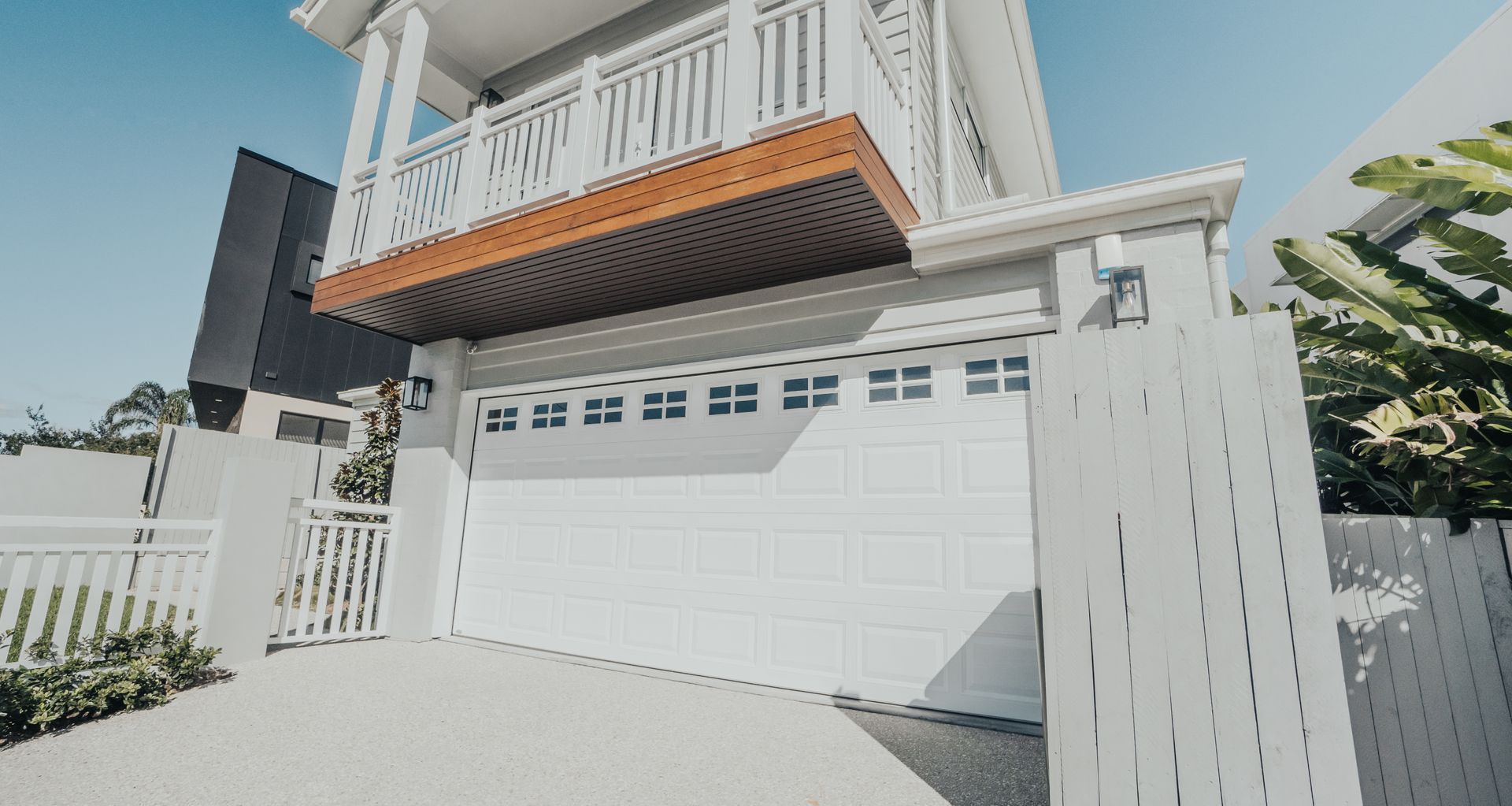
Most people don’t buy garage doors often, so it’s normal to feel unsure where to start. With so many styles, materials and features available, a little guidance can make the process clearer and far less overwhelming. Here’s what actually matters when choosing the right garage door for an Australian home.
Understanding your space
You can choose a door online, but if it doesn't suit your garage opening, you're starting off on the wrong foot. Different door types work better in different spaces.
Most Australian homes have standard garage openings, though older homes vary. Talk to a supplier early. They'll look at your specific space and discuss which options make sense for your setup.
Think about what you're parking inside as well. A dual-cab ute needs more room than a sedan. If you're tight on space, that matters.
A supplier visit during quoting shows what actually works for your space, not just what looks good in photos.
The three main types of garage doors
- Roller doors coil into a compact box above your opening. They need minimal headroom, with a single curtain that rolls up.
- Sectional doors are made of panels that slide along tracks and have more design options.
- Tilt doors swing out before tilting up, needing less headroom but requiring clear space in front of your garage. Short or sloped driveways make tilt doors awkward.
There is no universal winner here. What works depends on your garage and what matters to you.
Thinking about how you'll use your garage
Before you get caught up in colours and styles, think about your actual routine. How do you use this space every day?
For most people, it's about making mornings less chaotic - loading kids, grabbing forgotten bags, reversing out while checking the time. A door that opens smoothly just makes it easier."
Maybe your garage is more than parking - workshop space, camping gear storage, somewhere to pot plants when it's too hot outside. If you're in and out throughout the day, how the door functions becomes more important.
Some families care about the street appeal - it's the biggest moving part of your home's facade. If you've just renovated or you're trying to lift your home's presentation, the door plays a bigger role than you'd think.
And if you're in a place with dust storms, heavy rain, or scorching summers, your garage becomes more than just car storage. It's a buffer zone for your home, keeping the weather and mess outside where it belongs.
Different materials used for garage doors
Steel is what most people choose. It comes in plenty of colours, doesn't need constant attention, and offers different grades for different climates.
Aluminium is lighter and won't rust, though it's not as tough. It's popular in coastal areas.
Timber looks beautiful if that's the aesthetic you're after. It does need regular maintenance - recoating, checks for pests in some climates, and general upkeep. Unless you're in a heritage area or you love the look enough to commit to the care, most people go a different direction.
Timber-look steel gives you the appearance without the maintenance routine. It has become popular for exactly that reason.
Making it work for Australian conditions
Australia throws everything at our homes - salt air, dust storms, humidity up north, dry heat out west. Your garage door sits in the middle of it all.
If you're near the beach, salt gets into everything. Regular rinsing with fresh water prevents deterioration. It's one of those small routines that makes a difference over the years.
Dust is its own challenge. In Darwin, Alice Springs, and parts of WA, dust finds its way into garages, sheds, and houses. Having a door that seals properly at the bottom and sides means less sweeping and less grit on your belongings.
Hot climates are tough on metal in direct sunlight. If your door faces west and you use your garage during the day, consider how different materials handle heat.
Bushfire-prone areas have specific building requirements. Talk to your supplier about what's appropriate for your zone if this applies to you.
The door you choose should suit where you actually live, not just look good. What works in Hobart won't necessarily be right for Cairns, and vice versa.
Looking after your garage door over time
Once it's installed, a garage door doesn't need much, but a bit of regular attention keeps things running smoothly.
Every few months, check the tracks and moving parts. Clear out debris, leaves, or built-up dirt. A spray with the hose occasionally helps, especially if you're near the coast or in a dusty area.
Accessories like bottom seals and brush strips aren't fancy additions. They're practical components that keep dust and weather out.
If something starts making odd noises or doesn't move as smoothly as it used to, get someone to have a look. Small issues are easier to sort out before they turn into proper problems.
Most suppliers offer service and maintenance if you'd rather have professionals handle it. They'll check everything's working as it should and spot anything that might need attention.
The point is, a garage door should just work. A little maintenance means it will, year after year.
Windows and extras
Windows can make a garage door look more interesting, especially if it faces the street. They let natural light in, which is handy if you're using the space during the day.
If your door gets afternoon sun in a hot climate, you might be letting heat in without much benefit. If you're using the garage as a workshop or storage, natural light might be worth it.
There are other additions worth considering. Insulation makes a difference if your garage shares a wall with living areas, or if you're actually spending time in there. For a detached garage that's purely for parking, it's probably not necessary.
Think about what you're trying to achieve with the space. That'll tell you what extras are actually useful rather than just nice-to-haves.
How to find suppliers
Talk to a few suppliers. You'll get a sense of what's available and what things cost locally.
Ask them:
- What works for my garage?
- What's included?
- Anything specific for my area?
- How does installation work
- How long does it take?
Find suppliers who've been around for a while and can service what they sell. If something goes wrong in three years, you want them to still be in business.
The installation process
Most people hire professionals to install garage doors, and for good reason. It's one of those jobs that looks straightforward until you're halfway through and realising it's not.
A professional installer removes your old door, checks your garage structure, sets everything up properly and tests it all works. How long it takes depends on what type of door you're installing and what your garage looks like.
Steel-Line can talk you through what's involved during the quoting process. They'll have a look at your space and explain what the new garage door installation will mean for your setup.
Getting down to the decision
You'll open and close this door twice a day for the next decade or two. It's worth spending some time getting it right.
What matters:
- Does it suit your space and how you use it?
- Will it handle your local conditions?
- Does it need to look good from the street?
- Can you maintain it realistically?
Think about your life and routine, not what looks impressive in photos or what your neighbour installed.
Get it right, and you won't think about your garage door again for a very long time.