What you need to know about building on the coast

Written by
10 February 2026

 • 

6 min read

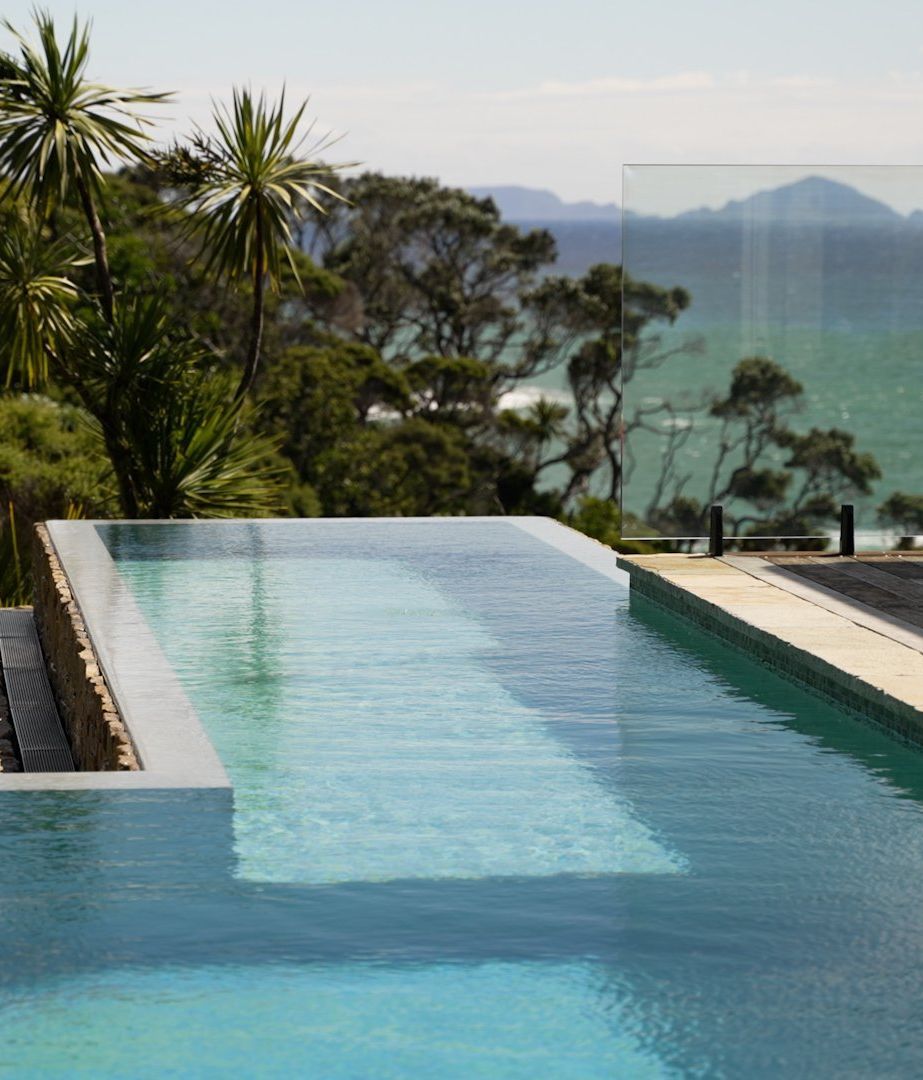
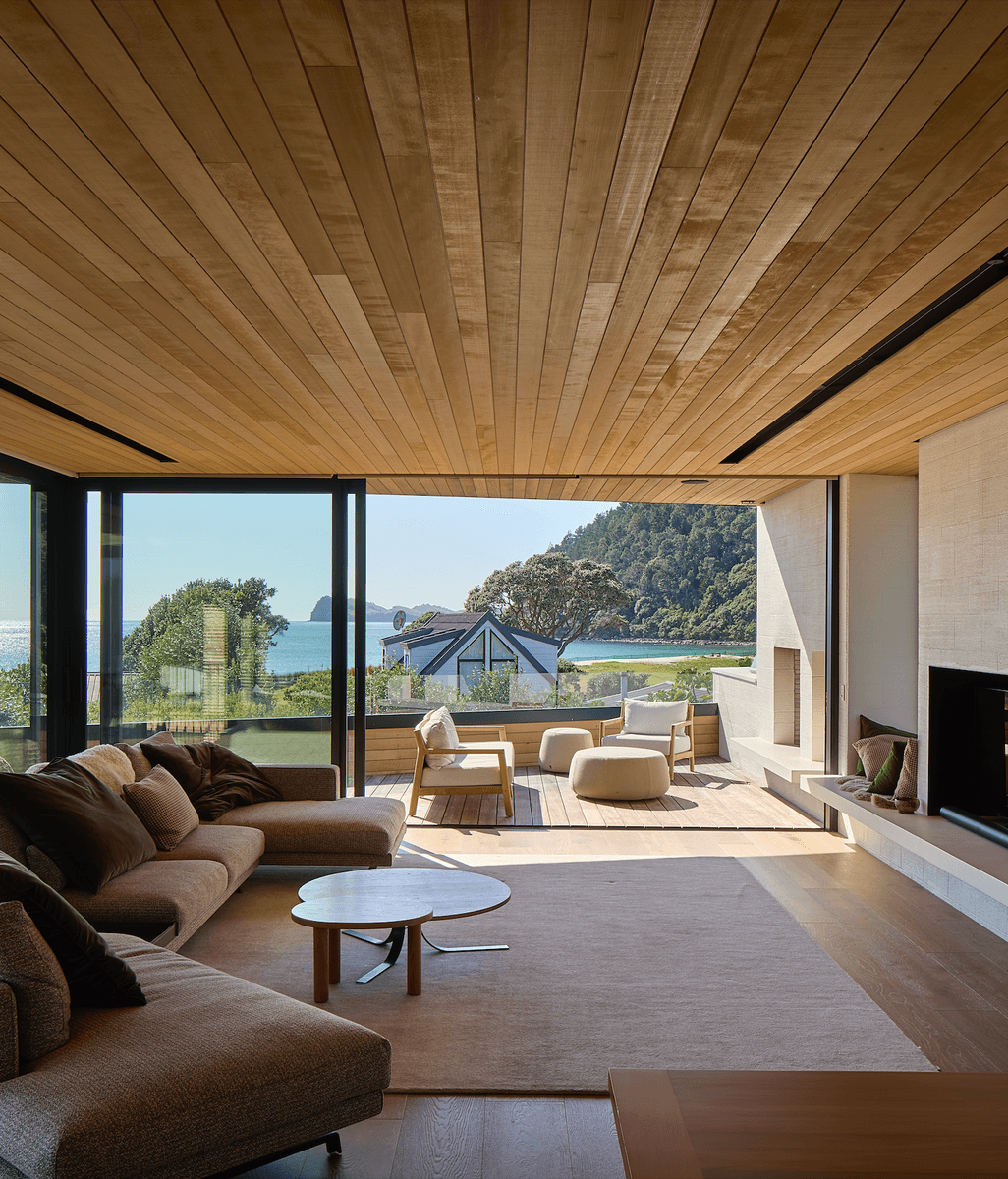
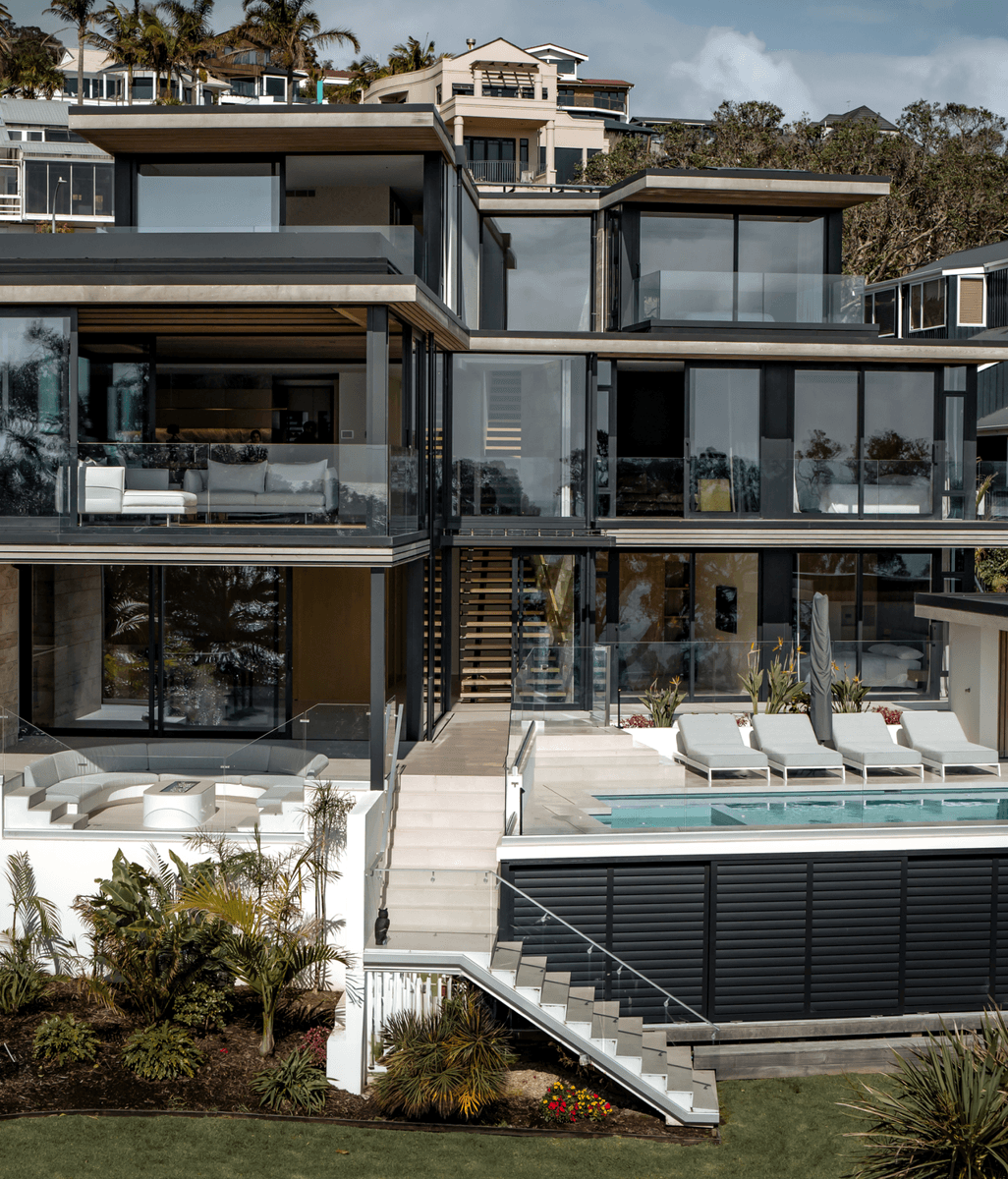
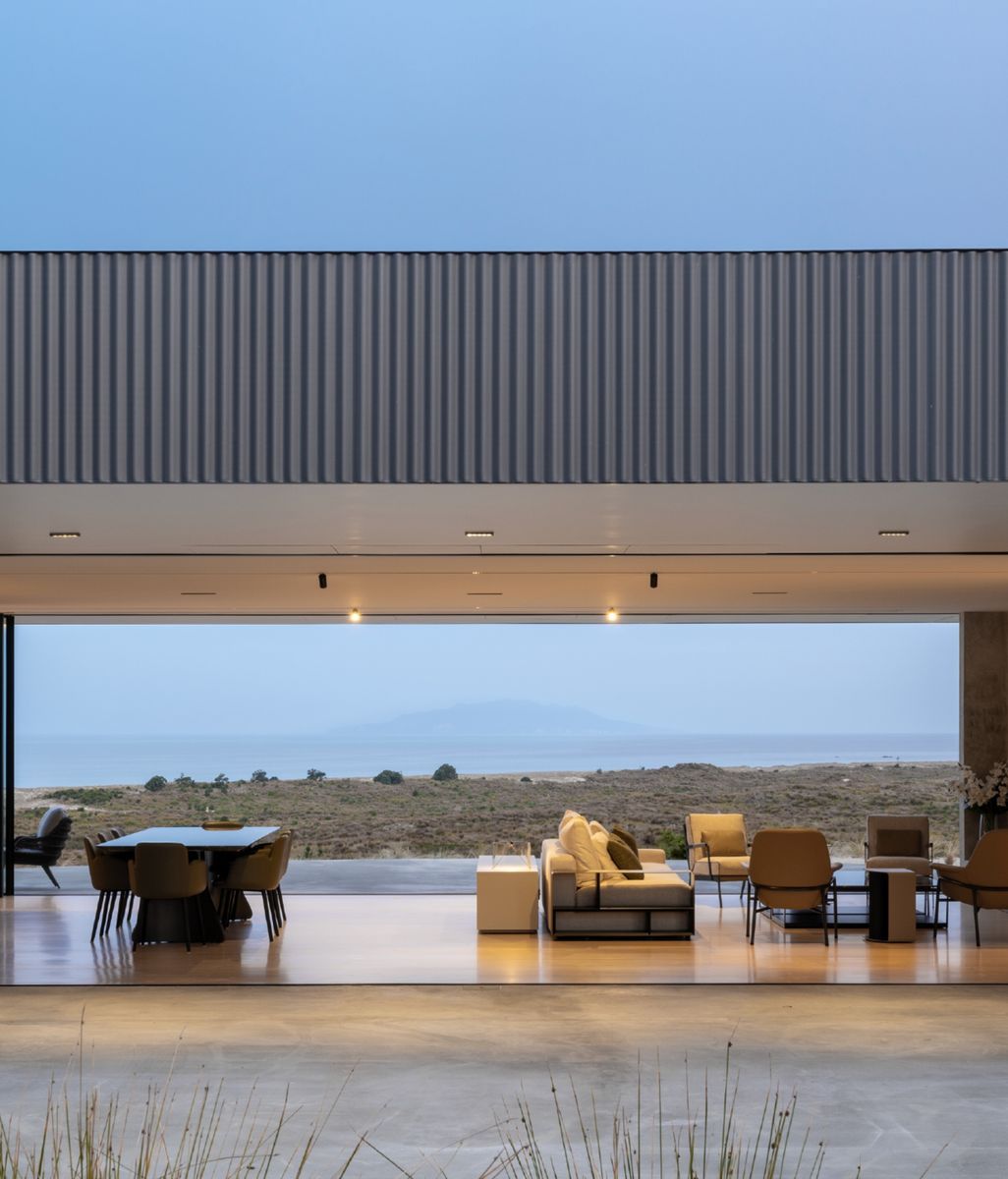
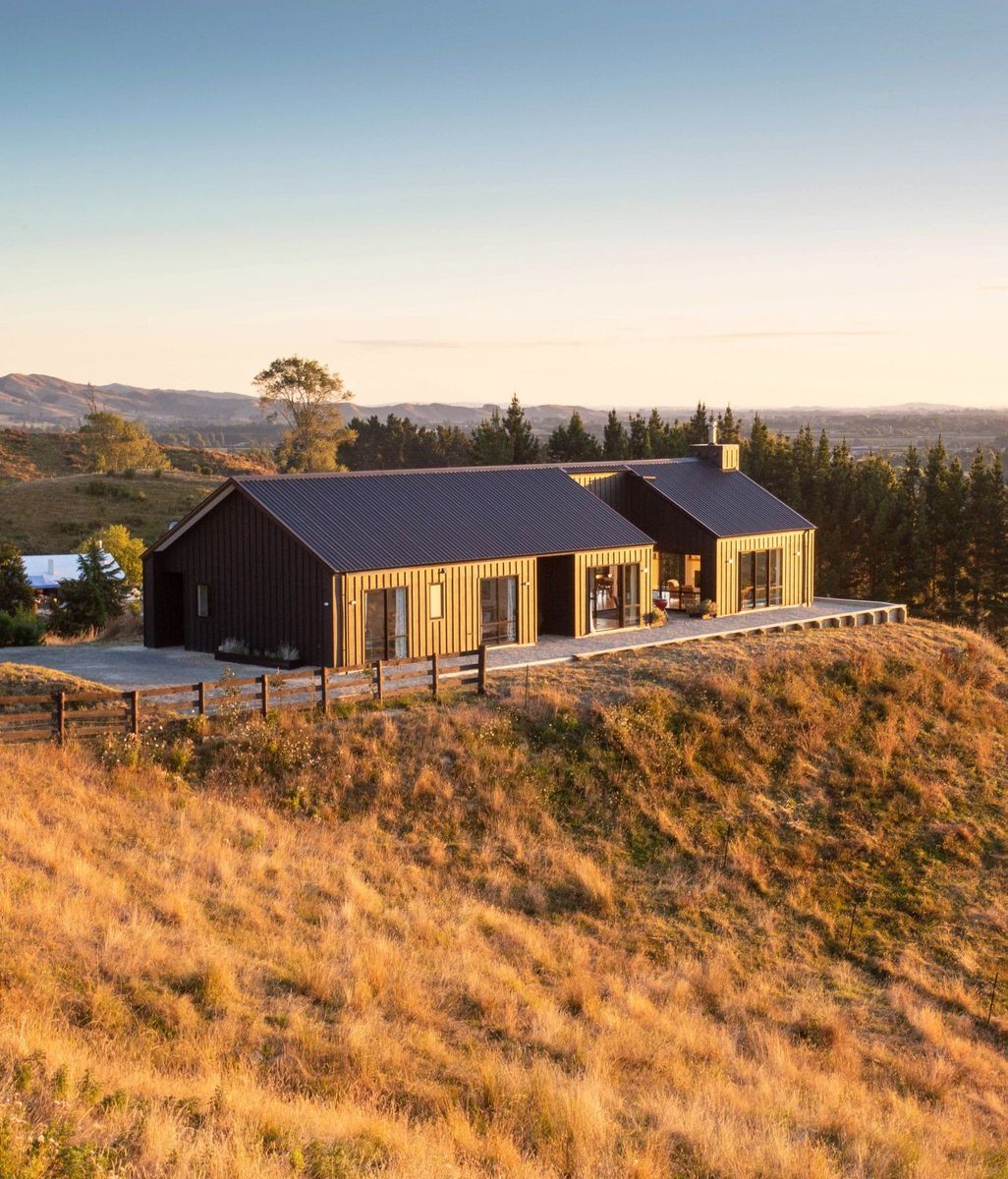
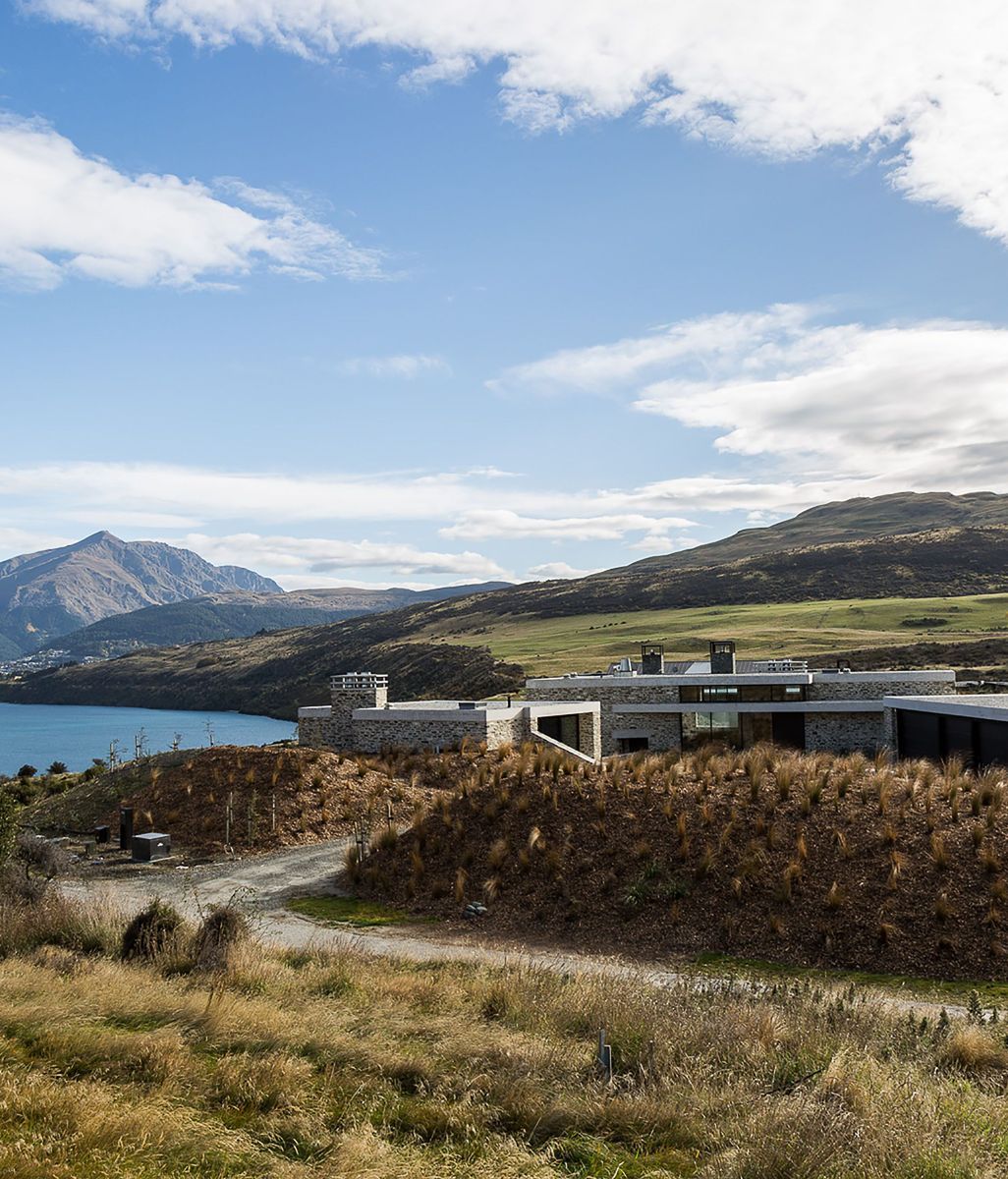
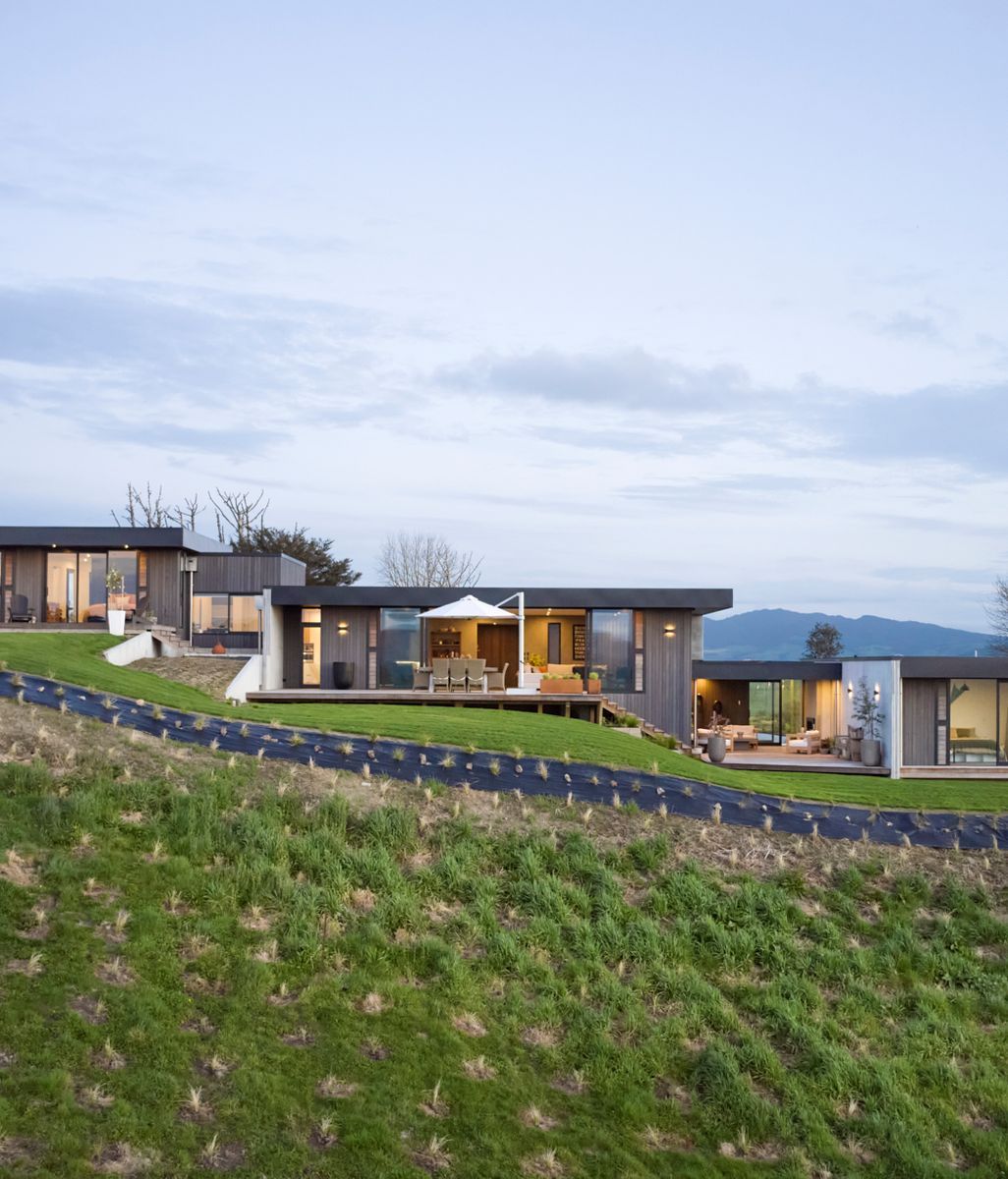
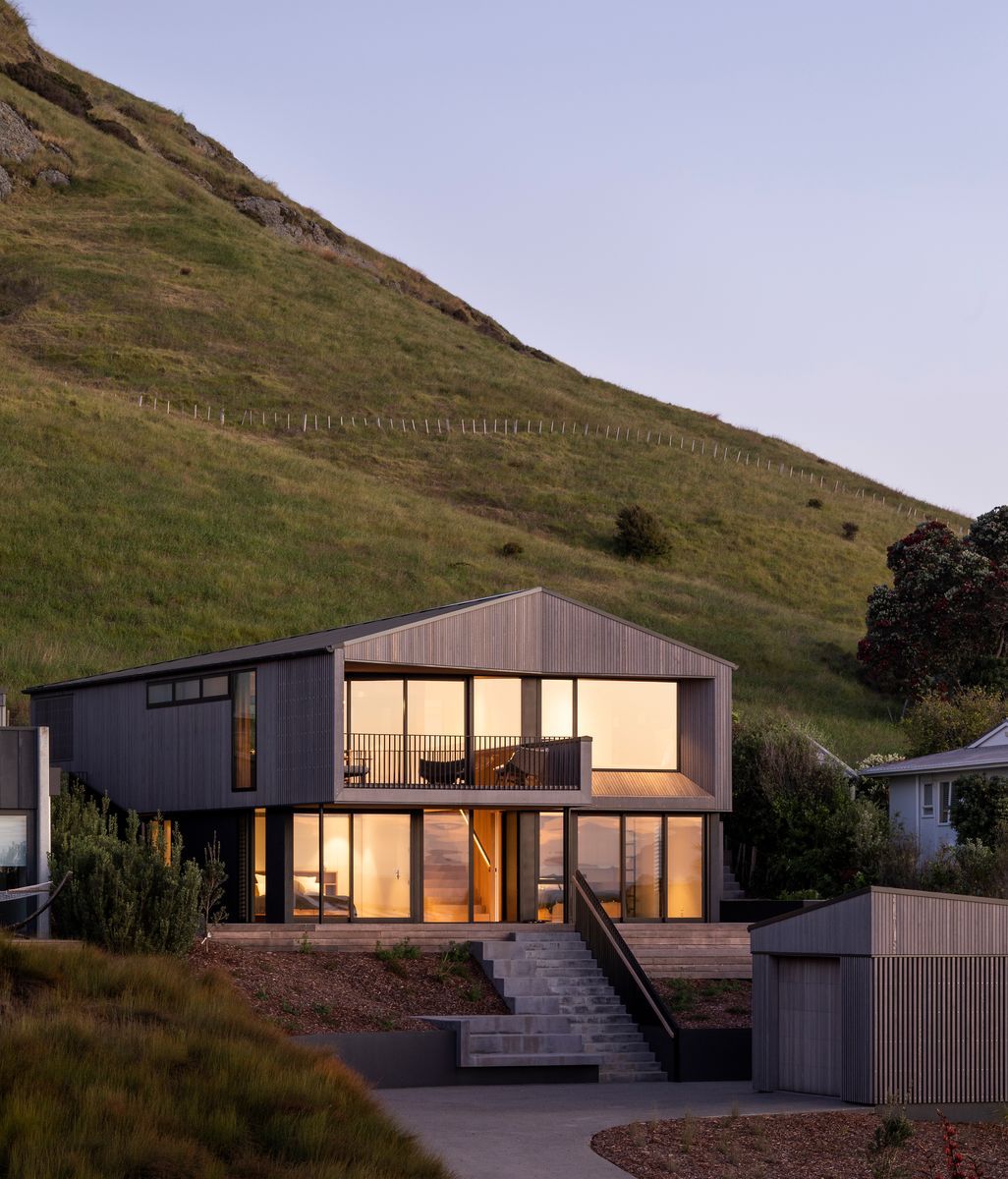
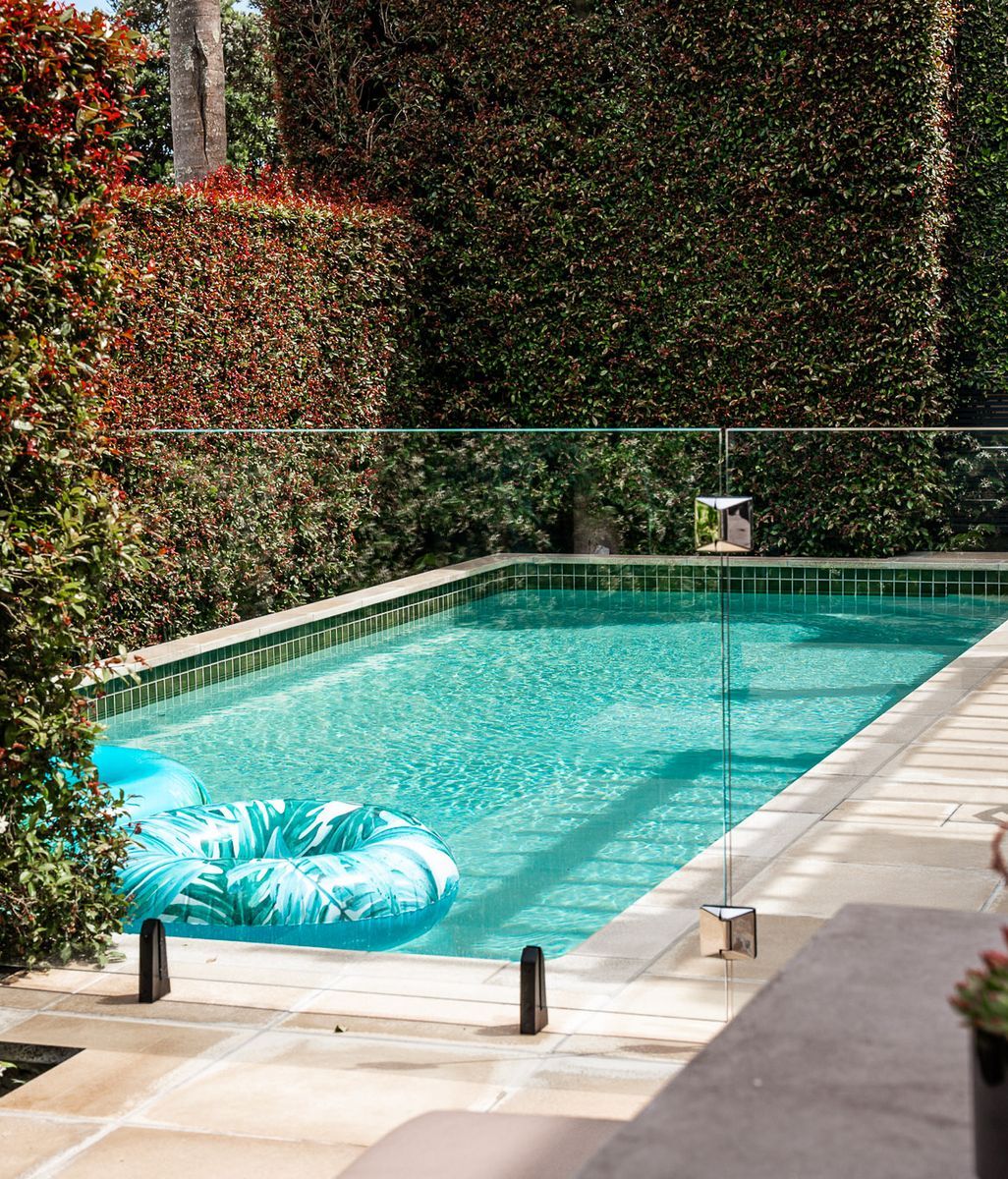
Clifftop House by Ponting Fitzgerald. Image credit: Sam Hartnett.
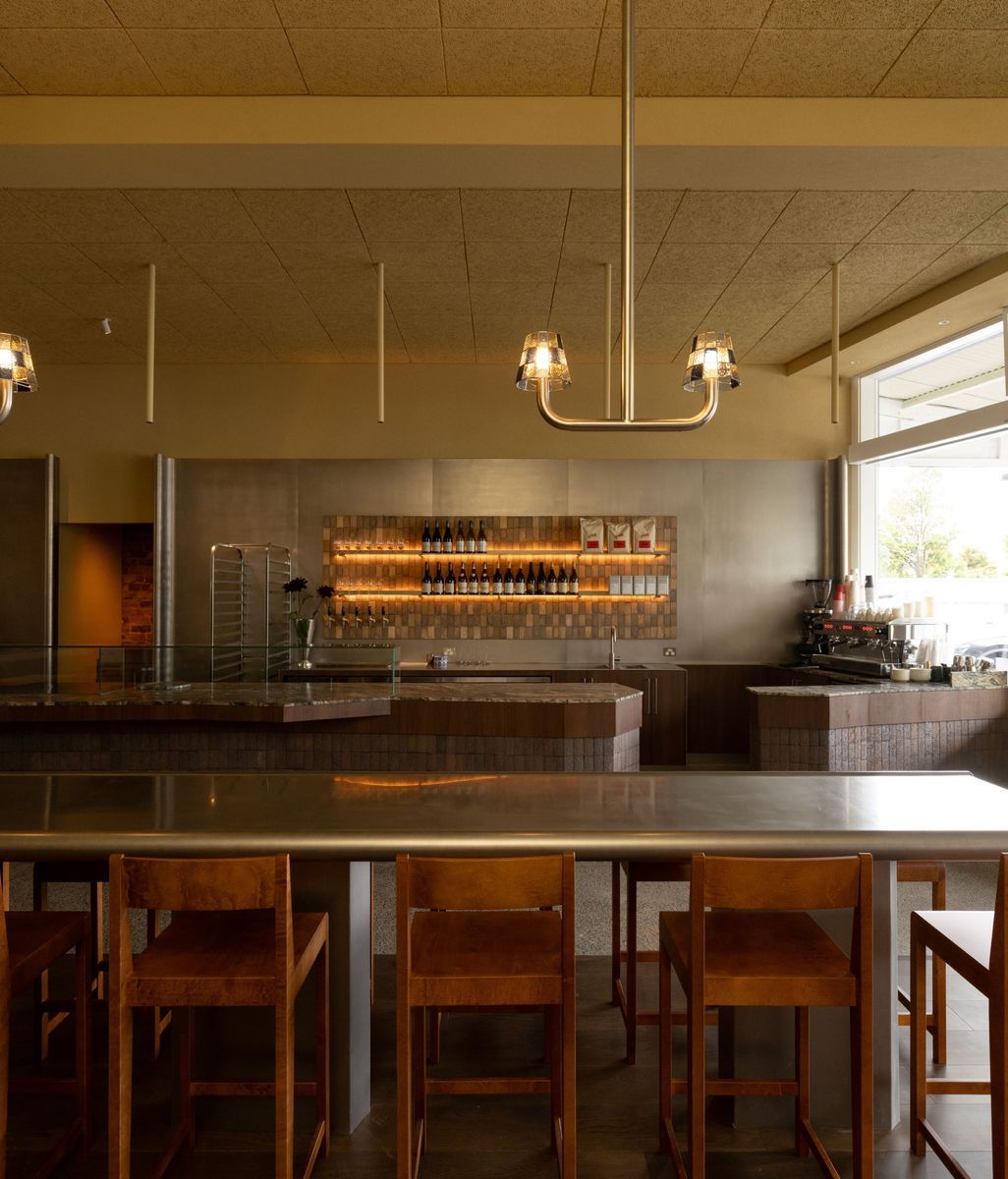
Building by the sea comes with undeniable rewards and equally undeniable challenges. Here’s how to design a coastal home that will truly last.
Architect David Ponting.

It might be surprising to learn that New Zealand has the 11th biggest coastline in the world, stretching 15,000 kilometres, just behind the US with 19,000 kilometres. Our proximity to water influences New Zealand’s architecture at a fundamental level, impacting how we design and construct buildings. 

But while many dream of living by the sea, the coastal environment can be unforgiving on buildings.

“Wind speed, salt and sand are the biggest enemies of architecture in the coastal environment,” says architect David Ponting from Ponting Fitzgerald. “The number one thing you're dealing with is exposure. Wind coming off the sea is not being softened, filtered by land forms, hills, valleys or trees, it's arriving straight into the heart of the building.”

Unlike sheltered urban sites, coastal wind can drive rain, salt and sand directly into cladding and joinery systems, gradually compromising their performance and, over time, the structural integrity of the home. 

To mitigate these effects, both design and material choice matter. Here, we explore the design moves and material decisions that stand the test of time in a coastal environment.

Design for shelter


Good coastal architecture, funnily enough, can be derived from those very simple structures we’ve always relied on for shelter at the seaside: tents and caravans, says Ponting. That’s because these spaces provide a shelter from the elements via a simple design move: the awning.

“On childhood holidays you’d spend most of your day in that space under the awning and retreat inside at night when you had to sleep,” shares Ponting. 

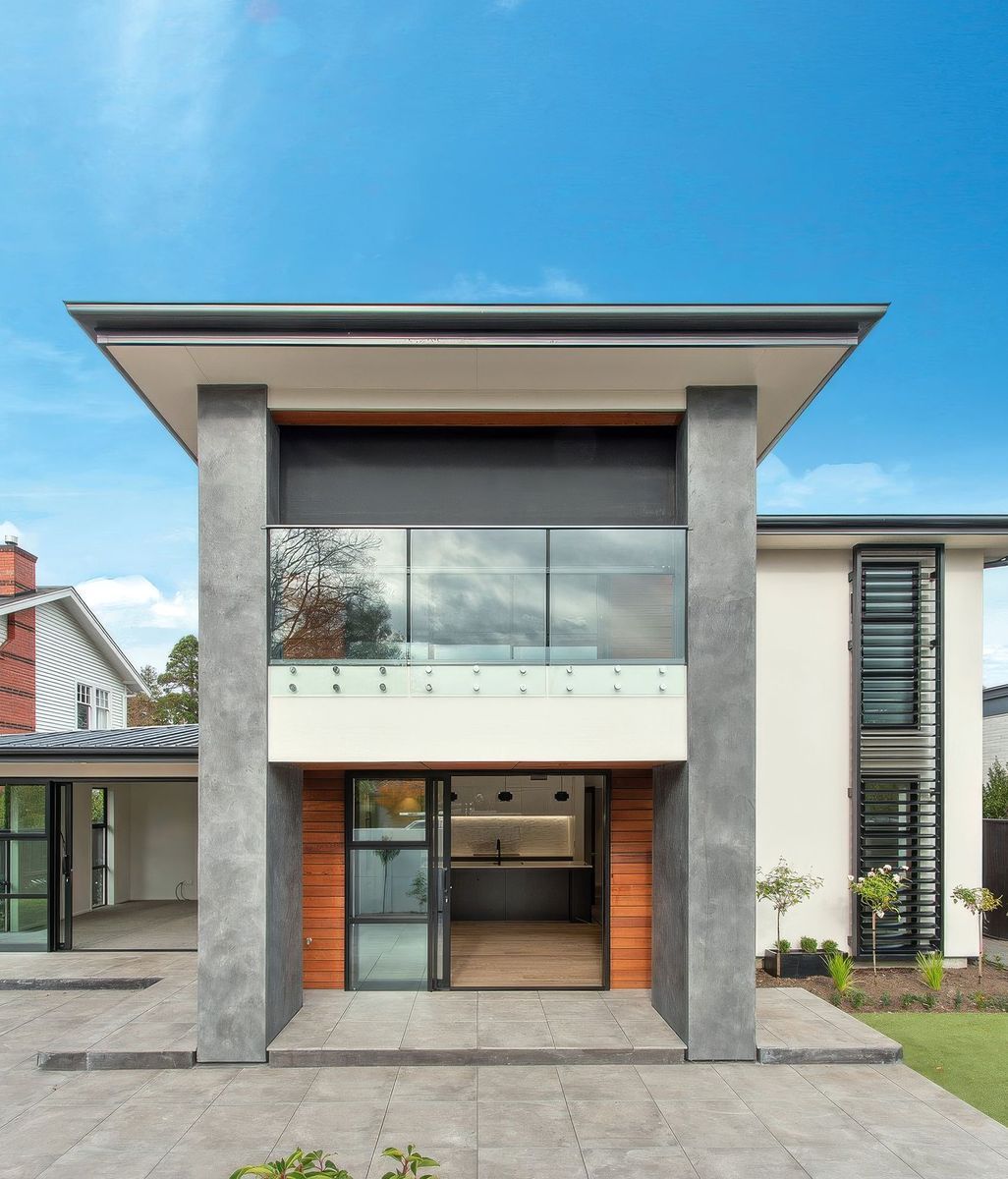
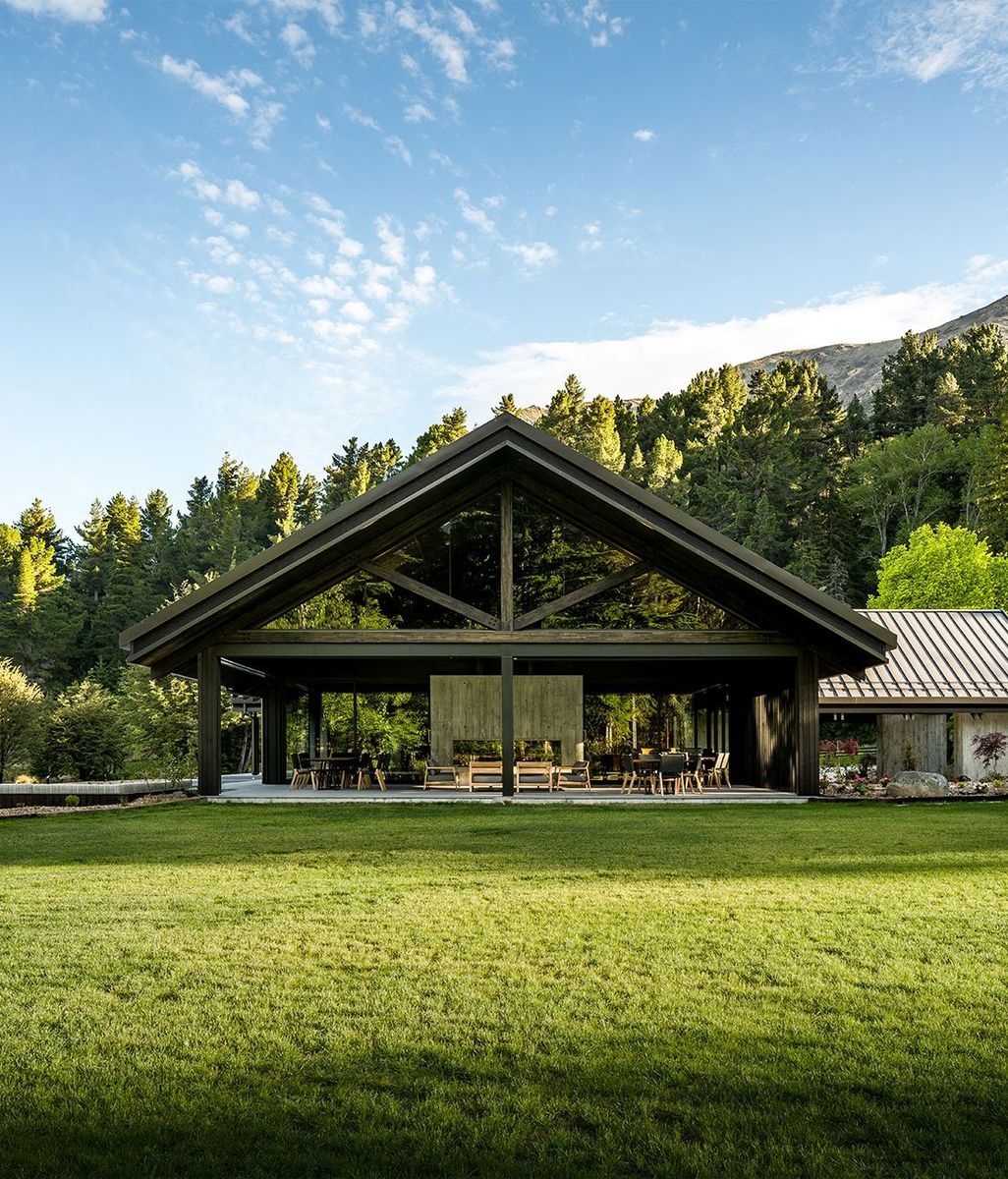
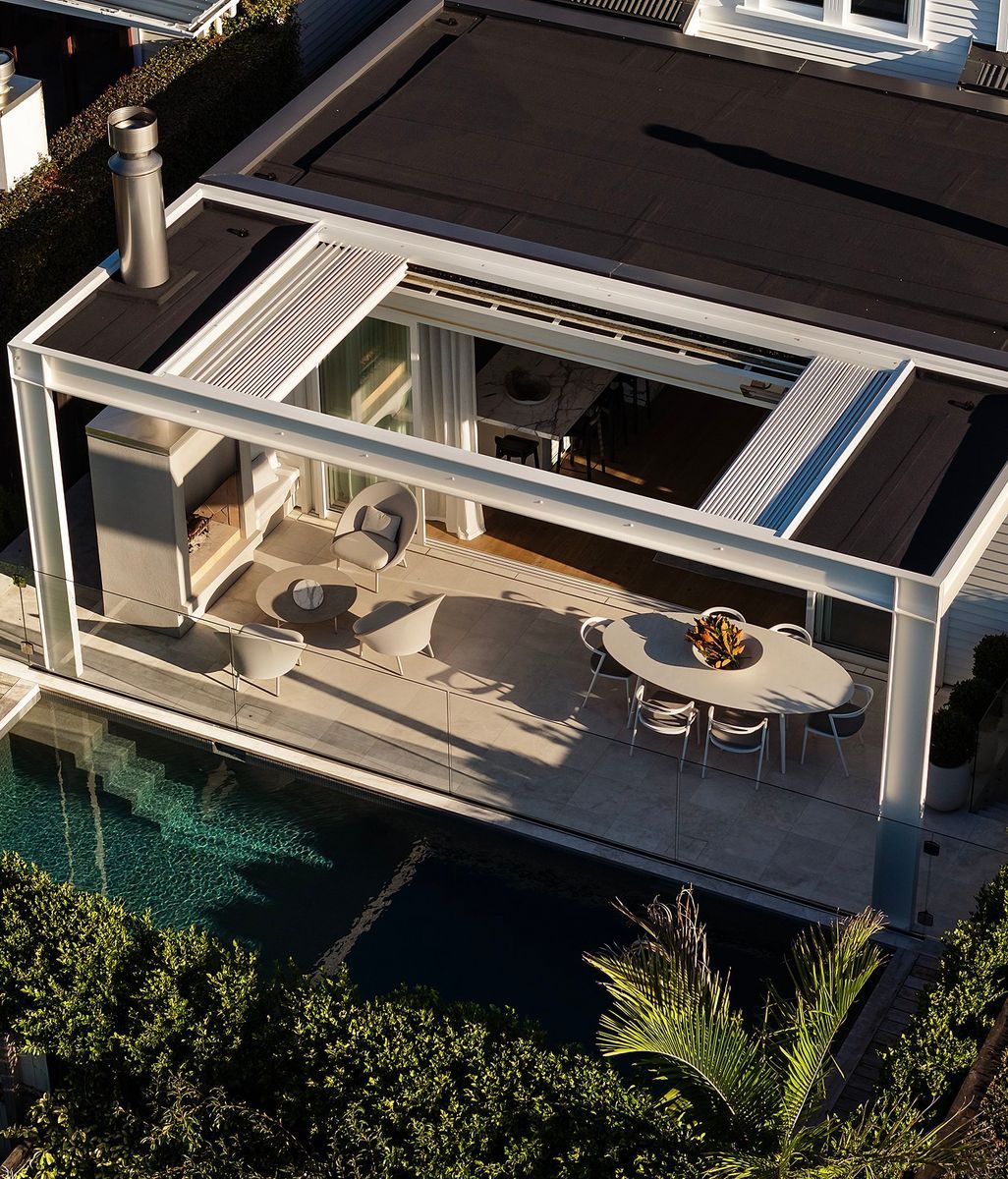
In coastal architecture, awnings can be translated into deep roof overhangs and sheltered outdoor spaces where people can congregate whatever the weather.

“Overhangs create that same sense of an encampment. You’re outside, you're in nature, and you've got just enough shelter,” says Ponting.

In addition to creating sheltering places outdoors, structural rigidity is another critical factor for designing coastal homes. Buildings that flex under wind pressure don’t offer a sense of protection and are more likely to develop leaks over time. 

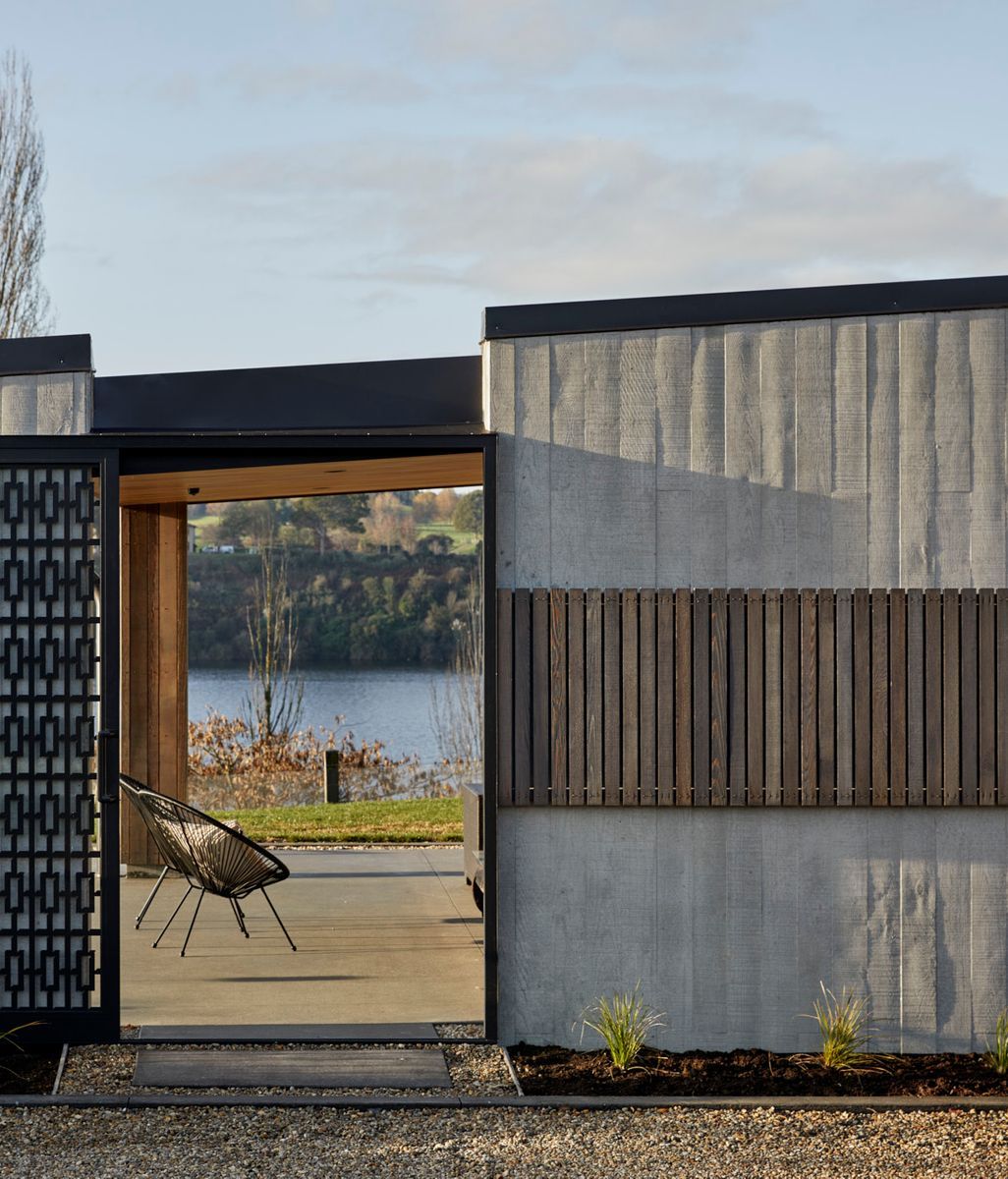
“We love using concrete, it's an incredibly strong material, it doesn't flex, and it stands up to being hammered by wind,” shares Ponting. “And if you then add a roof structure that’s got a lot of steel in it to deal with the spans, then it's a rigid building and it doesn’t move and shake.”

It's not a nice feeling for homeowners to wonder if the house is going to be there in the morning, and when a building moves and wobbles with the wind, junctions can start to shift, eventually creating openings where rain, salt and sand can get in. To prevent this, Ponting suggests investing more in these structural details at the outset. 

“Why not create a bit of tolerance in there? It doesn't cost much more and a building should have, preferably, a 150-year longevity cycle if you want to build sustainably.”

He also suggests getting a local builder’s advice at the concept stage of the design process, rather than after the design has been finalised. 

“They will have stories to tell that would probably make your toes curl. To have that experience at the table while you're thinking about what the building is going to be is really valuable,” says Ponting. “What's been done for years has quite often been done for years because it works, and other things haven't because they’ve failed—the builders are the ones who have been around to see that!”

Choosing materials for a coastal environment


Salt is a unique problem for coastal homes and it’s relentless. It attacks finishes and can weakens fixings and degrade structural elements over time. The solution is not simply choosing more expensive materials, but choosing materials that are appropriate for the environment.

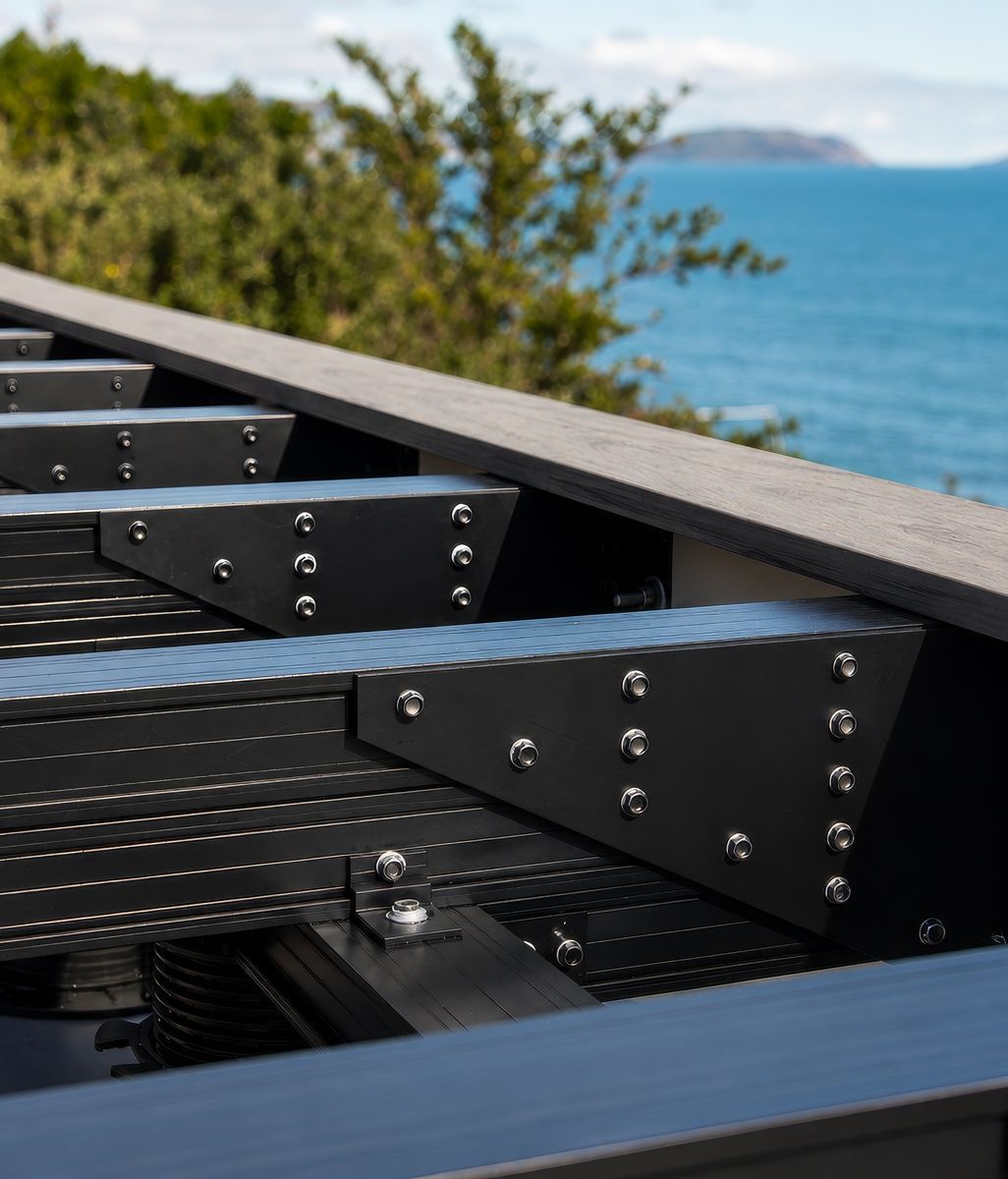
“You've got to be looking at stainless steel to the highest rating, which is marine grade 316,” says Ponting. 

Even small elements in the incorrect material, such as galvanised bolts or nails, can lead to serious failure, particularly where large structural loads are involved.

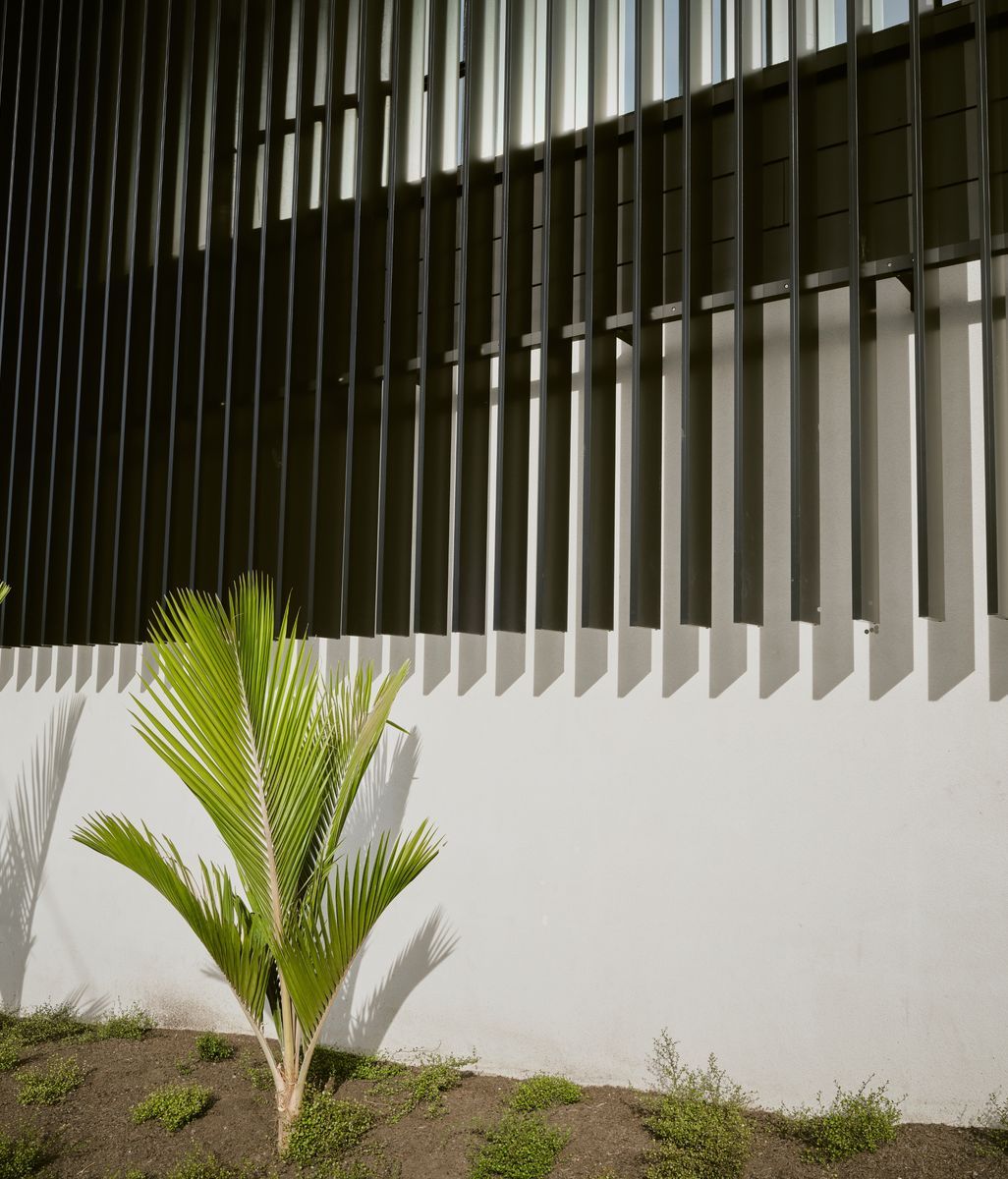
Ponting recommends aluminium based cladding systems, including powder coated aluminium, which are often better suited to coastal conditions than steel-based products. 

But material selection does not stop at the exterior. 

“You can’t actually make a building air tight, it's just not possible. Salt gets inside,” Ponting says. “If salt reaches materials that cannot tolerate it, deterioration is inevitable.”

The consequences of selecting the wrong materials can be significant. When coastal buildings fail, it’s often expensive and time-consuming to remedy. Even in high-end builds, the incorrect choice of joinery systems can cause failures through sand build-up. 

“I know there's been some joinery systems used up in Te Ārai on some of the most expensive houses out there that have to be completely replaced. We’re talking millions of dollars of joinery because it wasn't capable of dealing with how aggressive wind-blown sand is.”

The myth of maintenance-free homes


One of the most persistent misconceptions in coastal buildings is the idea of a maintenance-free home. This belief simply does not hold up in coastal conditions.

“People should think of them like a car that’s been shipped by sea,” says Ponting, “they need to be checked, cared for and cleaned down.”

Timber requires regular oiling, metal roofs need to be washed down to remove salt, and every material has a maintenance cycle that must be respected. 

“There's just been such an attitude of maintenance-free homes. People want to believe in an ideal because it's more convenient,” he says.

But ignoring maintenance only accelerates deterioration. Coastal buildings require a regime that includes regular washing of roofs and cladding, and oiling of exterior timber elements. 


Designing for sea level rise


The future of building on the coast is increasingly impacted by climate change and rising sea levels. While the scale and speed of change remain uncertain, councils are already responding through planning controls and regulatory changes.

“They've put a coastal inundation line through some properties, and if you build forward of that line, anything built there has to be a transportable structure,” Ponting explains. “The council is effectively making sure they're not left liable if that land turned out to be unsafe to build on.”

For homeowners, this raises difficult questions about longevity, resale and whether coastal homes are lifestyle investments rather than intergenerational assets.

But for those committed to coastal living, Ponting’s final advice is simple: successful coastal architecture respects its setting. 

“If you're building on the coast, chances are it's going to be in the public domain. If it feels integrated and relaxed and it doesn't look like it’s trying too hard it's probably going to fit in well,” he advises. “It’s about respecting the context and that everyone has to live with your decisions.  You’re on a coastline: be very considered and build a prudent environmental response.”