The Hidden Complexity of Minimal Homes

Written by
13 January 2026

 • 

7 min read

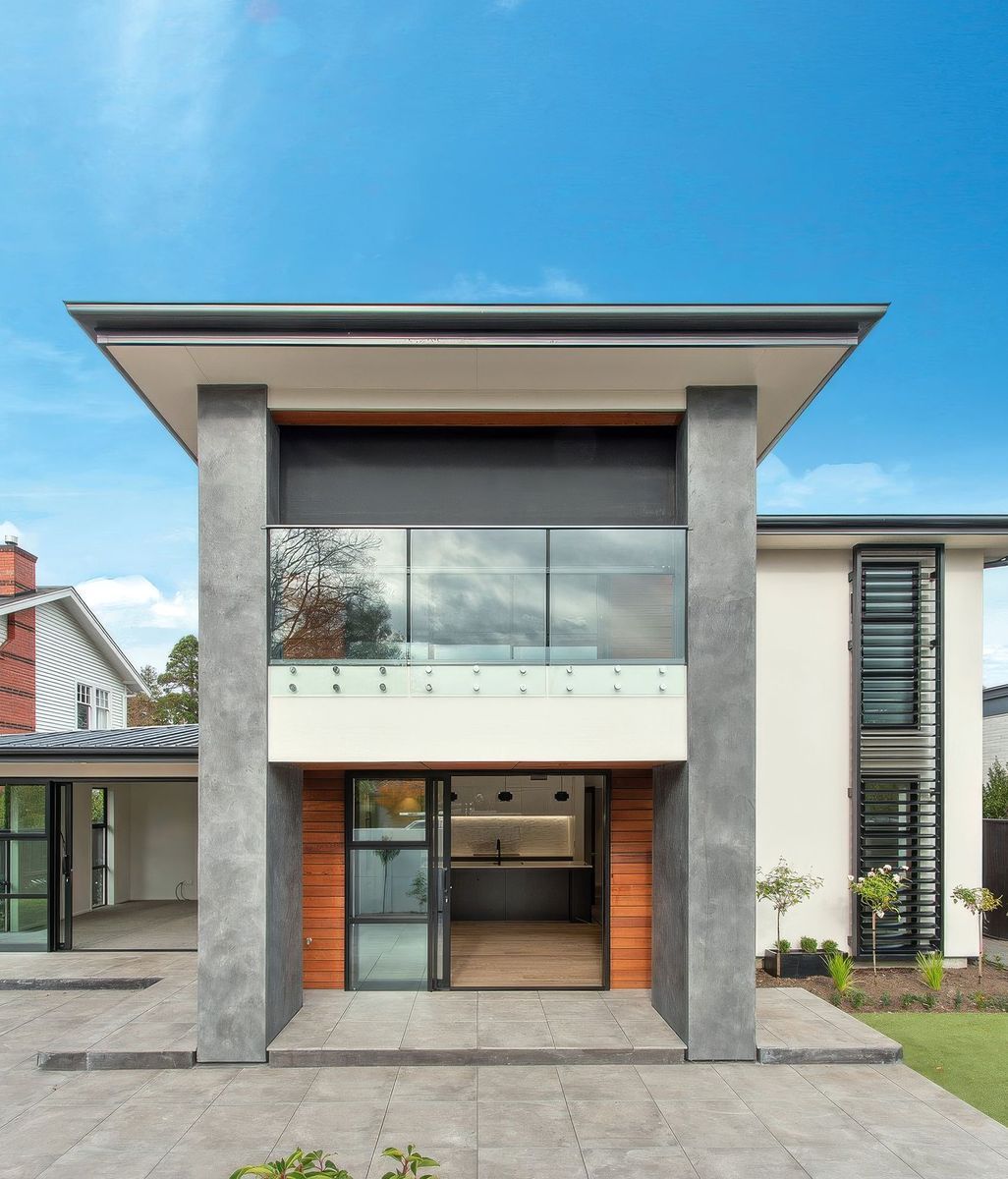
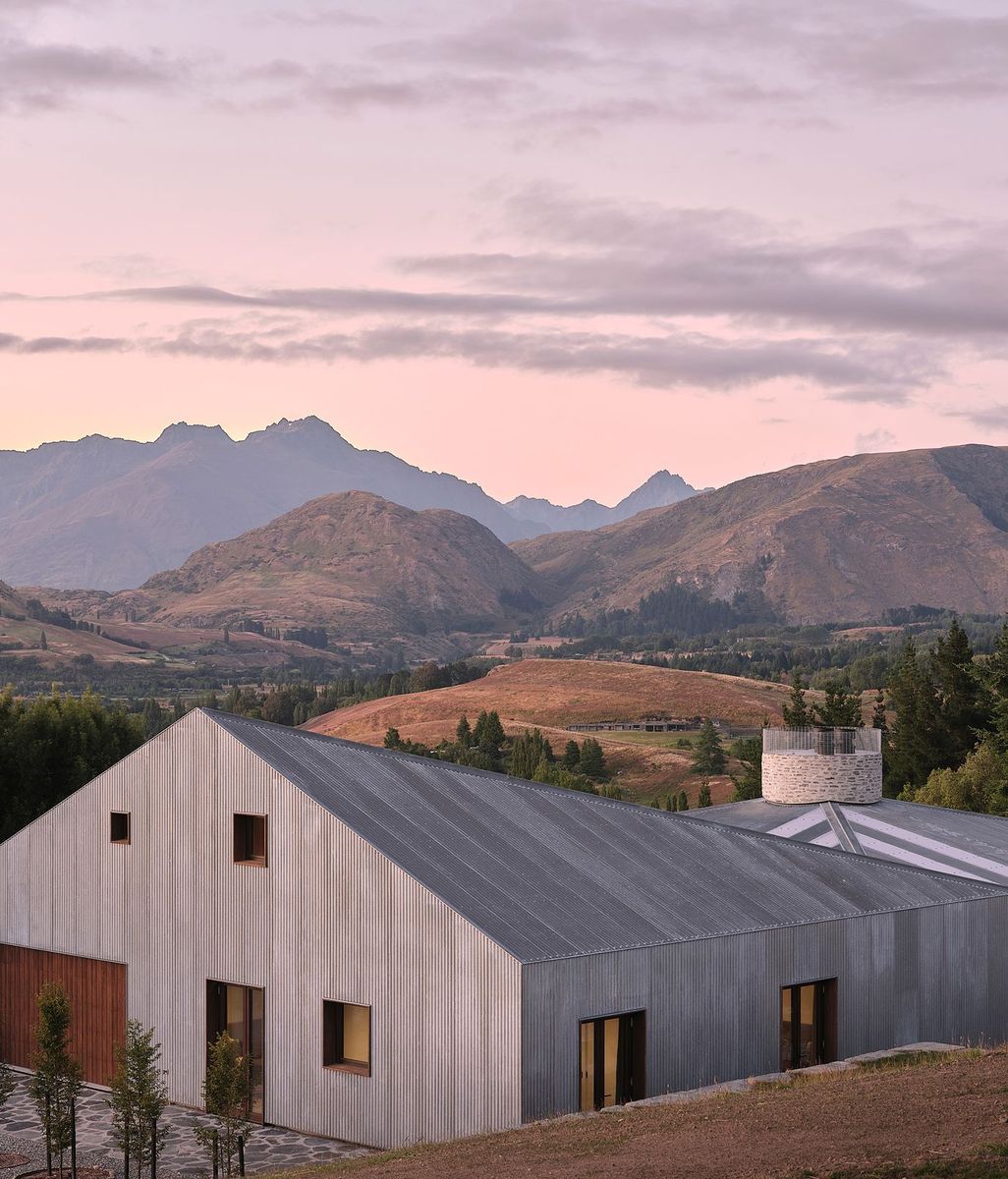
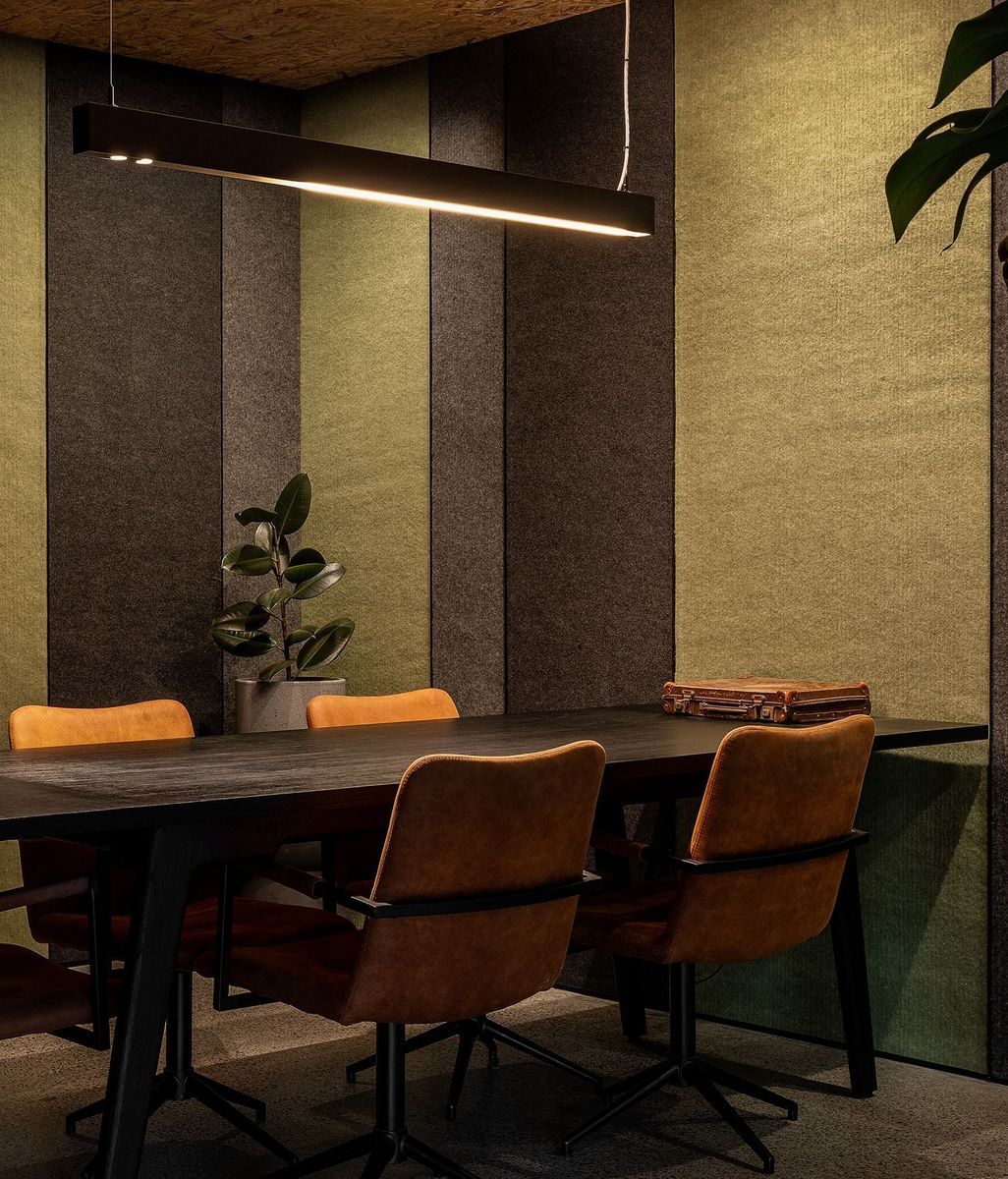
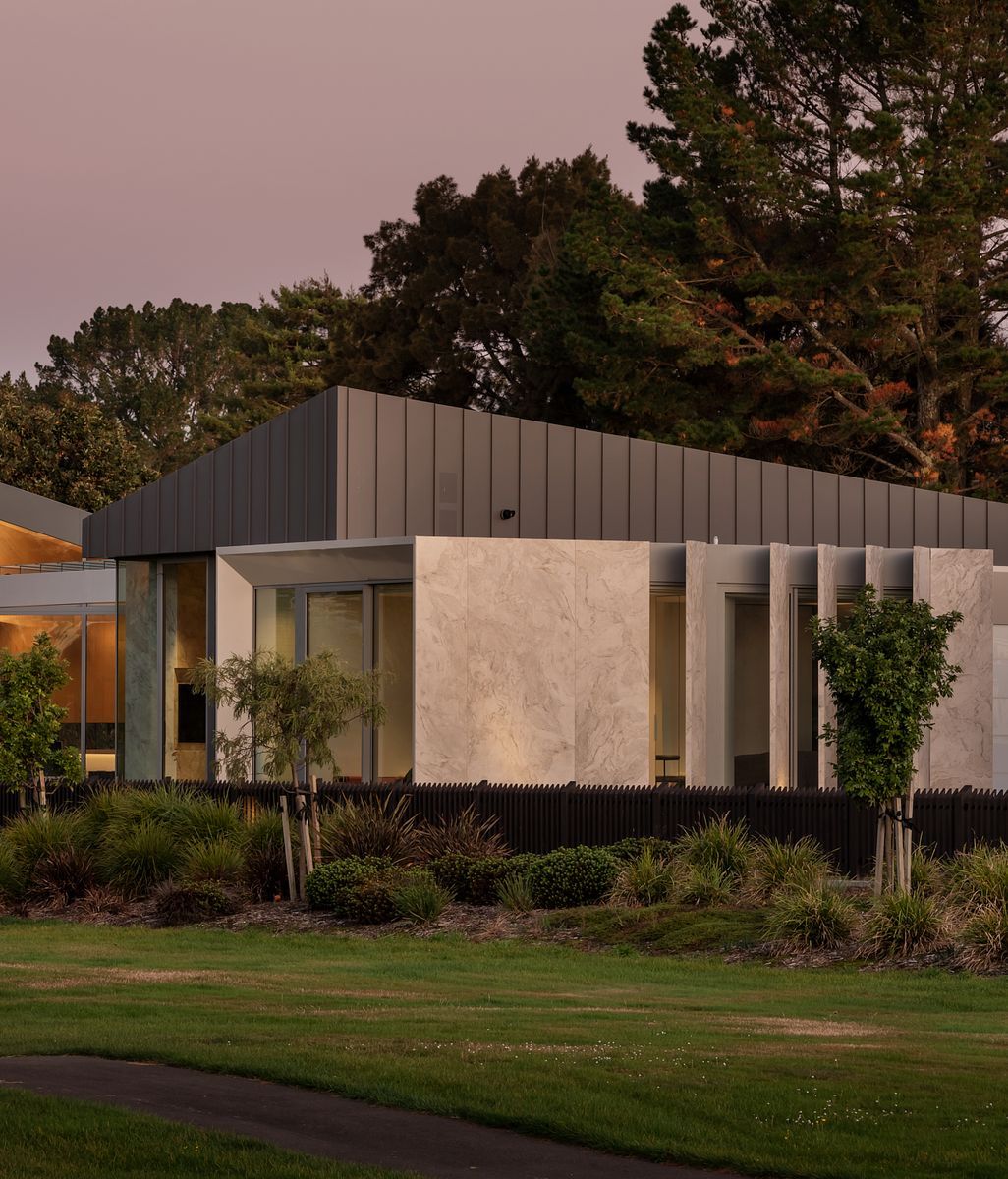
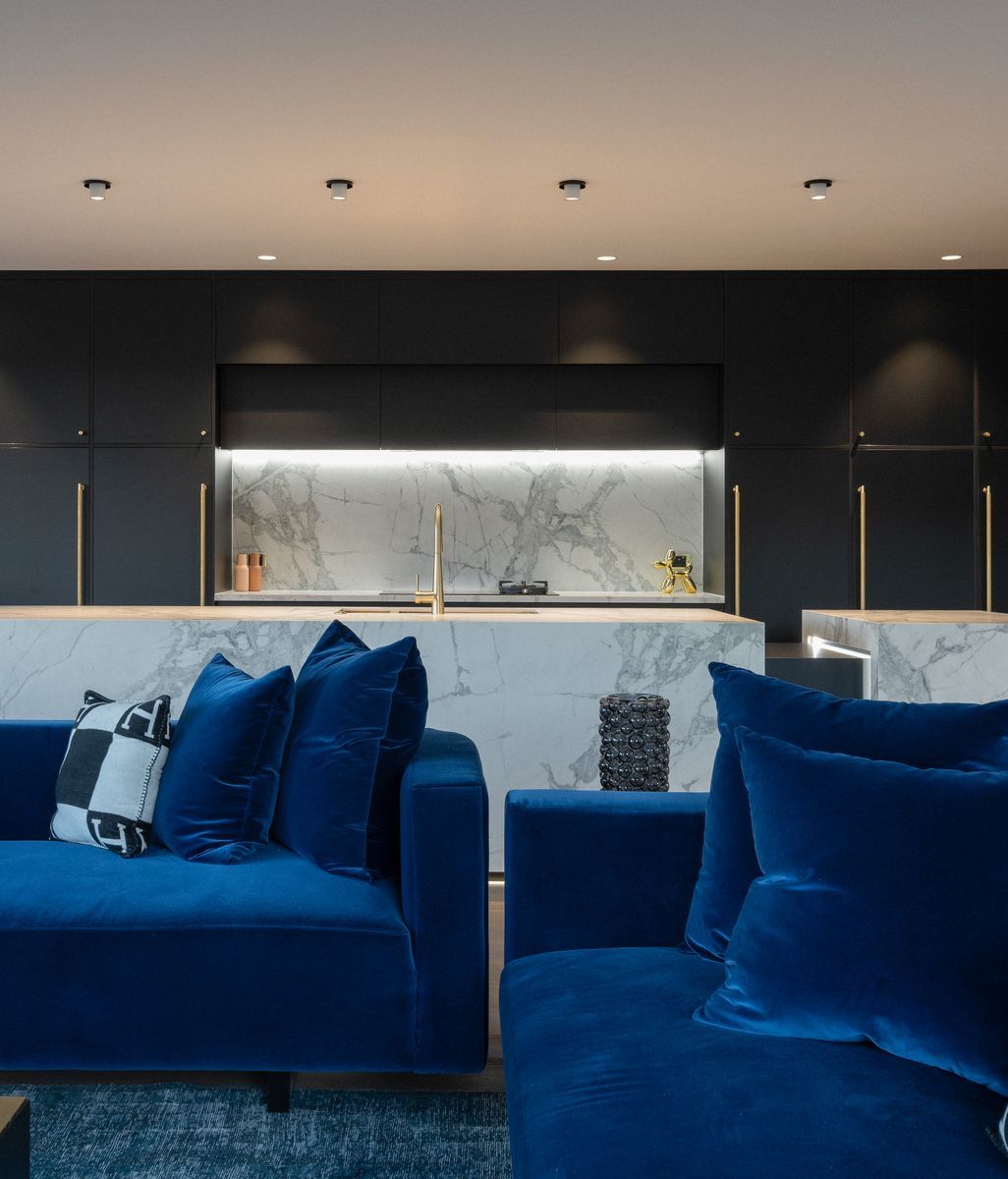
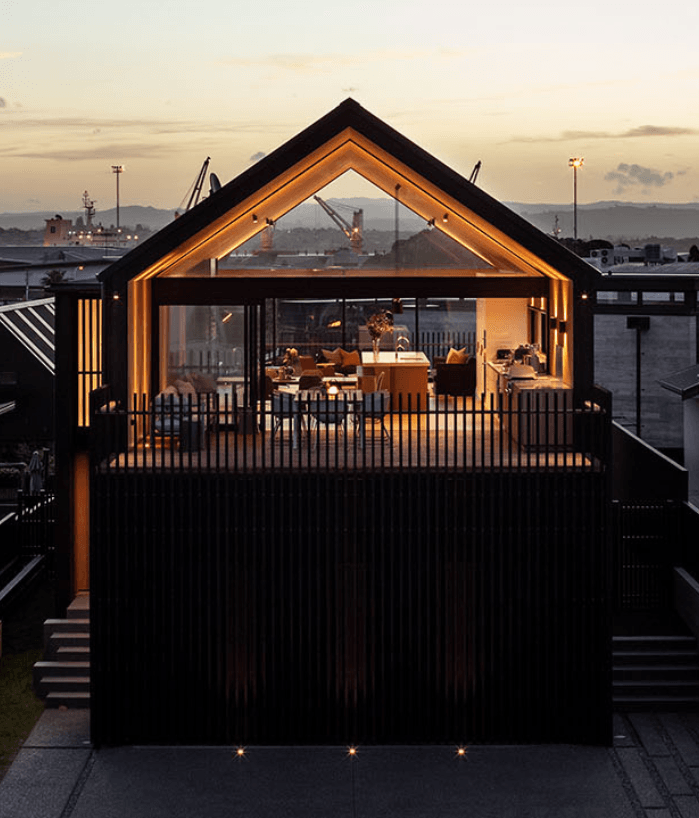
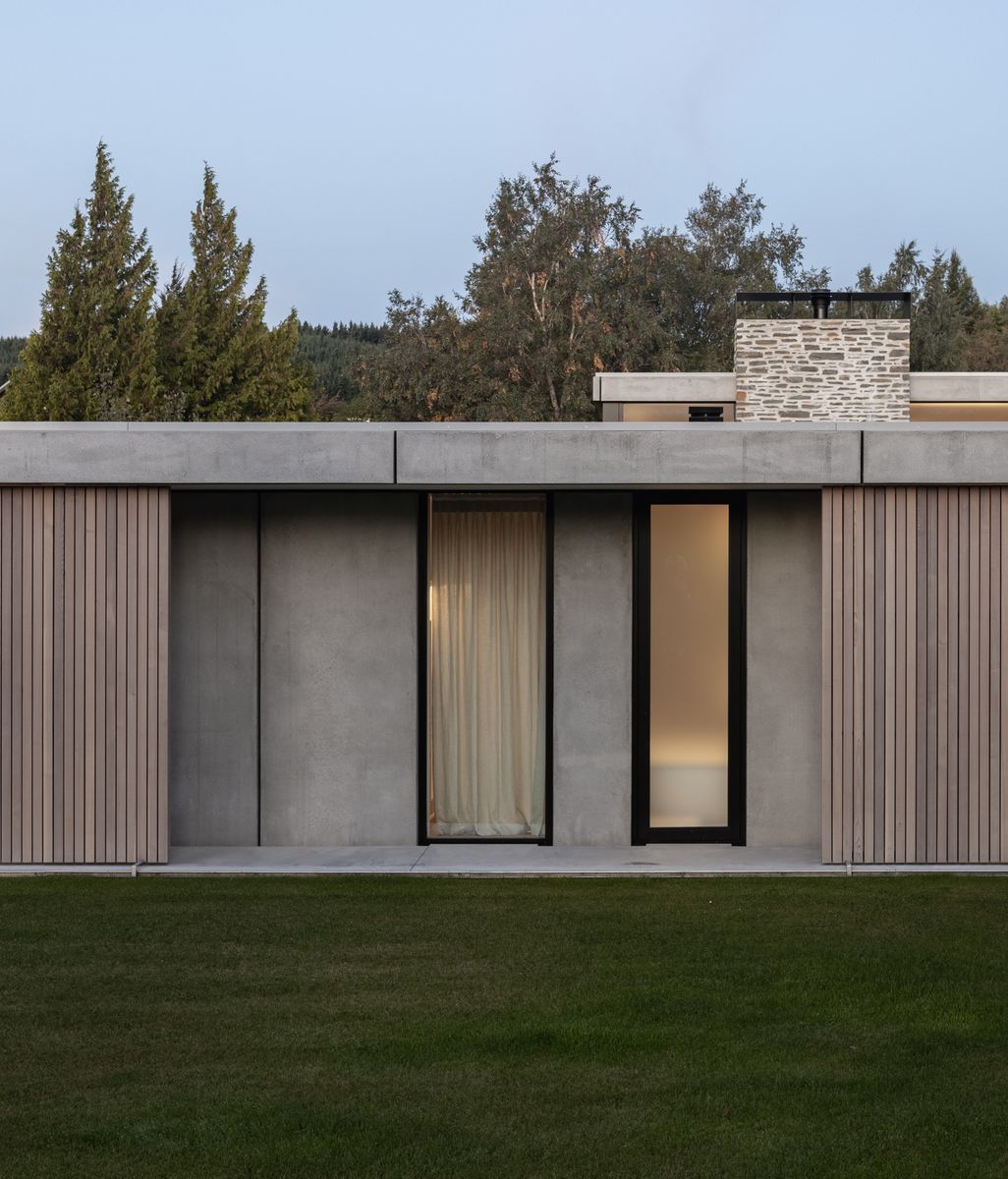
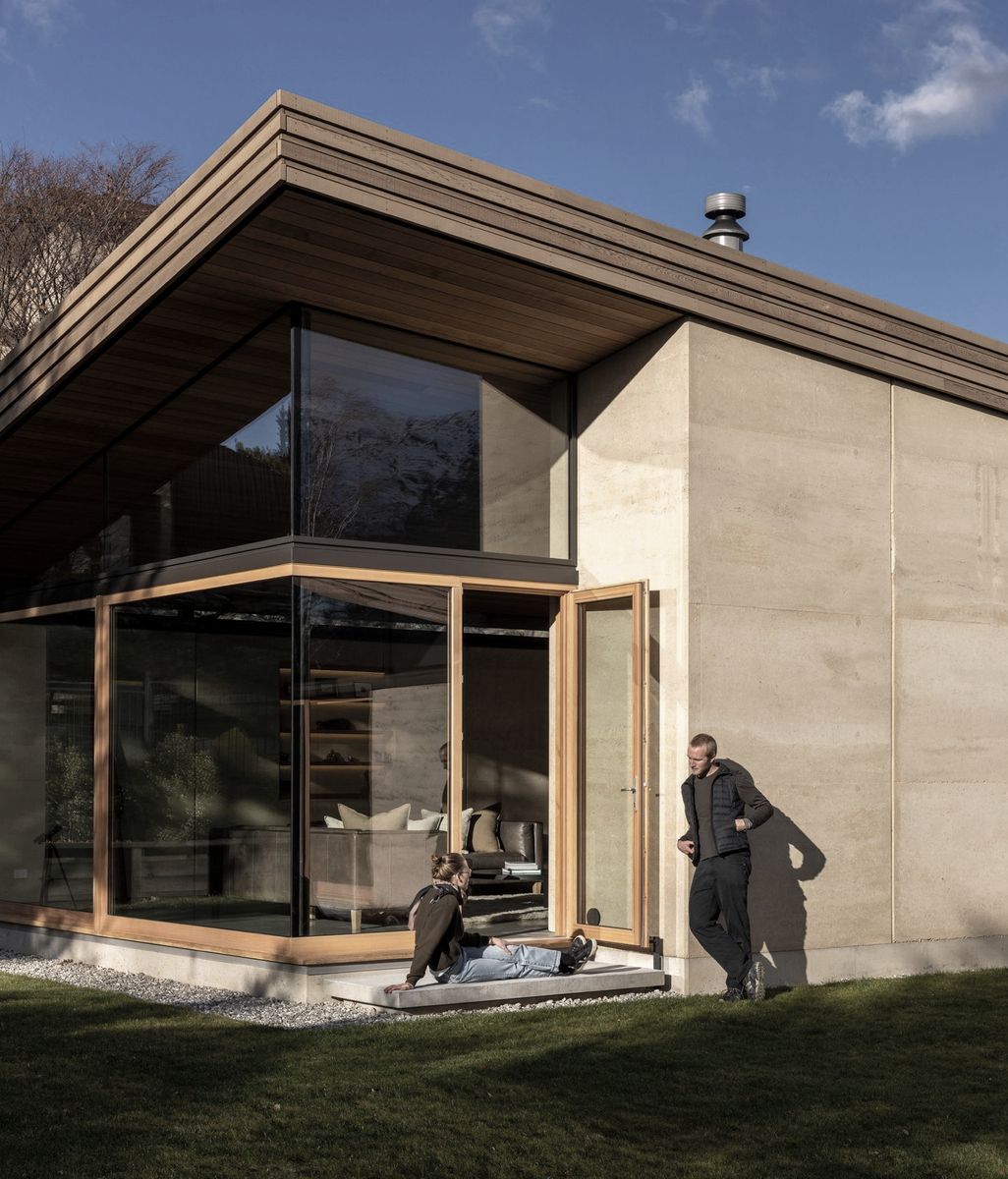
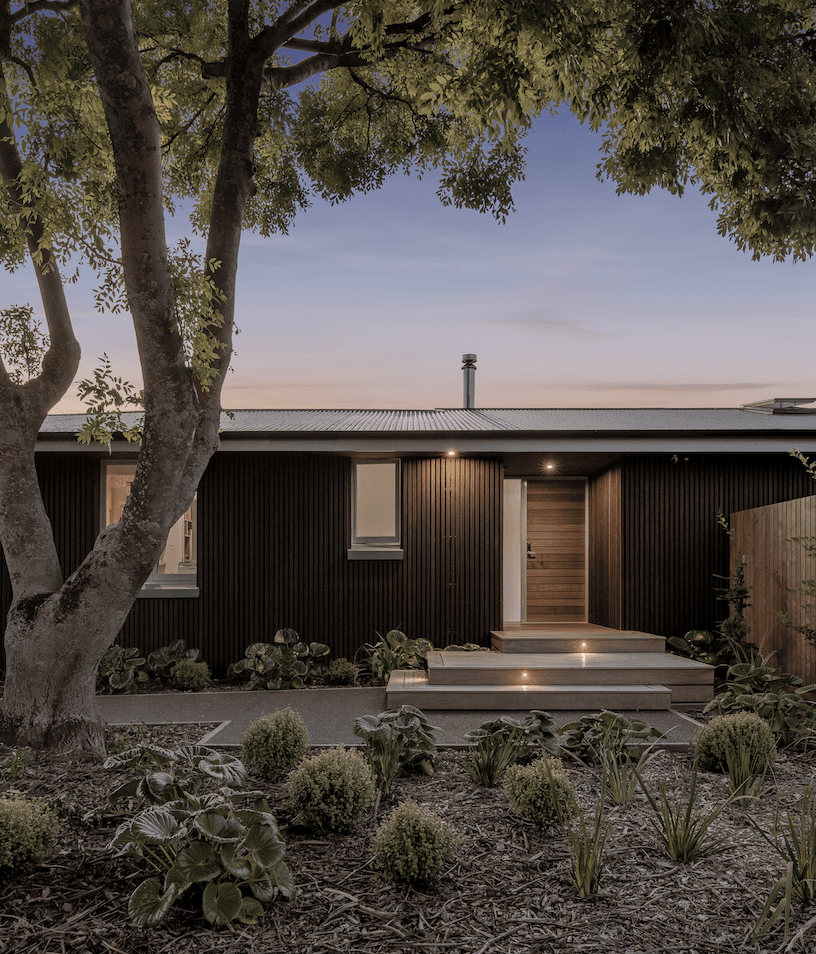
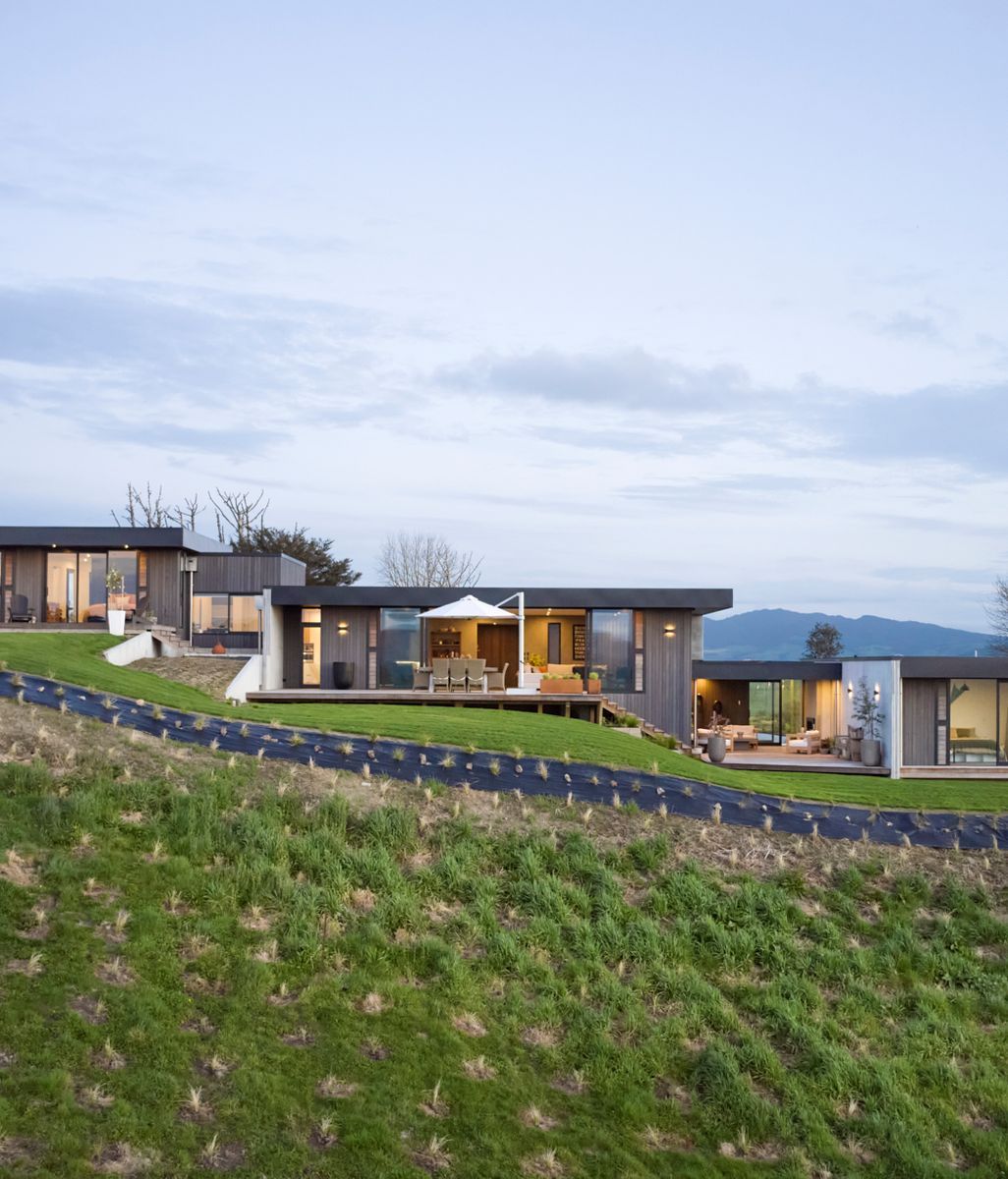
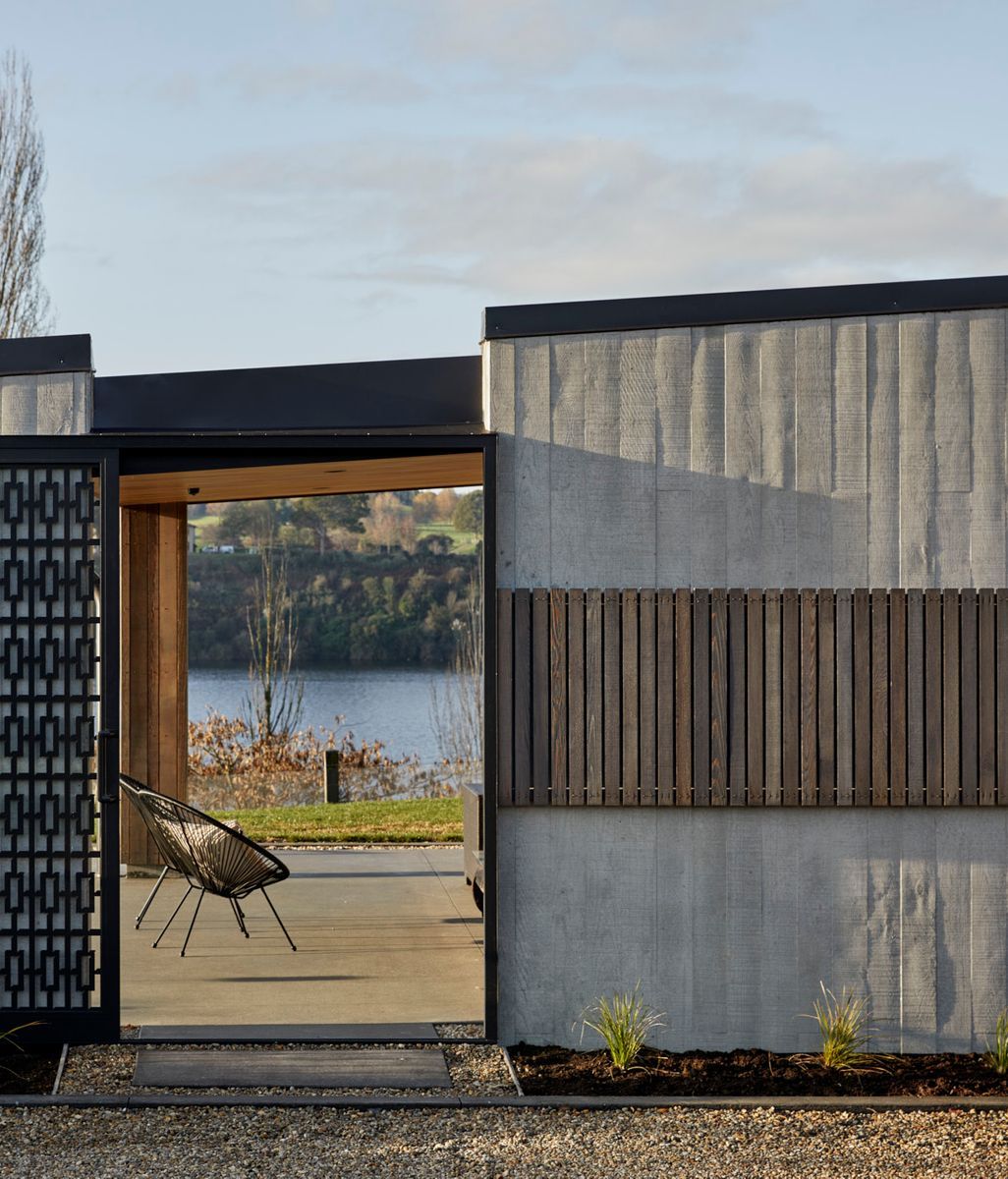
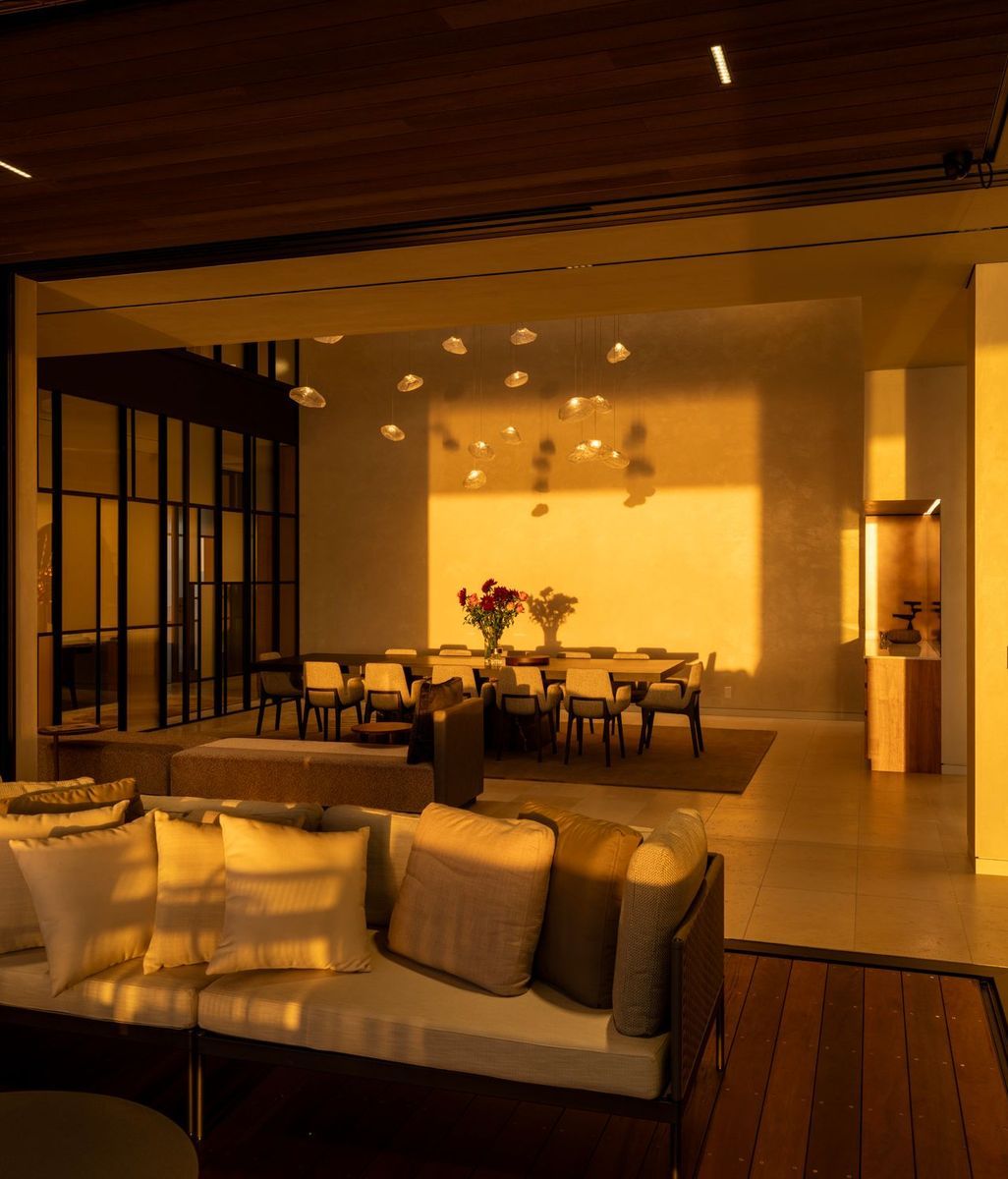
Natural materials and a limited palette allow texture, proportion and light to do the work at Windermere Cres by Stonnington Group | Photo Credit: Martina Gemmola
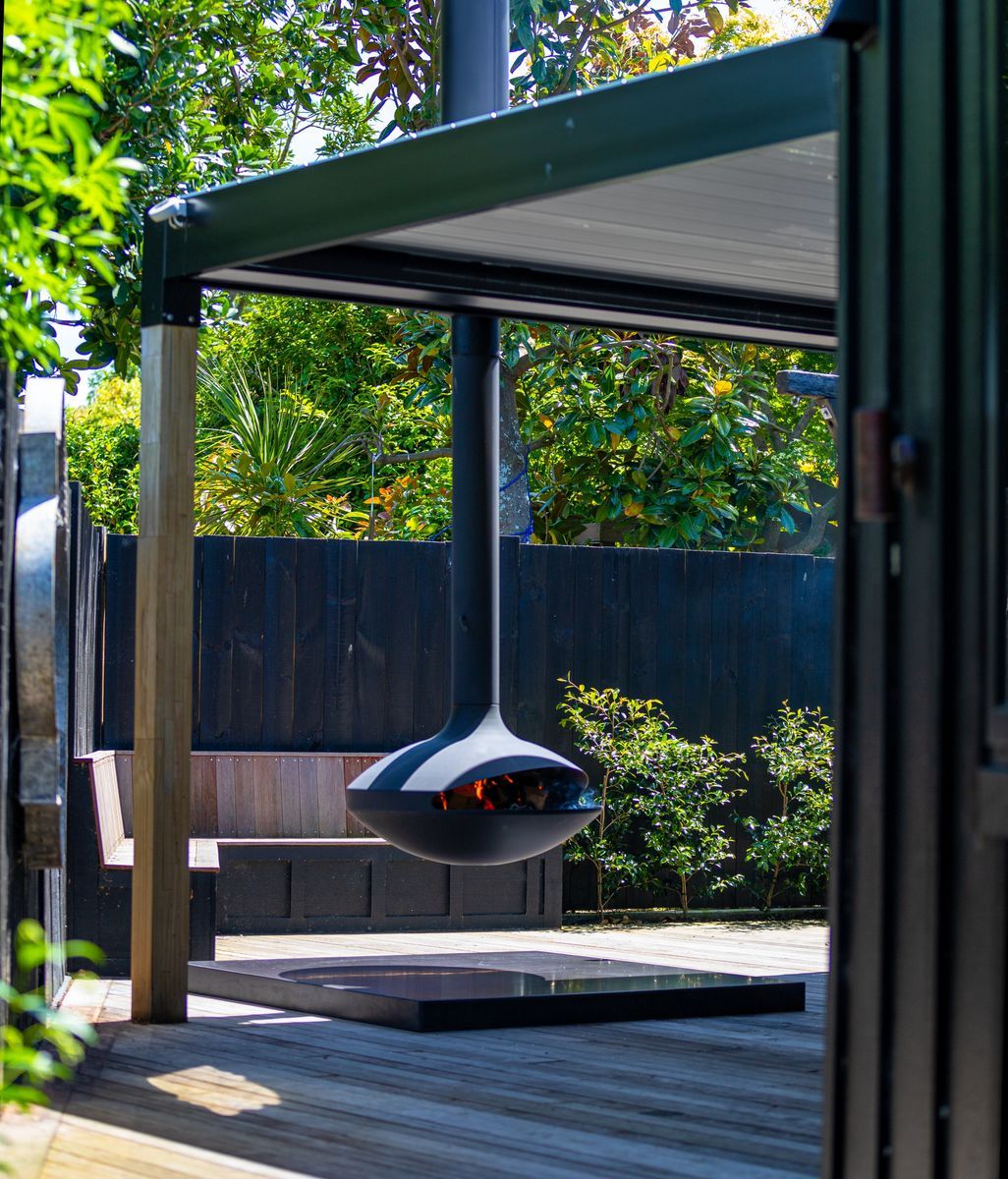
When restraint is deliberate, Stonnington Group reveals what makes simplicity hard.
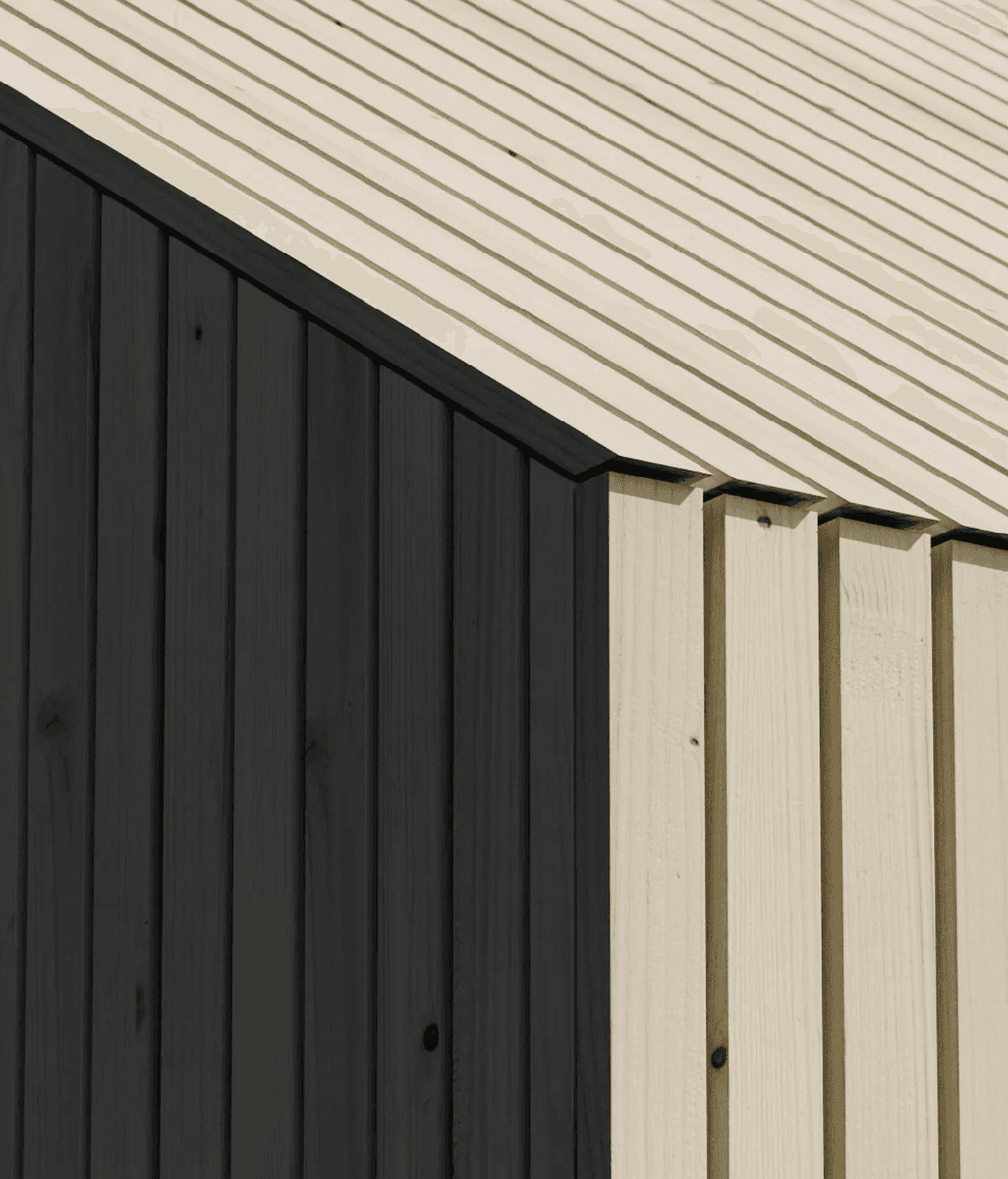
There’s a certain kind of house that looks like it didn’t try too hard. The lines are calm. The materials are quiet. The details don’t shout for attention. Everything feels considered, but effortless.

And if you’ve ever built anything even vaguely “minimal”, you know that’s the trick. The simpler it looks, the harder it usually is.

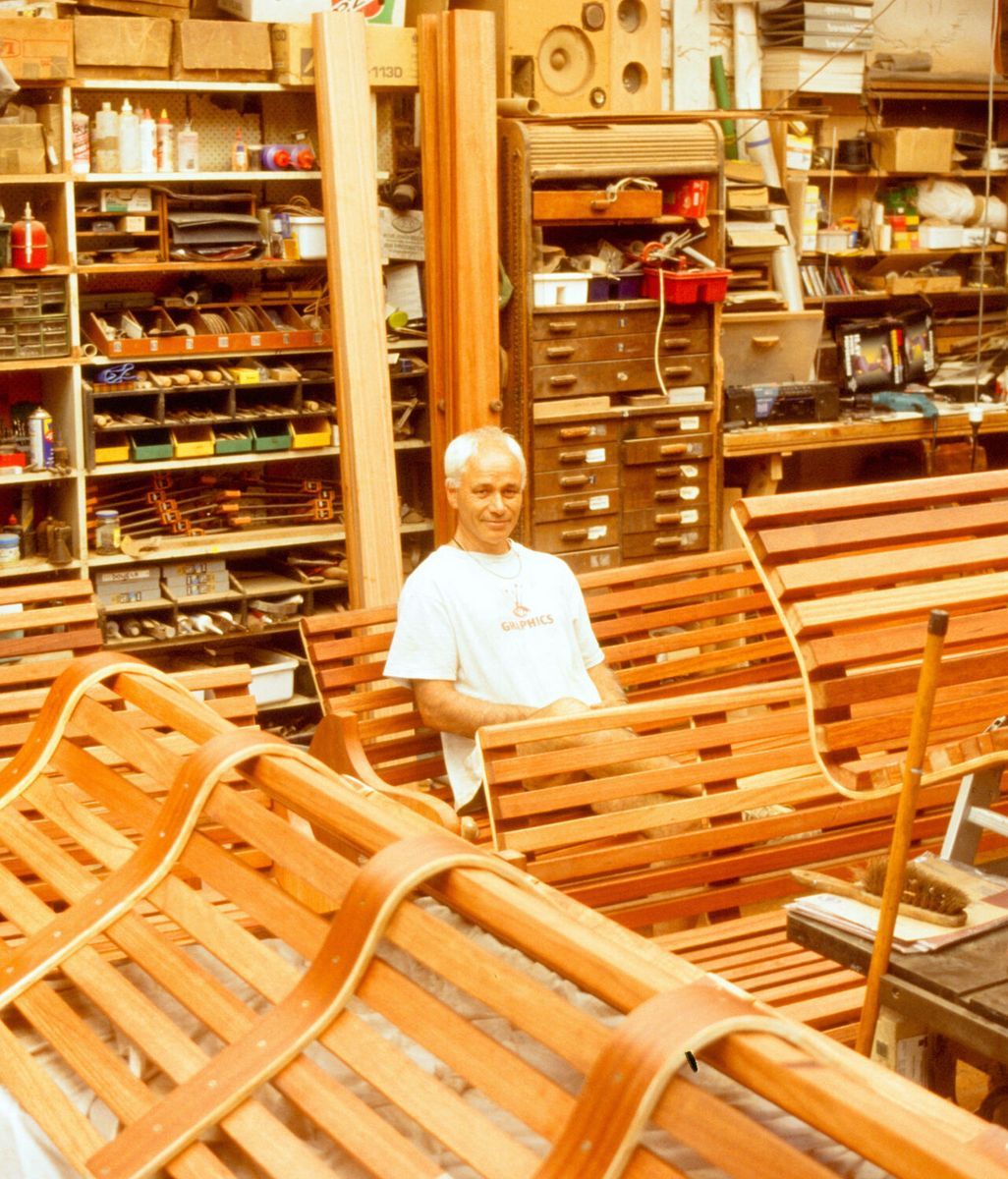
Enzo Campus in his studio | Photo Credit: Oliben Media

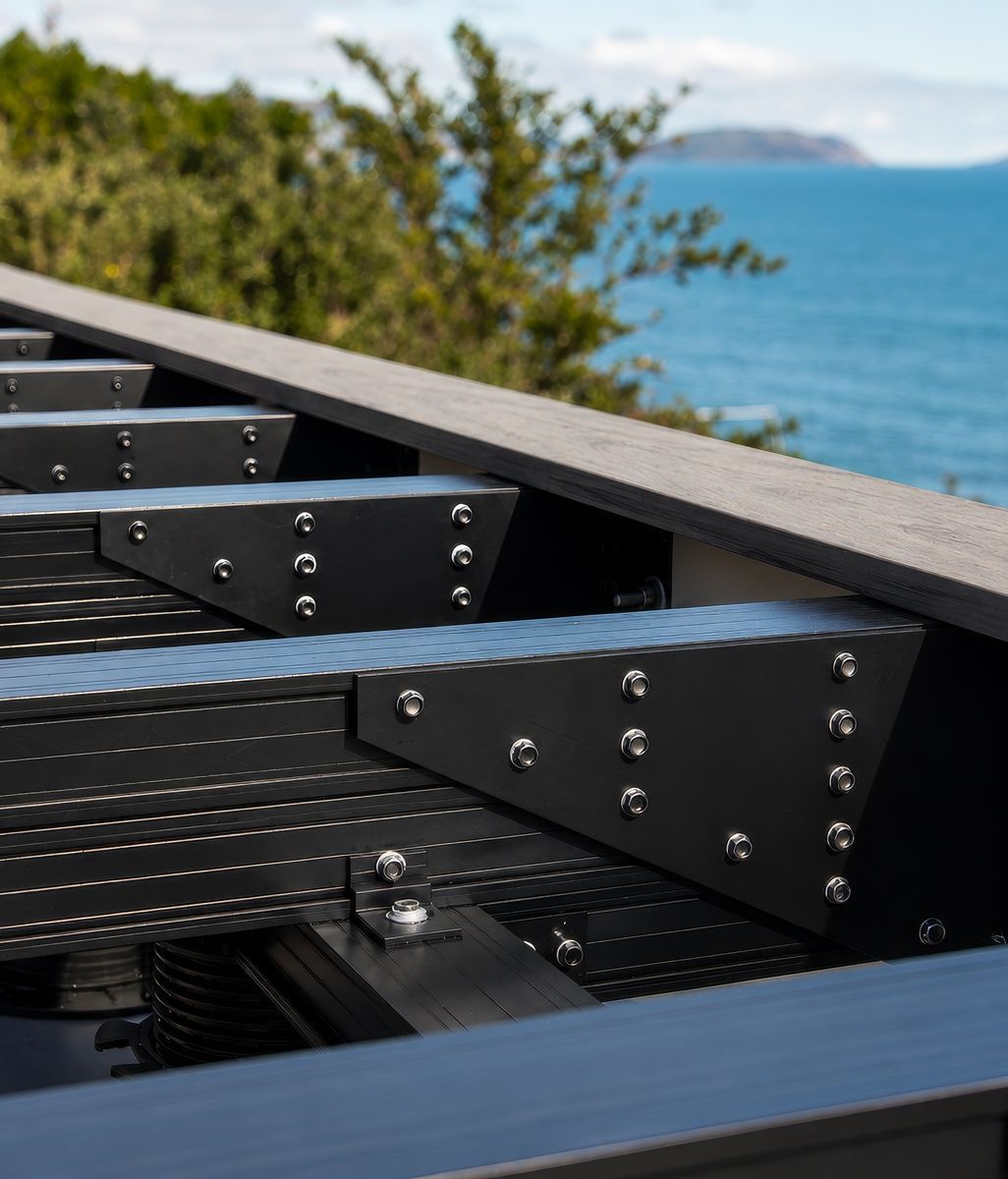
Enzo Campus, Managing Director at Melbourne-based Stonnington Group, put it perfectly when we spoke… the art of simplicity is often great complexity. Not complexity for show. The kind you don’t notice unless something goes wrong. The kind that sits behind the wall, inside the join, under the floor. The stuff that makes a home feel calm, warm, and properly finished.

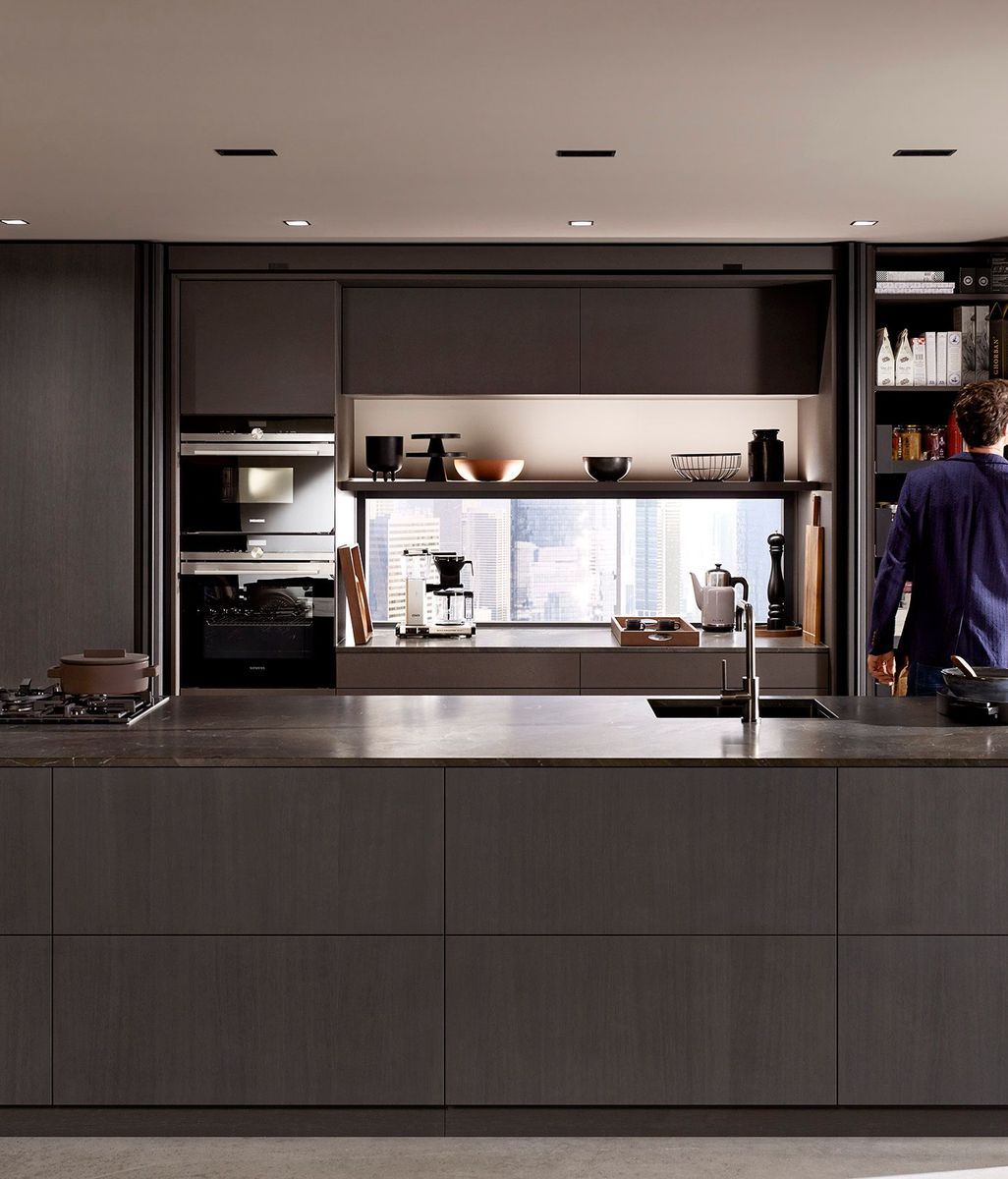
Stonnington Group is in a slightly unusual position to talk about this, because they don’t just design homes. They design, build, and manufacture much of what goes inside them, including high-performance windows, cabinetry, stairs and custom joinery. Enzo’s background is architectural design, but he’s also been a registered builder for years, and he oversees their joinery division too.

It’s not a common setup. But it explains why their homes often feel so resolved. The bit most people don’t see.

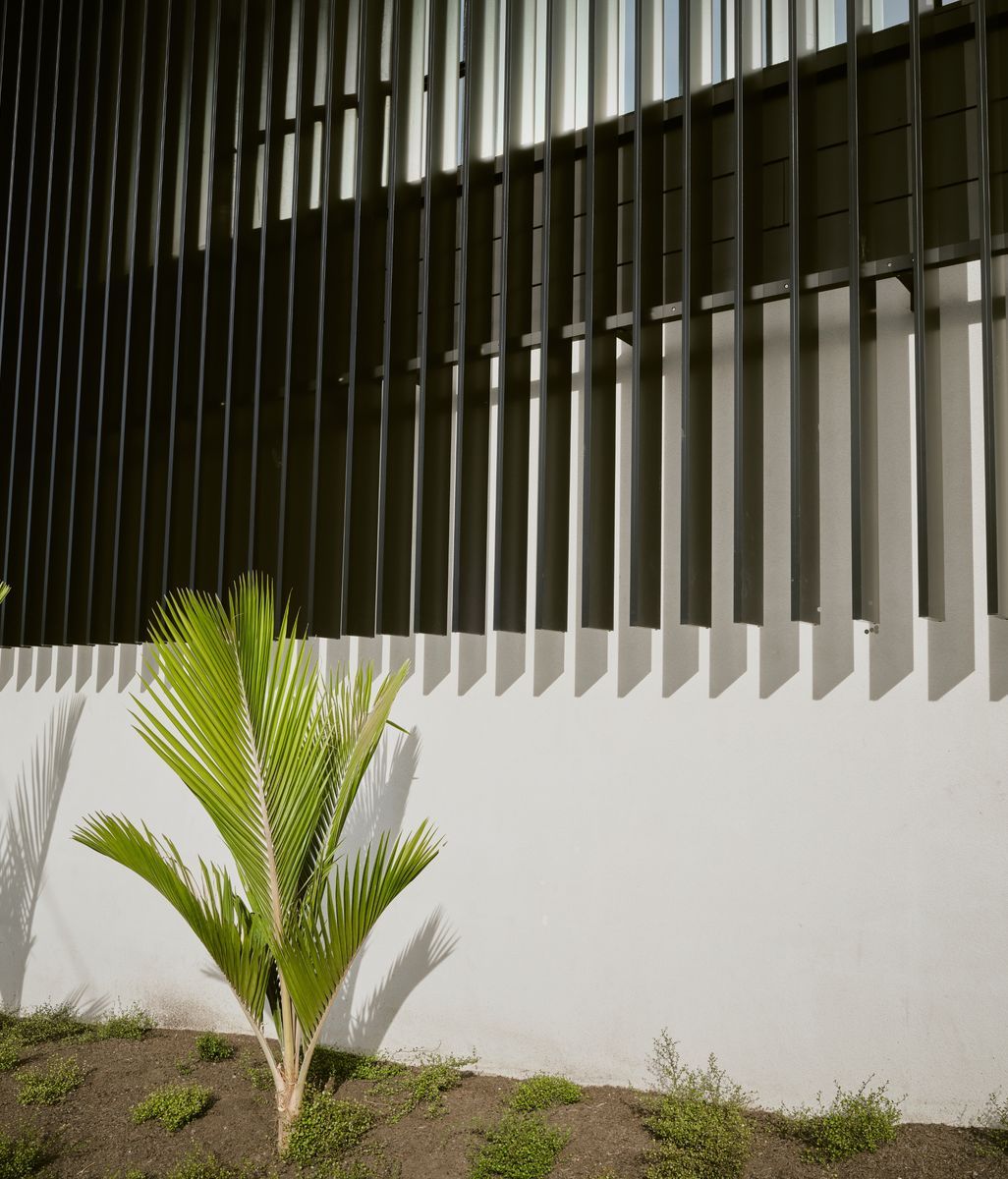
When a home looks “restrained,” what you’re really seeing is a hundred decisions that were made early, coordinated well, and executed tightly.

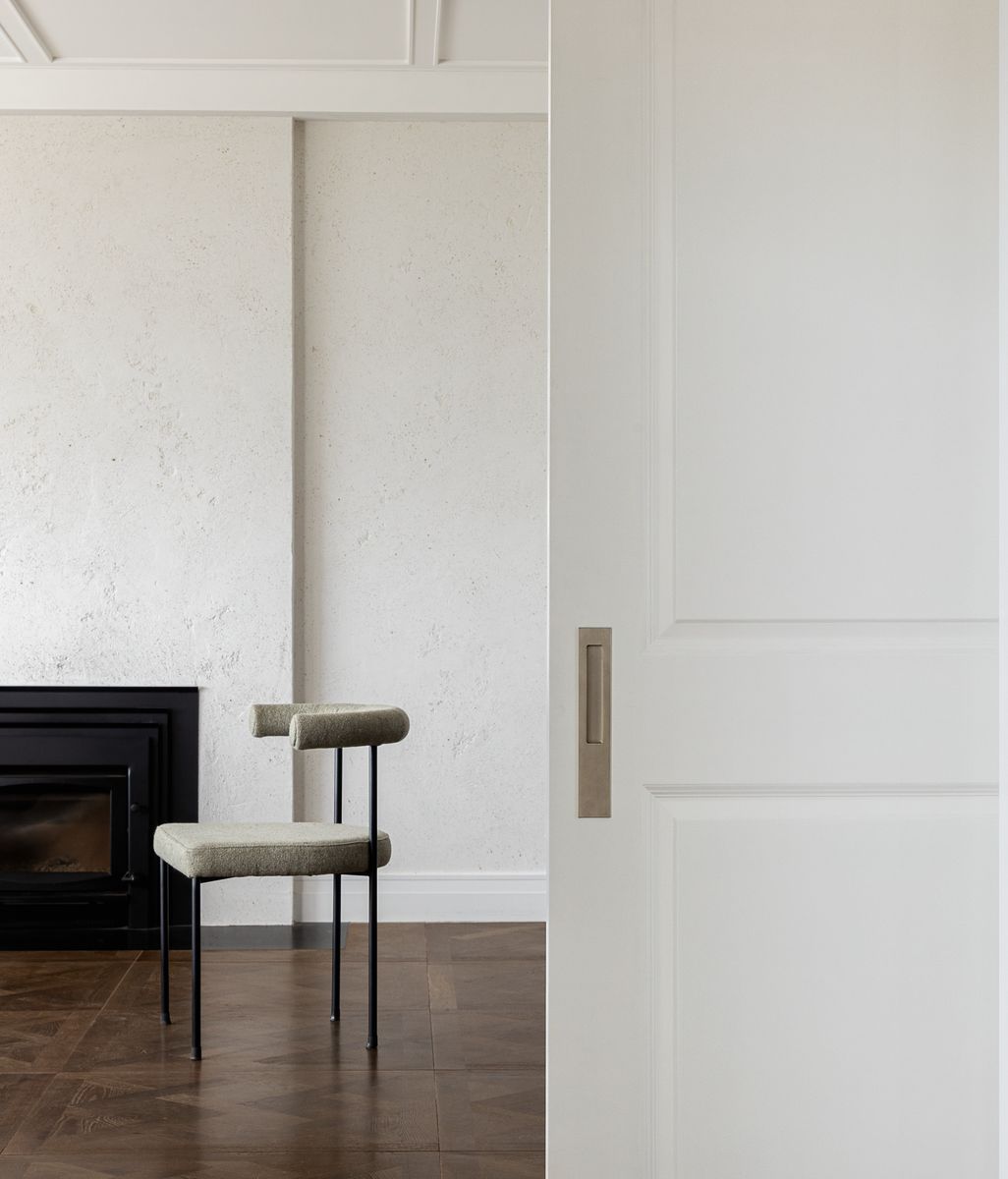
It’s the ceiling line that doesn’t wobble. It’s the door that closes with weight and quiet. It’s the floor meeting the wall cleanly, without needing a chunky trim to hide the truth.


Enzo described Stonnington’s model as “unmatched integration” and it’s a good way to put it. Their design team can step a few paces and talk to the people manufacturing windows. The people making the cabinetry understand the design intent because they’re part of the same ecosystem. There’s constant dialogue. It’s not a “handover and hope” situation.

Most builds don’t work like that. Usually, a home is designed by one group, built by another, and filled with products from suppliers who never really speak to each other. There’s nothing inherently wrong with that, plenty of good homes come from that model, but it does mean restraint becomes harder to protect. Because every gap between teams is another place for intent to soften.

Stonnington’s approach is basically the opposite: keep the idea and the execution tightly linked, so the calm outcome survives the messy middle.

Enzo said something that will resonate with anyone who’s been on site long enough, “every home is a prototype”.

You haven’t built that exact thing before, and you probably won’t build it again. Even if your style is consistent, each site, each plan, each detail set throws up a different problem to solve.

That’s why “simple” can’t be casual.

If you want clean lines, fine tolerances, minimal junctions, and a home that feels quiet and seamless, you can’t leave the hard decisions for later. Later is when everyone’s tired, the timeline is tight, and the easiest option starts looking very tempting.

This is where Stonnington’s manufacturing model gets interesting. Because they control the planning and the build, they’re comfortable doing things earlier than most teams would.

Enzo explained that they’ll often start shop drawings and manufacturing for joinery and windows around slab stage. Long before a typical joiner would be comfortable. Not because they’re reckless, but because they know, within millimetres, where the walls will land. And if something shifts on site, the feedback loop is direct: a quick adjustment in-house, rather than a slow correction across three different businesses.

It’s also why they can’t really hide from mistakes. Enzo laughed about it: when you do everything yourself, you don’t get to blame the joiner’s holiday or the supplier’s delay. But it does create a kind of accountability that clients can feel.

They even invite clients into the factory to see components being built, which is not only reassuring, it’s genuinely exciting. You’re watching your house take shape in pieces, before it arrives on site.

If there was one topic Enzo kept circling back to, it was windows. Windows aren’t glamorous, but they change everything. Not in a trendy way. In a very practical, “this will make or break how your home feels” way.

Good windows change thermal comfort. They change acoustics. They change whether a home feels like a refuge on a wild day, or like something you’re constantly fighting.

Enzo told a story about visiting a past client during a huge storm. Inside, the house felt quiet and calm and the client loved it, without really knowing why. He walked her over to a door, opened it, and the wind nearly blew them back into the room. Then he closed it again.

That contrast is the point. A lot of the best outcomes in a home are like that. You don’t always notice them consciously. You just feel them in your body. You stop bracing. You stop adjusting. You settle.

That’s what “build quality” often really means: not perfection, but a home that behaves properly in the real world.

The most common mistake is thinking you’ve got time. When we asked Enzo what homeowners leave too late, he didn’t say something technical or obscure. He said landscaping.

It’s such a classic move. You’re deep in decisions. You’re spending real money. You’re focused on structure, approvals, finishes, lighting, plumbing and the garden gets mentally parked as “later.”

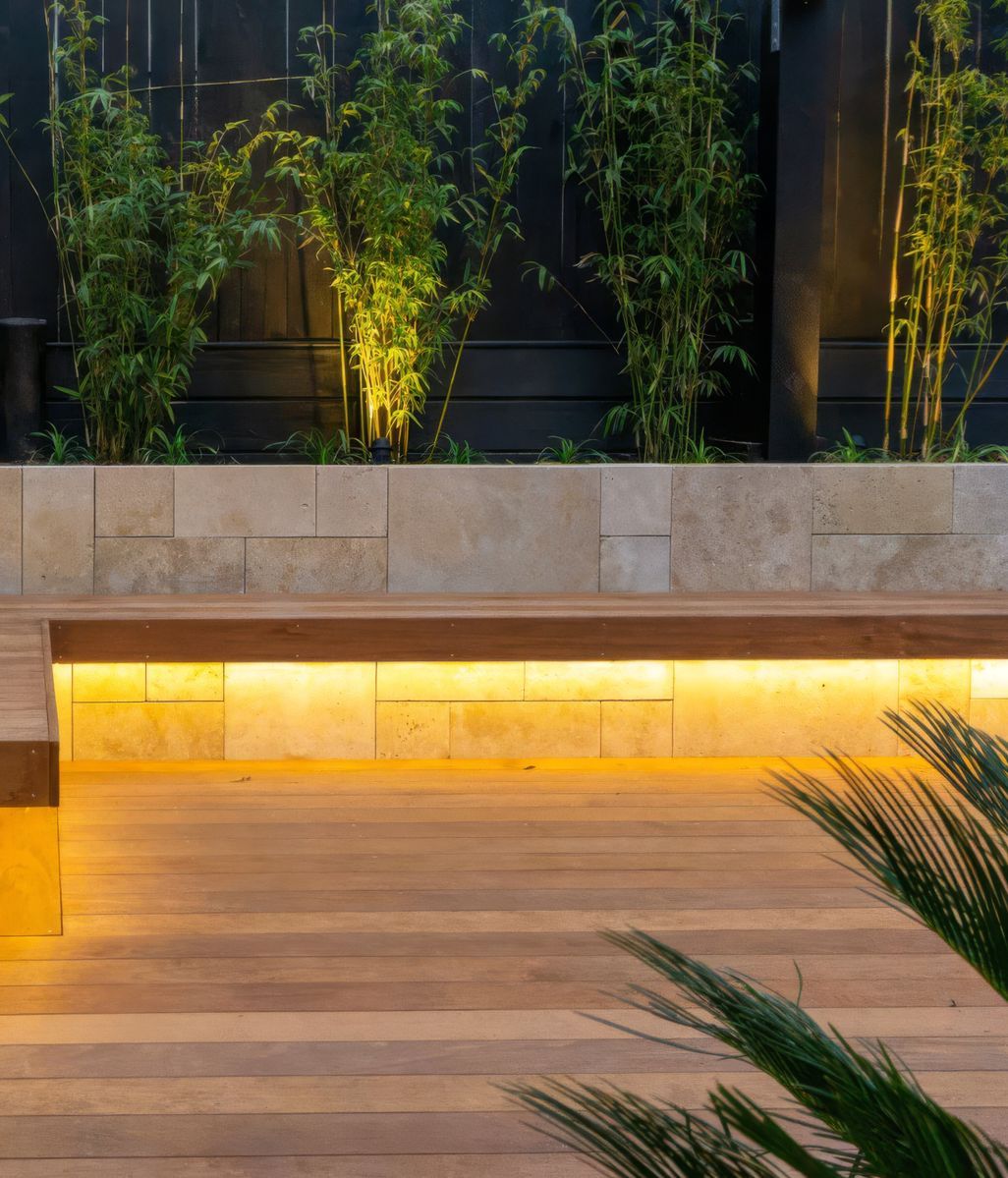
But if you’ve got a home that’s designed to feel calm, the landscape isn’t an add-on. It’s part of the architecture. It controls privacy, light, view lines, the way your internal spaces breathe. And it takes time to design properly.

Enzo’s view is that they design the whole site, because land is too expensive to waste. Even if they’re working with landscape designers to select planting, Stonnington still thinks through the structure: where the paved areas should be, where the pool might sit, how outdoor rooms will work. The goal is simple: no dead zones, no leftover corners, no parts of the site that feel forgotten.

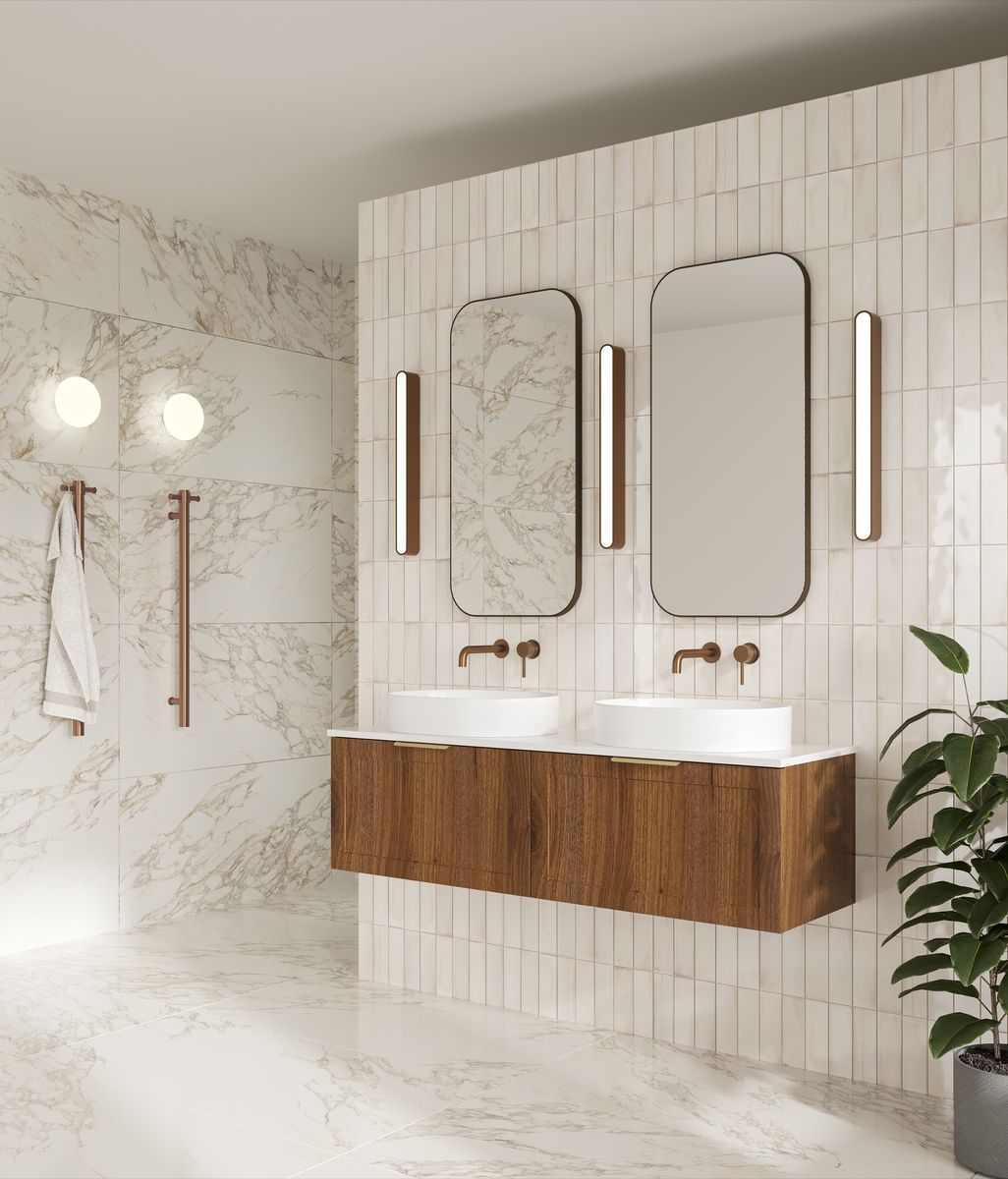
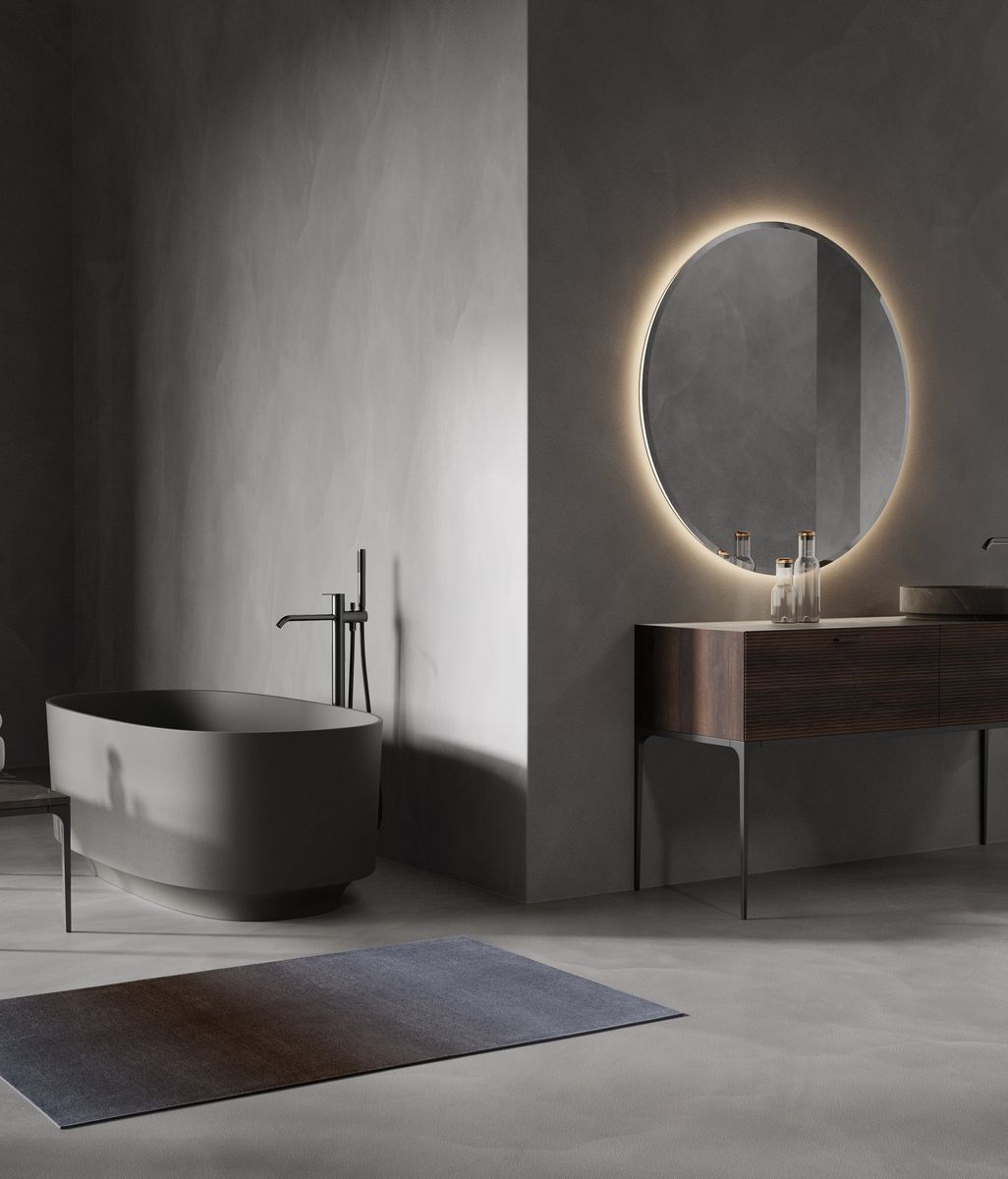
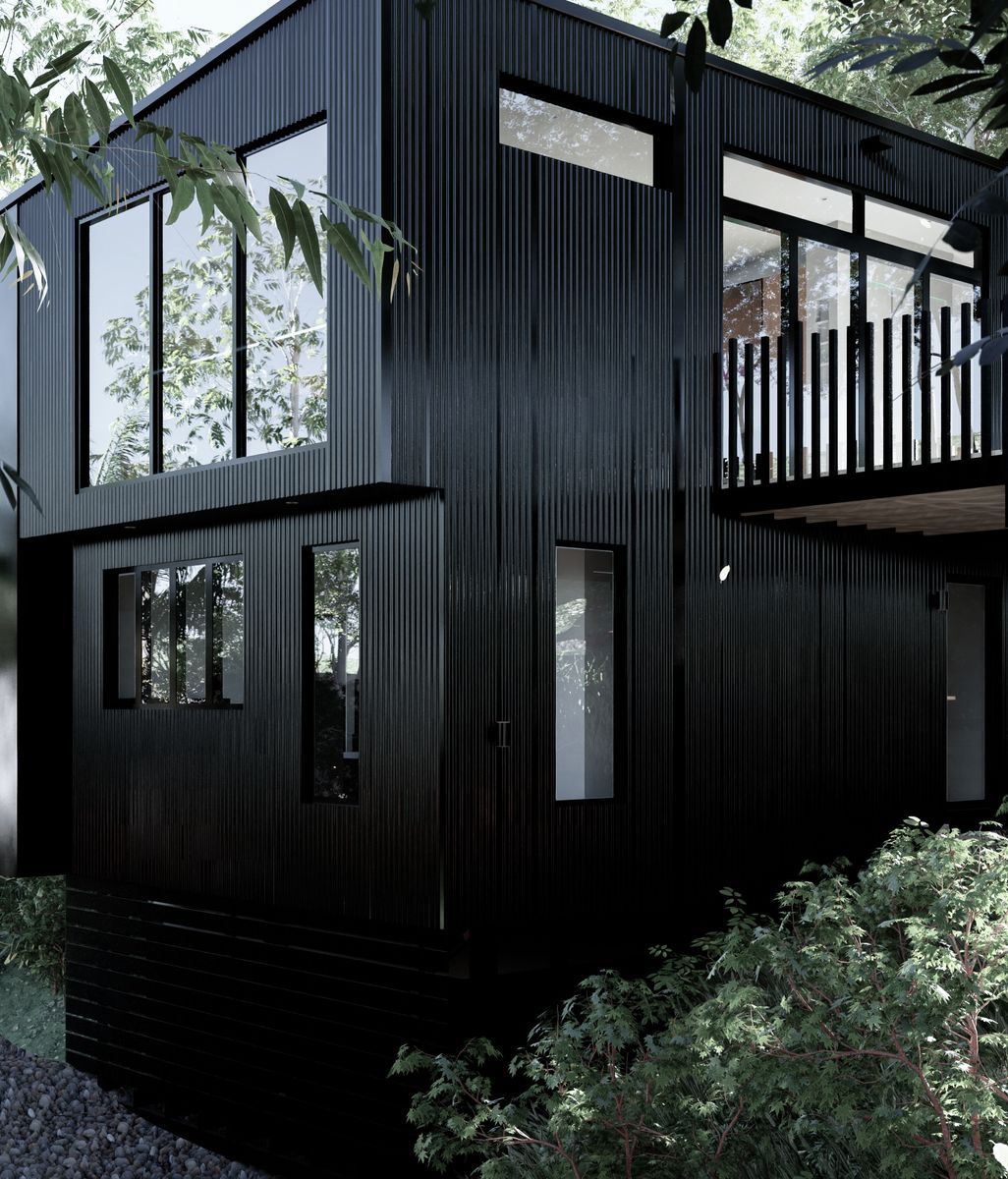
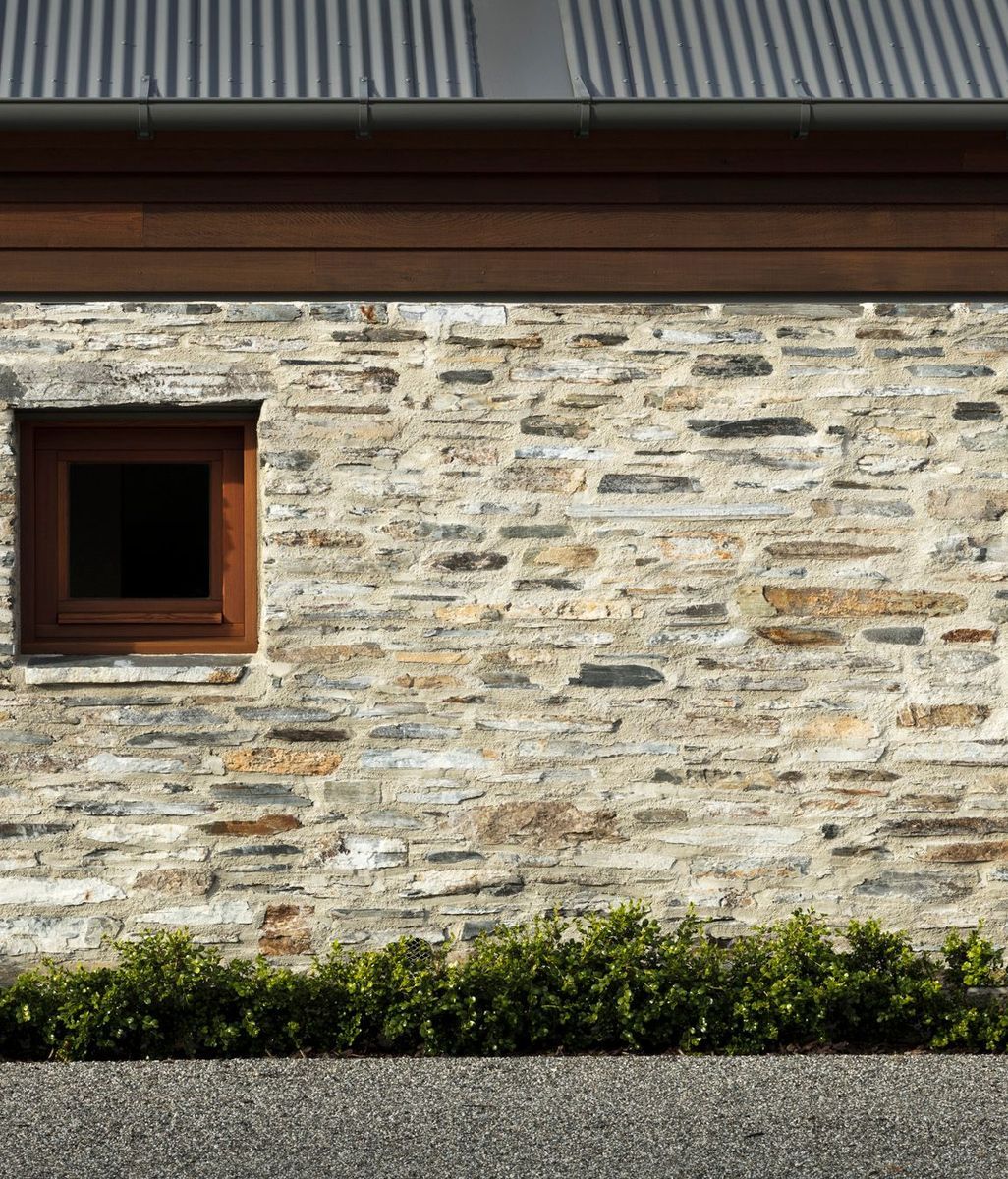
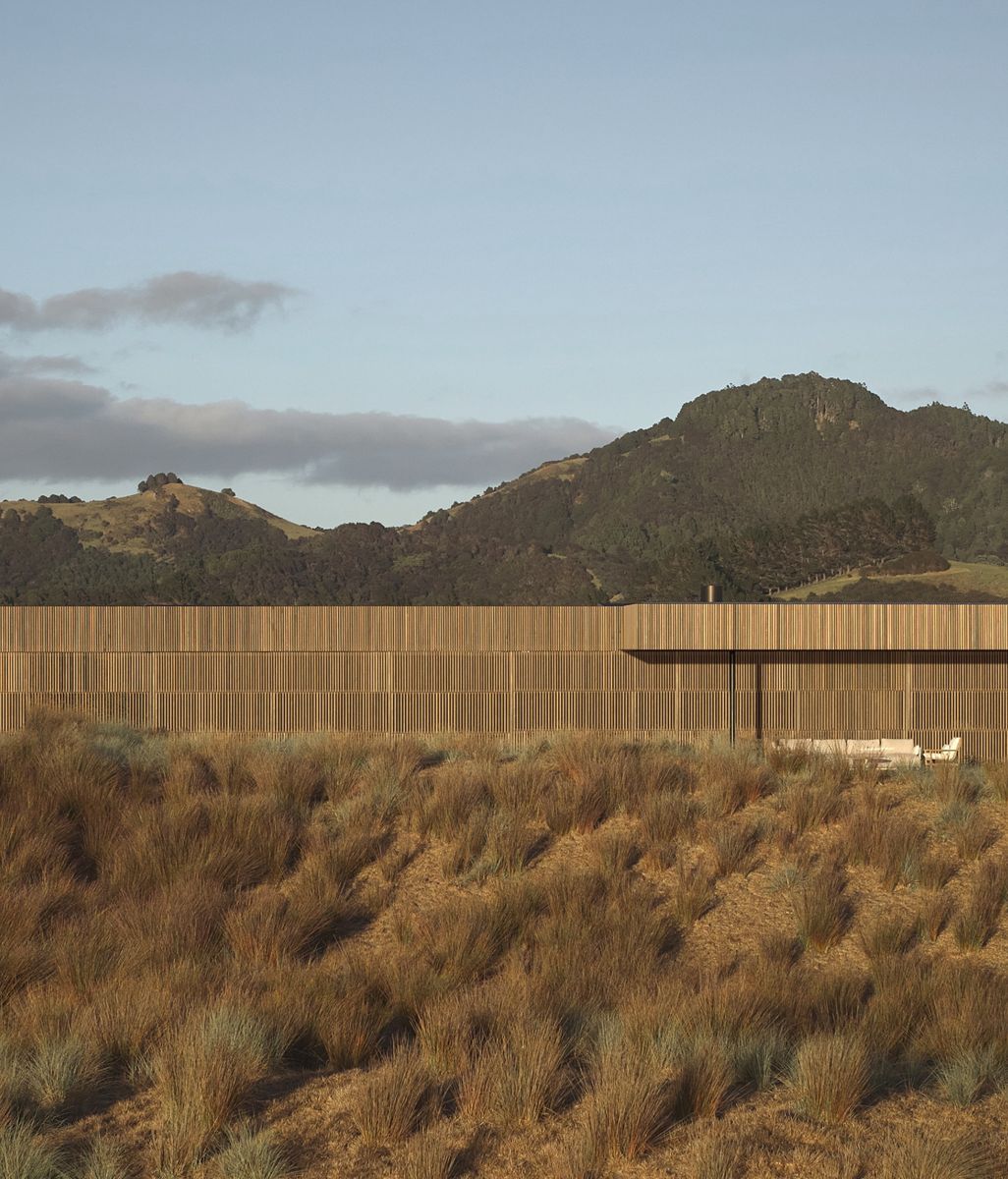
The real luxury is calm. Enzo isn’t anti-colour, and he’s not pretending restraint is the only good aesthetic. But his philosophy is consistent: limit the palette, use natural materials, and let texture do the work.

Wood. Stone. Plaster. Warm timber tones. Soft patina. Materials that age, rather than collapse into “dated.”

Because the thing most people want, whether they say it out loud or not, is a home that feels good to come back to. A place that supports the way you live day to day, not just a place that photographs well on completion day.

In Enzo’s words, the best kind of luxury is peace. A home that doesn’t overwhelm you. A home that’s been resolved so well you don’t have to think about it.

And that’s the irony of restrained architecture: it can look like less.

But it’s usually more. More care, more coordination, more craft, more decisions made before the mess of construction begins. Restraint isn’t accidental. It’s deliberate.


If you're interested to speak with Stonnington Group directly about your building project, contact them on the form below.