Where design begins: The hidden process behind a bespoke home

Written by
11 December 2025

 • 

4 min read

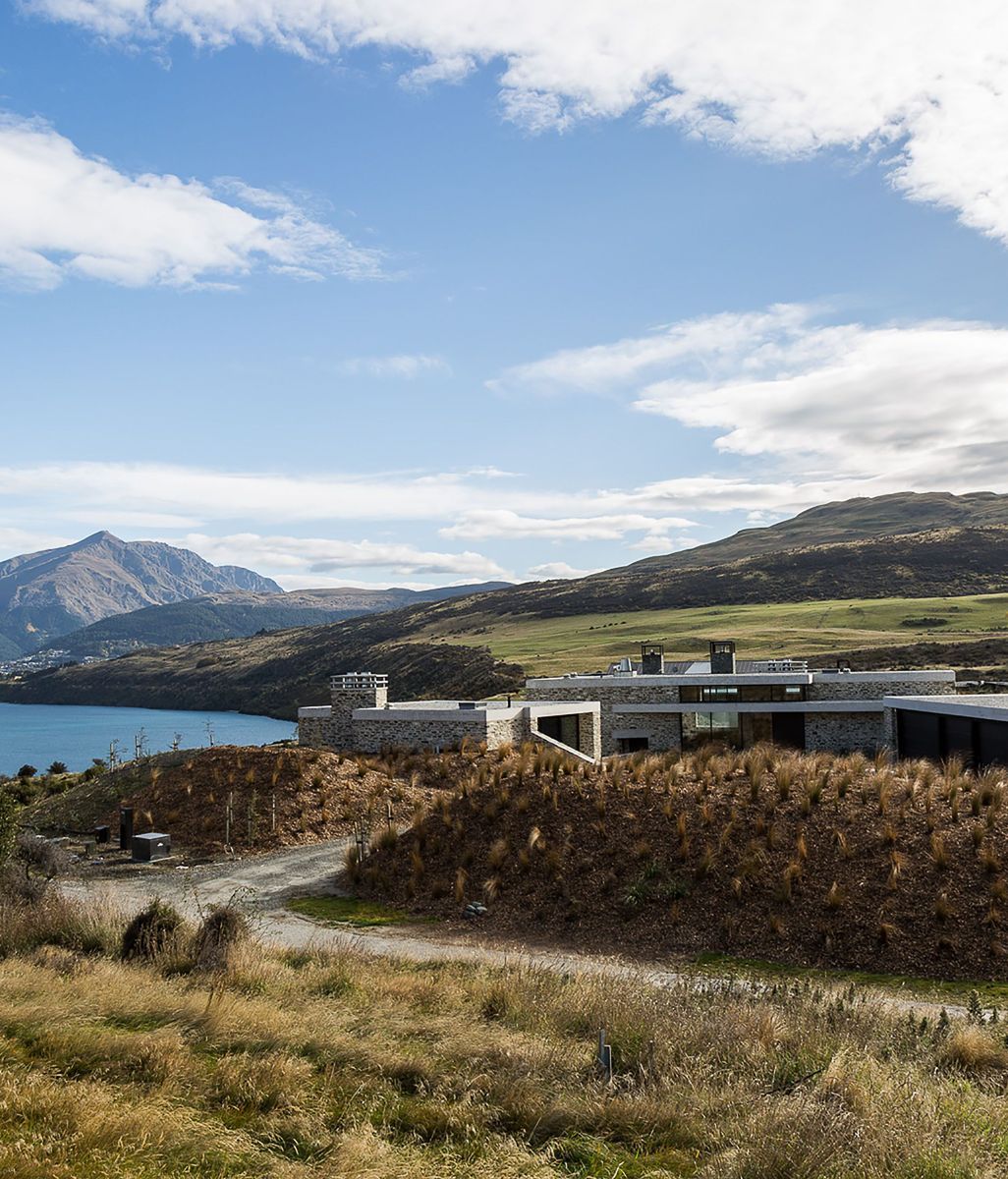
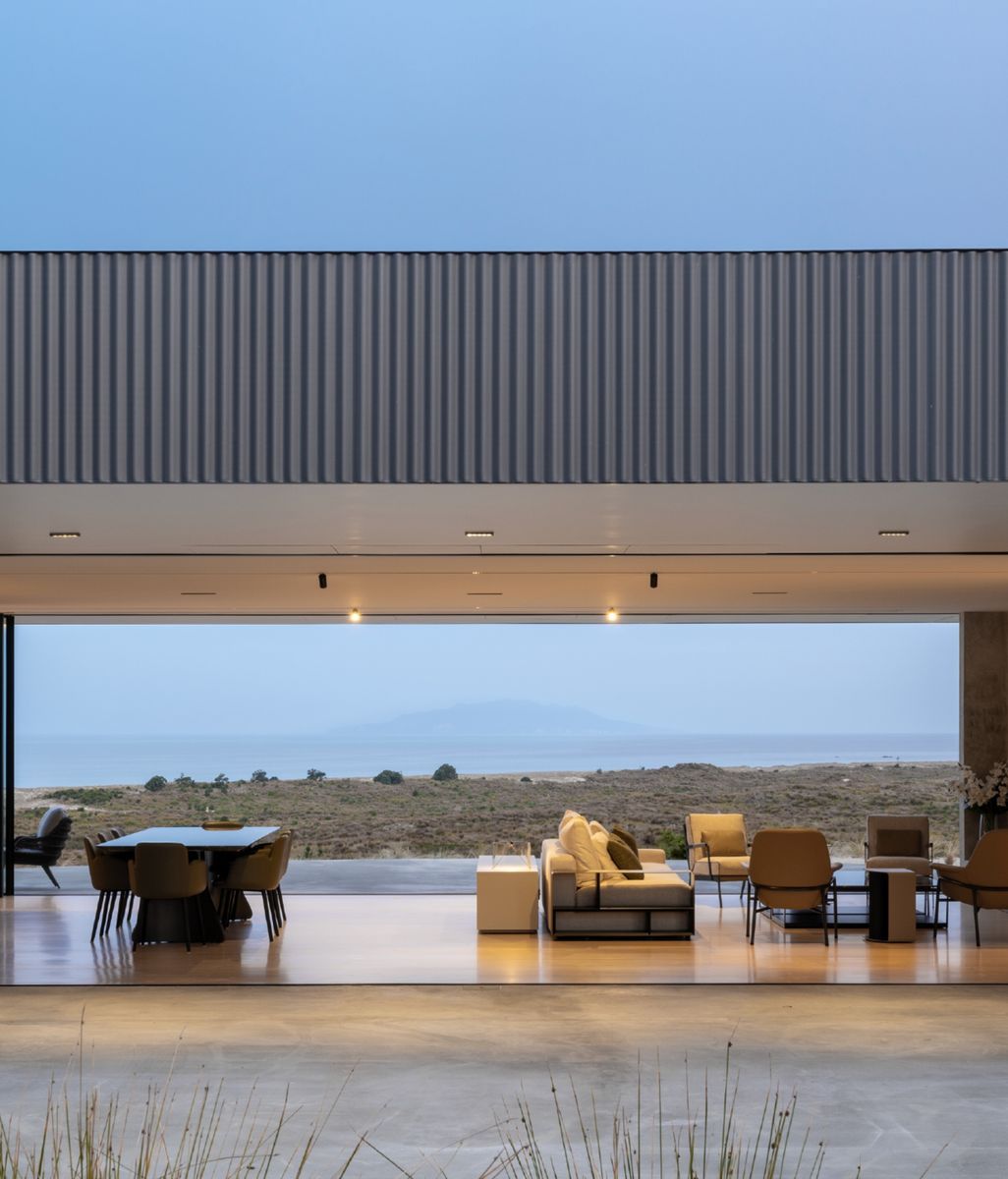
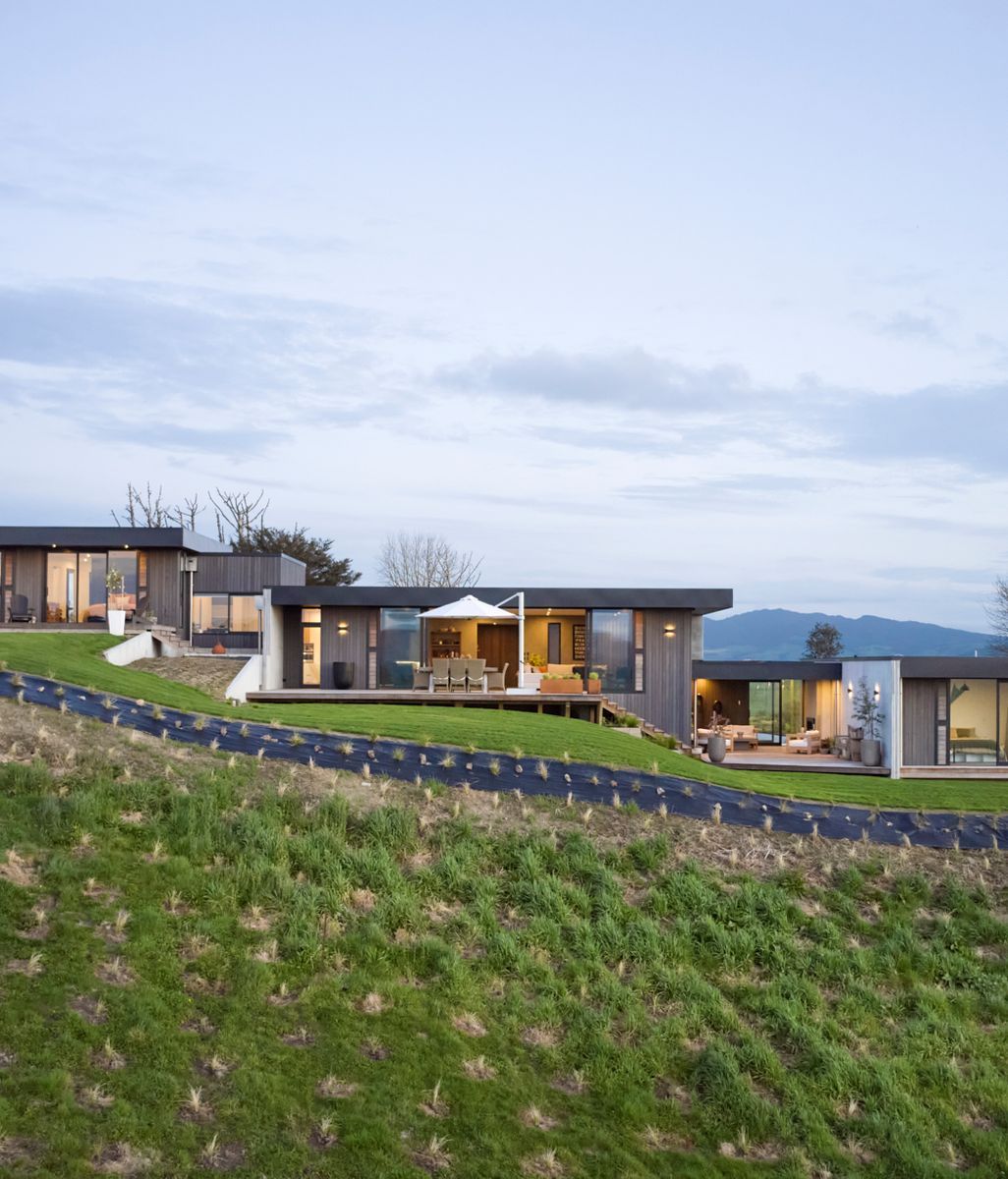
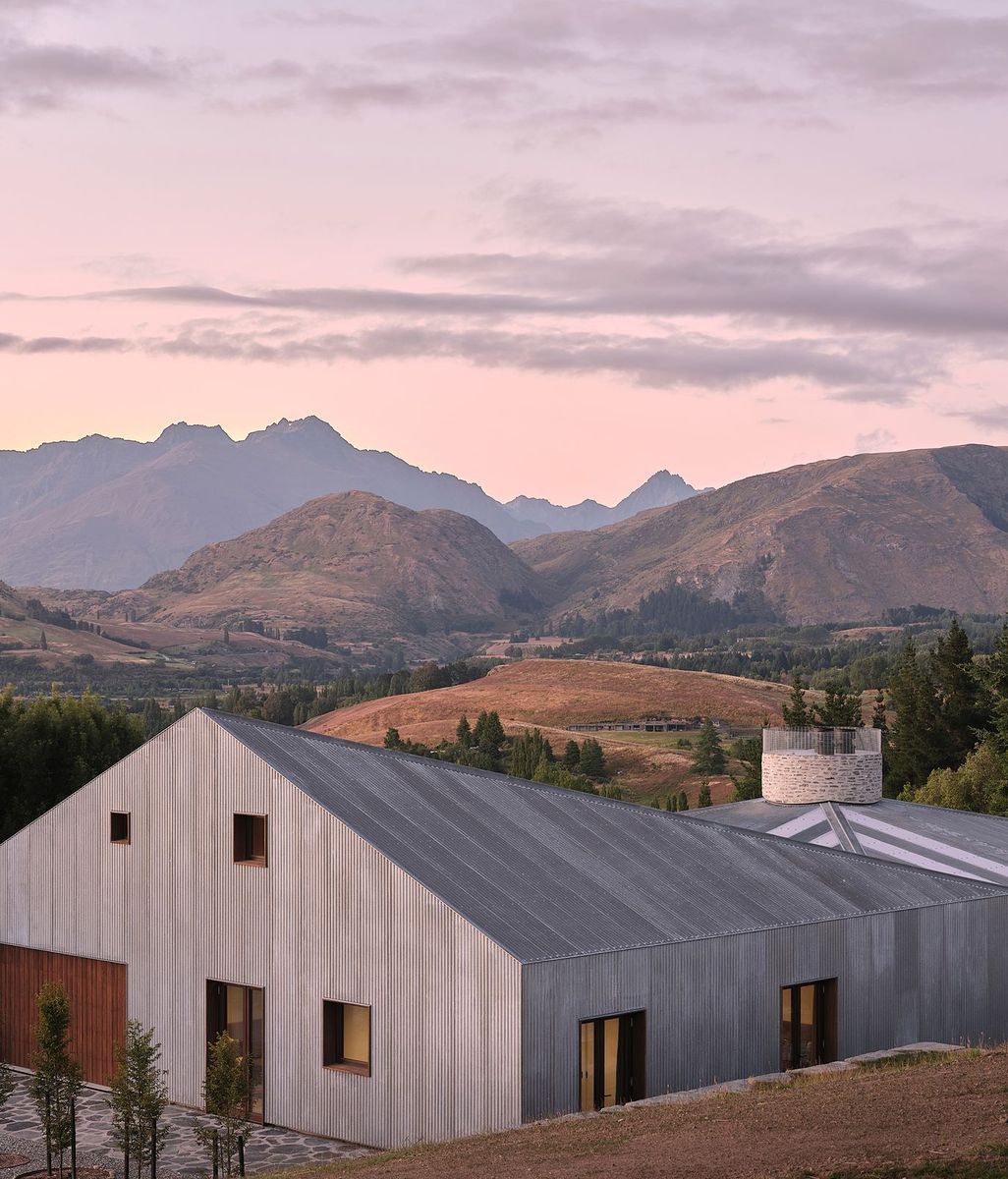
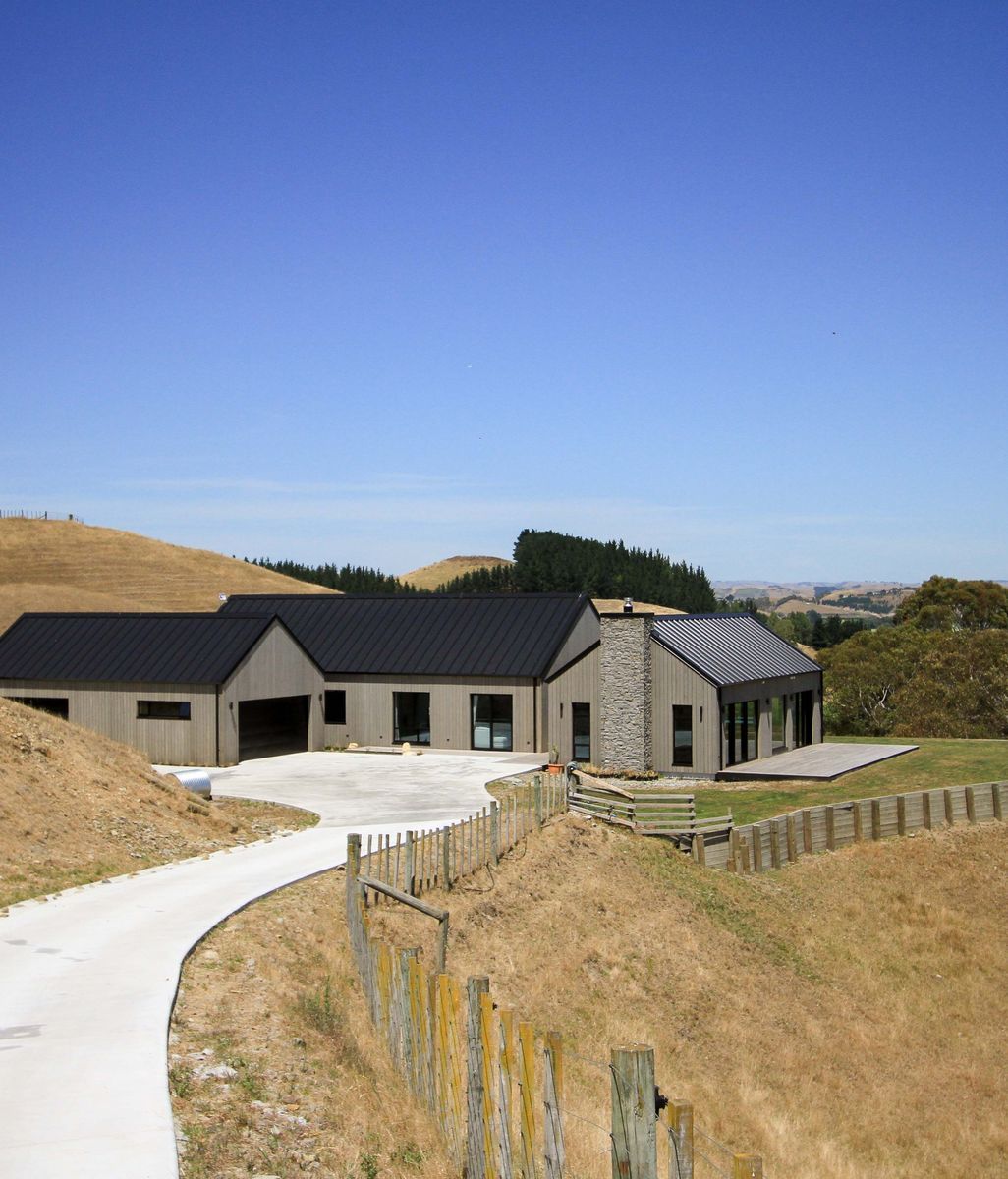
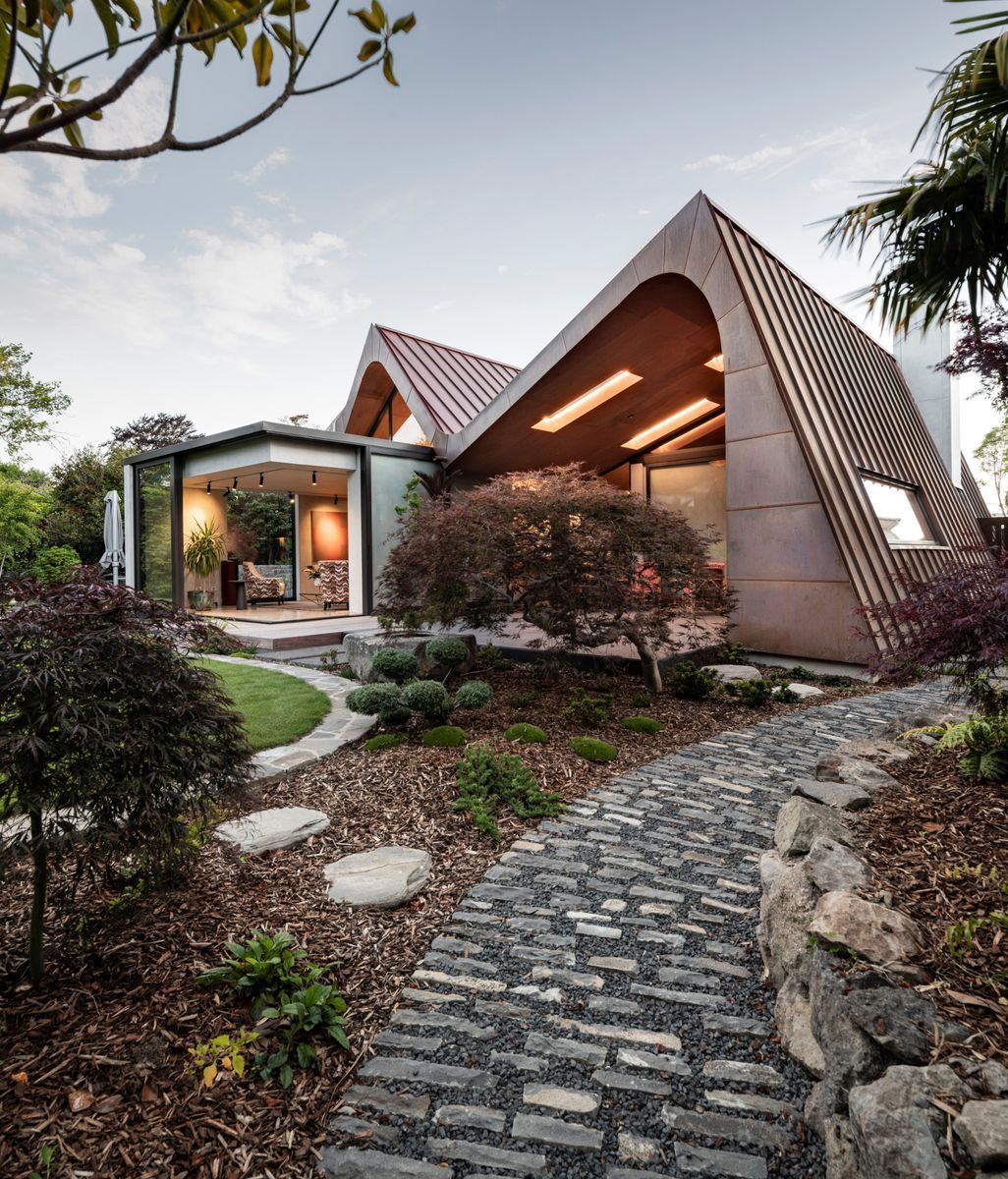
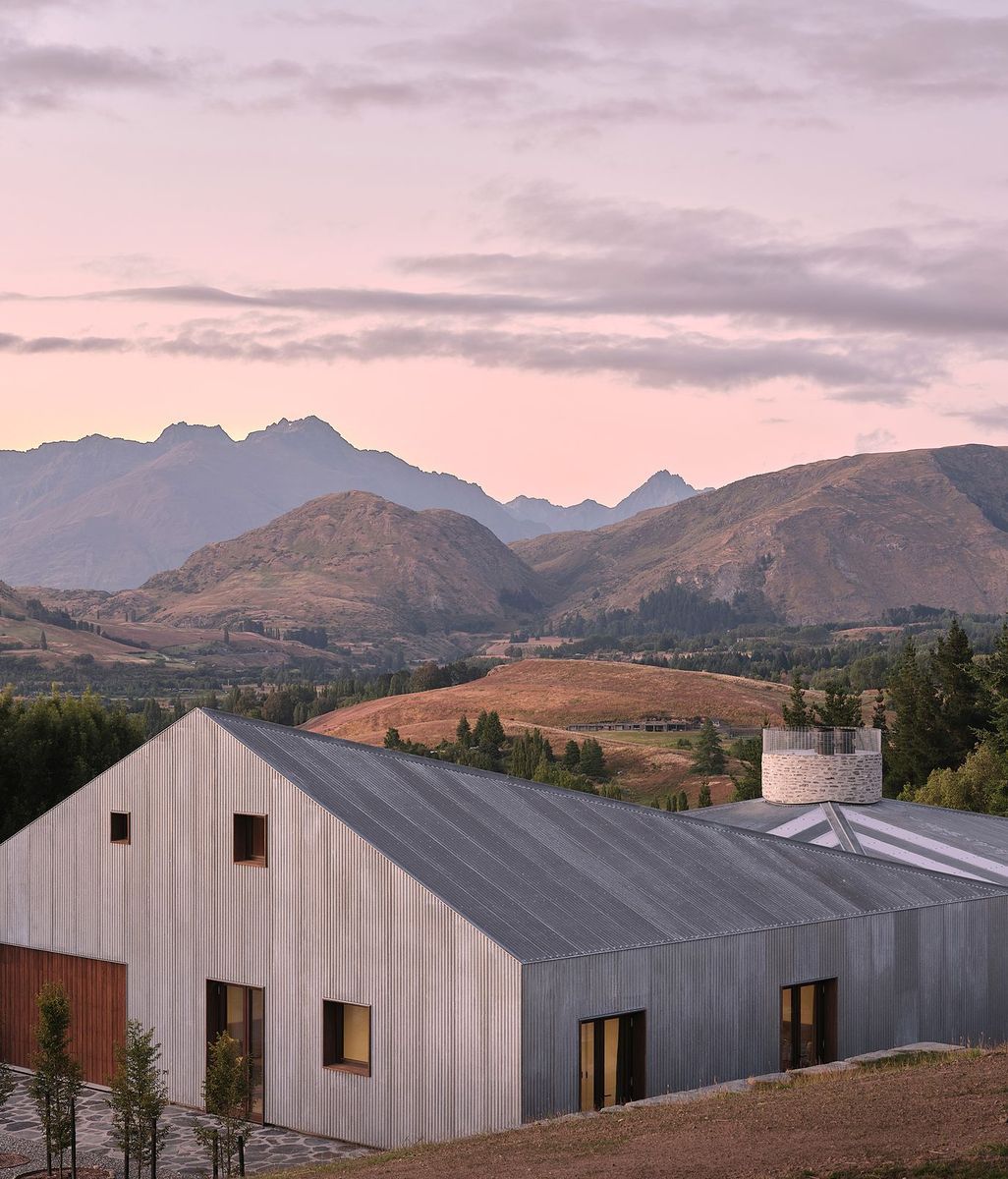
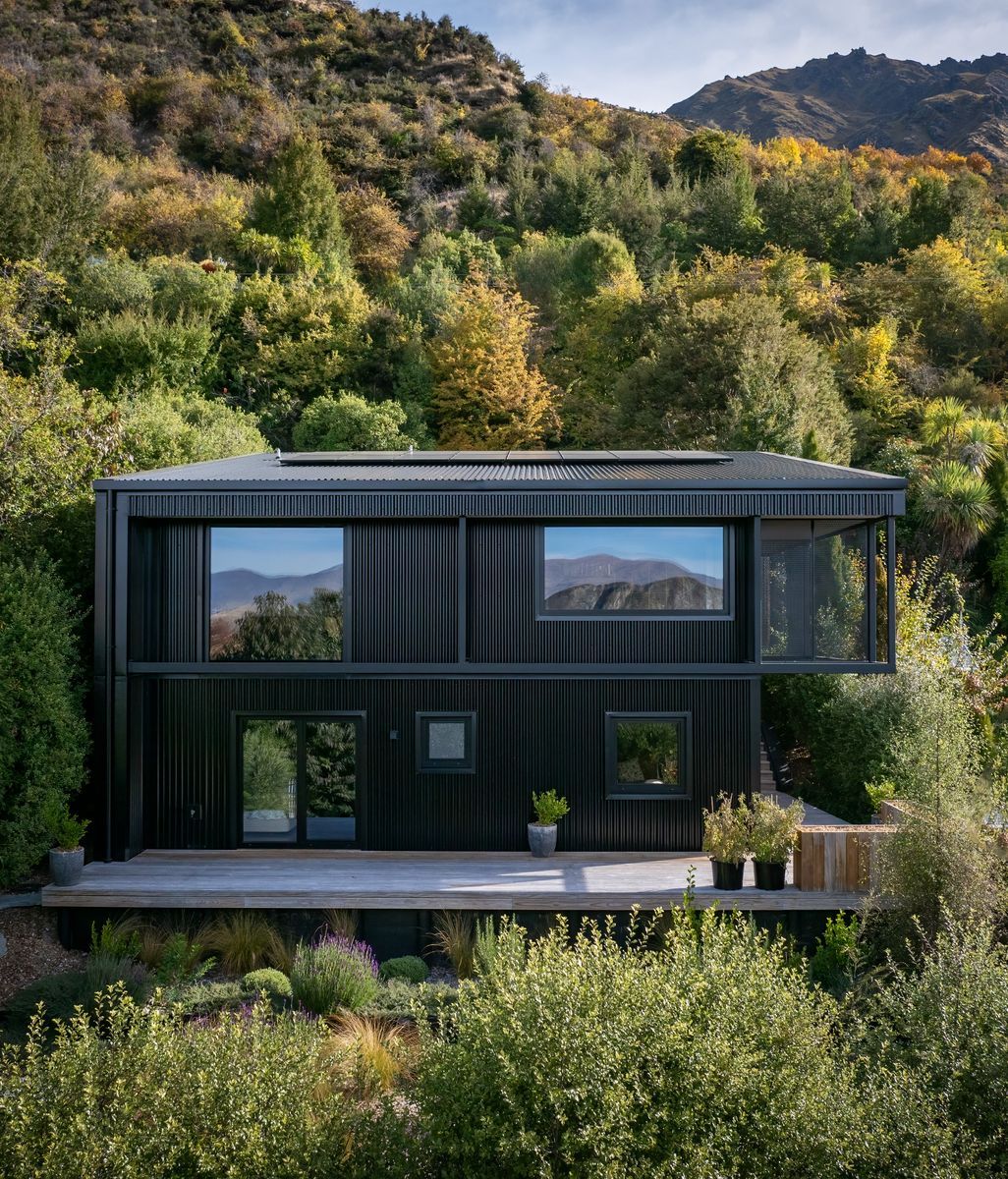
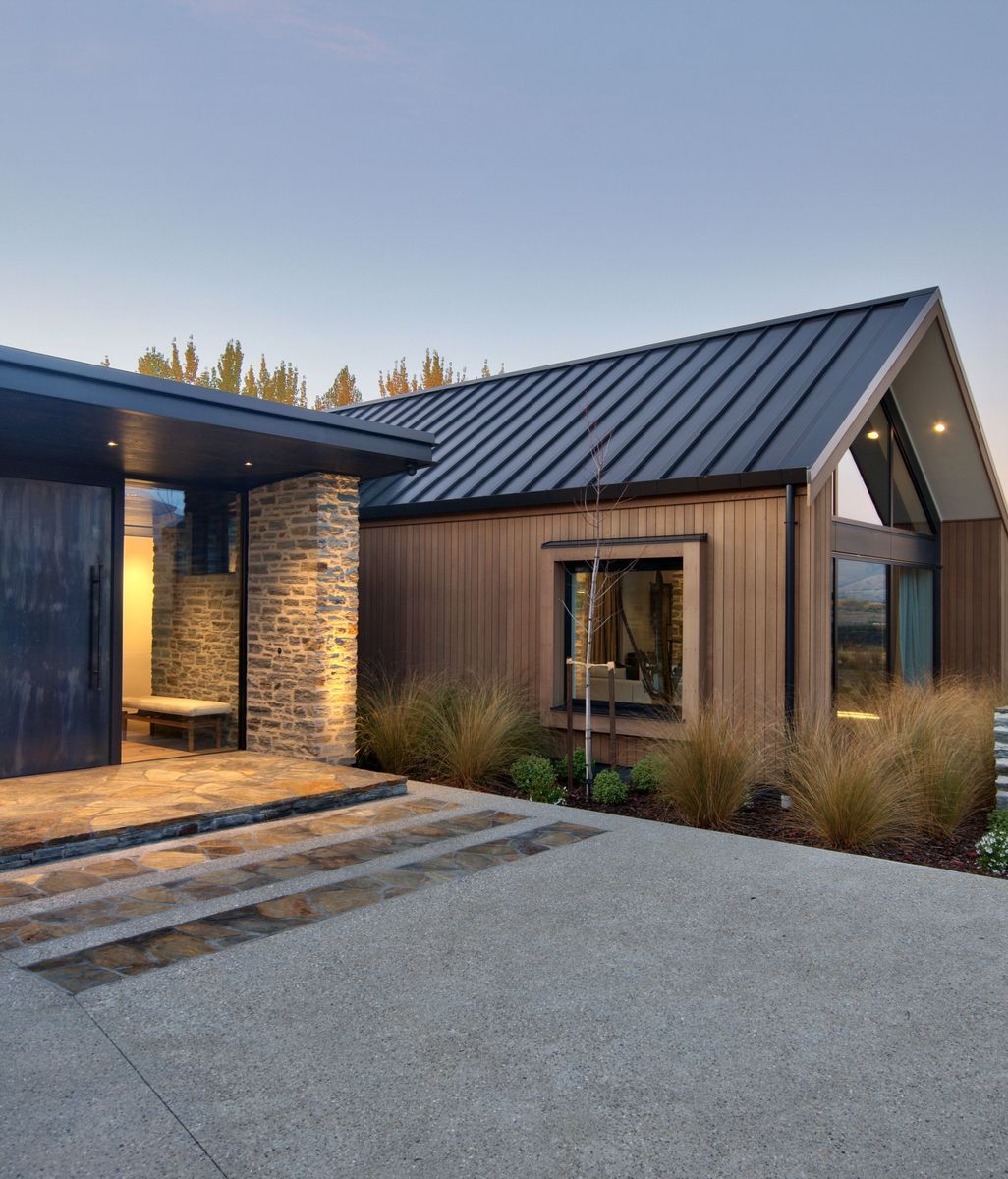
Dune House. Image credit: Simon Devitt.
We spoke to architect Julian Guthrie about how a client’s brief and a site’s unique qualities combine to tailor the design of a new home.
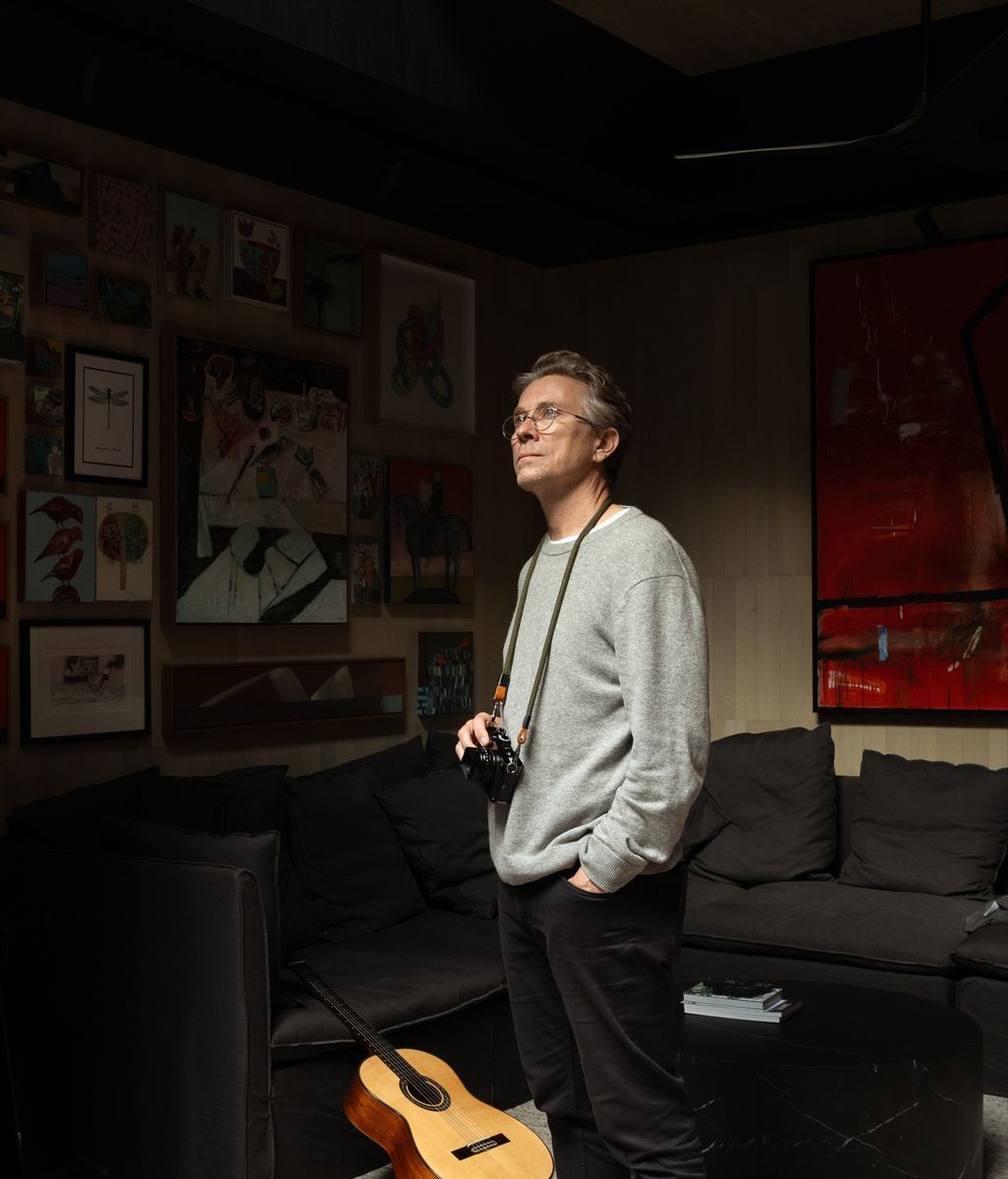
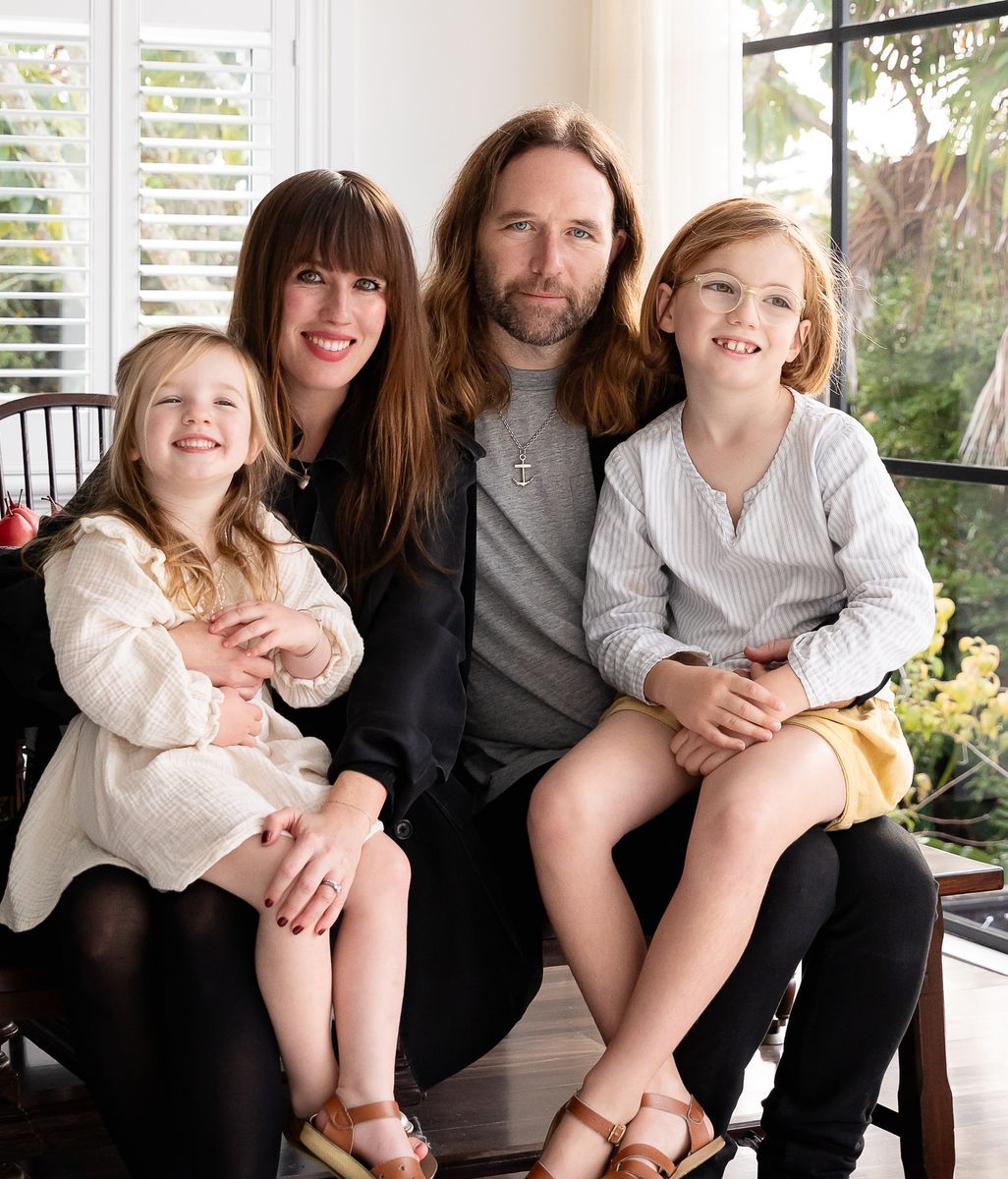
Architect Julian Guthrie.

Good homes shape the way we live. They support our daily routines, make ordinary tasks feel easier and lift the quality of everyday life. Yet the home that feels perfect for one person may be entirely wrong for another, which is why engaging a great architect is essential. They know how to combine interpreting the client’s brief with responding to the site to create the best outcome.

For architect Julian Guthrie, the design of a home begins long before any sketches are produced. It starts with understanding the site and the person who will live there. 

“It is the unique qualities of every site which drive our design response, woven with the dreams and desires of our clients, to achieve a bespoke building,” he shares.

When a client’s personal preferences are combined with the site’s unique topography, climate and outlook, it’s possible to create a truly exceptional home. But an architect’s ability to read a site, to understand its challenges and uncover its opportunities, goes far beyond what the average person could imagine. 

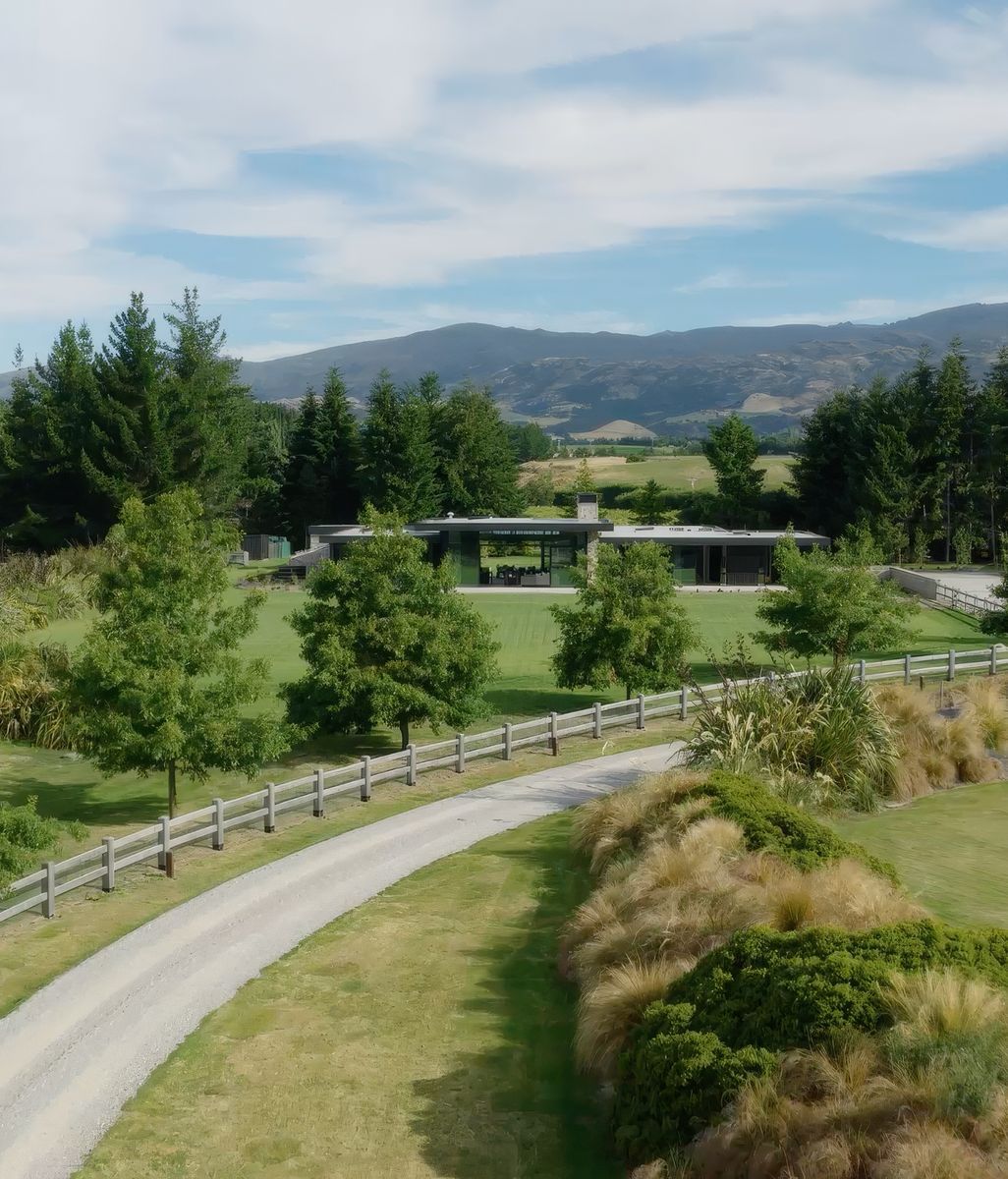
“Spending extended time at the site, considering the outlook available from the site, and how the site appears from other vantage points is critical to generating the right response,” shares Julian. “We also consider all the environmental conditions the site may experience across the seasons, and how other buildings’ placement interacts with the site.”

Having gathered detailed site information, and in conjunction with the client’s brief, Julian and his team begin by mapping how the home might sit on the site. They study light, views and landform, then consider how the internal spaces should relate to one another for the people who will live there. This allows the home to take shape around the client’s unique needs, rather than beginning with the shape of the building as the starting point. 
“In this way, the design is driven from a functional understanding of how the house should work before we delve into the form the building will take,” shares Julian. 

At the outset of a new build, many homeowners arrive with years of ideas, saved images and long-held aspirations. Julian sees these early thoughts as essential clues to evolving the design. They point toward values, lifestyle, patterns and aesthetic preferences that will shape a bespoke response rather than a generic house.

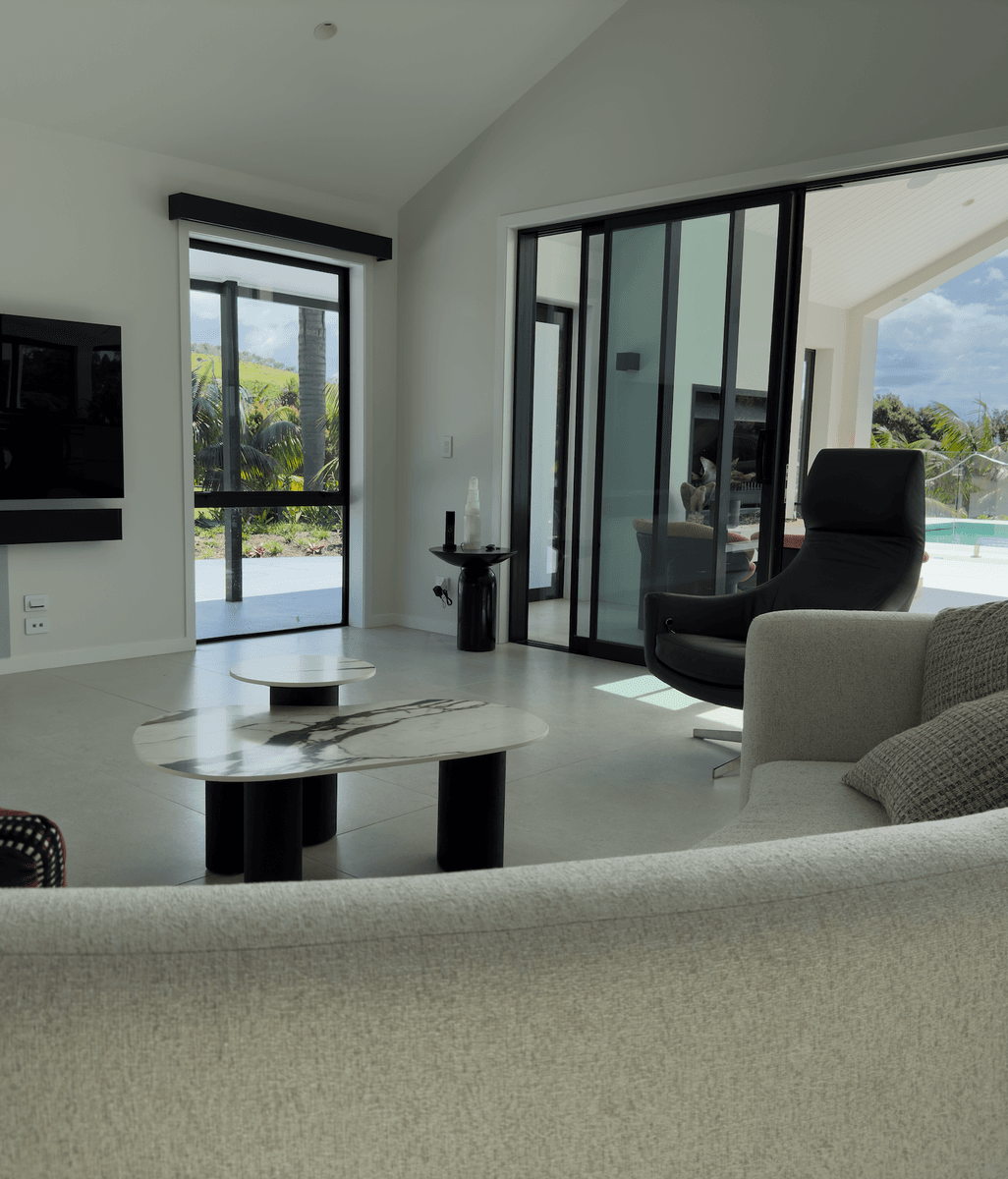
Beyond the client’s specific requirements and taste, Julian says that comfort and indoor-outdoor connection are crucial aspects to the success of any contemporary home design, regardless of who it is for. 

Prioritising a connection with the landscape also means the home captures plenty of natural sunlight and takes advantage of any views that are available from the site. One of the ways Julian strengthens this connection is through the use of biophilic materials.

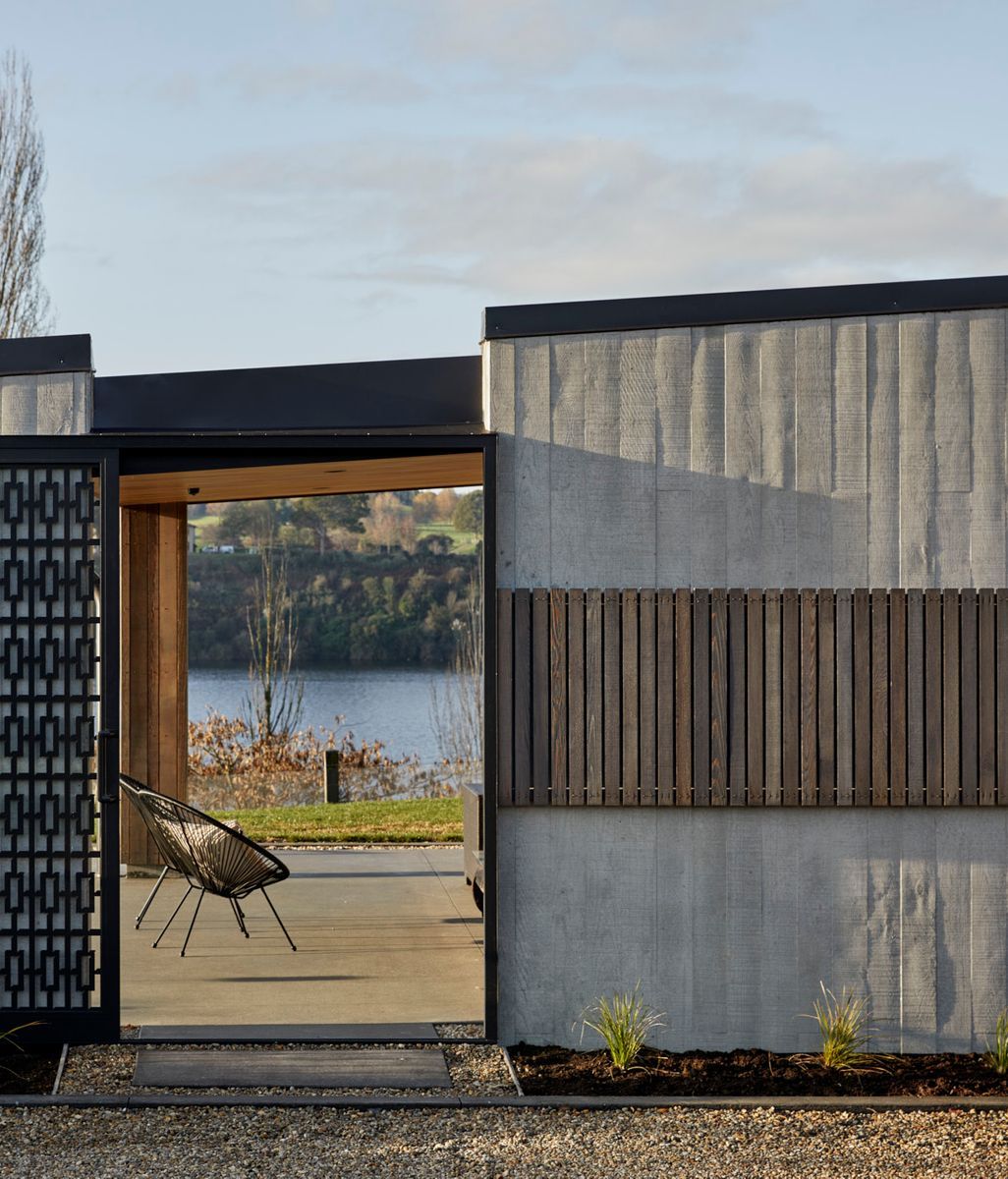
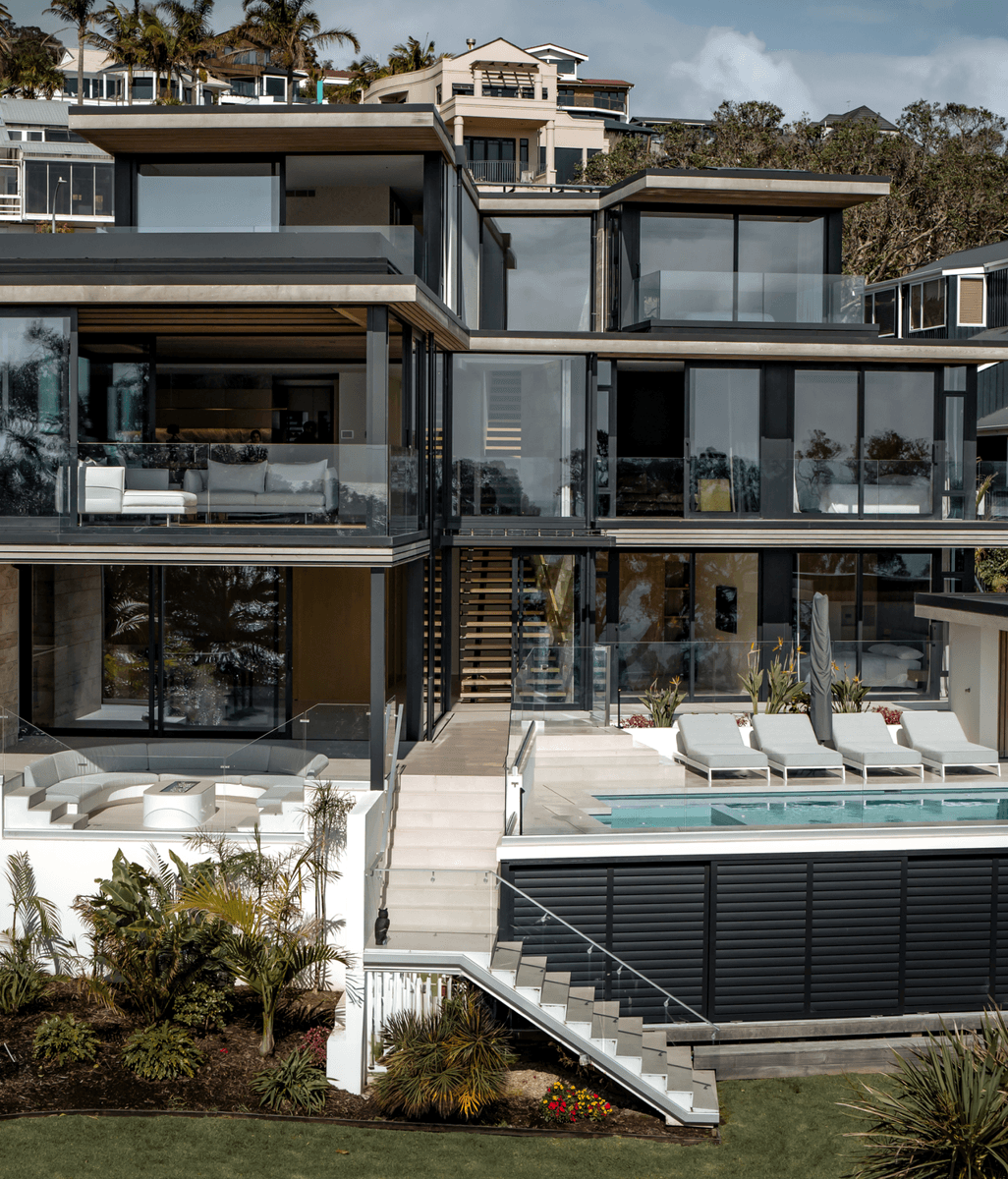
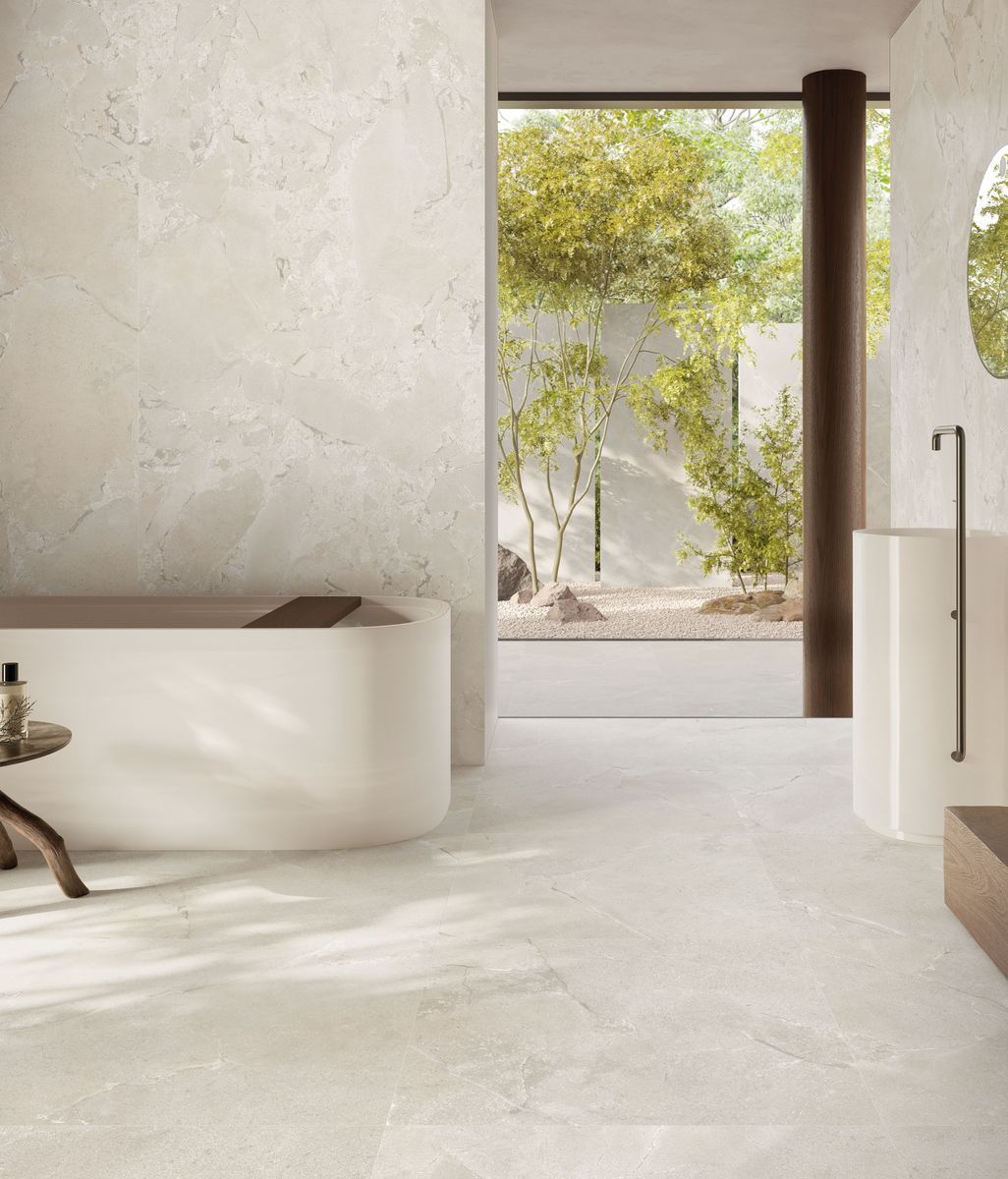
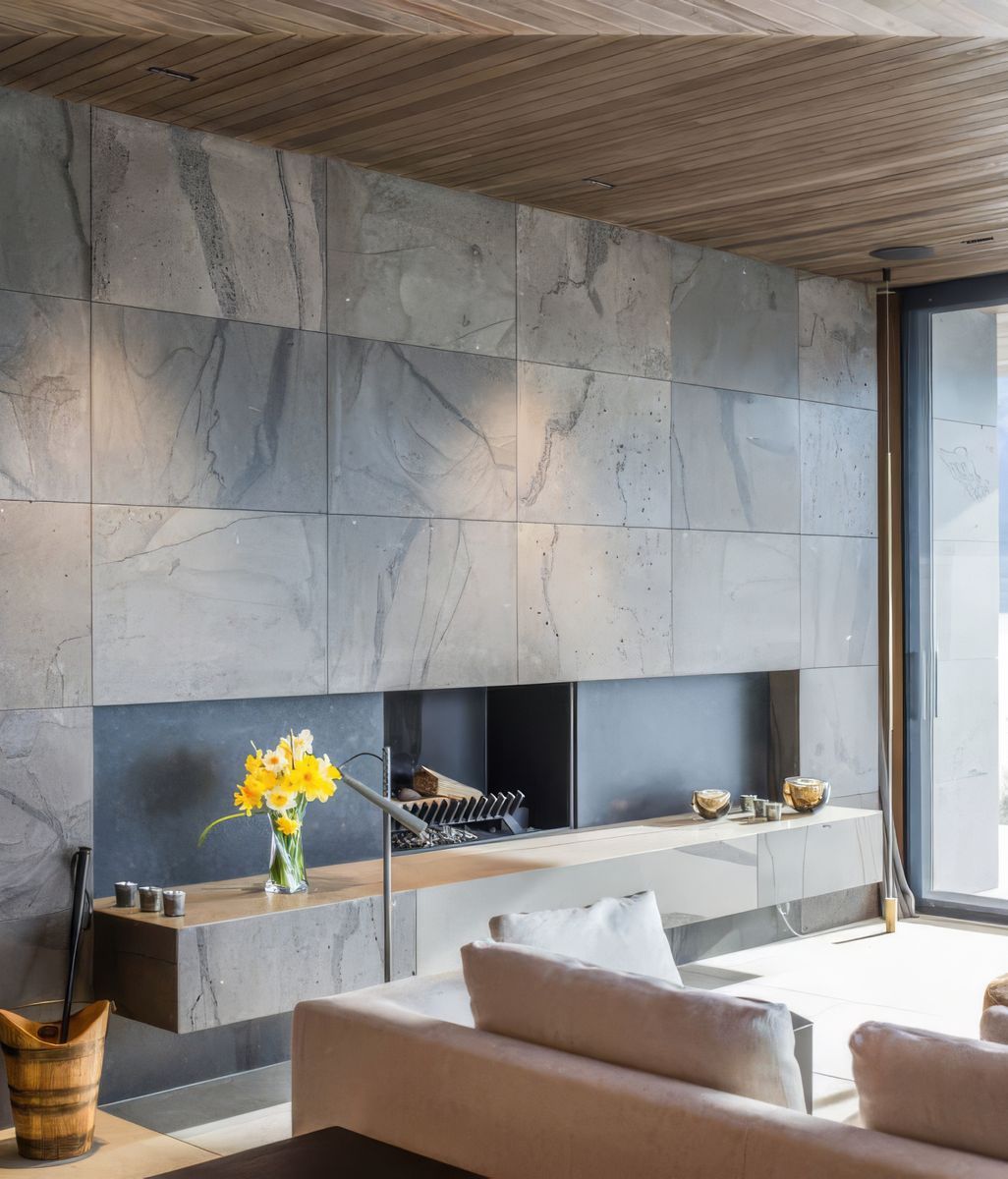
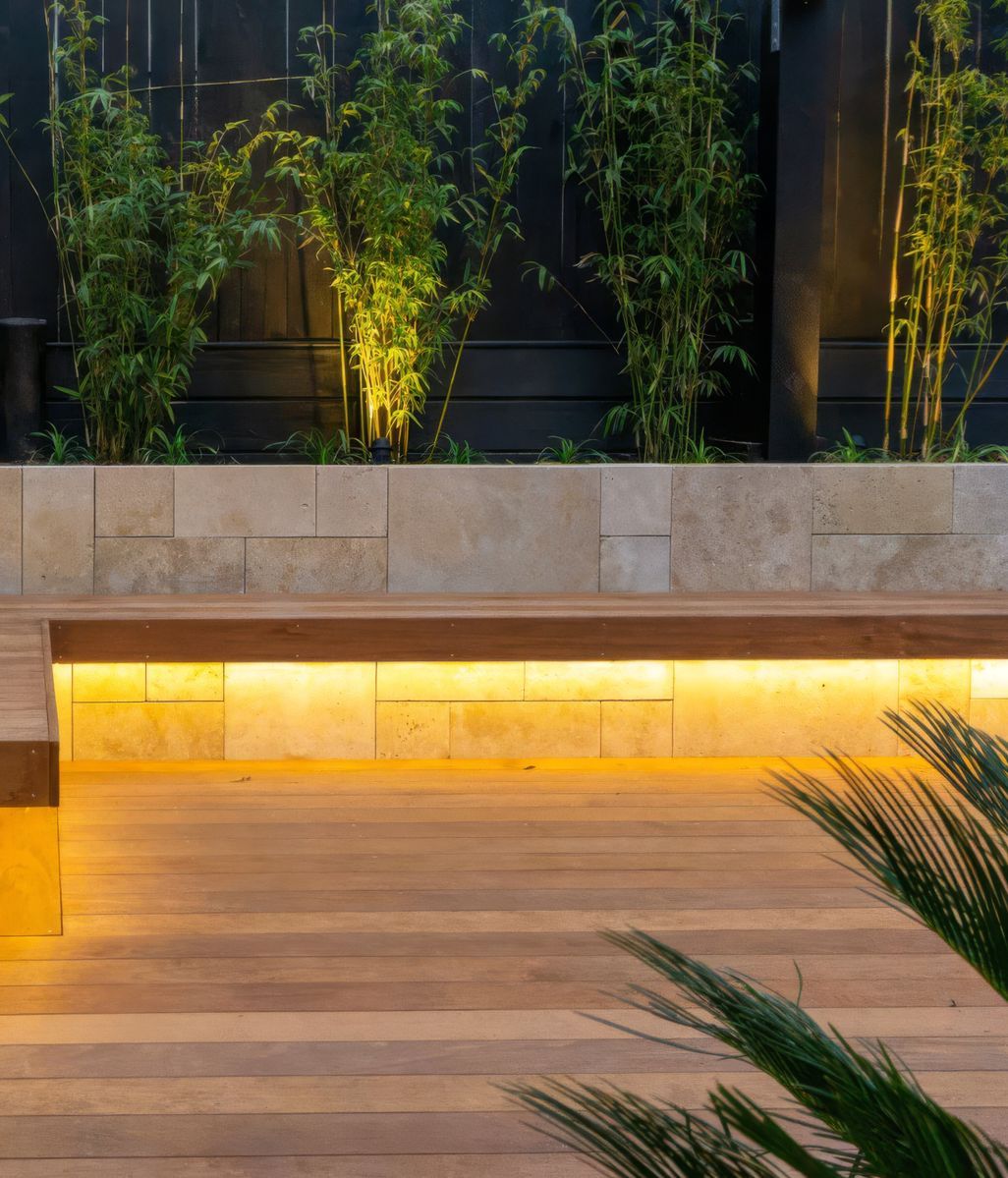
“We use timeless, natural materials to create that comfort and tactility, such as stone, timber, and concrete, then we balance these with extensive floor-to-ceiling glass to extend spaces into the landscape,” he shares.

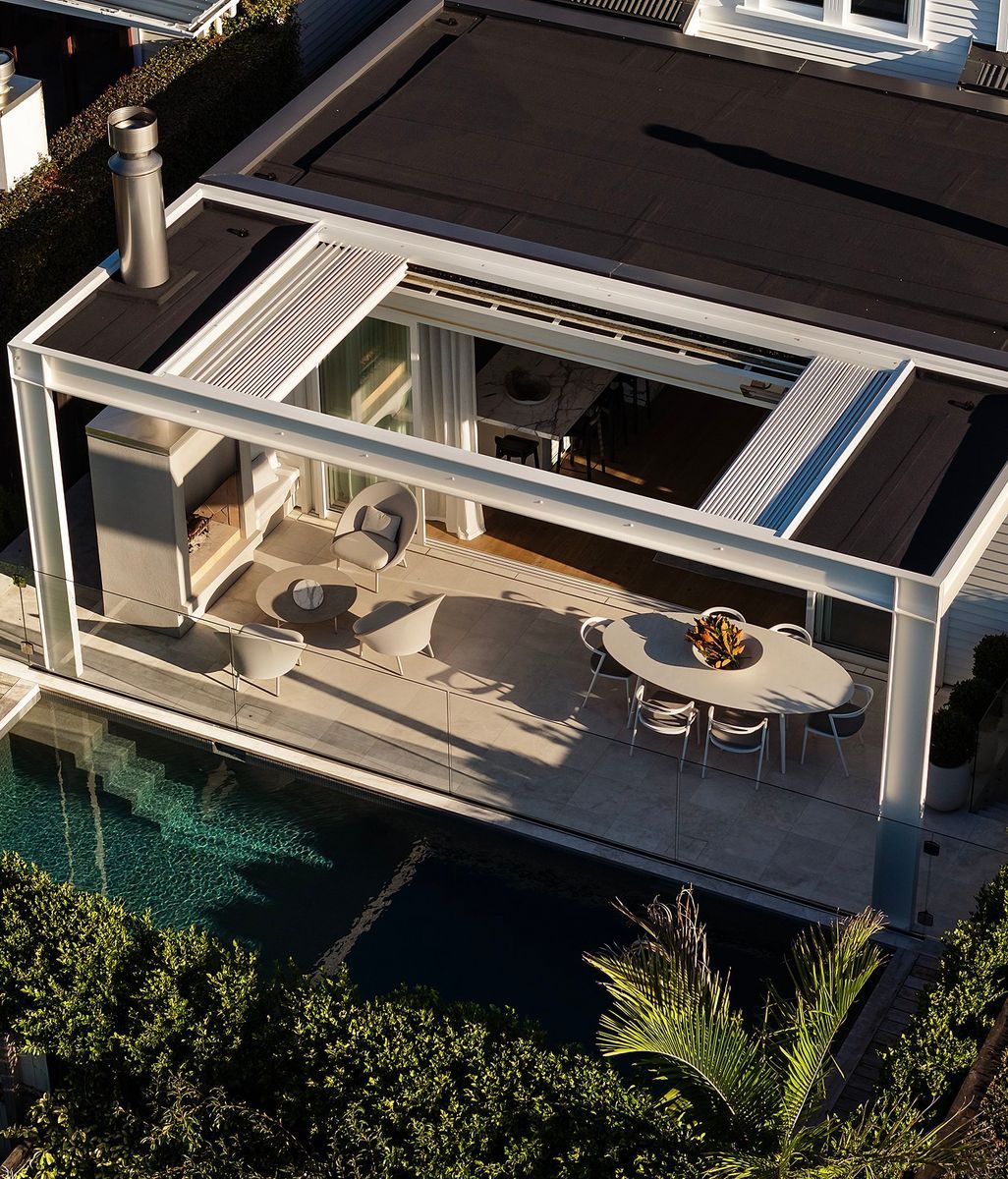
Muriwai House
Pacific House

Creating architecture that connects with the setting, brings light in and works with the client’s way of living has a huge impact on how that person will experience their life within the home, shares Julian.

“Architecture is hugely important… A well-designed home enhances the domestic part of our lives, creating a beautiful backdrop to live with our family, entertain our friends, relax and also to party!”

Creating a bespoke design that integrates the specific site conditions with the client’s brief is the best way to create architecture that resonates with the people who live there, and that stands the test of time.

“Every project is a fresh take, with its unique combination of the client, the site itself and then the wider surrounding natural and built environment beyond,” shares Julian.  “We bring decades of experience and our design philosophy to a new situation so that the project outcome is a bespoke response combining all these influences.”