

James Hardie
Manufacturers and Suppliers

About us
James Hardie is a leading international building materials company and a global leader in fibre cement, one of the world's fastest-growing building products.
Fibre cement is used in the exterior and interior of a building, from exterior cladding and internal lining, bracing, flooring and decorative finishes.
Our major operations span Australia, New Zealand, Asia, Europe and the United States.
History
James Hardie is an international building product manufacturer and a global leader in fibre cement products.
Now operating in its 131st year, the company continues to challenge convention within the construction industry and leads the way in delivering innovative building products and solutions.
The predecessor to the current James Hardie company was established in 1888, when the enterprising young James Hardie, searching for new opportunities, left his family's tannery business in Scotland and emigrated to Melbourne, Australia, where he established an import business. While on a trip to London in 1903, James chanced upon 'fibro-cement', a new type of roofing and lining slate that was made in France, and began importing it into Australia.
The second major figure in the company's origins, fellow Scot, Andrew Reid, knew James Hardie and maintained contact from Glasgow. Encouraged by prospects in Australia, he arrived in Melbourne in 1892 and joined James Hardie's business, becoming a full partner in 1895. Reid's outgoing, energetic and visionary talents combined well with Hardie’s sound commercial judgement and the business thrived.
James Hardie retired in 1911 and sold his half of the business to Andrew Reid, whose family led the expanding business from 1911 until 1995 when his grandson John B Reid retired.
Penrose, Auckland
The New Zealand office officially established in Penrose in 1937. The company's first major contract was for the exterior walls of the New Zealand Centennial Exhibition in Wellington in 1940. From the 1940s to 1981, the New Zealand plant went through several upgrades and additions in its manufacturing facilities.
In the mid-1980s, James Hardie pioneered the development of asbestos-free fibre cement technology and began designing and manufacturing a wide range of fibre cement building products that made use of the benefits that came from the product's durability, versatility and strength.
Today, James Hardie is a global leader in fibre cement products, manufacturing and technology. Aside from New Zealand, it has manufacturing operations in Australia, the United States and the Philippines. The company employs over 2,500 people who generate more than A$1.5 billion in revenue a year.
James Hardie New Zealand has been providing Kiwi customers with smart building products made right here in New Zealand for our conditions for 80 years. Linea™ Weatherboard was developed, manufactured and perfected right here in New Zealand. It’s a proven product that has been used by builders for the past 16 years and is now offered in overseas markets.
With James Hardie building products, you have the opportunity to develop your own style, using one of the most space-efficient and durable building materials available.
Sustainabilty
We Are Committed To Ecologically Sustainable Development (ESD) Principles.
Our products are manufactured with a focus on reducing their environmental impact, using sustainable and low toxicity products with minimal volatile organic compounds (VOC's). We have continued to invest heavily in the development and design of fibre cement products that are durable, low maintenance and energy-efficient.
We are committed to ecologically sustainable development (ESD) principles. As part of this commitment we measure ourselves against the following criteria:
- Water and resource conservation
- Energy consumption and management
- Use of renewable and recyclable resources as raw materials
- Avoiding the use of environmentally damaging raw materials
- Pollution reduction e.g. treatment of water before its disposal into public stormwater
- Protection of the natural environment
The programs we’ve put in place to focus on these ESD principles have considerably improved the resource and energy efficiency of our operations and building systems. They will also ensure an ongoing improvement in the environmental performance of our products and services.
Our technology
James Hardie uses low- toxicity raw materials in our fibre cement products. We combine the following materials:
- Portland cement
- Ground sand
- Cellulose fibre – unbleached pinus radiate wood pulp (from sustainable plantation timbers)
- Water
- Small amounts of additives required to achieve product-specific characteristics
Recycled water
Process water is recycled at least four times before it is treated and released. We are continually increasing reuse and any water that needs to be discharged complies with the stringent regulations of Auckland Council. The solid waste we extract in this process is re-introduced into the mainstream production process.
Pulp
The pulp or cellulose fibre we use is an unbleached pulp. It is sourced from an ISO 9001 accredited company that produces pulp from exotic plantations grown within New Zealand. All the plantations comply with NZ Forestry Management principles.
The pulp manufacturing process also complies with environmental standard ISO 14001.
VOC's
Volatile organic compounds (VOC) are organic chemical compounds that have sufficient vapour pressure under normal conditions to vaporise and enter the atmosphere. A wide range of carbon-based molecules, such as aldehydes, ketones and other hydrocarbons are VOCs. These are chemical substances, often present in building materials, which can contribute to indoor/outdoor air pollution. Indoor air pollution can lead to a whole range of health-related issues including throat and skin irritation, headaches, fatigue and coughing.
James Hardie building products are inert, benign, low-emitting materials, creating a healthier environment for you and your family.
About Fibre Cement
Fibre cement is a simple abbreviation for Fibre Reinforced Cement. Fibre cement building materials were developed by James Hardie in the early 1980s.
Engineered for durability, fibre cement is resistant to fire and damage from moisture and rotting, making it the ideal low maintenance alternative to traditional building materials.
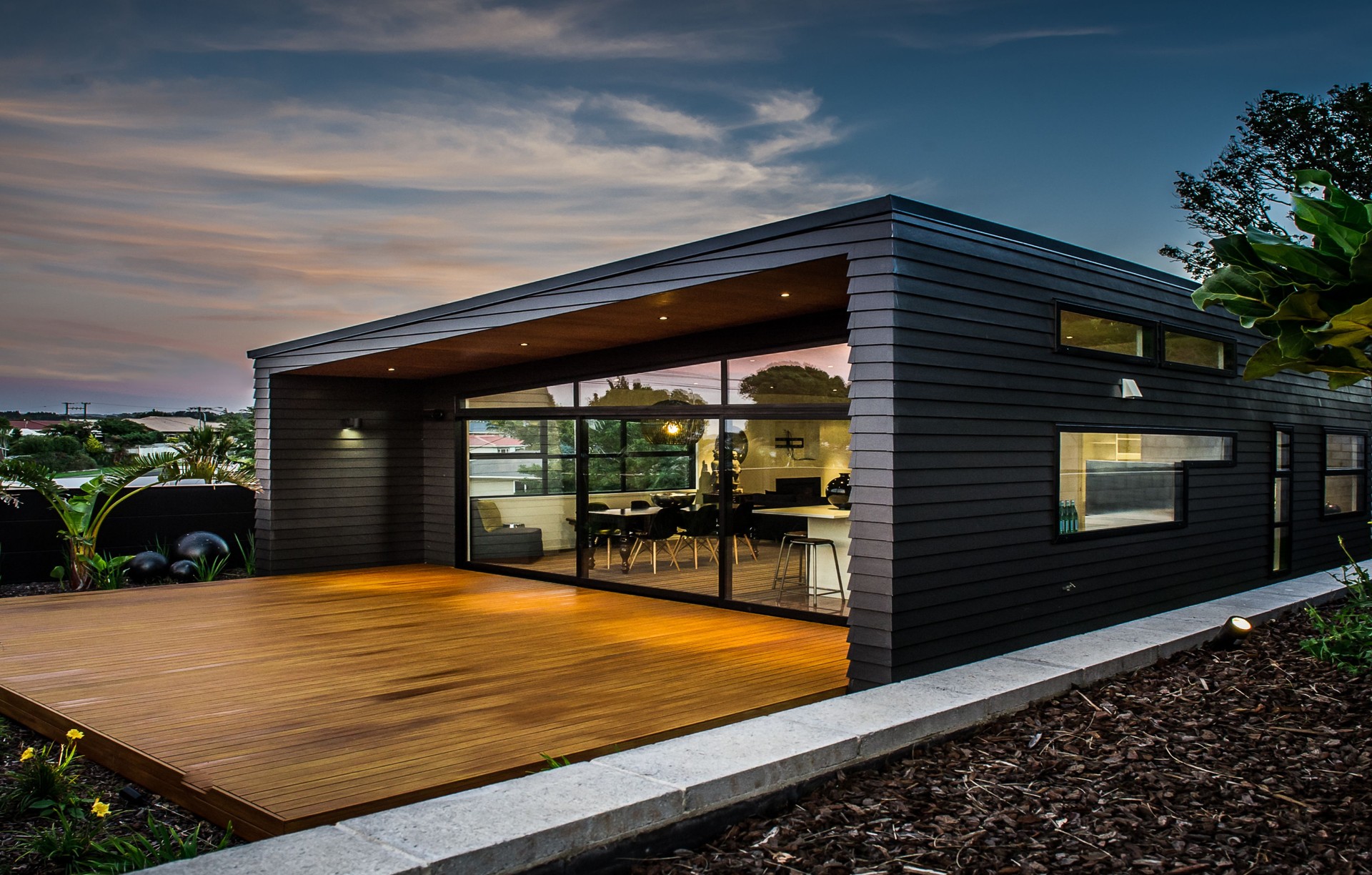
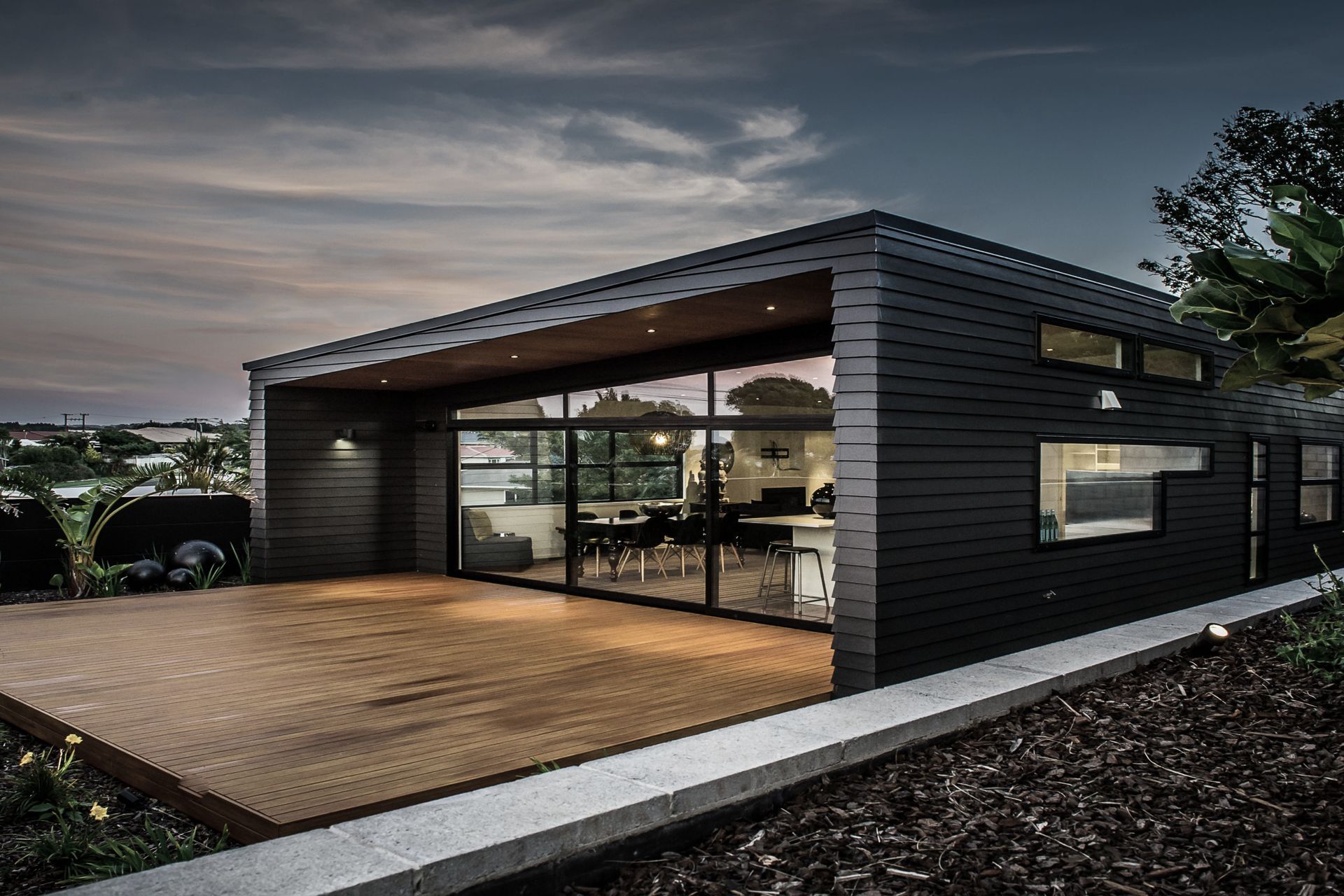
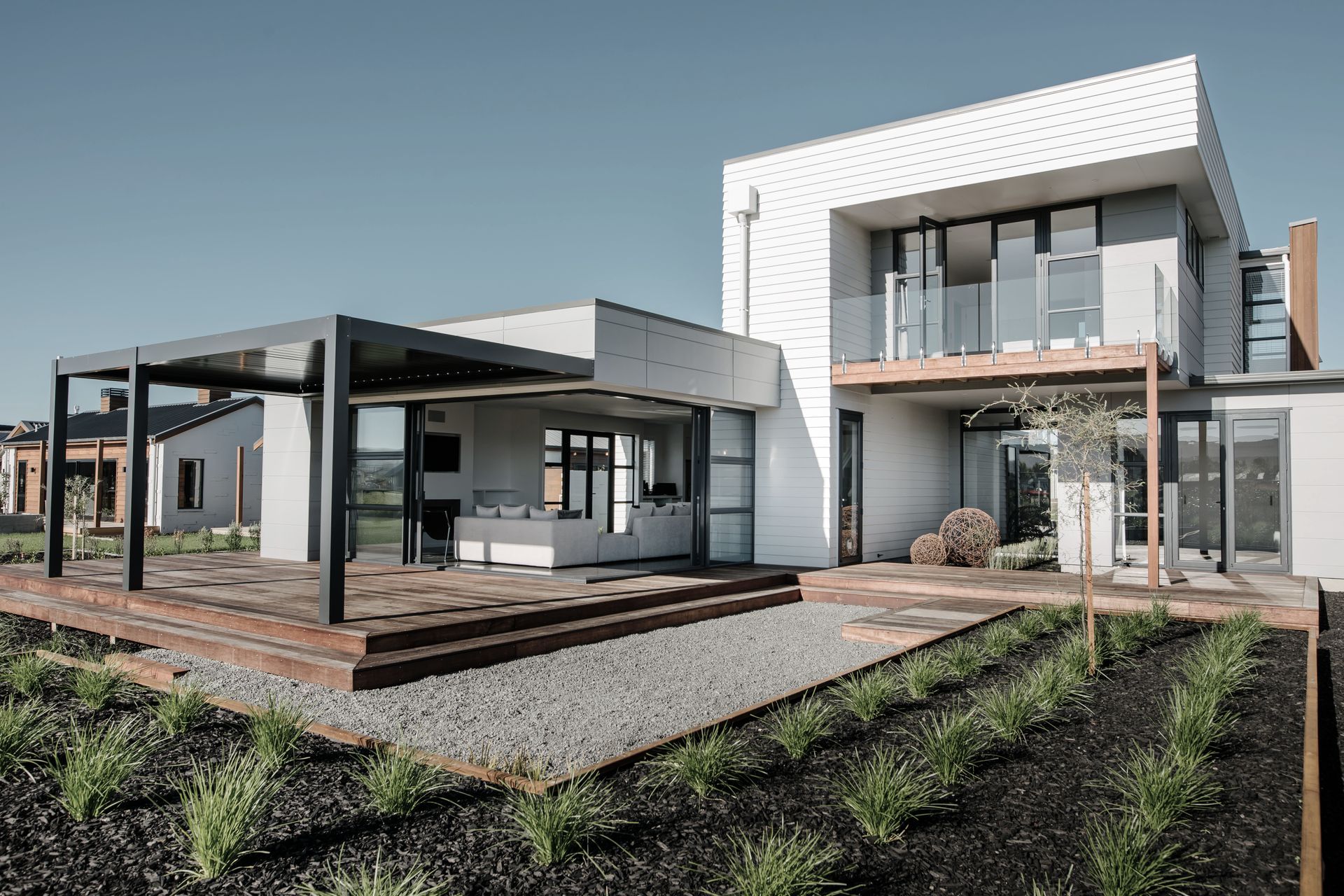
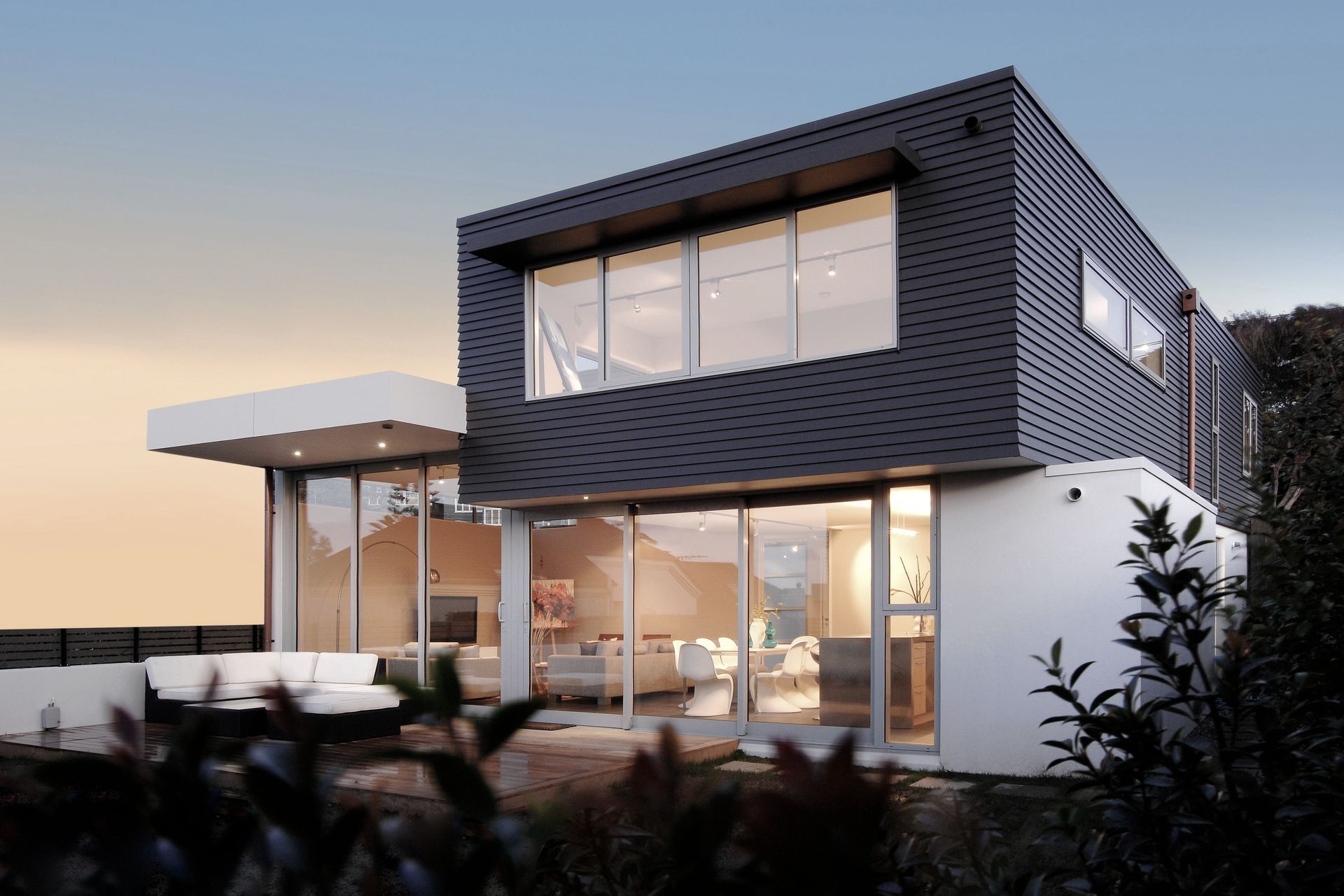
Fibre cement offers both contemporary and flexible design options and is used by many New Zealanders to create stunning facades. The simple combination of cellulose fibre, sand, cement and water, give the product its strength to stand the test of time.
What’s it made of?
Our products are manufactured using safe and sustainable building products and contain minimum Volatile Organic Compounds (VOCs) like formaldehyde.
Fibre cement is a mixture of:
- Locally sourced cellulose fibre, from plantation grown Radiata Pine trees
- Portland Cement
- Sand
- Water
Small amounts of other additives are used to help the process or provide products with particular characteristics.
Where can you use fibre cement?
James Hardie fibre cement boards are used in renovations, commercial buildings and in the construction of new homes for:
- External cladding
- Internal lining - floors, ceilings and walls
- Structural flooring
- Wet area lining - bathroom
- Eaves, verandahs and carports
- Fire and acoustic walls and floors
- Bracing solutions
Get in touch
Business details
- Category:
- Manufacturers and Suppliers
- Business focus:
- Residential & Commercial
- Verified ArchiPro member since:
- 2015