A new chapter begins for City Gallery Wellington

featuring ArchiPro

  • 1.7M profile views
  • 1.4K saves

After two years away, City Gallery Wellington returns to Te Ngākau Civic Square with a renewed building and a major exhibition by Cornelia Parker.

Featured Professionals

Written by

  • Alice Thompson

On 10 October, City Gallery Wellington Te Whare Toi reopens its doors in Te Ngākau Civic Square after more than two years away. Its return brings together two forms of transformation: a heritage building that has been strengthened and upgraded for its next chapter, and a major exhibition by British artist Cornelia Parker that centres on destruction, reconstruction and material change.

City Gallery Wellington | architecture+

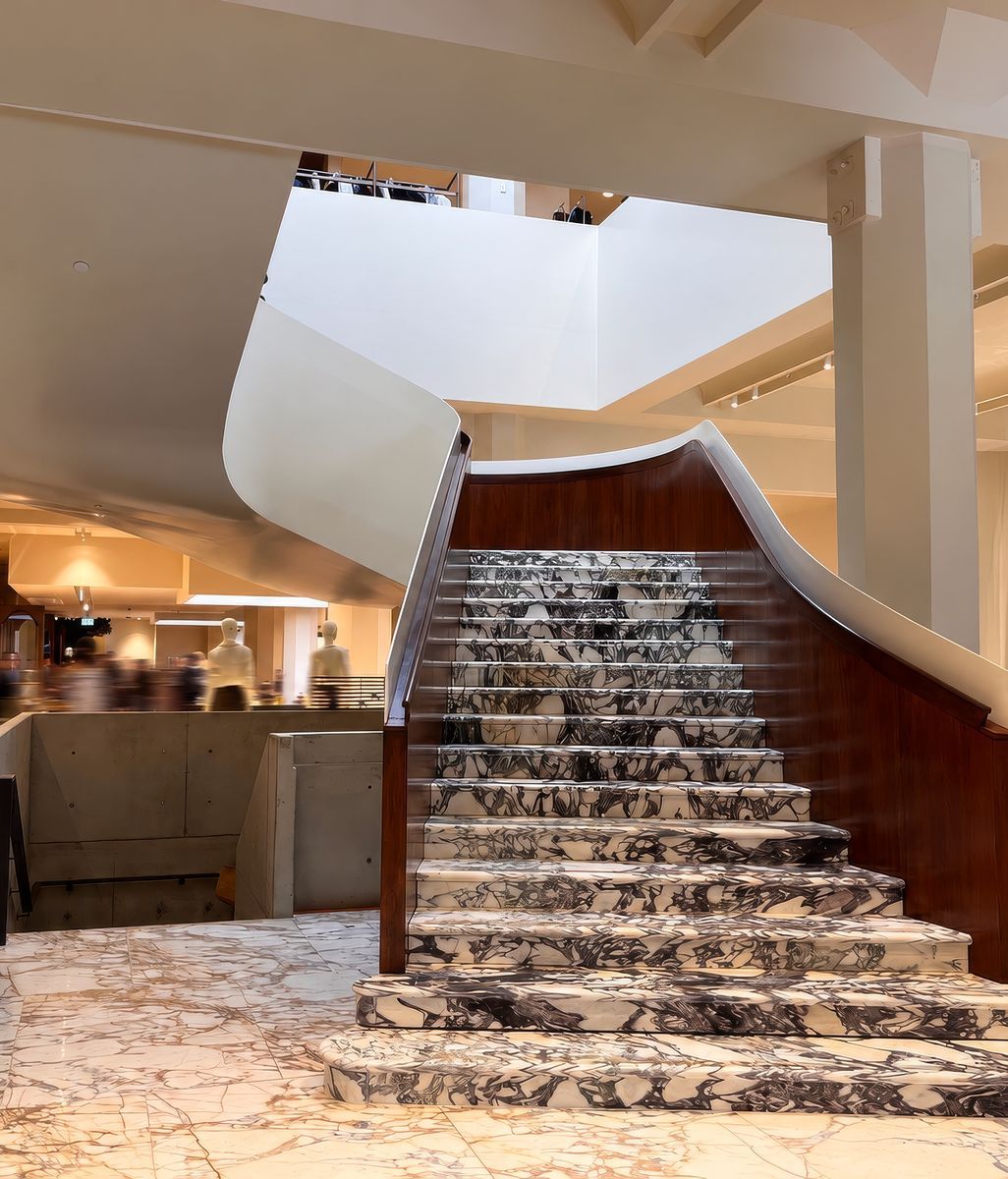
The building has been undergoing earthquake strengthening and upgrades since 2025, part of the wider work to restore Te Ngākau as a civic and cultural centre. Wellington practice architecture+ has returned for the latest intervention, continuing a relationship with the building that stretches back more than three decades. The practice led its transformation from the former 1930s Central Library into City Gallery in the early 1990s and has returned for subsequent additions and alterations as the building’s role has evolved.

The latest work has included addressing seismically deficient internal walls, renewing building services, introducing new gallery display walls and improving visitor facilities. Practical by necessity, the intervention is also the latest layer in a much longer process of adaptation. It raises a familiar architectural question: how can an existing civic building continue to change while retaining the history and identity already embedded within it?

City Gallery Wellington Te Whare Toi | Cornelia Parker

That question finds an unexpected parallel in Parker’s work. Known for transforming found and discarded materials through processes of destruction, suspension and reassembly, the artist is interested in what remains after an object has been altered, and what new meaning can emerge from it.

The exhibition brings together more than 50 works spanning sculpture, installation, video, photography, works on paper and a new series of paintings on glass. Across them, familiar materials and objects are subjected to forces that alter their physical state, then presented in ways that ask the viewer to reconsider what they have become.

“Much of my work is concerned with aftermath, with what remains after something has been through a violent or transformative event, and its potential to be reanimated,” Parker says.

It is an idea that takes on another dimension within a building returning from its own period of interruption. Parker describes the Gallery’s reopening in similarly concise terms: “Something paused, now back.”

City Gallery Wellington | architecture+

For City Gallery Director Charlotte Davy, that return has a wider civic significance. “Our city has missed this platform for art and discussion,” she says, describing the Gallery as a place for conversations across art, culture and other disciplines.

The reopening restores more than an exhibition venue. It returns one of Wellington’s established cultural institutions to a civic square itself undergoing significant change.

City Gallery Wellington | architecture+

The building carries that history of change within it. architecture+ has been involved in its evolution from the former Central Library into a contemporary art gallery and through subsequent interventions, giving continuity to a building repeatedly adapted to new demands.

It also makes Parker’s exhibition particularly apt. Her practice considers what remains after something has been altered and the new meaning that can emerge from it. Here, those ideas unfold within a building with its own history of adaptation.

Parker’s exhibition runs from 10 October 2026 to 7 March 2027. Together, the exhibition and renewed Gallery offer a reflection on how change can occur without erasing what came before.

Explore more work by architecture+ and the City Gallery project on ArchiPro to trace more than three decades of architectural change within one of Wellington’s key cultural buildings.

Credits

Next Article

Keep scrolling
The many moods of Faradays